Engineered for low pressure drop, high dust-holding capacity, and maximum air quality control.
In modern industrial and commercial environments, the efficiency of an HVAC system is directly tied to the performance of its air filtration components. Dynamic indoor environments require rigorous control over airborne particulates, pathogens, chemical fumes, and gaseous contaminants. High-performance HVAC filters serve as the first line of defense in protecting sensitive machinery, manufacturing processes, and building occupants. From mini-pleated HEPA filters utilized in microelectronics assembly lines to pocket air filters tailored for high-volume commercial shopping malls, understanding the mechanical, chemical, and aerodynamic nuances of air filtration is vital for facilities managers, purchasing officers, and systems engineers globally.
Historically, air filtration was viewed as a secondary system accessory intended primarily to protect fan motors and heat exchangers from dust accumulation. Today, global standards such as ISO 16890 and ASHRAE 52.2 have changed this dynamic by classifying filters based on fractional particle size efficiency (PM1, PM2.5, and PM10). This paradigm shift requires design engineers to prioritize filtration efficiency while systematically optimizing the system's aerodynamic resistance. Minimizing pressure drop while maintaining high dust-holding capacity (DHC) is the primary challenge for wholesale HVAC filter manufacturers.
By leveraging advanced composite synthetic media, structured pleated geometry, and high-efficiency raw materials, modern HVAC filtration provides significant information gain in structural health, operational efficiency, and energy footprint reduction. When evaluating HVAC systems at scale, energy costs associated with overcoming filter resistance can account for up to 80% of the lifetime cost of the filtration system. Selecting high-flow, low-resistance filtration elements is a strategic financial decision as much as a regulatory and safety necessity.
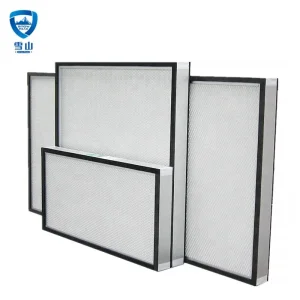
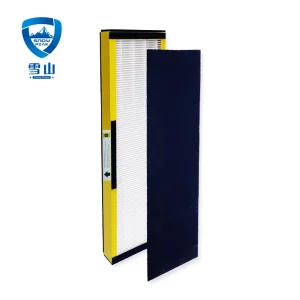
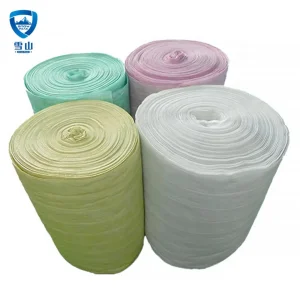
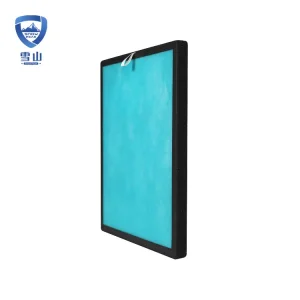
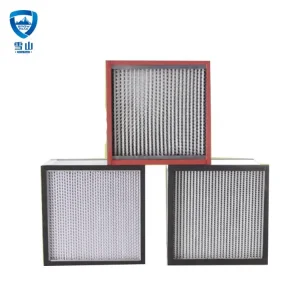
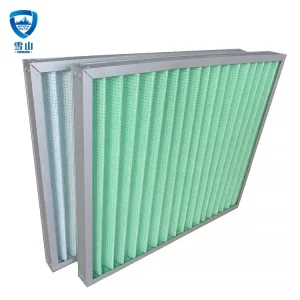
Shenzhen Snow Peak Clean Technology Co., Ltd. is an integrated high-tech enterprise, specialized in air filtration products research and development, production, sales, import and export trade. We produce and supply: Pre-filter, pocket filter, HEPA filter, chemical filter; replacement HEPA filter, car cabin air filter, humidifier filter; pocket filter media, melt-blown composite filter media, and other high-performance filter materials; provide high quality air purification solutions and products for indoor air pollution control and air conditioning systems of civil and industrial buildings, microelectronics, pharmaceutical, laboratory, school, hospital clean room etc.
Combined with self-developed patented technology, our sterilizing antiviral HEPA filter can effectively filtrate fine particles, so that PM2.5 concentration down to 10 micrograms/m3, 5 times better than national standard; effectively inhibit the breeding of microorganisms, sterilization rate up to 99.9%, and no secondary pollution, removal of H1N1 virus efficiency as high as 99.99%.
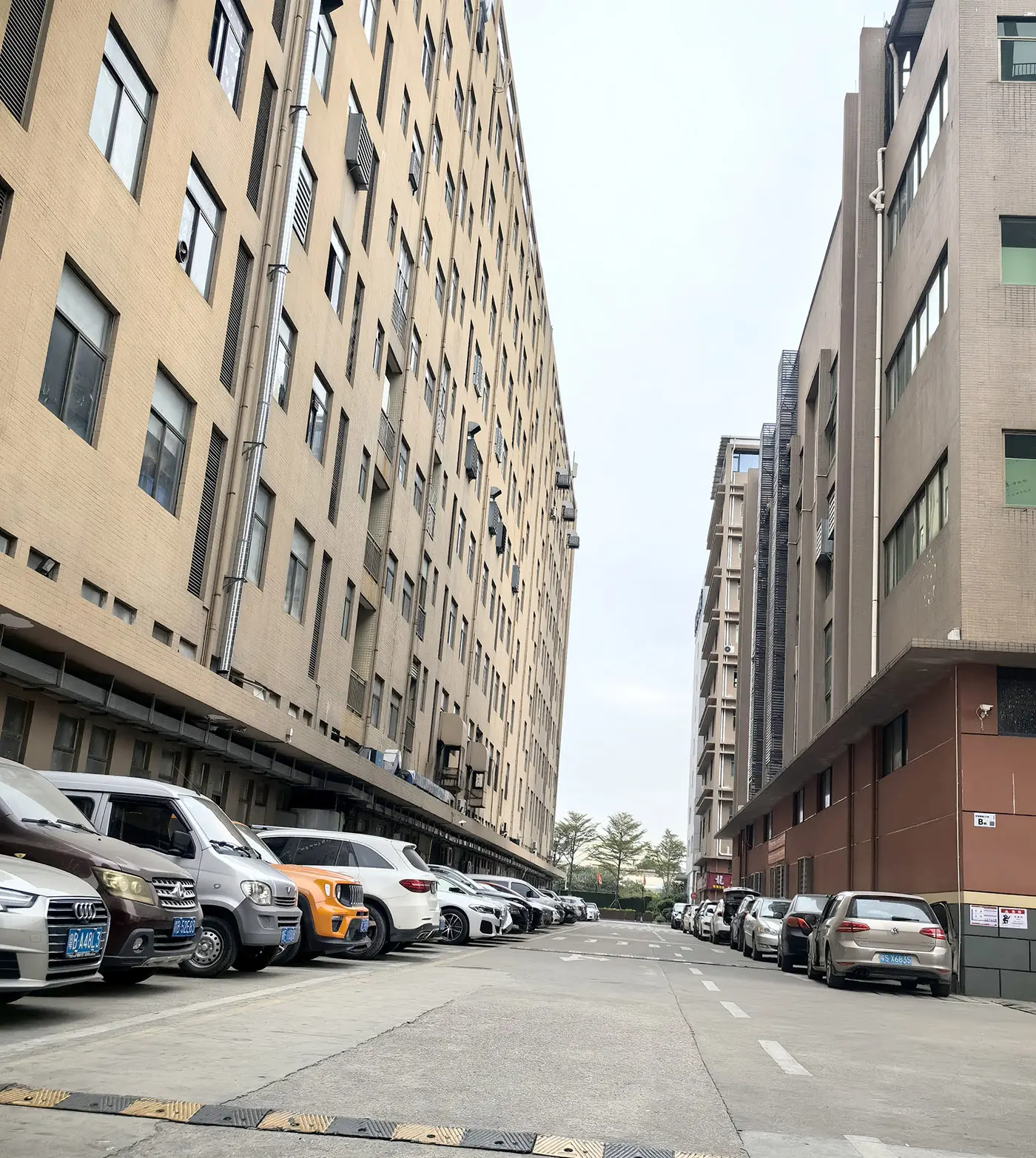
Our state-of-the-art production lines ensure consistency, reliability, and precision at scale.
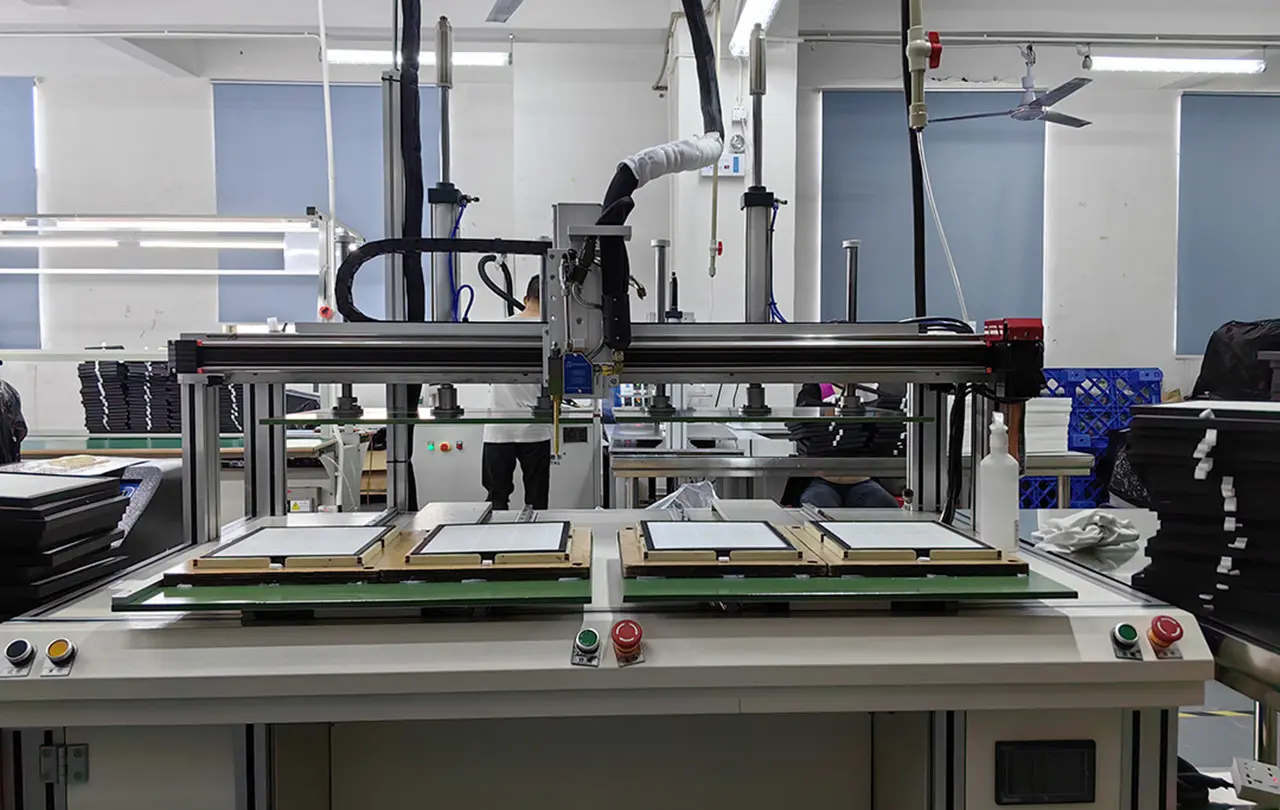
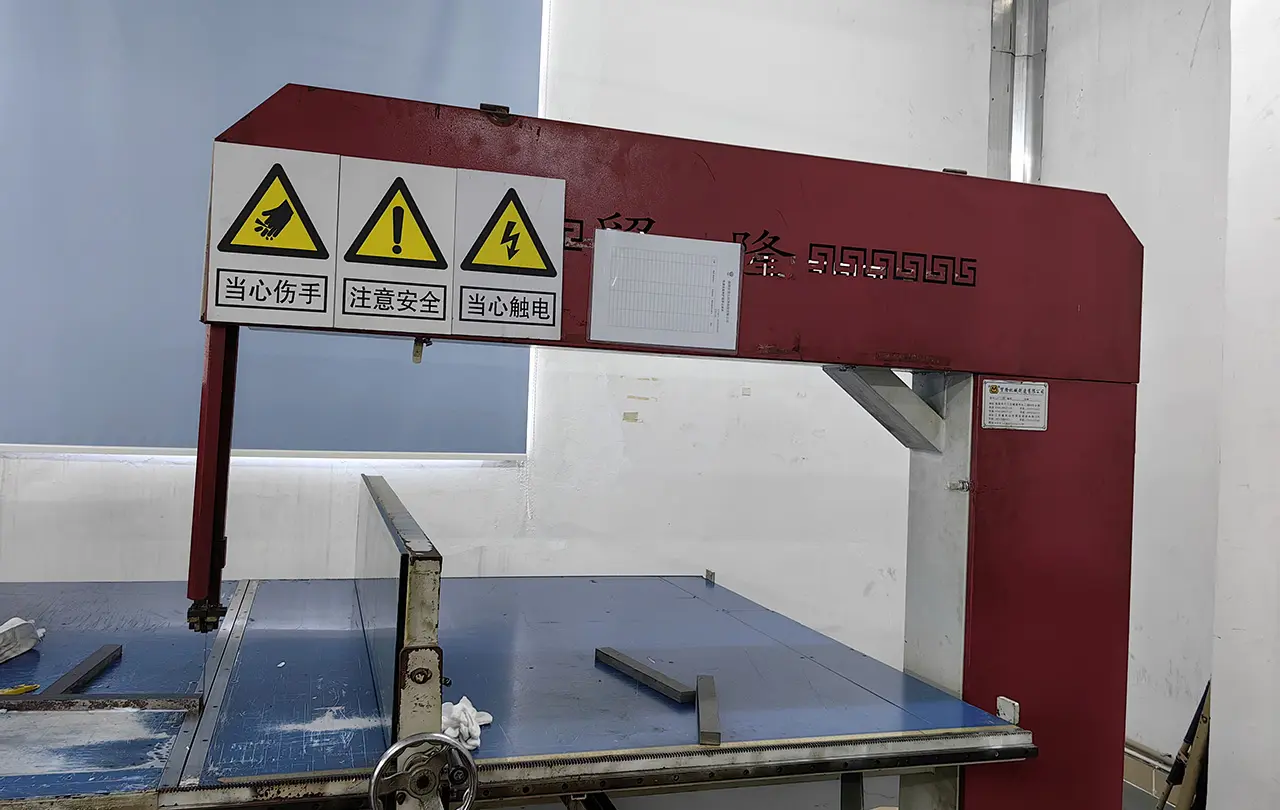
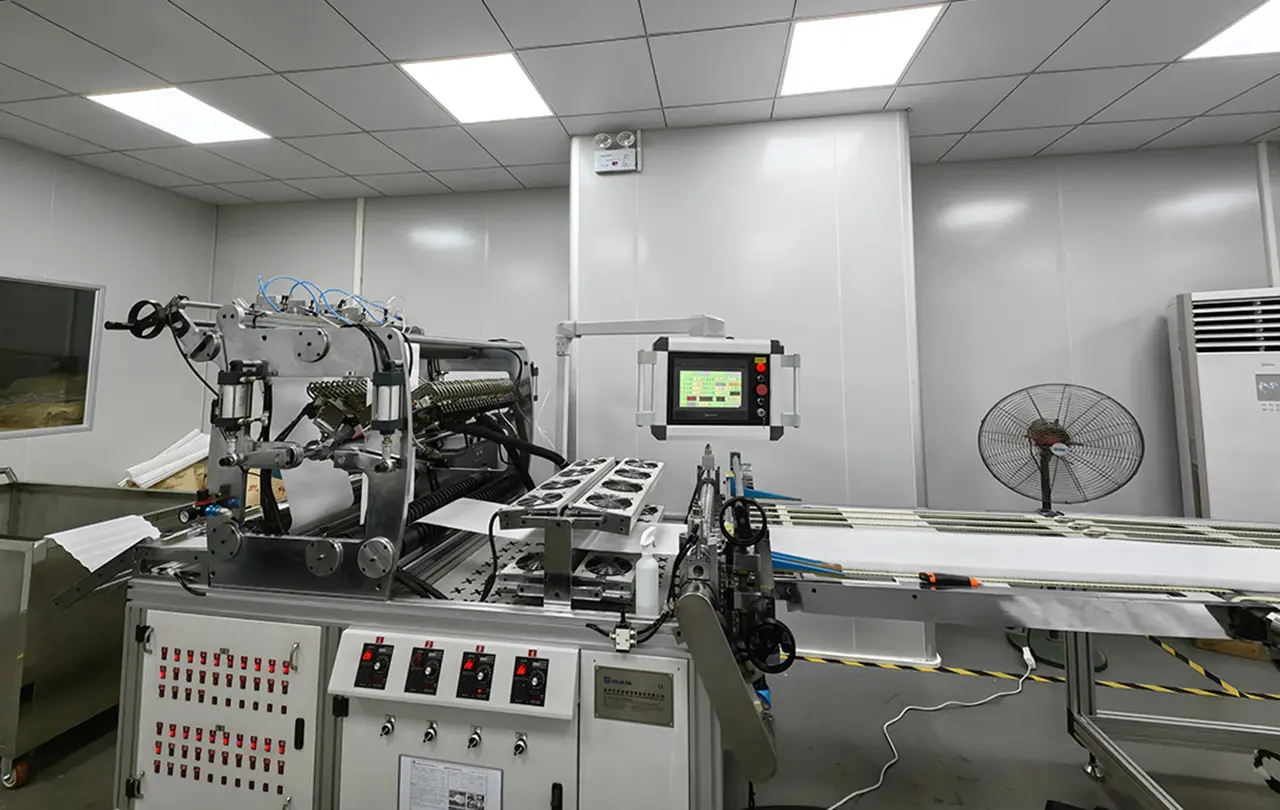
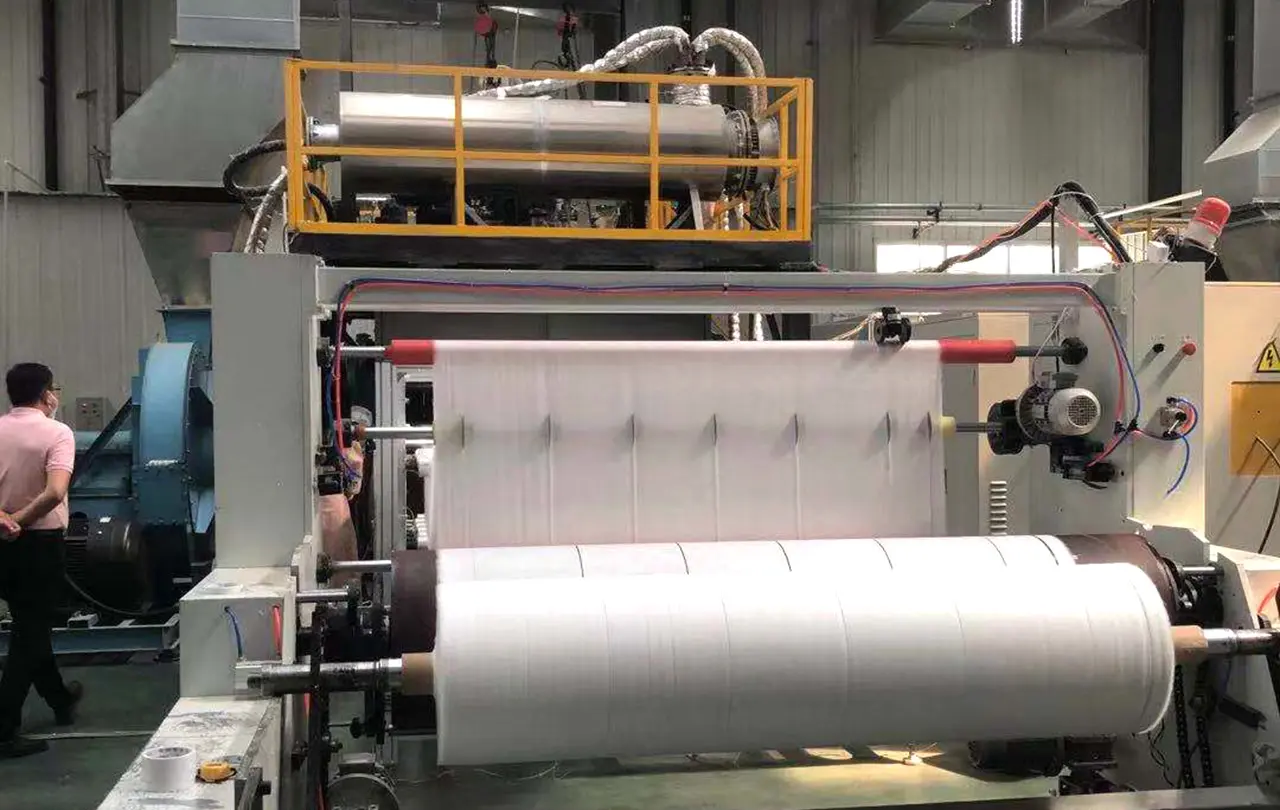
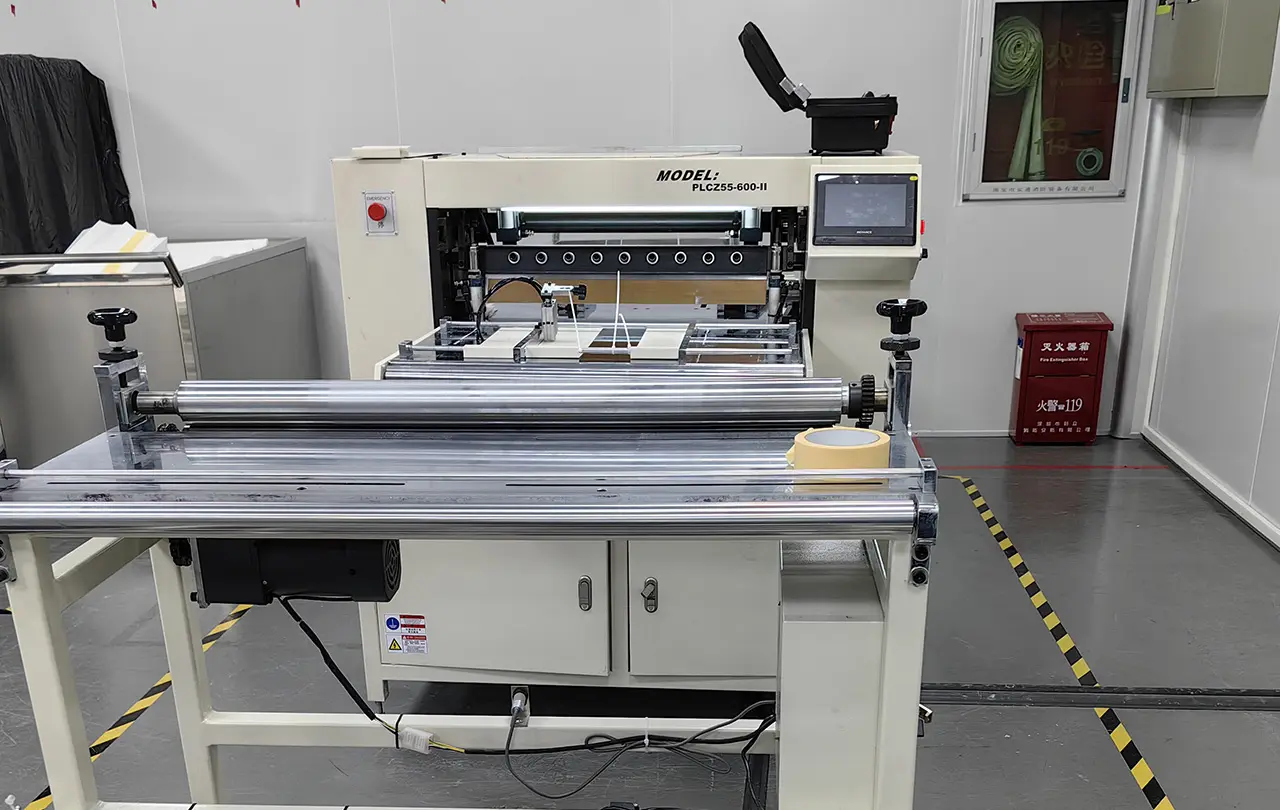
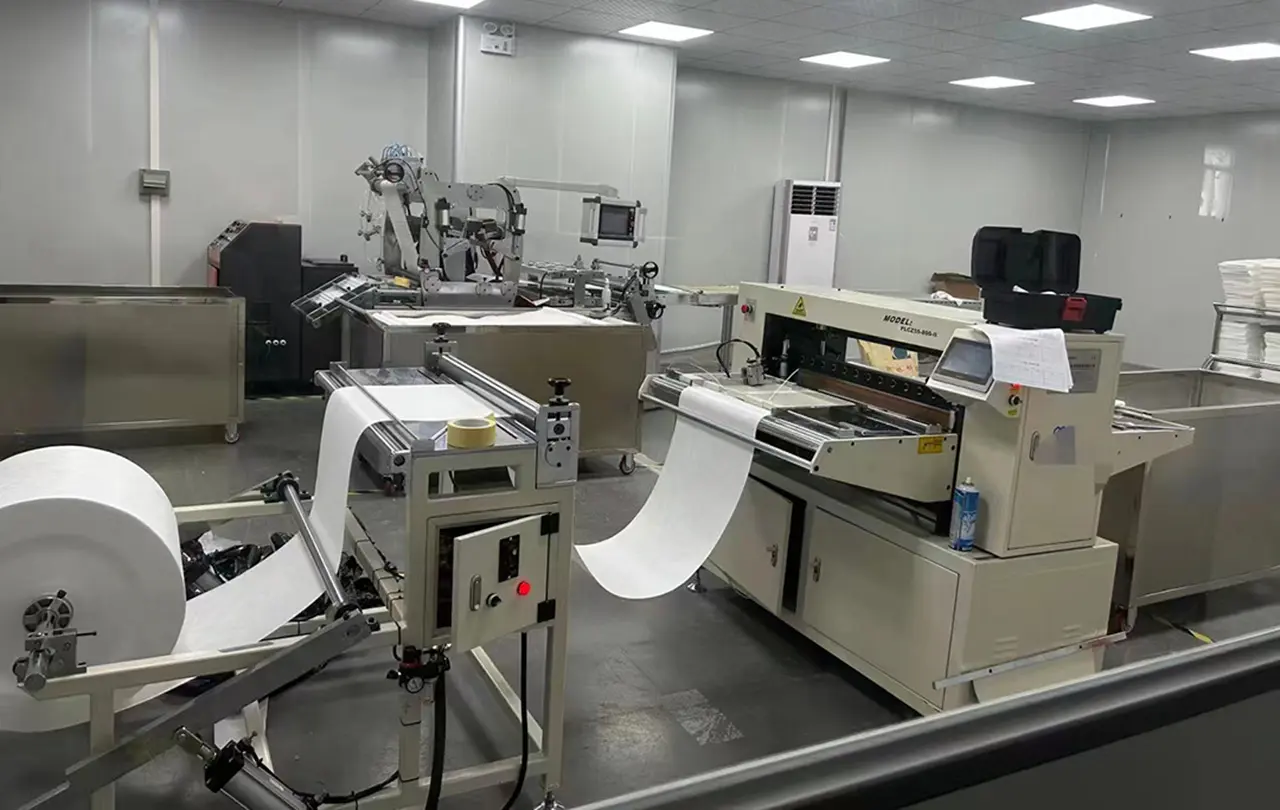
Having 15 years of international air purification technology experience as the background, our company has standardized production workshop, dust-free filter workshop and first-class technology of HEPA filters production line and inspection line, independent research and development of fully automatic air filter production line, equipped with AMADA CNC punch and CNC bending machine as well as many other advanced high-end equipment, provide a strong guarantee for production and quality of air filtration and purification products.
We utilize industry-leading Japanese AMADA CNC punching and bending machines to fabricate structurally sound frames that resist system vibration and bypass leakage.
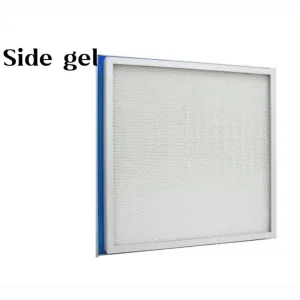
HEPA/ULPA filter assembly, gel-sealing, and inspection are performed in-house under strict dust-free environments to eliminate pre-shipment contamination.
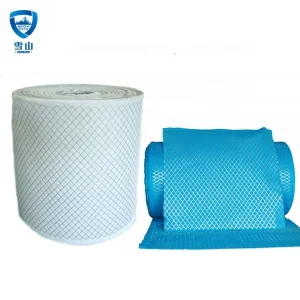
Global procurement of HVAC filtration products often hinges on balancing raw material costs with engineering precision. By locating our operations within Shenzhen, the silicon valley and logistical powerhouse of southern China, Shenzhen Snow Peak Clean Technology Co., Ltd. benefits from a robust regional industrial ecosystem. We manage a fully integrated supply chain, starting with raw material formulation—such as the creation of pocket filter media, melt-blown polymers, and laminated wire mesh—and extending to final assembly, testing, and shipping. This vertical integration allows us to significantly reduce Total Cost of Ownership (TCO) for our overseas partners while maintaining consistent quality standards.
In traditional supply models, filter frames, adhesives, and media are sourced from fragmented suppliers, which often introduces component variability and delayed lead times. Our centralized factory model eliminates these issues. Our automated pleating lines handle everything from initial substrate lamination to structural pleat spacing. Frame fabrication (utilizing galvanized steel, aluminum alloy, or eco-friendly cardboard) is conducted in-house with AMADA CNC punch systems. This level of control ensures that our dimensional tolerances remain within sub-millimeter limits, preventing bypass leakage in filter housing tracks.
Shenzhen's logistical connectivity to international ports allows us to streamline shipping and clearance processes. Whether you require standard container shipments of pocket rolls for G4 pre-filtration or custom-sized mini-pleat HEPA filters for cleanroom installations, our logistical network ensures reliable, cost-efficient delivery times. This direct-from-factory structure allows us to offer highly competitive pricing, making high-efficiency air quality solutions more accessible for global commercial developments, industrial retrofits, and high-volume OEM distribution networks.
Purchasing HVAC filters at an enterprise scale requires strict adherence to international safety and performance standards. Procurement departments in Europe, North America, and the APAC region must verify that imported filtration equipment meets local building codes and environmental health regulations. At Shenzhen Snow Peak, we design, test, and manufacture our filters in compliance with key international standards, including CE Certification, EN 779:2012 (G3 to F9), EN 1822:2019 (H13 to U17), and the newer ISO 16890 framework. This compliance ensures that our products seamlessly integrate into global project designs without requiring costly third-party verification or modification.
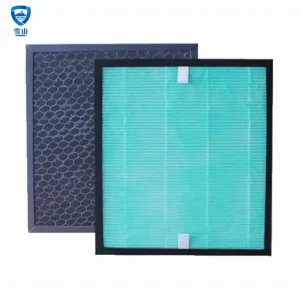
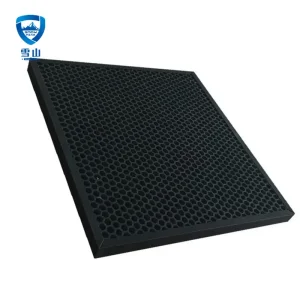
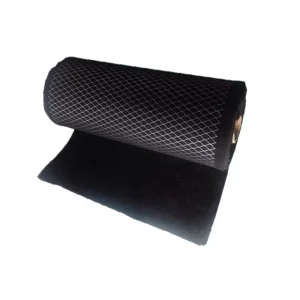
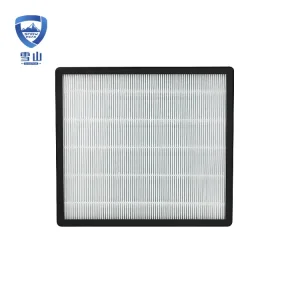
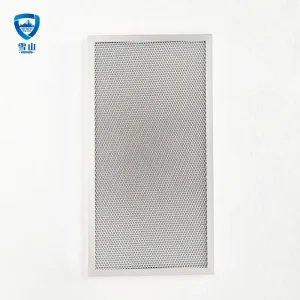
Every commercial ventilation project presents distinct architectural and geographic challenges. Humidity, ambient PM load, chemical concentrations, and spatial constraints dictate the optimal filter selection. We offer specialized engineering support, including custom sizing, variable depth profiles, high-temperature options, and multi-stage configurations. For instance, our Gel Seal liquid tank HEPA filters are engineered to prevent bypass leaks in pharmaceutical cleanrooms by using a fluid gel track that creates an airtight seal with the mounting grid. For gas-phase chemical filtration, we offer customizable honeycomb activated carbon filters designed to neutralize volatile organic compounds (VOCs) and corrosive gases in municipal, industrial, and cleanroom environments.
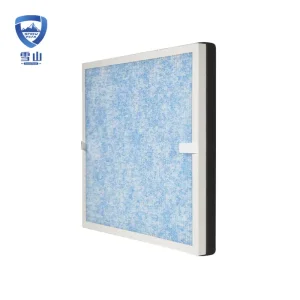
In addition to manufacturing industrial-grade equipment, we support global distributors through private-labeling, custom packaging, and engineering localization services. We supply drop-in replacements for popular filtration models, such as our FLT4825-compatible HEPA filters. These units are built to exact OEM physical tolerances while incorporating advanced antimicrobial treatments. This allows our global partners to maintain reliable supply chains for domestic air purification networks without the risk of dimensional mismatch or degraded performance. Our localization services include providing multi-language product documentations, technical data sheets with precise pressure drop curves, and custom barcode integration to streamline inventory management in domestic warehouses.
The demand for advanced air purification is shifting from simple particulate filtration to comprehensive indoor environmental control. Driven by green building certifications (such as LEED and WELL) and clean energy initiatives, the focus of HVAC development is directed at minimizing the energy penalty of filtration systems. Historically, achieving higher filtration efficiency meant using denser media, which resulted in a higher pressure drop and increased energy consumption by the fan system. However, advances in nano-fiber technologies and structured electrostatic charging allow modern filters to achieve MERV 16 or HEPA classifications at a fraction of the operating resistance, helping enterprises reduce carbon footprints and power utility costs.
Integrated circuit manufacturing requires sub-micron particulate control. Even minor particulate contamination can render sensitive wafers unusable. Our gel seal and high-temperature HEPA filters provide cleanroom environments down to ISO Class 1 cleanliness, keeping contaminants out of critical processing zones.
Pathogen containment and sterile atmospheres are critical in surgical rooms and bio-safety cabinets. Our sterilizing antiviral HEPA filters achieve a 99.9% sterilization rate and 99.99% H1N1 virus removal. This helps reduce contamination risks without releasing chemical bioproducts into the airflow.
Improving indoor air quality (IAQ) is directly linked to higher cognitive function and employee productivity. Our G3/G4 pre-filters combined with F7/F8 pocket filters effectively capture PM2.5 and pollen, helping facilities maintain green building standards and low HVAC energy consumption.
Technical insights, selection guidelines, and operational recommendations for industrial procurement.
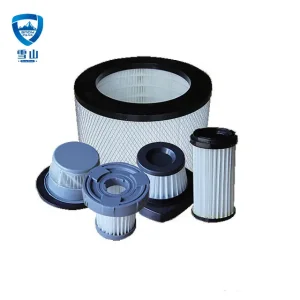
Explore our range of cylindrical, high-temperature, and frame-reinforced industrial filters.
 Snow Peak