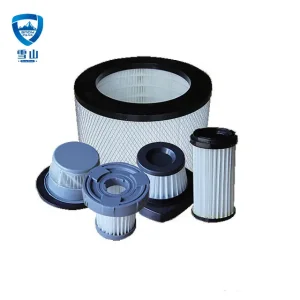
In the fields of commercial indoor climate control, microelectronics fabrication, pharmaceutical processing, and heavy industrial operations, the performance of primary HVAC filtration stages is critical to system reliability and operational efficiency. Furnace prefilters, primarily categorized under classes G2, G3, and G4 (according to EN 779) or Coarse 30% to Coarse 60% (under ISO 16890), act as the first line of defense in air handling systems. By capturing large particulates, textile fibers, insects, and abrasive dusts before they reach downstream secondary or HEPA filters, high-capacity prefiltration plays a central role in preventative maintenance.
From a procurement perspective, the Total Cost of Ownership (TCO) of air purification infrastructures is closely tied to prefilter performance. When low-quality prefilters fail prematurely or suffer from fiber shedding, secondary HVAC systems face heavier dust loads. This causes an exponential increase in pressure drop (ΔP), leading to excessive energy use by fans and a shortened lifespan for expensive downstream filters. Therefore, sourcing customized prefilters from a certified exporter is a key strategy for global procurement managers looking to minimize operational risks and save energy.
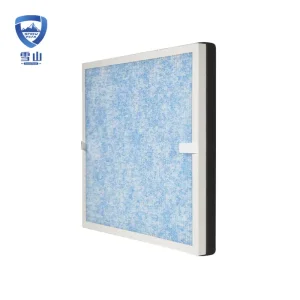
Selecting the right prefilter media depends on the target particulate size and the cleanroom environment. For example, G4 prefiltration media uses progressive-density synthetic fibers. This design features a looser weave on the air inlet side and a denser structure on the outlet side. This multi-layered approach ensures depth loading, allowing the filter to hold more dust before clogging.
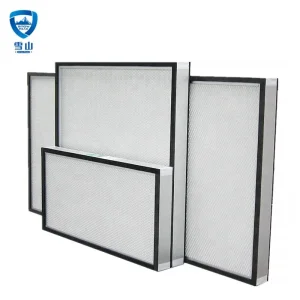
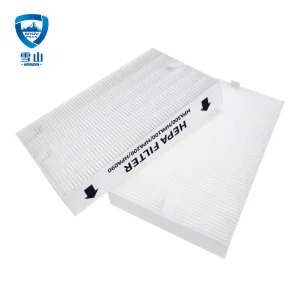
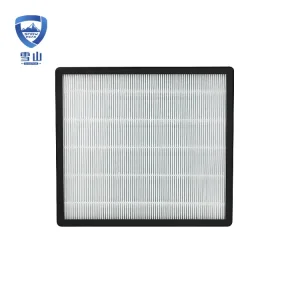
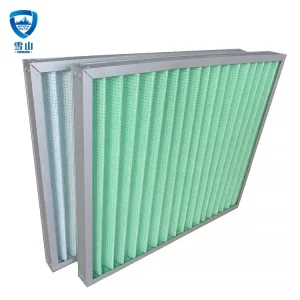
In settings with heavy dust, such as metal processing or woodworking facilities, metal-frame pleated panel filters with expanded metal wire support provide the structural strength needed to withstand high airflows. Conversely, in commercial office buildings, cardboard-framed G4 prefilters offer a cost-effective, easily disposable option that reduces shipping weight and simplifies waste management.
| Classification (EN 779) | Equivalent (ISO 16890) | Avg. Arrestance (Am) | Typical Applications | Recommended Filter Media |
|---|---|---|---|---|
| G2 | ISO Coarse 30-40% | 65% ≤ Am < 80% | Large particle prefiltration, heavy dust areas | Fiberglass media, synthetic fiber rolls |
| G3 | ISO Coarse 45-55% | 80% ≤ Am < 90% | Residential furnace prefilters, air handlers | Green-white primary media, pleat panels |
| G4 | ISO Coarse > 60% | 90% ≤ Am | Cleanroom air handling units, AHU prefiltration | Progressive synthetic fiber, cardboard panels |
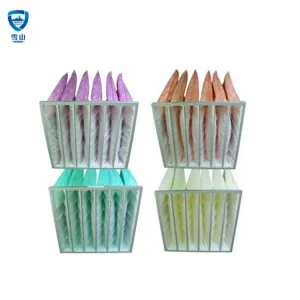
| M5 / M6 | ISO ePM10 50-70% | N/A (Efficiency based) | Secondary stage HVAC, spray paint exhaust | Meltblown pocket filters, synthetic bags |
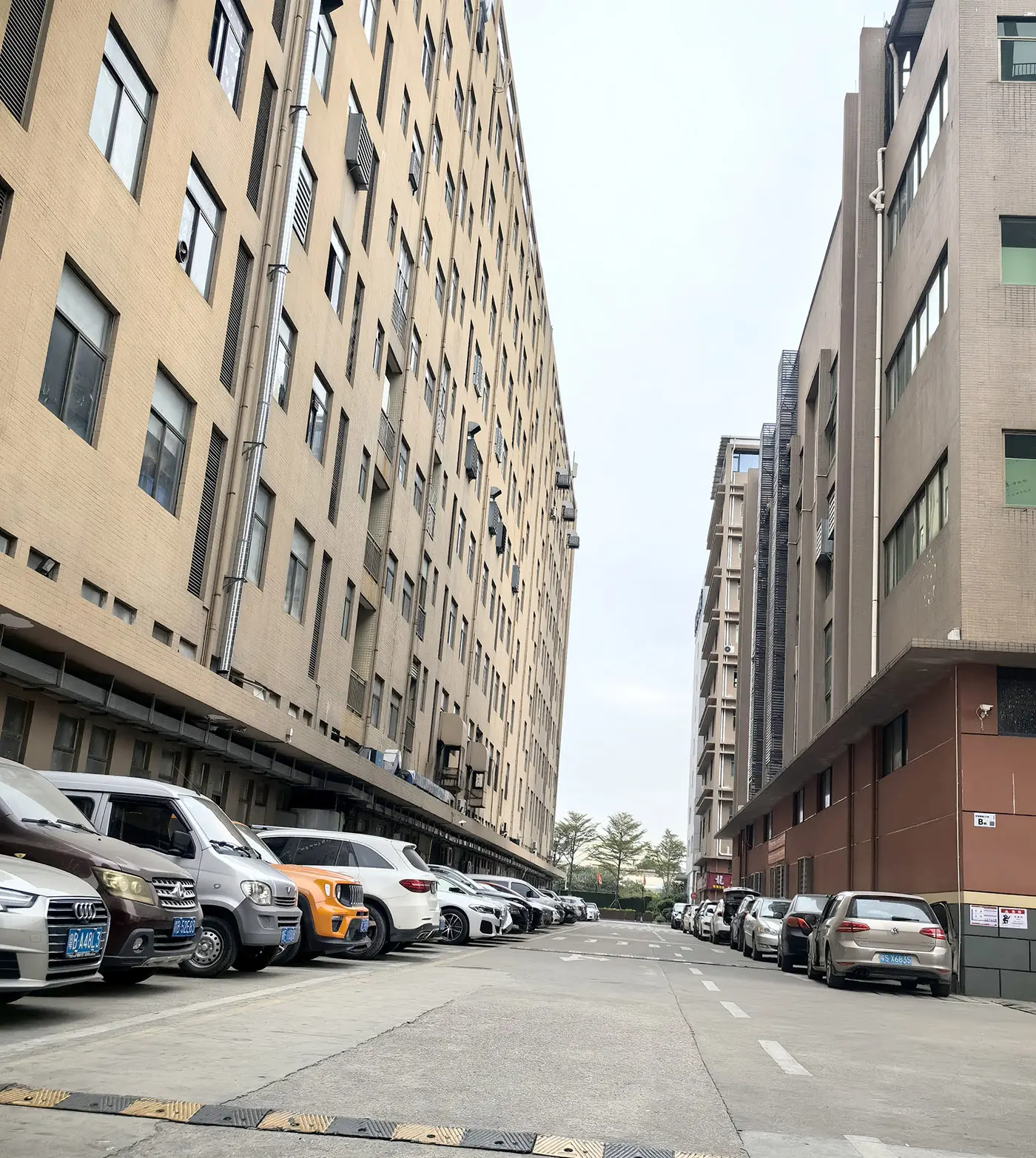
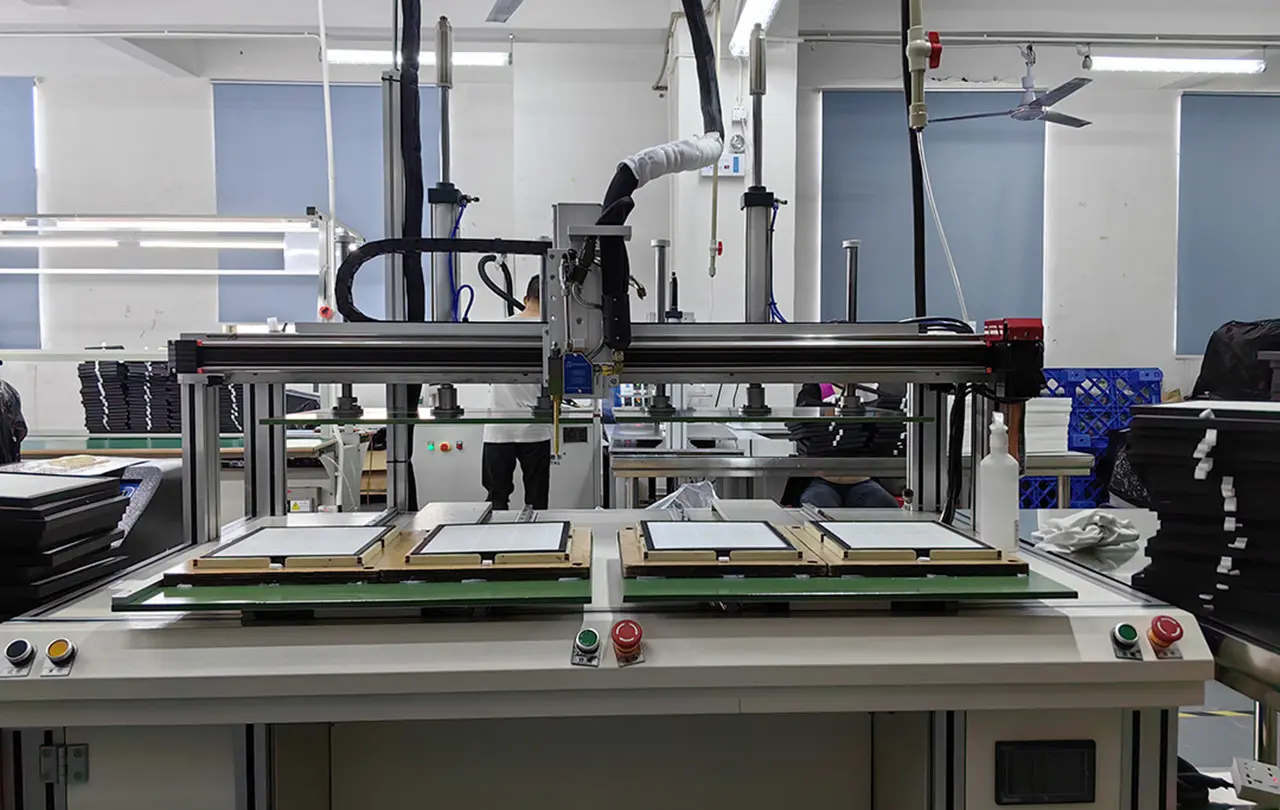
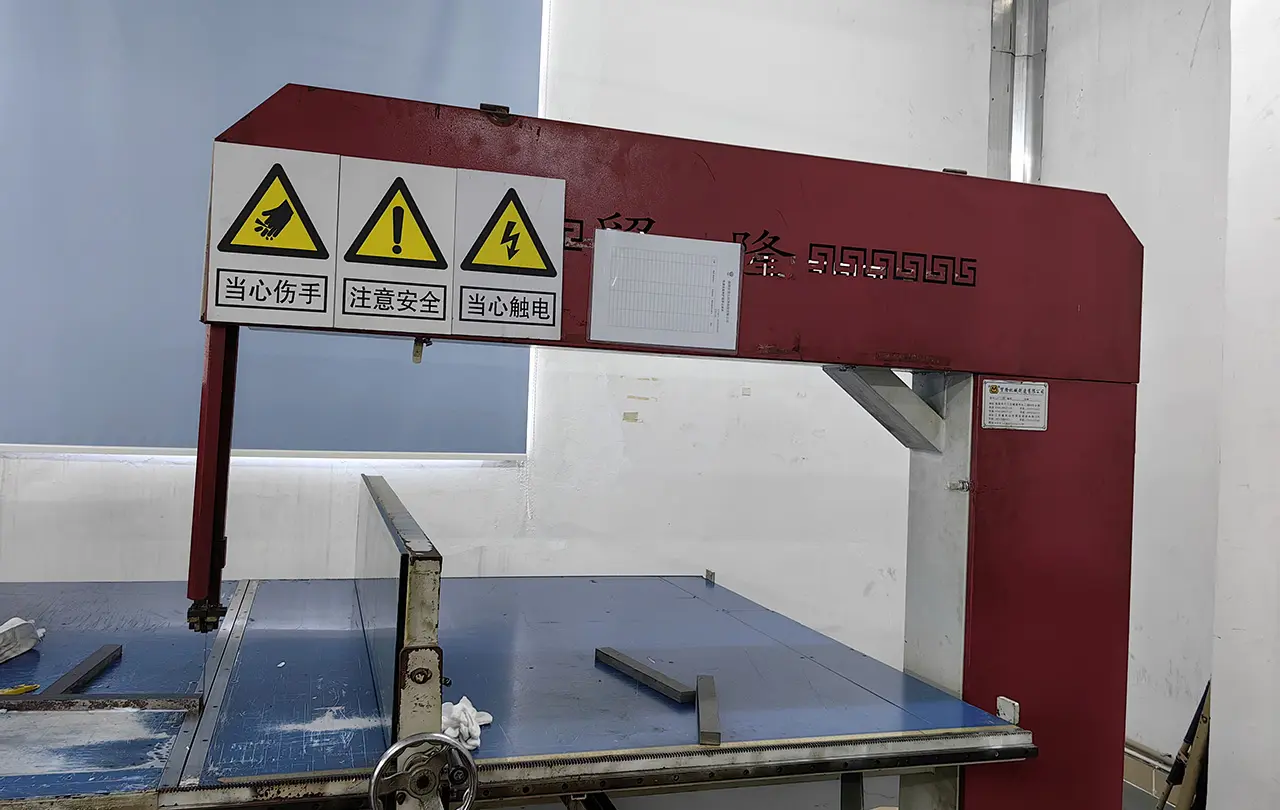
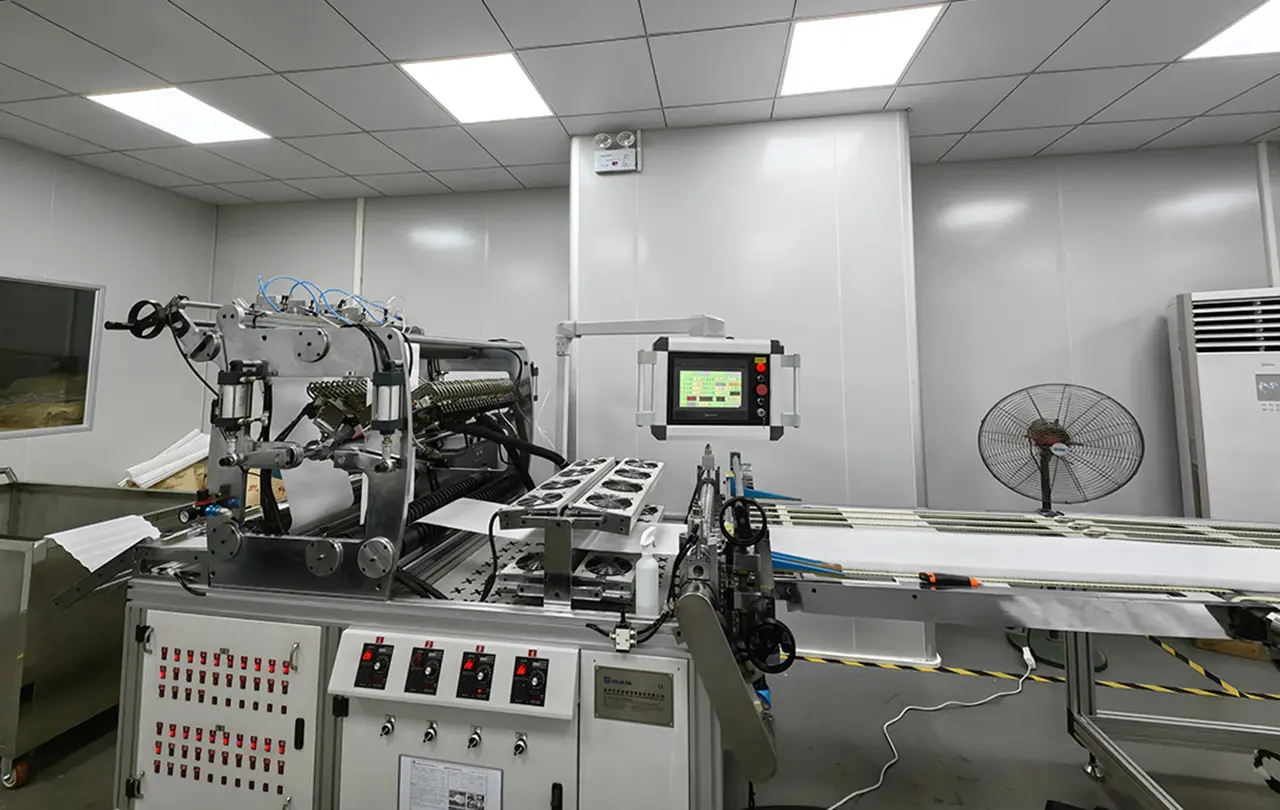
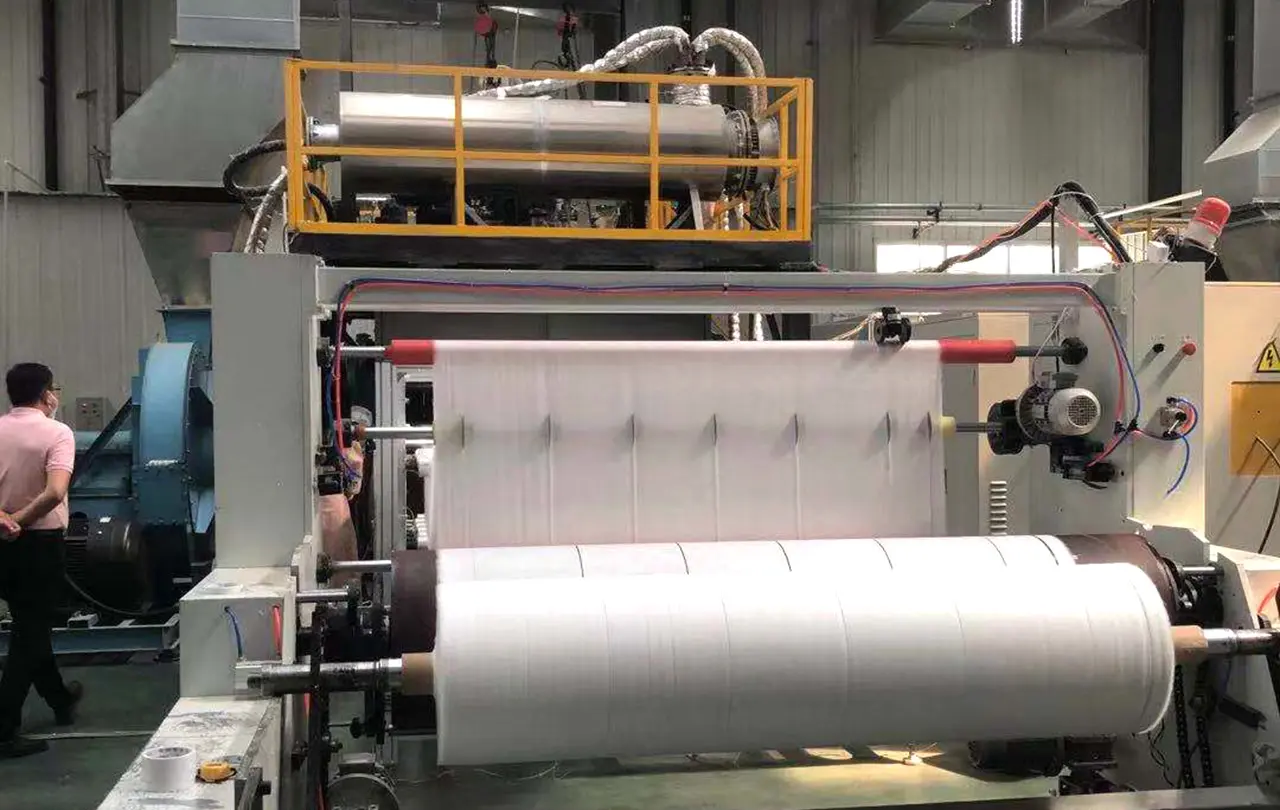
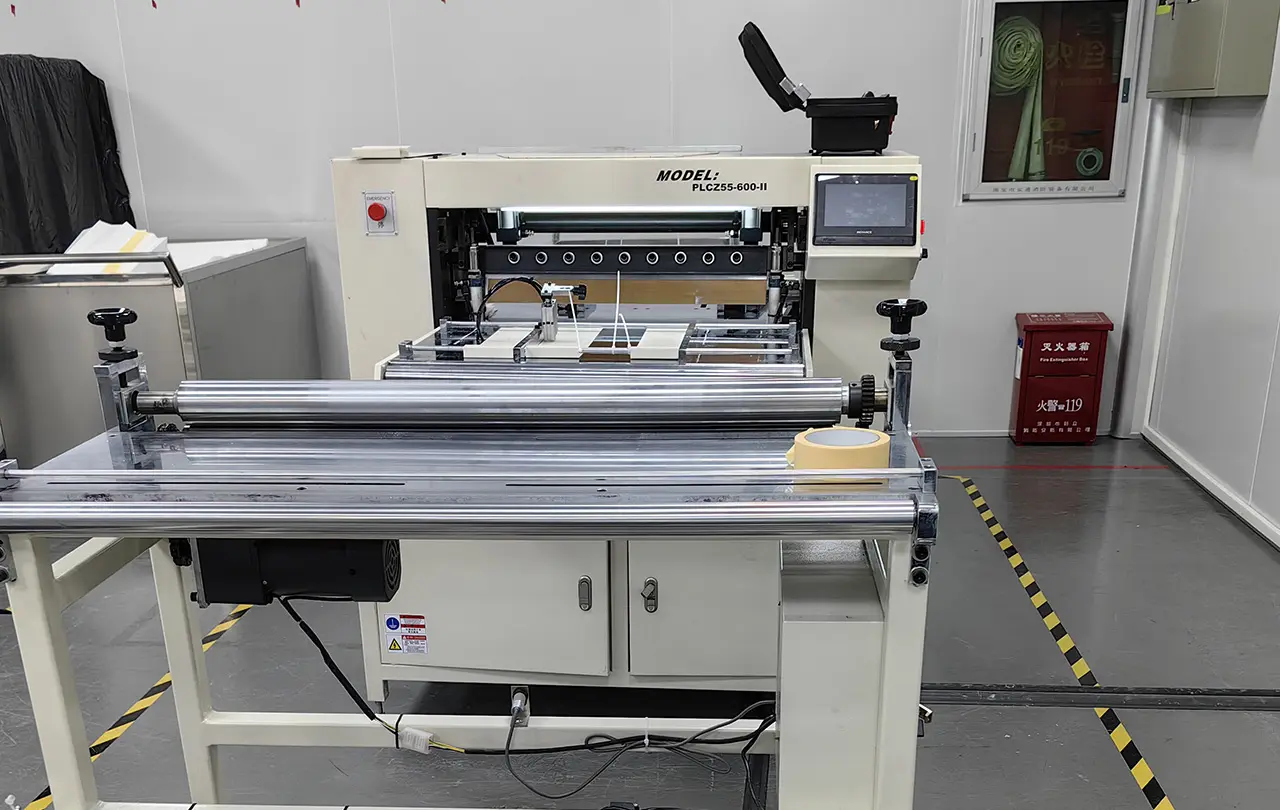
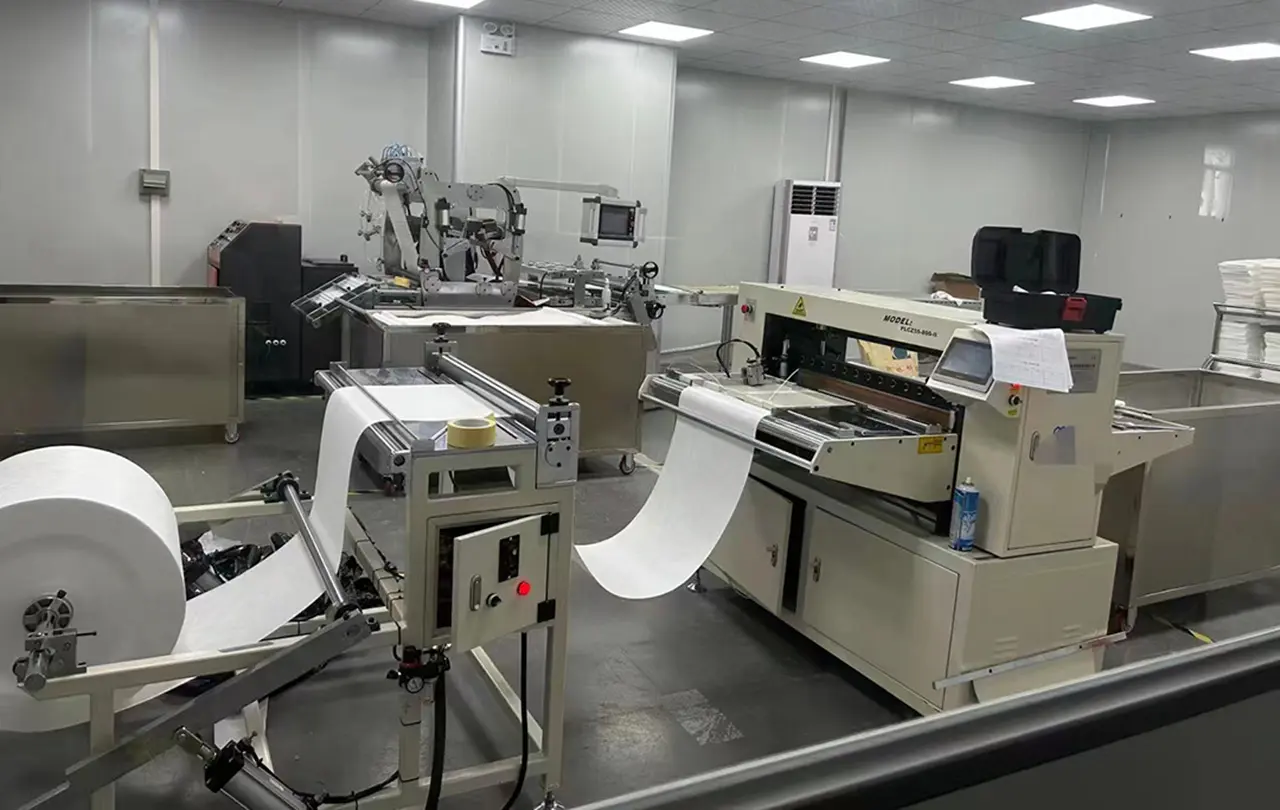
Having 15 years of international air purification technology experience as the background, our company has standardized production workshop, dust-free filter workshop and first-class technology of HEPA filters production line and inspection line, independent research and development of fully automatic air filter production line, equipped with AMADA CNC punch and CNC bending machine as well as many other advanced high-end equipment, provide a strong guarantee for production and quality of air filtration and purification products.
Global manufacturing markets face complex environmental and regulatory requirements. For example, microelectronics cleanrooms in South Korea and Taiwan, pharmaceutical factories in Western Europe, and commercial structures in North America all require high-efficiency filtration solutions. Sourcing furnace prefilters and media in bulk requires choosing an exporter who can balance strict technical standards with cost-efficient logistics.
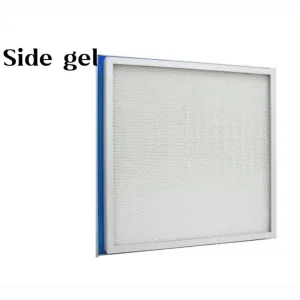
Microelectronics and Semi-conductor Plants: These environments demand particulate-free make-up air (MAU). By using customized gel-seal HEPA systems combined with heavy-duty G4 prefilter panels, facilities can prevent sub-micron particulates from fouling high-cost ULPA filtration loops. This configuration extends the replacement cycle of secondary filters from 6 months to over 24 months, resulting in substantial savings.
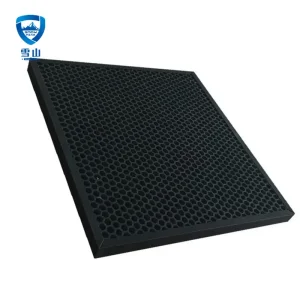
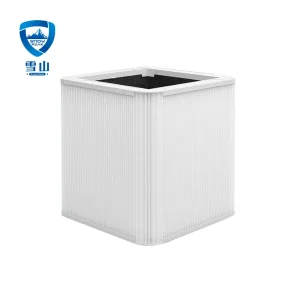
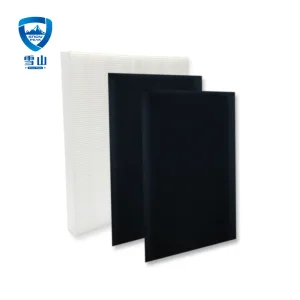
Healthcare and Pharmaceutical Facilities: Cleanliness is essential to prevent contamination in aseptic filling zones and hospital surgery suites. Our compound HEPA filters and honeycomb activated carbon filters work together to remove odors, chemical gases, and pathogens. Integrating our antiviral filter technology provides an extra layer of protection by inactivating up to 99.99% of airborne viruses like H1N1.
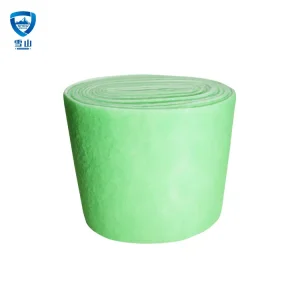
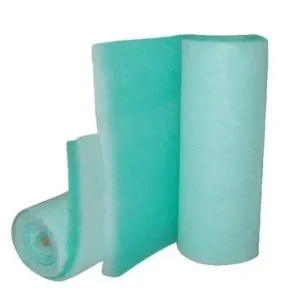
Spray Painting Booths and Automotive Plants: Paint shops require consistent laminar airflow and complete capture of overspray particles. In these settings, fiberglass media paint-stop floor rolls (G2/G3/G4 efficiency) are ideal. They capture sticky paint mist while maintaining an optimal pressure drop across the exhaust grid.
Manufactured using advanced thermal bonding processes. Our synthetic fibers feature a progressive structure that maximizes dust holding capacity (DHC) while maintaining low initial resistance, lowering fan energy consumption.
Uses a self-developed, patented active coating on our HEPA elements. It disrupts micro-organism membranes to deliver a 99.9% sterilization rate, preventing secondary bio-contamination in ducts.
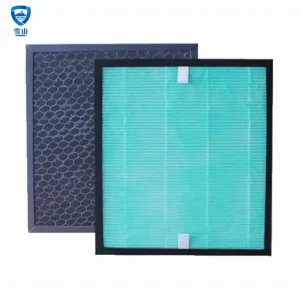
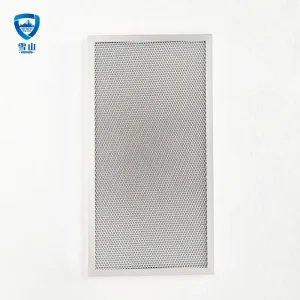
Aluminum and paper honeycombs filled with activated carbon offer high gas phase filtration. This setup targets volatile organic compounds (VOCs), formaldehyde, and industrial odors with minimal airflow restriction.
 Snow Peak