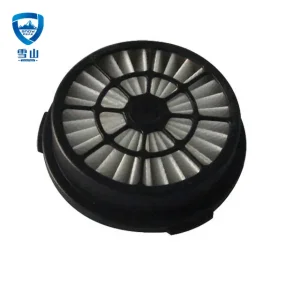
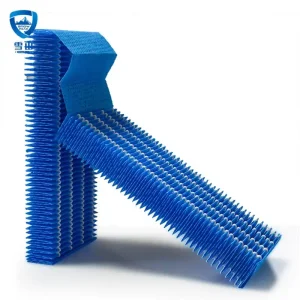
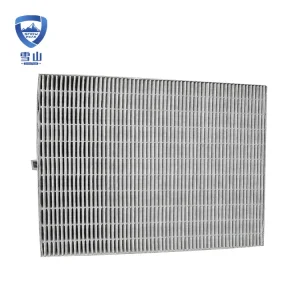
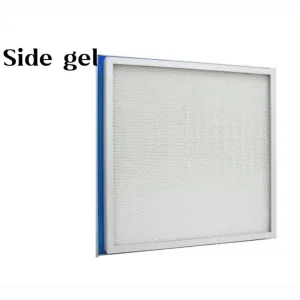
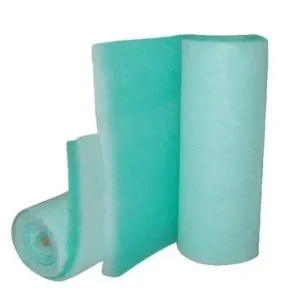
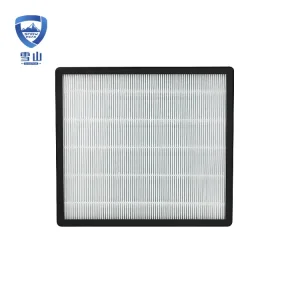
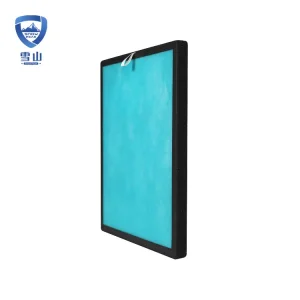
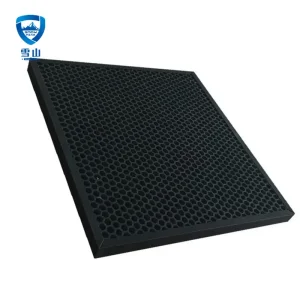
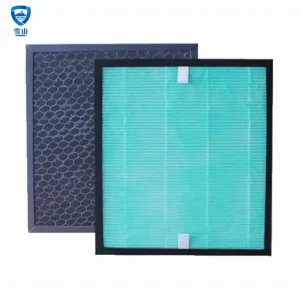
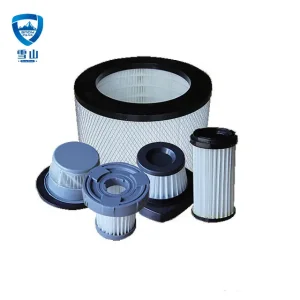
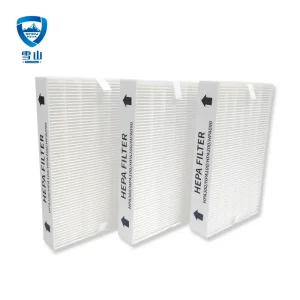
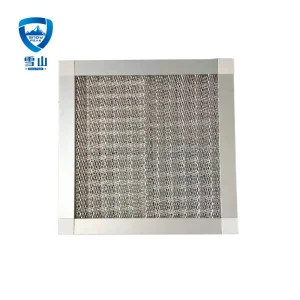
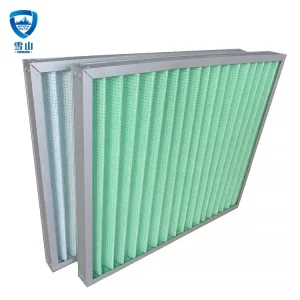
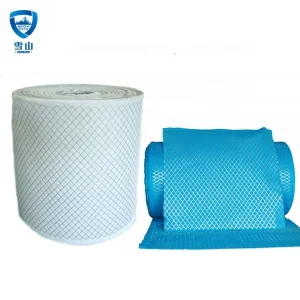
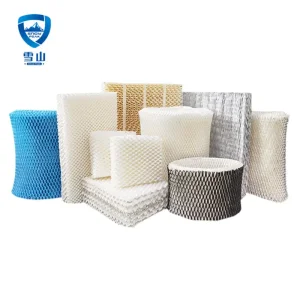
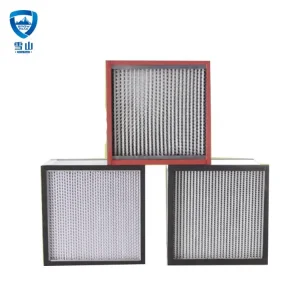
Browse our top commercial selection of primary air purification products, replacement modules, and customized humidification elements.
An in-depth look at why frame integrity is non-negotiable in ISO-certified cleanroom deployments.
In high-efficiency particulate air (HEPA) and ultra-low penetration air (ULPA) systems, the filtering media is only as competent as the structural frame encasing it. An absolute filter frame serves as the boundary interface between contaminated upstream air and sterile downstream air. Even a micro-meter gap or slight frame deformation under high static pressure will cause bypass leakage, rendering the entire particulate filtration array ineffective. This bypass compromises production yields in semiconductor lithography, invalidates sterile zones in biopharmaceutical packaging lines, and poses biological hazards in medical containment units.
To assure a zero-bypass envelope, global HVAC architects and cleanroom validation engineers pay critical attention to the materials, seal technologies, and mechanical tolerances of HEPA filter frames. Under strict regulations such as **ISO 14644-3** and **EN 1822**, the structural design of these frames is evaluated on anti-vibrational stability, corrosion resistance, outgassing indexes, and sealing mechanism reliability. Selecting the correct wholesale manufacturing partner ensures that these frames hold under dynamic pressure changes, prevent microbiological growth, and provide a lasting foundation for cleanroom airflow architecture.
Rigid frames resist flexure and twisting when subjected to peak system pressures up to 500 Pa, ensuring the perimeter seal holds intact.
Designed with smooth, non-porous surfaces that resist bacterial breeding, essential for life sciences and food packaging sectors.
Eliminating micro-chemical outgassing through cleanroom-compliant materials, protecting advanced semiconductor optics.
The macroeconomic factors reshaping the engineering requirements of the air filtration frame supply chain.
The global HEPA filter frames market is undergoing a transition driven by high-tech manufacturing growth and stricter air purity regulations. The expansion of sub-5nm semiconductor lithography processes requires filtration performance exceeding 99.999% at a MPPS of 0.1μm. To maintain this level, standard filter modules must transition from low-rigidity frameworks to heavy-duty, high-performance anodized aluminum or stainless steel structural frames.
Regionally, demand is rising in key cleanroom manufacturing hubs. In the Asia-Pacific region, rapid growth in display fabs, electric vehicle gigafactories, and semiconductor plants drives high-volume, wholesale sourcing. In the US and Europe, updates to medical facility standards and revised EU GMP Annex 1 guidelines have forced pharma companies to upgrade to zero-bypass, gel-sealed HEPA frame profiles. As a result, commercial buyers are shifting from simple off-the-shelf assemblies to customized structural components engineered for chemical tolerance, long lifespans, and ease of validation.
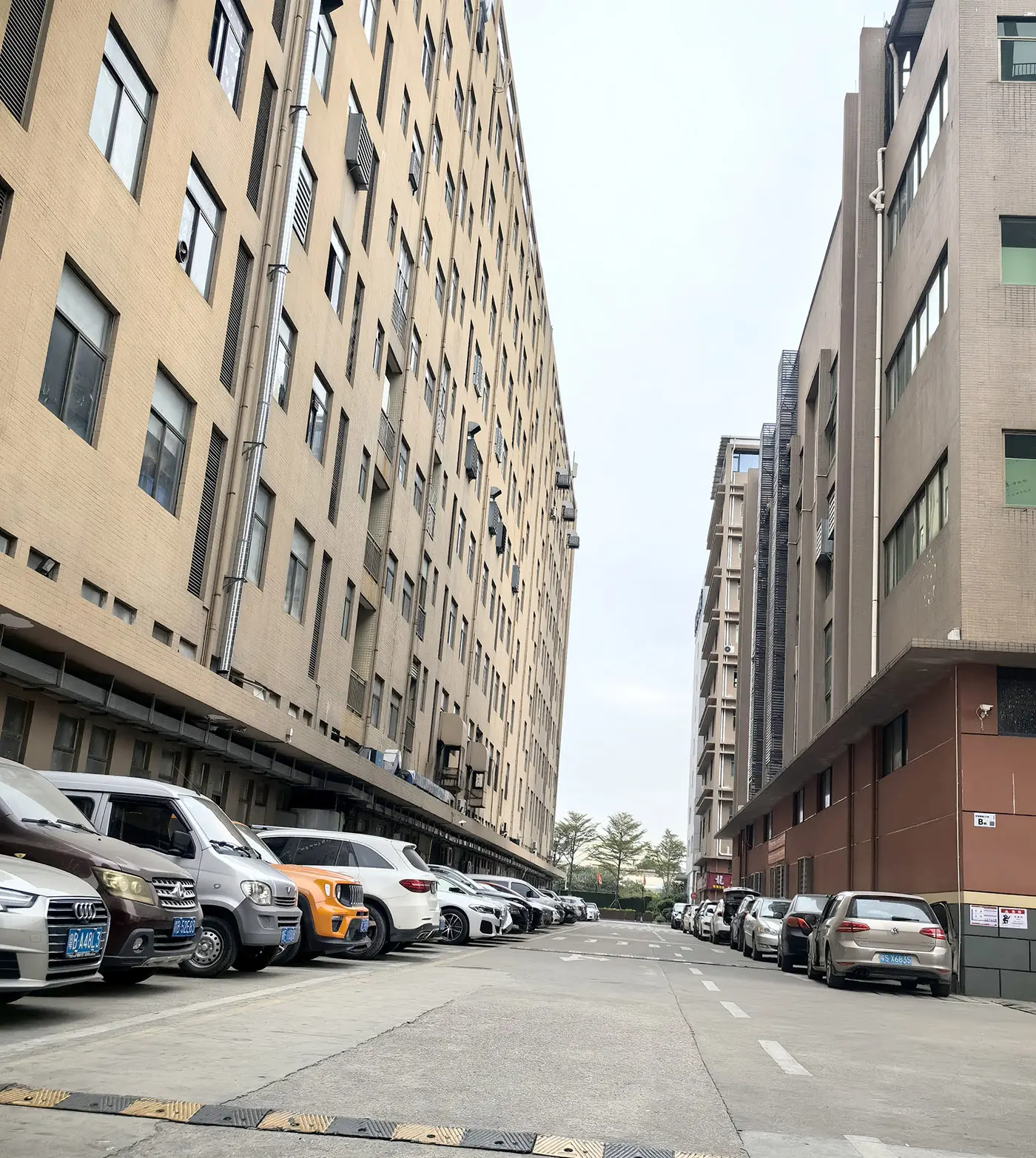
Shenzhen Snow Peak Clean Technology Co., Ltd. is an integrated high-tech enterprise, specialized in air filtration products research and development, production, sales, import and export trade. We produce and supply: Pre-filter, pocket filter, HEPA filter, chemical filter; replacement HEPA filter, car cabin air filter, humidifier filter; pocket filter media, melt-blown composite filter media, and other high-performance filter materials; provide high quality air purification solutions and products for indoor air pollution control and air conditioning systems of civil and industrial buildings, microelectronics, pharmaceutical, laboratory, school, hospital clean room etc.
Combined with self-developed patented technology, our sterilizing antiviral HEPA filter can effectively filtrate fine particles, so that PM2.5 concentration down to 10 micrograms/m3, 5 times better than national standard; effectively inhibit the breeding of microorganisms, sterilization rate up to 99.9%, and no secondary pollution, removal of H1N1 virus efficiency as high as 99.99%.
How 15 years of industry experience and advanced CNC technologies ensure precise tolerances on custom industrial filter frames.
Having 15 years of international air purification technology experience as the background, our company has standardized production workshop, dust-free filter workshop and first-class technology of HEPA filters production line and inspection line, independent research and development of fully automatic air filter production line, equipped with AMADA CNC punch and CNC bending machine as well as many other advanced high-end equipment, provide a strong guarantee for production and quality of air filtration and purification products.
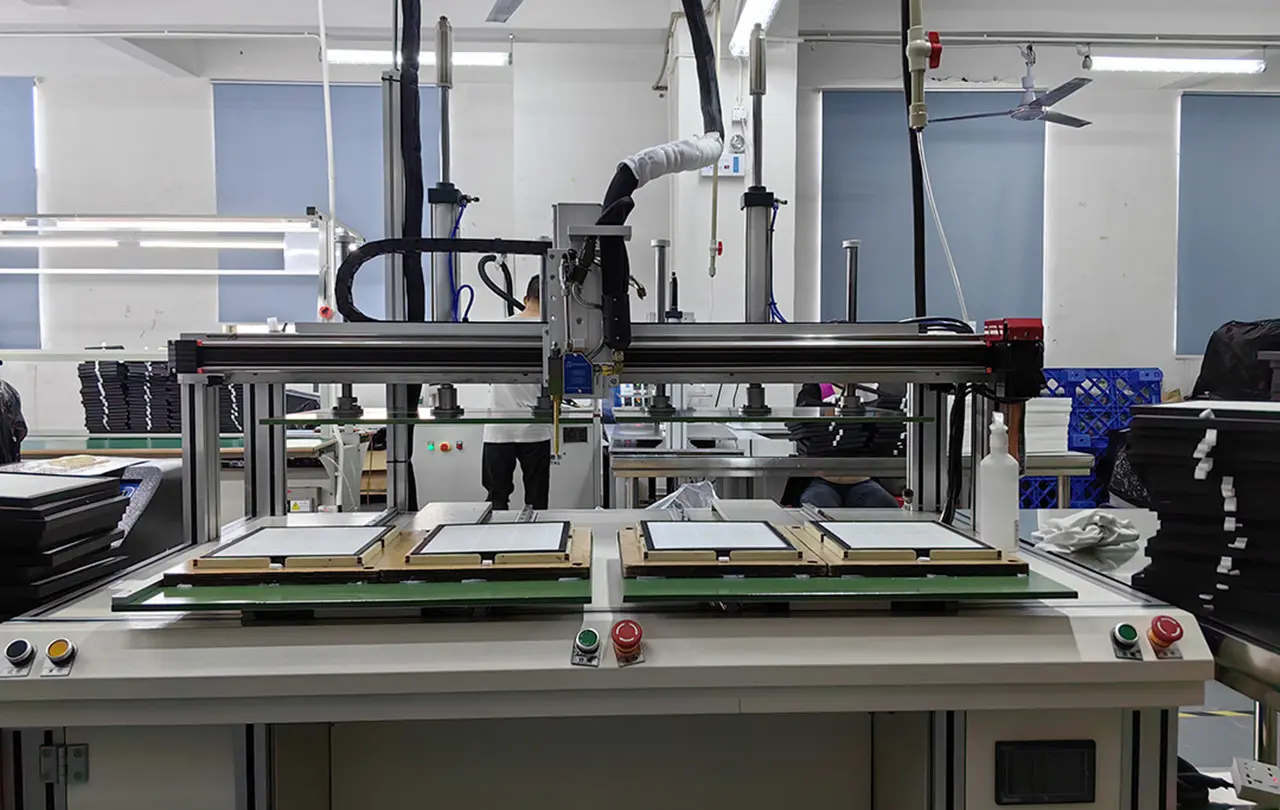
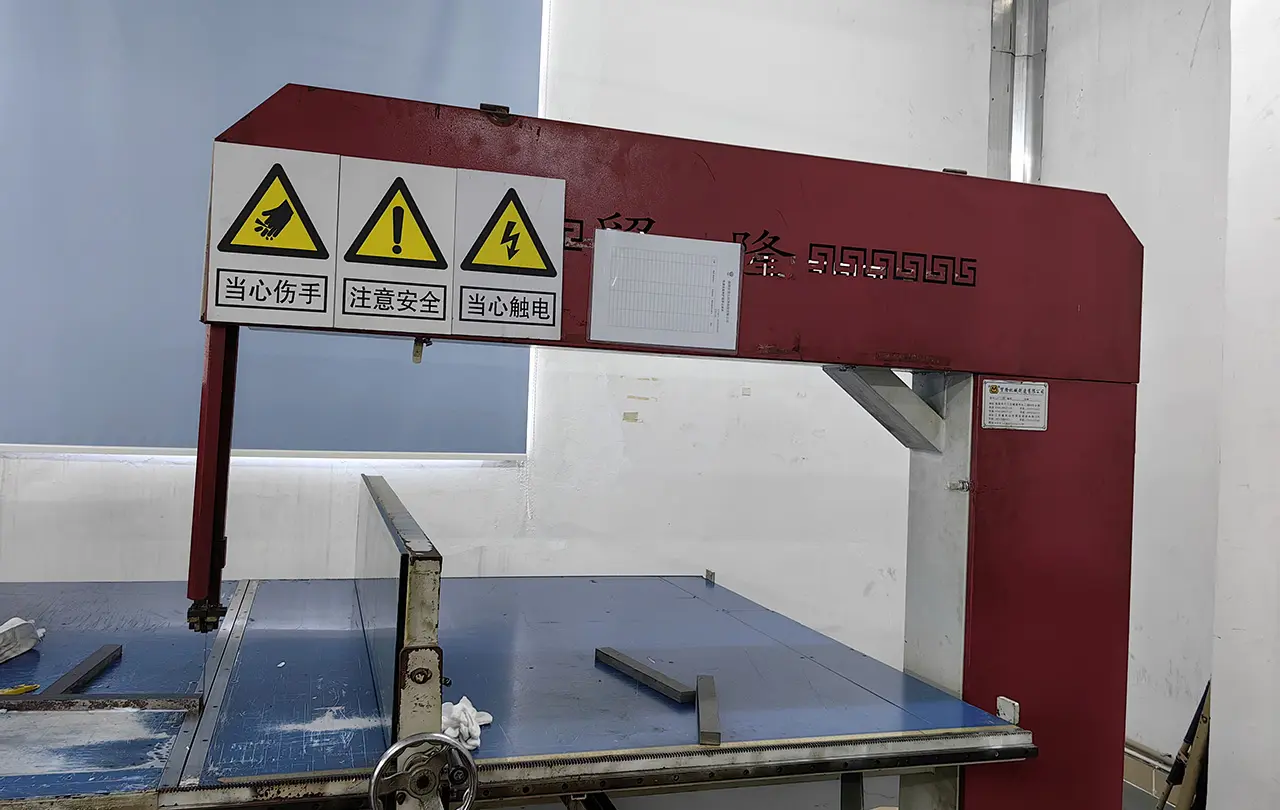
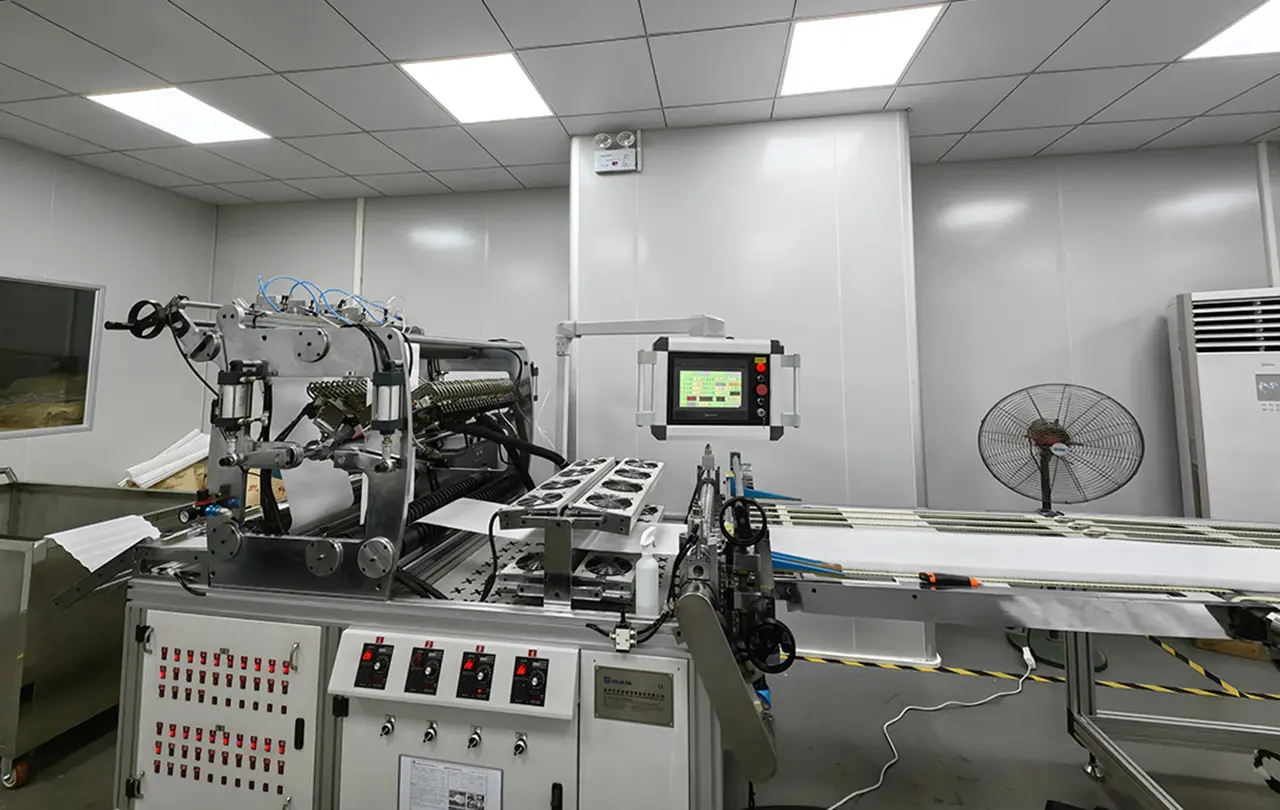
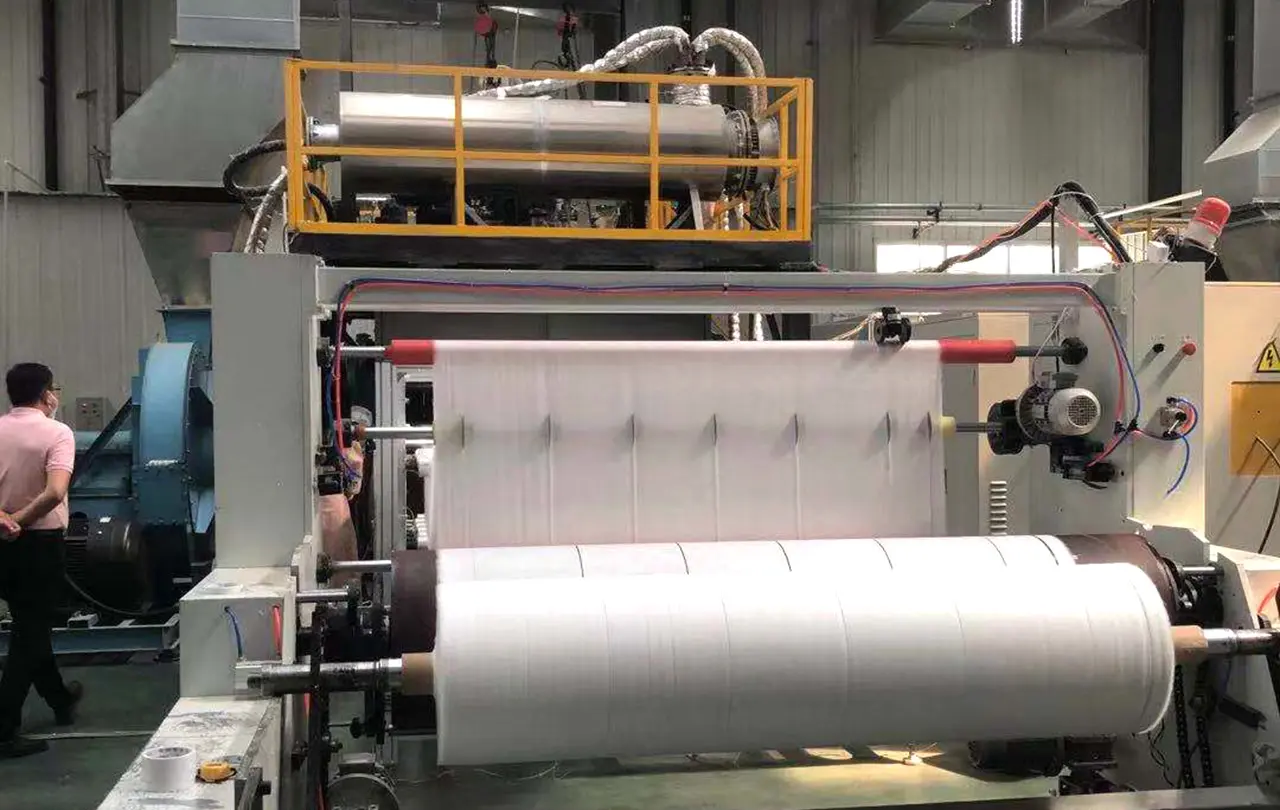
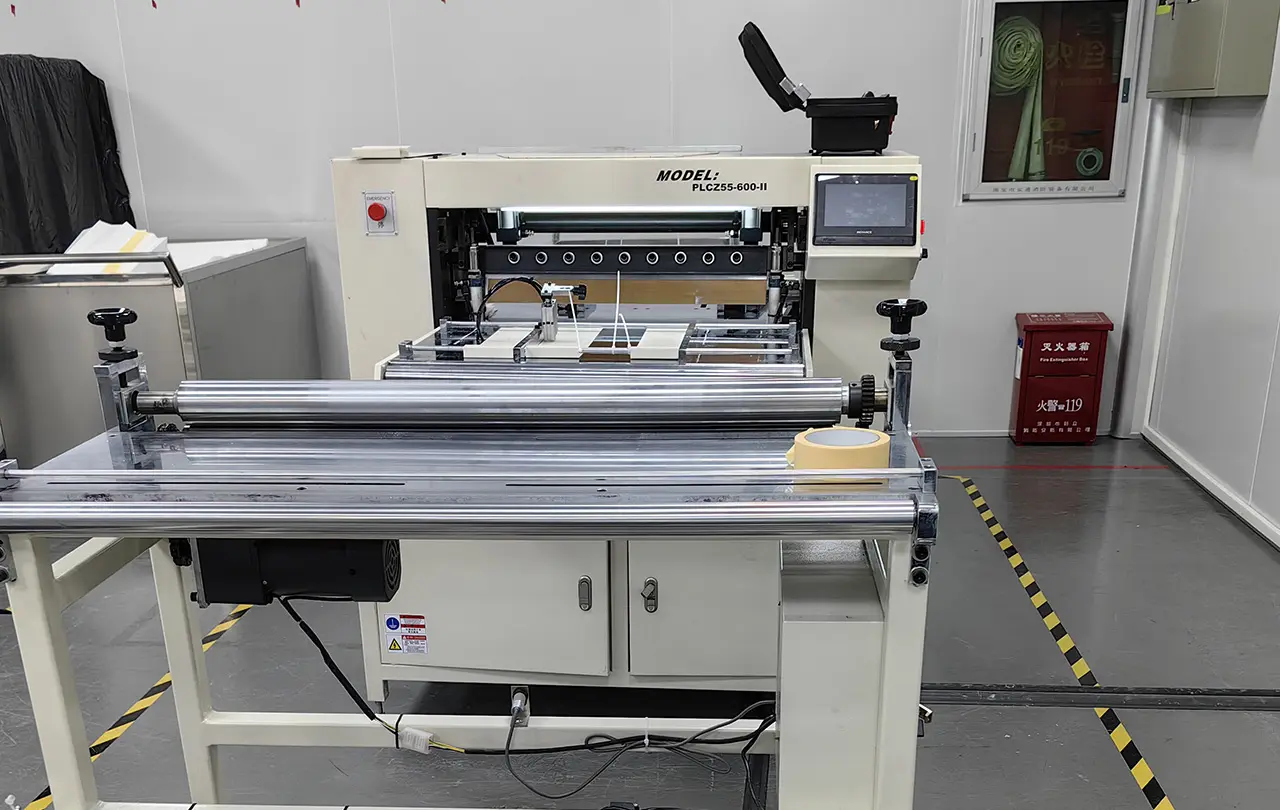
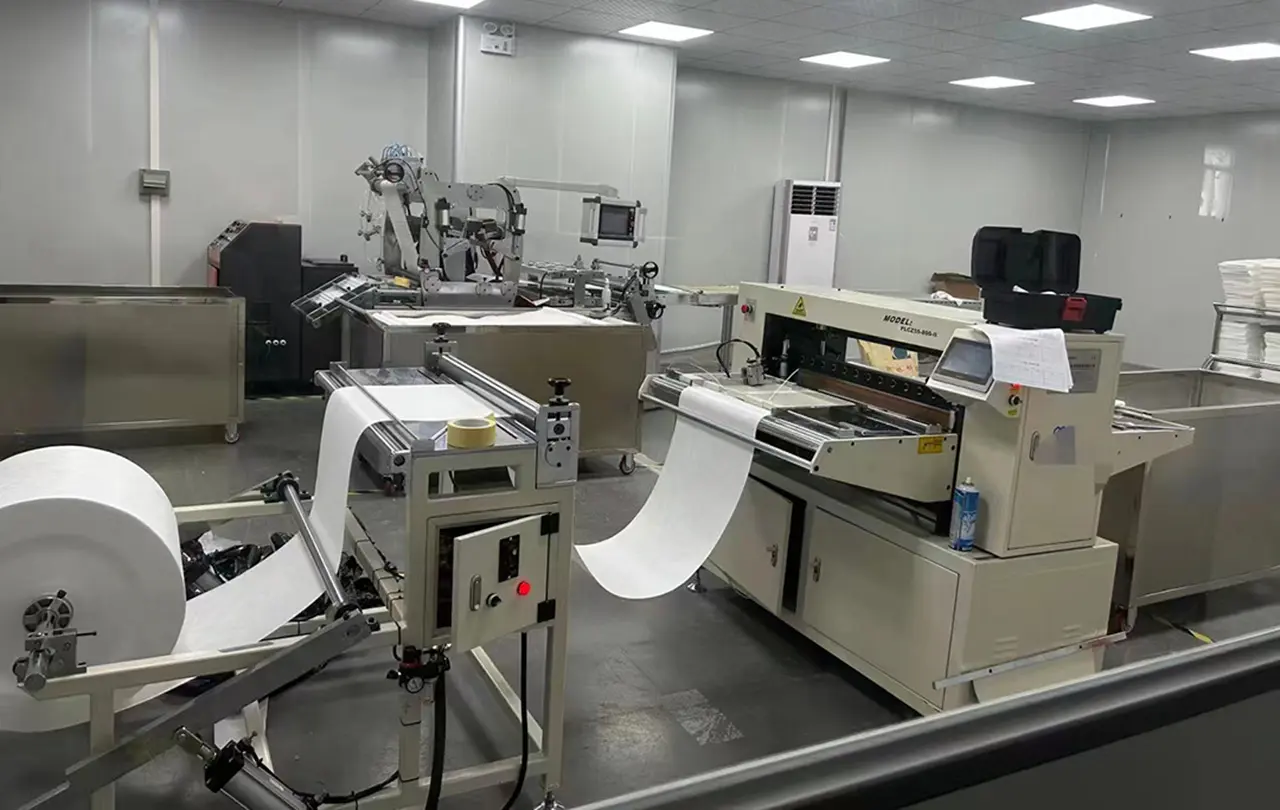
Analyze how frame metallurgy and composite choices impact operational lifespan, chemistry compatibility, and structural rigidity.
Industrial containment relies on selecting the proper frame material. The frame is critical for structural stability and prevents air leakage under changing pressures. Different environments demand specialized properties: pharmaceutical facilities require resistance to vaporized hydrogen peroxide (VHP) cycles, while semiconductor cleanrooms need low outgassing characteristics. This table evaluates the structural properties of primary frame choices to help you choose the right configuration for your project.
| Material Option | Structural Deflection Resistance | Chemical & Corrosion Resistance | Outgassing Risk | Primary Application Use Case |
|---|---|---|---|---|
| Anodized Aluminum (Extruded) | High (Optimal Strength-to-Weight) | Excellent (Resists moisture and oxidation) | Extremely Low (Ideal for Microelectronics) | Microelectronics, semiconductor fabs, FFU modules, dynamic gel-seal setups. |
| Stainless Steel (304 / 316L) | Very High (Structural grade) | Superior (Tolerates VHP sterilization, acids) | Negligible | Bio-pharmaceutical API manufacturing, surgical facilities, containment housings. |
| Galvanized Steel / GI | Moderate to High | Moderate (Vulnerable to continuous humidity) | Low | Commercial building HVAC pre-filtration, automotive spray booths, heavy dust collectors. |
| MDF / Wood Particle board | Low (Subject to swelling under humidity) | Poor (Degrades with chemical washdowns) | Moderate (Binding resins can outgas) | Budget residential filtration units, single-use safe disposal modules. |
Selecting the sealing mechanism to match cleanroom classification and pressure requirements.
Uses a knife-edge frame channel filled with liquid polyurethane or silicone gel. When inserted, the knife-edge penetrates the gel, creating a zero-bypass seal. Self-healing gel maintains seal integrity under structural shift or vibration. Essential for ISO Class 3 cleanrooms, terminal ceiling diffusers, and laminar flow hoods.
Uses high-rebound, closed-cell neoprene, EPDM, or polyurethane foam gaskets. The gasket is compressed 30% to 50% against the frame mounting flange. Requires precise, even clamping force to prevent seal gaps. Widely used in industrial bag-in bag-out containment housings and general HVAC systems.
Emerging innovations in material durability, smart monitoring, and green building targets.
The design of air containment systems continues to evolve. Modern engineering teams are focusing on three main areas for new HEPA filter frame designs:
Our R&D team works to keep our automated production equipment aligned with these trends, supplying robust products designed to meet evolving industrial standards.
Tailoring filter frames to cleanroom layout configurations and specialized facility workflows.
Hygiene-optimized stainless steel frames with flush mechanical gaskets. These frames tolerate constant chemical wipe-downs and prevent microbiological biofilm build-up in laminar flow systems.
Low-outgassing, anodized aluminum frames with fluid gel seals. These designs resist deflection under high FFU volumes and protect high-precision optics from micro-chemical outgassing.
Safe-change (Bag-In Bag-Out) fluid-seal filter frames. Designed for hazardous biological environments, these systems allow filter replacement without breaking containment.
Key technical answers for HVAC design engineers and industrial procurement specialists.
Industrial HEPA frames are typically built in depths matching standard cleanroom configurations. Common sizes include 69mm, 75mm, 80mm, 93mm, and 150mm for terminal modules and Fan Filter Units (FFUs). Heavy-duty, high-capacity V-bank HEPA systems often use frames with depths of 292mm (11.5 inches) to handle larger air volumes.
We perform leak and integrity testing according to ISO 14644-3 and EN 1822 guidelines. Completed modules are tested using a photometer or discrete particle counter with a challenge aerosol (such as PAO or DOP). This verifies the entire frame-to-media interface is completely free of bypass paths.
Stainless steel frames (grade 304 or 316L) assembled with high-temperature glass packings or specialized silicone sealants are recommended. These maintain their shape and resist oxidation at continuous operating temperatures above 250°C, which is common in depyrogenation tunnels and sterilization processes.
For semiconductor applications, we use high-purity, non-outgassing polyurethane gel rather than standard silicone gel. This avoids releasing volatile organic compounds (VOCs) that can deposit on and damage sensitive silicon wafers during processing.
Browse our selection of specialized industrial pre-filters, carbon VOC removal cartridges, and heavy-duty replacement modules.
 Snow Peak