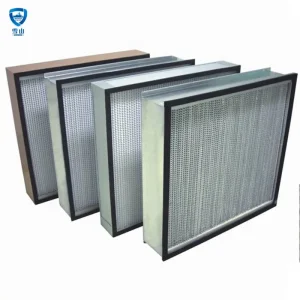
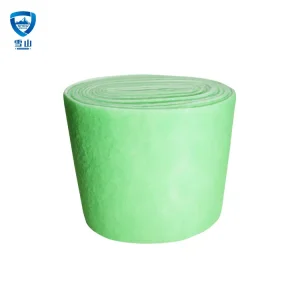
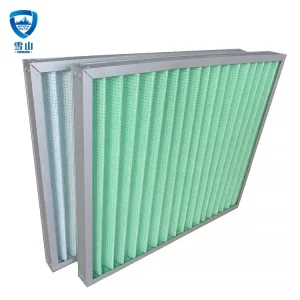
Discover our high-efficiency pre-filters, carbon compound matrices, and deep-pleat HEPA filters designed to comply with rigorous EN 1822 standard protocols.
Shenzhen Snow Peak Clean Technology Co., Ltd. is a premier, integrated high-tech enterprise at the forefront of biological and chemical particulate containment.
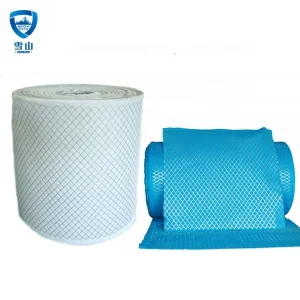
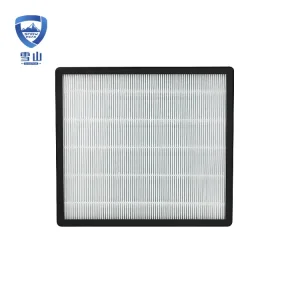
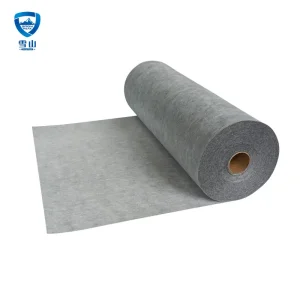
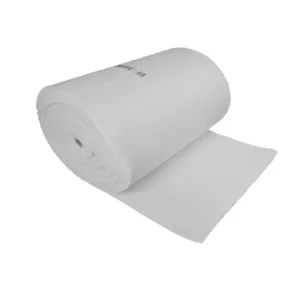
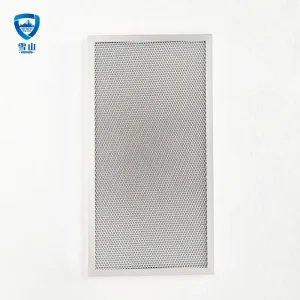
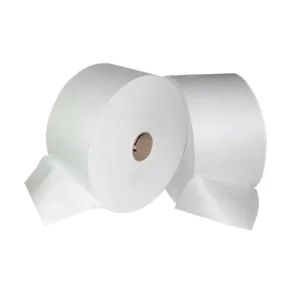
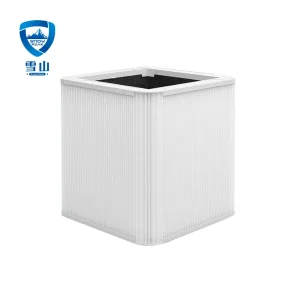
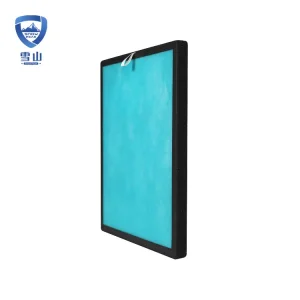
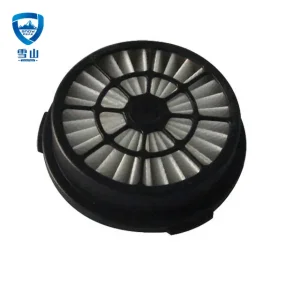
We are specialized in air filtration products research and development, production, sales, and comprehensive import-export trade operations. Our complete product lines cover Pre-filters, pocket filters, HEPA filters, chemical filters, replacement HEPA filters, car cabin air filters, and humidifier filters. In addition, we supply critical roll media including pocket filter media, melt-blown composite filter media, and other high-performance materials for advanced conversion processes.
We provide high-quality air purification solutions for complex applications in indoor air pollution control, central HVAC integration in civil and industrial architectures, microelectronics manufacturing, GMP pharmaceuticals, laboratories, hospitals, schools, and highly controlled environments.
Combined with our self-developed patented technologies, our Sterilizing Antiviral HEPA Filter can effectively filtrate fine particulates, maintaining PM2.5 concentrations under 10 micrograms/m³—a metric 5 times better than the national clean air standard. It restricts micro-organism growth, achieving a sterilization rate of 99.9% without secondary chemical byproducts, while exhibiting a removal efficiency of 99.99% for H1N1 viruses.
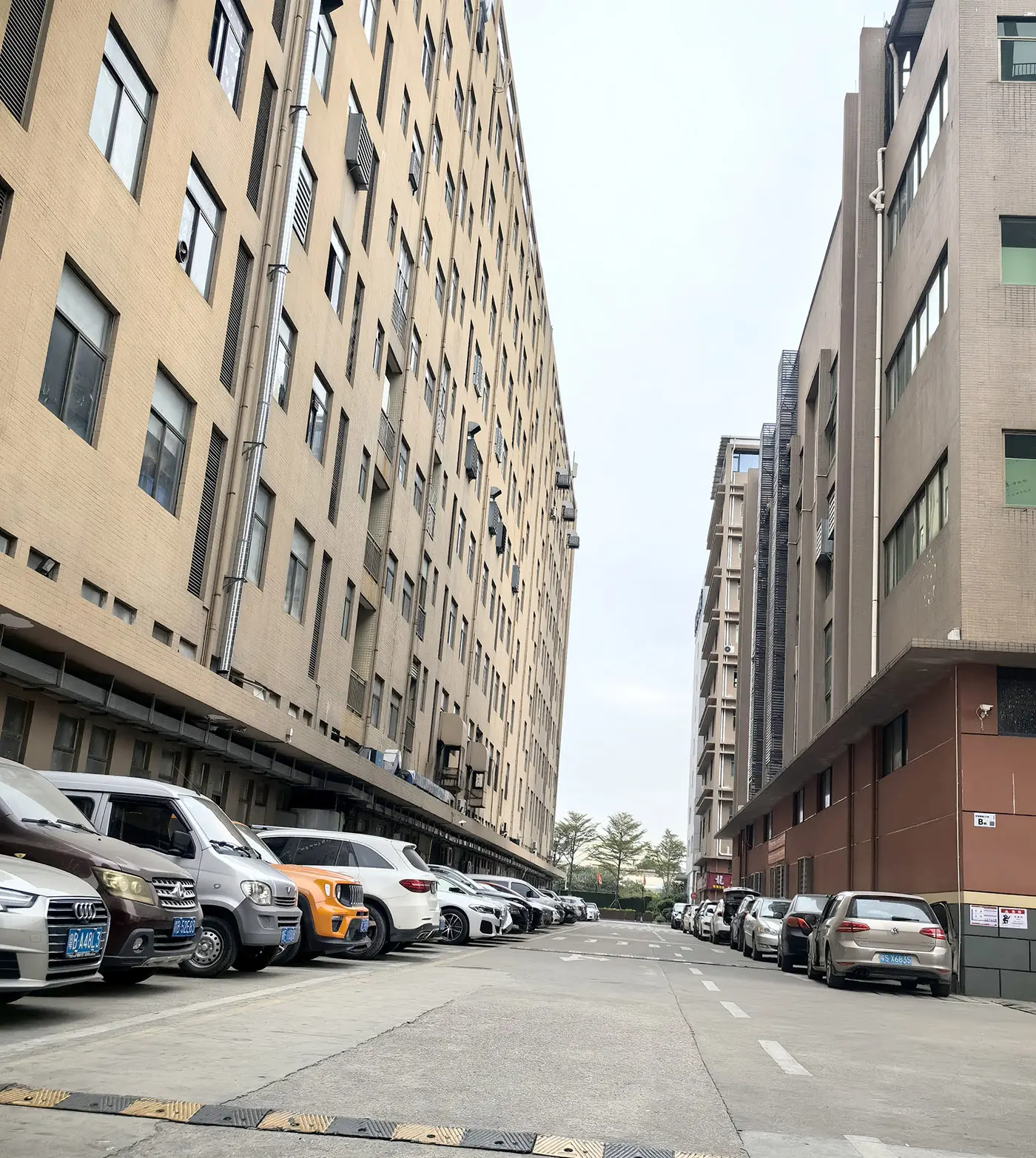
Leveraging 15 years of international air purification technology experience, our production lines are optimized for high volume, tight tolerance, and zero-defect output.
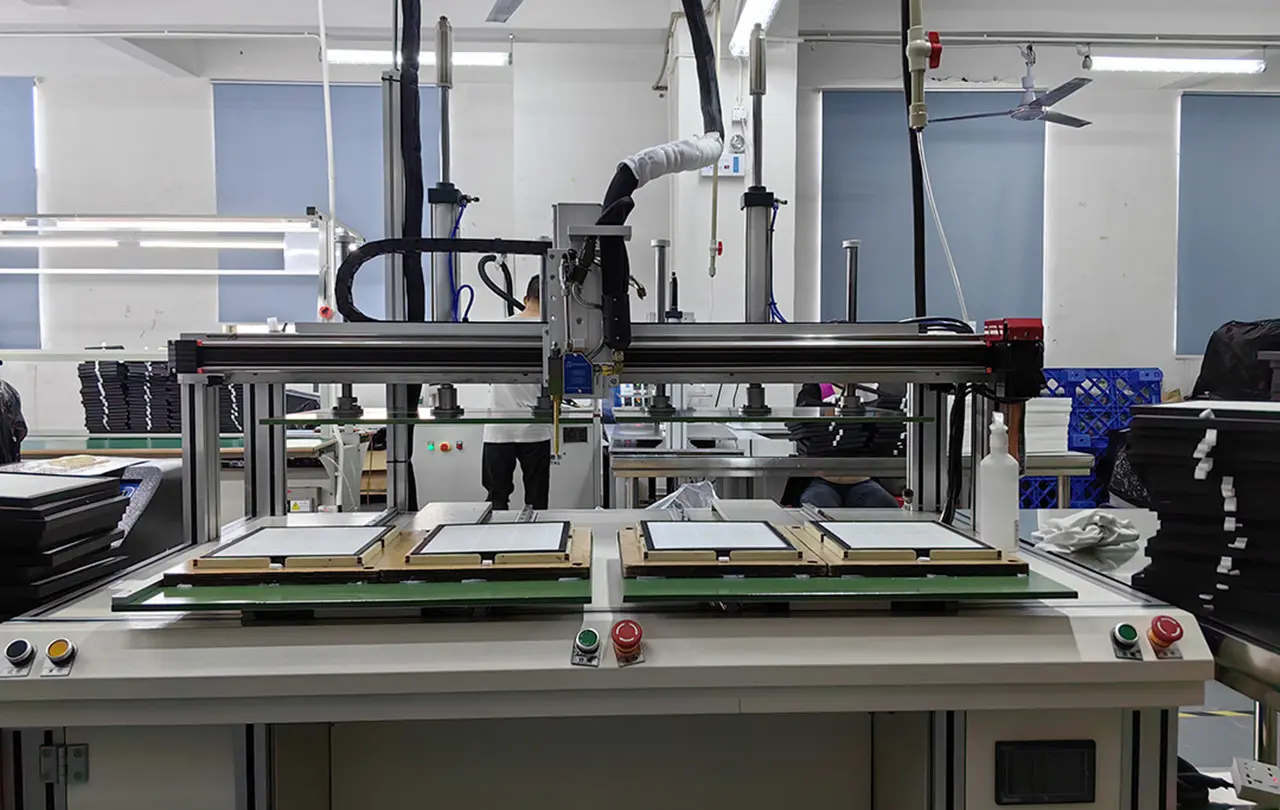
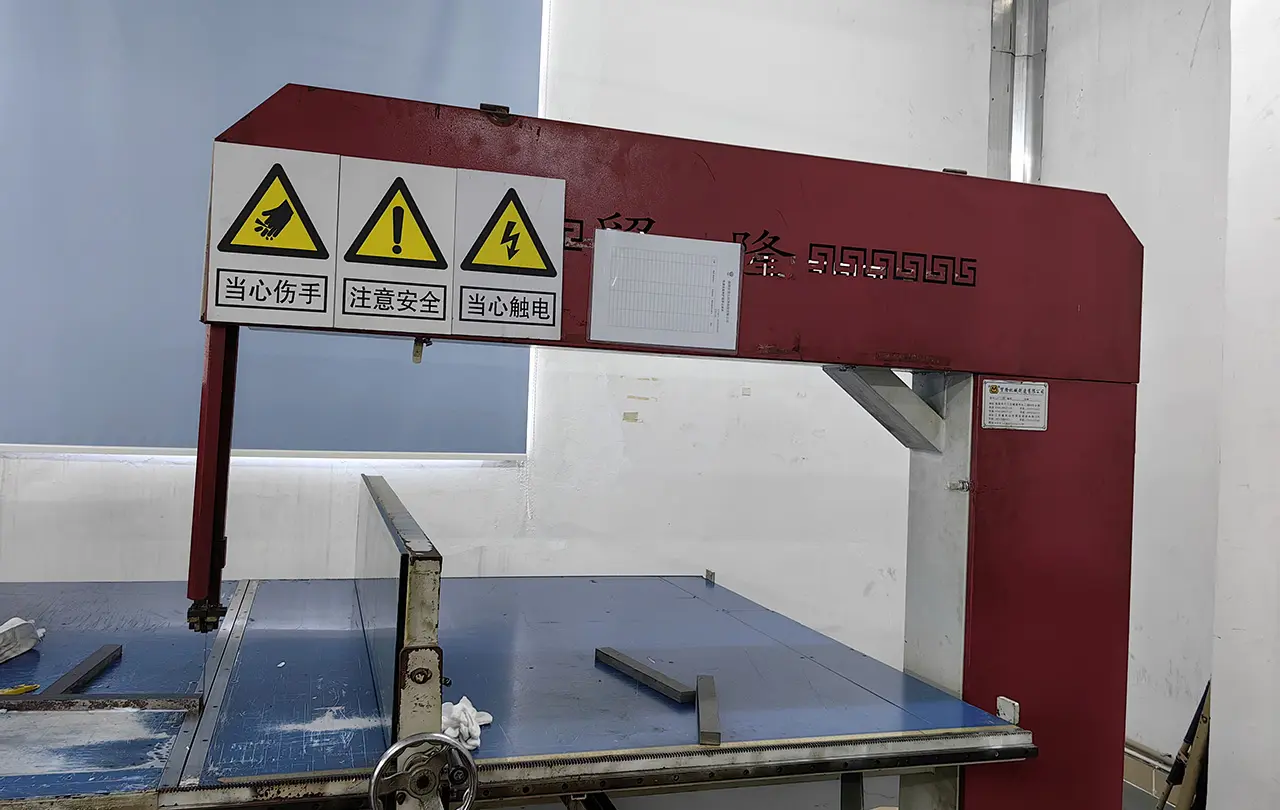
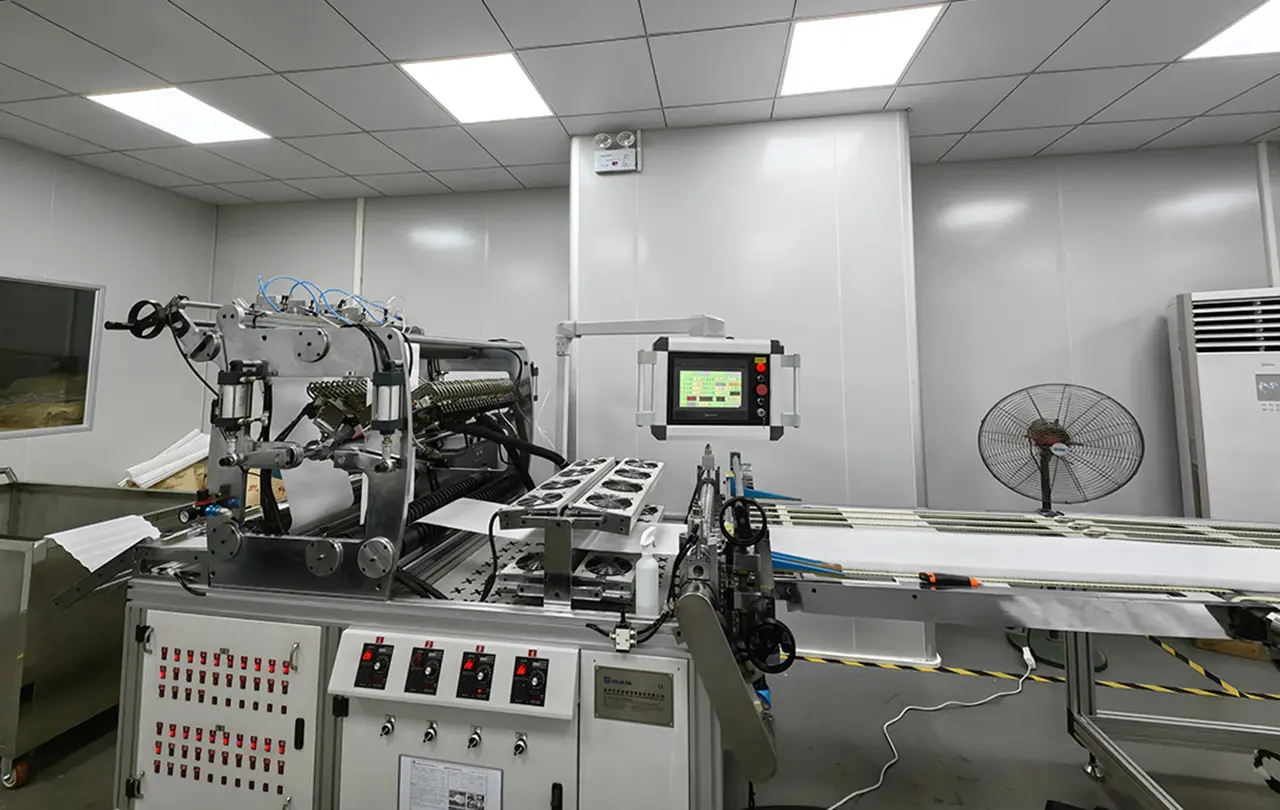
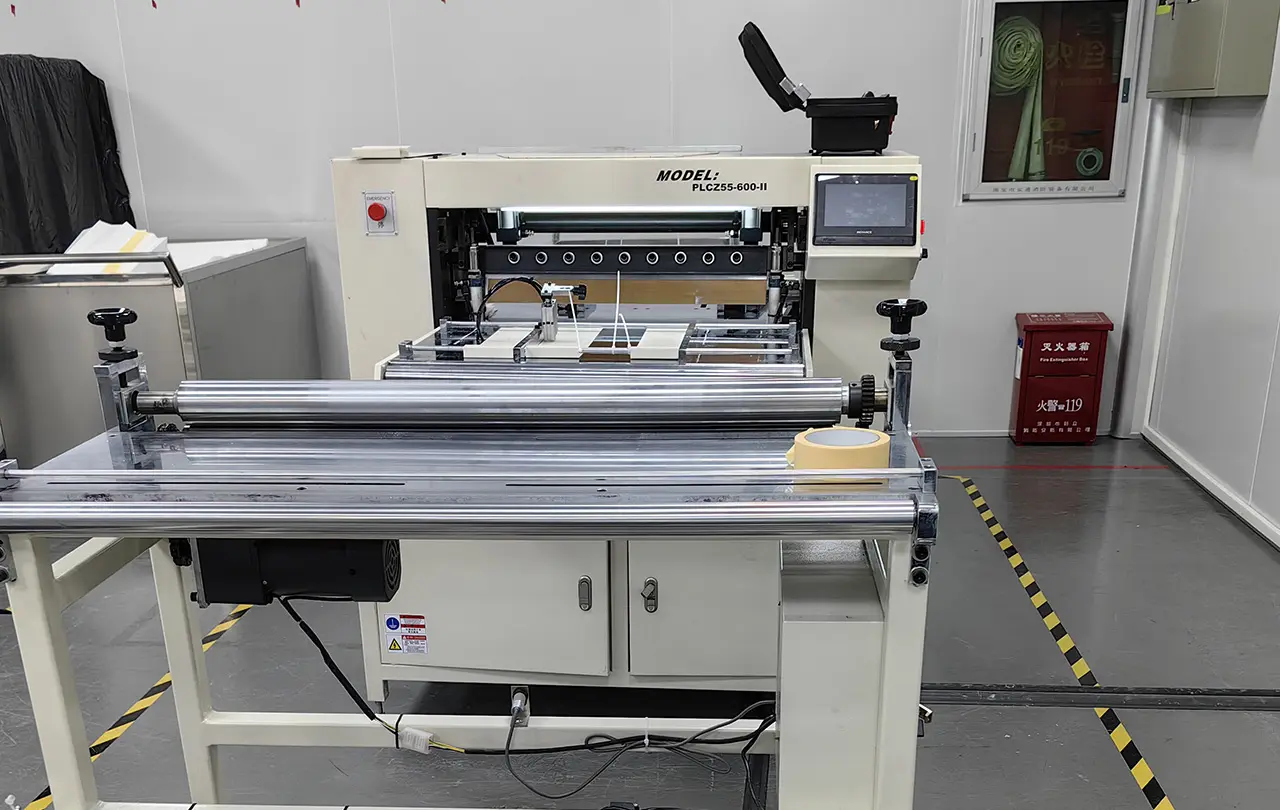
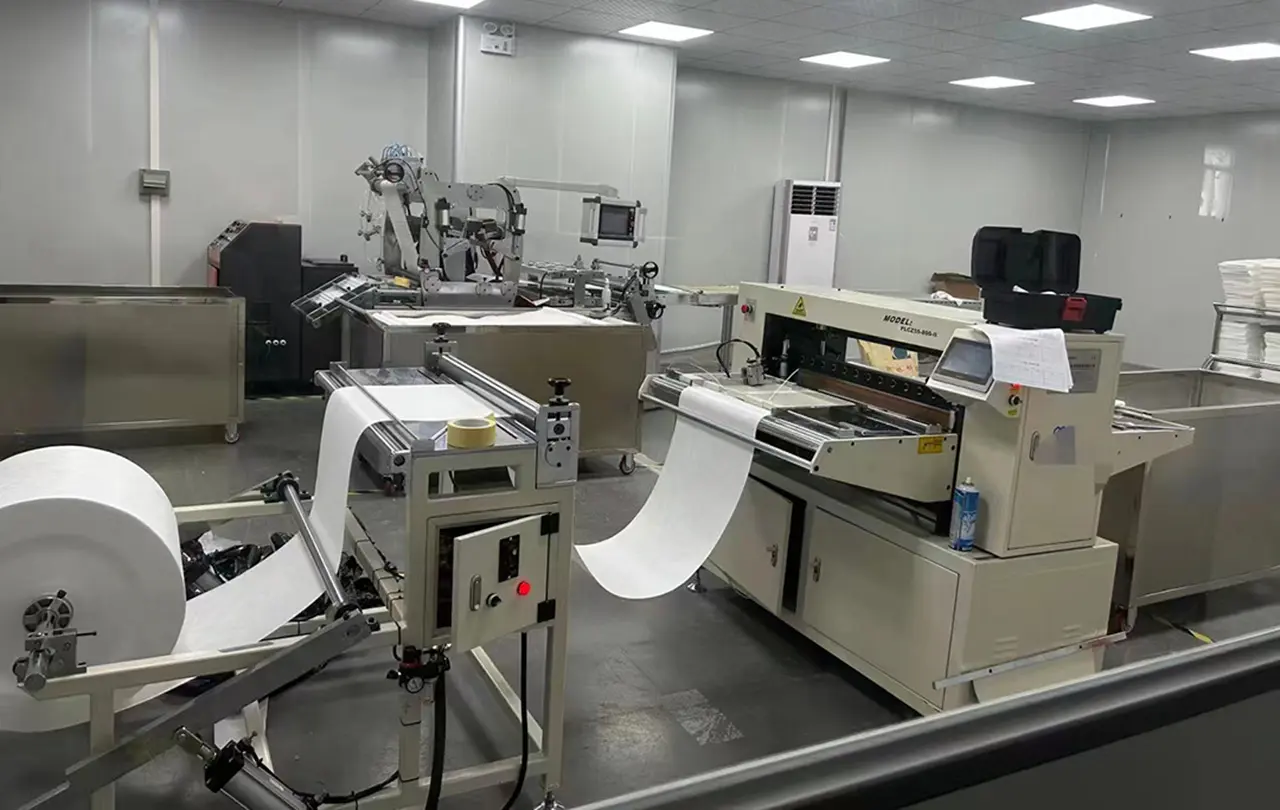
Our standardized production facility features a specialized class-10,000 dust-free filter assembly workshop, an integrated testing line for HEPA filtration rating verification, and a highly automated fabrication cell. Equipped with state-of-the-art metalworking machinery, including AMADA CNC punches and CNC bending machines, we guarantee structural integrity, precise frame alignment, and long-term durability for extreme operating conditions.
Traditional HEPA filters operate under a predictable loading cycle: particulate deposition leads to an increase in differential pressure (ΔP), ultimately requiring filter disposal. Our current R&D efforts target "lifetime" service optimization via advanced composite media configurations. By incorporating multi-layer gradient density fiberglass and synthetic ePTFE membranes, we maximize dust holding capacity (DHC). This stratification allows larger particulates to deposit in the outer layers, while the inner sub-micron membrane captures PM2.5 and biological agents without premature blinding.
To reduce energy consumption within commercial and industrial HVAC networks, our technological roadmap focuses heavily on electrospun nanofibers. Deposited on traditional fiberglass carriers, these nanofibers measure between 50 and 200 nanometers in diameter. They increase the overall surface area by orders of magnitude while keeping structural resistance to a minimum. The resulting slip-flow effect enables high mechanical interception efficiency at low pressure drops, yielding significant energy savings during operations.
Biological safety is no longer secondary. Our proprietary coating utilizes non-leaching, eco-friendly organosilane quaternary ammonium compounds chemically bonded to the filtration substrate. Upon cellular contact, the pathogen cell membrane is physically disrupted rather than poisoned chemically. This action avoids secondary volatile organic compound (VOC) generation, ensuring long-term containment stability that actively removes up to 99.99% of H1N1 viral particles.
We address industrial-scale contamination control challenges by providing engineered system alignments for specific vertical sectors.
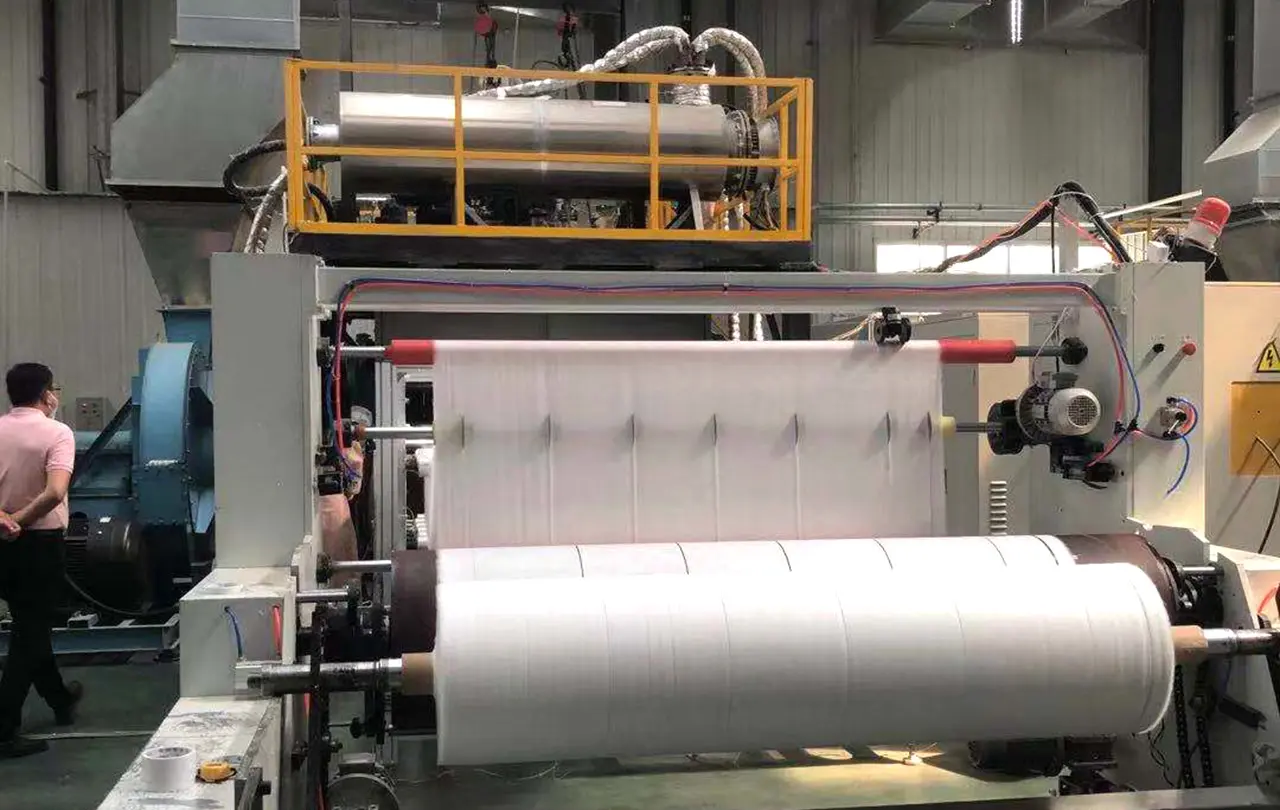
Procuring raw air filtration products at scale demands a balance between cost optimization and certified quality validation. Operating our own automated meltblown MB fabric lines and fiberglass pleating machinery allows us to maintain strict material quality control from base polymer to final module assembly. This vertical integration reduces pricing volatility and insulates overseas partners from raw-material supply shocks.
To support global enterprise sourcing requirements, our logistics division optimizes container layouts, designs custom ocean-worthy protective packaging, and processes import documentation efficiently. This thorough approach ensures compliance with localized customs regulations across Europe, North America, and the APAC region.
Our quality control department conducts routine testing of every manufacturing run to verify efficiency, structural load integrity, and pressure limits. Our standard compliance protocols include:
Expert answers to common engineering questions concerning HEPA filter performance, lifecycle management, and procurement.
A: In heavy industrial and HVAC applications, "Lifetime" refers to extending operational durability by using multi-stage pre-filtration (such as G4 and M5 media) and utilizing deep-pleat designs with highly stable materials like fiberglass. While cleanable and reusable HEPA systems exist for specific applications, industrial lifetime extension relies on maximizing dust holding capacity (DHC) to delay the terminal pressure drop limit.
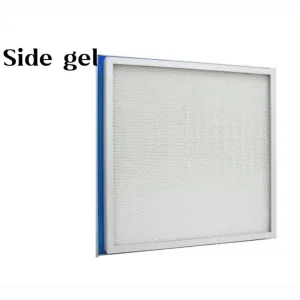
A: Gasket seal systems use neoprene or EPDM compression gaskets against a flat sealing flange. Gel seal designs utilize a fluid channel filled with a non-Newtonian polyurethane or silicone gel that mates with a knife-edge frame. Gel seals provide a highly reliable, airtight barrier that simplifies filter replacement in pharmaceutical and microelectronic environments.
A: Our filters use a combined mechanical and biological capture method. The high-density fiber matrix intercepts sub-micron aerosols containing viral loads. The fibers are treated with a biological antimicrobial agent that destabilizes the viral envelope upon contact, preventing micro-organisms from multiplying within the media.
A: Every HEPA filter undergoes integrity testing. This includes scanning for pinhole leaks using aerosol generators (DEHS/PAO), verifying overall capture efficiency at the MPPS, and measuring differential pressure drop under rated airflow conditions to confirm compliance with ISO 29463 and EN 1822 standards.
Explore our secondary collection of specialty filters, replacement units, and heavy-duty industrial framing systems.
 Snow Peak