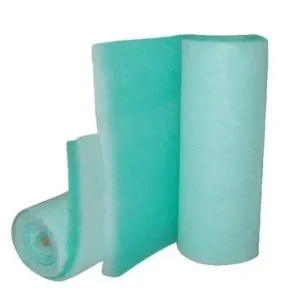
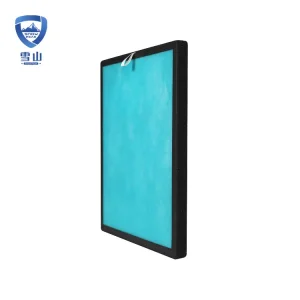
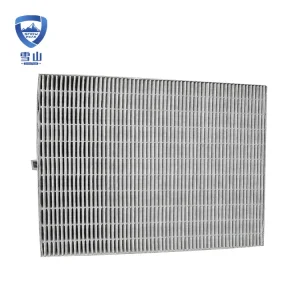
Explore our premium grade HVAC filters, media rolls, and specialized industrial air treatment units. Built for optimal PM2.5 control and antiviral air security.
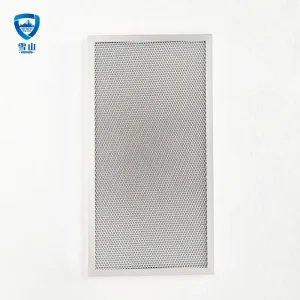
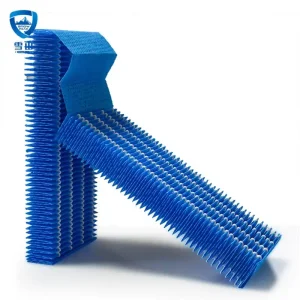
Modern ventilation design has moved far beyond simple thermal comfort. The integration of high-efficiency particulate air (HEPA) systems is now critical to architectural engineering, public health compliance, and sophisticated industrial manufacturing. As governments enforce stricter Indoor Air Quality (IAQ) regulations post-pandemic, HVAC system designers are redesigning supply networks to accommodate HEPA filtration levels (H13 to U16) traditionally reserved for specialized scientific environments.
From a macro perspective, the global commercial HEPA market is seeing unprecedented growth, driven by stringent European standards (EN 1822) and North American initiatives (ASHRAE 52.2 guidelines). HVAC distributors and installers are no longer just buying "filters"—they are sourcing engineered solutions that balance air resistance, filter longevity, and microbiological control to protect complex indoor environments.
Several global realities are accelerating the demand for wholesale HEPA filtration systems in the HVAC industry:
The Information Gain Advantage: Standard HEPA media typically causes a major drop in system pressure. The solution lies in advanced media formulation—blending synthetic polymer charges with structured fiberglass to maximize dust holding capacity without choking airflow.
A comprehensive analysis of air particle filtration dynamics, structural composition, and aerodynamic behavior in high-performance HVAC systems.
HEPA filtration is not a simple sieving process. It relies on four distinct physical mechanisms to capture airborne particles as they pass through the glass fiber matrix:
For HVAC engineers, the primary metric is Most Penetrating Particle Size (MPPS), which is around 0.12 to 0.25 microns. Particles in this range are the hardest to capture. True HEPA filters must guarantee a minimum efficiency of 99.97% at this exact size.
To reduce operating costs, wholesale HVAC designers use pleated configurations. Pleating increases the surface area of the filter media, which:
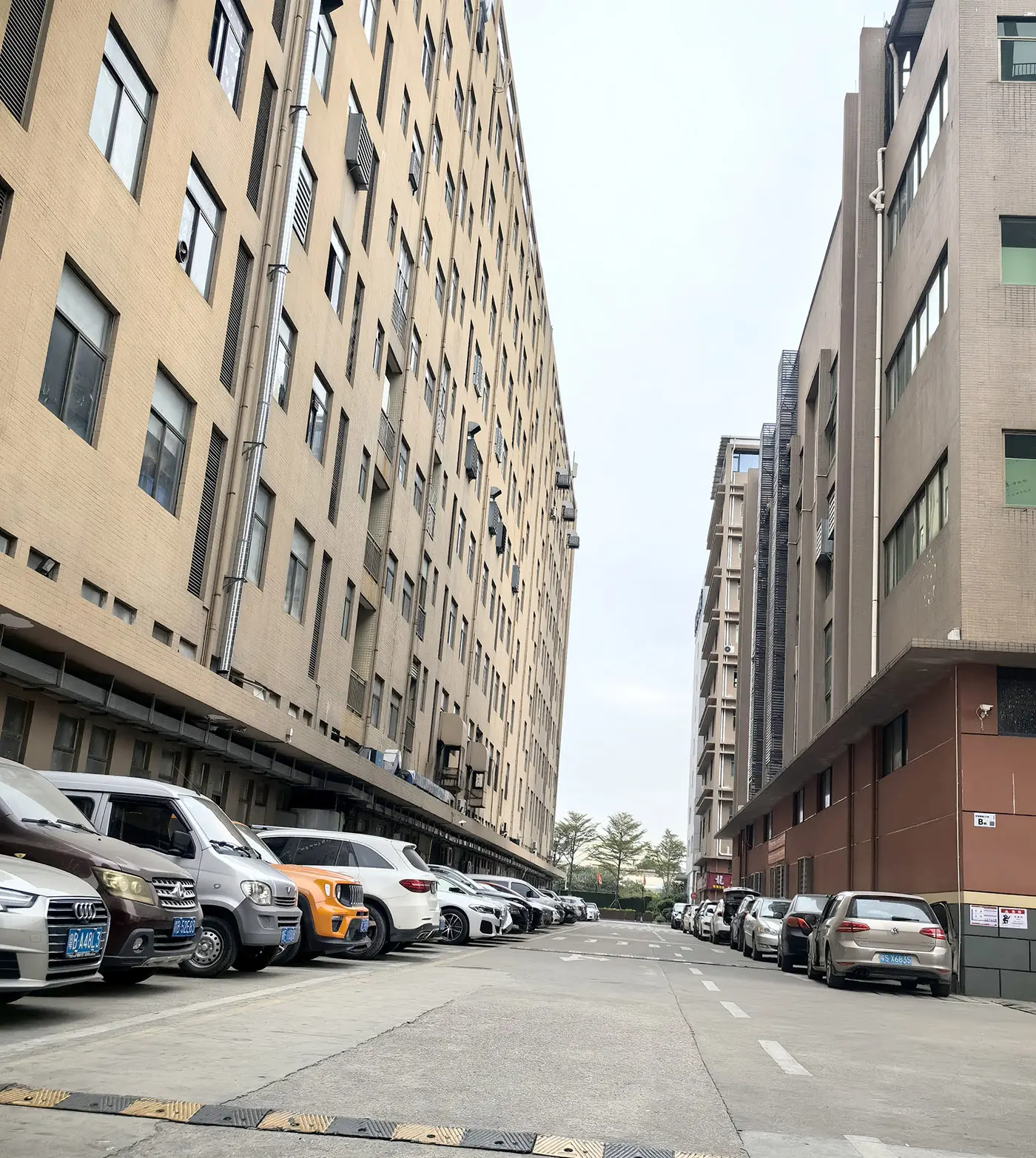
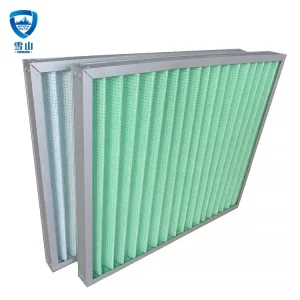
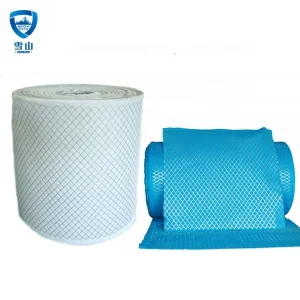
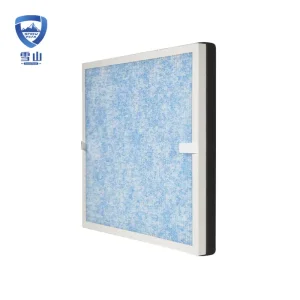
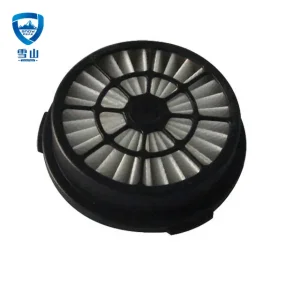
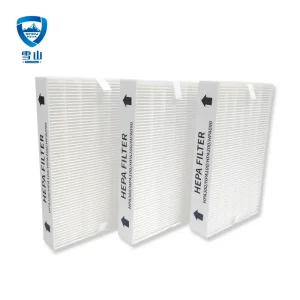
Shenzhen Snow Peak Clean Technology Co., Ltd. is an integrated high-tech enterprise, specialized in air filtration products research and development, production, sales, import and export trade. We produce and supply: Pre-filter, pocket filter, HEPA filter, chemical filter; replacement HEPA filter, car cabin air filter, humidifier filter; pocket filter media, melt-blown composite filter media, and other high-performance filter materials; provide high quality air purification solutions and products for indoor air pollution control and air conditioning systems of civil and industrial buildings, microelectronics, pharmaceutical, laboratory, school, hospital clean room etc.
Combined with self-developed patented technology, our sterilizing antiviral HEPA filter can effectively filtrate fine particles, so that PM2.5 concentration down to 10 micrograms/m3, 5 times better than national standard; effectively inhibit the breeding of microorganisms, sterilization rate up to 99.9%, and no secondary pollution, removal of H1N1 virus efficiency as high as 99.99%.
Combining 15 years of industry experience with advanced CNC machining and automated assembly lines to guarantee unmatched air filter quality.
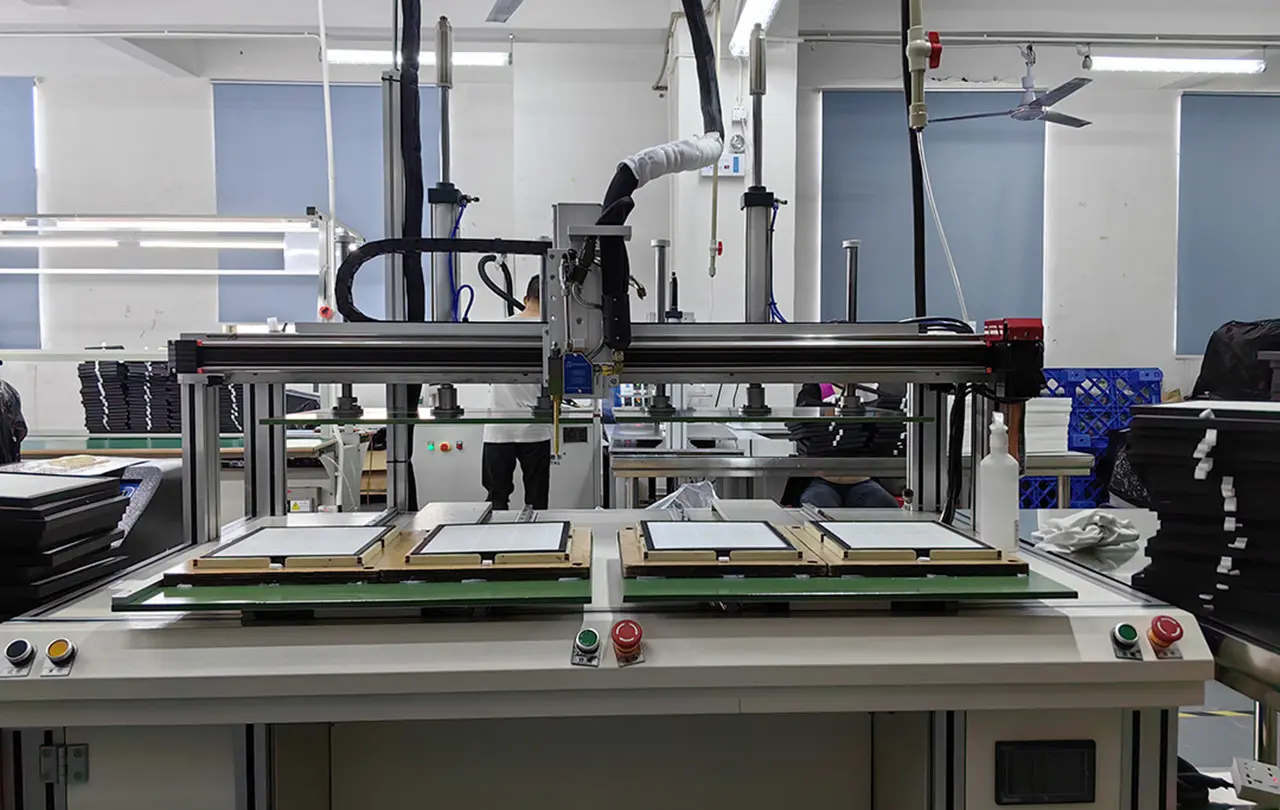
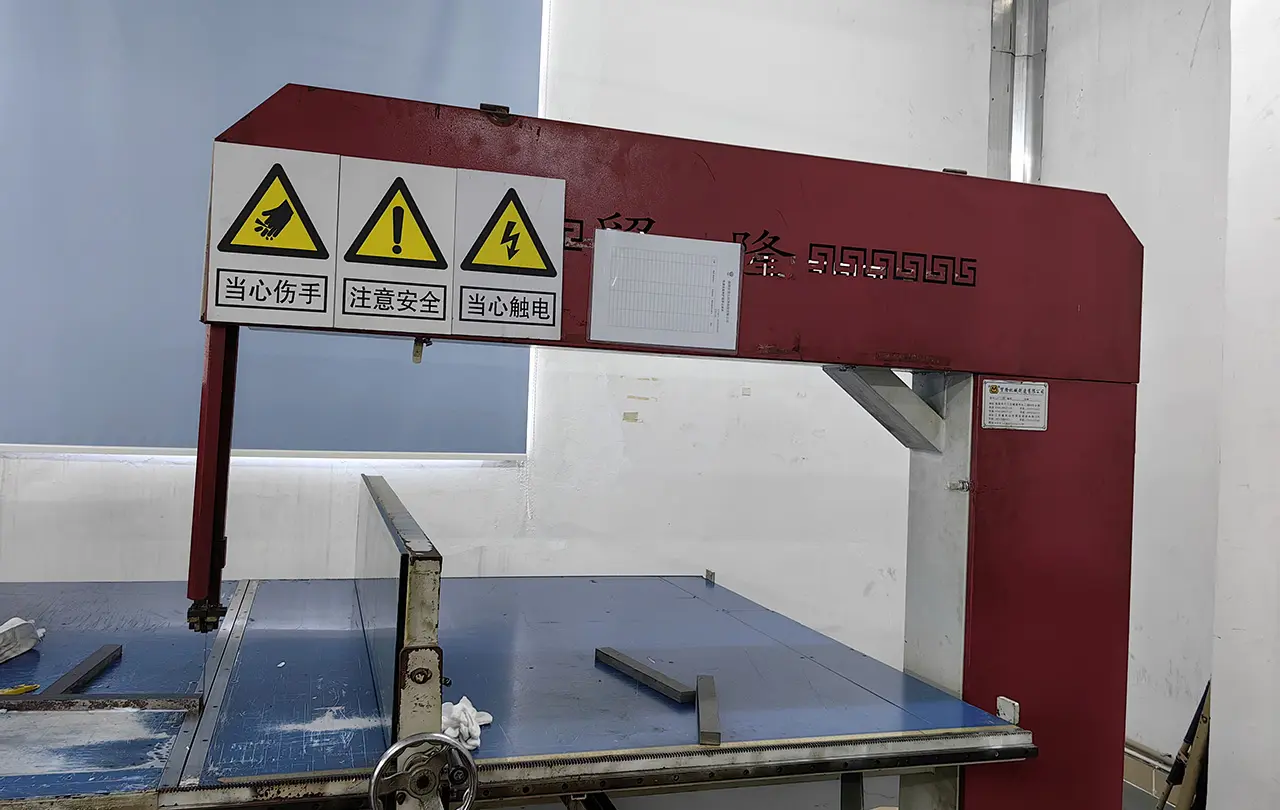
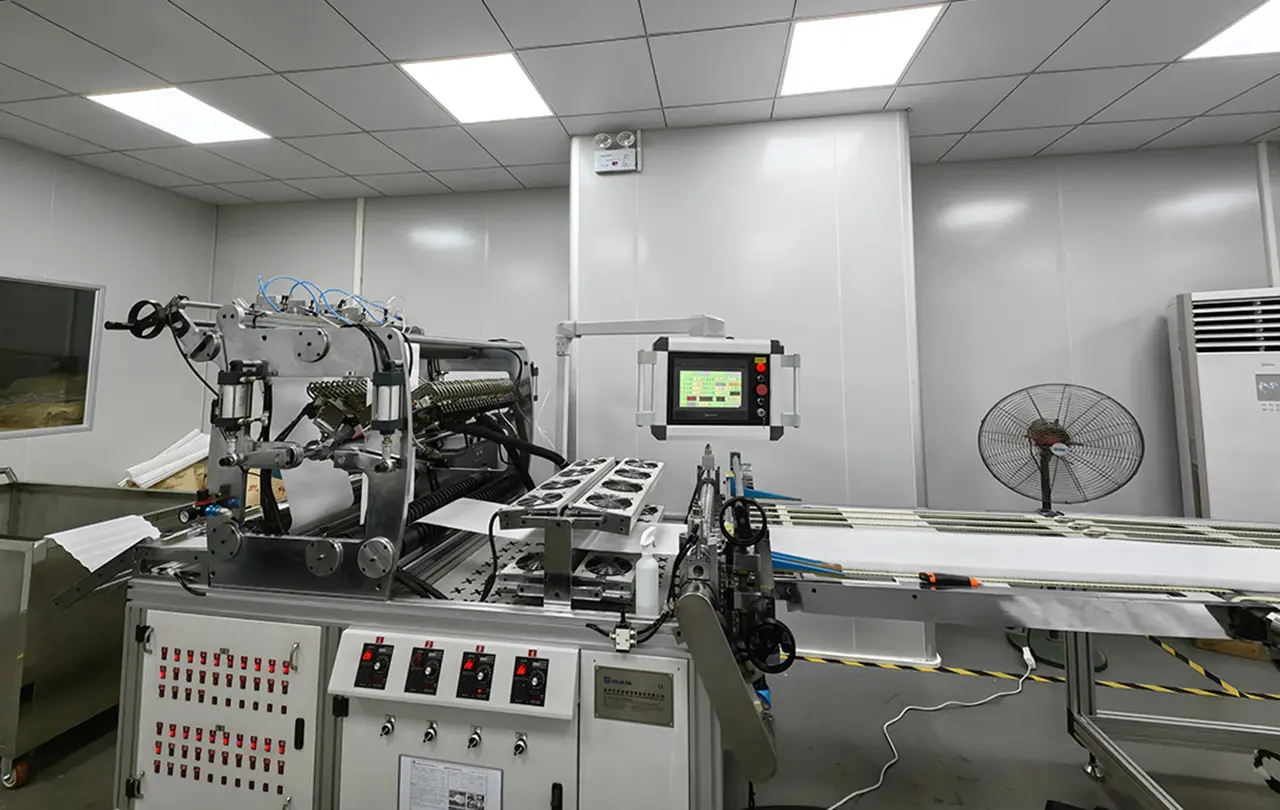
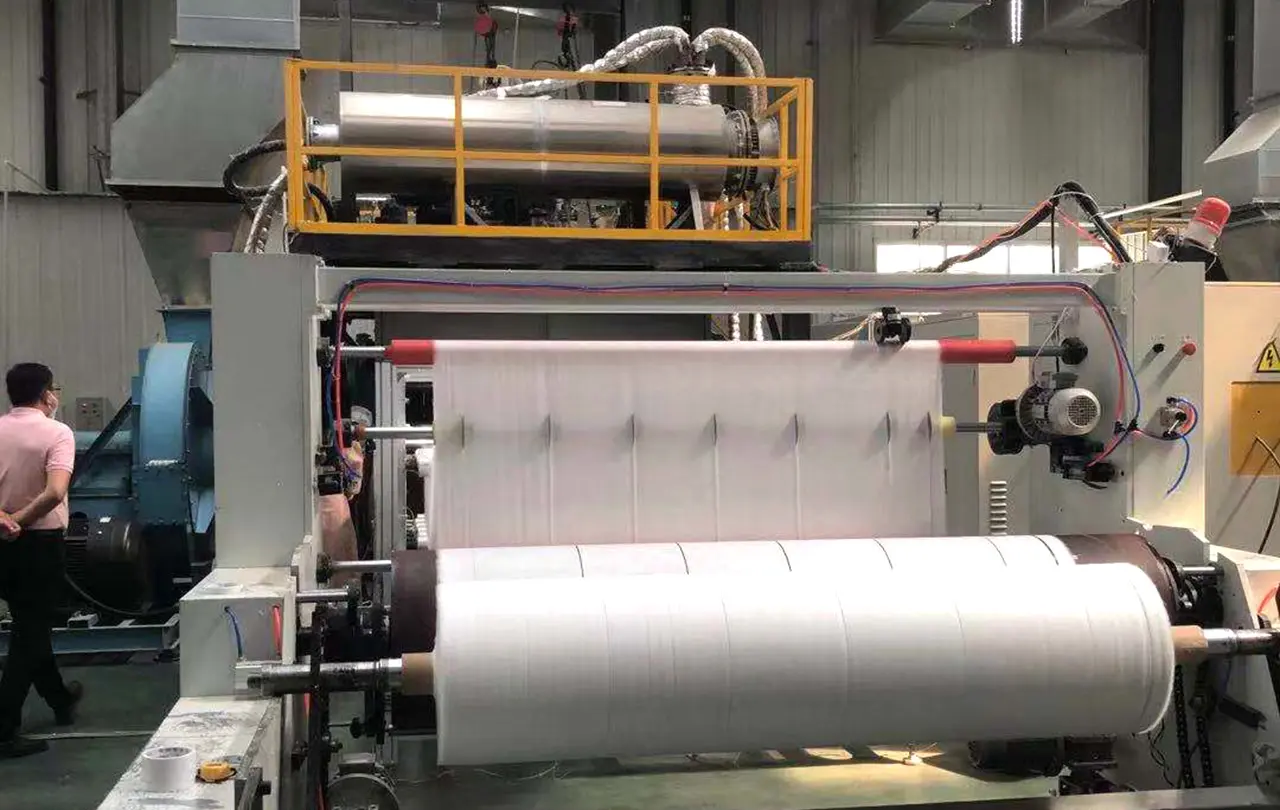
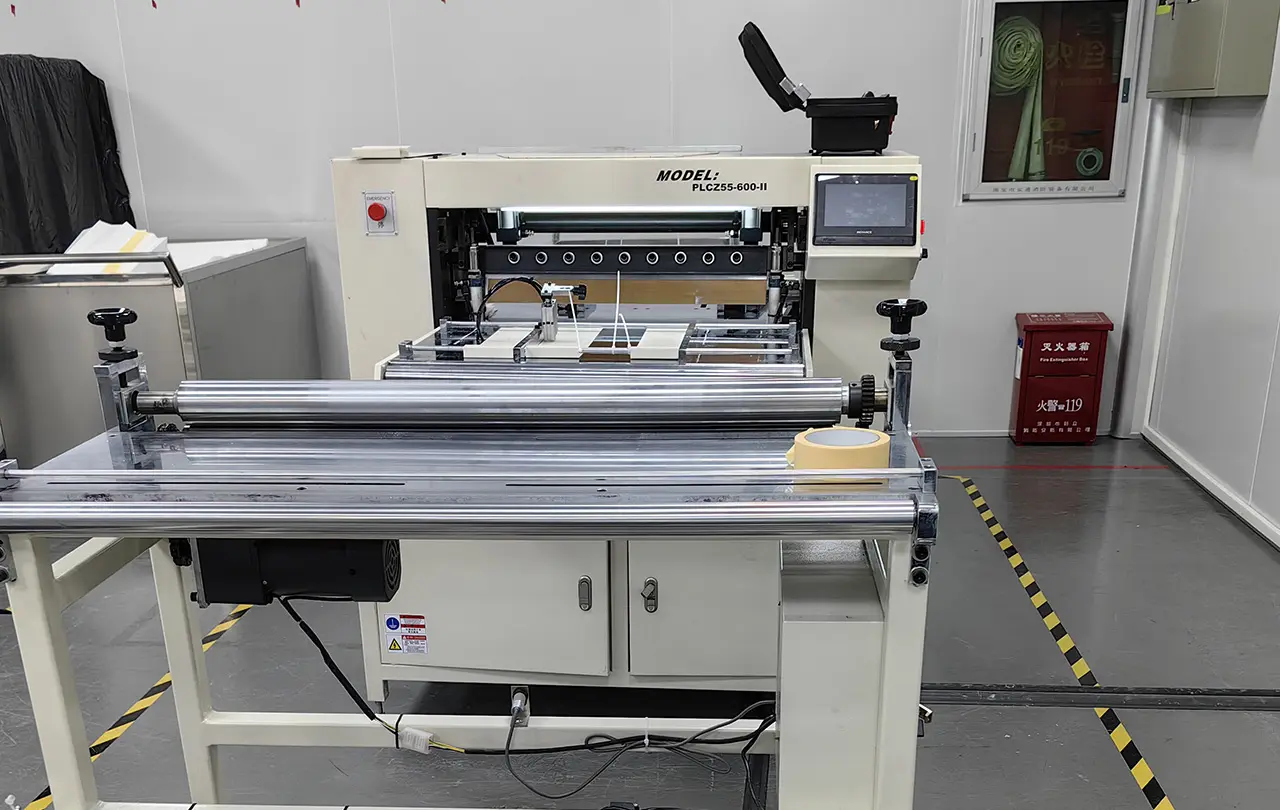
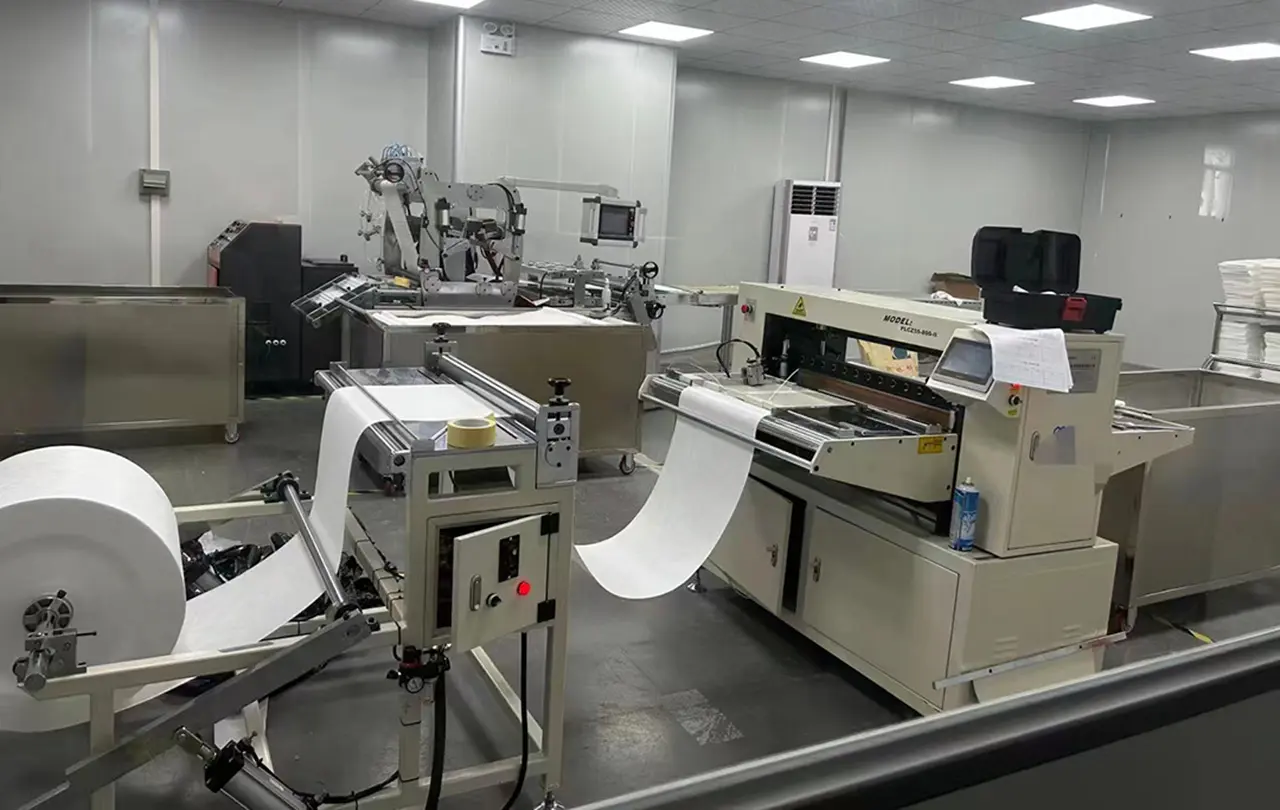
Having 15 years of international air purification technology experience as the background, our company has standardized production workshop, dust-free filter workshop and first-class technology of HEPA filters production line and inspection line, independent research and development of fully automatic air filter production line, equipped with AMADA CNC punch and CNC bending machine as well as many other advanced high-end equipment, provide a strong guarantee for production and quality of air filtration and purification products.
How HVAC firms use customized Snow Peak HEPA configurations to meet clean air requirements across different sectors.
Hospitals require continuous air scrubbing. Our sterilizing antiviral HEPA filters, with a 99.99% viral removal rate, protect surgical suites and containment zones from infectious bio-aerosols.
Semiconductor fabs require zero particle tolerance. Mini-pleated HEPA filters ensure Class 100 cleanroom environments, preventing yield losses from microscopic airborne contaminants.
Modern office towers use multi-stage filtration (G4 pre-filters paired with H13 HEPA replacements) to protect tenants, improve productivity, and qualify for green building certifications like LEED.
How we are developing new technologies to address clean air challenges and reduce HVAC operating costs.
By using electrospun nanofiber membranes, we are building filters that achieve 99.97% efficiency at a much lower basis weight. This reduces initial resistance by up to 35%, helping commercial HVAC systems run on less energy.
Our upcoming product lines will feature embedded pressure and particulate sensors. These sensors send real-time air quality and loading metrics back to building automation systems, making filter replacement based on actual filter loading rather than set schedules.
To support corporate environmental goals, we are testing plant-based PLA media. These materials perform at high efficiency and decompose naturally in landfills, offering a sustainable alternative to traditional glass fibers.
Why multi-stage filtration is essential for protecting HEPA filters and optimizing overall system performance.
Placing a HEPA filter directly in the path of raw outdoor air causes rapid clogging and high replacement costs. A proper industrial system uses a multi-stage approach:
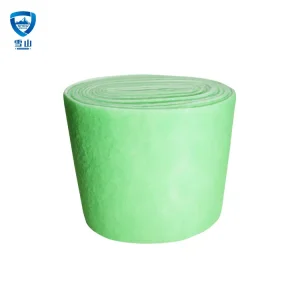
Using G4 pre-filtration rolls can extend the service life of expensive HEPA filters by up to 300%.
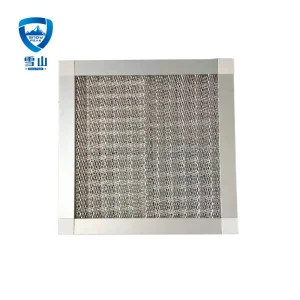
Particles are only part of the problem. Modern HVAC systems also need to address gaseous contaminants, VOCs, and odors. Integrating carbon-infused or honeycomb photocatalyst filters into the system targets chemical pollutants and ozone at the same time.
Shenzhen Snow Peak designs honeycomb photocatalyst filters that work with UV-C systems inside air ducts. This setup neutralizes VOCs and destroys micro-organisms on contact, keeping downstream filters free from mold growth.
Expert answers to common engineering and sourcing questions about commercial HVAC HEPA systems.
Explore our premium replacement filters, specialized industrial media, and advanced filtration units.
 Snow Peak