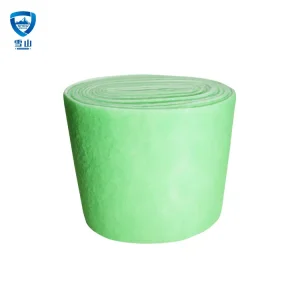
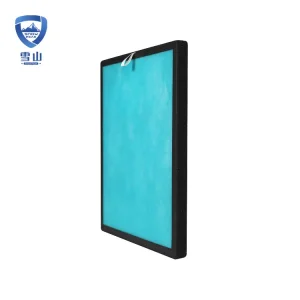
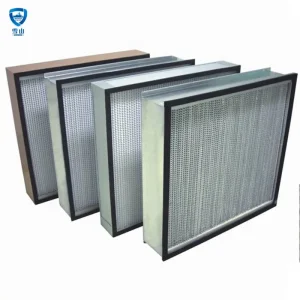
Direct from manufacturer: Certified high-efficiency replacement filters, raw media rolls, and specialized chemical filtration modules.
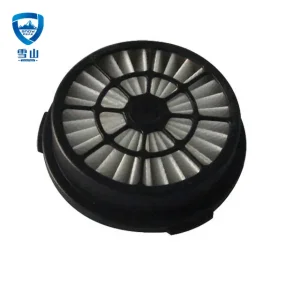
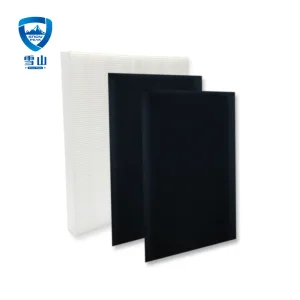
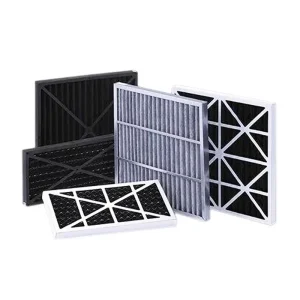
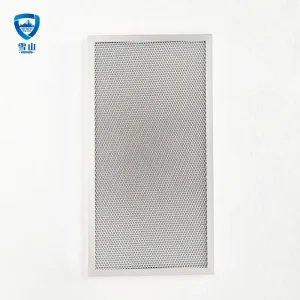
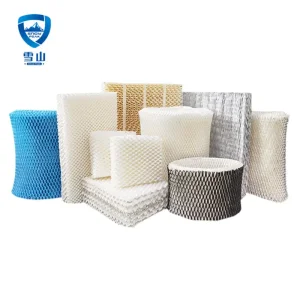
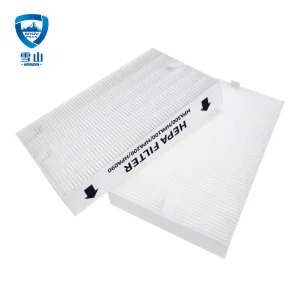
The demand for residential gas-phase filtration has experienced a structural paradigm shift. Historically treated as secondary filters for simple odor mitigation, home carbon air filters are now foundational elements in comprehensive indoor air quality (IAQ) strategies. This transition is catalyzed by increasing urbanization, rising volatile organic compound (VOC) concentrations from modern building materials, and the intensifying frequency of transboundary wildfire smoke events containing high densities of gaseous toxins.
Modern consumers and regulatory standards (such as updated ASHRAE guidelines and EU clean air initiatives) demand filtration systems that do not merely screen particulates but capture molecular contaminants. Advanced molecular filtration utilizes activated carbon with engineered pore distributions specifically optimized to target low-molecular-weight gases like formaldehyde, benzene, ozone, and nitrogen dioxide (NO2). Consequently, manufacturers are forced to move away from simple carbon-dusted media toward high-density honeycomb frameworks and custom-impregnated polymers that offer high breakthrough times and minimal system airflow resistance.
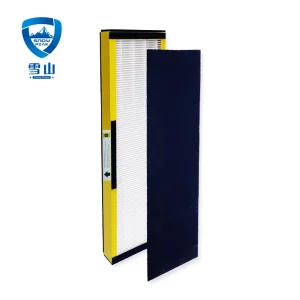
“The integration of activated carbon with ultra-high-efficiency mechanical particulate filters (HEPA/ULPA) has become the gold standard for global residential air purification appliances, driving a double-digit CAGR in the B2B OEM manufacturing space.”
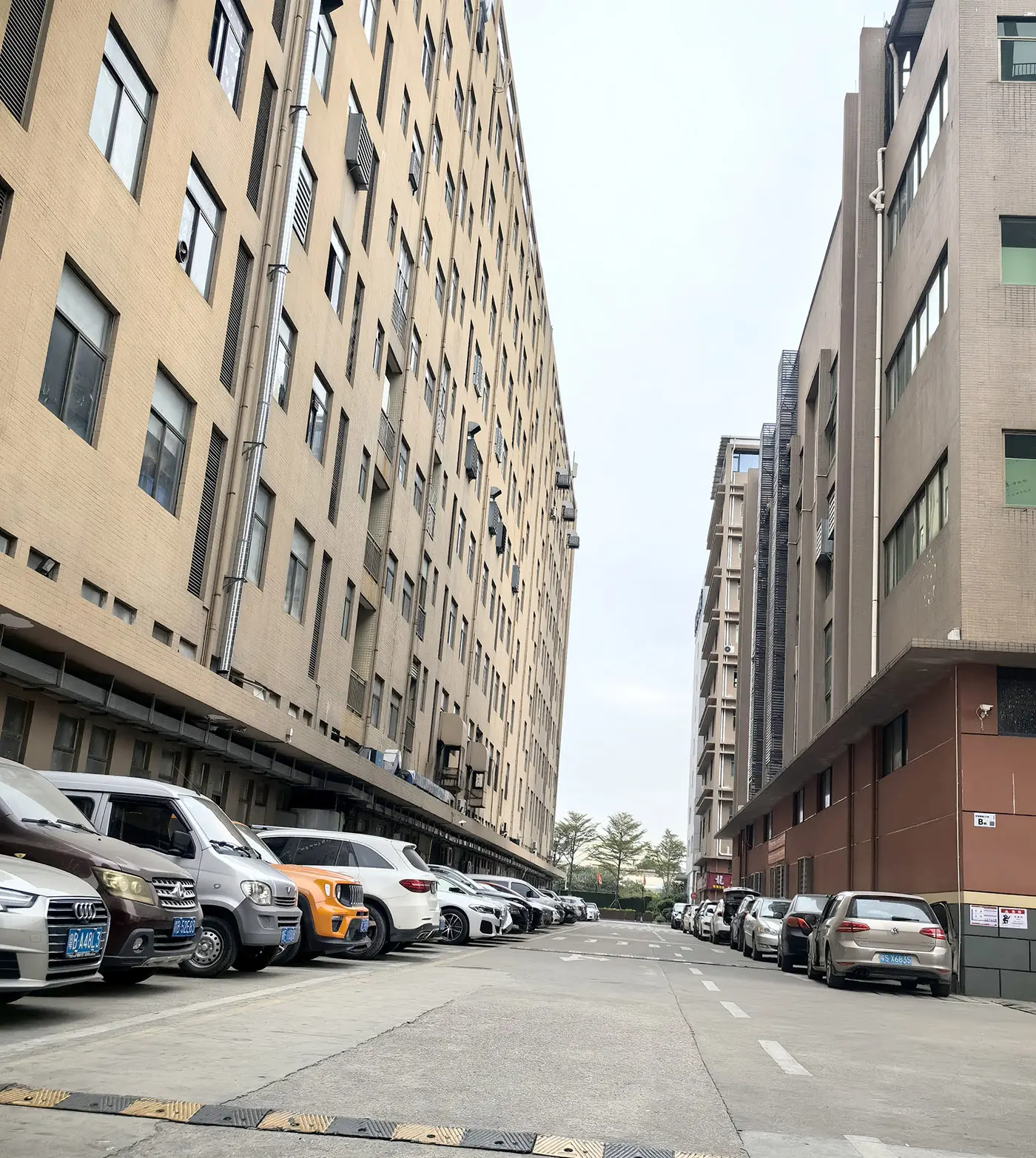
Understanding the critical performance metrics of professional-grade carbon filtration systems to maximize CADR and Filter Lifespan.
We source activated carbon with Iodine values exceeding 1000 mg/g and CTC (Carbon Tetrachloride) ratings above 60%. This guarantees a high micropore density, maximizing the internal surface area (up to 1200 m²/g) available for physical adsorption of volatile organics.
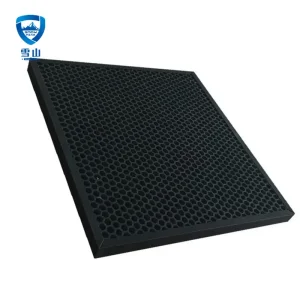
Utilizing structural aluminum-based or ABS plastic honeycomb frameworks loaded with granular carbon. This design optimizes the contact time (residence time) between the air stream and the carbon bed while maintaining a exceptionally low pressure drop (often < 15 Pa at nominal airflow).
For specialized demands, carbon is chemically impregnated with potassium permanganate (KMnO4) or other active chemical agents. This transitions the process from physical adsorption to chemisorption, neutralizing acidic or low-boiling gaseous pollutants like formaldehyde and hydrogen sulfide.
How B2B buyers and OEM/ODM clients evaluate carbon air filter supply chains for residential, commercial, and automotive applications.
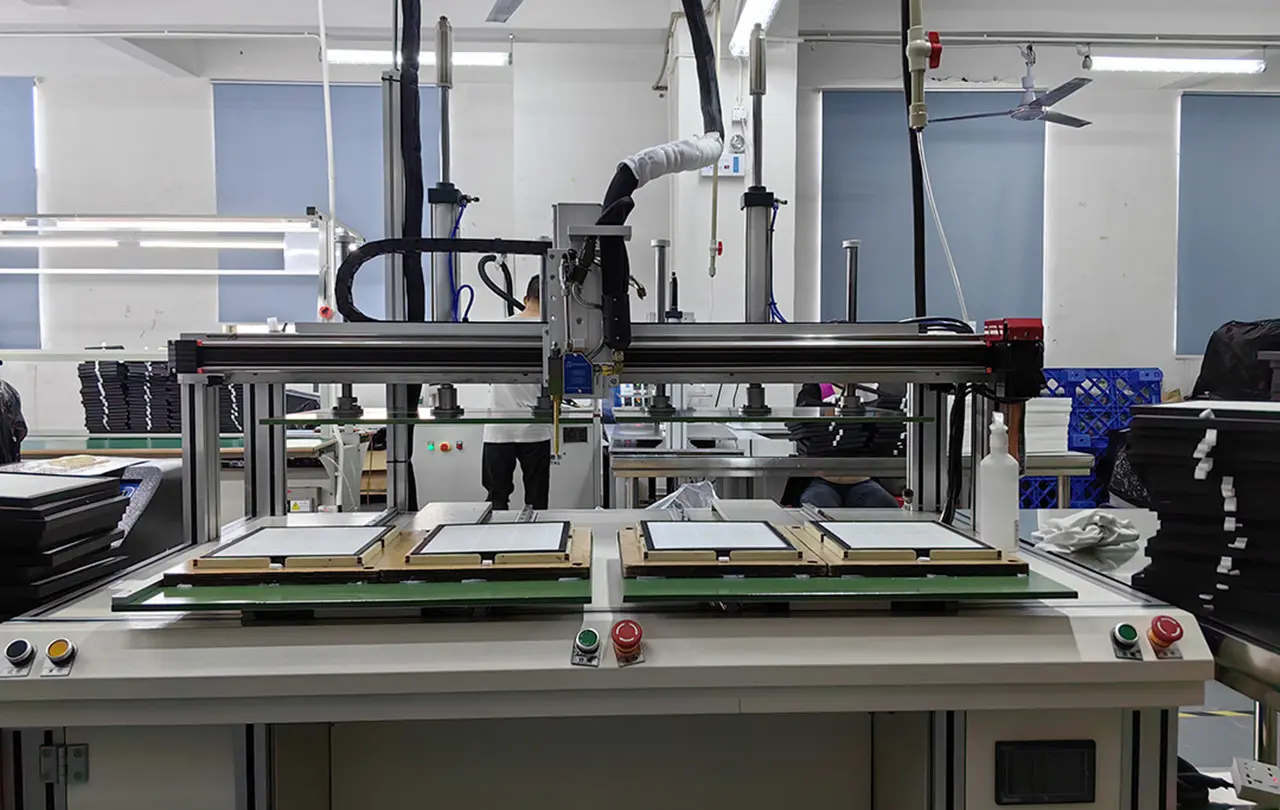
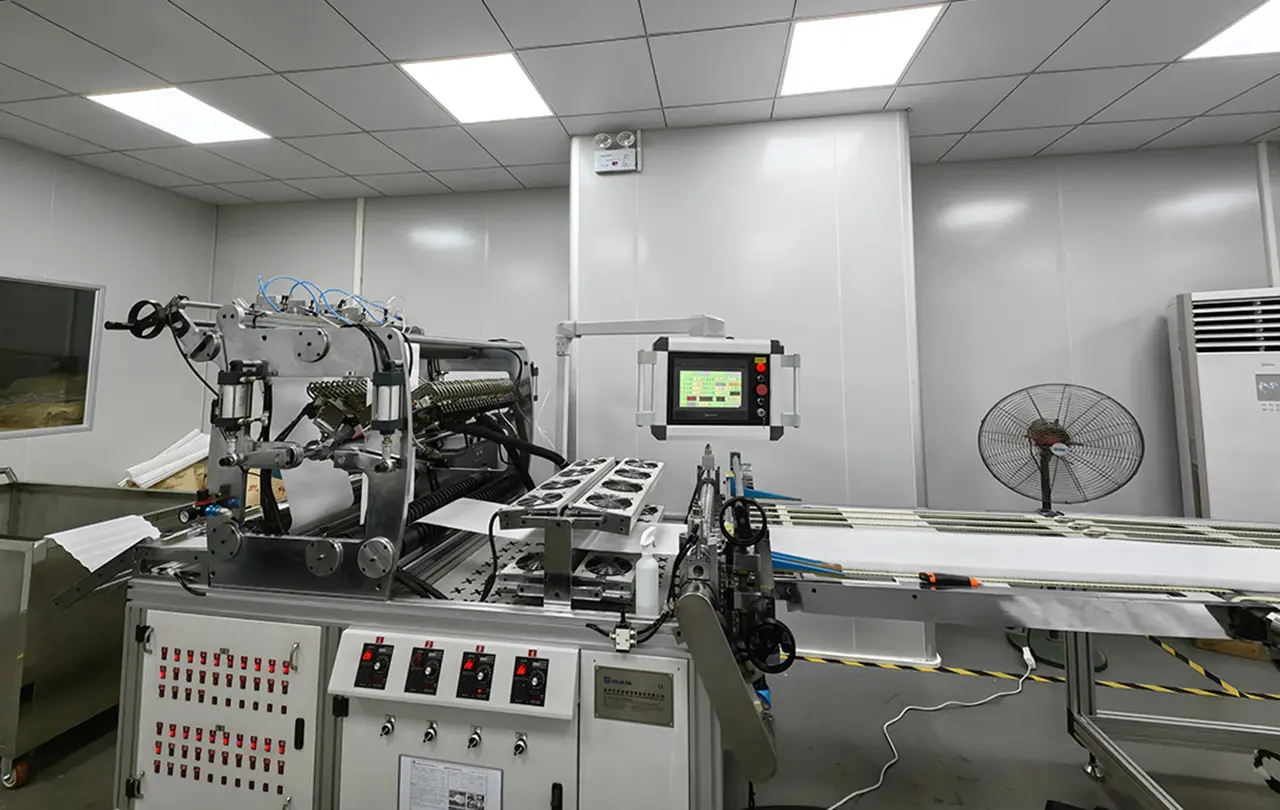
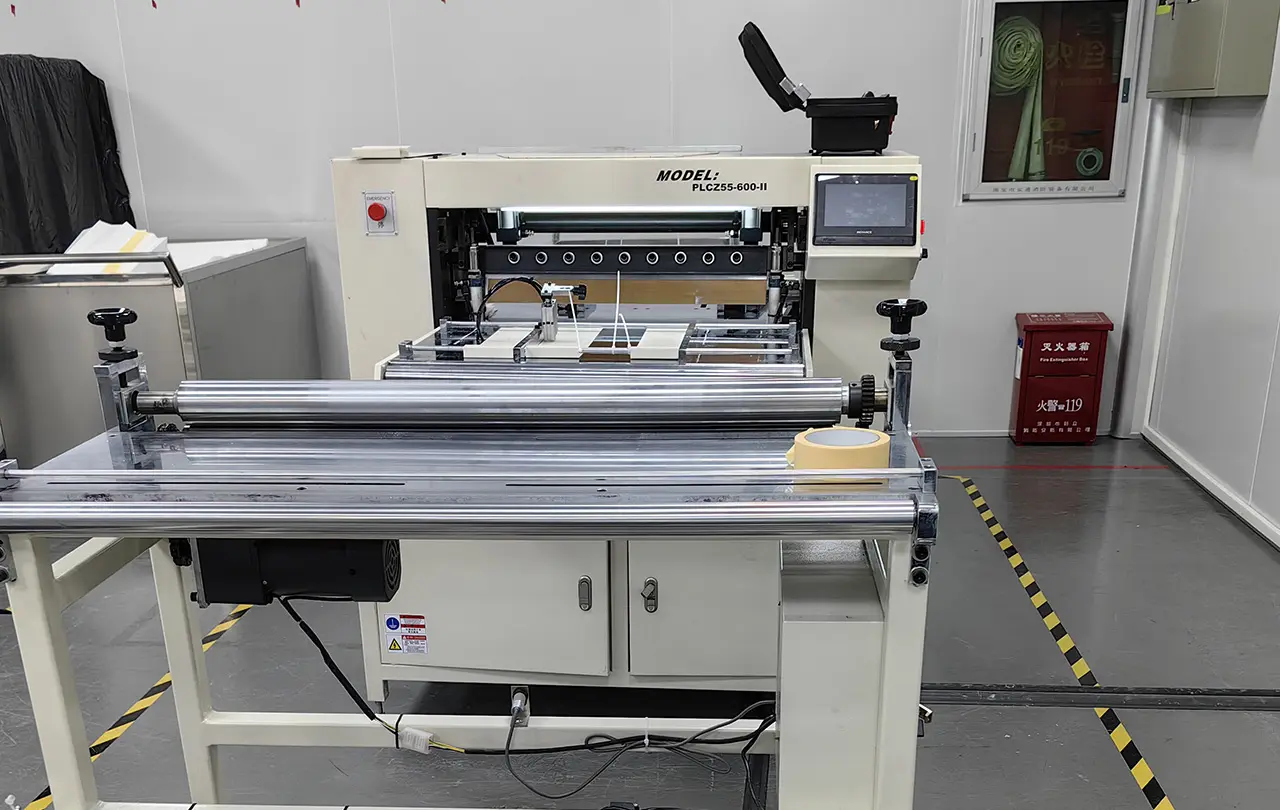
Global air purifier brands require dimensional tolerances under ±1.0mm to prevent air bypass within the purification chambers. Even minor bypass leaks dramatically lower the Clean Air Delivery Rate (CADR) for gases. Our state-of-the-art automated cutting and gluing machines ensure all custom frames (be it cardboard, plastic, or aluminum) achieve perfect sealing interfaces with high-density polyurethane gaskets.
Low-quality carbon filters release carbon dust (particulate shedding) during initial operations, which pollutes down-stream clean areas and triggers optical PM2.5 sensors inside smart purifiers. Modern procurement policies dictate carbon filters undergo washing or vacuuming steps and are bound with advanced low-VOC adhesives to guarantee zero particulate shedding and compliance with indoor volatile limits.
Regulatory standards like RoHS and REACH are non-negotiable for products entering European and North American markets. Sourcing managers must secure documentation showing that no restricted substances, flame retardants, or hazardous bonding agents are present in the polyurethane foam or synthetic carrier fibers.
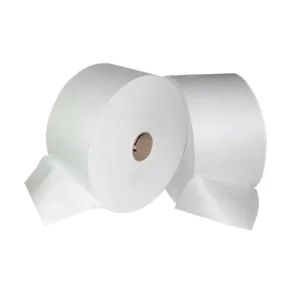
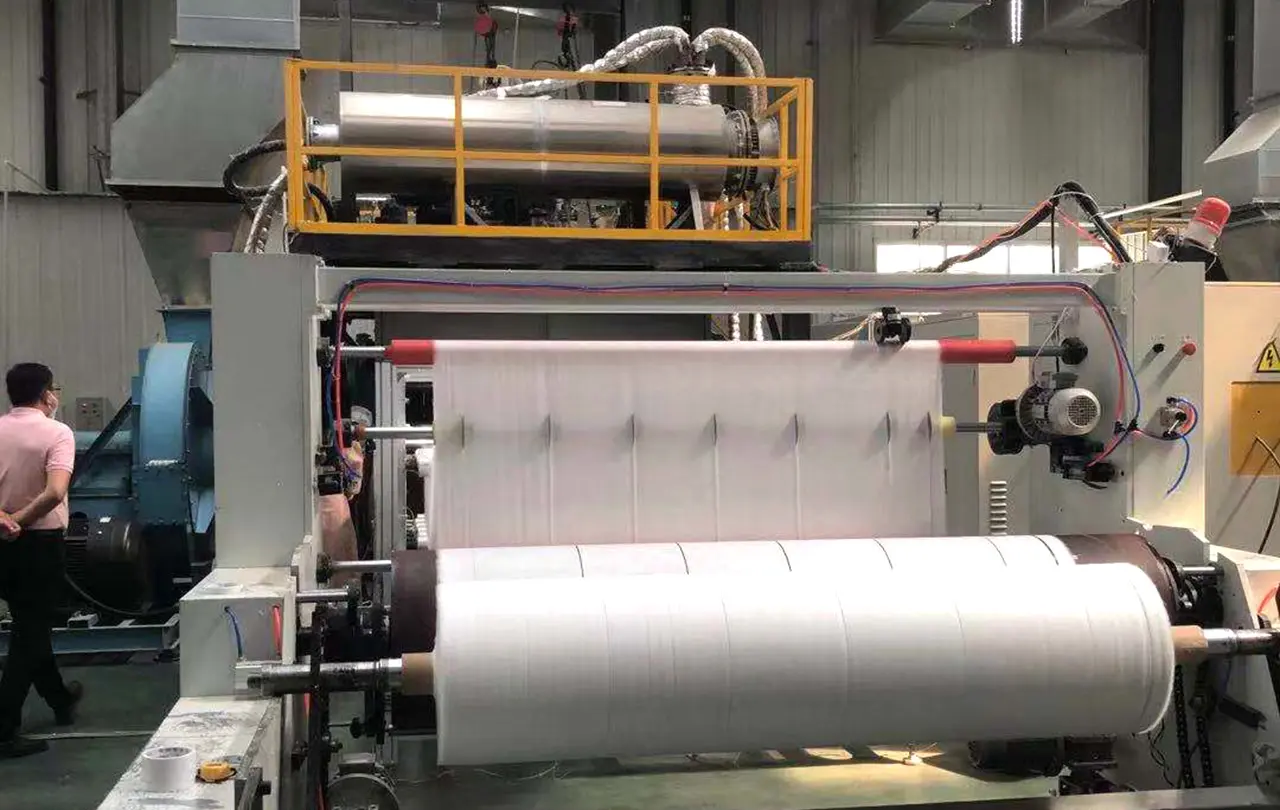
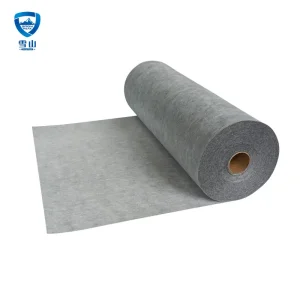
With seasonal surges in purifier sales during winter heating and forest fire seasons, manufacturers must have robust raw material stores of raw coconut shell carbon and meltblown media. A dual-sourcing model and high-speed pleating lines are critical for preventing supply disruptions during critical distribution windows.
Shenzhen Snow Peak Clean Technology Co., Ltd. is a leading integrated high-tech enterprise, specialized in air filtration research, development, production, and global export.
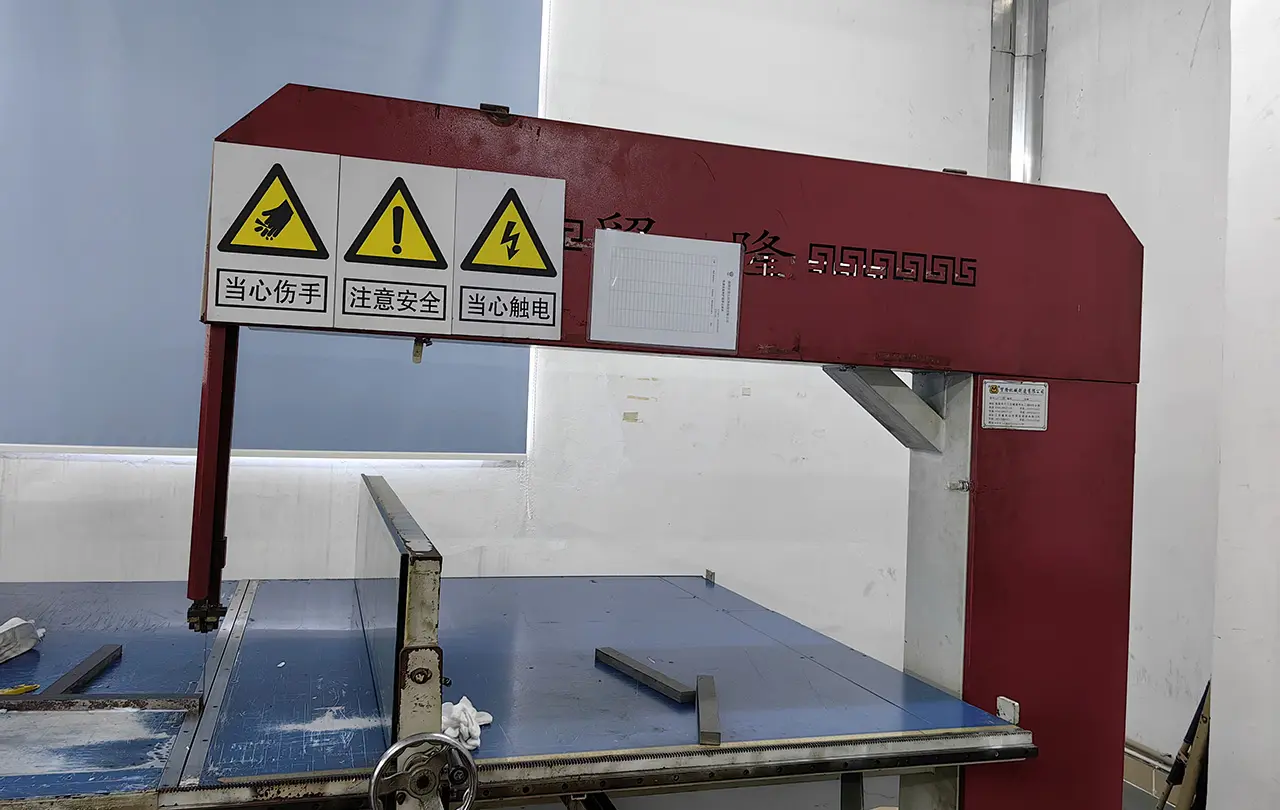
Our production facilities utilize AMADA CNC punches, CNC bending machines, and high-precision automated assembly lines to guarantee product consistency.
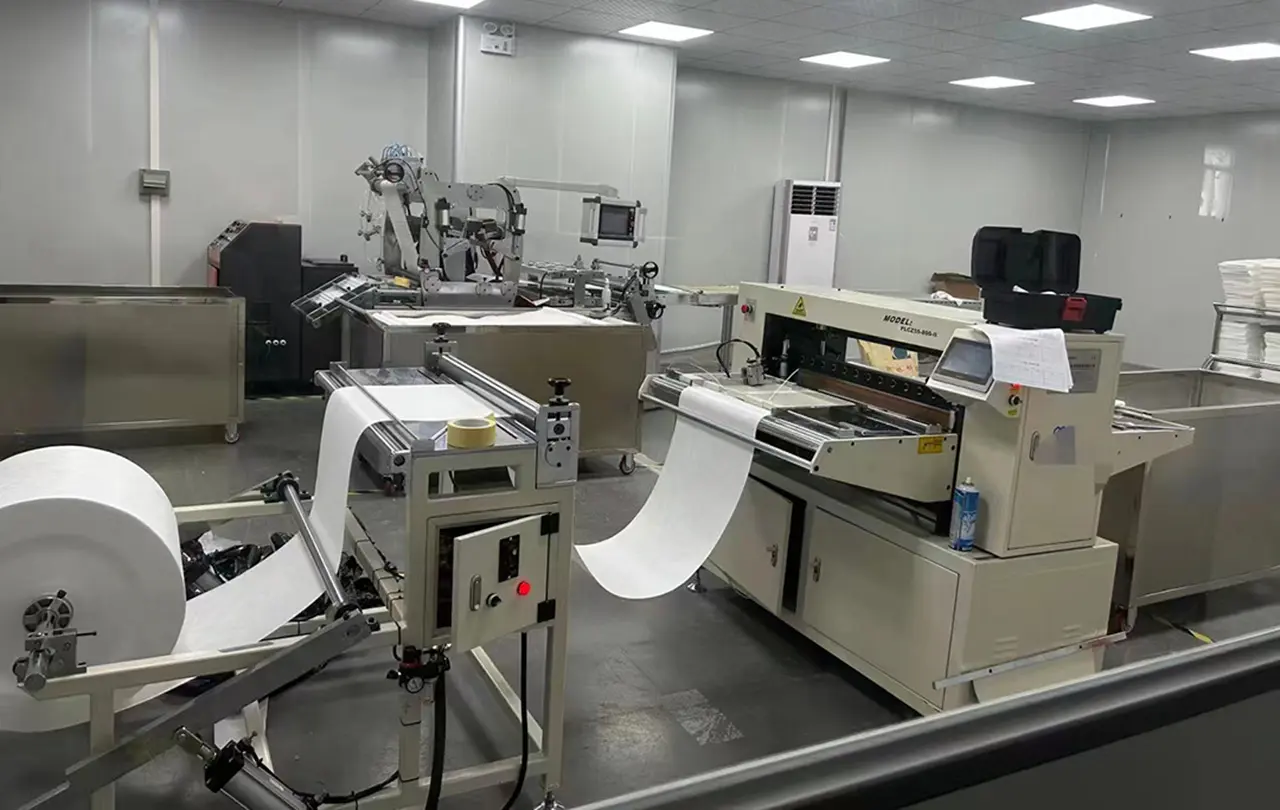
Exporting air filtration components globally requires deep understanding of localized compliance standards. Different jurisdictions utilize distinct methodologies for evaluating the efficacy of particulate and molecular filtration systems.
Shenzhen Snow Peak maintains full testing verification capabilities. We ensure our structural compounds, adhesives, filtration media, and carbon materials are fully certified with CE mark, RoHS, and REACH documentation, facilitating frictionless customs clearance and marketing verification for our overseas partners.
How we are preparing for the next generation of smart, sustainable, and highly selective gas-phase filtration technologies.
Transitioning toward 100% bio-based sustainable carbons with reduced carbon footprints, focusing on localized bamboo and waste-shell derivatives with modified pore sizes.
Laminating active carbon sheets with TiO2 and other semiconductor materials, allowing UV-LED activated self-cleaning cycles that extend carbon lifetimes by degrading adsorbed VOCs.
Developing embedded conductive or resistive sensors within the carbon matrix that monitor gas saturation levels and report filter health directly to smart home HVAC hubs.
Detailed technical answers addressing common search queries and engineering concerns regarding home carbon and HEPA filtration.
Premium OEM replacement filters, custom rolls, and high-absorbent pads engineered for global compliance.
 Snow Peak