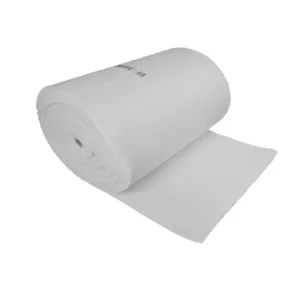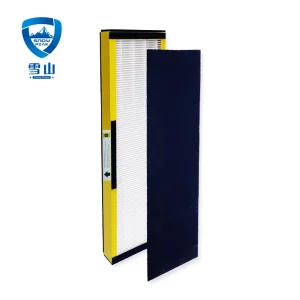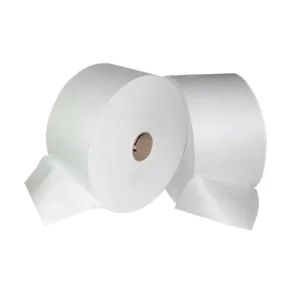
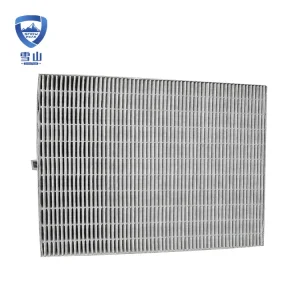
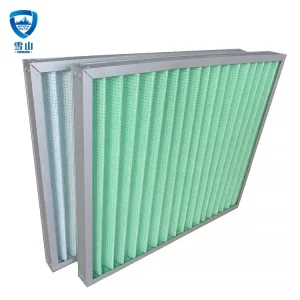
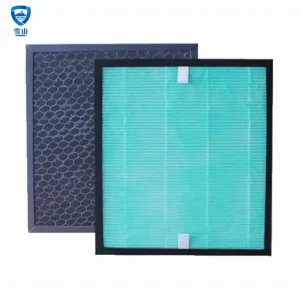
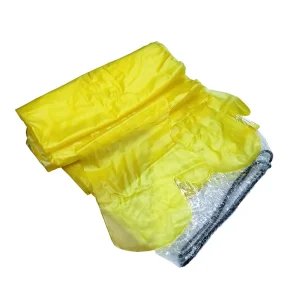
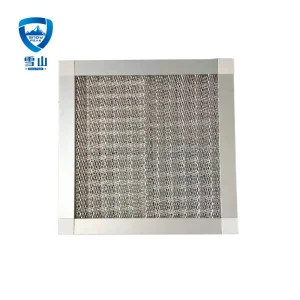
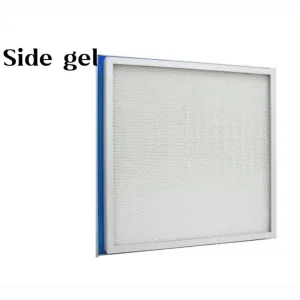
In critical ventilation operations, selecting the correct filtration medium determines performance longevity, energy conservation, and pathogen mitigation. Under the ASHRAE 52.2 protocol, MERV 16 marks the absolute peak of standard particulate capture, challenging HEPA efficiencies without the accompanying massive system pressure drops.
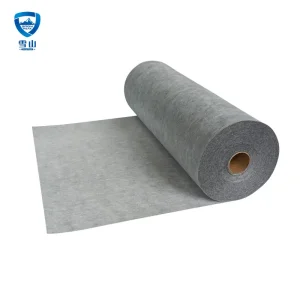
Fractional Efficiency & Electrostatic Mechanisms: MERV 16 fabrics are engineered to arrest 95% or more of particulate matter in the 0.3 to 1.0-micron range (E1 band), alongside >95% in the 1.0 to 3.0-micron (E2 band) and 3.0 to 10.0-micron (E3) ranges. Unlike conventional fiberglass structures that rely purely on mechanical impingement, modern synthetic MERV 16 fabrics use advanced polymer formulation and permanent electret charging. This electrostatic charge attracts and binds sub-micron particles (like viruses, bacterial nuclei, and combustion soot) to the fiber matrix, keeping air pathways clear and preventing early airflow clogging.
The Battle Against Electret Decay: The primary failure point of cheap, uncertified meltblown fabrics is electrostatic charge decay over time, particularly under high-humidity commercial operations. To counteract this, Snow Peak clean technologies incorporate high-performance hydro-charging systems during manufacturing. Hydro-charged electret media injects stable, deeply embedded charges into the polypropylene molecular chains, maintaining its MERV 16 efficiency ratings for years, even under sustained high-velocity airflow conditions.
Highly uniform fiber distribution minimizes initial pressure drops to under 45 Pa at standard face velocity, slashing HVAC motor work cycles and operational energy costs.
Combines mechanical and electrostatic attraction to optimize particulate trapping and maintain stability even in humid, industrial environments.
Reinforced layers resist pocket collapsing and delamination, designed specifically for heavy-duty commercial pleating processes.
The market for high-efficiency non-woven filter fabrics is expanding rapidly due to updated air purification standards, environmental concerns, and post-pandemic safety protocols.
Across the United States, Europe, and Asia-Pacific regions, engineering procurement teams face tight regulatory mandates (such as EN 1822 / ISO 16890 and ASHRAE 52.2). Commercial developments are migrating HVAC systems from standard MERV 8 pre-filtration configurations up to combined MERV 16 configurations. Implementing MERV 16 fabrics directly eliminates the need to upgrade AHU motors to handle HEPA-level resistance, resulting in immediate retrofitting cost savings of up to 40%.
The Global Sourcing Challenge: Most buyers encounter inconsistent fiber distributions and irregular roll widths when procuring at scale. A deviation of just 2 gsm in basis weight can drop a fabric's rating from MERV 16 to MERV 14. Partnering with a vertically integrated manufacturer like Shenzhen Snow Peak ensures consistent fiber density and thickness across every roll produced.
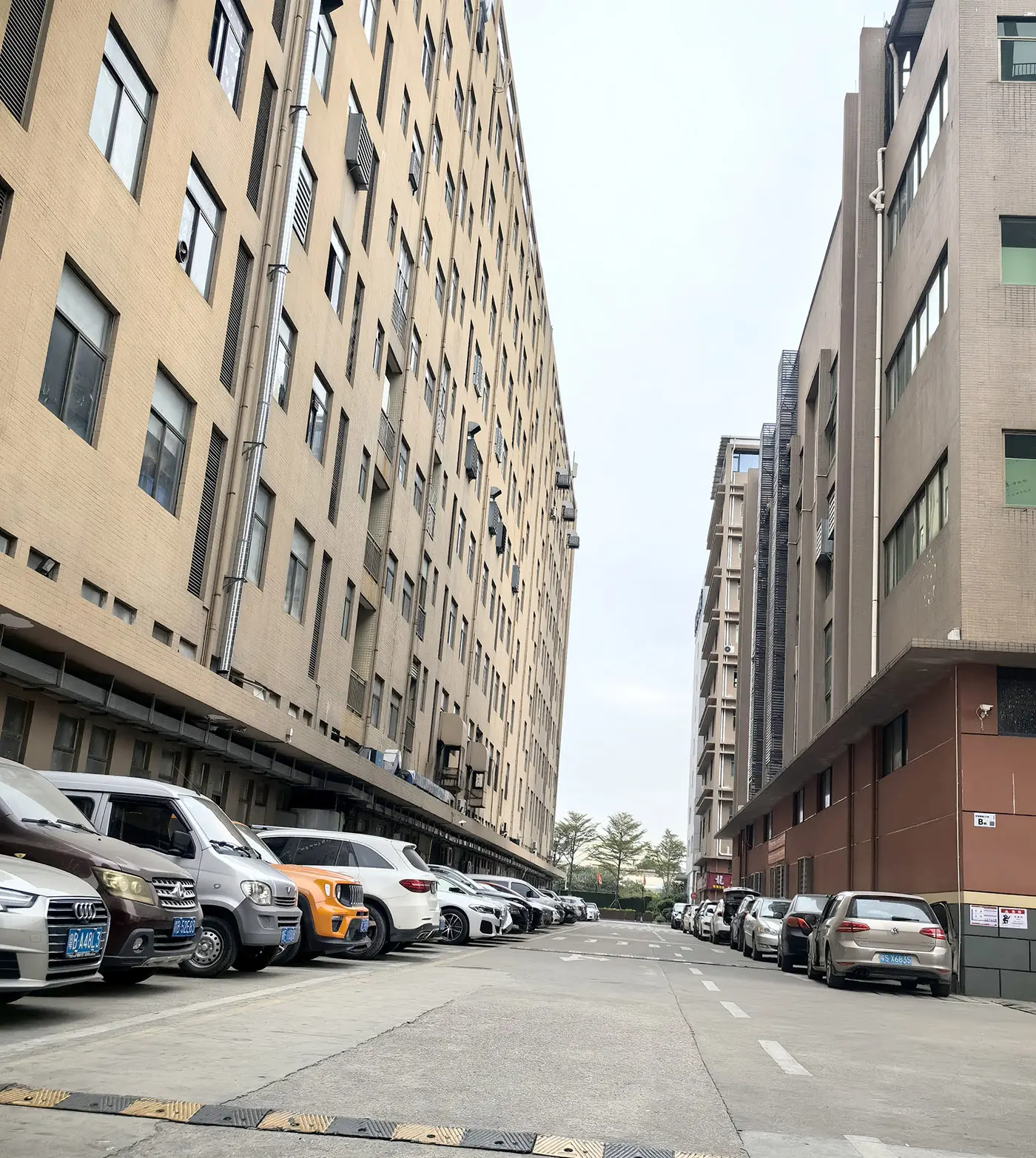
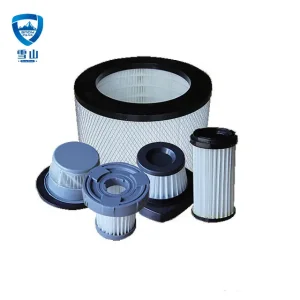
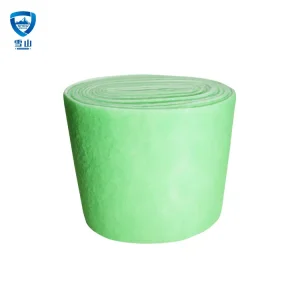
Shenzhen Snow Peak Clean Technology Co., Ltd. is an integrated high-tech enterprise, specialized in air filtration products research and development, production, sales, import and export trade. We produce and supply: Pre-filter, pocket filter, HEPA filter, chemical filter; replacement HEPA filter, car cabin air filter, humidifier filter; pocket filter media, melt-blown composite filter media, and other high-performance filter materials; provide high quality air purification solutions and products for indoor air pollution control and air conditioning systems of civil and industrial buildings, microelectronics, pharmaceutical, laboratory, school, hospital clean room etc.
Combined with self-developed patented technology, our sterilizing antiviral HEPA filter can effectively filtrate fine particles, so that PM2.5 concentration down to 10 micrograms/m3, 5 times better than national standard; effectively inhibit the breeding of microorganisms, sterilization rate up to 99.9%, and no secondary pollution, removal of H1N1 virus efficiency as high as 99.99%.
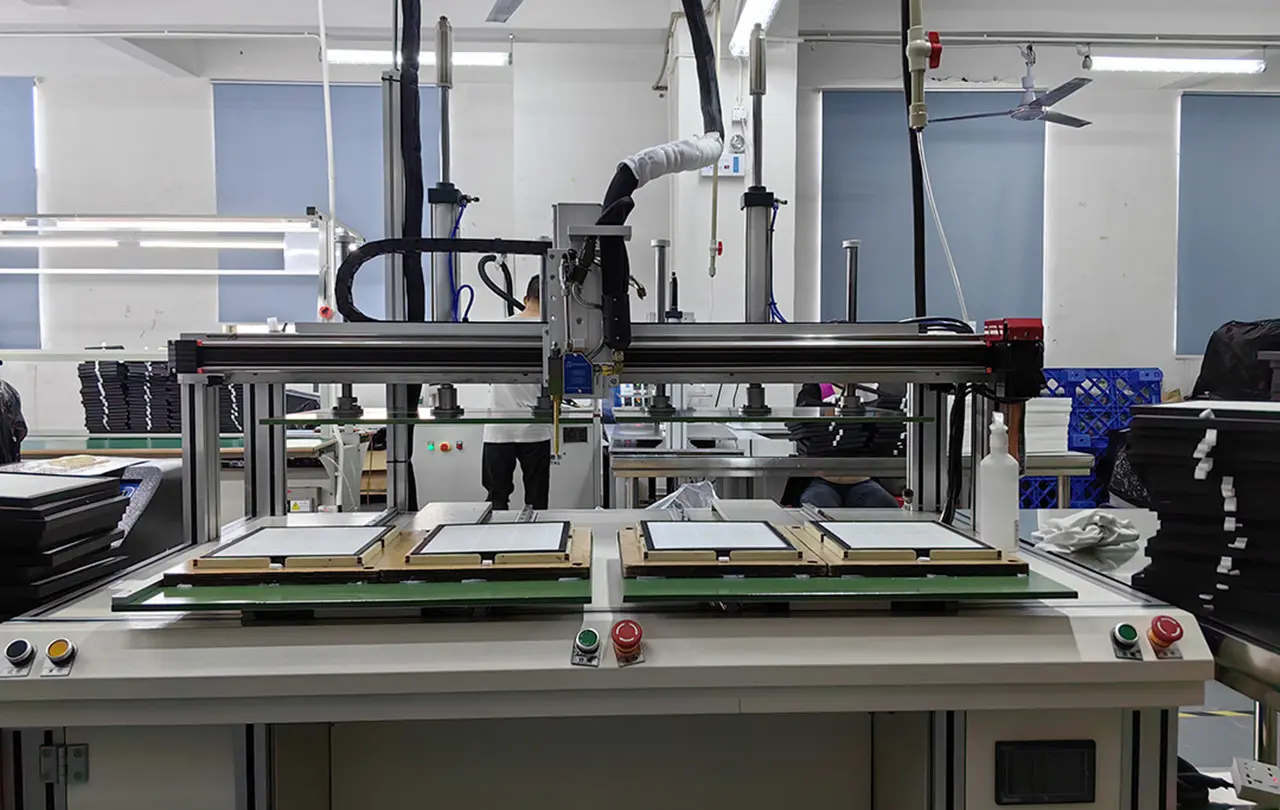
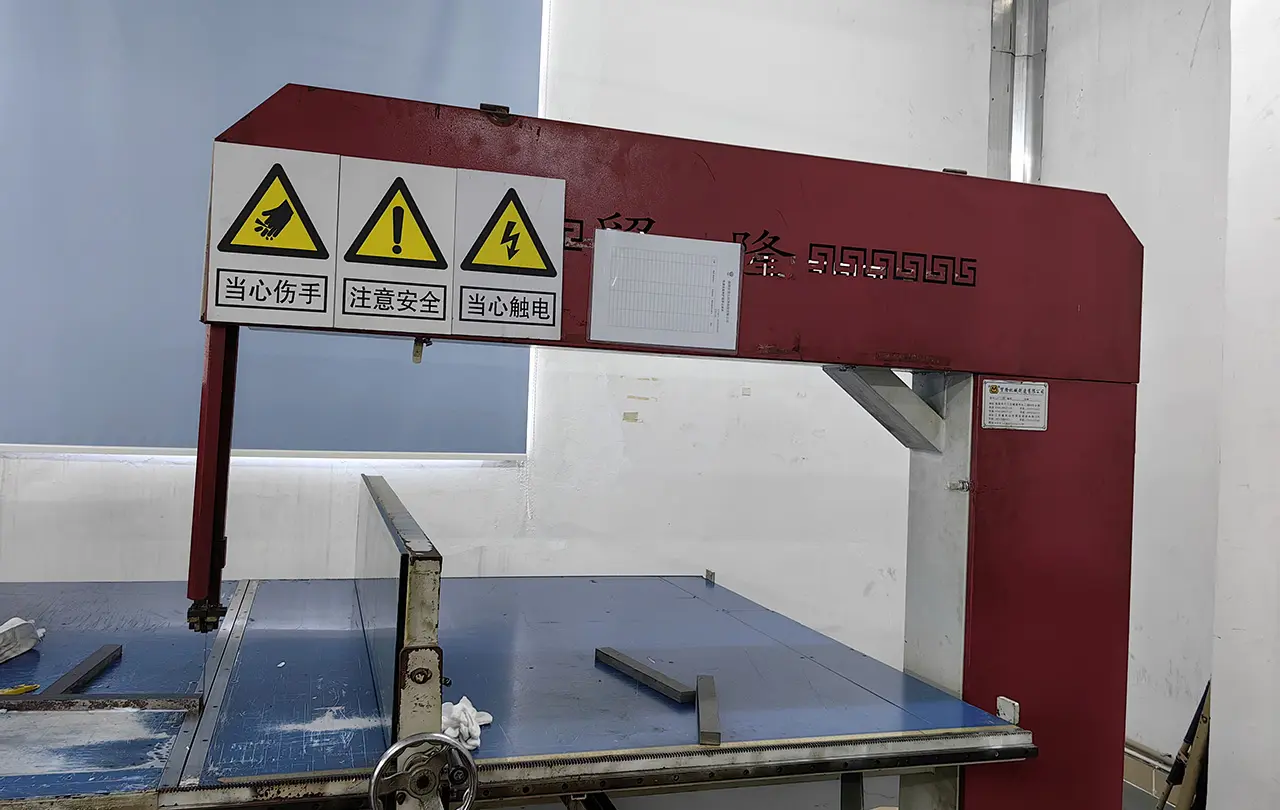
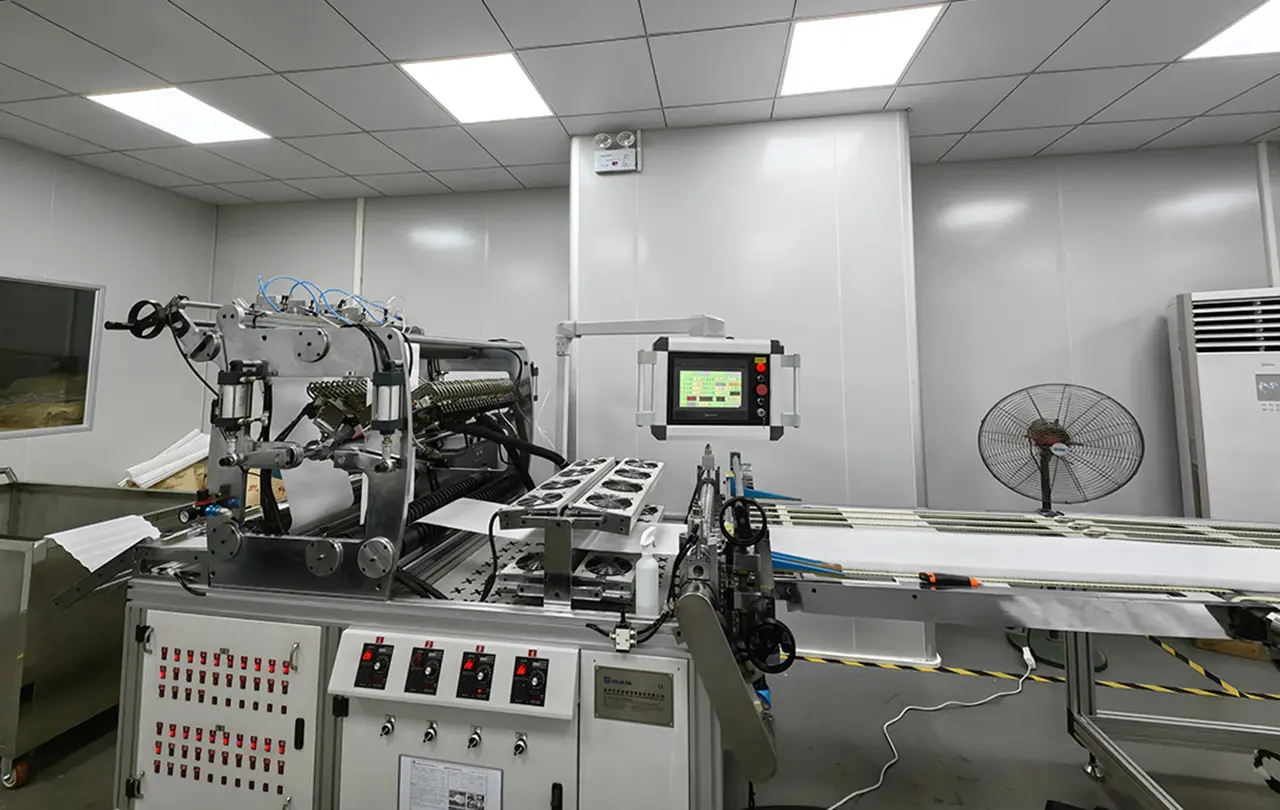
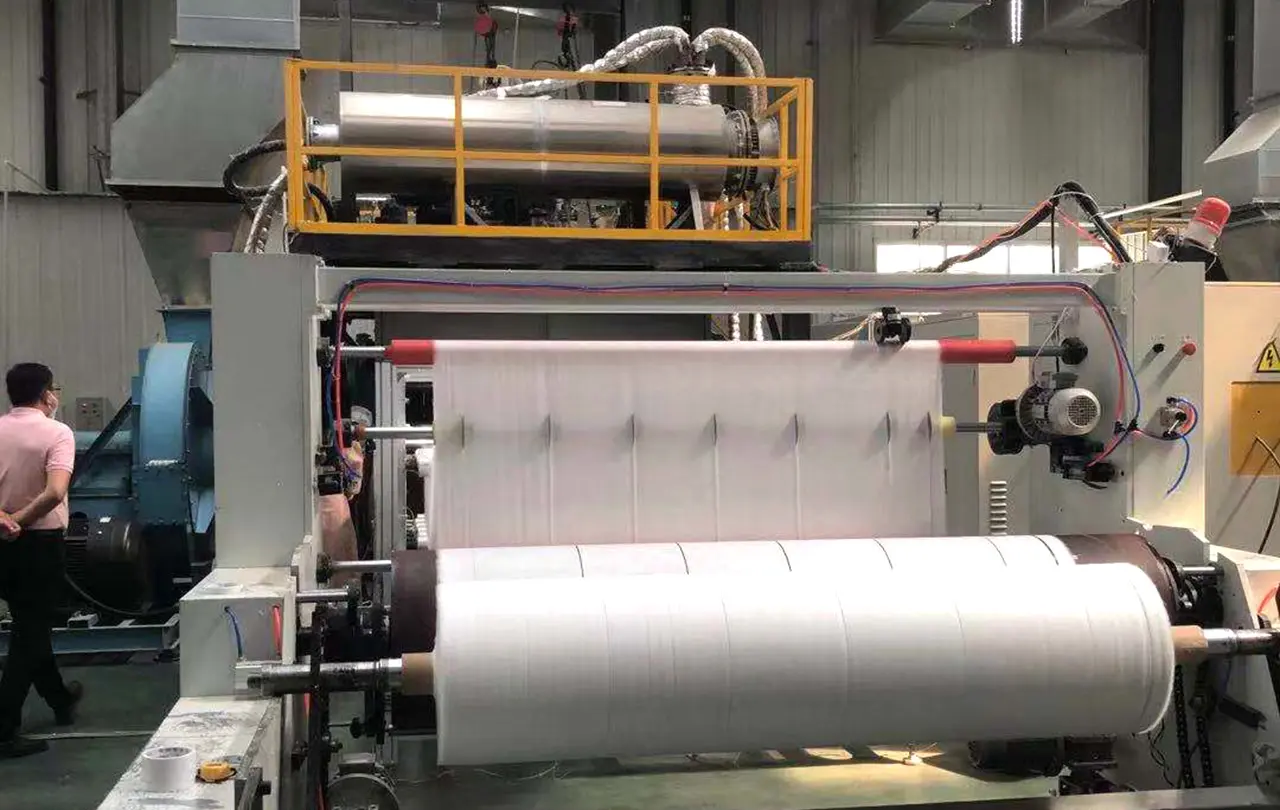
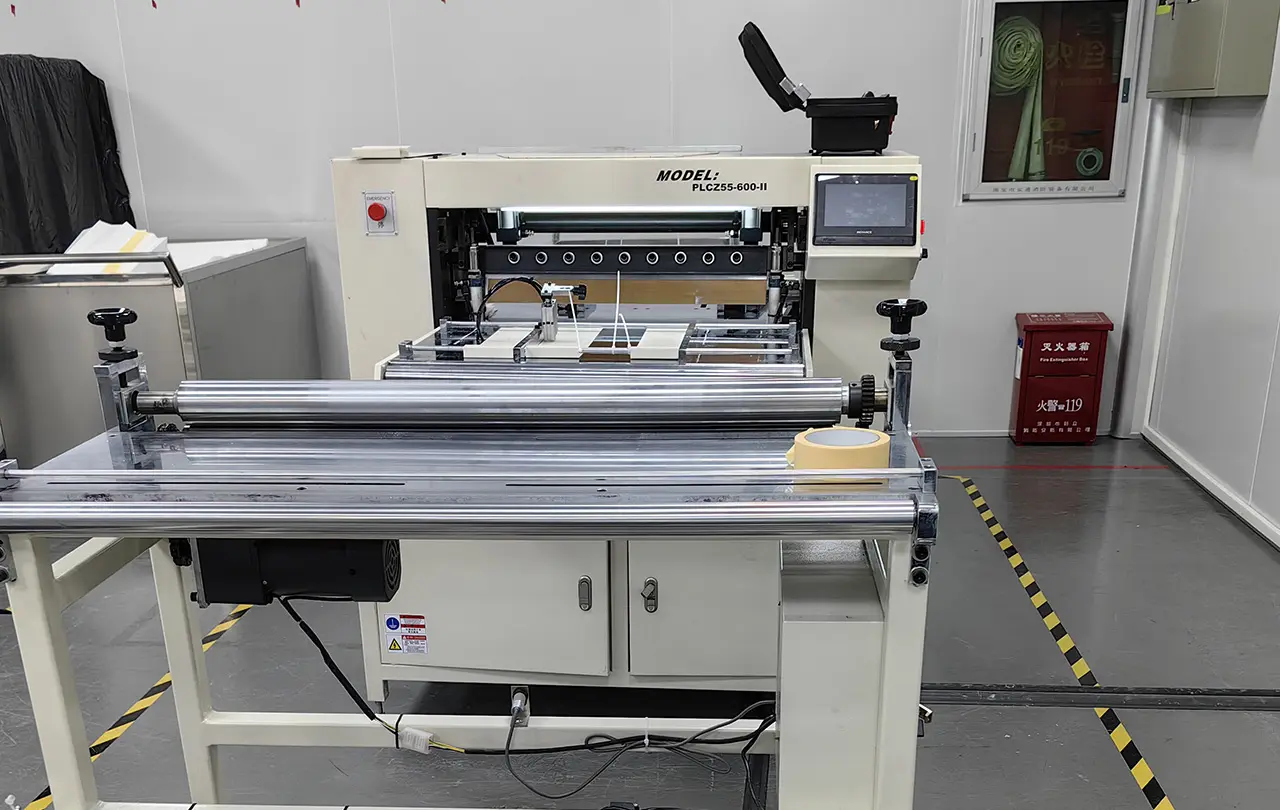
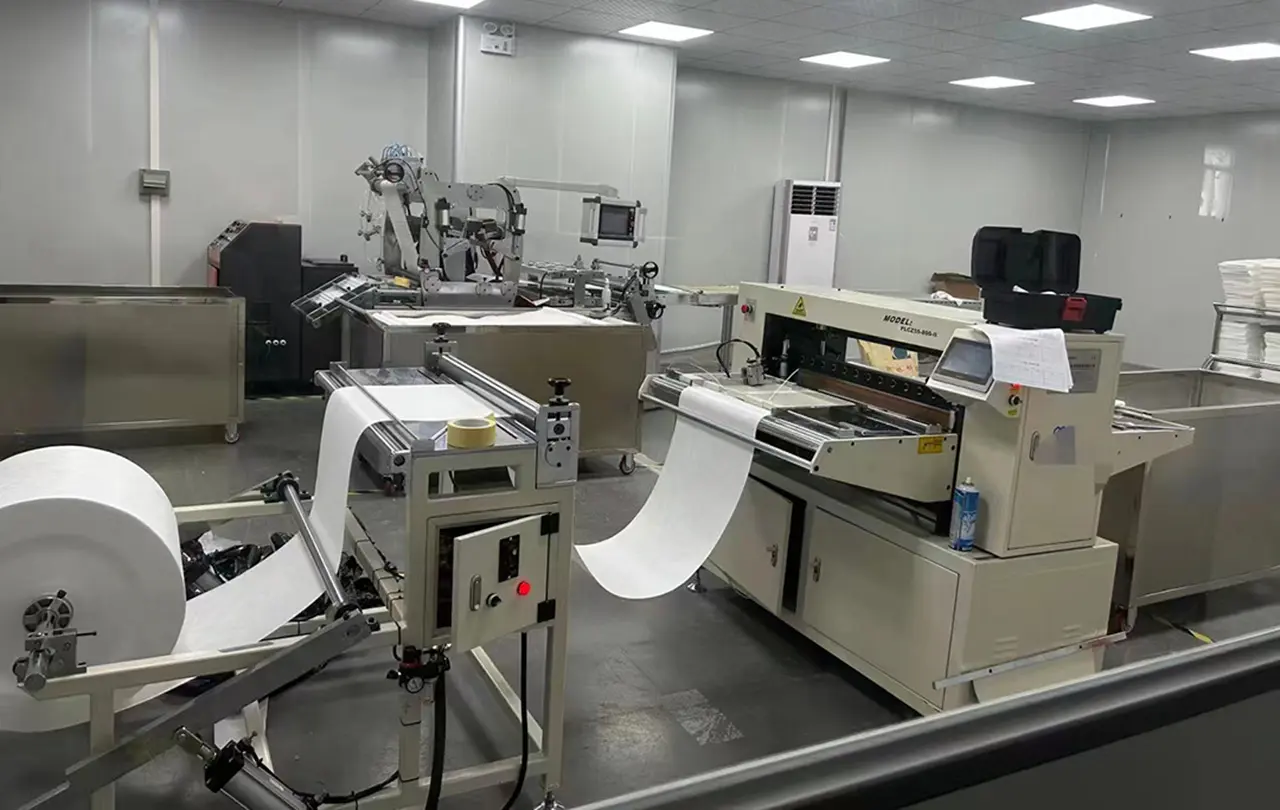
Having 15 years of international air purification technology experience as the background, our company has standardized production workshop, dust-free filter workshop and first-class technology of HEPA filters production line and inspection line, independent research and development of fully automatic air filter production line, equipped with AMADA CNC punch and CNC bending machine as well as many other advanced high-end equipment, provide a strong guarantee for production and quality of air filtration and purification products.
Compare our industrial grade synthetic meltblown fabric grades below to select the media matching your design parameters.
| Performance Parameters | MERV 13 Media | MERV 15 Media | MERV 16 Premium Media | HEPA H13 Media |
|---|---|---|---|---|
| E1 Efficiency (0.3 - 1.0 µm) | < 50% | 75% - 85% | ≥ 95% | ≥ 99.97% |
| E2 Efficiency (1.0 - 3.0 µm) | ≥ 85% | ≥ 90% | ≥ 98% | ≥ 99.99% |
| Initial Resistance (at 5.3 cm/s) | < 20 Pa | < 32 Pa | < 45 Pa | ≥ 120 Pa |
| Standard Thickness (mm) | 0.35 ± 0.05 | 0.42 ± 0.05 | 0.50 ± 0.05 | 0.65 ± 0.10 |
| Charge Charging Process | Standard Corona | Electrostatic Corona | Hydro-charged Electret | Pure Mechanical Barrier |
| Primary Application | Residential / HVAC | Commercial Systems | Biopharma / Cleanroom pre-filter | Surgical / Microelectronics Cleanroom |
 Snow Peak