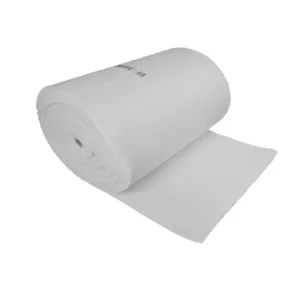
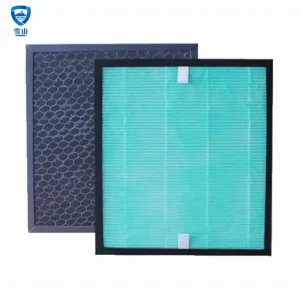
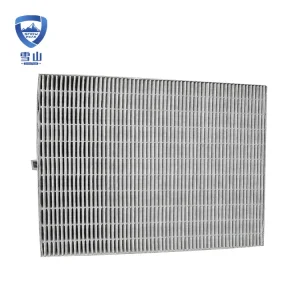
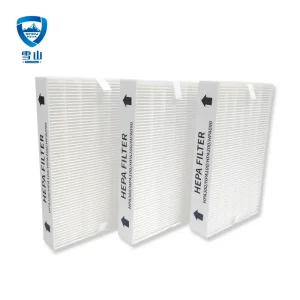
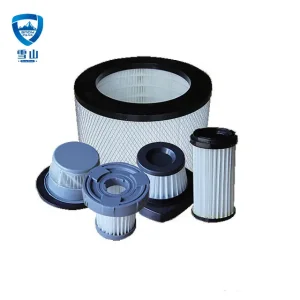
As global regulatory frameworks prioritize strict Indoor Air Quality (IAQ) and energy balance metrics, the classification of MERV 16 (Minimum Efficiency Reporting Value) has transitioned from a specialty cleanroom specification to a standard industrial requirement.
MERV 16 filter material represents the threshold barrier capable of capturing ≥95% of fine particles in the 0.30 to 1.0 micrometer range (E1 category), alongside ≥95% in the 1.0 to 3.0 micrometer range (E2) and 3.0 to 10.0 micrometer range (E3). According to the ASHRAE 52.2 standard, this places MERV 16 in direct alignment with sub-HEPA performance criteria, offering high-efficiency filtration without the extreme static pressure penalties typical of H13 or H14 HEPA class filters.
By utilizing structured polymeric fiber networks and electrostatic electret charging processes, contemporary MERV 16 materials exhibit deep-bed capture mechanisms. This guarantees the containment of aerosolized droplet nuclei, microscopic dust particles, industrial fumes, and microbiological pathogens such as fungal spores and bacteria.
Comparative efficiency profile under standard ASHRAE test methods.
| Particle Size | MERV 16 Req. | Snow Peak Cap. |
|---|---|---|
| 0.30 to 1.0 µm (E1) | ≥ 95% | 97.8% |
| 1.00 to 3.0 µm (E2) | ≥ 95% | 98.5% |
| 3.00 to 10.0 µm (E3) | ≥ 95% | 99.9% |
The market for high-tier synthetic filter media has expanded significantly due to strict indoor safety standards post-pandemic and rigorous clean-air demands in semiconductor fabrication, pharmaceuticals, and HVAC retrofits.
Governments and regulatory boards across North America and the EU are upgrading ventilation requirements in schools and offices. Standard MERV 8 systems are systematically retrofitted to MERV 16 or HEPA equivalent media to block droplet-bound pathogens without overwhelming older motor fans.
Cleanroom environments rely on multi-stage processes to protect expensive terminal HEPA and ULPA filters. MERV 16 filter material acts as a high-load pre-filter, capturing up to 98% of atmospheric dust, thus extending the active lifetime of terminal micro-electronics HEPA filters by more than 150%.
Healthcare facilities and bio-laboratories utilize MERV 16 composite media to establish protective barriers where full HEPA filtration is mechanically restricted. Its structural design effectively captures microscopic pathogens, preventing secondary aerosolization during routine airflow sweeps.
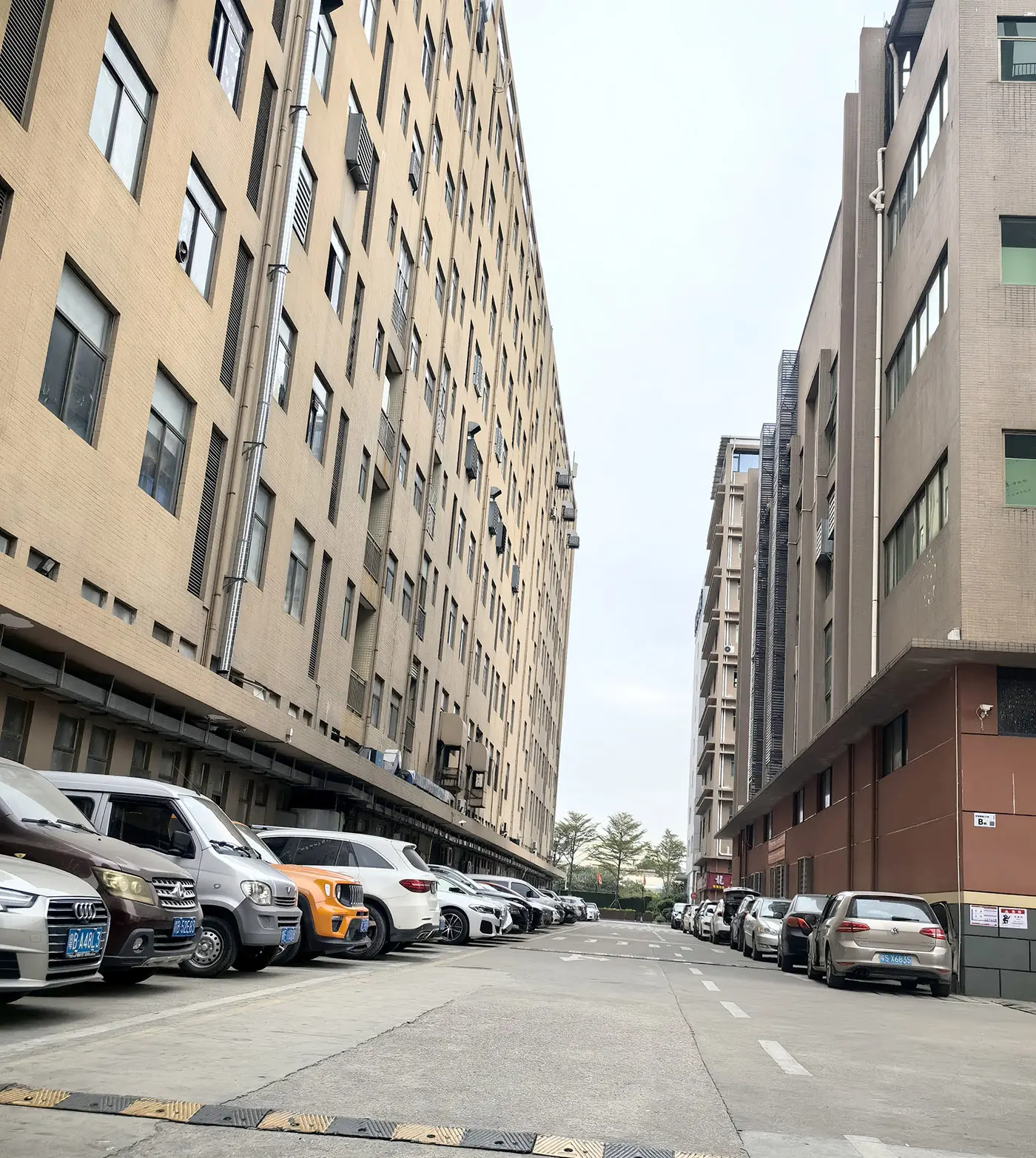
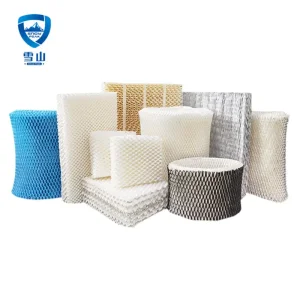
Shenzhen Snow Peak Clean Technology Co., Ltd. is an integrated high-tech enterprise, specialized in air filtration products research and development, production, sales, import and export trade. We produce and supply: Pre-filter, pocket filter, HEPA filter, chemical filter; replacement HEPA filter, car cabin air filter, humidifier filter; pocket filter media, melt-blown composite filter media, and other high-performance filter materials.
We provide high-quality air purification solutions and products for indoor air pollution control and air conditioning systems of civil and industrial buildings, microelectronics, pharmaceuticals, laboratories, schools, and hospital clean rooms. Combined with our self-developed patented technology, our sterilizing antiviral HEPA filter can effectively filtrate fine particles, so that PM2.5 concentration is reduced down to 10 micrograms/m3, 5 times better than national standards; it effectively inhibits the breeding of microorganisms, yielding a sterilization rate up to 99.9% with no secondary pollution. The removal efficiency of the H1N1 virus is as high as 99.99%.
Having 15 years of international air purification technology experience as our background, our company operates standardized production workshops, dust-free filter workshops, and first-class technology HEPA filters production and inspection lines.
Equipped with an independent research and development system for fully automatic air filter production lines, our manufacturing floor is powered by advanced machinery such as AMADA CNC punches and CNC bending machines. This advanced machinery provides a strong guarantee for the production, structural integrity, and quality control of our air filtration and purification media.
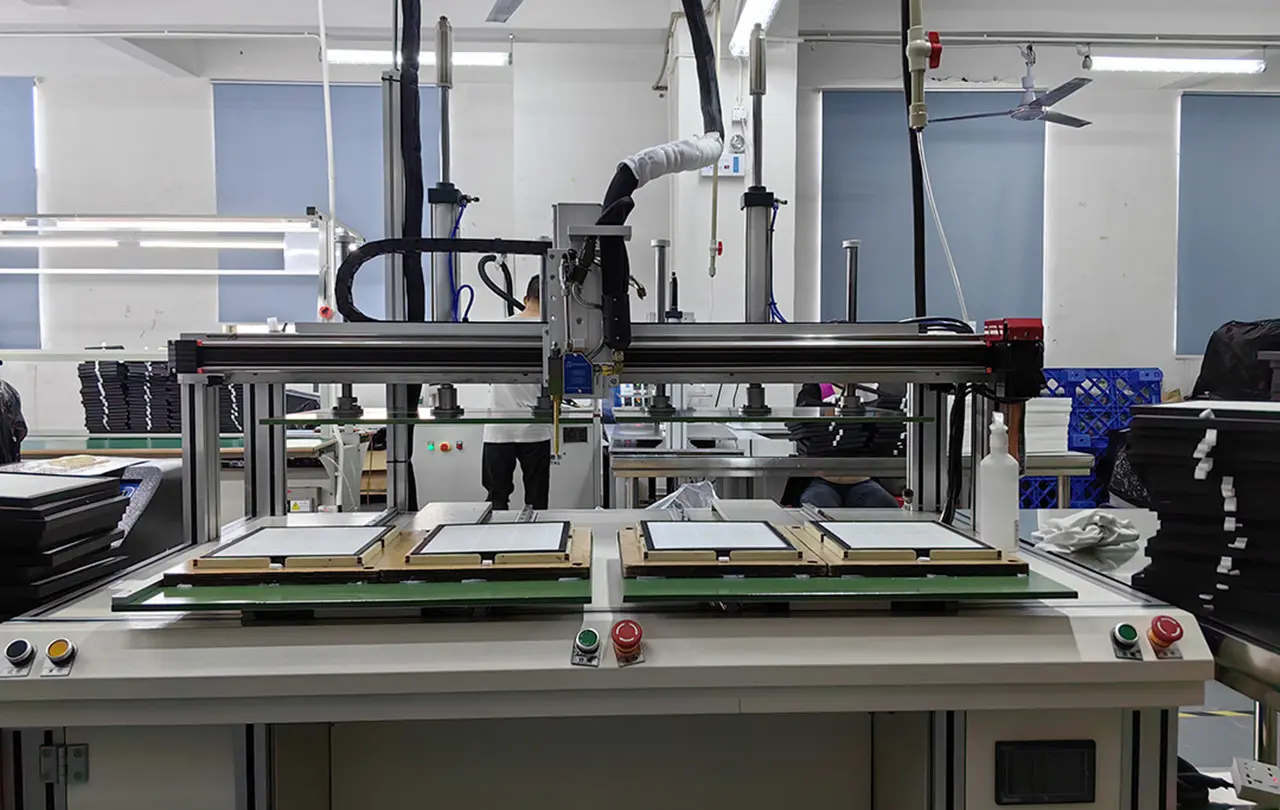
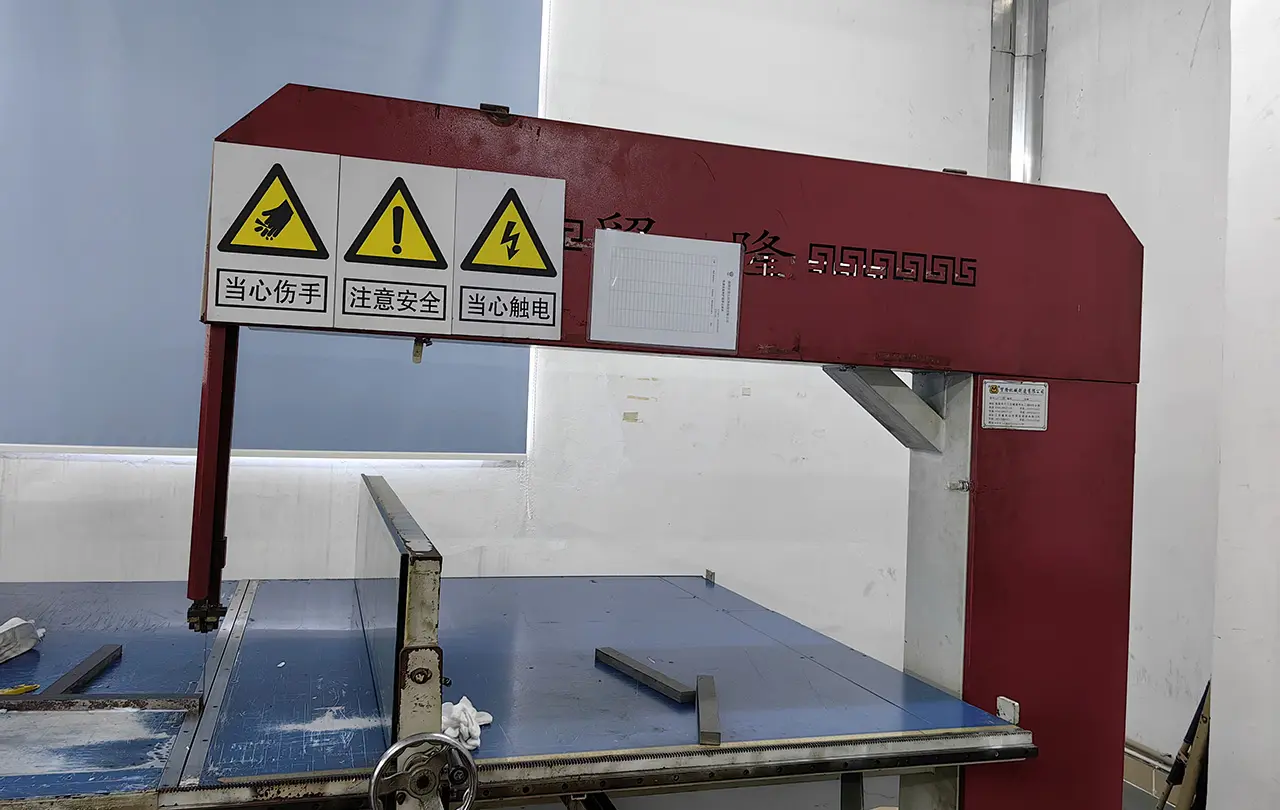
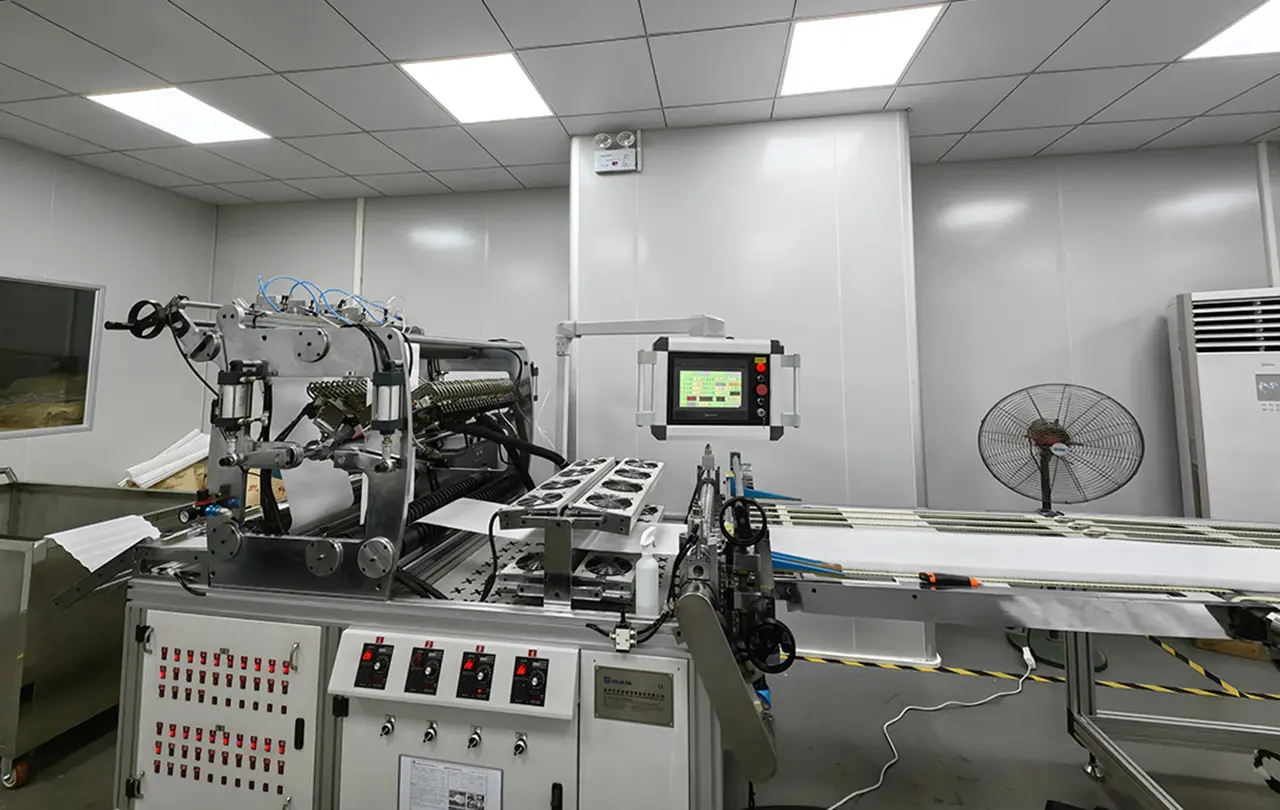
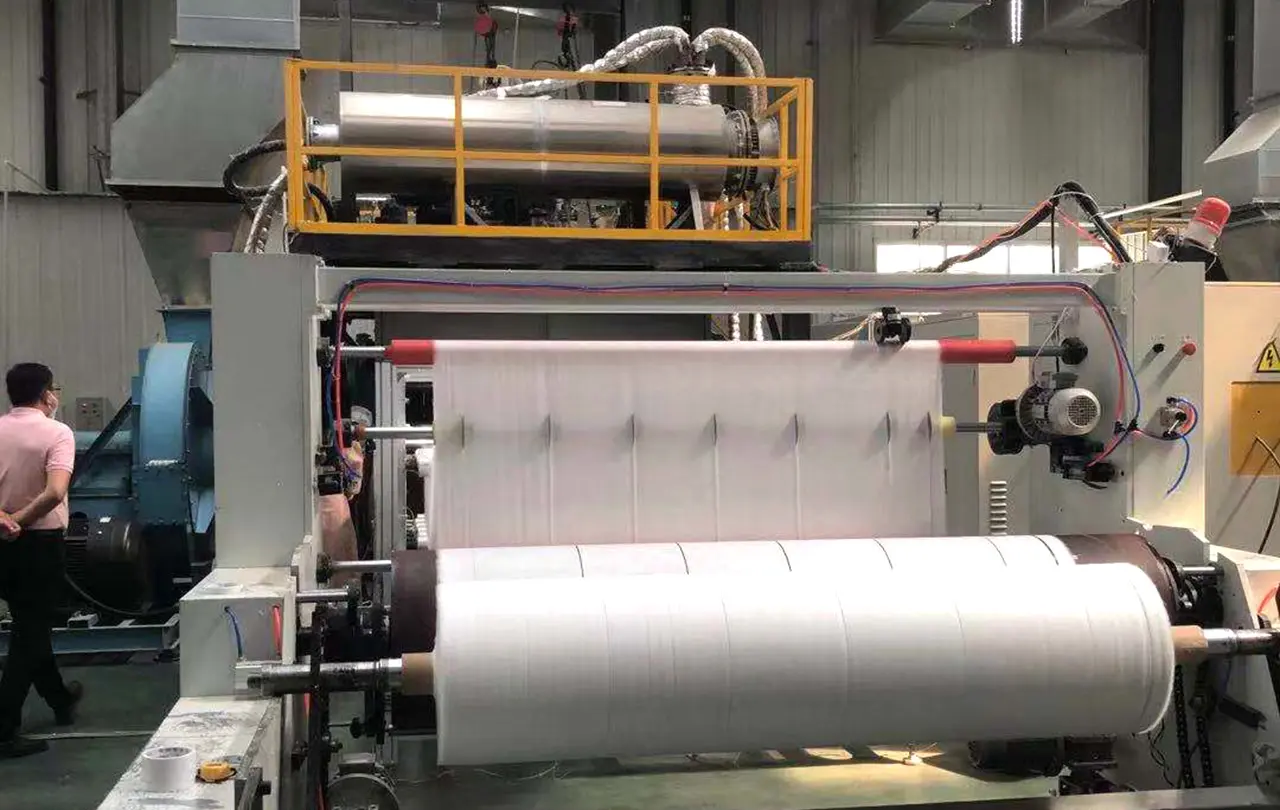
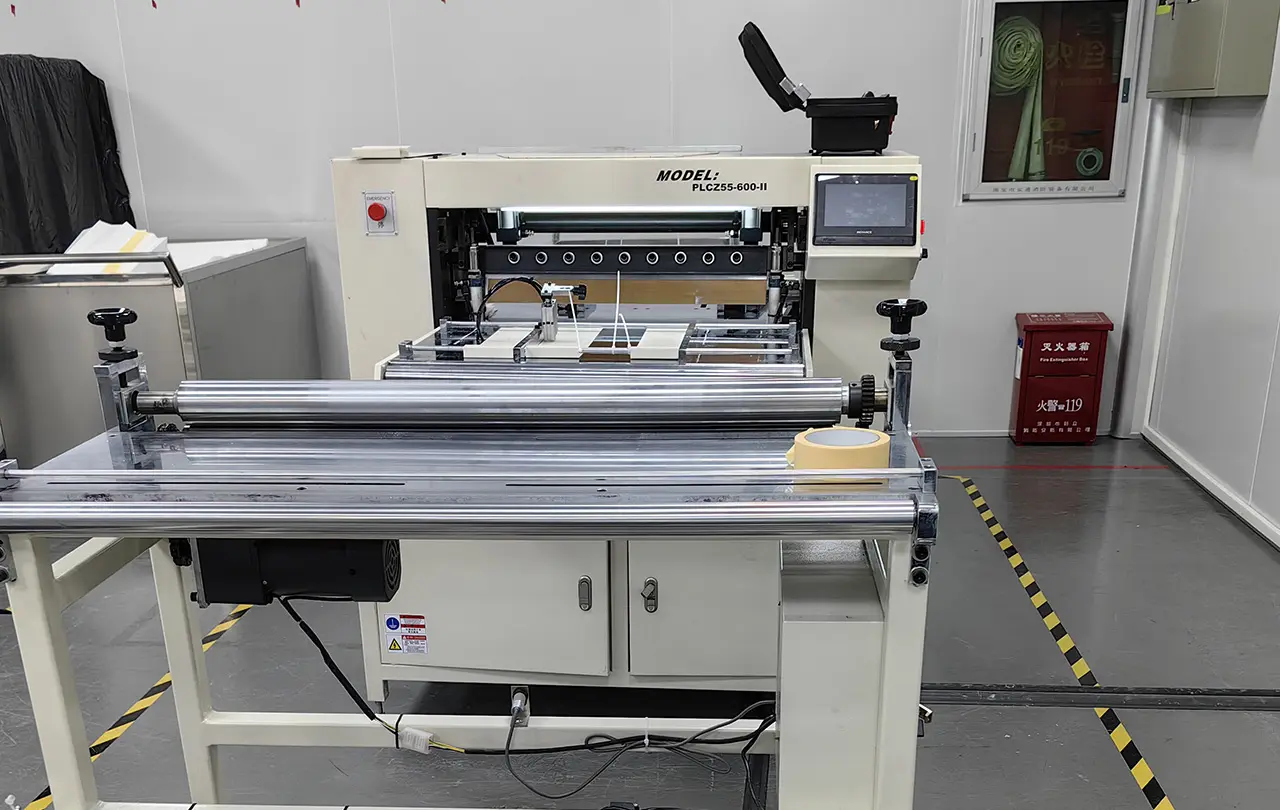
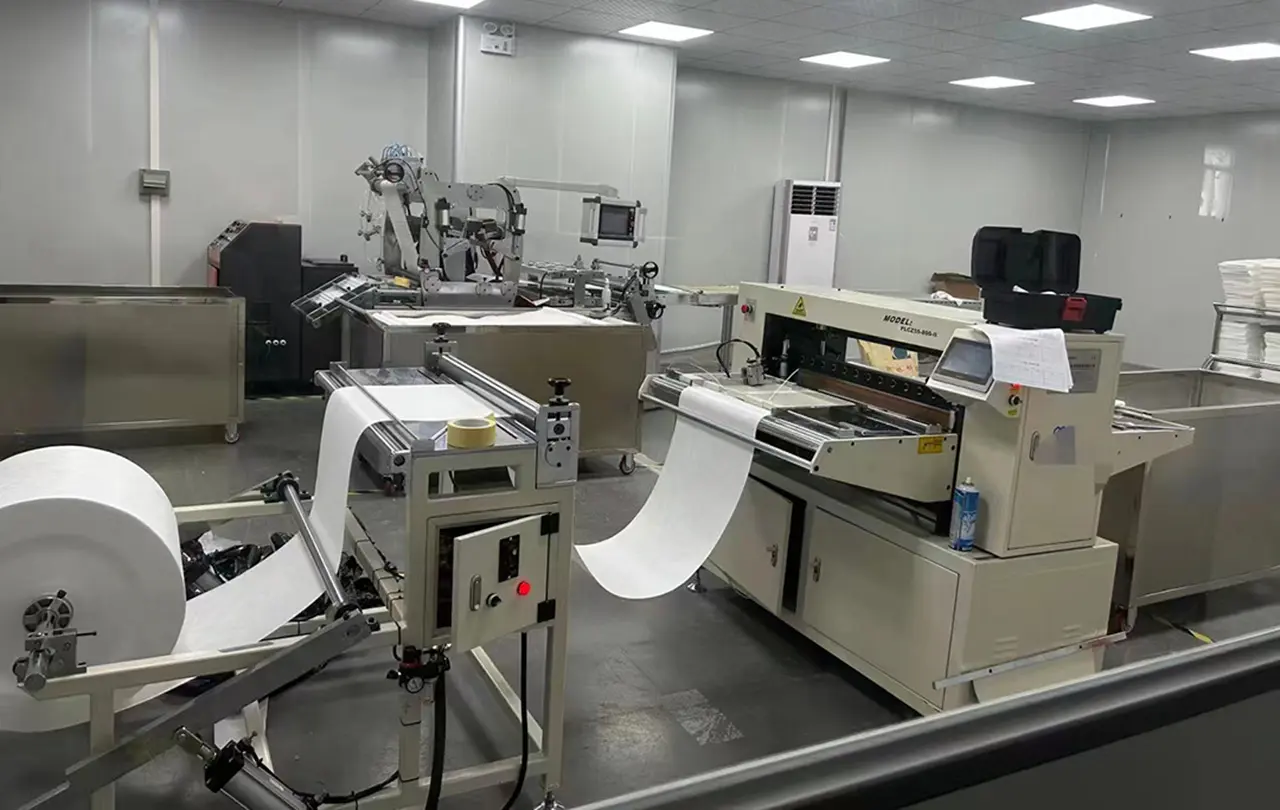
Sourcing MERV 16 filter material directly from Shenzhen Snow Peak enables global buyers to leverage advanced Chinese manufacturing efficiencies. The Pearl River Delta manufacturing cluster offers vertical integration, from raw polypropylene (PP) polymer and high-grade electrostatic masterbatches to completed pleat packs and frames.
Our advanced manufacturing capabilities utilize online thermal compounding and non-woven electret charging directly inside the melt-blown extrusion line. This system yields high particle capture efficiency with minimal mechanical restriction, significantly reducing pressure drop compared to older, offline charging systems.
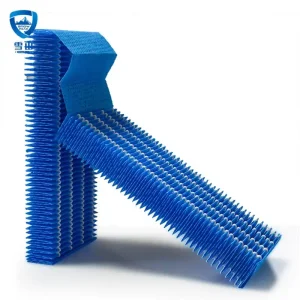
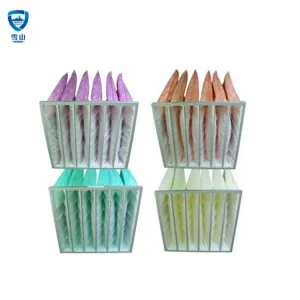
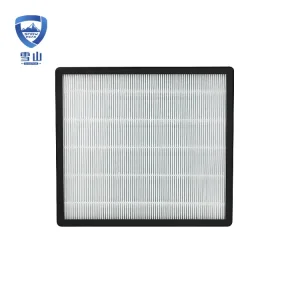
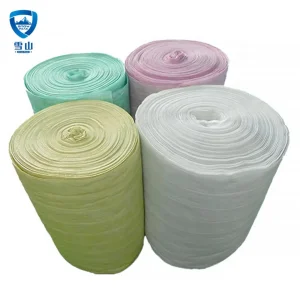
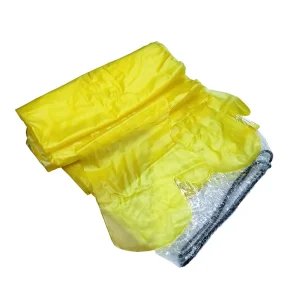
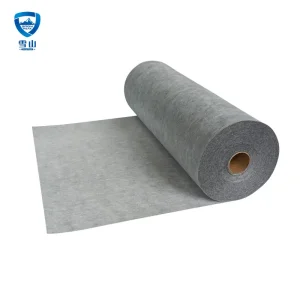
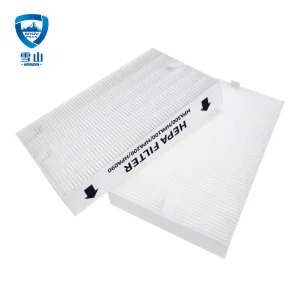
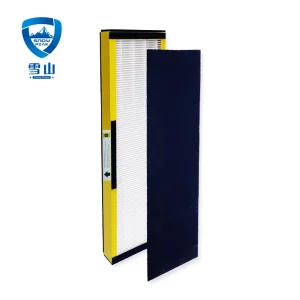
Global procurement divisions benefit from custom physical formats designed to fit diverse regional HVAC standards. Shenzhen Snow Peak supports flexible product specifications, offering rolls, custom-cut sheets, multi-pocket configurations, and encapsulated mini-pleat packs.
Our ISO-compliant test laboratory validates every batch of media using advanced particle spectrometer counters. We test and document fractional efficiency (E1, E2, E3), initial pressure drop, dust holding capacity, and chemical safety, ensuring that each shipment conforms to international ASHRAE 52.2 standards.
Choosing the correct filter grade depends on the specific operational environment, the particle size distribution, and the available fan horsepower of the air handling unit (AHU).
In clinical settings where HEPA airflows cannot be integrated due to system backpressure limits, MERV 16 media acts as a critical safety grade. It blocks fine droplets and airborne pathogens, keeping rooms clean and safe.
Our MERV 16 media is formulated for low pressure drop, making it suitable for high-end residential air purifiers, large-scale commercial building HVAC retrofits, and replacement cartridge manufacture.
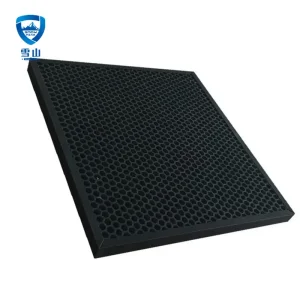
For clean spray paint booths, G4/M5 ceiling filters clear the incoming air, while our MERV 16 media captures fine mist particles, protecting exhaust ducts and downstream carbon adsorption units from clogging.
Standard mechanical filtration captures dust through interception, inertial impaction, and diffusion. However, capturing 0.3-micron particles mechanically requires dense fiber structures, which can significantly restrict airflow.
To solve this, our team uses a hybrid electret process. By embedding high-performance charge-retaining additives into the polypropylene matrix during extrusion and exposing the web to a controlled corona field, we charge the fibers permanently.
This electrostatic charge acts as an active force, attracting sub-micron particles toward the fibers. This configuration achieves MERV 16 efficiency at a fraction of the physical density, maintaining high airflow and saving energy.
Technical clarifications on MERV 16 materials, custom specifications, and industrial procurement parameters.
A MERV 16 filter captures ≥95% of particles between 0.3 and 1.0 micrometers, whereas a standard H13 HEPA filter captures ≥99.97% at 0.3 micrometers. MERV 16 filters are typically used in HVAC systems because they offer a lower pressure drop than HEPA filters, which often require specialized high-pressure fan motors.
In standard environments, the charge remains stable. We use high-grade additives to prevent charge decay from humidity or temperature changes. However, exposure to high oil aerosol concentrations can mask the electrostatic charge, which is why pre-filters are recommended in oily environments.
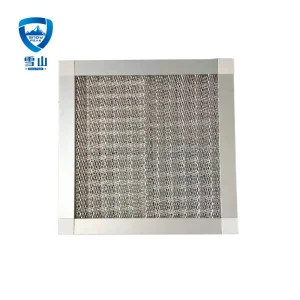
Yes. We supply media in rolls of various widths, weights (g/m²), and thicknesses. We also offer fully assembled pocket filters, pleated cartridges, and custom frames to meet your specifications.
Standard roll goods and catalog replacements typically ship within 15 to 25 days from our Shenzhen facility. Customized orders with unique frames or special antiviral coatings may require 30 to 45 days, depending on batch volume.
Our patented sterilizing antiviral HEPA/MERV 16 filter achieves a 99.99% removal rate for H1N1 virus and a 99.9% sterilization rate for common bacteria. It captures microbial carriers and inhibits growth on the filter media to prevent secondary contamination.
 Snow Peak