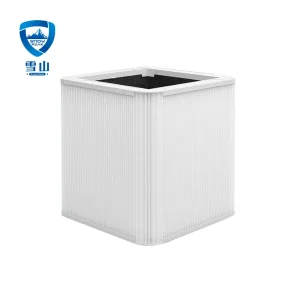
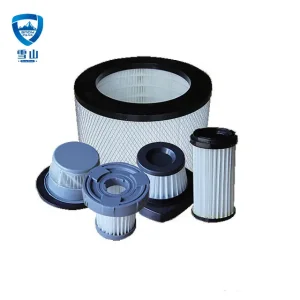
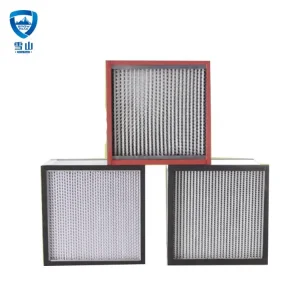
Discover our primary range of industry-certified custom HVAC filters, HEPA replacements, and functional filter media engineered for commercial and cleanroom applications.
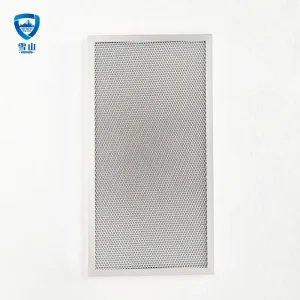
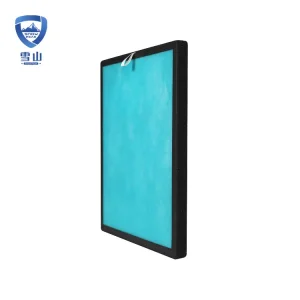
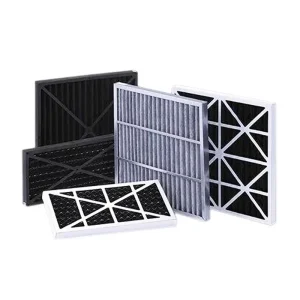
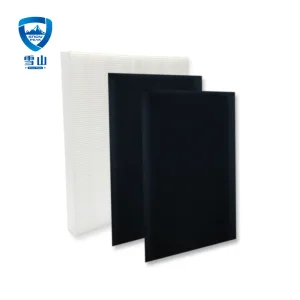
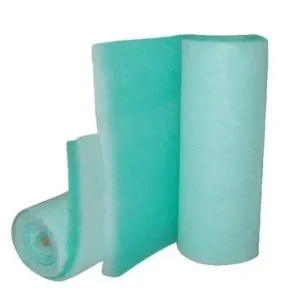
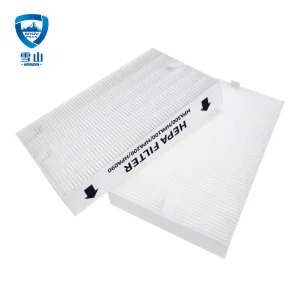
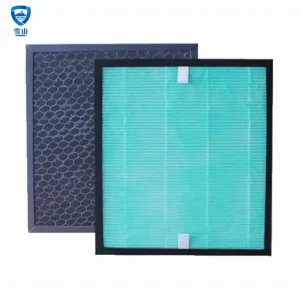
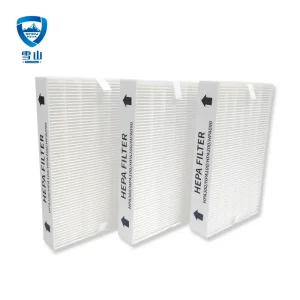
Shenzhen Snow Peak Clean Technology Co., Ltd. is an integrated high-tech enterprise, specialized in air filtration products research and development, production, sales, import and export trade. We produce and supply: Pre-filter, pocket filter, HEPA filter, chemical filter; replacement HEPA filter, car cabin air filter, humidifier filter; pocket filter media, melt-blown composite filter media, and other high-performance filter materials; provide high quality air purification solutions and products for indoor air pollution control and air conditioning systems of civil and industrial buildings, microelectronics, pharmaceutical, laboratory, school, hospital clean room etc.
Combined with self-developed patented technology, our sterilizing antiviral HEPA filter can effectively filtrate fine particles, so that PM2.5 concentration down to 10 micrograms/m3, 5 times better than national standard; effectively inhibit the breeding of microorganisms, sterilization rate up to 99.9%, and no secondary pollution, removal of H1N1 virus efficiency as high as 99.99%.
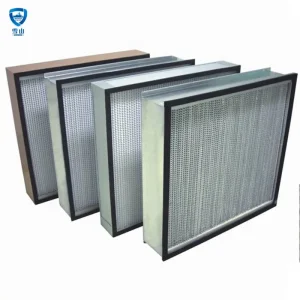
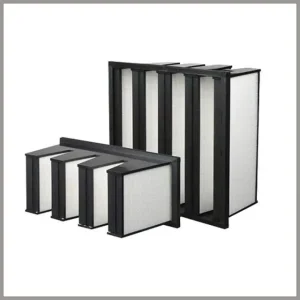
In modern industrial and commercial ventilation, V-Bank air filters (also termed W-shape filters) represent the gold standard for high-volume, high-efficiency secondary and terminal stage filtration. Unlike flat-panel or shallow-pleated filters, the V-Bank configuration arranges multiple mini-pleated media packs into V-shaped geometries (commonly 2V, 3V, 4V, 5V, or 6V configurations). This spatial layout effectively multiplies the usable surface area of the filter media relative to the face area of the housing. By expanding the filtration surface, facilities drastically reduce airflow resistance, increase dust-holding capacities (DHC), and extend maintenance intervals.
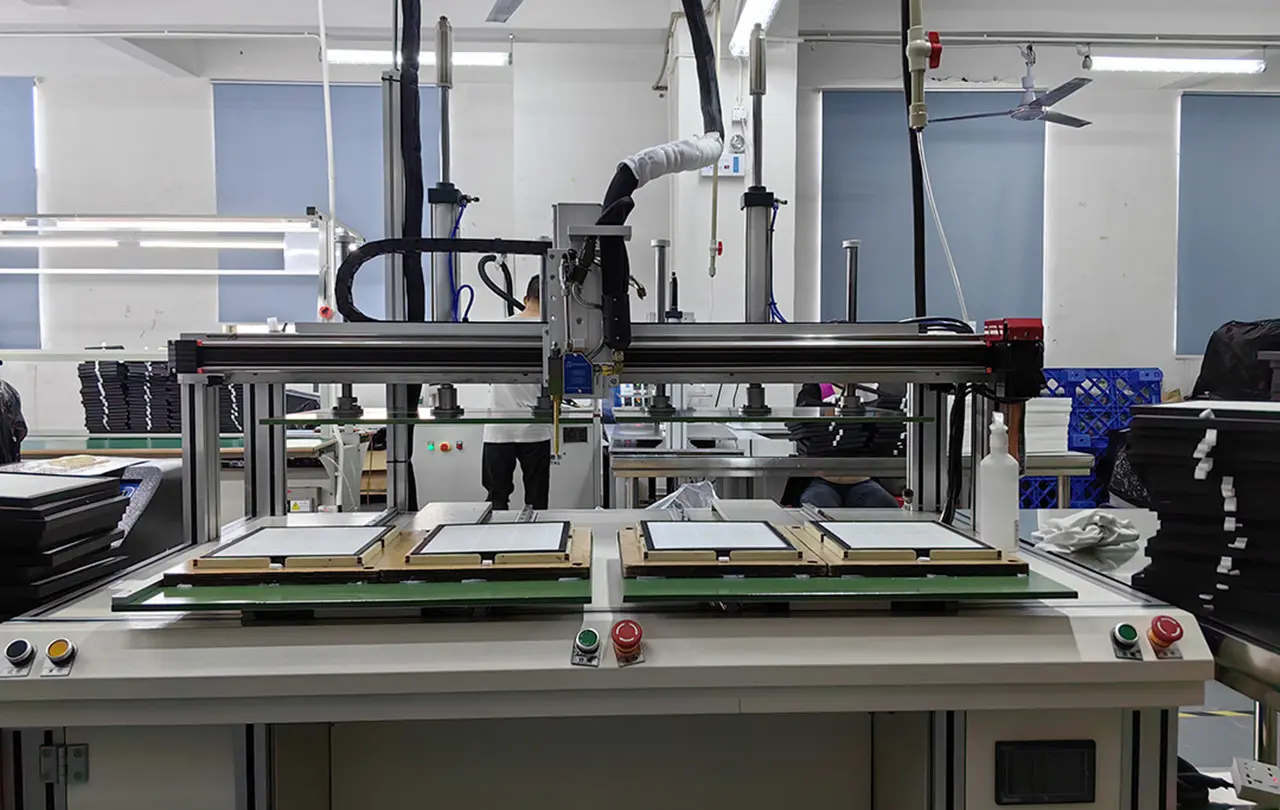
Global procurement teams in sectors like pharmaceutical production, microelectronics, commercial real estate, and municipal infrastructure prioritize wholesale sourcing of V-bank air filters due to these performance efficiencies. In high-velocity ventilation systems, the durability of the plastic, polyurethane, or metal structural frames is non-negotiable. Leading V-bank filter factories apply fully automated robotic adhesive dispensing to eliminate bypass leaks, which are critical to preventing downstream cleanroom contamination.
V-Bank air filtration acts as the backbone of advanced indoor environmental quality (IEQ) controls. Below is an overview of how distinct industrial segments deploy these systems to mitigate risks, satisfy regulatory standards, and maintain operations:
| Industry Verticals | Primary Contaminants Target | Standard Filter Configuration | Regulatory Compliance Metric |
|---|---|---|---|
| Microelectronics & Semi | Sub-micron particles, volatile organics (VOCs) | V-Bank HEPA (H13-H14) + Chemical Carbon Filters | ISO 14644-1 Class 1-5, cleanroom protocols |
| Pharmaceutical & Biotech | Viable microbes, bacterial spores, aerosols | Sterilizing Antiviral HEPA, 3V/4V High-Capacity | FDA cGMP, EN 1822 H14 Certification |
| Automotive Spray Booths | Paint overspray, fine dust particles | G2-G4 Pre-filters + F7/F9 V-Bank Secondary Filters | EN 779 / ISO 16890 PM1 & PM2.5 standards |
| Hospital & Healthcare | Viruses (H1N1), opportunistic bacteria | Antiviral HEPA with >99.9% sterilization rates | ASHRAE 170 Ventilation for Healthcare Facilities |
| Commercial HVAC (Offices/Malls) | PM2.5, pollen, ambient soot | High-capacity 2V/4V MERV 13 to MERV 16 | LEED green building certification, WELL Standard |
In cleanrooms where microchip nodes approach single-digit nanometer levels, any particle leakage is catastrophic. Here, V-bank HEPA and ULPA filters with low-outgassing polyurethane sealants are mandatory. The W-shaped configuration permits high volumes of air to pass through a localized filter terminal housing, providing laminar flow velocity profiles while retaining particulate matters with 99.995% efficiency at 0.12 to 0.3 microns. By choosing experienced wholesale factories, microelectronics procurers ensure that all shipped lots undergo individual leak testing via photometer or discrete particle counter methods (such as DOP or PAO testing).
Biological safety cabinet exhausts and aseptic filling lines require robust biological defenses. Integrating antiviral technologies into V-bank and mini-pleat systems drastically suppresses cross-contamination hazards. Utilizing Snow Peak’s patented antimicrobial and antiviral filtration media, facilities can neutralize 99.99% of airborne viral loads, including H1N1, while simultaneously inhibiting bacterial breeding on the filter media. This avoids secondary pollution, which typically occurs when accumulated dust serves as a nutrient source for molds and bacterial colonies during HVAC off-hours.
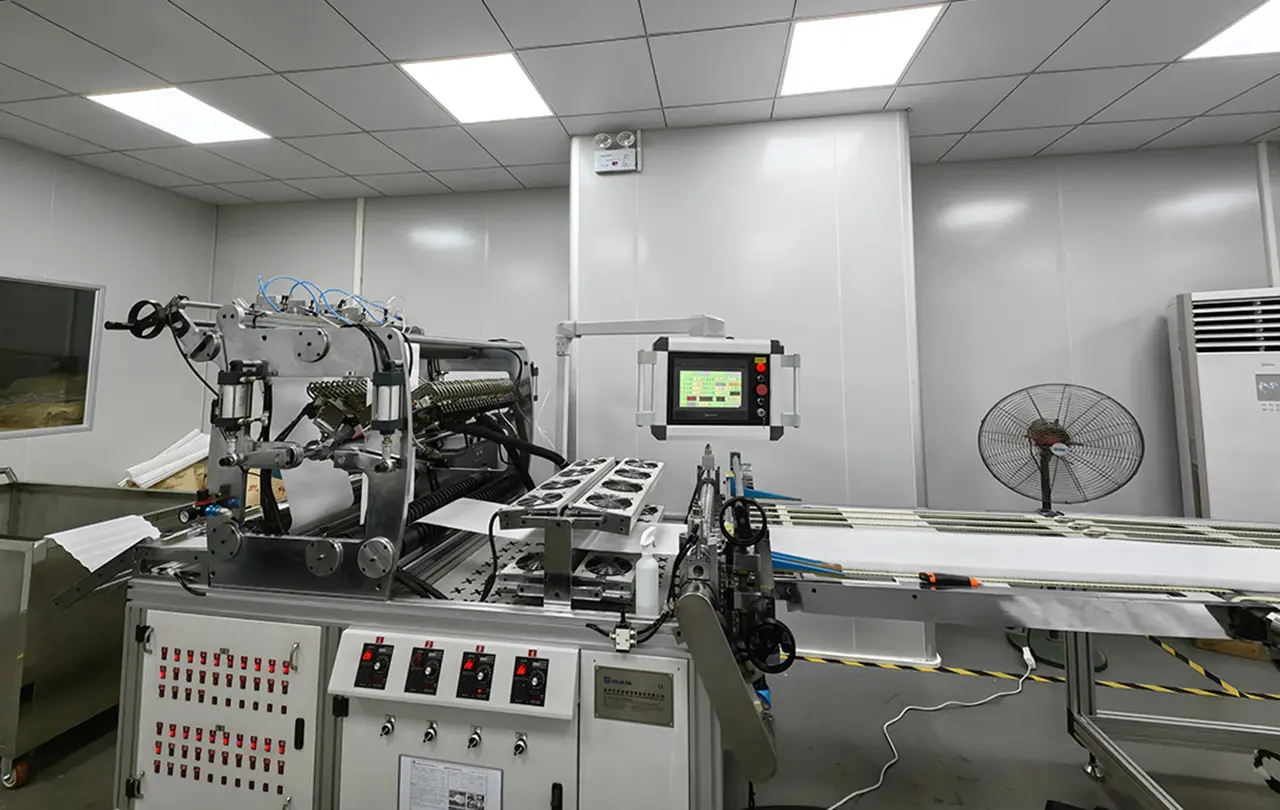
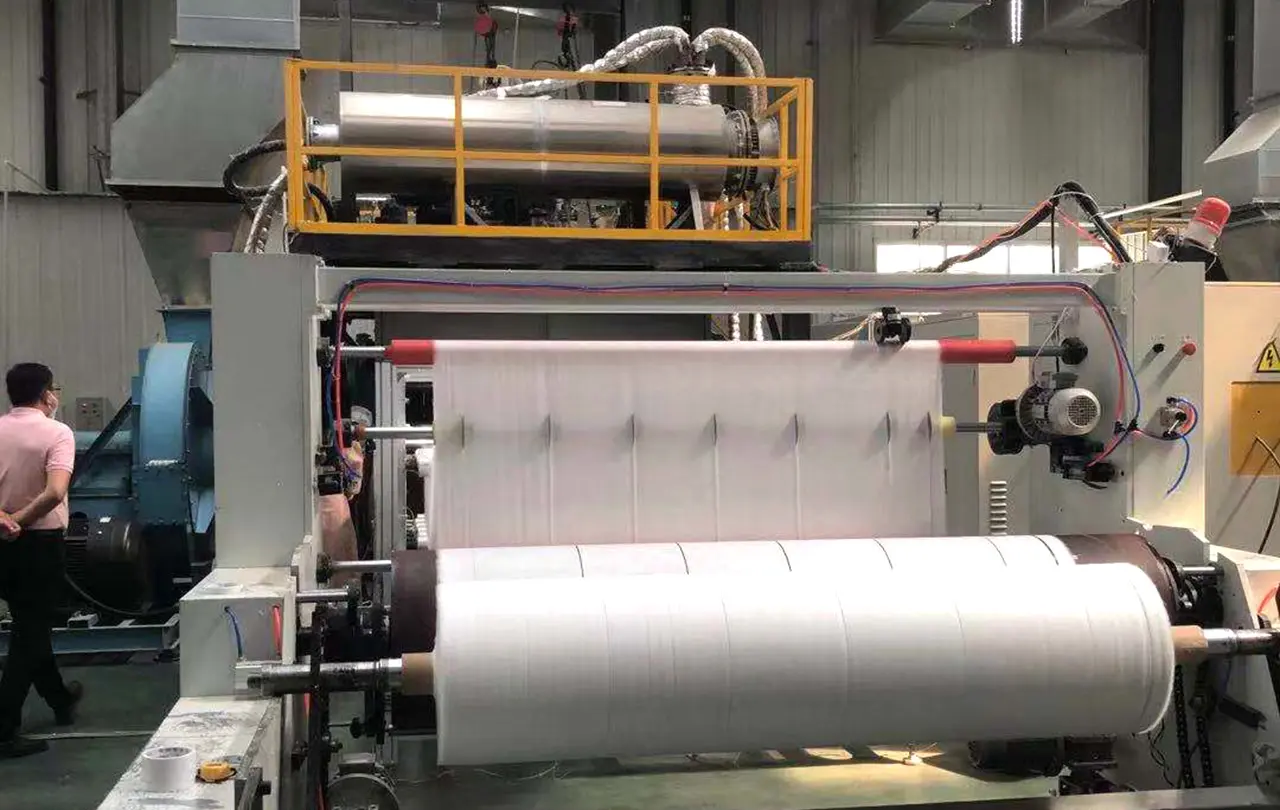
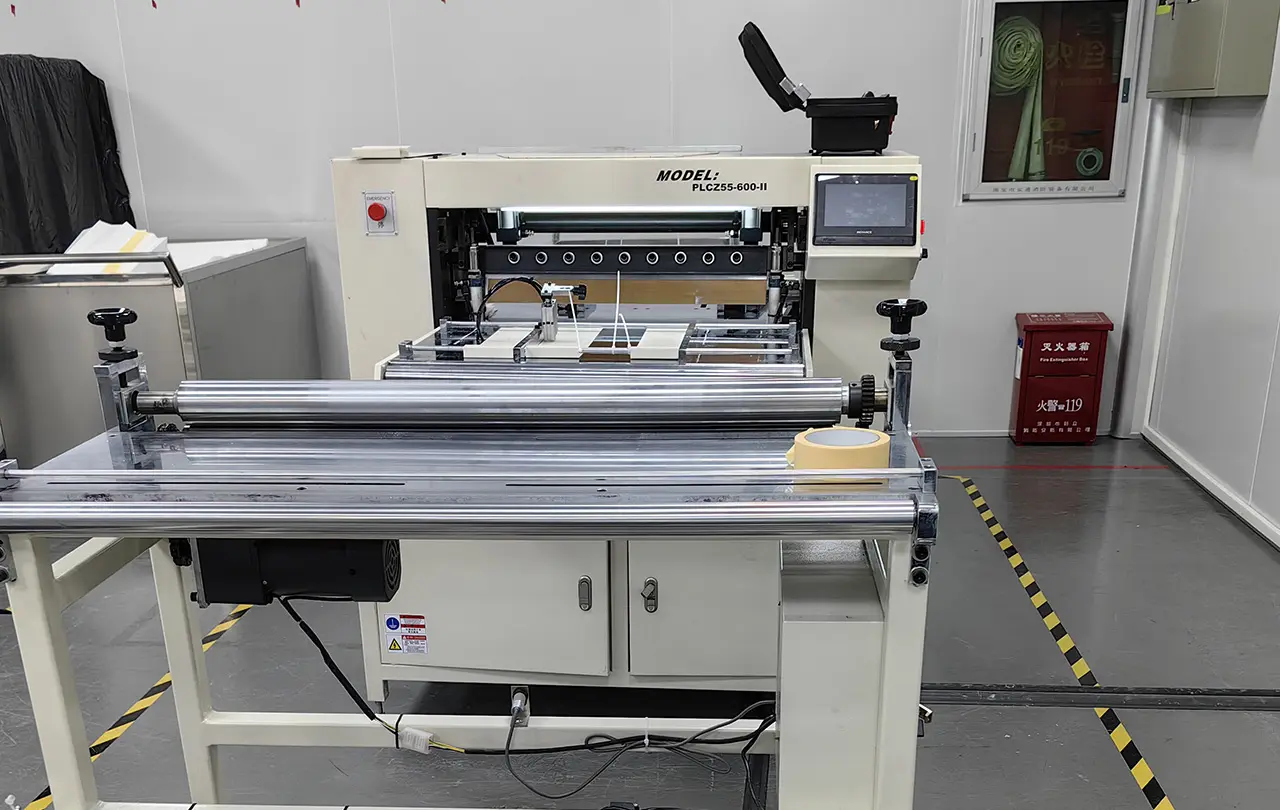
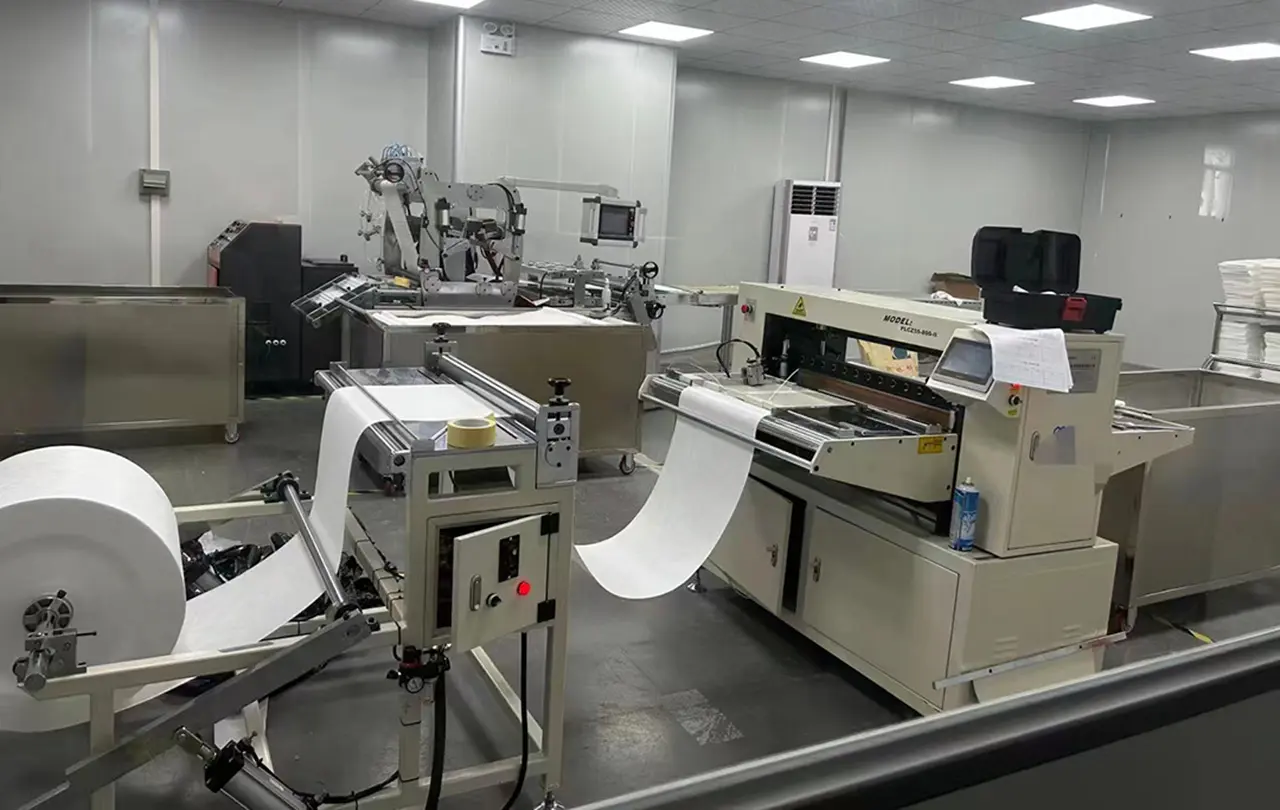
Having 15 years of international air purification technology experience as the background, our company has standardized production workshop, dust-free filter workshop and first-class technology of HEPA filters production line and inspection line, independent research and development of fully automatic air filter production line, equipped with AMADA CNC punch and CNC bending machine as well as many other advanced high-end equipment, provide a strong guarantee for production and quality of air filtration and purification products.
As energy costs rise globally and ESG (Environmental, Social, and Governance) targets tighten, the development roadmap for V-bank air filters focuses on media innovations, sustainable frames, and smart diagnostics.
For decades, sub-micron glass fiber has been the default media for high-efficiency V-bank systems. While it provides excellent temperature resistance and consistent mechanical filtration efficiency, it exhibits high resistance (pressure drop) and is brittle, which carries risks of fiber shedding in high-velocity processes.
Modern configurations utilize composite melt-blown media or expanded polytetrafluoroethylene (ePTFE) membranes. These materials achieve comparable or superior efficiency with up to 50% thinner media layers. This thinness allows for tighter, more uniform pleats, enabling 5V and 6V structures that pack more filtration area into standard dimensions, thus further lowering pressure drop.
By blending active ingredients like photocatalysts or specialized polymers into the melt-blown matrices, modern filters perform biological sanitation and VOC adsorption alongside mechanical particle capture. Laminated sandwich designs integrate activated carbon and mini-pleat HEPA media into a single physical unit to solve multi-contaminant challenges.
The industry is transitioning toward fully recyclable plastic frames, biodegradable adhesives, and embedded passive RFID or active pressure sensors. These technologies alert building management systems (BMS) when the filter is nearing saturation, replacing arbitrary schedule-based changes with actual data-driven maintenance.
The global V-bank air filter market is experiencing substantial growth, driven by urbanization in developing nations, stringent environmental rules in the EU (such as Eurovent 4/21 energy ratings), and ASHRAE updates in North America. Wholesale manufacturers are forced to align their test methods to EN 1822 (classification of HEPA/ULPA filters) and ISO 16890 (which replaced EN 779 for coarse to fine dust categorization).
Furthermore, local supply chain shocks have prompted procurement managers to move away from sole-source models. Organizations are building strategic partnerships with versatile OEM/ODM factories capable of rapid customization, scalable automated production, and holding robust international certifications (CE, ISO, RoHS). As building operators realize that air filtration accounts for up to 10% of total commercial building energy consumption, low-pressure drop V-bank filters are transitioning from specialty cleanroom products to default specifications in commercial office towers and municipal transportation hubs.
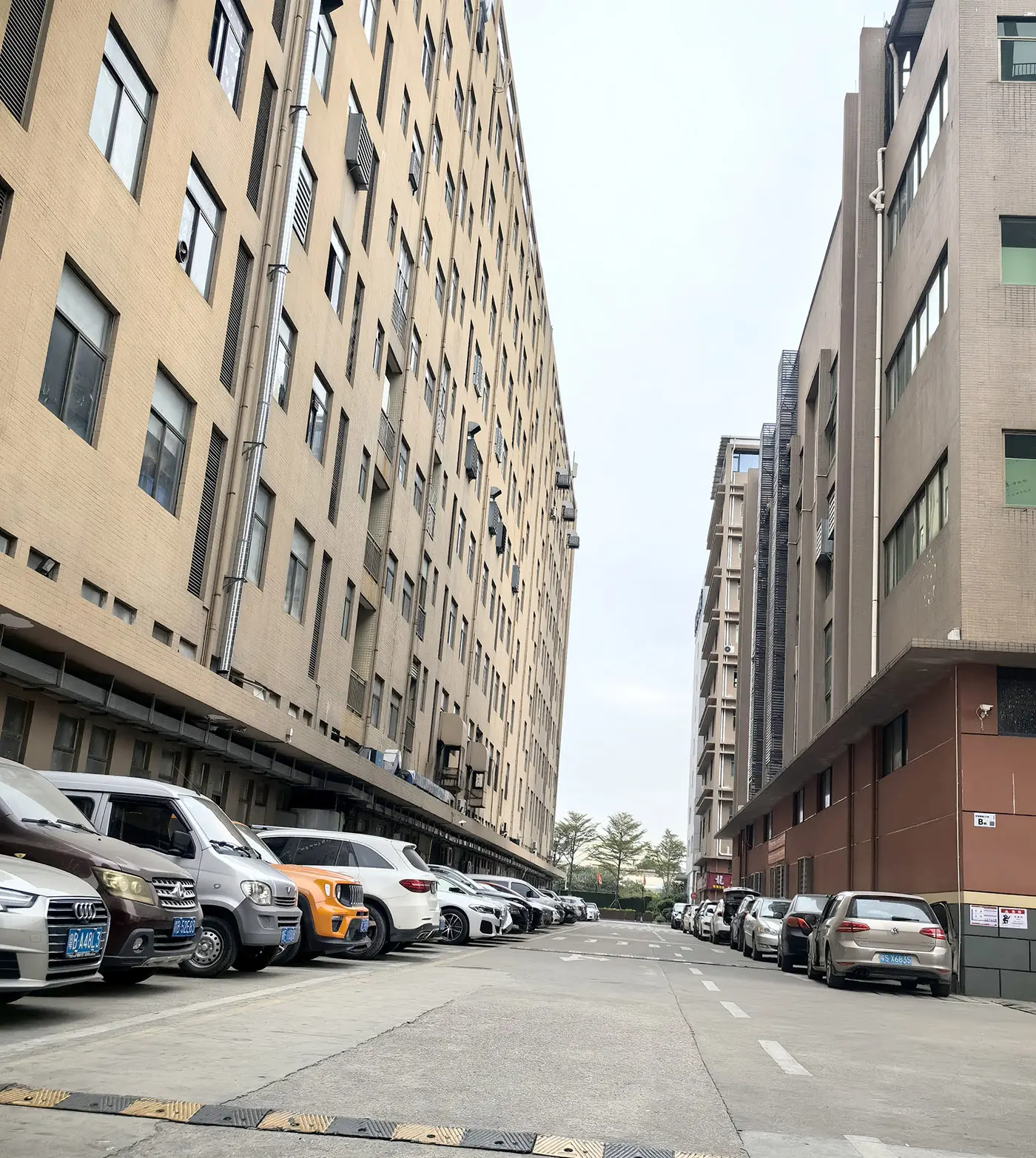
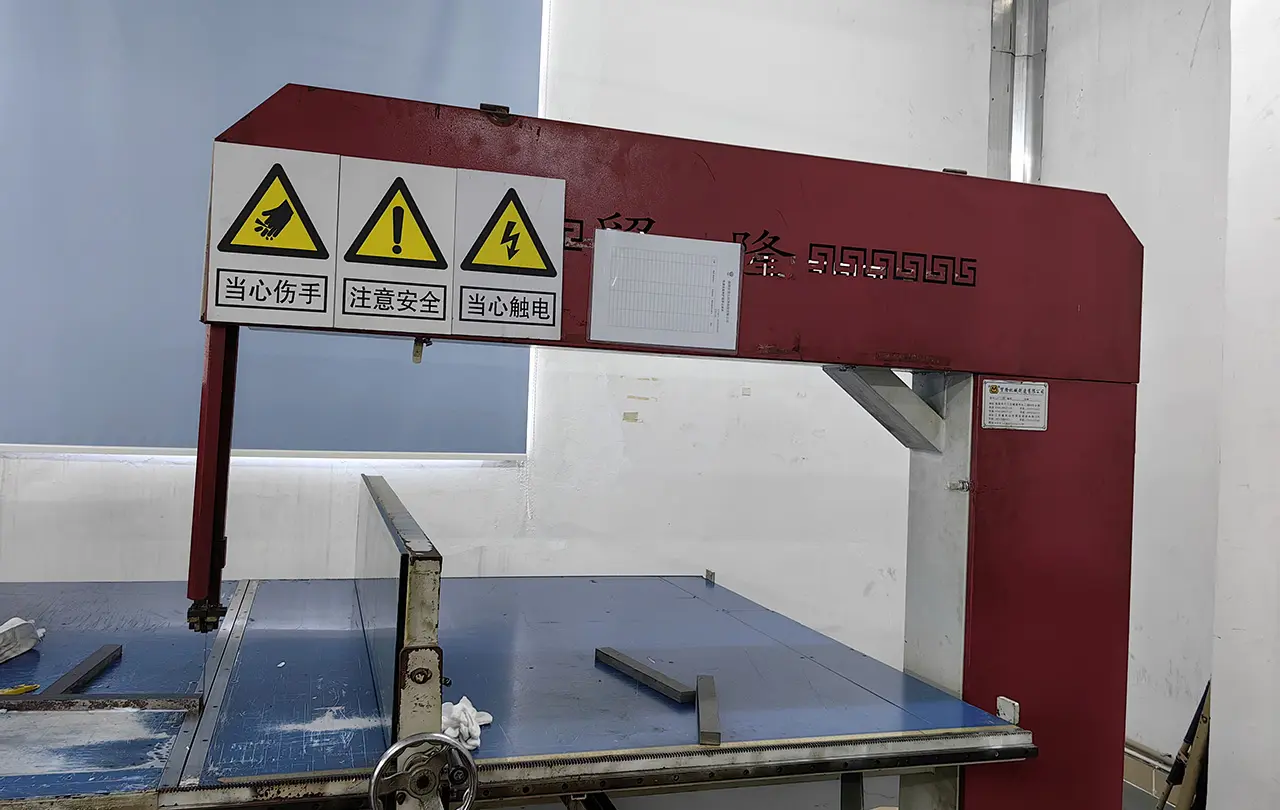
A look into our automated production floors, showing the precise assembly, pleating, and processing lines that ensure zero bypass leakage and reliable structure.
Procuring raw air filtration products globally presents challenges regarding regulatory divergence and shipping damage. Our wholesale services address these concerns by offering detailed compliance verification across multiple jurisdictions:
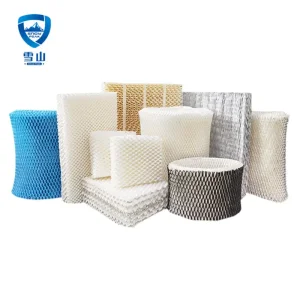
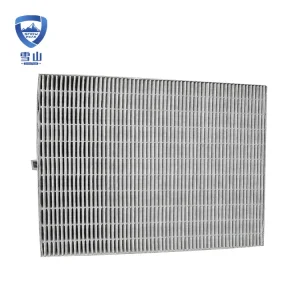
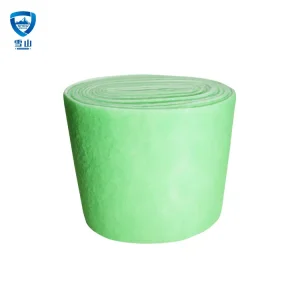
Expand your inventory with our comprehensive range of HVAC pre-filters, carbon VOC systems, humidifier wicks, and high-temperature filtration solutions.
 Snow Peak