Engineered to meet rigorous Eurovent and Danish Working Environment Authority (Arbejdstilsynet) guidelines, safeguarding critical infrastructure against fine dust, chemical compounds, and airborne contaminants.
Denmark represents one of the most sophisticated, environmentally conscious industrial sectors globally. Driven by the nation's ambitious goal of climate neutrality and strict workplace regulations set forth by Arbejdstilsynet (the Danish Working Environment Authority), the demands placed on mechanical HVAC ventilation and cleanroom air filtration are exceptionally high. For Danish enterprises operating in sectors like food science, enzyme technology, medical devices, and manufacturing, air quality is directly tied to regulatory compliance, yield stabilization, and personnel protection.
Danish companies require industrial air filter solutions that minimize energy consumption (in line with the European Eco-design Directive and high local electricity pricing) while guaranteeing certified filtration efficiency. Particulate matter emissions (PM1, PM2.5, and PM10) must be aggressively mitigated to protect the pristine environments required in industrial operations, such as the pharmaceutical clusters in Medicon Valley and the food processing hubs in Jutland.
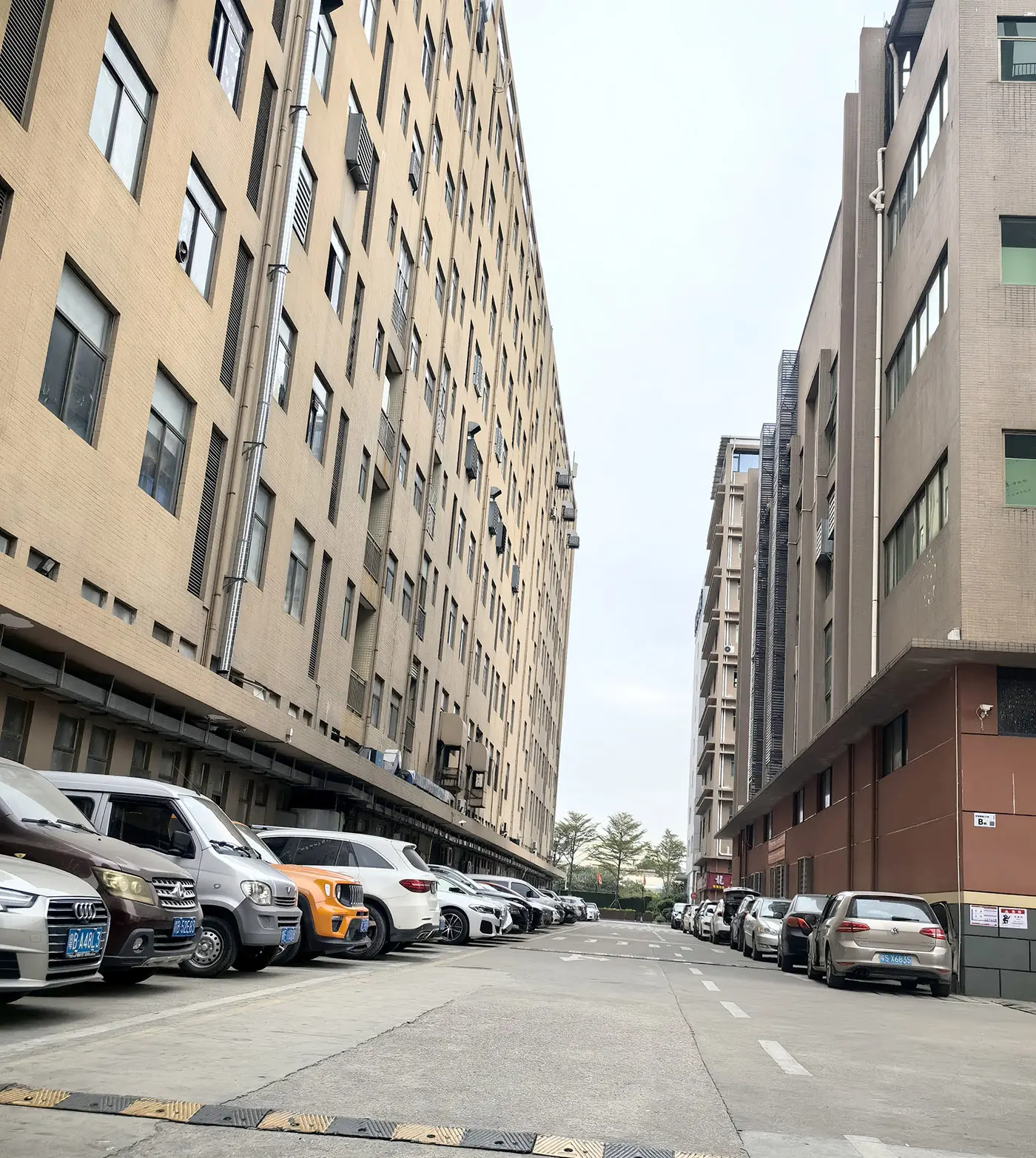
How our cleanroom technology, chemical filtration systems, and pre-filter components service Denmark's core commercial and manufacturing pillars.
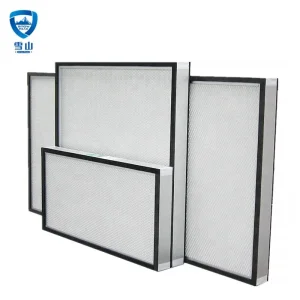
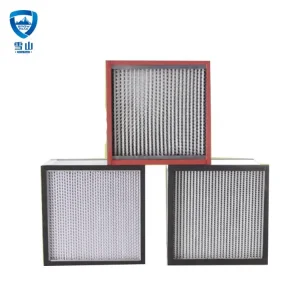
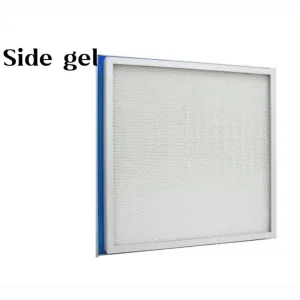
Under strict ISO 14644 cleanroom conditions and GMP Annex 1 requirements, our customized gel-seal HEPA and mini-pleat filters provide zero-bypass containment. The antibacterial surfaces prevent microbial colonization in highly sensitive aseptic filling lines.
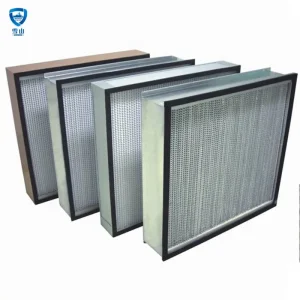
Danish dairy, brewery, and biotechnology systems depend on our heavy-duty fiberglass deep-pleat separators. Resistant to high humidity and sanitizing compounds, these configurations maintain process sterility while complying with European food contact regulations.
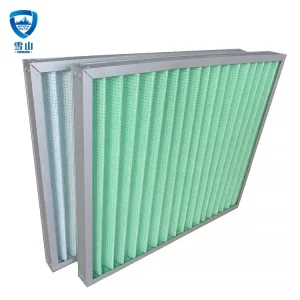
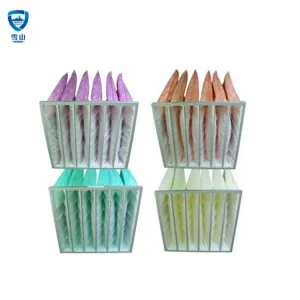
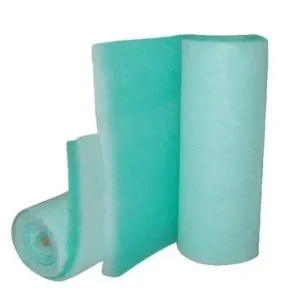
Optimized pre-filtration panel setups (G3, G4, M5, F7 bag/pocket designs) protect premium secondary filters from premature load. This significantly reduces overall fan energy consumption (kWh) in district heating/cooling projects and green offices.
Flexible and versatile replacement modules designed to fit major Western European air handling brands with zero compatibility issues.
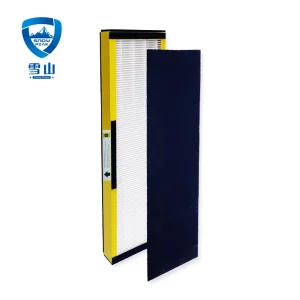
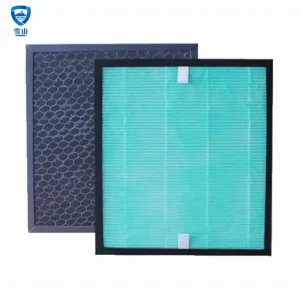
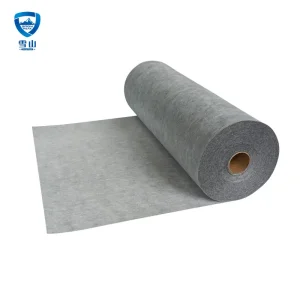
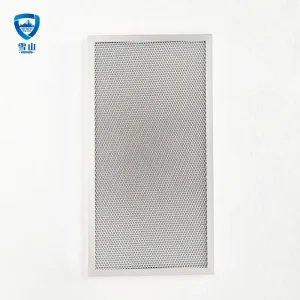
How filtration technology is adapting to meet Denmark's decarbonization goals and the global shift from EN 779 to ISO 16890 standards.
| Filtration Class (ISO 16890) | Old Standard (EN 779) Reference | Danish Industrial Target Application | Technical Features & Materials |
|---|---|---|---|
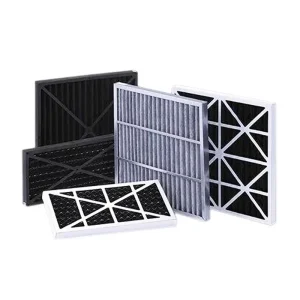
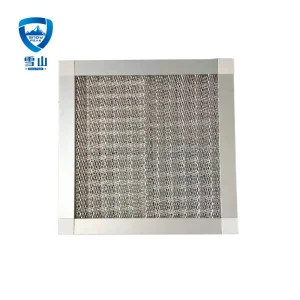
| ISO Coarse (e.g. 50% - 90%) | G3, G4 | Primary Pre-filters for AHU & Intake Ducts | Cardboard/Metal frames, Synthetic media, Washable metal mesh |
| ISO ePM10 > 50% | M5, M6 | General Ventilation, Commercial Hubs, Cleanroom Pre-filtration | Pleated panel formats, Pocket bag configurations |
| ISO ePM1.0 > 80% | F7, F9, H10 | Biotech Labs, Hospital Surgical Units, Food Processors | Melt-blown composite materials, Fine glass fiber matrix |
| HEPA (E11 - H14) / ULPA | EN 1822 Standard | Aseptic filling lines, Semiconductor fabrication, Safety BIBO systems | Gel-seal frames, Deep-pleat separators, Individually tested scanning |
Under the European Eco-design Directive, Danish operators evaluate the Lifetime Cost of Filters (LCC) by analyzing operating resistance. Snow Peak's optimized pleat geometry ensures high dust capacity with minimal airflow resistance, saving thousands of kWh in yearly fan operation.
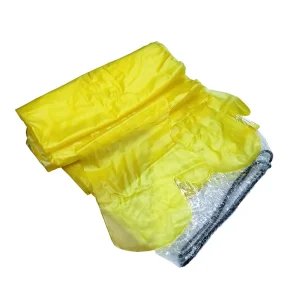
For dangerous containment systems handling active toxic dust, our PVC bag containment setups prevent operator exposure during replacement, conforming entirely to the hazardous substance regulations enforced by Danish lab environments.
How Shenzhen Snow Peak Clean Technology Co., Ltd. combines advanced manufacturing technology and quality management systems to provide cost-effective, high-grade solutions to Denmark.
We control the supply chain from raw media compound preparation to automated pleating, gluing, frame cutting, and leak testing.
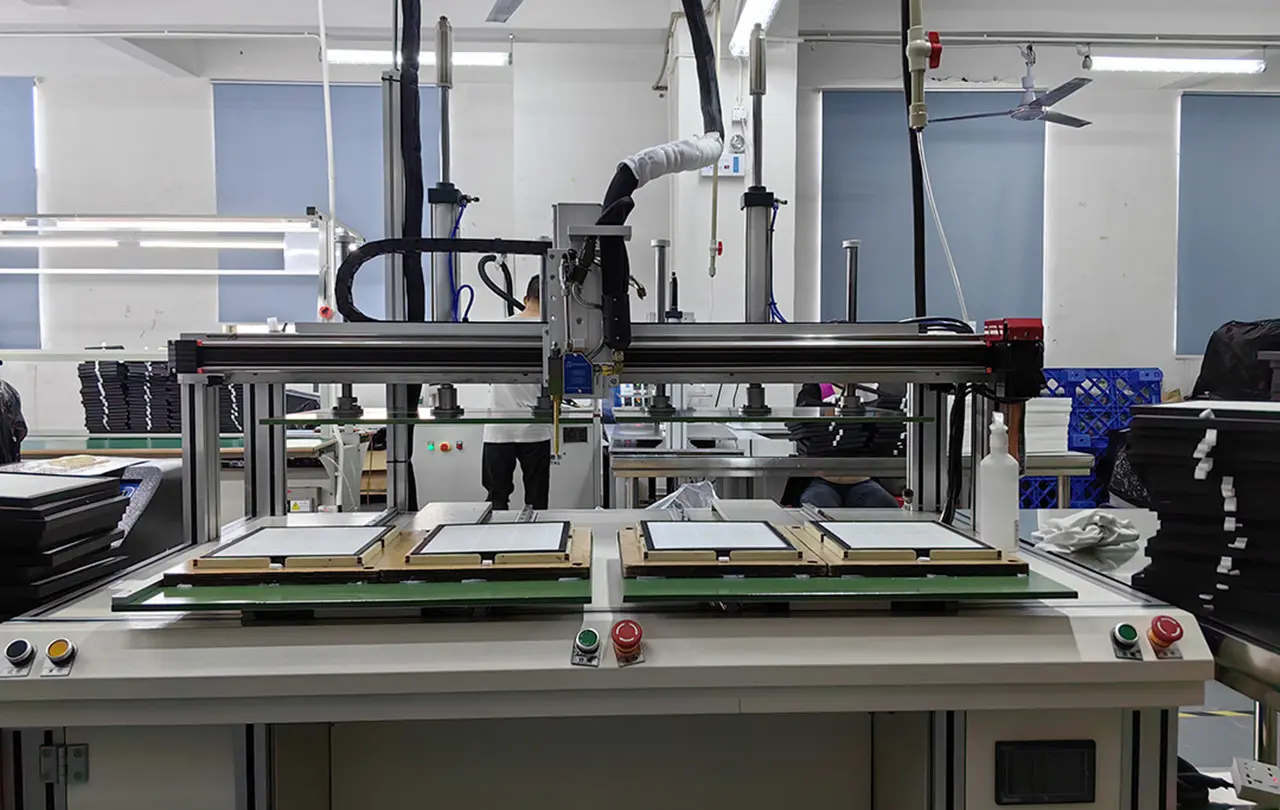
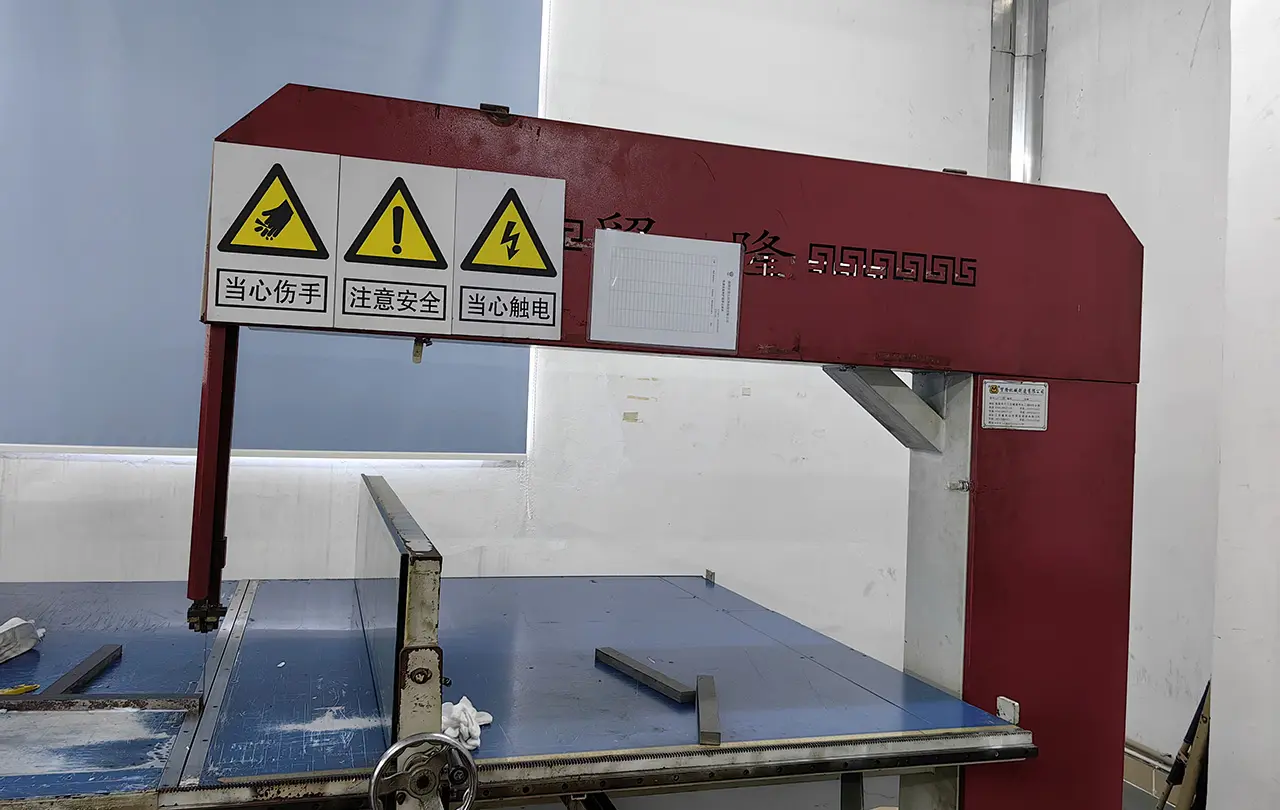
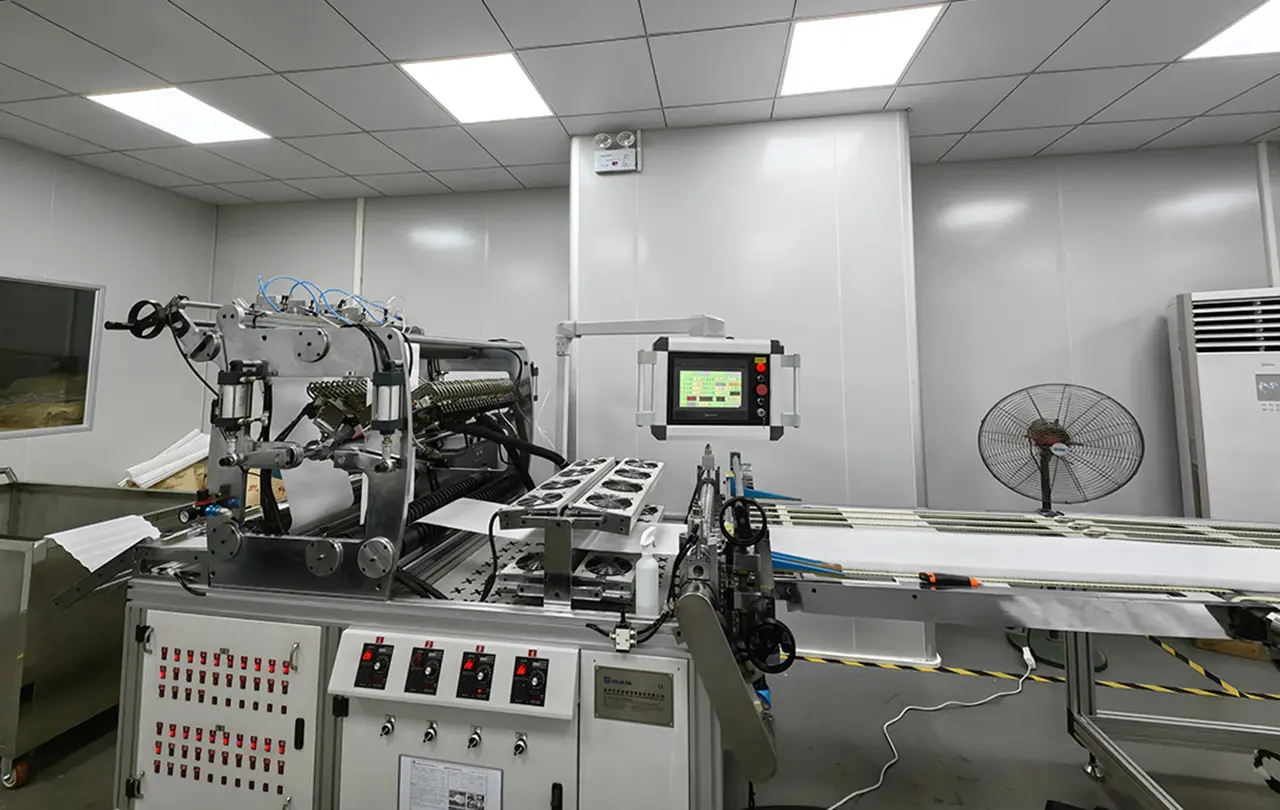
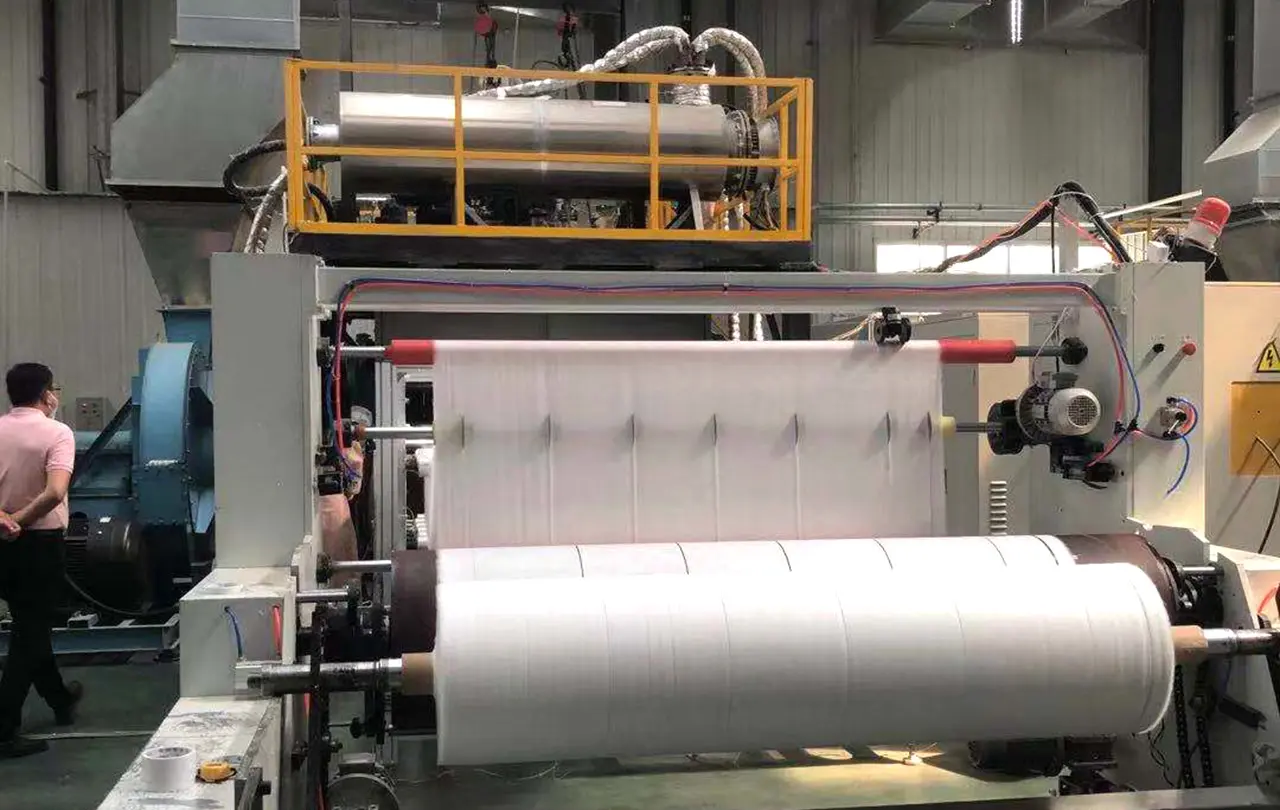
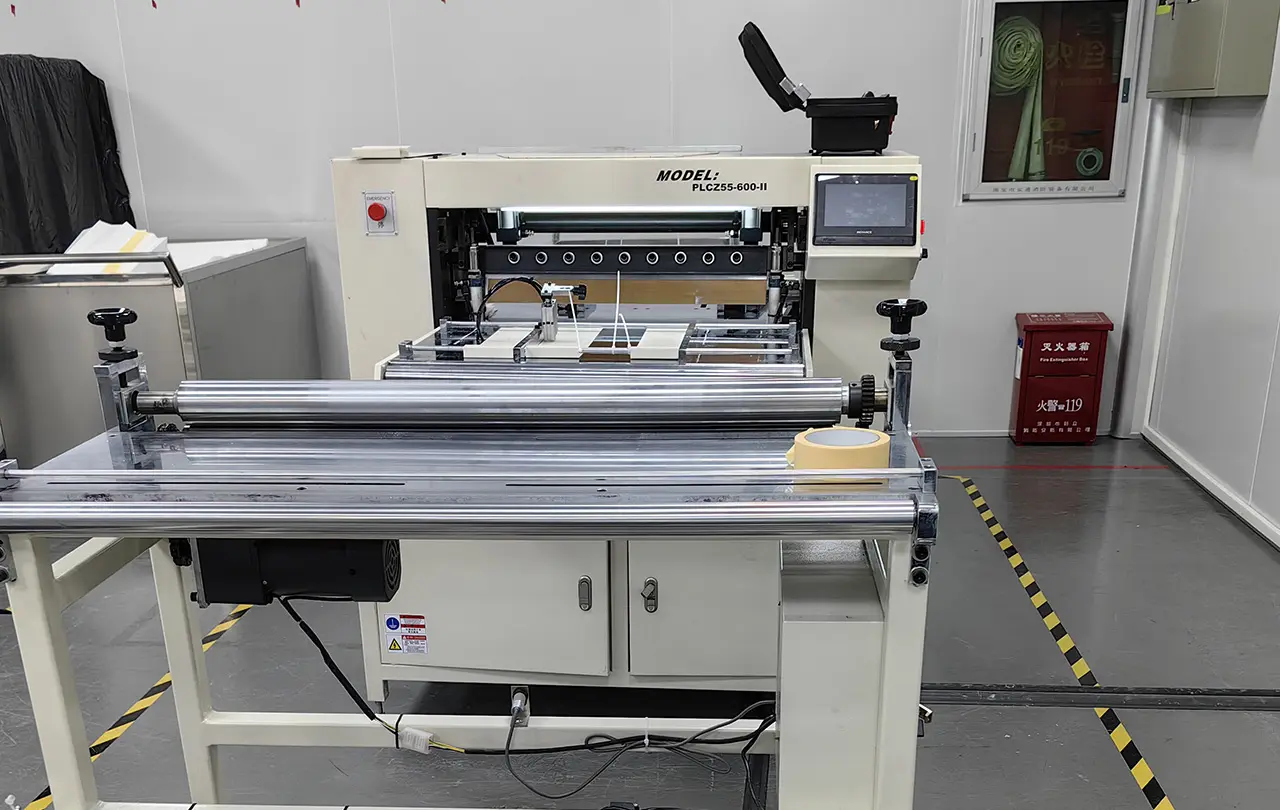
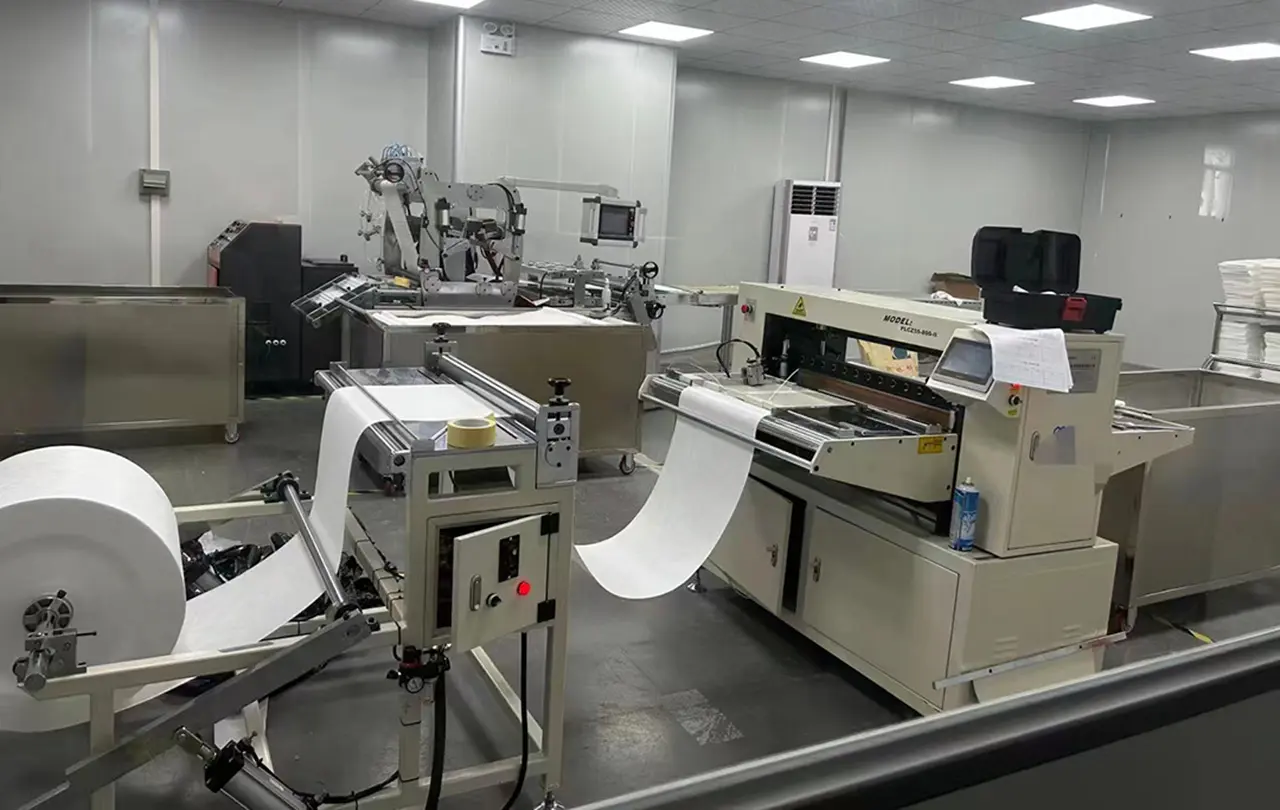
A combination of engineering experience, rigorous international testing standards, and a transparent manufacturing ecosystem.
We do not believe in one-size-fits-all configurations. Our engineers collaborate directly with Danish procurement officers and HVAC facility managers to design specific sizes, custom gel-seal heights, or heat-resistant stainless-steel frames that slot seamlessly into existing layouts.
Our patented antiviral, sterilizing HEPA technology decreases PM2.5 concentrations down to 10 micrograms per cubic meter—exceeding domestic requirements. Microorganisms are effectively eliminated directly on the filter surface, preventing secondary spore propagation.
Using industrial machinery such as AMADA CNC equipment guarantees high structural stability. Frames are constructed from heavy-gauge galvanized steel, anodized aluminum, or high-performance ABS plastics to ensure zero deflection under high static pressures.
Crucial technical considerations, certification compliance, and logistics details for Danish engineers and procurement teams.
Yes. All our industrial air filters are manufactured, tested, and certified in accordance with current European standards. Our HEPA and ULPA filters are certified to EN 1822:2019, and our HVAC pre-filters conform to ISO 16890, making them fully compliant with Danish Arbejdstilsynet regulations and Eurovent energy performance ratings.
We utilize premium synthetic and fiberglass composite media that offer high dust holding capacity (DHC) at exceptionally low initial and operating resistance. By maintaining a lower pressure drop throughout the filter's service life, we minimize the energy consumed by supply and exhaust fans in air handling units, directly supporting your carbon-reduction goals and saving operational expenditure.
Yes. We specialize in custom manufacturing sizes and profiles. Thanks to our in-house automated production lines and CNC punch-bending equipment, we can customize pocket lengths, pleat counts, depths, and gaskets to seamlessly interface with any European-origin air handling unit (AHU) without requiring system modifications.
We use heavy-duty shipping crates, vacuum seal plastic wrapping, and structural reinforcement corners to prevent transport damage. Standard batches are typically produced within 10-15 working days, followed by sea freight to ports like Aarhus or Copenhagen, or air freight for urgent pharmaceutical facility change-outs.
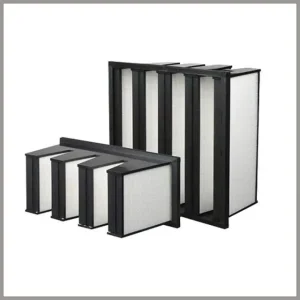
Our comprehensive product catalog covering primary, secondary, molecular, cleanroom, and hazard-containment air filters for export.
 Snow Peak