Explore our premium grade filtration components certified to European & global cleanroom safety standards.
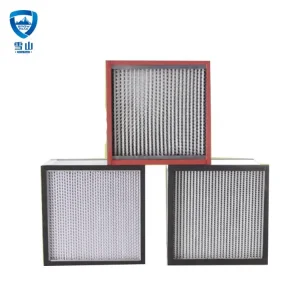
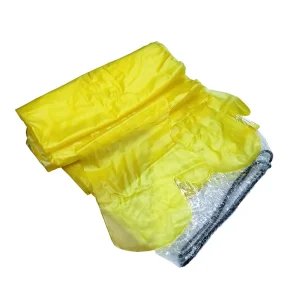
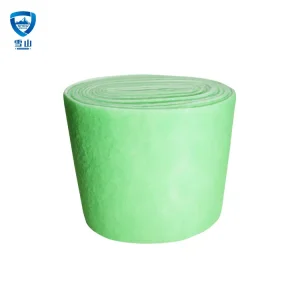
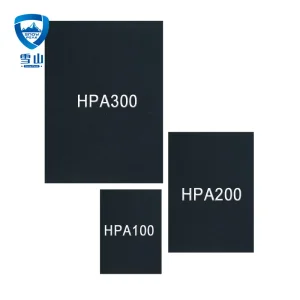
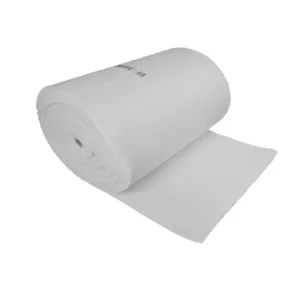
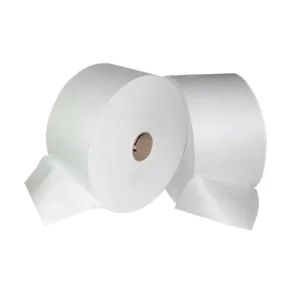
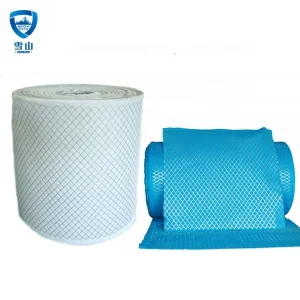
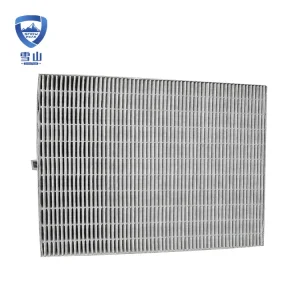
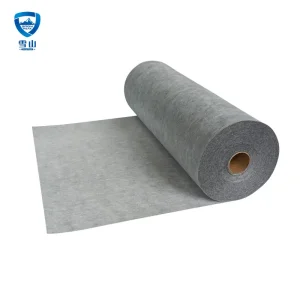
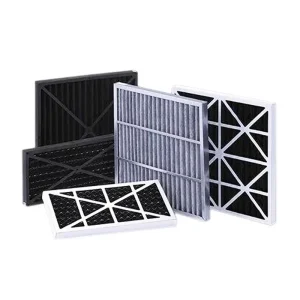
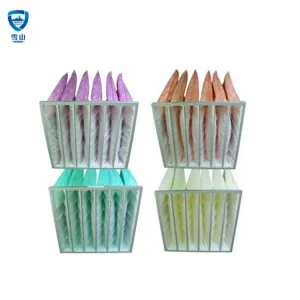
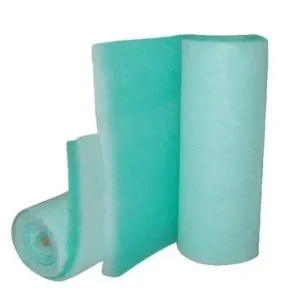
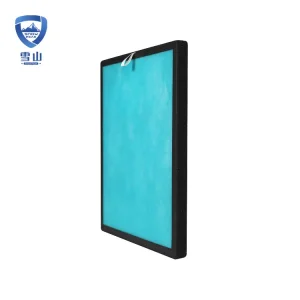
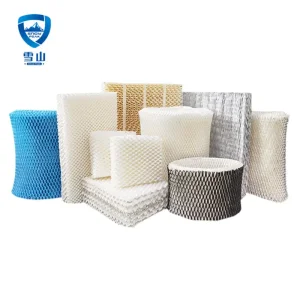
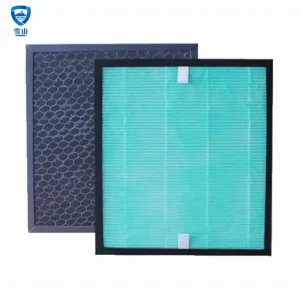
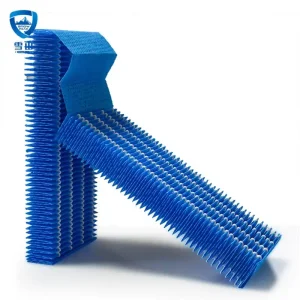
Shenzhen Snow Peak Clean Technology Co., Ltd. is an integrated high-tech enterprise specialized in air filtration products research, development, production, sales, import, and export trade. Backed by extensive experience, we engineer and supply a comprehensive suite of cleanroom and HVAC components including pre-filters, pocket filters, HEPA filters, and chemical filters. We also supply customized replacement HEPA filters, car cabin air filters, humidifier filters, pocket filter media, and melt-blown composite filter media to satisfy a variety of commercial and industrial needs.
Through deep research and patented technical frameworks, we have successfully developed high-performance antiviral HEPA filtration mechanisms. These specialty filters effectively mitigate fine particulate matter, helping drop local PM2.5 concentrations down to 10 micrograms/m³—which is five times cleaner than standard national requirements. The integrated anti-microbial agent prevents colonization on the pleat surface, resulting in a sterilization rate of up to 99.9% without producing secondary pollutants or ozone. Crucially, tests confirm an inactivation efficiency against the H1N1 virus of up to 99.99%, securing reliable biosafety barriers for high-risk indoor spaces.
Operating with a foundational dedication to quality, Shenzhen Snow Peak serves as a trusted global exporter, delivering CE-certified products to clients across Europe, North America, Southeast Asia, and the Middle East. Whether for complex microelectronics cleanrooms or standard commercial HVAC installations, we offer scalable manufacturing and strict verification protocols.
Understanding the critical role of ISO 14644 and EN 1822 compliance in today's high-tech manufacturing ecosystems.
High-Efficiency Particulate Air (HEPA) filters rated at 99.99% efficiency—traditionally classified as H13 to H14 grades under the European Standard EN 1822—are foundational elements in modern industrial manufacturing. The global market is experiencing significant growth, driven by stringent regulatory frameworks, high-tech manufacturing processes, and biosafety protocols. These units are designed to filter out microscopic particles, including airborne pathogens, fine dust, and gaseous contaminants, down to a Most Penetrating Particle Size (MPPS) of 0.1 to 0.3 microns.
In cleanrooms governed by the ISO 14644 standard, maintaining specific levels of air cleanliness requires highly reliable performance from terminal HEPA filters. For example, ISO Class 5 environments (equivalent to Class 100 cleanrooms in US FED STD 209E) rely on H14-grade filters to prevent contamination during semiconductor photolithography and sterile pharmaceutical filling. Regulatory bodies such as the European Medicines Agency (EMA) and the US Food and Drug Administration (FDA) require GMP-compliant facilities to continuously monitor and validate HEPA systems, emphasizing the need for reliable CE certification.
| Cleanroom Classification (ISO 14644-1) | Common Industry Application | Recommended Filter Efficiency (at MPPS) | EN 1822 Class | Average Air Velocity (m/s) |
|---|---|---|---|---|
| ISO Class 3 - 4 | Sub-micron semiconductor fabs & thin-film physics | ≥ 99.999% (ULPA class) | U15 - U16 | 0.35 - 0.45 |
| ISO Class 5 | Aseptic pharmaceutical filling & micro-chip assembly | ≥ 99.99% | H14 | 0.30 - 0.40 |
| ISO Class 6 - 7 | Biomedical devices manufacturing & operating rooms | ≥ 99.95% / ≥ 99.99% | H13 / H14 | 0.20 - 0.30 |
| ISO Class 8 | General electronics and packaging clean areas | ≥ 95% (Fine particulate) | E11 / E12 | 0.15 - 0.25 |
Combining automated pleating systems, advanced metallurgy, and strict QA protocols to deliver world-class air filters.
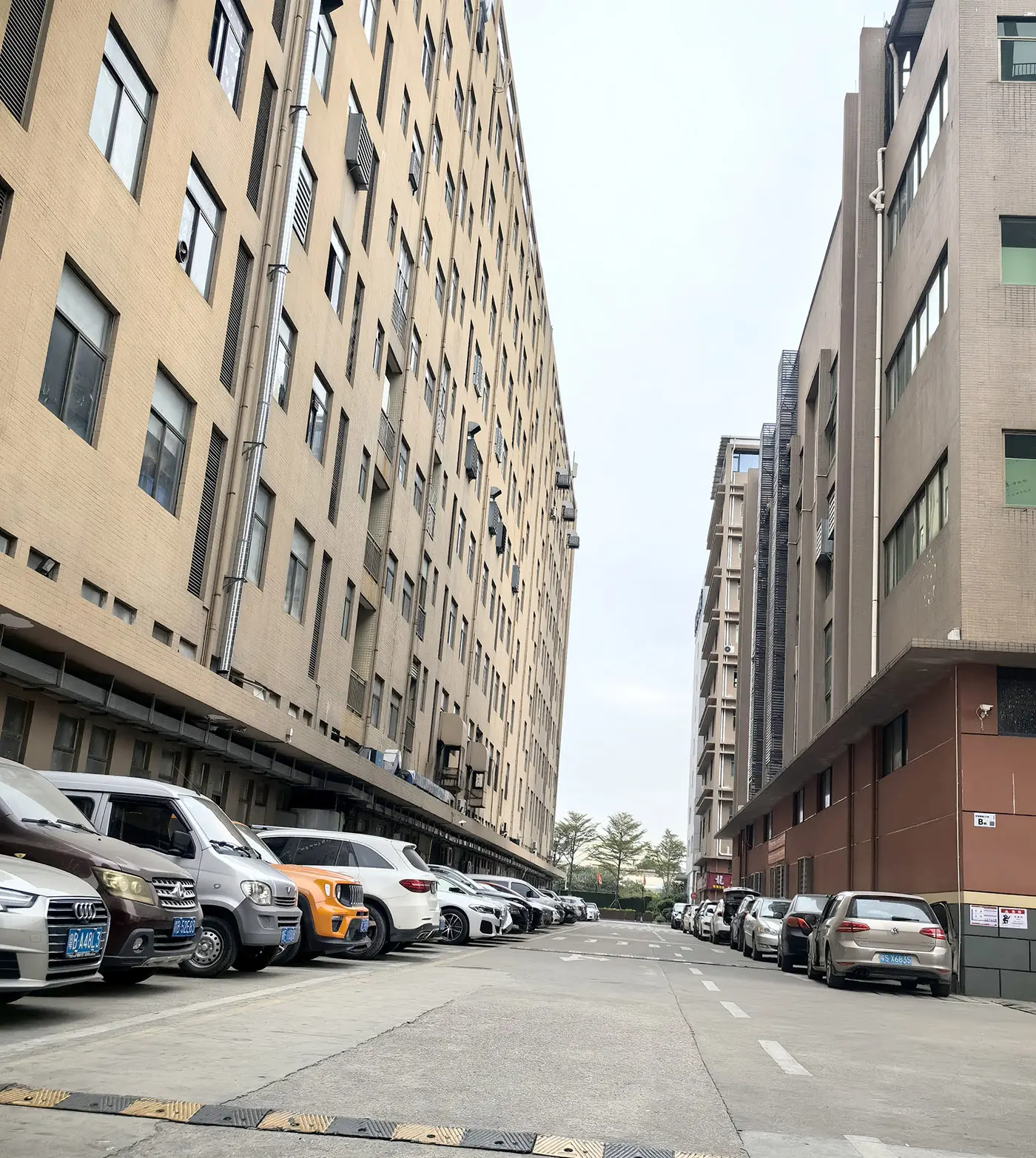
China's advanced air filtration manufacturing sector combines highly integrated supply chains, automated production lines, and skilled technical teams. Shenzhen Snow Peak Clean Technology Co., Ltd. utilizes these domestic advantages to provide high-quality filtration systems worldwide. Our 15-year background in international air purification helps us optimize every phase of production.
Our facility features advanced metal fabrication equipment, including AMADA CNC punch presses and CNC bending machines. This allows us to manufacture durable, high-precision casing structures from materials like aluminum, stainless steel, and galvanized sheet metal. Our fully automated mini-pleat production line ensures uniform hot-melt bead spacing and consistent pleat structures, reducing air resistance and maximizing the filter's surface area. By producing our own filter media, including pocket media and melt-blown composite layers, we maintain close control over quality and material costs.
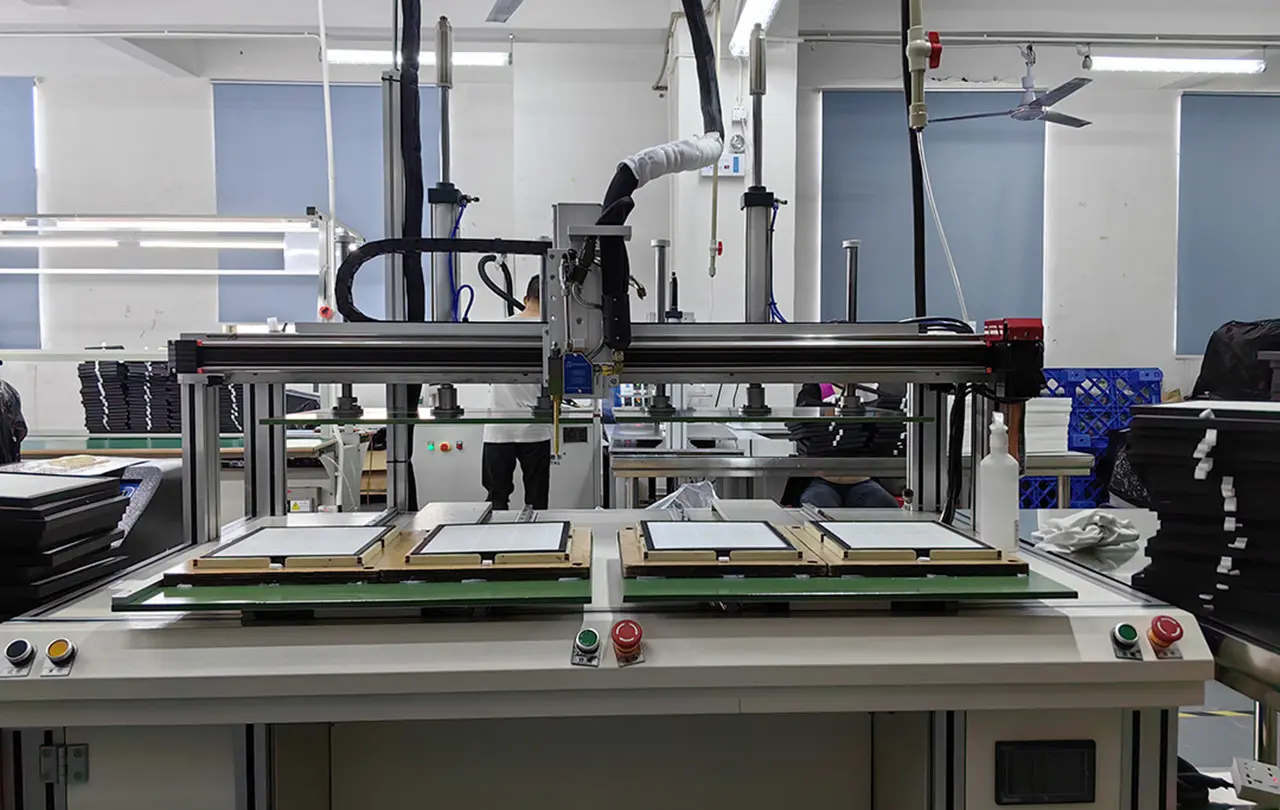
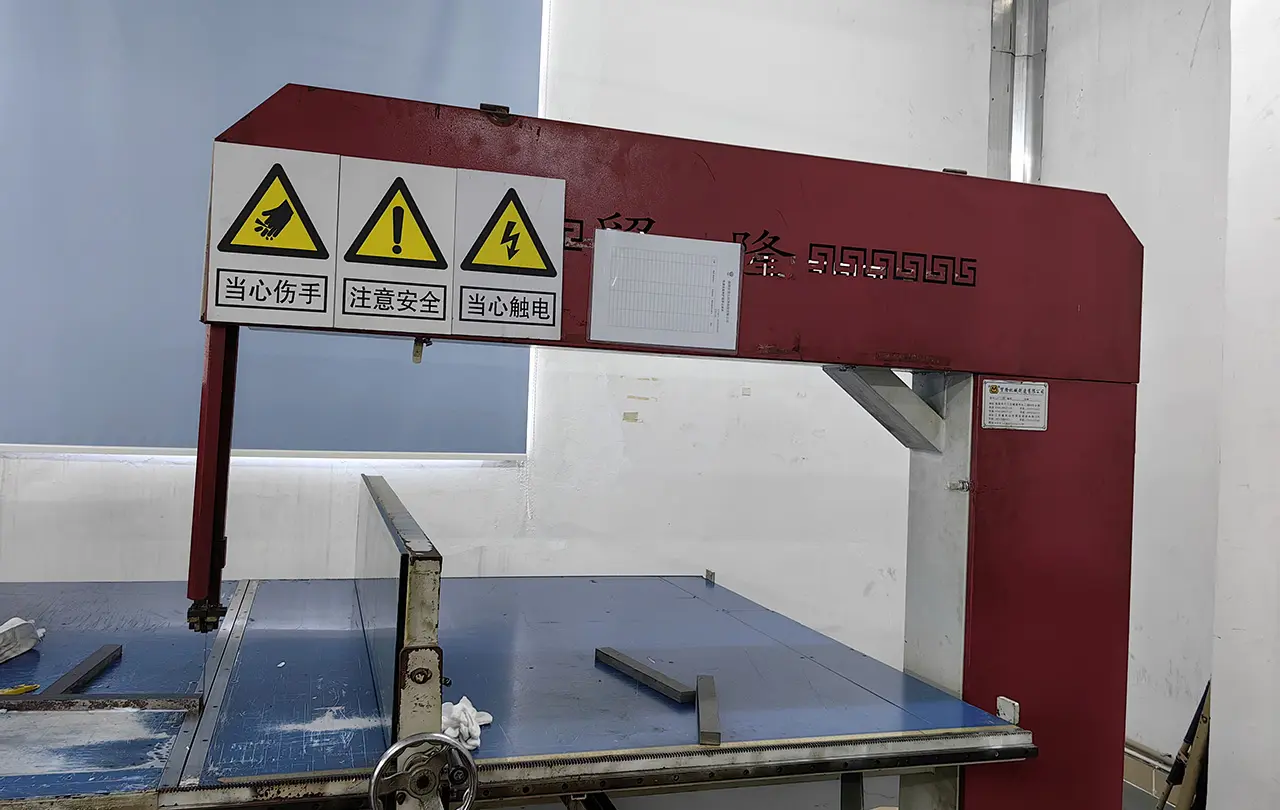
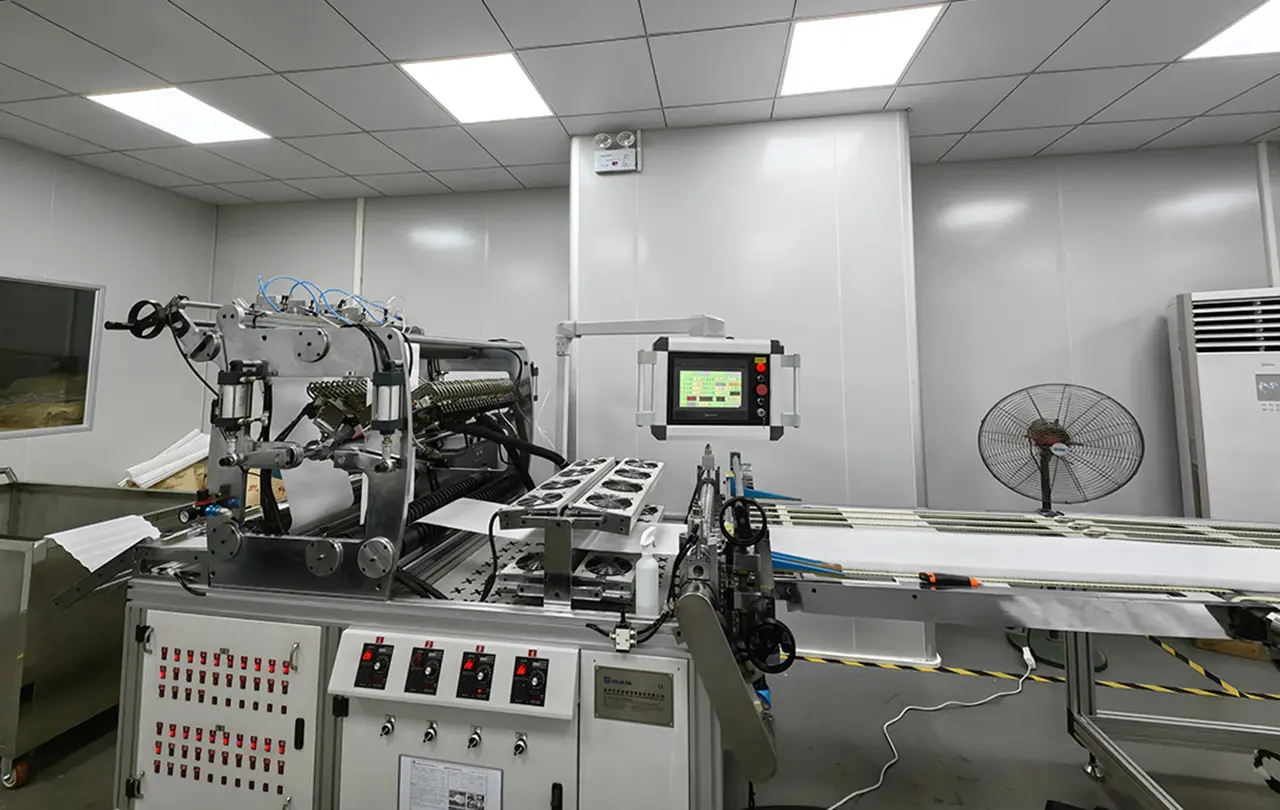
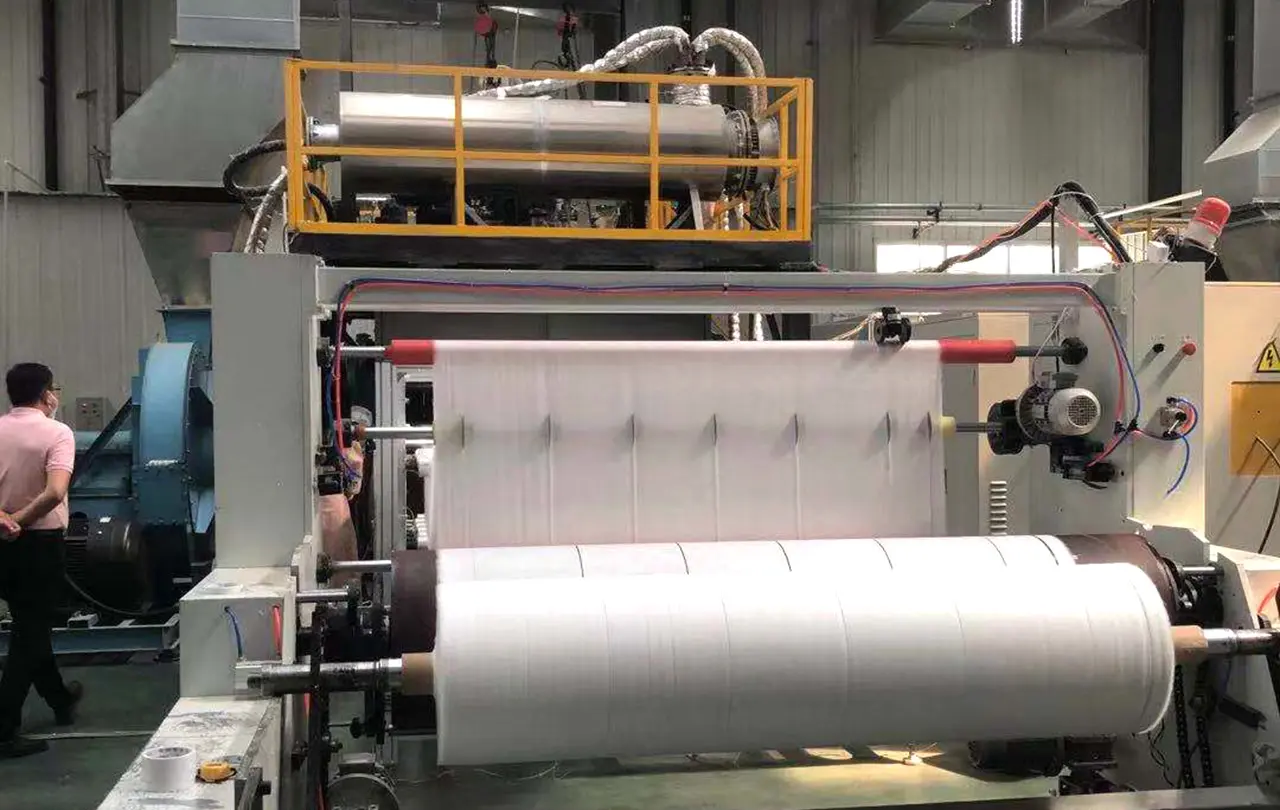

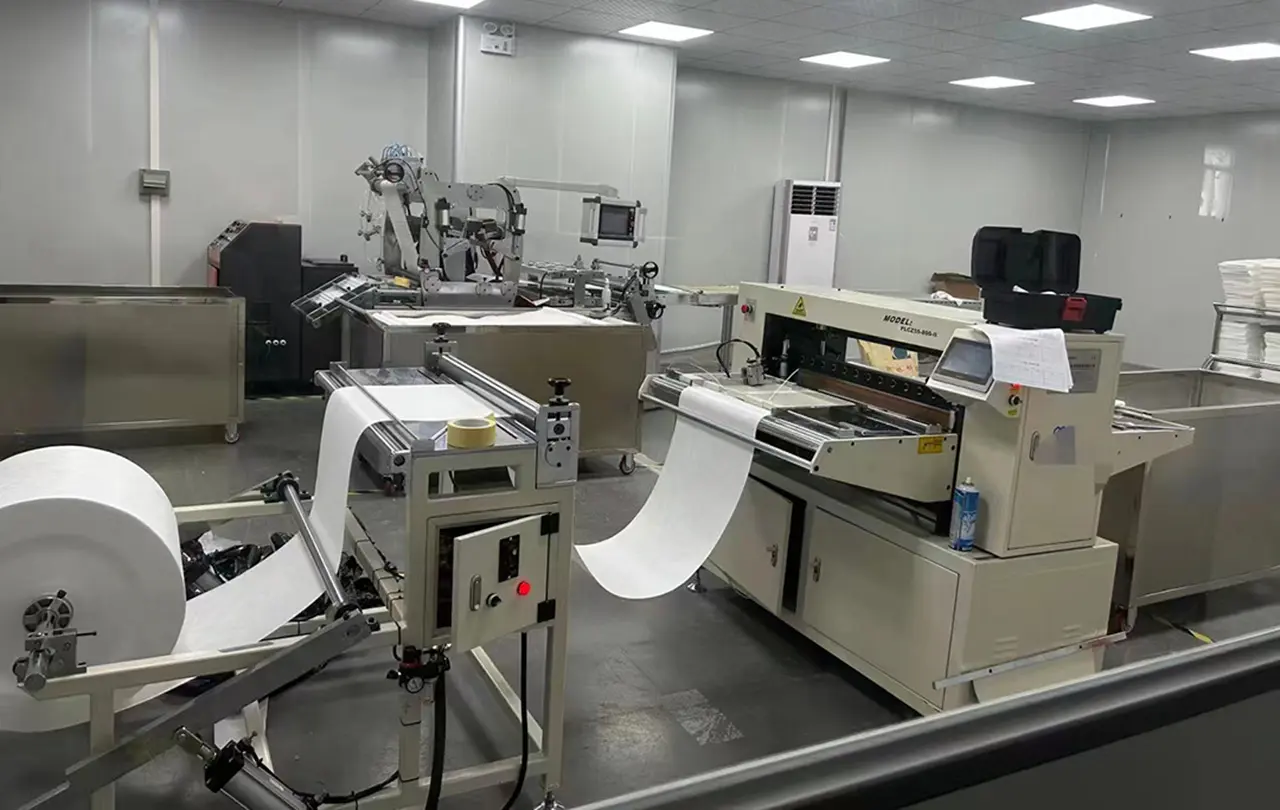
By maintaining standardized dust-free assembly workshops and integrated quality control systems, each HEPA filter is tested for leaks and efficiency before leaving the facility. Testing is conducted using oil aerosols (such as DEHS or PAO) and laser particle counters. This level of quality control ensures our filters meet European CE standards and match the technical requirements of high-performance air purification systems globally.
Tailored engineering approaches for diverse industrial sectors and complex environmental requirements.
Integrated circuit fabrication requires clean environments with minimal airborne particles. Terminally mounted H14 99.99% HEPA and ULPA filtration modules are essential for filtering out process-disrupting particles, ensuring optimal yield rates for silicon wafers.
Aseptic packaging facilities, laboratories, and vaccine manufacturing lines use HEPA filters to prevent product contamination. Our antibacterial filters inhibit microbe colonization, ensuring strict compliance with GMP Annex 1 guidelines.
Hospital isolation wards, intensive care units (ICUs), and operating rooms require reliable air filtration to protect patients and staff. Our H1N1-resistant filters, which feature an antiviral efficiency of up to 99.99%, help remove active pathogens from recirculated air.
Facilities working with hazardous chemical agents or radioactive particulates use Bag-In-Bag-Out (BIBO) safety housings. These systems feature heavy-duty PVC change bags to ensure that maintenance personnel can safely replace filters without exposure to toxic particles.
Modern commercial structures, universities, and public institutions use multi-stage air filtration layouts to manage high PM2.5 levels. Applying certified HEPA replacement elements inside air handling units helps optimize energy use while improving indoor air quality.
Automotive spray booths and paint production environments rely on precise ceiling filter panels and fiberglass arrestors to catch overspray. This helps ensure consistent paint finishes and prevents particulate emissions from escaping into the environment.
Innovation highlights: Energy-efficient media, antimicrobial technology, and smart monitoring systems.
Historically, higher filtration efficiency resulted in increased resistance to airflow, which led to higher energy consumption in HVAC fans. Modern developments focus on optimizing raw materials, such as melt-blown fibers and electrostatic media, to achieve H13 and H14 efficiency levels at lower pressure drops. This helps industrial facilities reduce energy costs and carbon emissions.
Standard filter media captures bacteria and viruses but doesn't necessarily neutralize them, creating potential biohazards during filter replacements. Incorporating safe, non-offgassing antimicrobial treatments into the filter media actively neutralizes trapped pathogens, including the H1N1 virus, improving biosafety in medical cleanrooms and laboratories.
Modern air filtration installations increasingly incorporate pressure sensors and automated monitoring. These systems track dust loading in real time, alerting facilities to replace filters only when the maximum safe pressure drop is reached. This maximizes filter service life and reduces maintenance overheads.
Environmental regulations are encouraging manufacturers to develop recyclable and biodegradable filter materials. Using eco-friendly polymer media, solvent-free hot-melts, and recyclable frames helps industrial facilities meet sustainability targets without compromising cleanroom performance.
Commercial facilities are shifting away from off-the-shelf standard sizes in favor of customized configurations. OEM and ODM manufacturers like Shenzhen Snow Peak provide tailored filter sizes, custom seal types, and specialized frames (such as stainless steel or aluminum) to suit specific layout constraints in older cleanrooms and specialized equipment.
Global trade requires comprehensive compliance validation. Modern buyers look for suppliers who provide verified test documentation, including EN 1822 and CE certification, to guarantee filtration performance and simplify local regulatory audits.
Get answers to common technical questions about 99.99% HEPA filters, standard compliance, and cleanroom installation.
Explore our wider range of cleanroom materials, replacement pads, and carbon filters.
 Snow Peak