Explore our leading selection of engineered frame modules, replacement filters, and raw filtration media designed for strict HVAC and cleanroom standards.
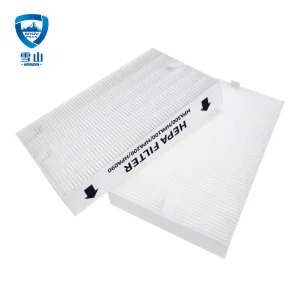
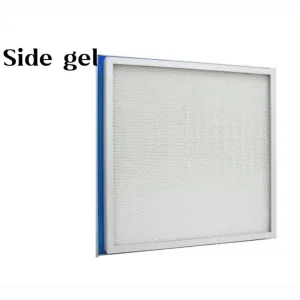
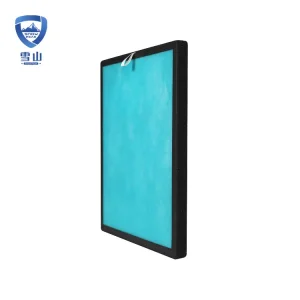
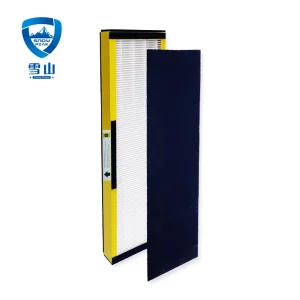

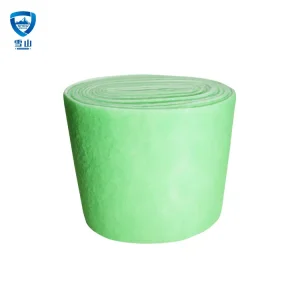
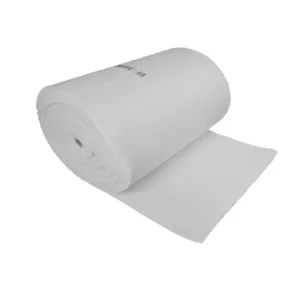
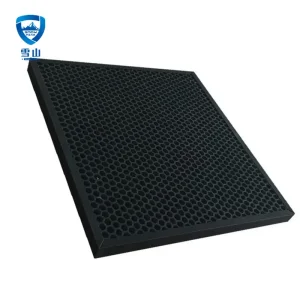
In the domain of commercial HVAC and industrial cleanroom installations, the air filter frame functions as the literal backbone of structural air containment. Often overlooked in favor of the filtration media itself, the AC filter frame plays an equally vital role in preventing bypass leakage, sustaining high air volumes, and preserving system safety under peak operating pressures.
When an AC filter frame suffers from structural deflection or dynamic failure, the integrity of the cleanroom or commercial duct is instantly compromised. Unfiltered air bypasses the media through perimeter gaps, violating ISO cleanliness classes, introducing particulate contamination to microelectronics fabs, and spreading pathogens in healthcare facilities. To mitigate this hazard, modern engineering turns to robust framing designs, superior sealing methodologies, and strict global certifications like the European CE marking.
Unsecured filter frames lead to structural flex under variable air volume (VAV) pressure cycles. Accurate corner welding and fluid gel seals prevent unfiltered bypass paths.
Precisely dimensioned frames decrease system impedance, allowing clean air passage with minimal resistance, thereby reducing overall HVAC energy consumption.
CE certification guarantees materials have been stress-tested for mechanical stability, fire retardancy (UL 900 / DIN 53438), and compliance with European directives.
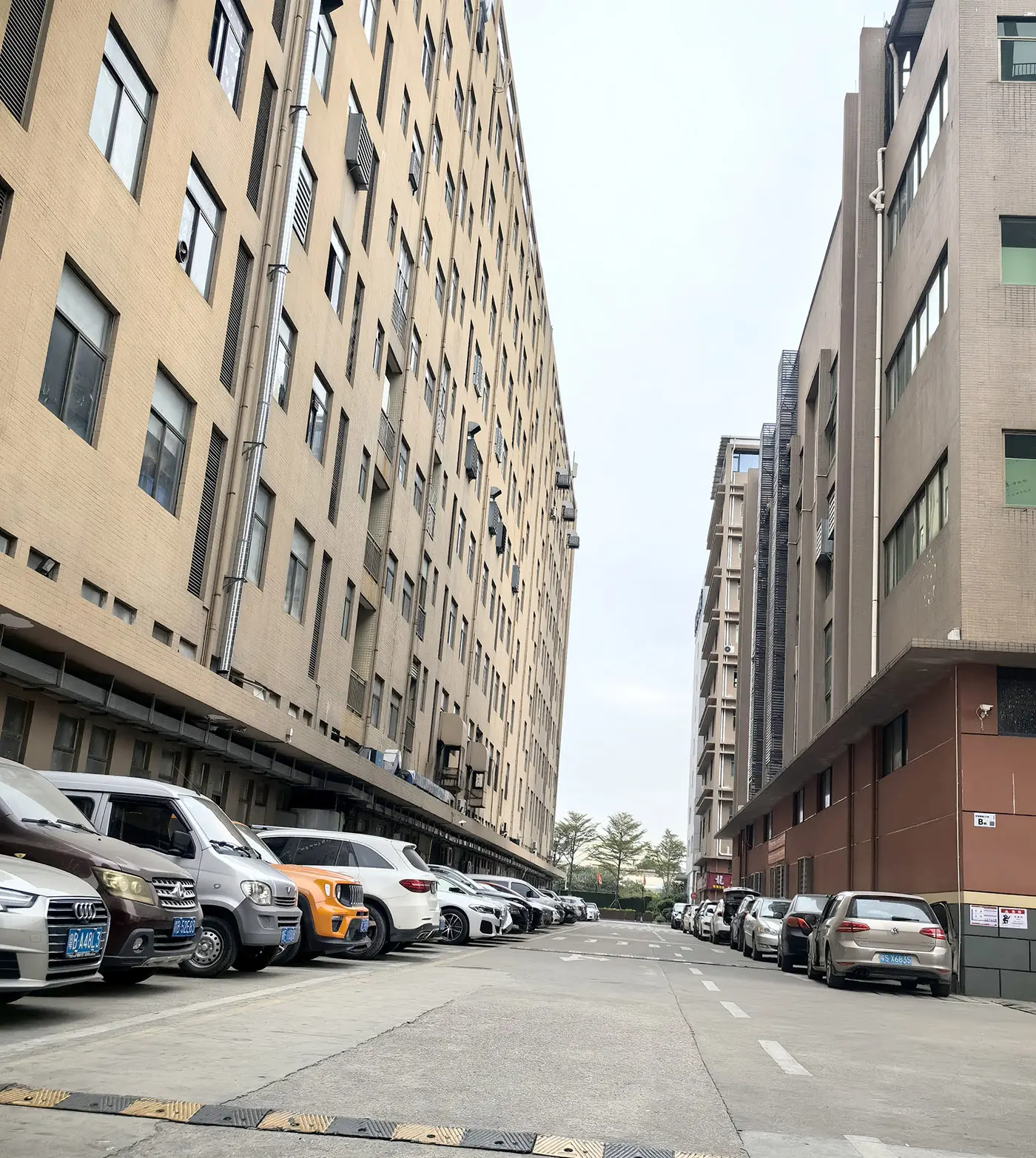
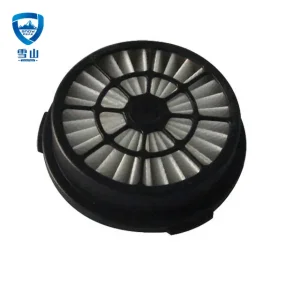
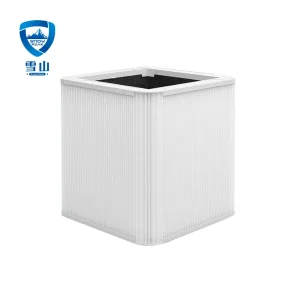
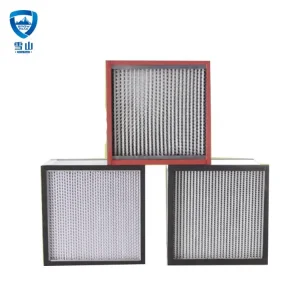
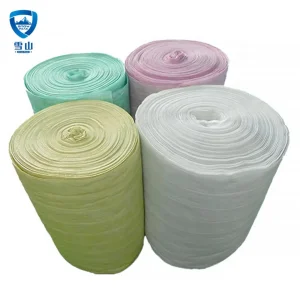
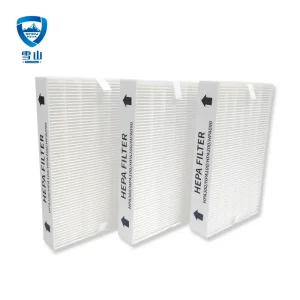
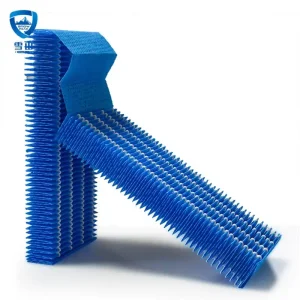
Shenzhen Snow Peak Clean Technology Co., Ltd. is an integrated high-tech enterprise, specialized in air filtration products research and development, production, sales, import and export trade. We produce and supply: Pre-filter, pocket filter, HEPA filter, chemical filter; replacement HEPA filter, car cabin air filter, humidifier filter; pocket filter media, melt-blown composite filter media, and other high-performance filter materials. We provide high-quality air purification solutions and products for indoor air pollution control and air conditioning systems of civil and industrial buildings, microelectronics, pharmaceutical, laboratory, school, hospital clean rooms, and related fields.
Combined with self-developed patented technology, our sterilizing antiviral HEPA filter can effectively filtrate fine particles, keeping the PM2.5 concentration down to 10 micrograms/m³, which is 5 times better than the national standard. It effectively inhibits the breeding of microorganisms with a sterilization rate up to 99.9%, creating zero secondary pollution. In addition, its removal efficiency of the H1N1 virus is as high as 99.99%.
Building upon fifteen years of international air purification technology experience, our engineering lines deliver high stability and long-term durability across severe climates.
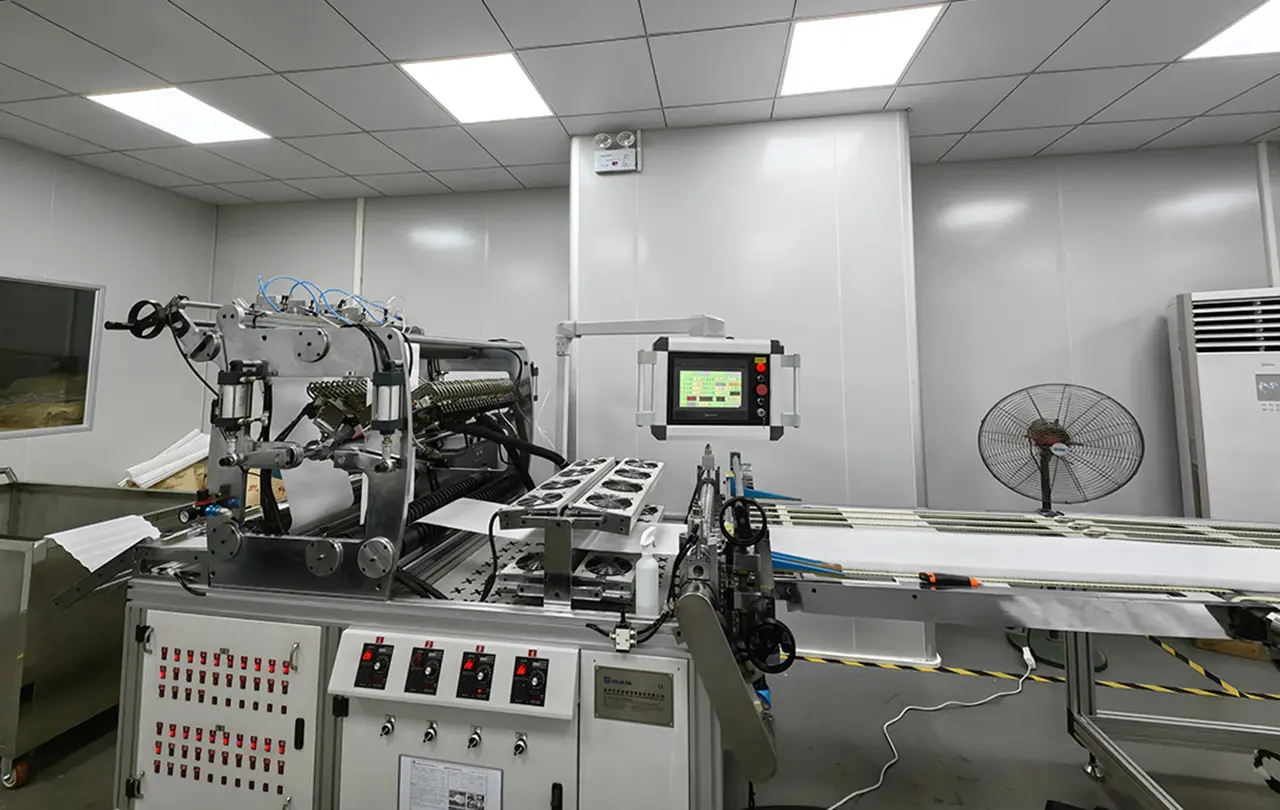
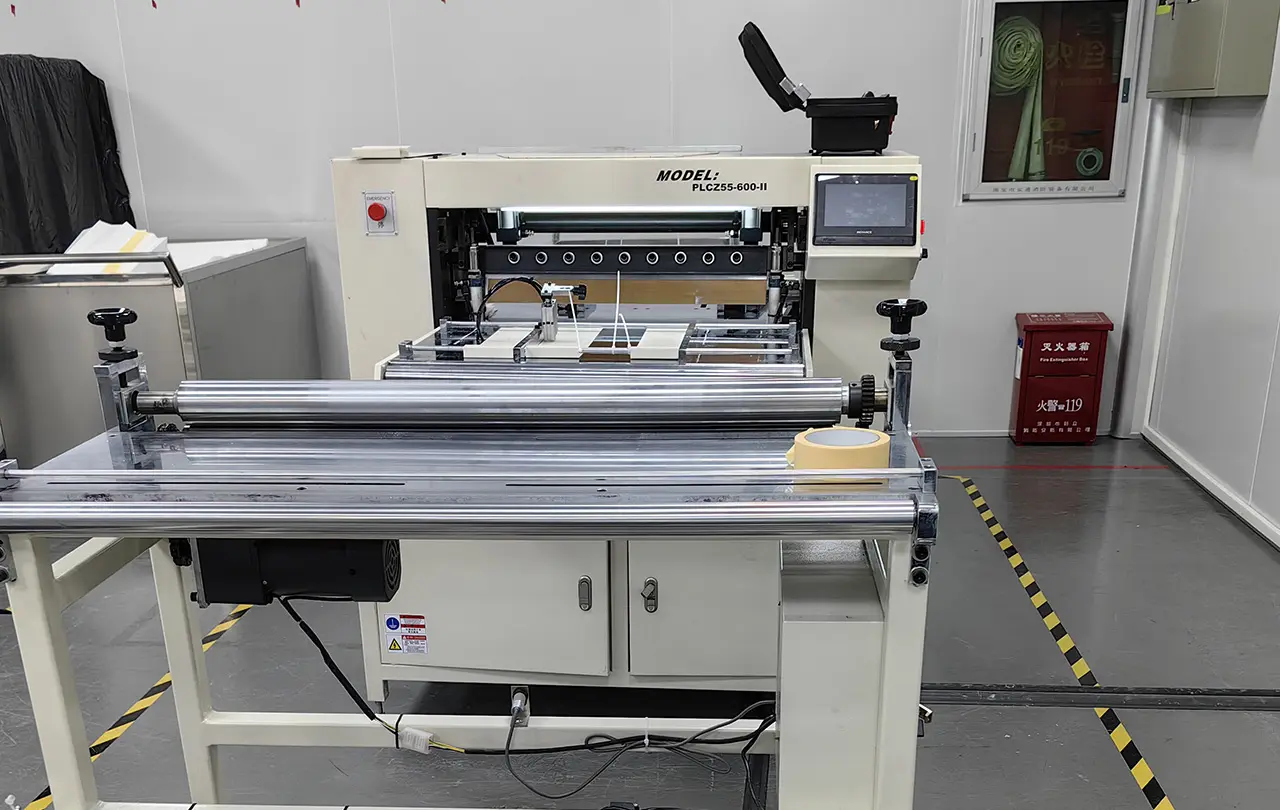
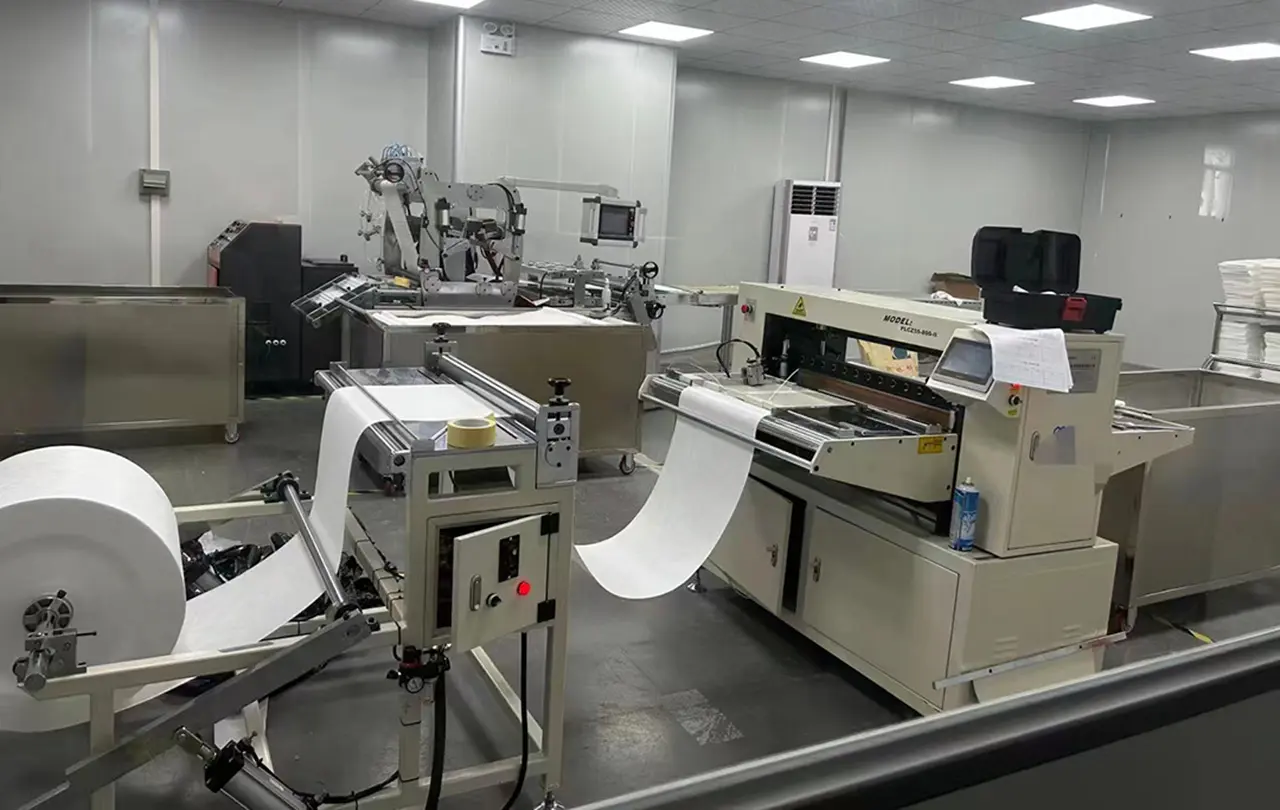
Cleanrooms require pristine manufacturing conditions. Our standardized dust-free filter workshops prevent pre-installation particle loading of the media.
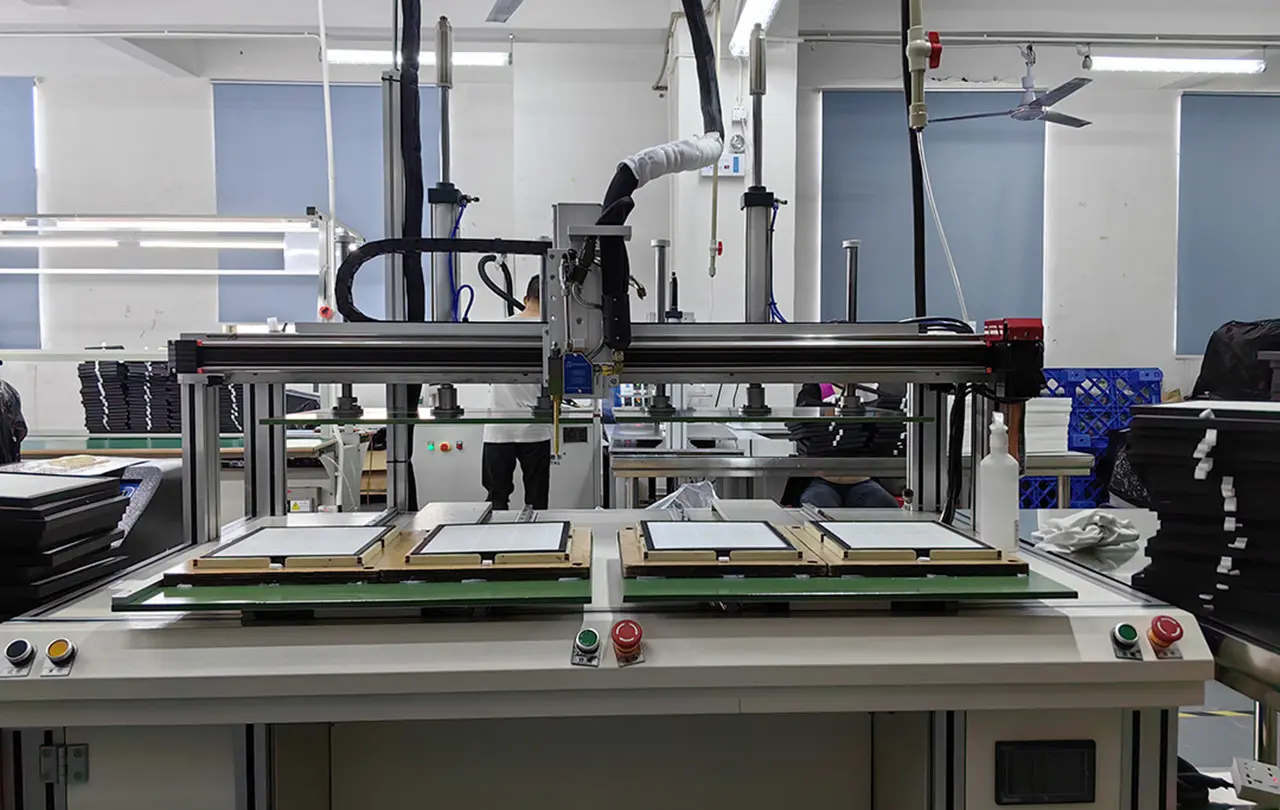
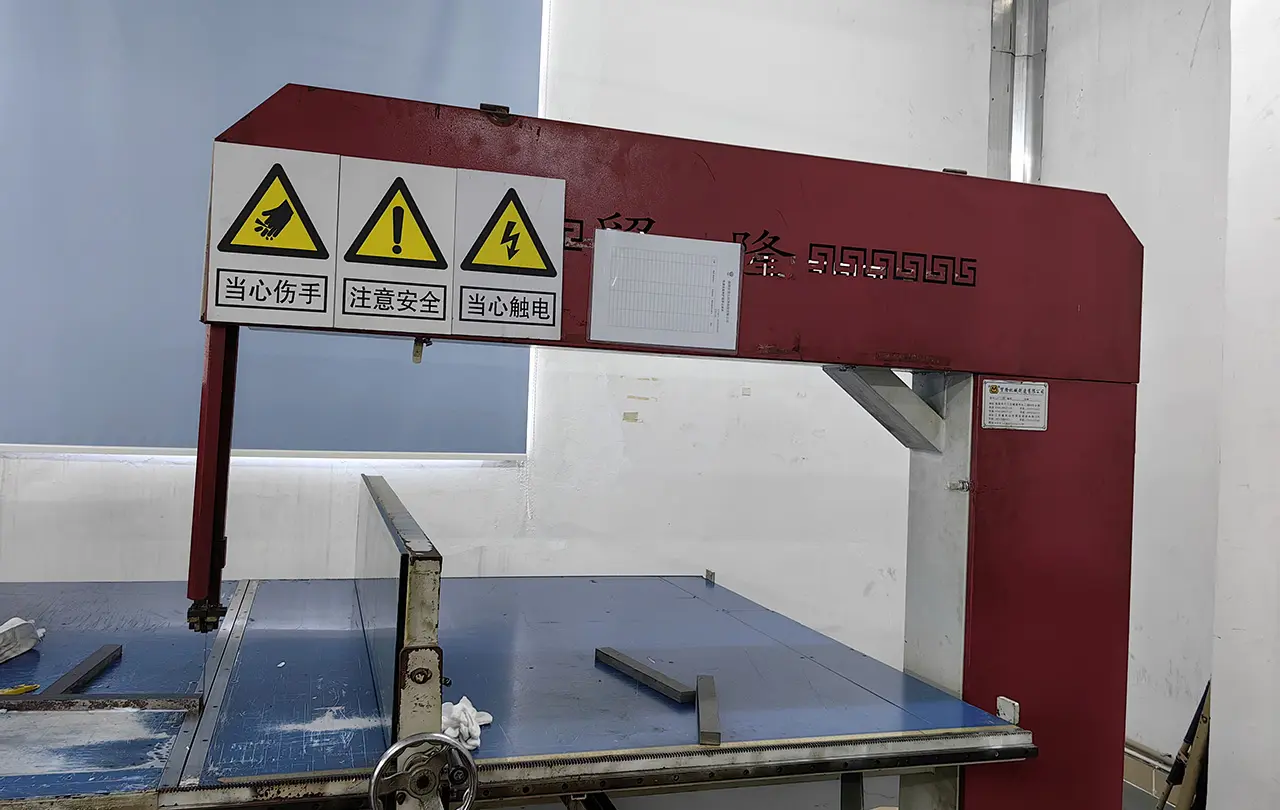
Equipped with AMADA CNC punch and CNC bending machines to guarantee tolerances within 0.1 mm, ensuring structural squareness and zero seal deflection.
Integrating bio-active coatings to neutralize active viral strains on contact, transitioning filtration frames from passive blocks to active sanitizers.
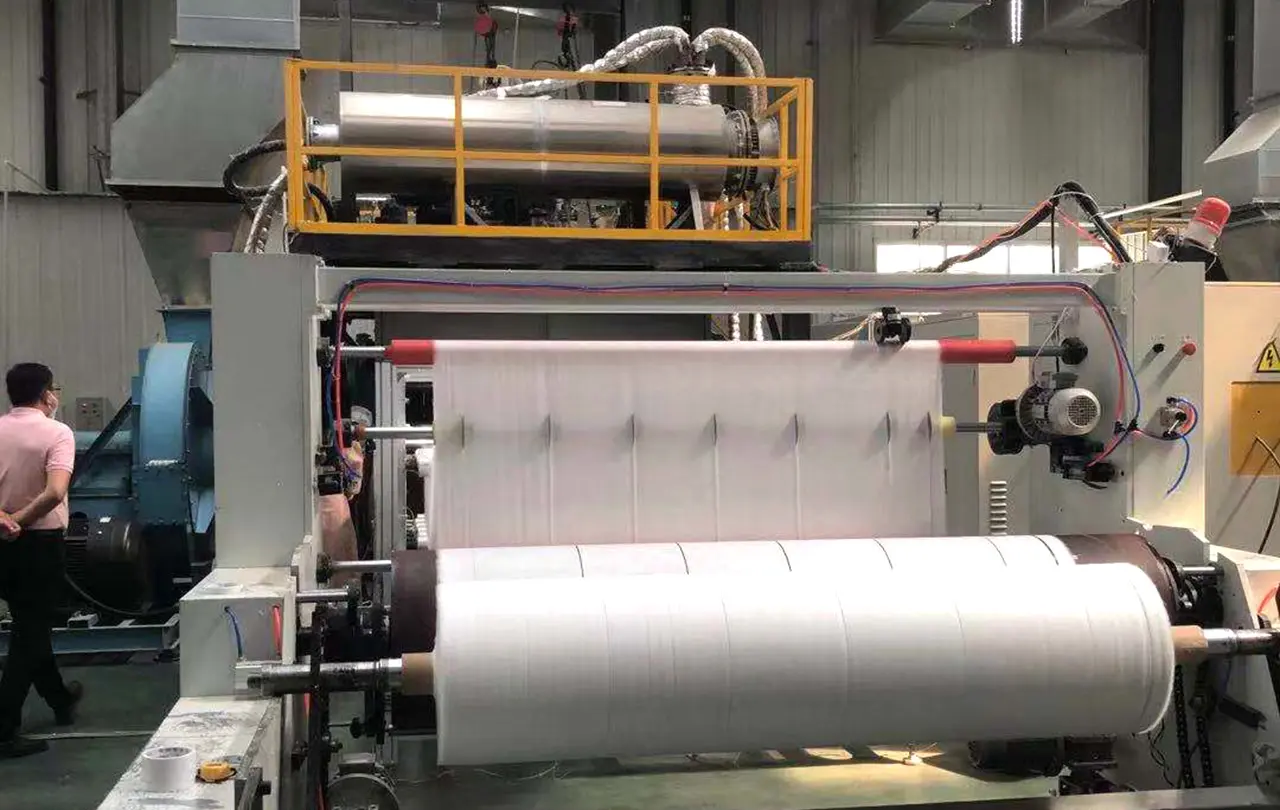
Our manufacturing flow combines fully automated technologies with high-end precision machinery to achieve consistent quality metrics across mass production volumes.
In the European Union and affiliated markets, the CE mark represents a declaration that the product complies with the essential health, safety, and environmental protection standards. For AC filter frames, certification is governed by a series of interrelated harmonized standards that demand rigid performance metrics.
Governs high-efficiency particulate air filters (EPA, HEPA, ULPA). Under EN 1822, the frame and media together are tested for leak detection (scanning test) to ensure zero particulate escape.
Evaluates the particulate efficiency based on PM1, PM2.5, and PM10 fractions. It replaces EN 779, establishing realistic testing models matching regional air compositions.
Mandates reduction in electrical energy use of ventilation fans. Certified, aerodynamically smooth frames directly reduce the static differential pressure (ΔP), optimizing eco-compliance.
A compliant CE-marked frame must prove that its material composition contains no restricted chemical elements listed under RoHS or REACH directives, especially when utilized in high-temperature settings or biological environments. Structural deflection under pressure (up to 3000 Pa for certain HEPA designs) must remain below defined thresholds to prevent bypass gaps.
Different operating environments necessitate specific framing metals and plastics. Let's compare standard industrial materials.
Extremely lightweight with high structural rigidity. Resistant to relative humidity. Ideal for ceiling-mounted cleanroom HEPA filters and medical laminar flow units.
Cost-effective and highly robust against physical impacts. Typically deployed in commercial HVAC pre-filter banks and pocket filter housings.
The pinnacle of chemical resilience. Standard in biosafety cabinets, hospital operating theaters, and chemical manufacturing where strong acids are used for decontamination.
Offers complete corrosion immunity, is fully incinerable for safe hazardous waste disposal, and is widely utilized in residential purifiers and compact HVAC setups.
Air purification systems have unique requirements depending on their operational settings. Our customizable frame profiles and advanced filters address these diverse demands.
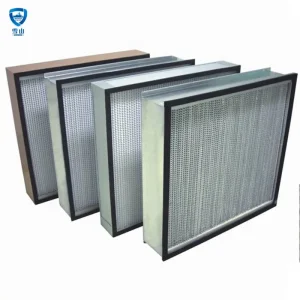
In chip fabrication, a single sub-micron particle can destroy an entire silicon wafer. Gel-seal liquid tank mini-pleat HEPA filters with low outgassing frames prevent chemical and particle contamination in laminar flow setups.
Microbial contamination can ruin entire batches of vaccines or pharmaceuticals. Our patented sterilizing antiviral HEPA filters, integrated into solid steel holding frames, achieve a 99.9% biological capture and kill rate.
Modern commercial buildings aim to balance Indoor Air Quality (IAQ) with energy efficiency. By utilizing low-resistance G4 pre-filters paired with high-volume bag/pocket filter frames, facilities lower fan energy consumption while retaining PM2.5 capture rates.
As the global manufacturing sector shifts toward net-zero carbon footprints, the filtration industry is undergoing significant shifts. The future of AC filter framing systems revolves around sustainable materials, smart monitoring, and advanced aerodynamics.
Traditional metal frames require energy-intensive processing, while standard plastics generate non-biodegradable waste. Future technical roadmaps emphasize frames derived from post-consumer recycled plastics or compostable organic polymers that can be burned or decomposed after the filter media reaches the end of its service life.
Replacing filters too early increases waste, while delayed replacements cause fan overwork and risk media breakthrough. Embedded microchips and passive RFID tags on AC filter frames will soon measure real-time static pressure drop and wirelessly alert facility management systems of performance changes.
Understanding the subtle technical variations in CE-certified filter frames can prevent installation errors and lower system operating costs.
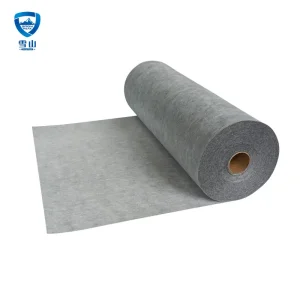
Select from our specialized carbon fabrics, deep-pleated cleanroom filters, and high-efficiency replacement modules for standard systems.
 Snow Peak