Explore our certified high-performance filtration media and assemblies customized for professional residential and industrial HVAC operations.
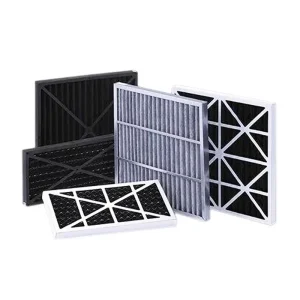
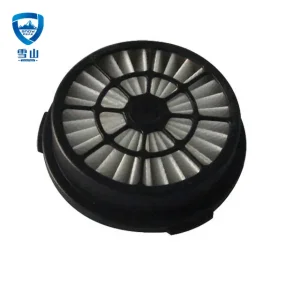
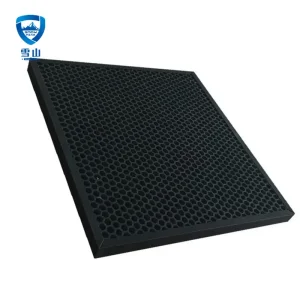
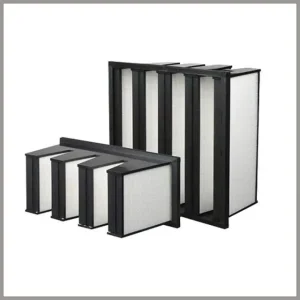
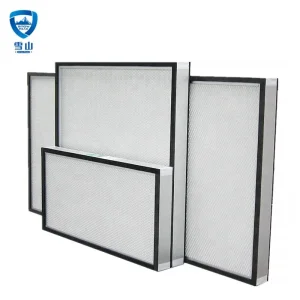
An in-depth look at adsorption mechanics, molecular capture, and how CE-certified charcoal filters improve indoor environments.
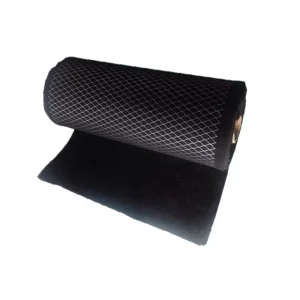
Unlike particulate filters that mechanically trap dust and fibers, activated charcoal home air filters rely on chemical and physical adsorption (physisorption) to capture gas-phase contaminants. Activated carbon contains an intricate matrix of microscopic pores, yielding a total surface area of up to 1,500 square meters per gram.
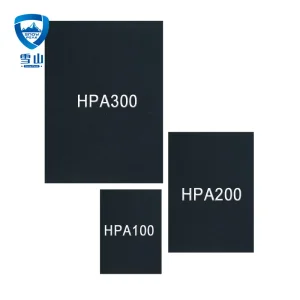
As gaseous pollutants, Volatile Organic Compounds (VOCs), and odor molecules pass through the filter, they are drawn into the carbon pores by Van der Waals forces. Our engineering protocols maximize the Iodine Value (typically exceeding 1000 mg/g) and optimize the CTC (Carbon Tetrachloride) adsorption rating to guarantee premium removal efficiency of formaldehyde, benzene, and localized petrochemical vapors.
Adapting filtration technology to meet the precise air quality challenges of diverse modern environments.
In regions susceptible to seasonal wildfires, residential systems must manage heavy smoke loads. Charcoal filters remove the highly toxic, volatile organic gases and ultra-fine particulates (PM0.1) associated with wood combustion, protecting respiratory health.
Urban homes situated near high-density highways face constant exposure to diesel exhaust particles, nitrogen dioxide (NO2), and sulfur dioxide (SO2). Our high-porosity carbon media captures these corrosive gaseous emissions before they recirculate indoors.
Microelectronics manufacturing, sterile laboratories, and pharmaceutical cleanrooms rely on multi-stage HVAC carbon containment systems. These systems prevent gaseous cross-contamination and ensure compliance with strict industry-wide cleanroom standards.
Empowering global distribution networks with ISO-compliant air filtration designs and robust fabrication pipelines.
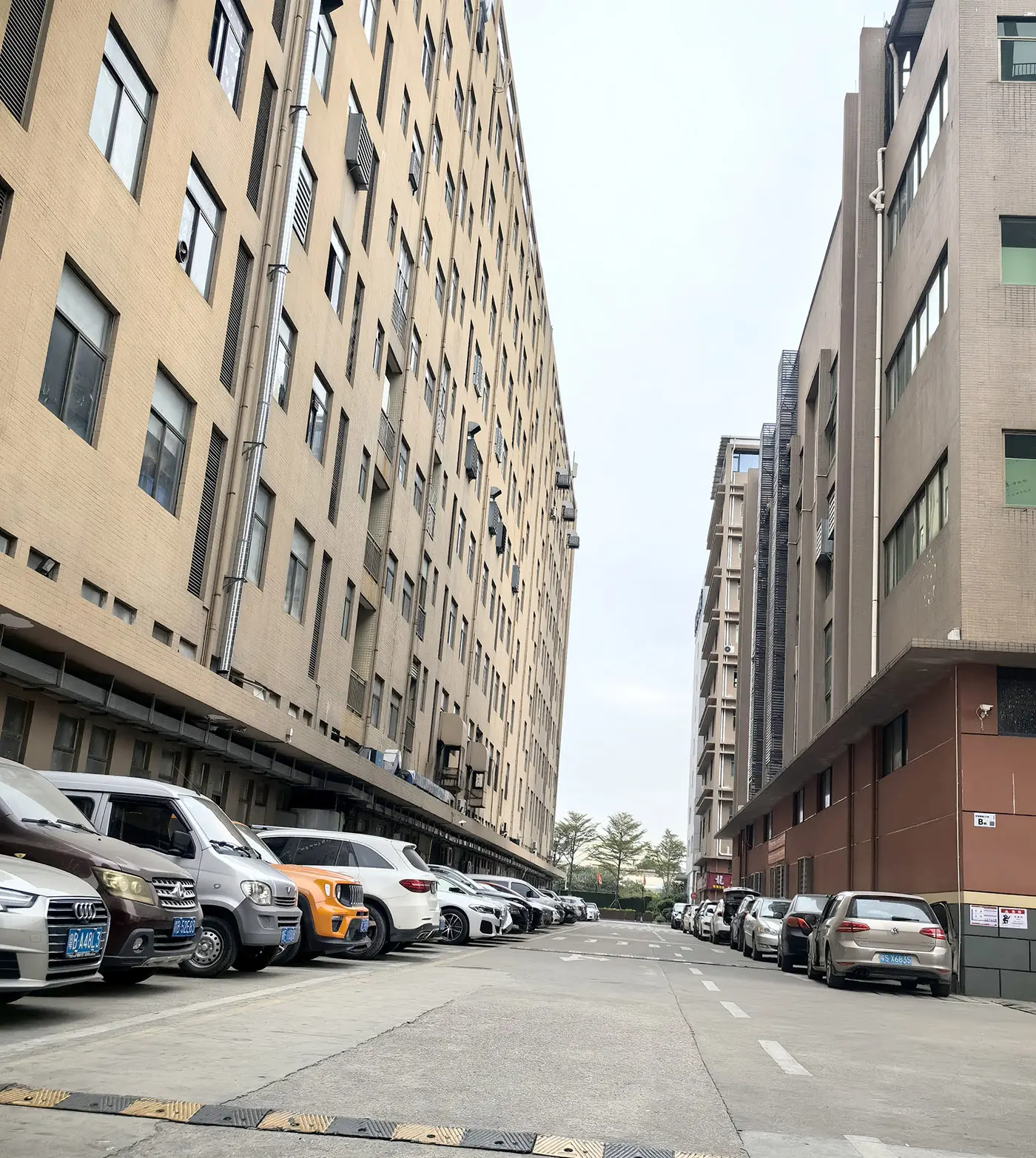
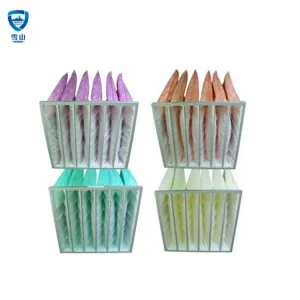
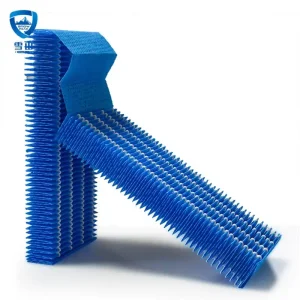
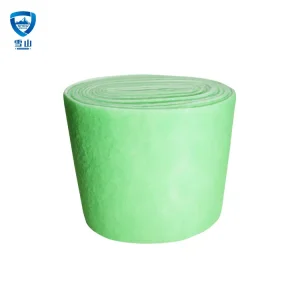
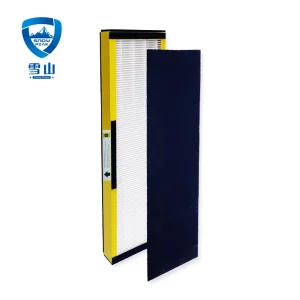
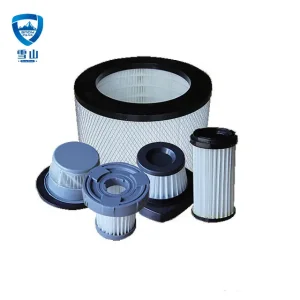
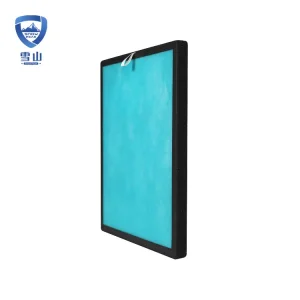
Shenzhen Snow Peak Clean Technology Co., Ltd. is an integrated high-tech enterprise specialized in air filtration products research and development, production, sales, and import-export trade. We manufacture and supply high-capacity Pre-filters, pocket filters, HEPA filters, chemical filters; replacement HEPA filters, car cabin air filters, and humidifier filters.
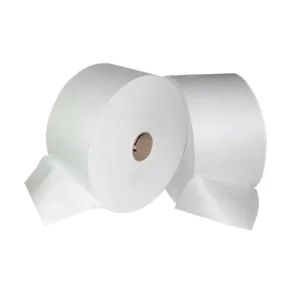
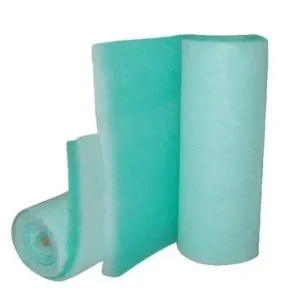
Additionally, we supply raw materials like pocket filter media, melt-blown composite filter media, and high-performance filter materials. We provide high-quality clean-air solutions for indoor pollution control in residential and commercial buildings, microelectronics facilities, pharmaceutical cleanrooms, medical laboratories, and hospitals.
Supported by our self-developed, patented technology, our sterilizing antiviral HEPA filter effectively filters fine particles to lower PM2.5 concentrations down to 10 micrograms/m³, which is 5 times cleaner than standard regulatory guidelines. This technology inhibits microbial growth with a sterilization rate of 99.9%, eliminates secondary pollution, and achieves a 99.99% removal efficiency against the H1N1 virus.
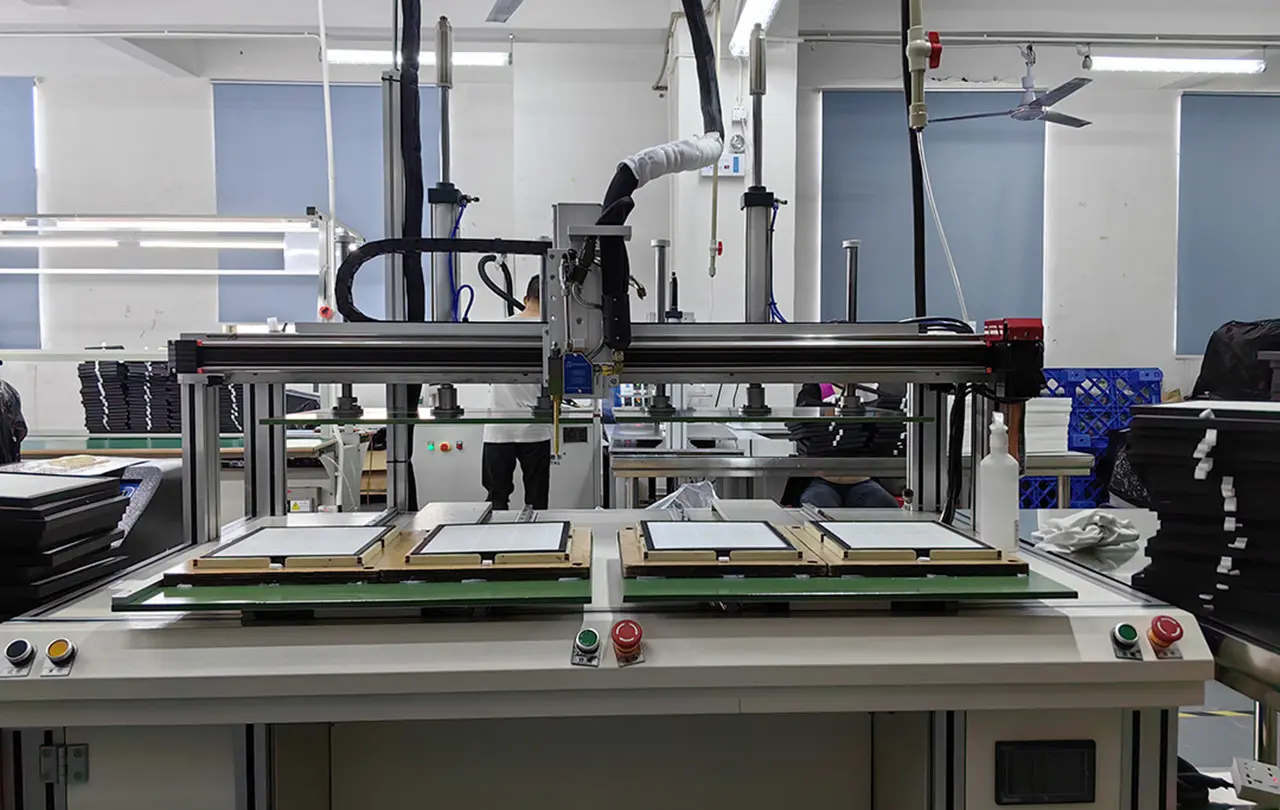
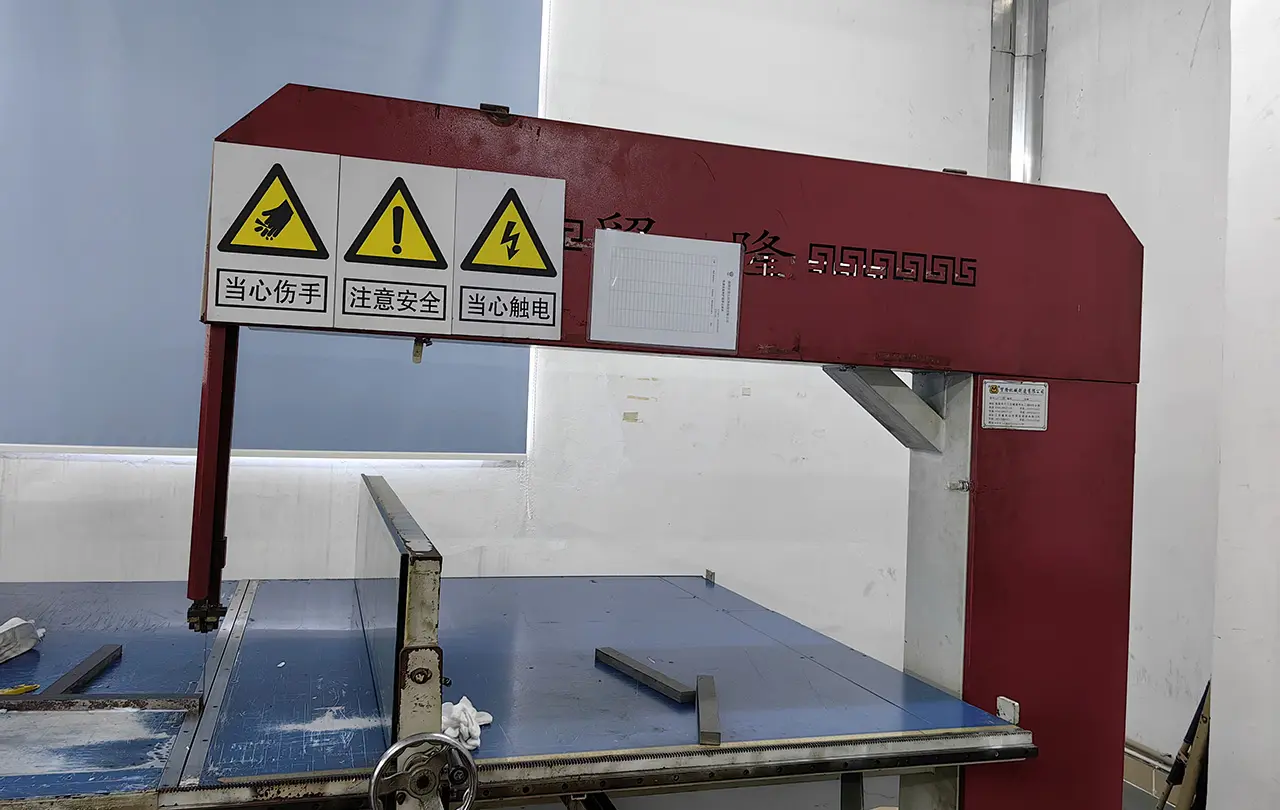
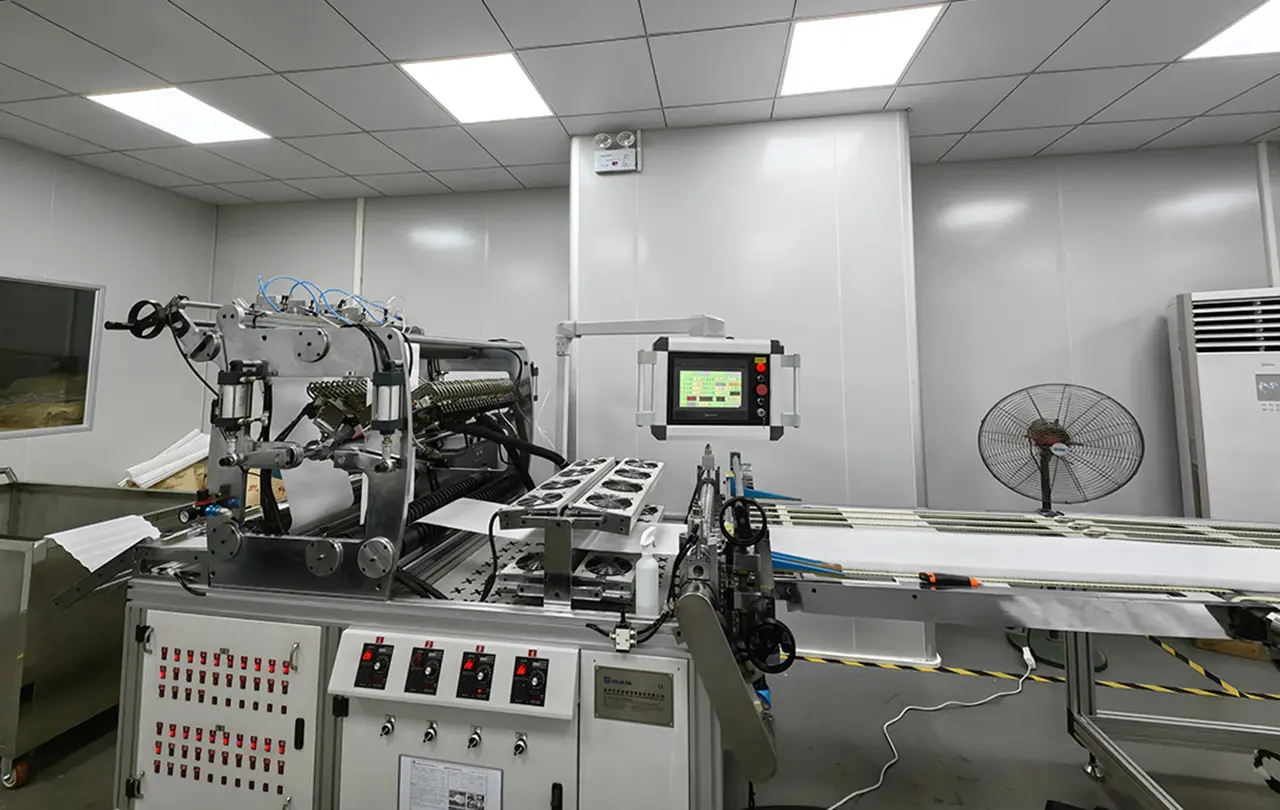
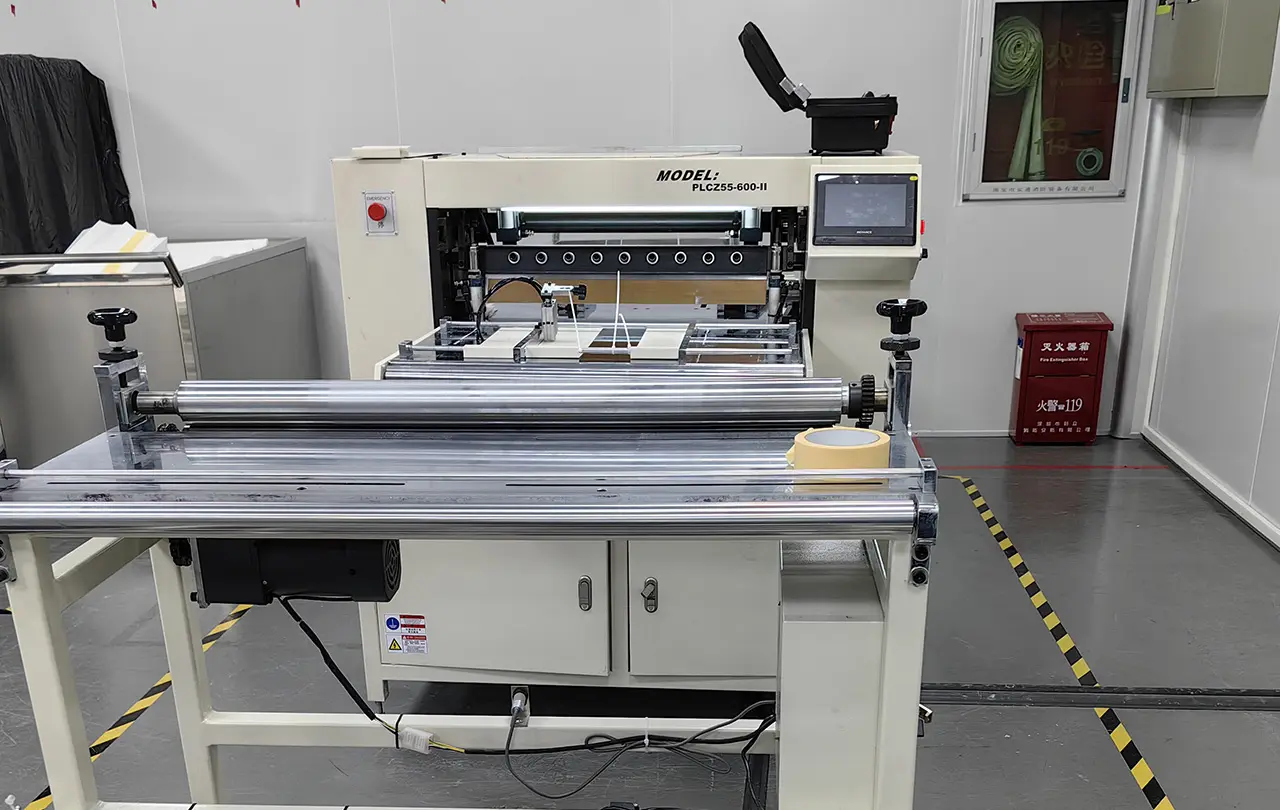
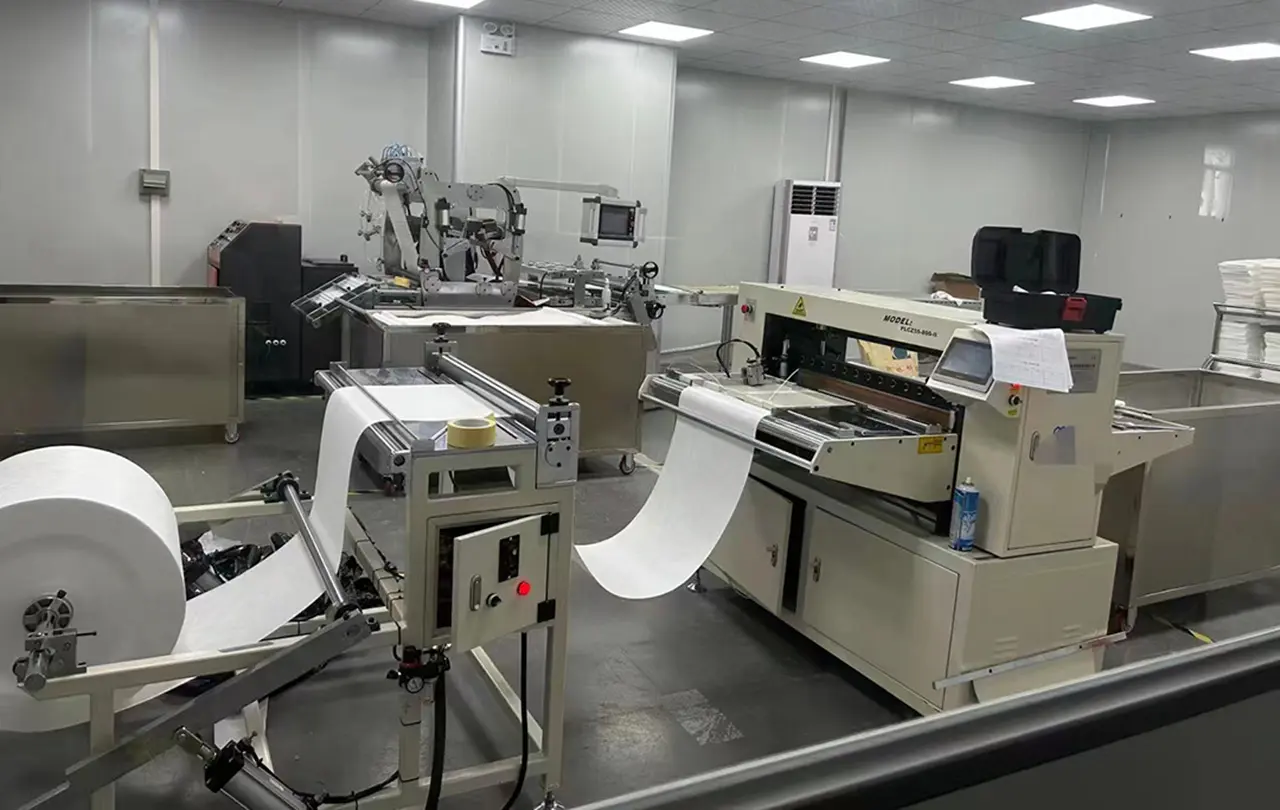
Combining automated pleating, CNC sheet-metal work, and precise glue application to ensure structural stability in every filter module.
Strategic logistics, materials access, and high-capacity production lines designed for global B2B procurement.
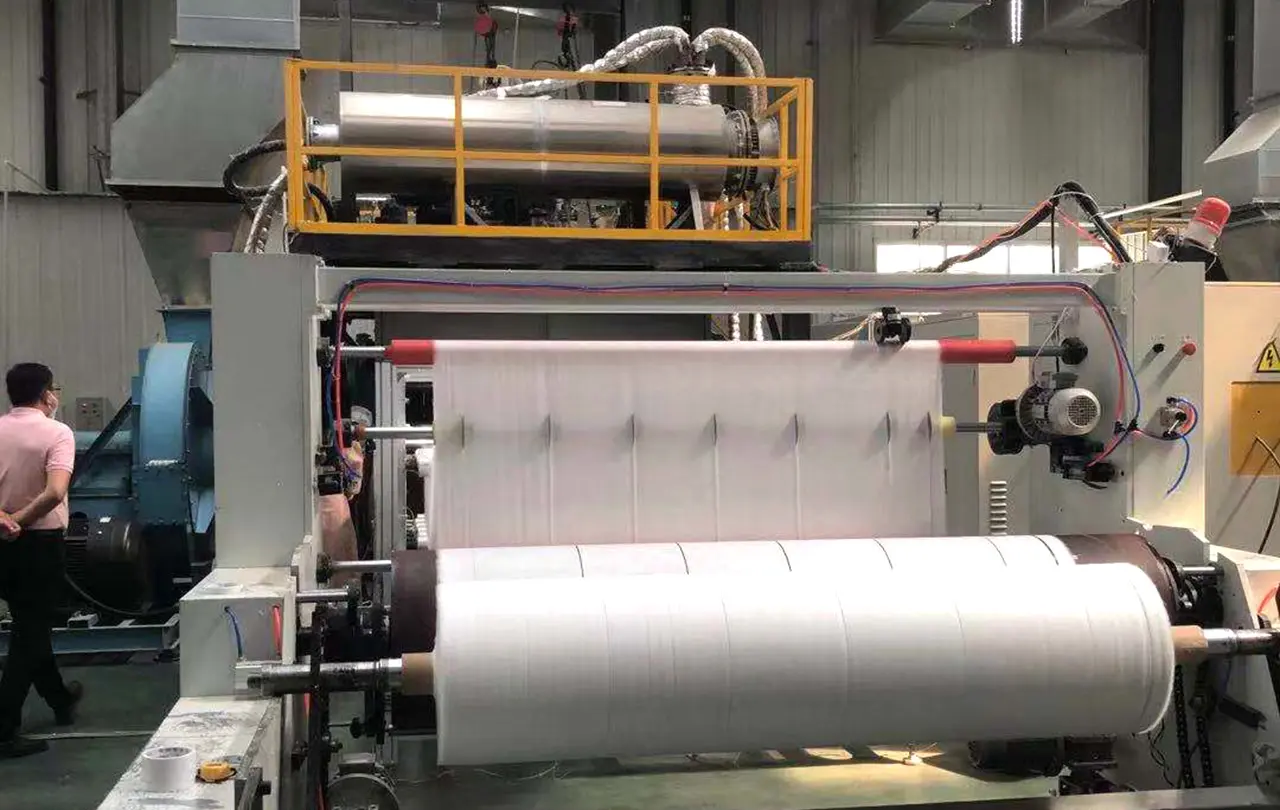
Our manufacturing facility in Shenzhen leverages direct access to primary industrial hubs for carbon and synthetic fibers. This vertical integration allows us to oversee every step of production, from raw meltblown synthesis to carbon impregnation and structural frame assembly. By eliminating middle-tier fabricators, we maintain strict quality control and offer competitive pricing structures for global B2B buyers.
Additionally, our 15 years of international air purification technology experience enables us to run standardized cleanrooms and advanced assembly lines. Equipped with AMADA CNC punch systems and high-precision bending machinery, our plant can scale production quickly to meet high-volume orders during peak demand seasons.
We provide tailored configurations for global OEMs, offering custom dimensions, pleated structures, and frames made from plastic, galvanized steel, aluminum, or moisture-resistant cardboard. This flexibility helps our partners customize filters for specific HVAC configurations without requiring extensive retooling.
Located in Shenzhen, we benefit from proximity to major deep-water ports (Shenzhen Port, Yantian Port) and international airport networks. This allows for fast shipping options, reducing lead times for major distributors in Europe, North America, and Southeast Asia. We also coordinate with local customs agents to ensure quick clearances, helping our clients keep lead times minimal.
By standardizing container planning and packaging, we reduce container space waste by up to 25%. This helps lower cross-border shipping costs for our wholesale and distributor partners.
Developing next-generation molecular filtration systems for high-performance HVAC and residential air purification.
Structuring new carbon structures with lower flow resistance, helping HVAC systems run more efficiently while maintaining high pollutant removal rates.
Impregnating active carbon elements to target specific toxic gases, such as ammonia, formaldehyde, and acid gases, for industrial workspaces.
transitioning toward organic binders and sustainably sourced coconut-shell raw carbons to align with global environmental goals.
Combining molecular carbon adsorption with antimicrobial layers to prevent bacterial growth on the filter media under humid conditions.
Our filters undergo rigorous validation to meet strict global certification criteria, ensuring reliable performance in demanding environments.
Every product under our CE label is built to comply with relevant EU safety, health, and environmental safety regulations. Our active carbon filters meet EN 779:2012 and the updated ISO 16890 standard guidelines, ensuring correct classification from coarse filtration to PM1 particulate ratings.
We maintain full batch traceability and test our HEPA assemblies under EN 1822 standards, checking for leakages and performance consistency. This helps global distributors import and sell our products with confidence, knowing they comply with target market laws.
Our quality control program tests each production run for pressure drop, iodine number, and particulate bypass. By keeping manufacturing and testing transparent, we ensure our products perform as expected in residential and commercial settings.
Addressing the common technical questions raised by B2B engineers and procurement specialists.
Explore our industrial-grade, certified HVAC replacement filters and customized humidifier solutions.
 Snow Peak