Explore our engineered HVAC filtration cartridges, OEM/ODM replacement modules, and specialty dust collectors designed for enterprise, pharmaceutical, and high-efficiency environments.
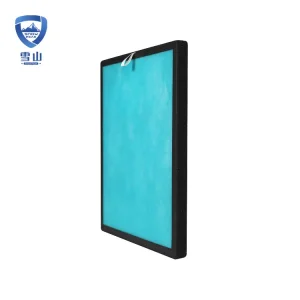
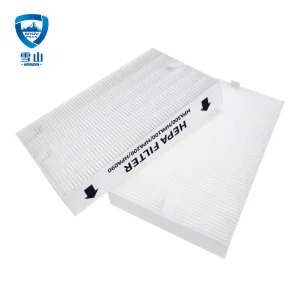
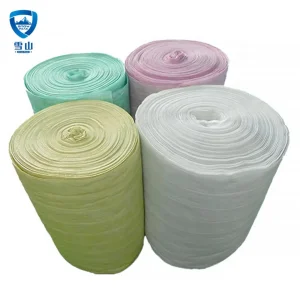
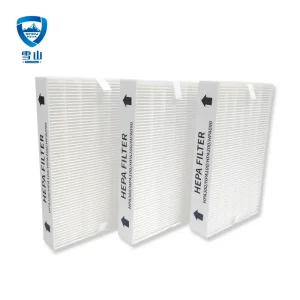
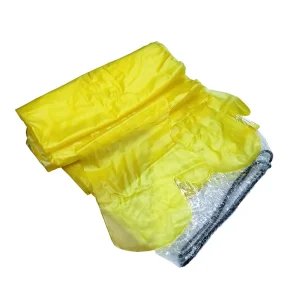
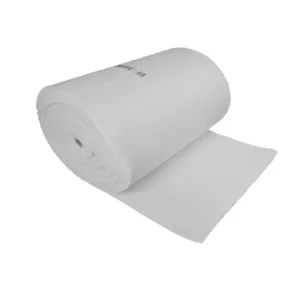
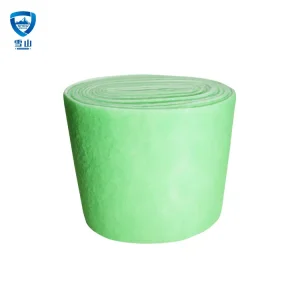
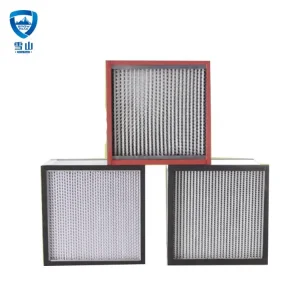
Understanding the micro-scale environmental stresses that dictate the engineering and execution of MERV 14 containment barriers.
Suspended atmospheric particulates, classified under PM2.5 and PM1.0, are vectors for biological contaminants, industrial chemical complexes, and heavy metal condensates. MERV 14 filters are precisely engineered to target this sub-micron spectrum, preventing respiratory accumulation and electronic degradation.
Modern air filtration operates on four core principles: inertial impaction, interception, diffusion, and electrostatic attraction. MERV 14 synthetic media incorporates split-fiber electret charges to attract particles as small as 0.3 microns without triggering premature pressure drop spikes.
High resistance across filters directly impacts motor workloads, increasing energy consumption. By optimizing pleat geometry and utilizing multi-density composite structures, we minimize the initial resistance (typically keeping it under 80 Pa at standard velocities) to lower operational costs.
A rigorous engineering comparison between American testing methodologies and global ISO frameworks for air filter classification.
| ASHRAE 52.2 Standard (MERV) | E1 (0.3 – 1.0 µm) Capture Efficiency | E2 (1.0 – 3.0 µm) Capture Efficiency | E3 (3.0 – 10.0 µm) Capture Efficiency | ISO 16890 Equivalent Class |
|---|---|---|---|---|
| MERV 13 | < 50% | ≥ 85% | ≥ 90% | ePM2.5 50% - 65% |
| MERV 14 | 75% - 84% | ≥ 90% | ≥ 90% | ePM1 70% - 80% |
| MERV 15 | 85% - 94% | ≥ 90% | ≥ 90% | ePM1 80% - 90% |
| MERV 16 | ≥ 95% | ≥ 95% | ≥ 95% | ePM1 > 95% (HEPA Transition) |
To accurately cross-reference systems between US and European projects, engineering teams must evaluate performance under EN ISO 16890. Unlike ASHRAE 52.2, which classifies filters using a single Minimum Efficiency Reporting Value based on worst-case charge-state scenarios, ISO 16890 evaluates fractional efficiency against specific particulate sizes (PM1, PM2.5, PM10). A MERV 14 rating maps directly to ePM1 70% - 80%, meaning it consistently removes more than 70% of sub-micron particles below 1.0 μm. This metric is crucial for applications where airborne pathogens or combustion byproducts present persistent threats to air quality and process stability.
Ensuring compliance with structural, environmental, and health mandates within the European Economic Area.
CE Certification verifies that the air filters comply with the Pressure Equipment Directive (PED) 2014/68/EU and standard structural requirements. This ensures the filter frame can withstand operating velocities and pressure surges without collapsing or bypassing unfiltered air.
To support corporate decarbonization targets, European installations demand compliance with Eurovent energy guidelines. Our MERV 14 filters are optimized to lower annual energy consumption (AEC), supporting sustainable operations across regional facilities.
All filters undergo testing under DIN 53438 to verify self-extinguishing and flame-retardant performance. Additionally, the materials are fully compliant with RoHS and REACH regulations, guaranteeing zero ozone-depleting residues or toxic chemical outgassing.
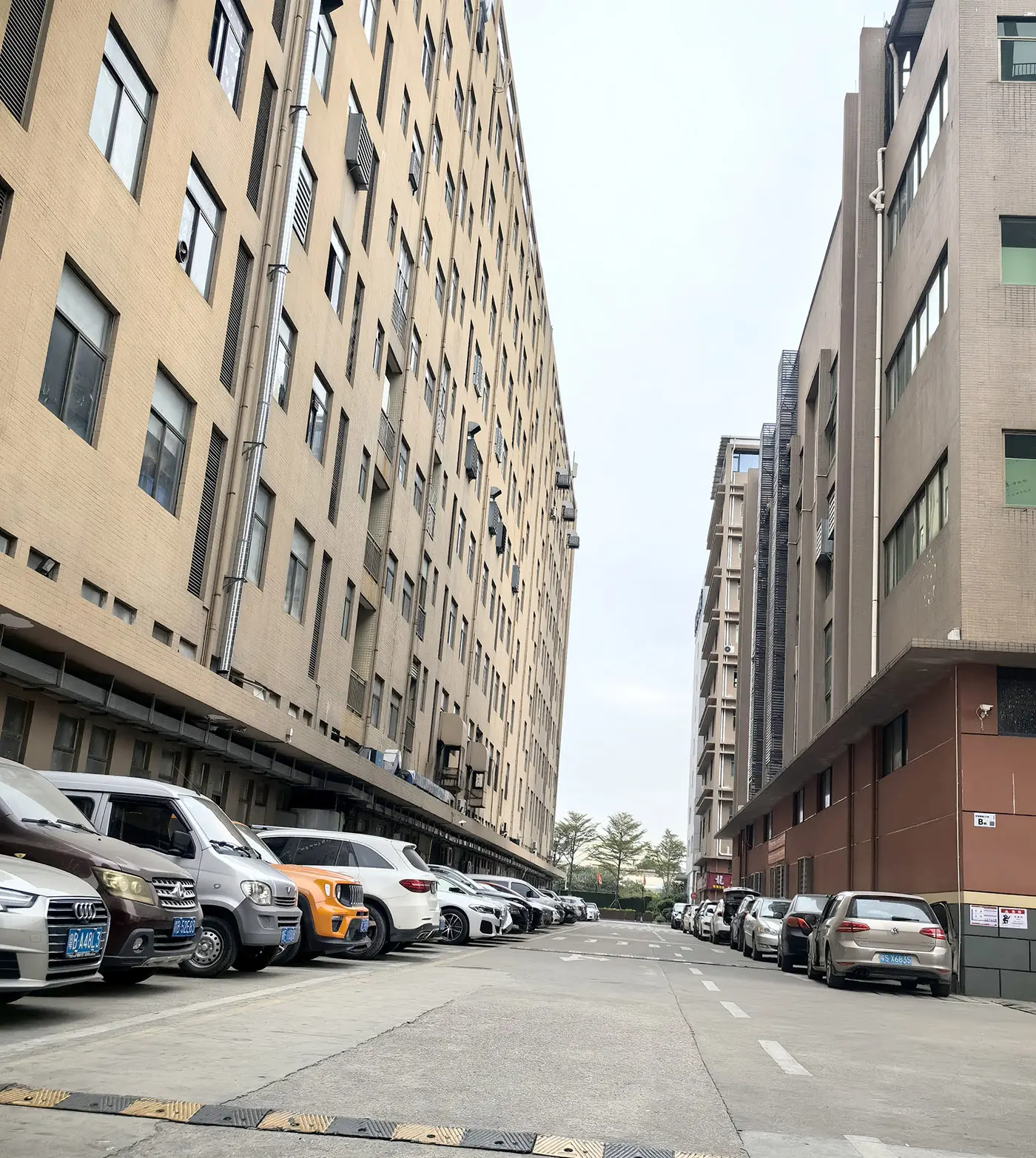
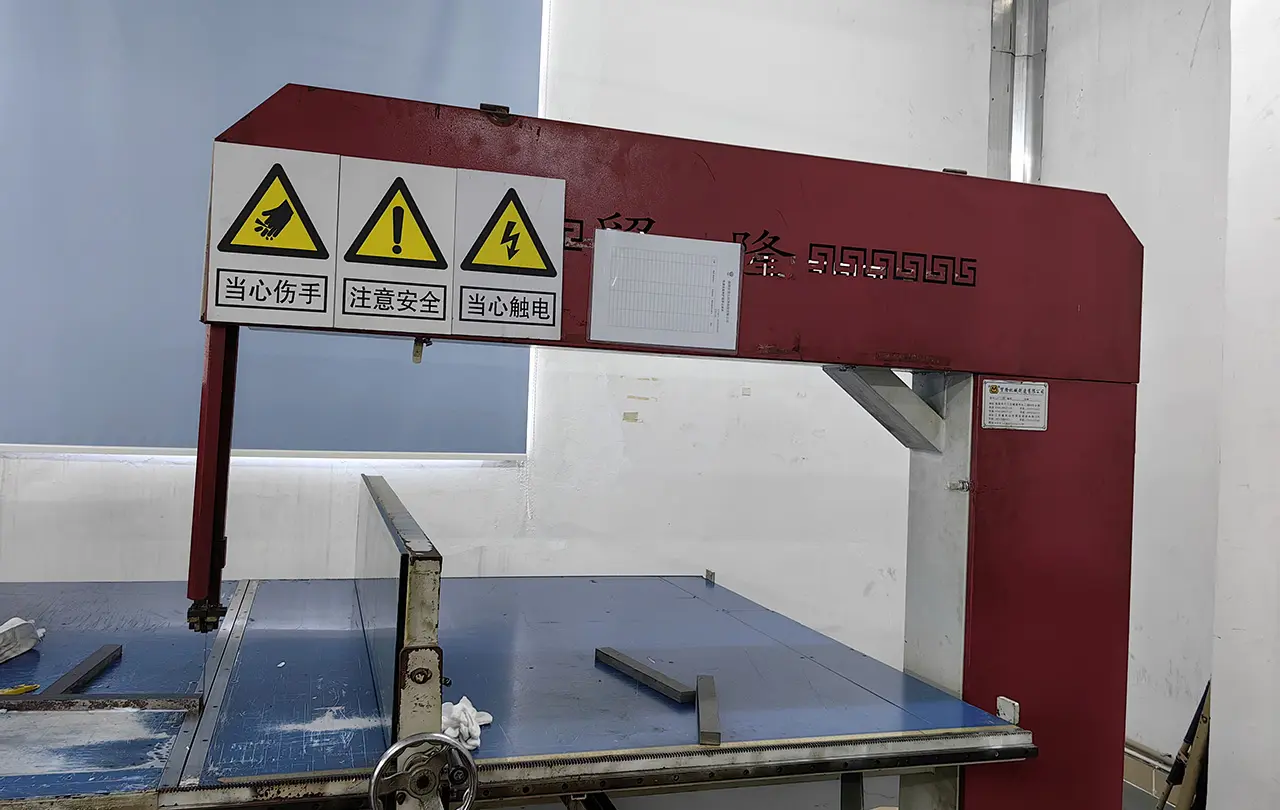
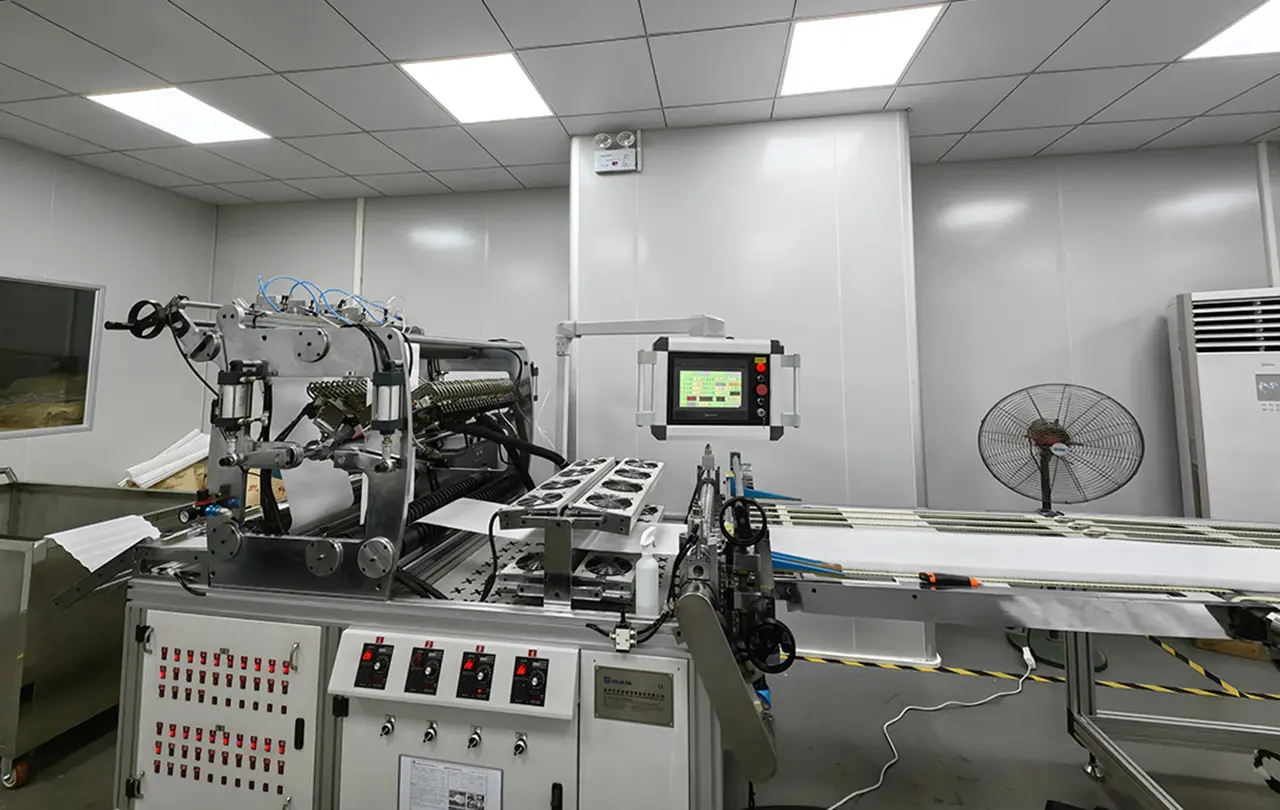
Equipped with high-end AMADA CNC punches and bending machinery, our fully automated production lines ensure tight dimensional tolerances and consistent manufacturing quality.
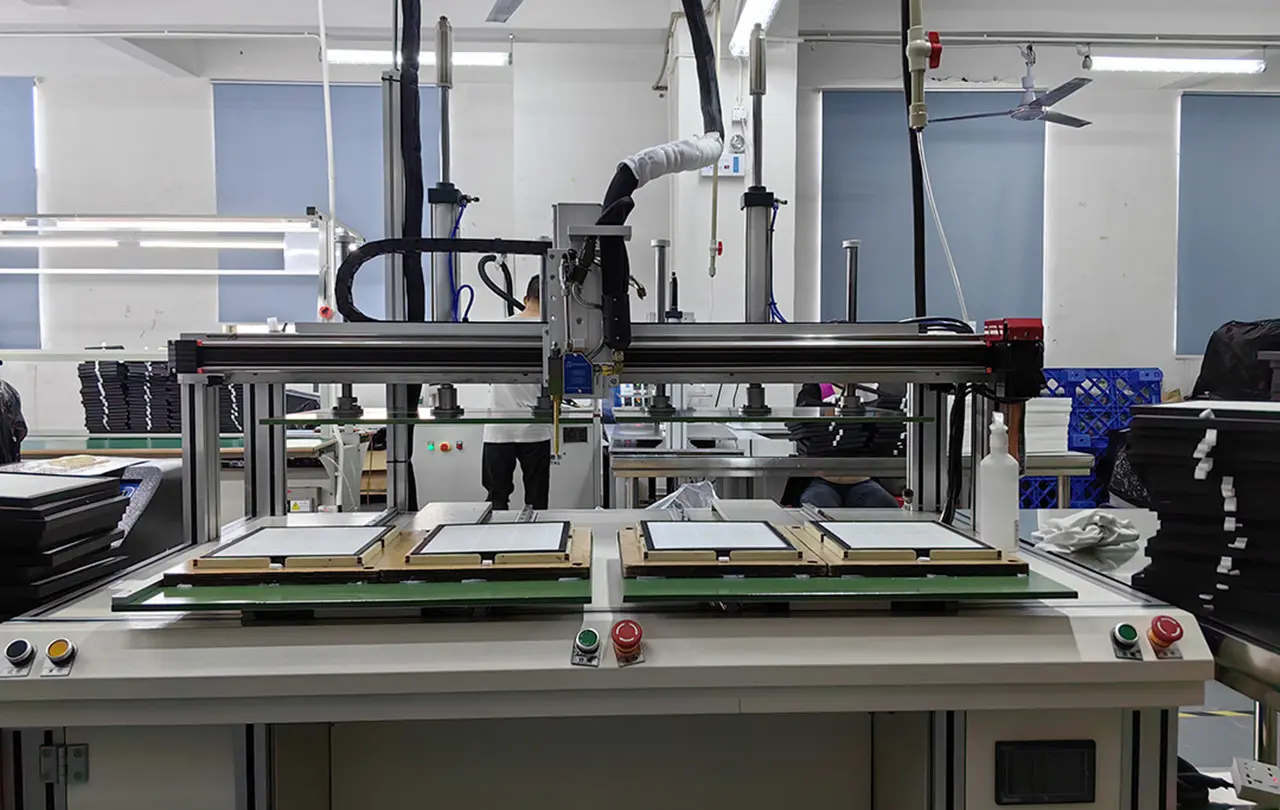
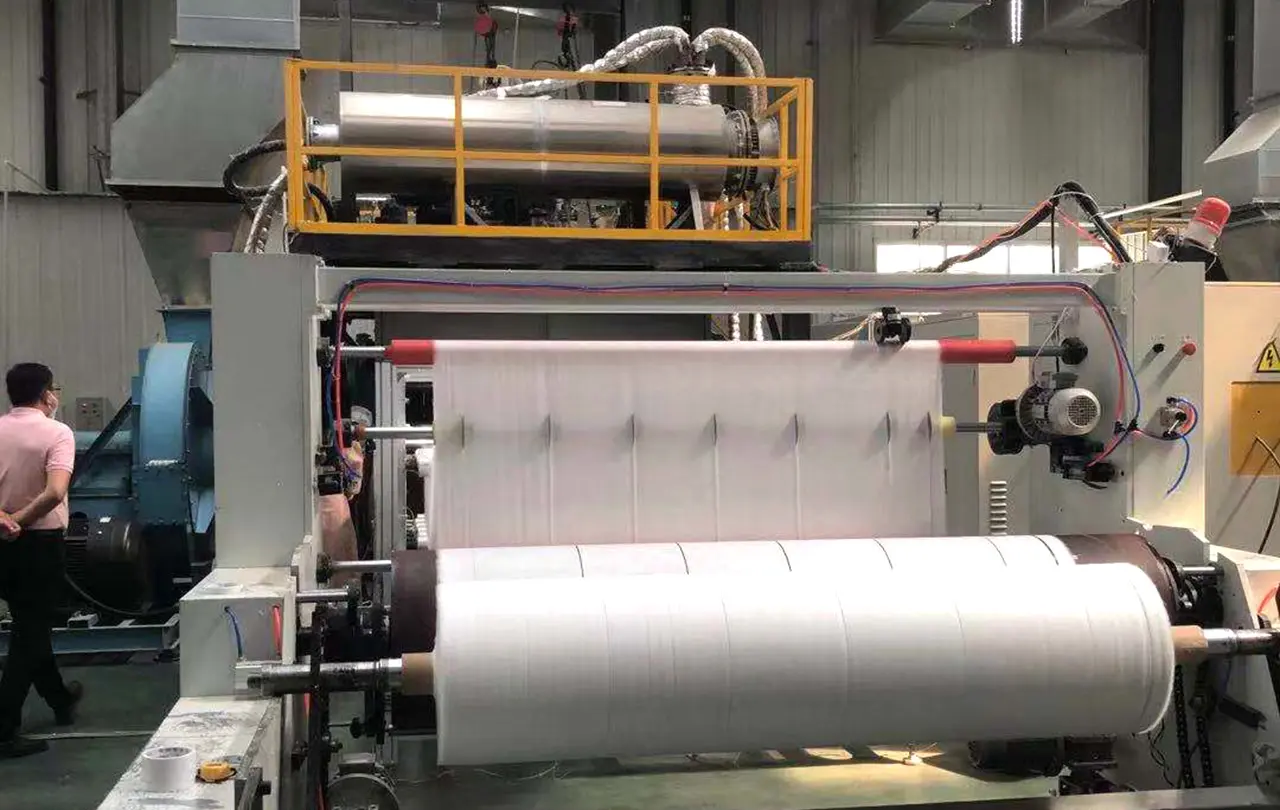
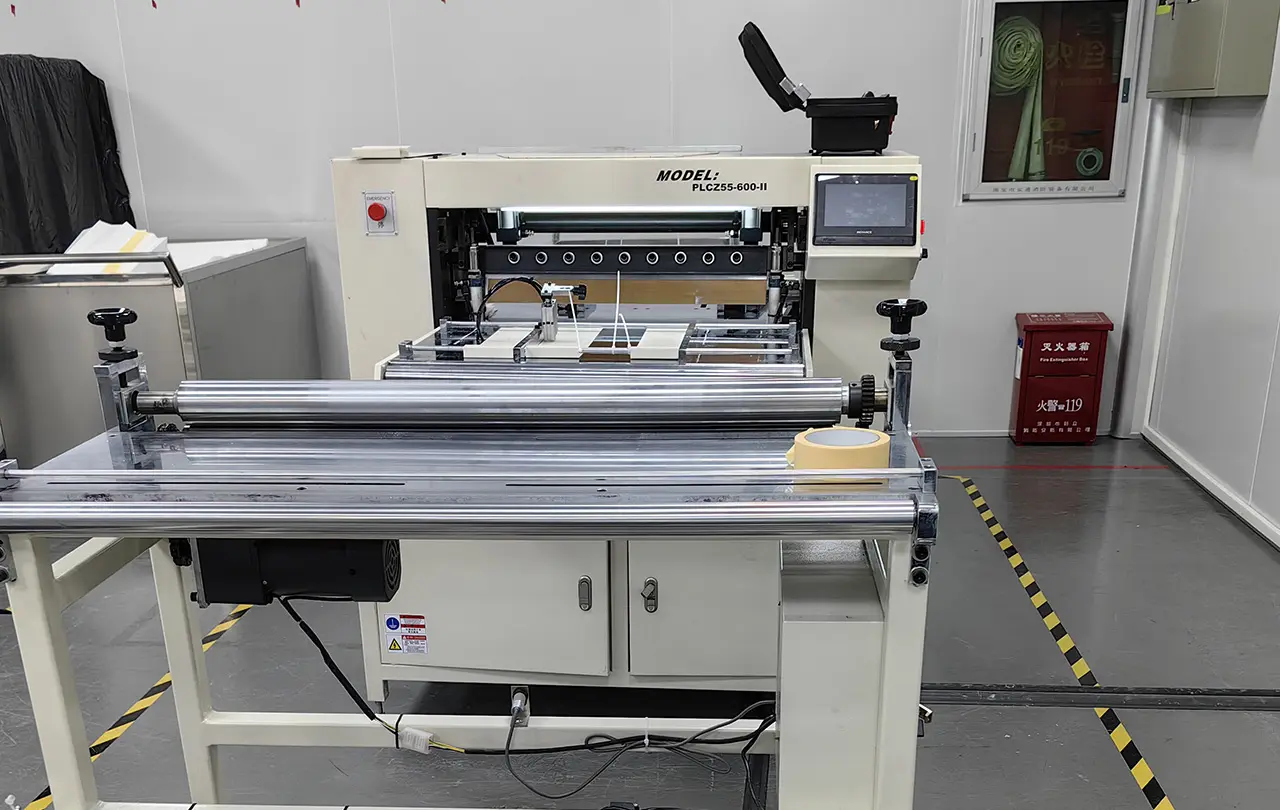
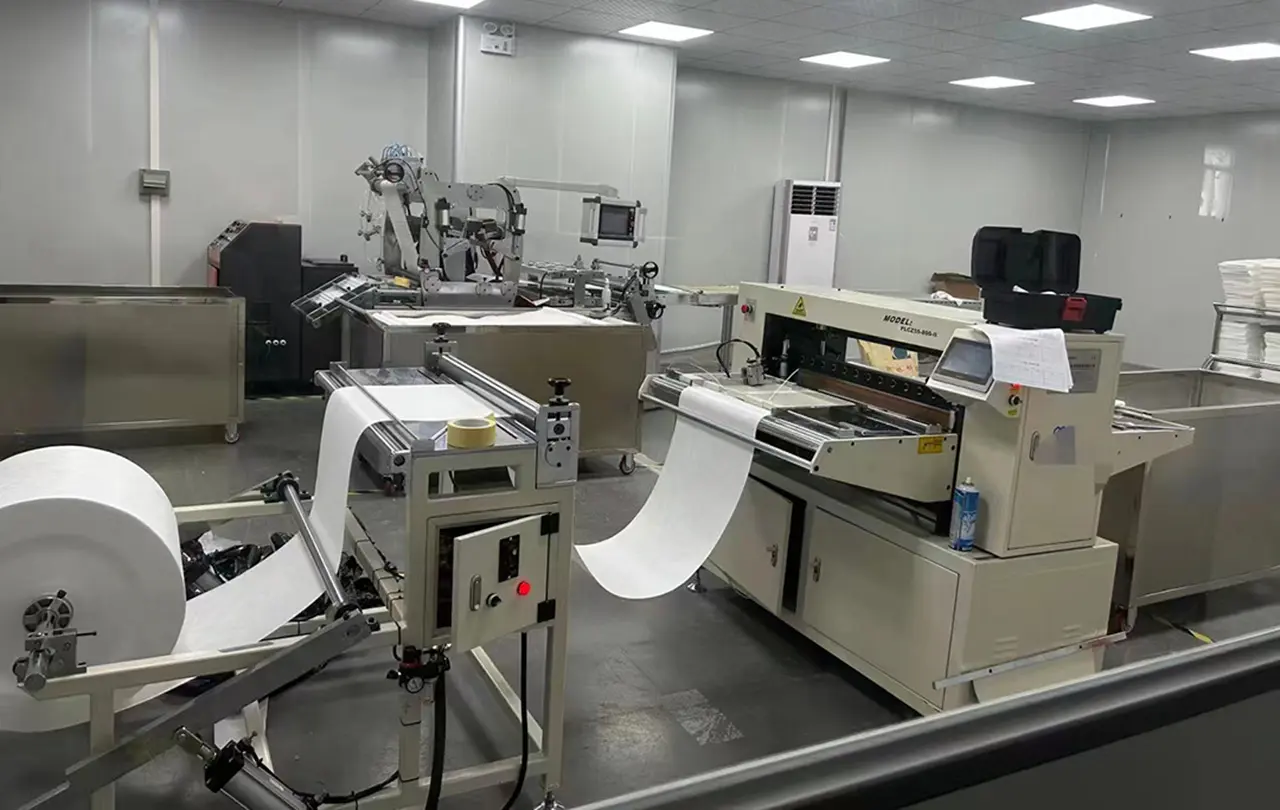
Analyzing critical deployment requirements where MERV 14 barriers protect both sensitive industrial hardware and human lives.
Modern lithography processes require pristine environmental control. MERV 14 filters are deployed as pre-filters before high-efficiency ULPA/HEPA systems, extending the service life of final-stage filters and protecting silicon wafers from particle contamination.
In surgical environments, patient recovery areas, and laboratories, controlling airborne pathogens is critical. Our MERV 14 filters capture mold spores, bacteria, and virus-carrying droplets, preventing infection and ensuring compliance with healthcare air quality standards.
For large commercial buildings, achieving optimal Indoor Air Quality (IAQ) is a core tenant of ESG compliance. MERV 14 filters provide high filtration efficiency for PM2.5 and PM1.0, protecting occupants in high-density office complexes, transit centers, and educational facilities.
A look at upcoming developments in high-efficiency mechanical filtration systems.
Developing sub-100 nanometer fibers provides a high surface area to volume ratio, capturing fine particulates through mechanical interception and diffusion while keeping airflow resistance low.
Integrating RFID chips and flexible pressure sensors directly into the filter frames allows facilities to monitor dust loading and pressure drop in real time, optimizing replacement schedules and energy usage.
We are researching PLA-based and fully recyclable polymer frames to replace traditional galvanized sheet metal and injection-molded plastics, reducing the carbon footprint of used filters.
Detailed technical answers to common queries regarding MERV 14 classifications, testing, and operation.
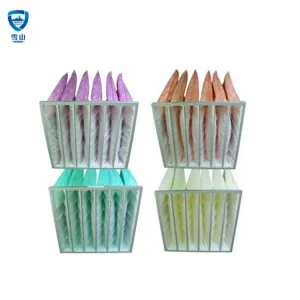
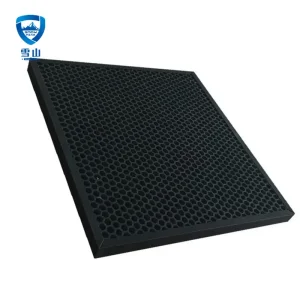
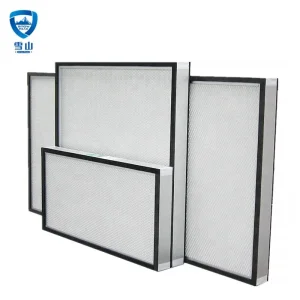
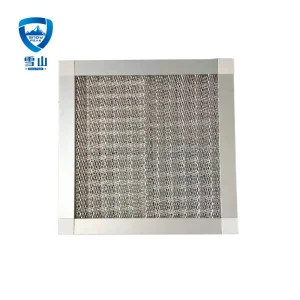
Explore our specialized melt-blown media, OEM air filters, and high-performance carbon configurations for industrial settings.
 Snow Peak