Discover certified filtration solutions engineered to reduce pressure drops while maintaining exceptional sub-micron particulate capture rates.
In modern commercial HVAC, pharmaceutical engineering, and cleanroom design, the demand for high-efficiency air filtration materials has grown exponentially. Among various performance classifications, MERV 16 (Minimum Efficiency Reporting Value 16) represents the pinnacle of ASHRAE 52.2 standards prior to entering HEPA grade classification. MERV 16 filters are rated to capture 95% or more of particles in the 0.3 to 1.0-micron size range, making them critical in protecting environments against sub-micron dust, smoke, droplet nuclei, and microbiological agents.
For international procurement teams, pairing this high mechanical threshold with the CE Certification (Conformité Européenne) is crucial. CE certification signifies that the media conforms with European health, safety, and environmental protection standards (specifically aligning testing criteria under EN 779:2012 / ISO 16890 standards, where MERV 16 aligns closely with an ISO ePM1 > 95% rating). These credentials provide engineers, facility managers, and QA professionals with objective assurance regarding the physical and thermal stability, chemical safety, and particulate holding integrity of the filtration products.
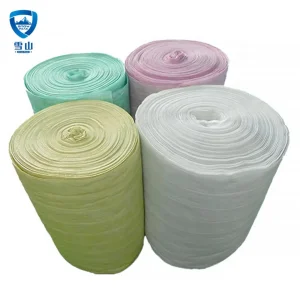
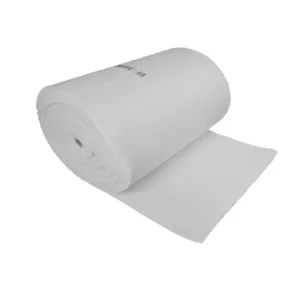
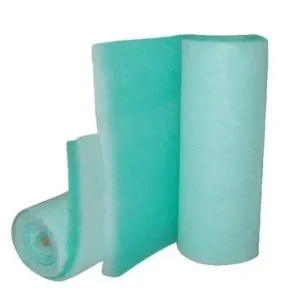
Our technical investigation reveals that the secret behind high-performing MERV 16 media lies in the configuration of the fibers. Manufacturers generally deploy a composite configuration consisting of a protective spunbond layer, a high-efficiency meltblown layer, and a support scrim. In electret-treated materials, the injection of static charge (corona discharge) dramatically increases the attraction forces for ultra-fine particulate matter without increasing physical resistance. This yields an optimal pressure drop-to-efficiency ratio, allowing HVAC systems to work efficiently with reduced energy draw.
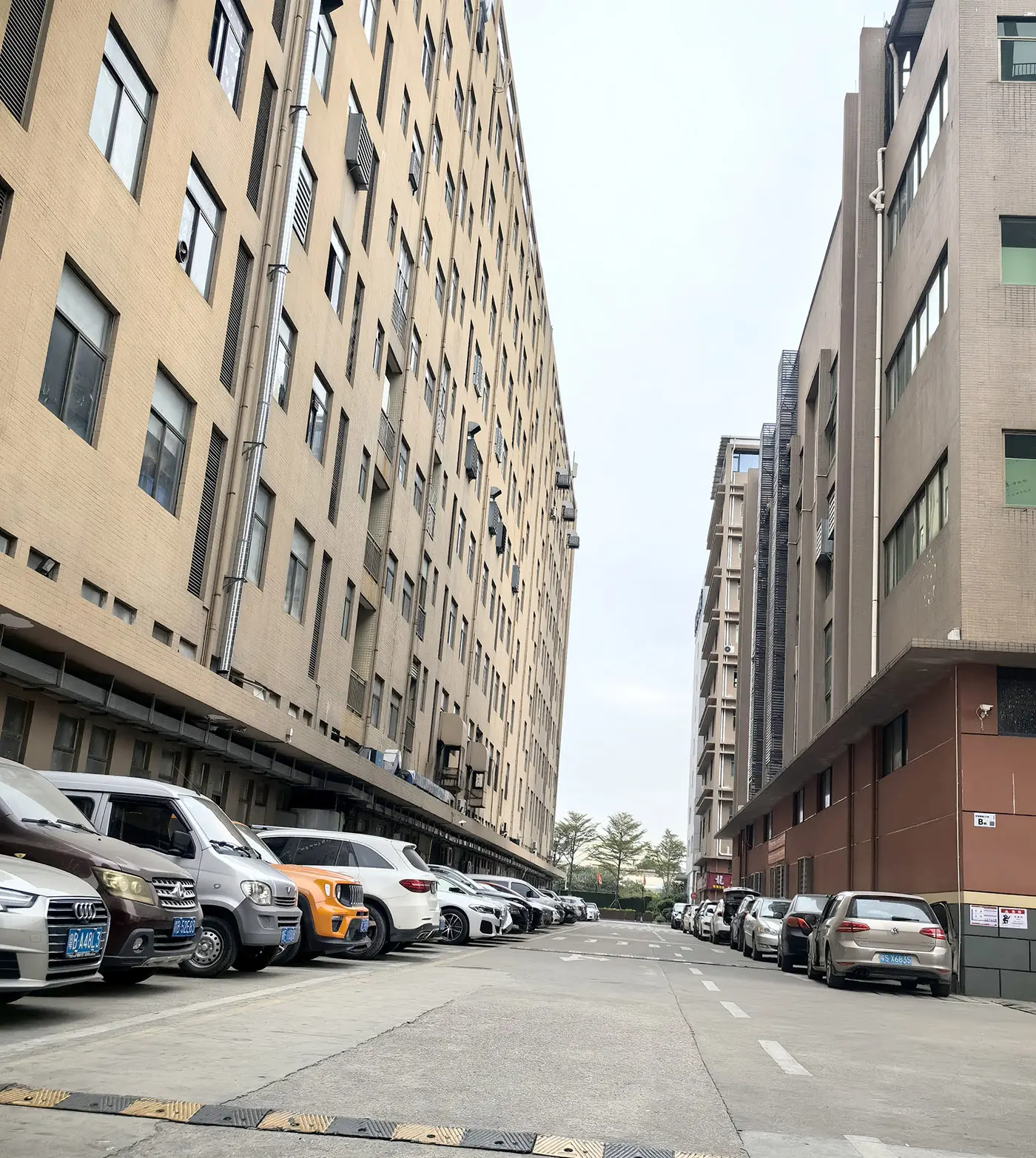
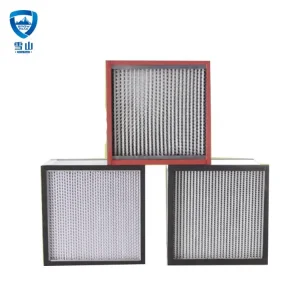
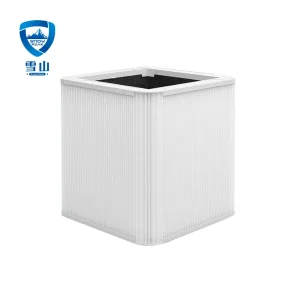
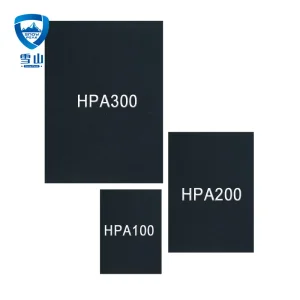
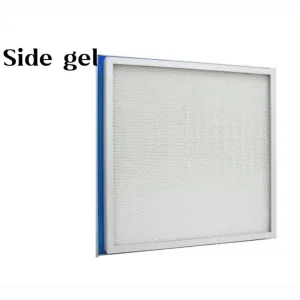
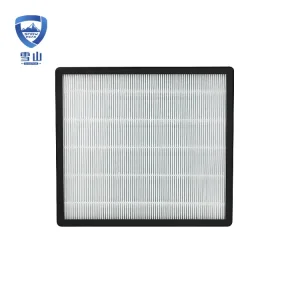
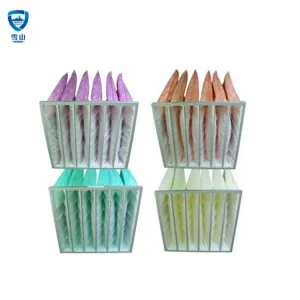
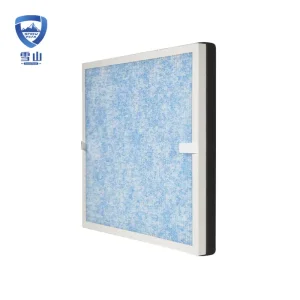
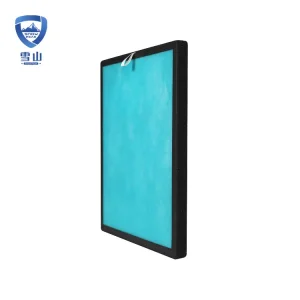
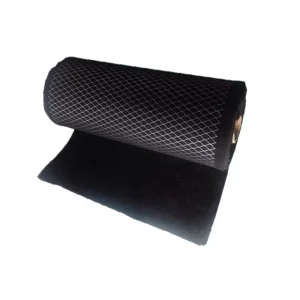
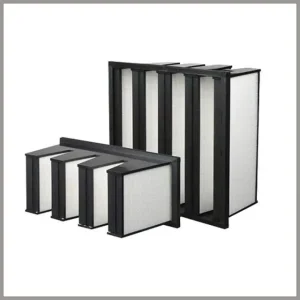
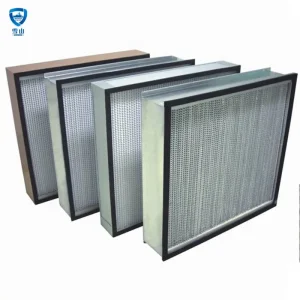
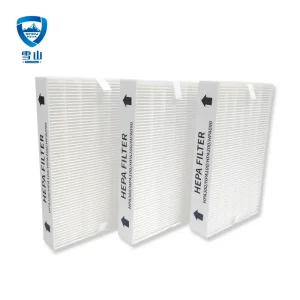
Shenzhen Snow Peak Clean Technology Co., Ltd. is an integrated high-tech enterprise, specialized in air filtration products research and development, production, sales, import and export trade. We produce and supply: Pre-filter, pocket filter, HEPA filter, chemical filter; replacement HEPA filter, car cabin air filter, humidifier filter; pocket filter media, melt-blown composite filter media, and other high-performance filter materials; provide high quality air purification solutions and products for indoor air pollution control and air conditioning systems of civil and industrial buildings, microelectronics, pharmaceutical, laboratory, school, hospital clean room etc.
Combined with self-developed patented technology, our sterilizing antiviral HEPA filter can effectively filtrate fine particles, so that PM2.5 concentration down to 10 micrograms/m3, 5 times better than national standard; effectively inhibit the breeding of microorganisms, sterilization rate up to 99.9%, and no secondary pollution, removal of H1N1 virus efficiency as high as 99.99%.
Having 15 years of international air purification technology experience as the background, our company has standardized production workshop, dust-free filter workshop and first-class technology of HEPA filters production line and inspection line.
We rely on the independent research and development of fully automatic air filter production lines, equipped with AMADA CNC punch and CNC bending machines, as well as many other advanced high-end equipment. This machinery provides a strong guarantee for the consistent output, reliability, and precision of all air filtration and purification products.
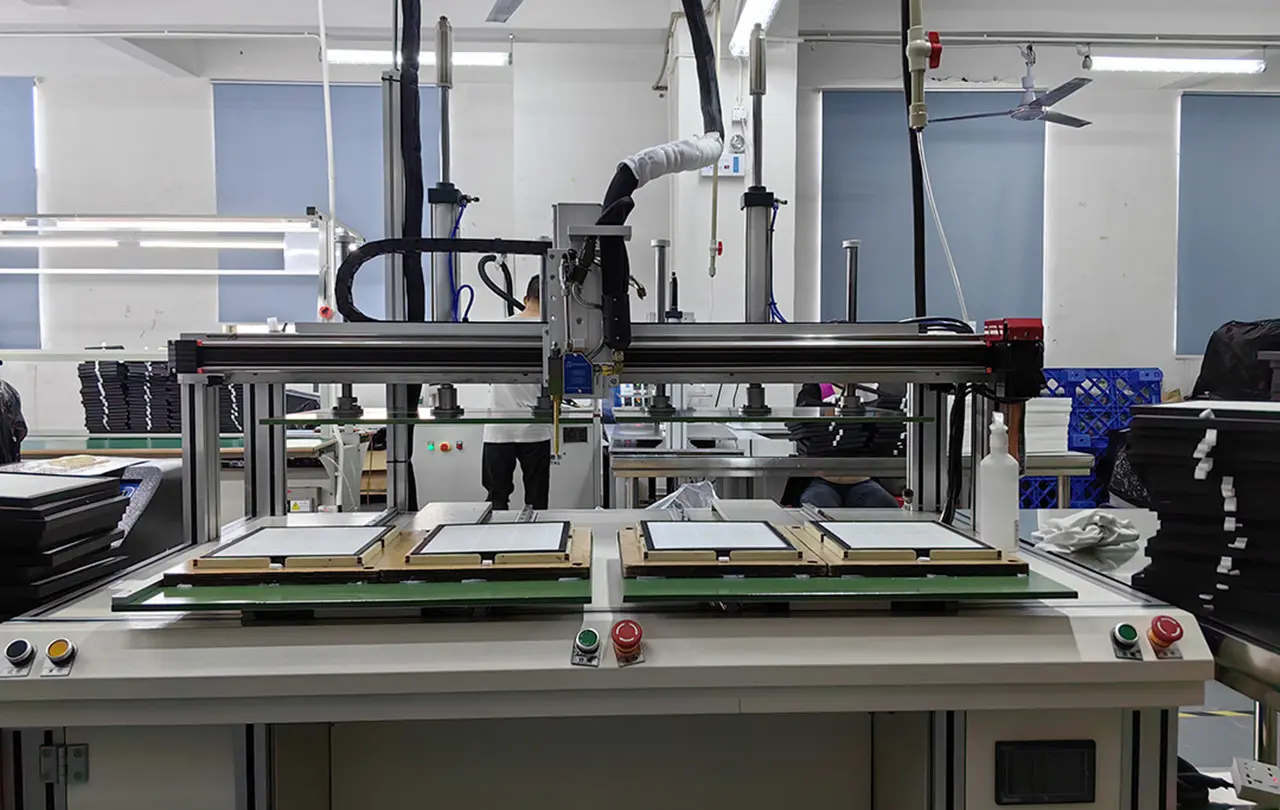
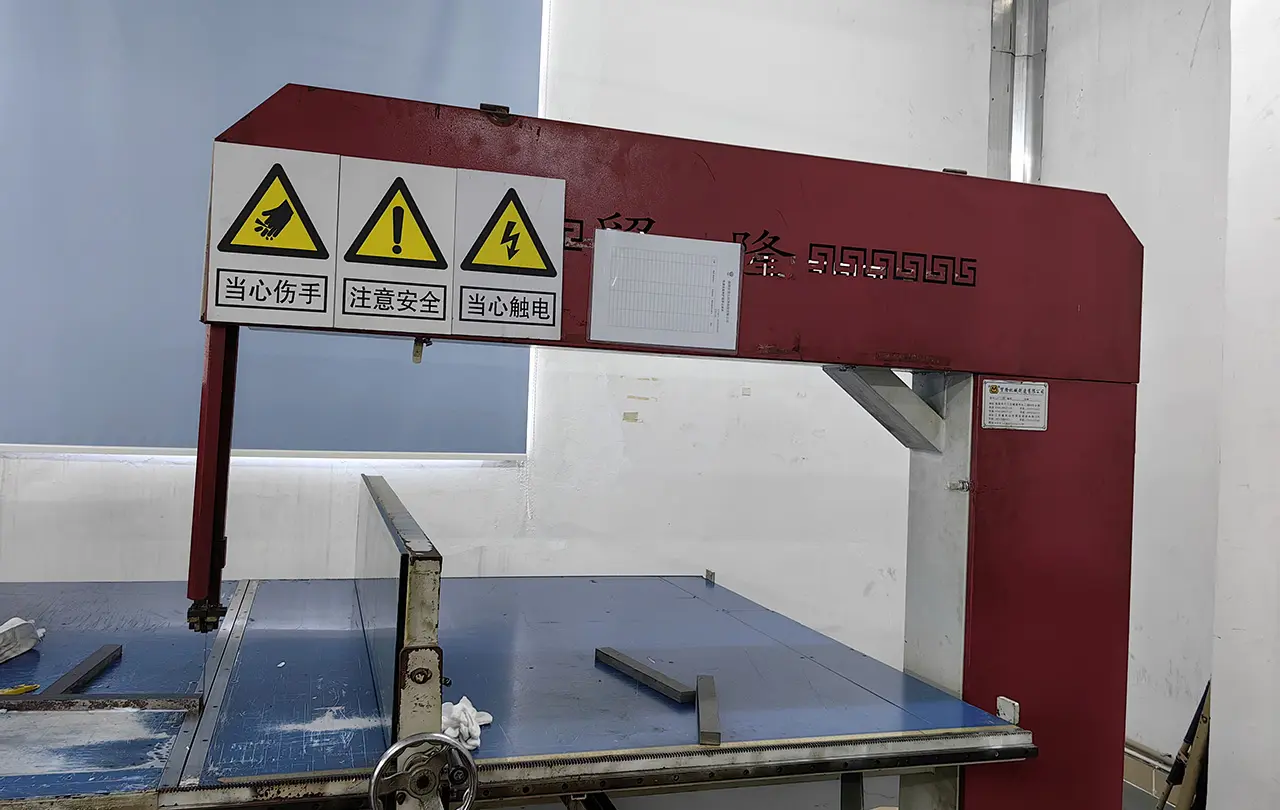
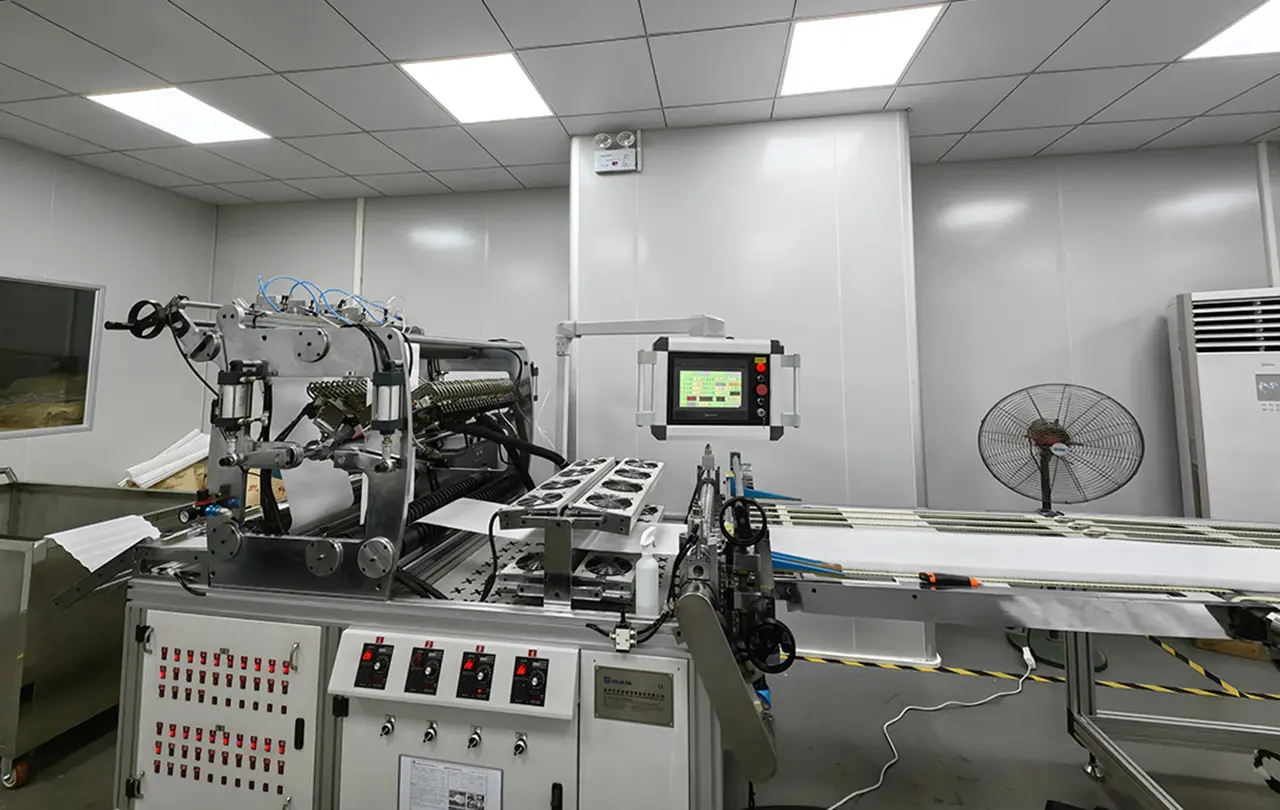
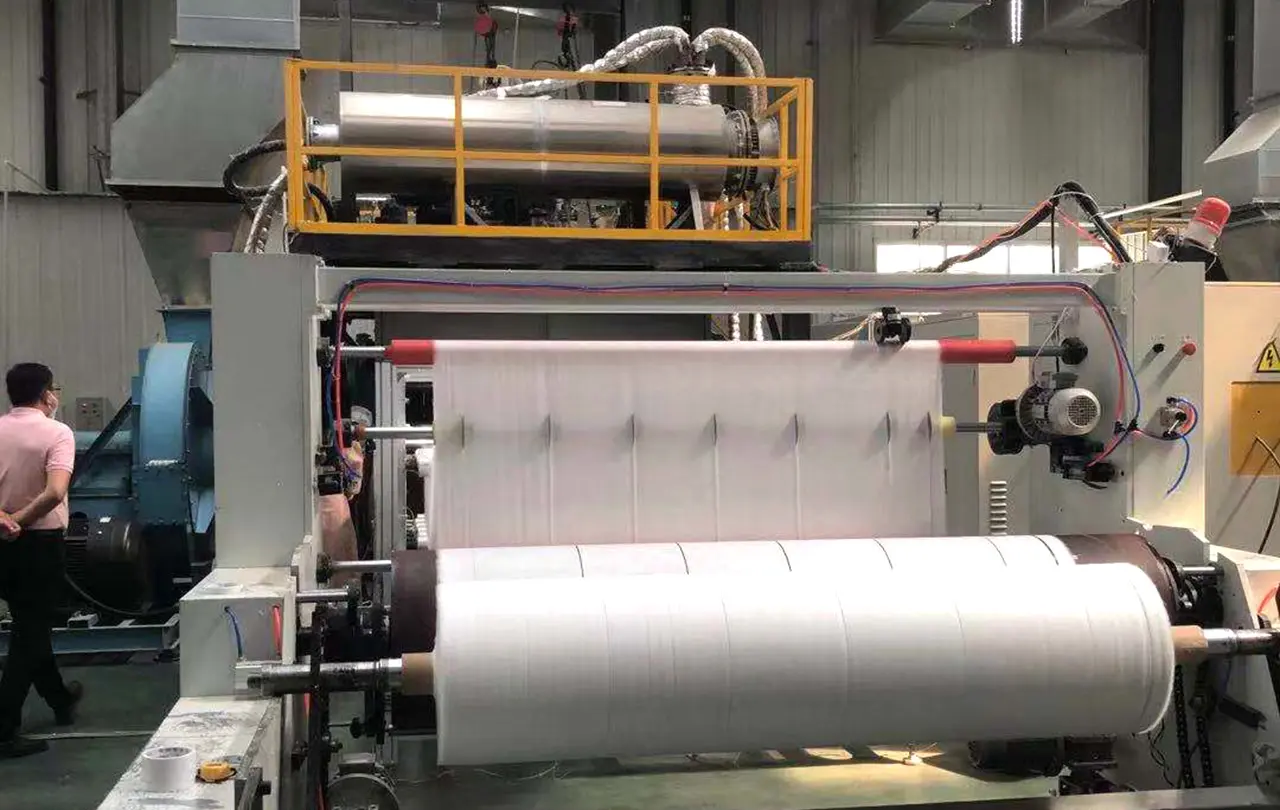
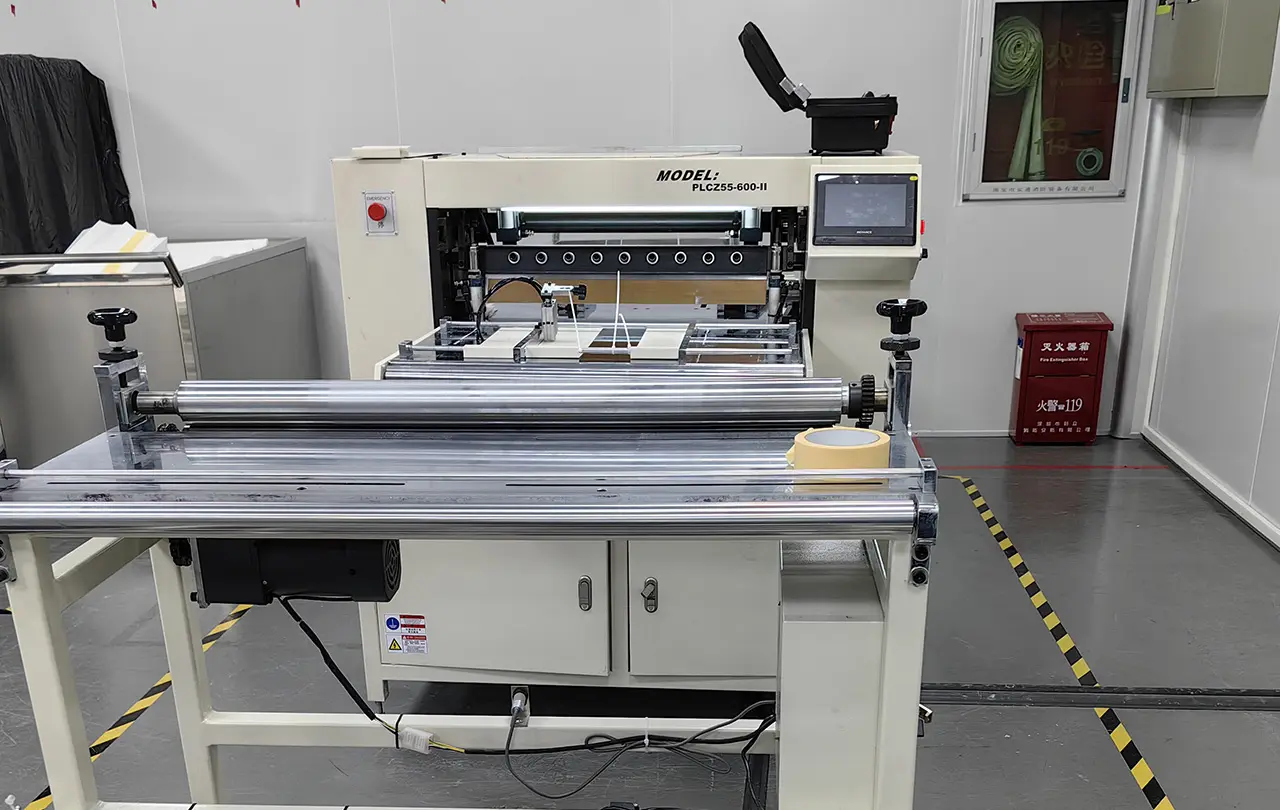
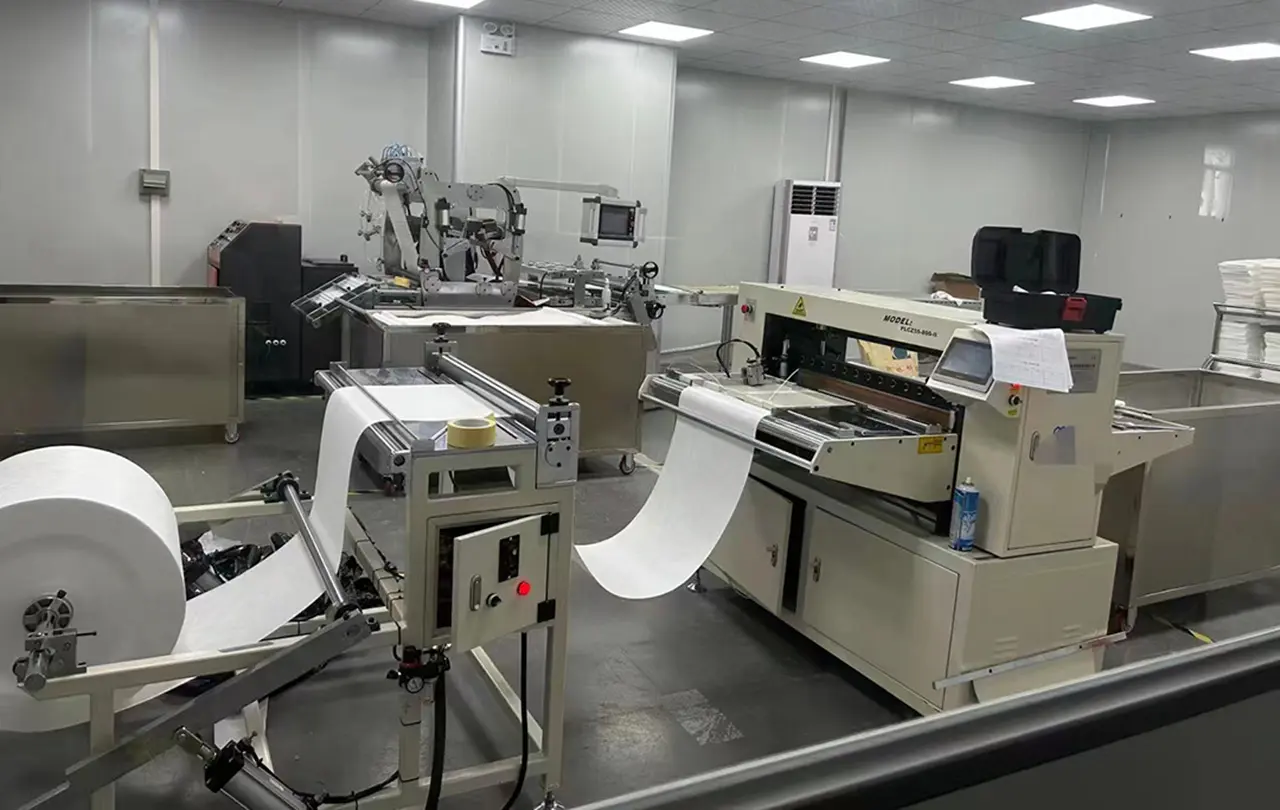
How local production scaling, optimization, and technological synergy create massive values for worldwide buyers.
The environmental technology sector is shifting toward carbon neutrality and high efficiency. For HVAC systems in large commercial facilities, using heavy high-resistance filters is no longer viable. Today's facilities require lightweight, low-resistance MERV 16 materials to minimize system pressure drop. A lower pressure drop directly translates to lower power consumption by ventilation fans, which represents a massive energy saving over a typical building lifespan.
Additionally, the incorporation of antiviral and antibacterial technologies into filtration matrices has moved from a specialty item to a mainstream procurement requirement. High-performance composite filter materials like the ones produced by Shenzhen Snow Peak integrate micro-engineered active agents. These agents suppress biological propagation (bacteria, fungi, viruses like H1N1) directly within the media, preventing the filter from becoming a reservoir for contaminants.
Answers to common engineering and sourcing questions regarding product specification, regulatory conformity, and application design.
Further industrial-grade replacement filters and specialized media configurations supporting global cleanroom specifications.
 Snow Peak