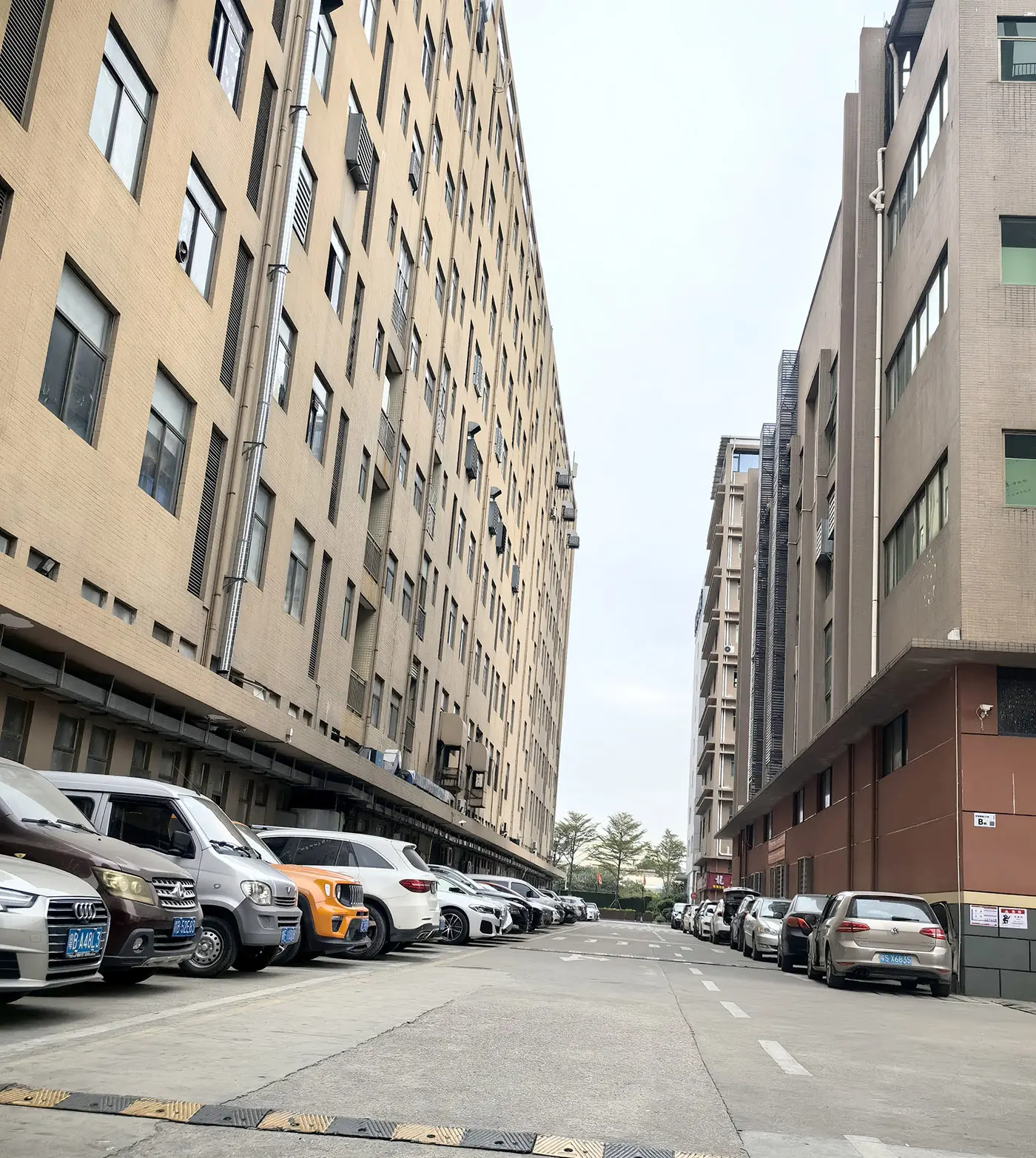
In the contemporary B2B landscape, mechanical ventilation and multi-stage air purification have transitioned from auxiliary building utilities to critical drivers of process control, occupational health, and carbon footprint reduction.
The manufacturing of reliable fresh air purification hardware requires strict compliance with international testing standards. As a premier CE Certification Partu Fresh Air Supplier & Company, Shenzhen Snow Peak Clean Technology Co., Ltd. bridges the gap between state-of-the-art particulate capture dynamics and global legislative compliance. Modern industrial facilities operating in regions governed by the European Union or North American guidelines face stringent regulatory frameworks regarding airborne contaminants, occupational exposure limits, and HVAC efficiency ratings.
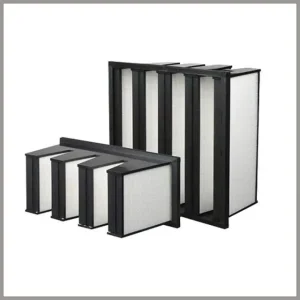
Clean air engineering is no longer simply about capturing dust; it centers around the optimization of aerodynamic resistance, mechanical integrity under continuous thermal load, and microbiological inertness. Whether dealing with high-capacity V-bank configurations or ultra-fine melt-blown composite structures, the core objective remains invariant: delivering maximum particulate capture efficiency with minimal parasitic pressure drop. Achieving this equilibrium is the cornerstone of sustainable mechanical design.
Analyzing key advancements in modern dynamic air filtration and the rise of smart, high-efficiency ventilation modules.
Building operators are pivoting toward sub-micron media structures that offer lower initial resistance curves. Lower resistance translates directly to minimized fan brake-horsepower, dropping annual utility consumption by up to 25% without compromising filtration thresholds.
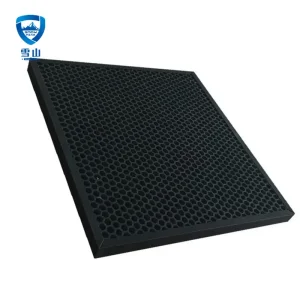
The combination of physical particulate retention with chemical adsorption (gas-phase filtration) is standardizing. Impregnated carbon filters and honeycomb catalysts eliminate volatile organic compounds (VOCs) and gaseous acid compounds simultaneously.
Passive containment is giving way to active pathogen destruction. Using functionalized non-woven structures, antimicrobial coatings, and photocatalytic surfaces, filters now physically destroy H1N1, coronavirus variants, and bacterial spores.
How procurement departments in highly-regulated markets evaluate and secure global air filtration contracts.
B2B buyers representing large scale developers, cleanroom complexes, and industrial paint plants require verifiable regulatory documentation. CE marking acts as a regulatory passport for the European Economic Area (EEA), verifying that products have been evaluated to meet high safety, health, and environmental protection requirements.
Furthermore, supply chain transparency and consistent manufacturing quality remain primary metrics for large-scale operations. Procurement teams look for factories with documented testing lines that adhere strictly to EN 779:2012, ISO 16890, and EN 1822 classification frameworks. A robust supply chain minimizes down-times by maintaining consistent filter-pleat counts, stable synthetic or fiberglass media weight distributions, and predictable gasket seal compression ratios.
Procurement contracts require detailed certification documentation verifying CE, RoHS, and ISO parameters to pass local environmental audits.
Smart procurement managers evaluate the long-term energy loss against initial filter media price points, prioritizing dust holding capacity.
Manufacturers must provide scalable OEM options for varying structural form factors, from compact residential units to large commercial AHU plenums.
Having 15 years of international air purification technology experience as the background, our company has standardized production workshop, dust-free filter workshop and first-class technology of HEPA filters production line and inspection line, independent research and development of fully automatic air filter production line, equipped with AMADA CNC punch and CNC bending machine as well as many other advanced high-end equipment, provide a strong guarantee for production and quality of air filtration and purification products.
Integrating precision metal fabrication, high-speed robotics, and rigorous quality inspection protocols.
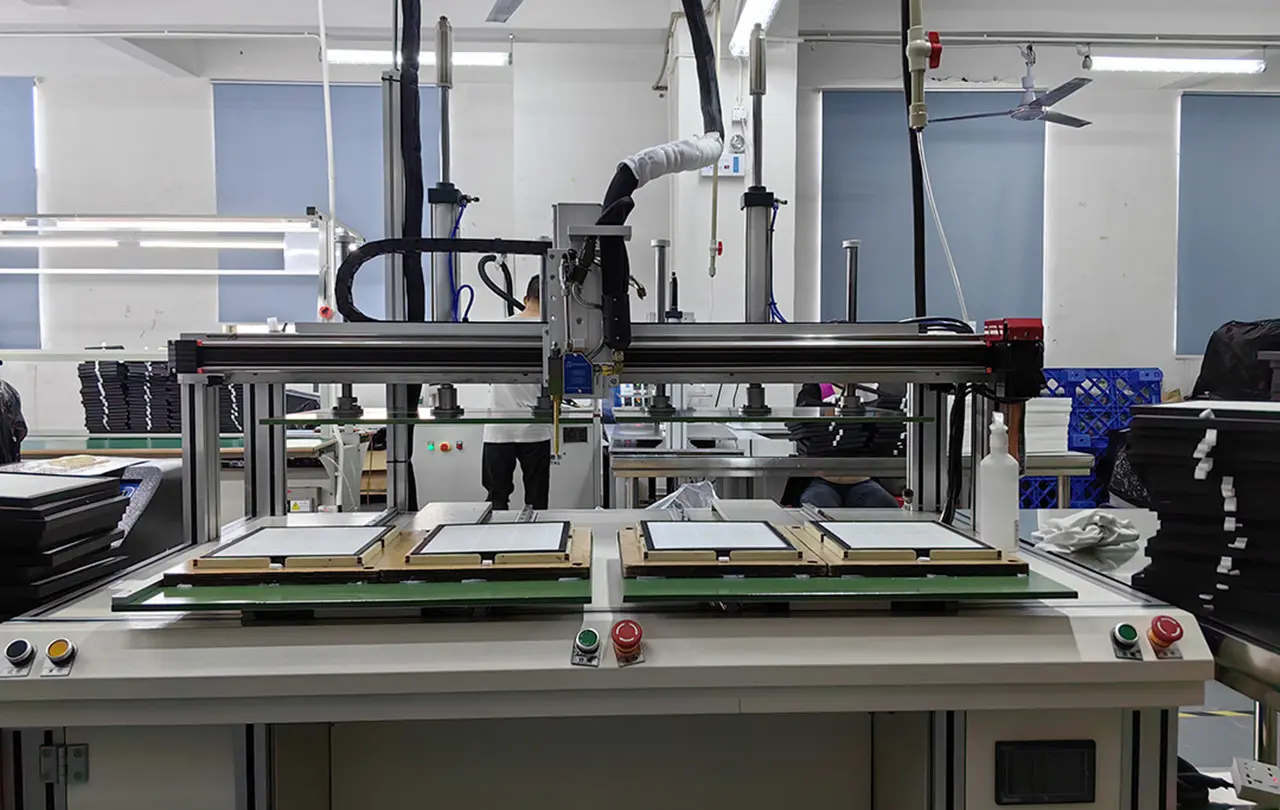
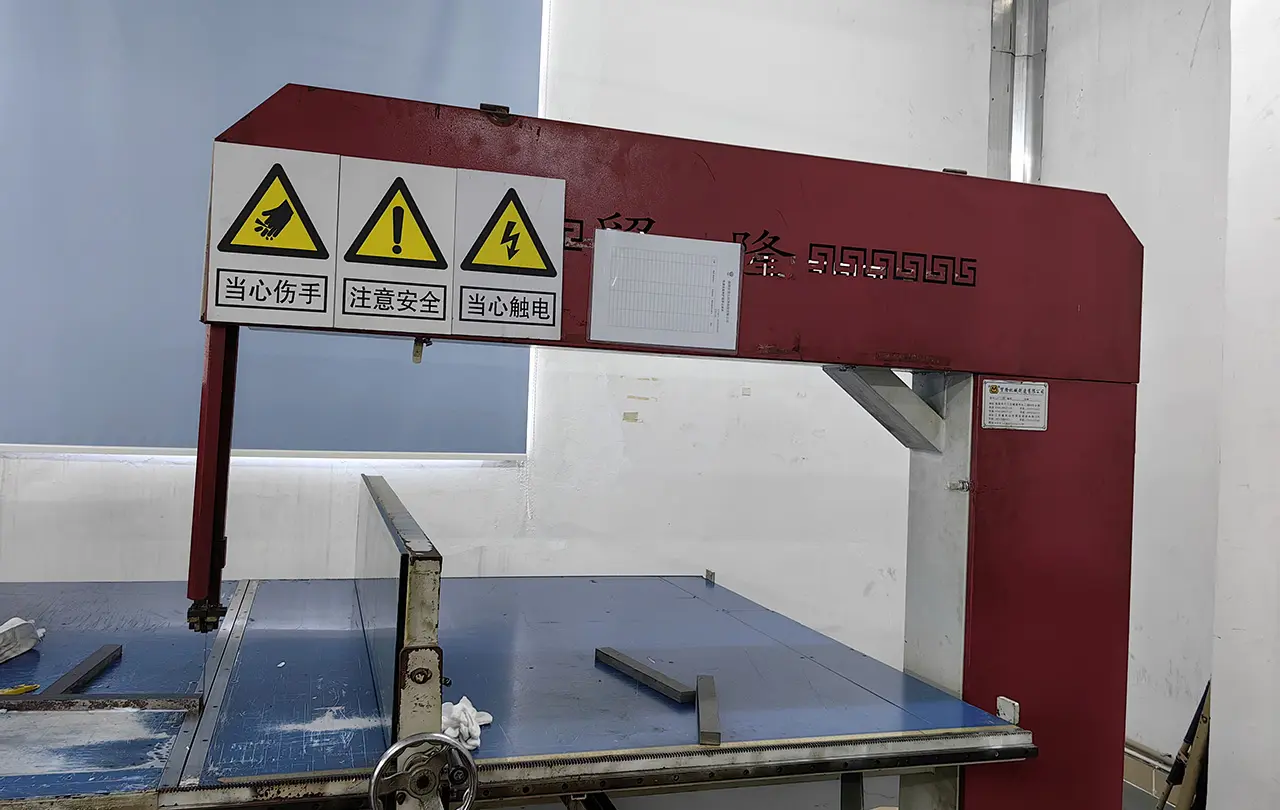
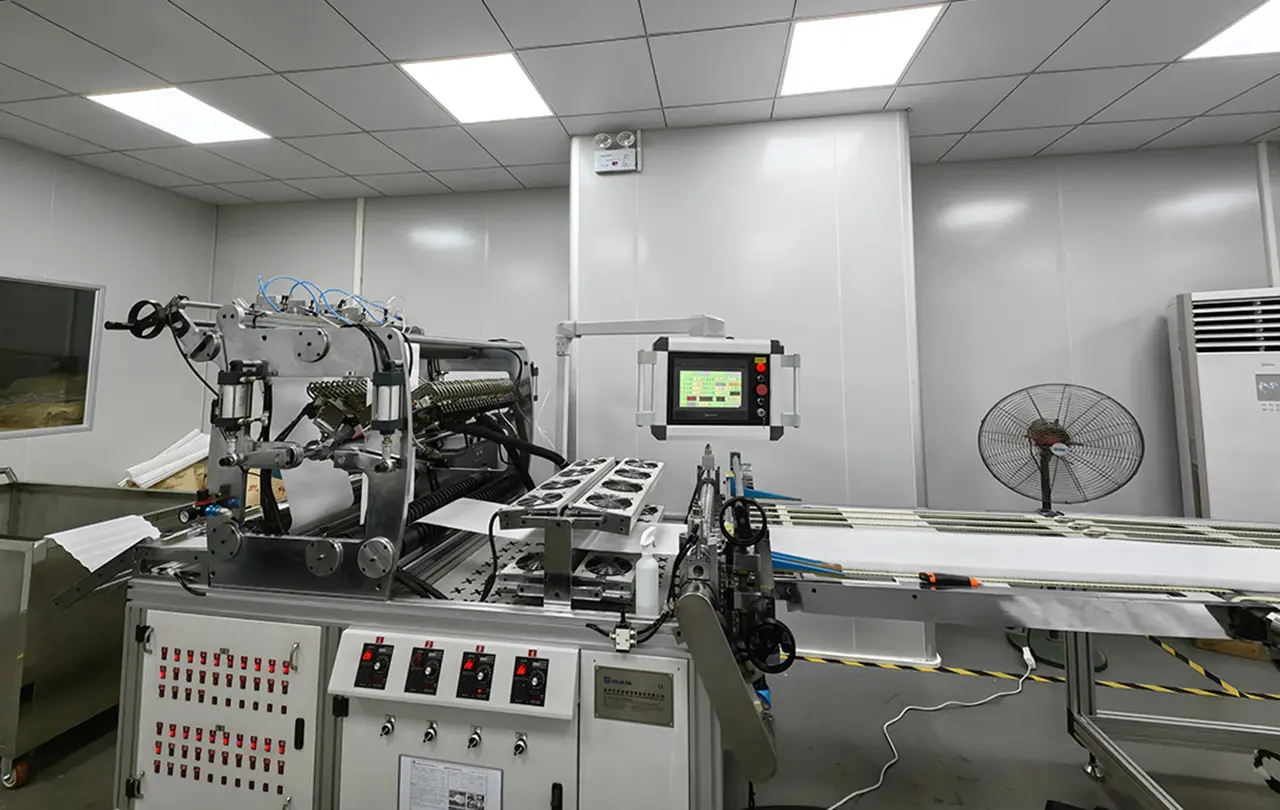
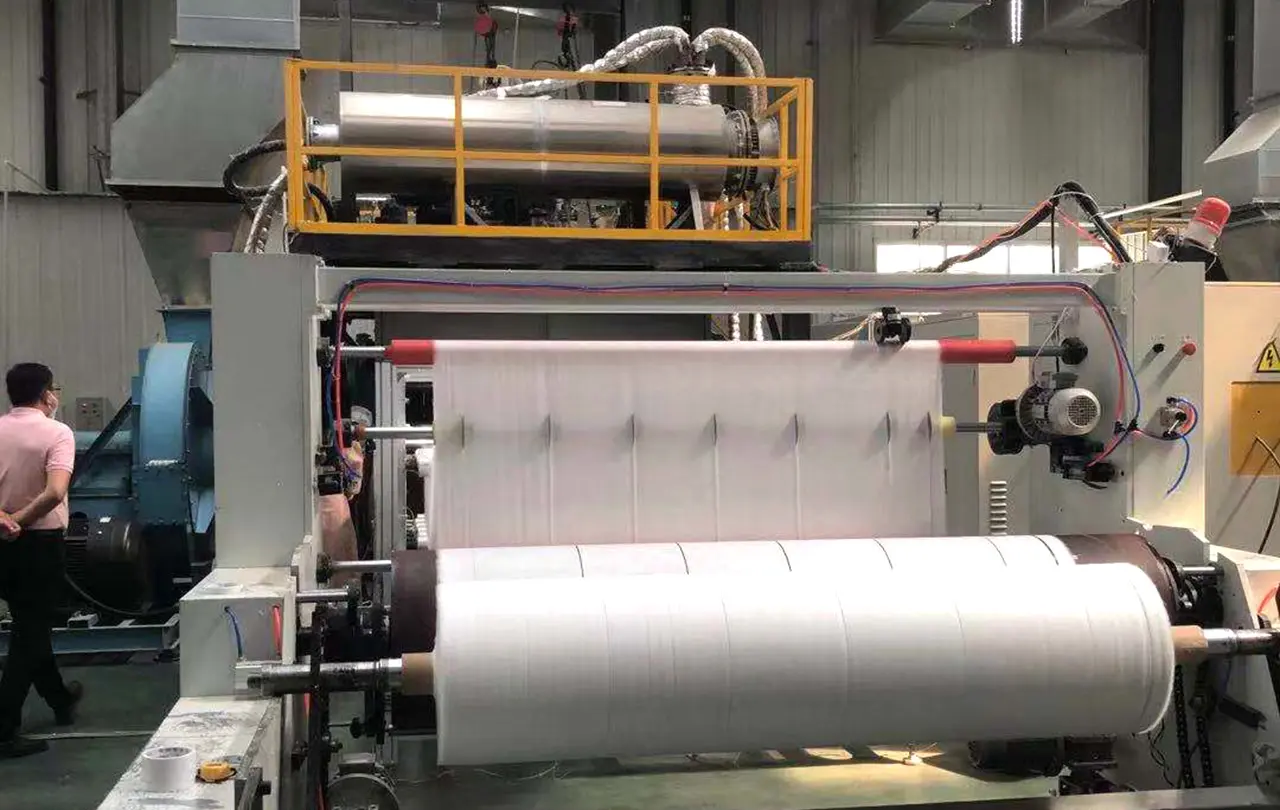
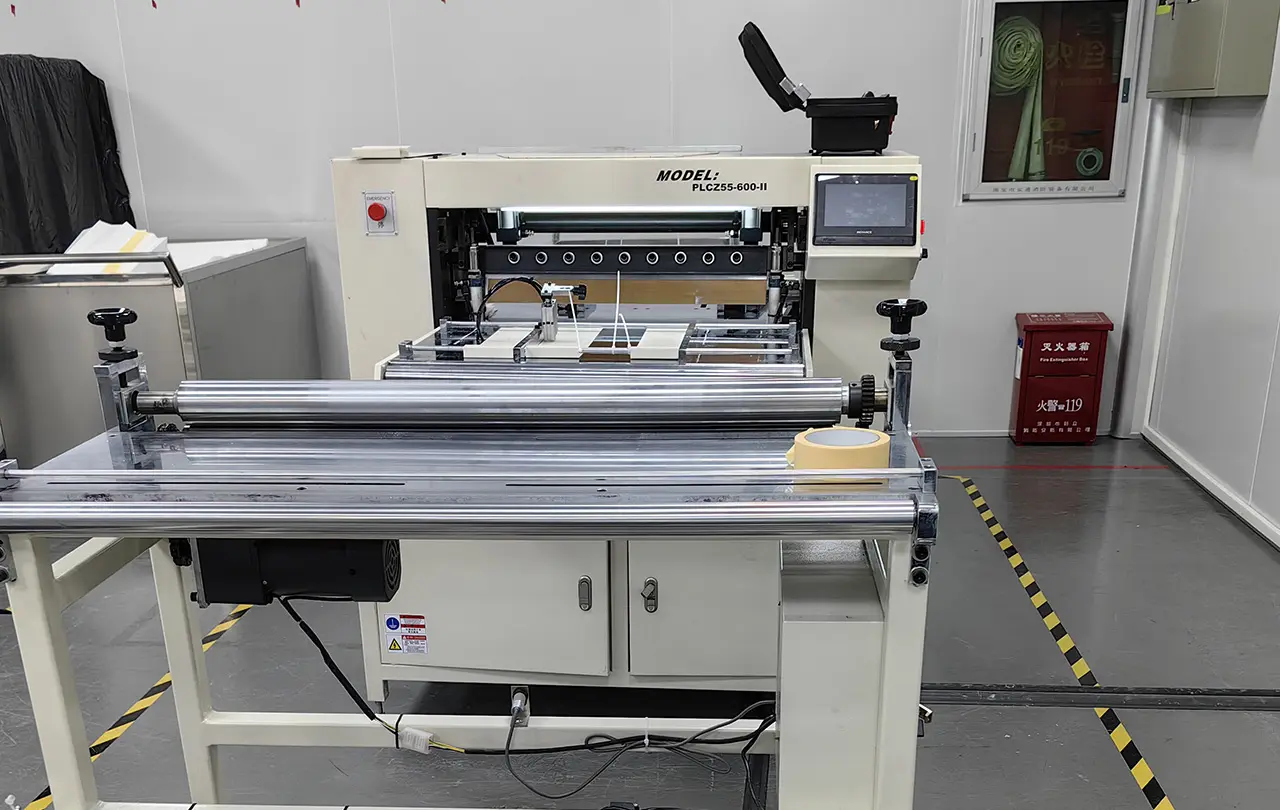
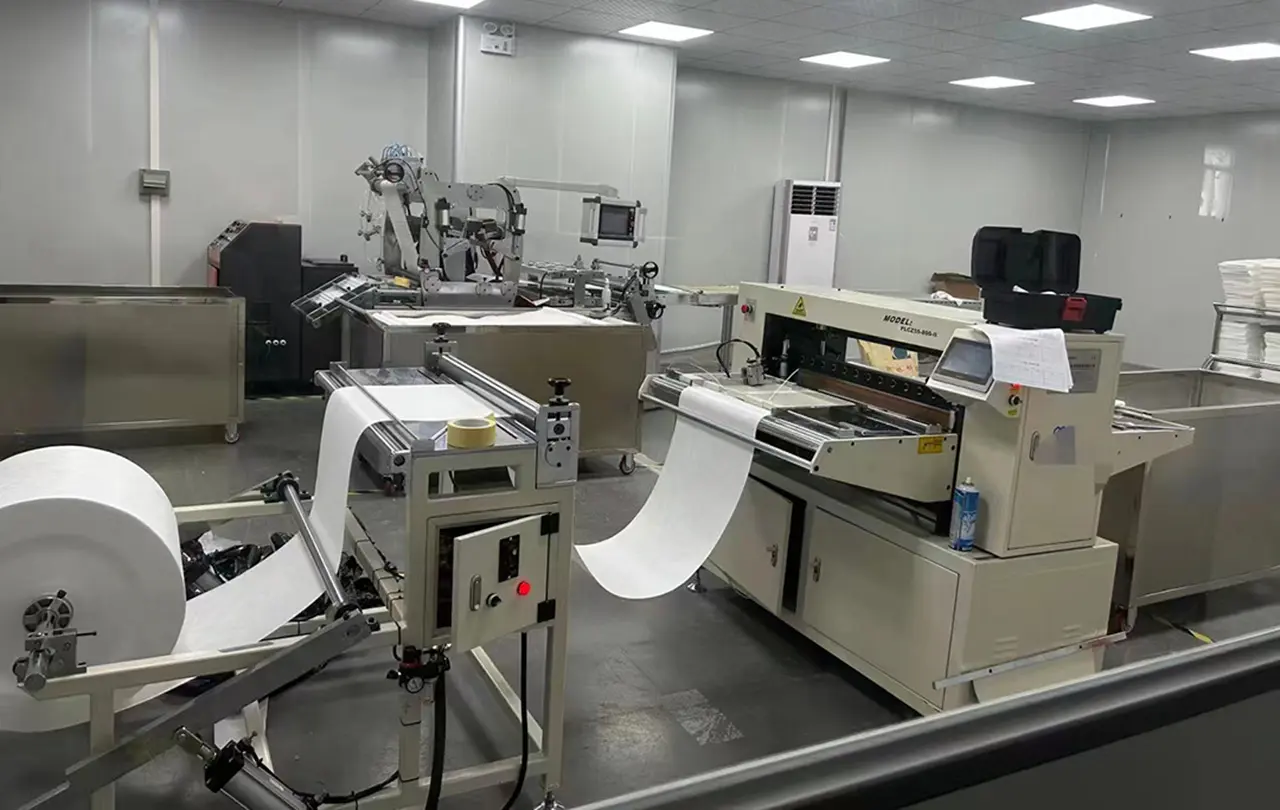
By leveraging automated gluing, computerized pleating machinery, and CNC bending tools, Shenzhen Snow Peak Clean Technology guarantees strict dimensional accuracy and robust construction. Automated hot-melt polyurethane application minimizes fluid-bypass risks. Our high-efficiency pleating machines ensure stable air passage spacing, maintaining structural integrity under heavy air-pressure fluctuations.
This localized manufacturing excellence allows us to maintain stable lead times even during unexpected supply chain disruptions. With an in-house metal fabrication line utilizing AMADA CNC technology, we produce filter frames in galvanized steel, anodized aluminum, and stainless steel, catering to specialized industrial applications globally.
How different industries integrate Partu Fresh Air and Snow Peak clean tech components to meet microclimatic requirements.
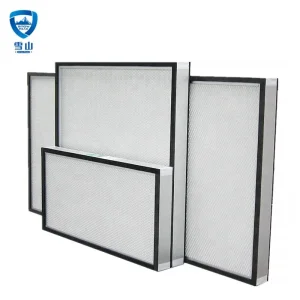
Silicon wafer fabrication requires strict ambient particle counts (ISO Class 4 or 5 cleanrooms). In these locations, ULPA and HEPA filters with aluminum foil separators are utilized to eliminate microscopic dust particles that could damage sub-micron microcircuits.
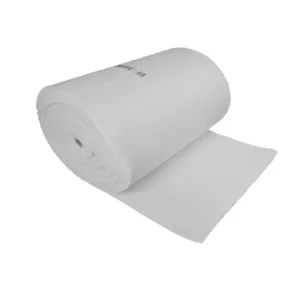
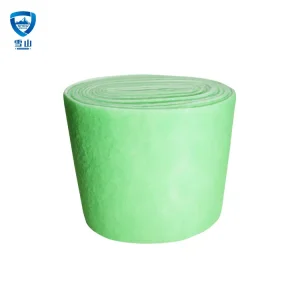
Consistent, laminar airflow is essential for applying premium automotive finishes. Custom ceiling filter cotton and G4/M5 pre-filters ensure that paint mist and external contaminants are filtered, preventing surface defects and maximizing yields.
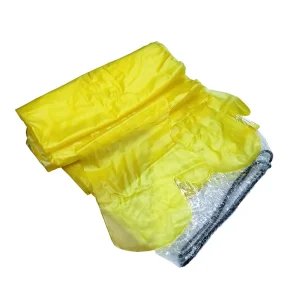
In laboratories handling viral pathogens and biological materials, containment is vital. Bag-In-Bag-Out (BIBO) filter housings equipped with heavy-duty PVC change bags isolate filters during replacement, protecting maintenance personnel from bio-hazards.
In-depth insights into air filtration performance, replacement intervals, and regulatory compliance.

 Snow Peak