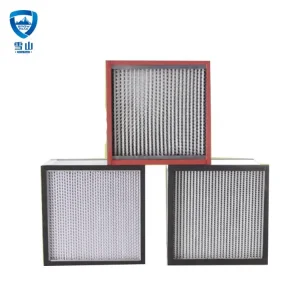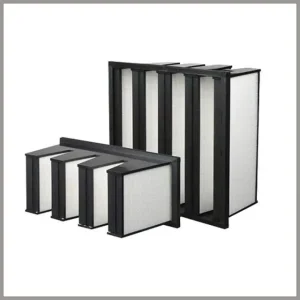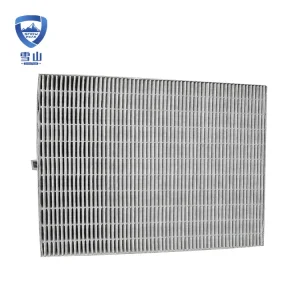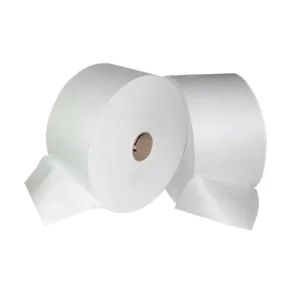
Within large-scale ventilation (HVAC) designs, mechanical air filtration systems operate as critical defenses protecting human health, industrial products, and capital equipment. Among the various filter classifications, Pocket Bag Filters stand out as the primary workhorse. Thanks to their multi-pocket structural design, these filters deliver an exceptionally large filtration surface area within a compact physical footprint. By maximizing this active surface area, they maintain a low differential pressure while significantly expanding their dust-holding capacity (DHC). This makes them indispensable as highly efficient pre-filters or secondary filtration stages, shielding expensive downstream HEPA systems from premature clogging.
Choosing CE-certified pocket bag filters ensures compliance with stringent safety regulations. It guarantees that the media resists degradation, operates reliably under dynamic static pressures, and meets flame-retardant parameters. This combination of structural strength and reliable performance is essential for commercial developers and facility engineering managers targeting long-term system efficiency.
How advancements in raw materials science, aerodynamic modeling, and regulatory revisions are shaping the modern landscape of high-capacity air filtration.
Transitioning from EN779 to ISO 16890 marks a shift to measuring performance based on real-world particulate size categories: ePM1 (sub-micron virus/combustion soot), ePM2.5, and ePM10. Modern pocket bag filters must be engineered to target these specific fractions with precision.
Aerodynamically optimized, self-supporting pockets prevent pocket collapse and minimize air turbulence. This drop in resistance translates directly into significant energy savings, reducing the overall carbon footprint of HVAC operations.
By combining layers of melt-blown polymers and spunbond backings, modern pocket filters achieve excellent mechanical durability. Integrating antimicrobial additives helps prevent microbiological growth within the pockets, preventing secondary emissions.
This evolution highlights a broader trend: modern air filtration is moving beyond simple particle capture. Today, filters are expected to serve as active, low-resistance purification barriers that support energy conservation. In large commercial complexes, healthcare facilities, and manufacturing cleanrooms, selecting the right pocket filter has a direct impact on operational costs, HVAC lifespan, and indoor air quality.
Shenzhen Snow Peak Clean Technology Co., Ltd. is an integrated high-tech enterprise specializing in the research, development, production, sales, and global trade of premium air filtration products. With 15 years of international air purification technology experience, we supply critical components across the entire filtration spectrum—from primary pre-filters to high-efficiency pocket filters, chemical filters, and HEPA systems.
Our advanced, patented technologies include an antiviral and sterilizing HEPA filtration system. This system controls fine particulate matter to bring PM2.5 concentrations below 10 micrograms per cubic meter—performing five times better than current national standards. It achieves a 99.9% sterilization rate against microbes without generating secondary pollution, and filters out H1N1 viruses with an efficiency rate of 99.99%.
By applying these rigorous high-efficiency standards to our pocket bag filters, we ensure that every pocket is engineered for low initial resistance, high dust holding capacity, and long-term mechanical reliability.
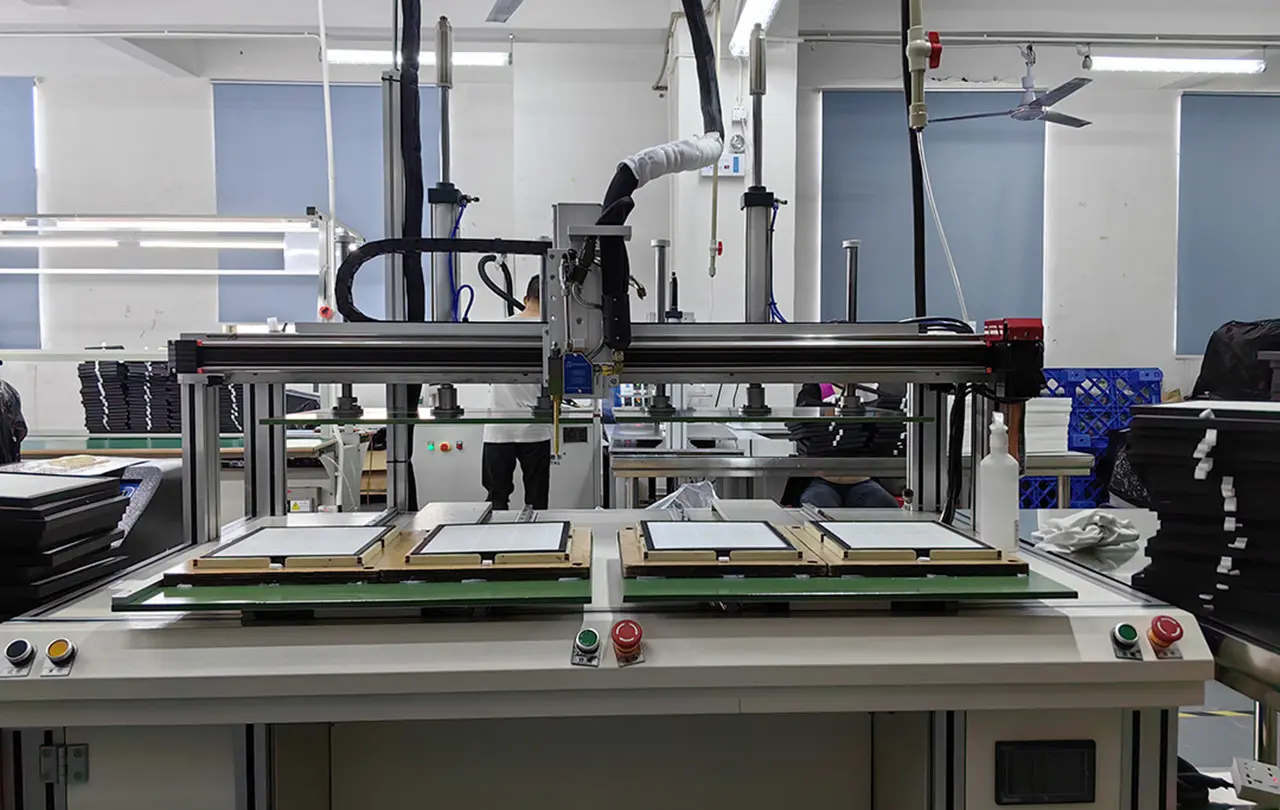
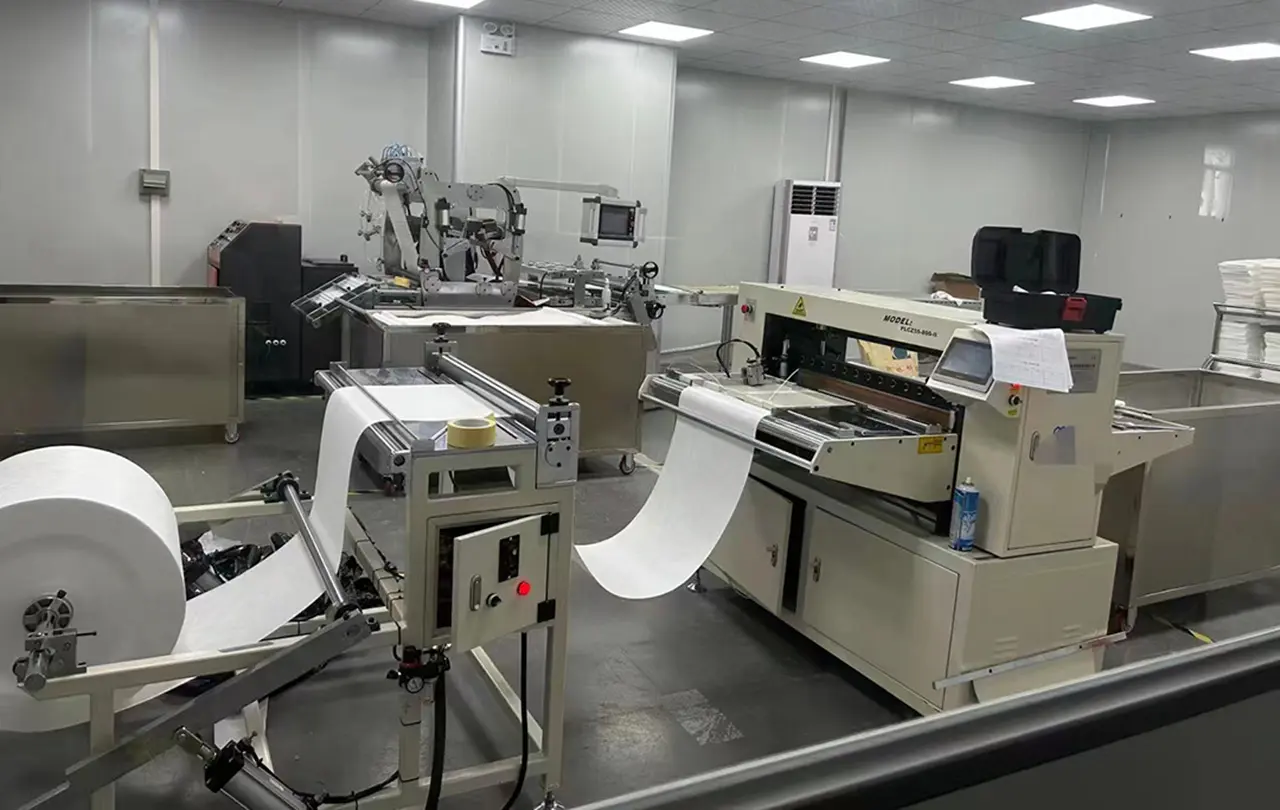
Operating at scale requires combining advanced automation with a reliable, structured supply chain. Our manufacturing facilities utilize automated lines alongside precision metalworking machinery to maintain consistent product quality.
Our production facilities feature specialized clean assembly lines, dust-free filter workshops, and dedicated HEPA testing setups. By integrating advanced production equipment, including AMADA CNC punch presses and CNC bending machines, we ensure precise structural dimensions for every outer frame and support cage. This precision prevents leakage paths and ensures easy, reliable installation in standard and custom air handling units (AHUs).
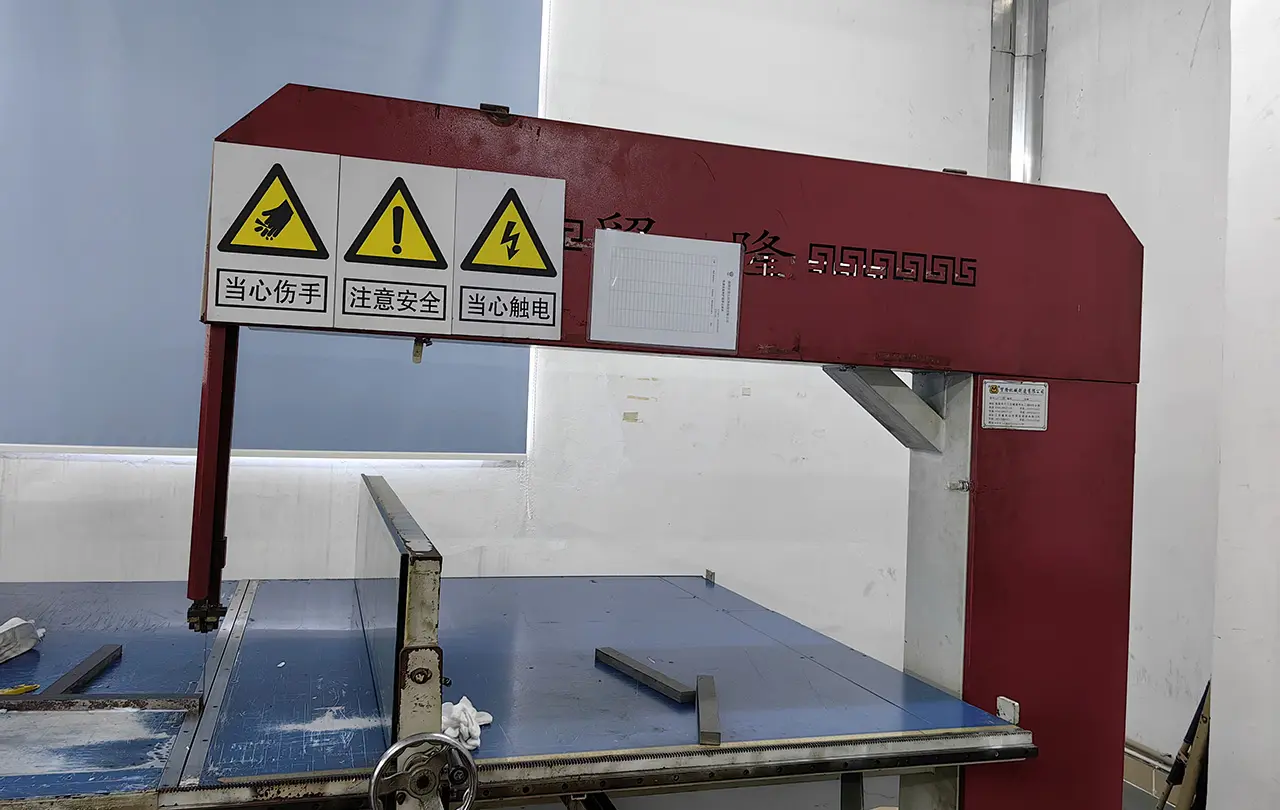
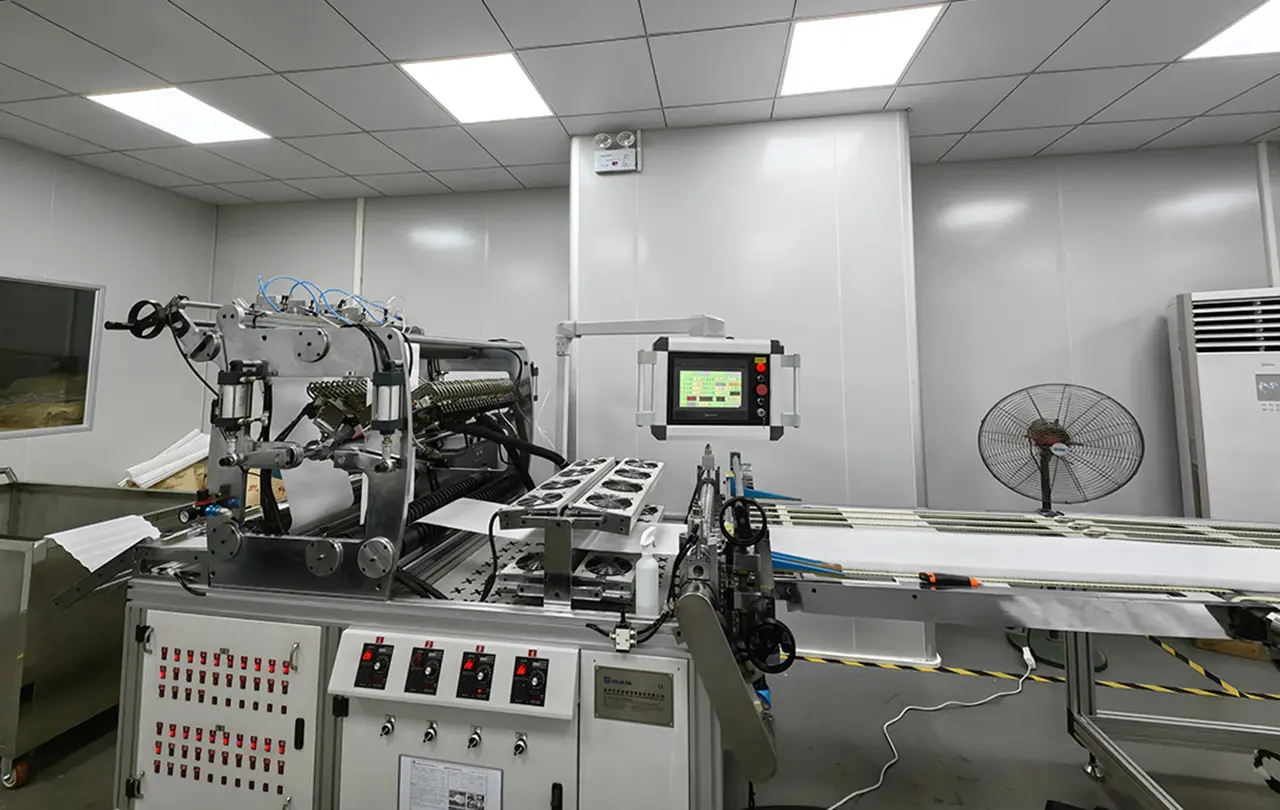
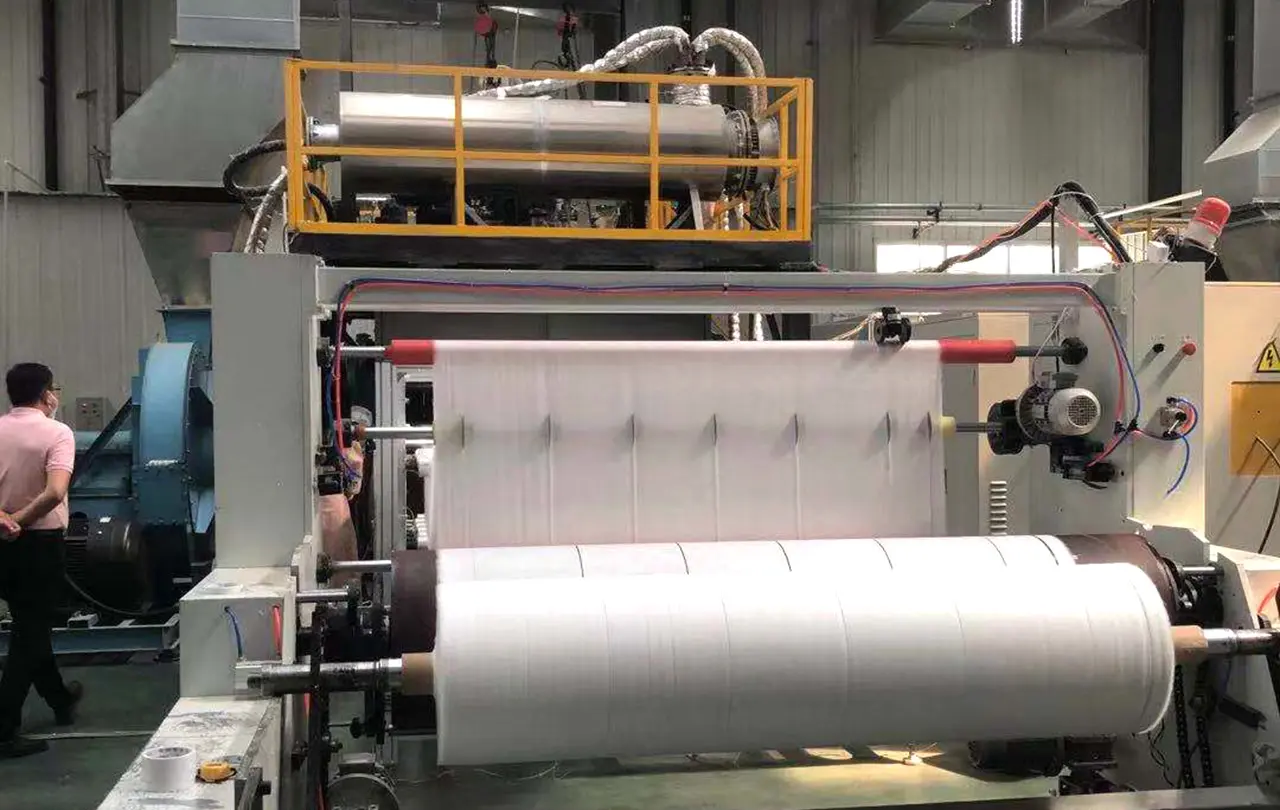
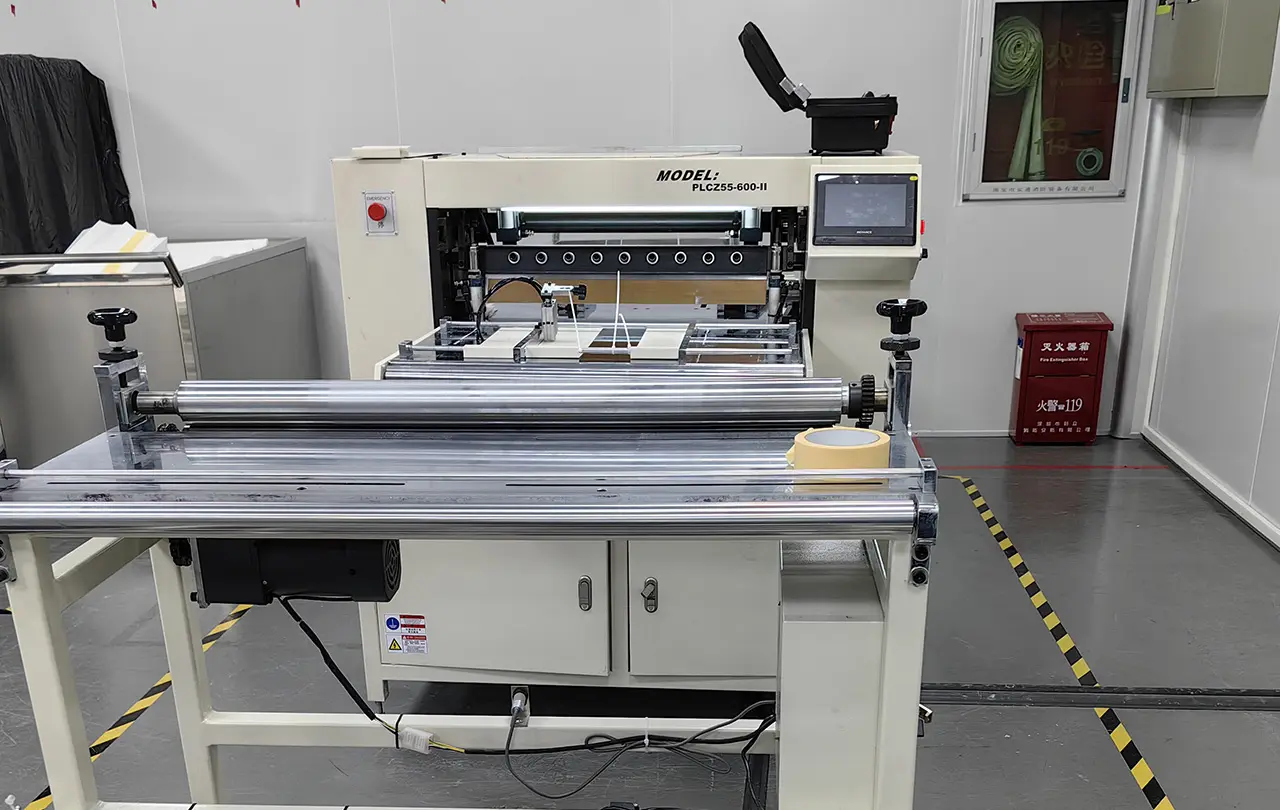
Air filtration requirements vary significantly by sector. Pocket bag filters are configured differently to match the specific operating pressures, moisture levels, and air volumes of each industry.
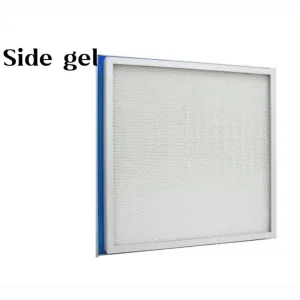
Semiconductor cleanrooms require extremely clean intake air to protect delicate processes. Pocket filters serve as high-capacity pre-filters, removing the bulk of ambient dust particles to extend the lifespan of expensive terminal gel-seal HEPA systems.
Maintaining hygiene is critical in biotechnology facilities. Pocket bag filters constructed with synthetic, moisture-resistant media prevent fiber shedding and microbial growth, supporting compliance with strict GMP and aseptic processing guidelines.
In industrial spray booths and automotive paint lines, air systems must manage heavy particulate loads. Multi-pocket designs combined with fiberglass or synthetic media help capture overspray, maintaining uniform airflow and protecting final finishes.
Addressing common engineering and procurement questions regarding the implementation, performance, and maintenance of pocket bag filters.
The older EN 779 standard classified filters (such as G4, M5, F7) based on a single average particle size of 0.4 microns, which does not accurately reflect real-world dust concentrations. In contrast, ISO 16890 measures filtration efficiency across three distinct particle size groups: ePM1 (0.3 to 1.0 µm), ePM2.5 (0.3 to 2.5 µm), and ePM10 (0.3 to 10 µm). This classification allows engineering teams to select filters that precisely match the ambient dust profile of their location, leading to better-optimized HVAC system designs.
An air filter's overall cost is heavily influenced by energy consumption. A filter with low initial resistance reduces the load on the fan motor, lowering energy usage. Selecting pocket bag filters with aerodynamically optimized designs and larger active surface areas helps keep resistance low even as dust accumulates. This approach extends filter service life and reduces both maintenance frequency and energy costs.
CE Certification shows that a product meets EU health, safety, and environmental standards. For global procurement teams, CE compliance serves as an indicator of consistent manufacturing quality. It confirms that the filter media, construction, and flame-retardant properties satisfy international safety requirements, helping to streamline installation approvals.
High-airflow HVAC systems generate significant static pressures that can flex or warp poorly built filter frames, causing bypass leaks. Using sturdy frames—such as galvanized steel, aluminum, or rigid plastic—helps ensure the filter maintains its seal under load. This structural stability prevents unfiltered air from bypassing the system, safeguarding downstream components.
 Snow Peak