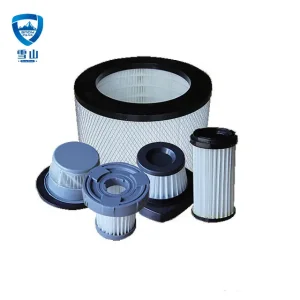
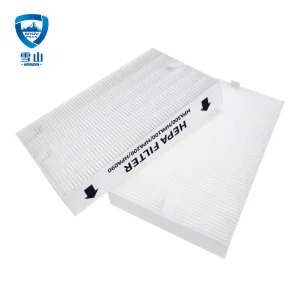
High-performance filter media, custom replacement parts, and containment solutions certified for commercial, industrial, and biological applications.
An in-depth look at regulatory frameworks, filtration physics, and industrial verification procedures.
CE Certification represents a manufacturer's declaration that their filters meet all mandatory European Union safety, health, and environmental protection requirements. For HVAC and cleanroom systems, this covers compliance with EN 779 (for coarse and medium filters), EN 1822 (for HEPA and ULPA filters), and the newer ISO 16890 test standards.
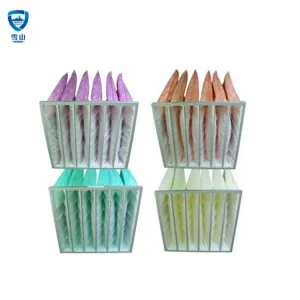
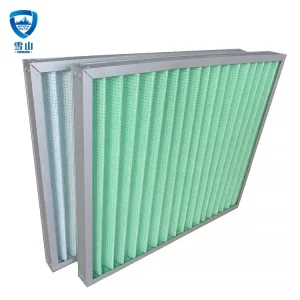
Utilizing pre-filters (G2 to F9 classes) effectively preserves the structural and operational life of expensive downstream H13, H14, or U15 HEPA filters. By capturing larger particulates (>1.0 micron) at the initial boundary stage, pressure drop across the entire system remains lower, resulting in major energy savings.
Selecting certified filters directly cuts operating expenditures (OPEX). Poorly manufactured filters lack stable structural integrity, leading to premature pleat collapse, increased bypass leakage, and elevated system impedance that spikes fan electricity consumption globally.
How we ensure tight tolerances and zero-leak performance via automated assembly lines and cleanroom packaging.
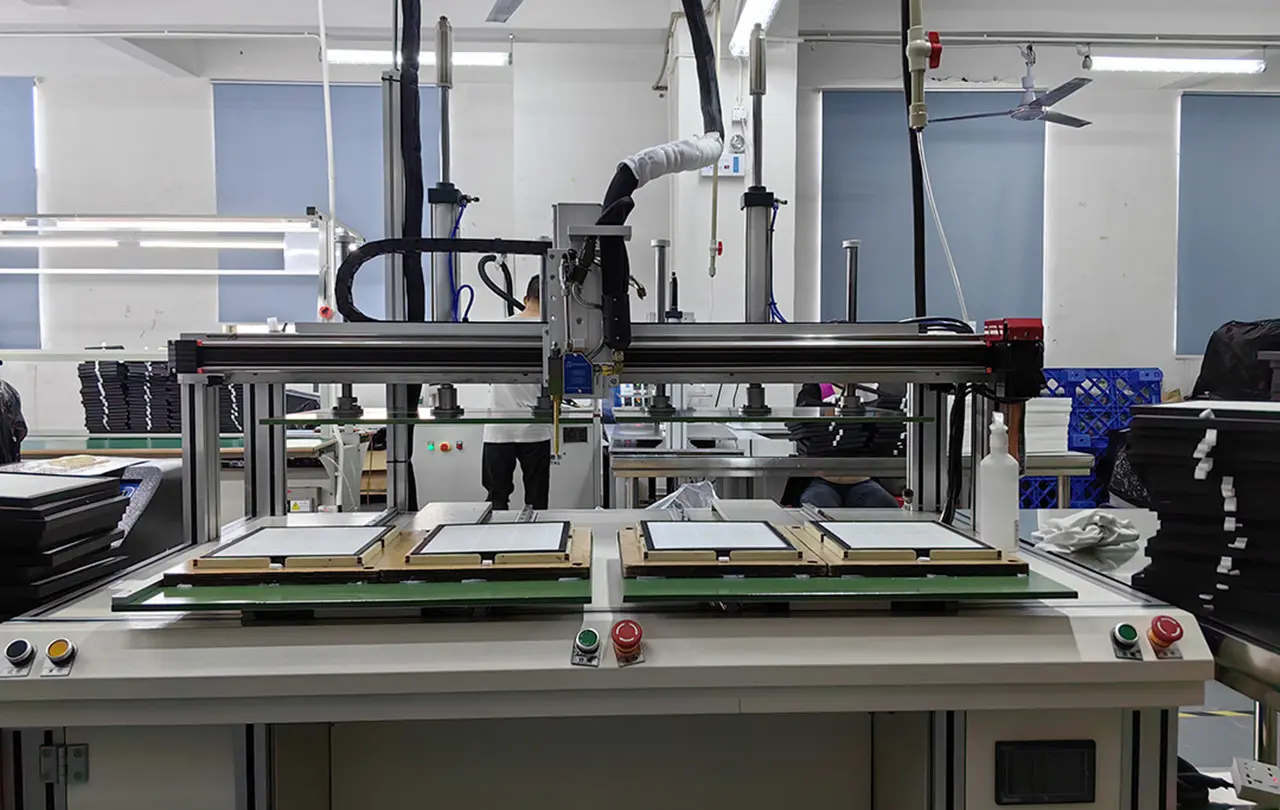
Ensures consistent adhesive dispensing for leak-free frame bonding and gasket application in custom cylindrical and panel HEPA configurations.
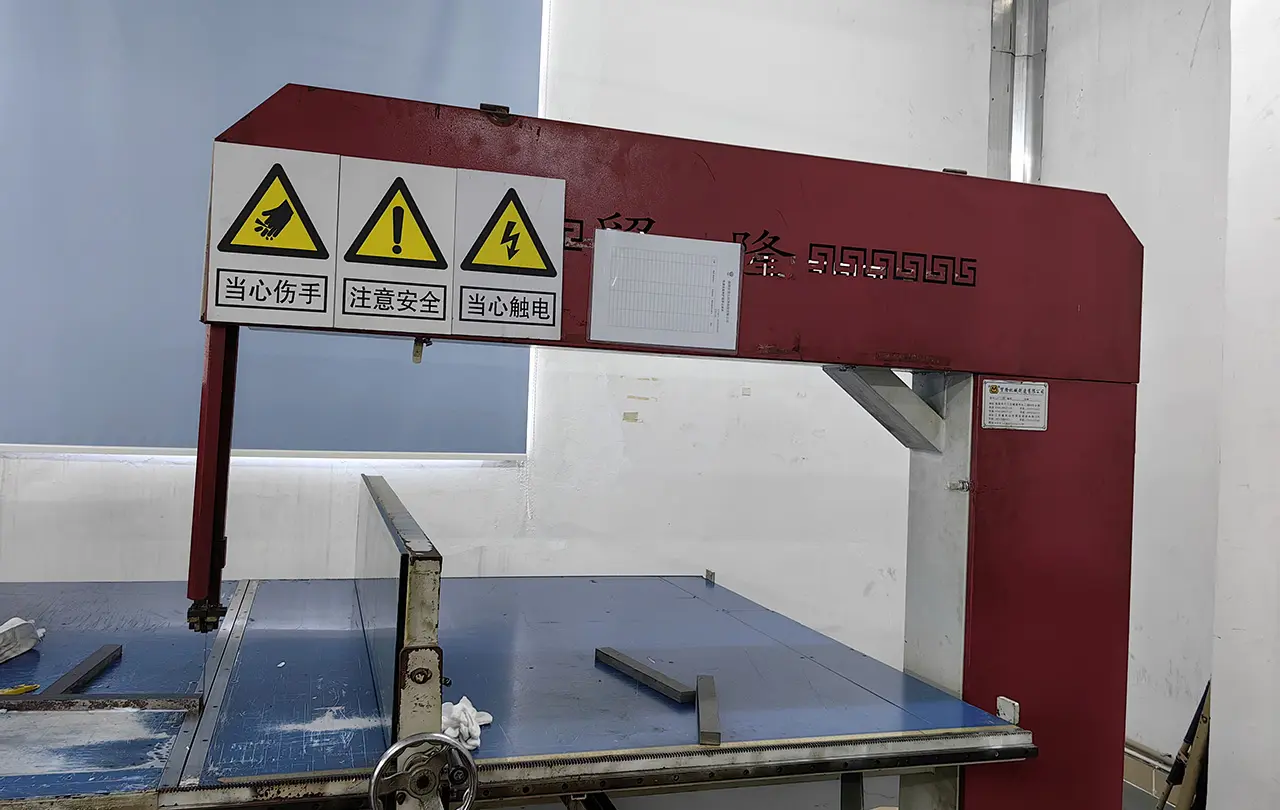
High-tolerance automated cutting to prevent fiber shedding, frayed edges, and dimensions outside compliance limits for HVAC housings.
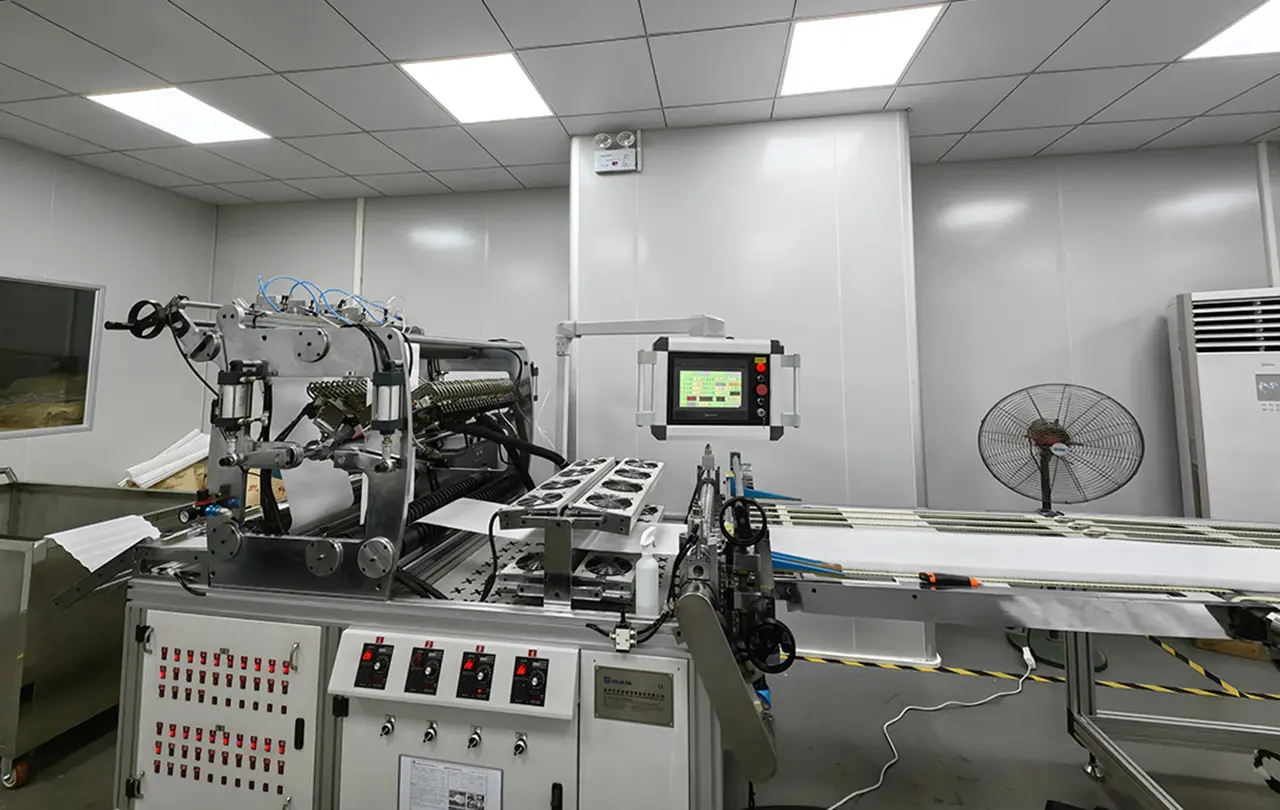
Securing structural ribbing and pleat spacers, critical for maintaining static pressure stability under turbulent airflow profiles.
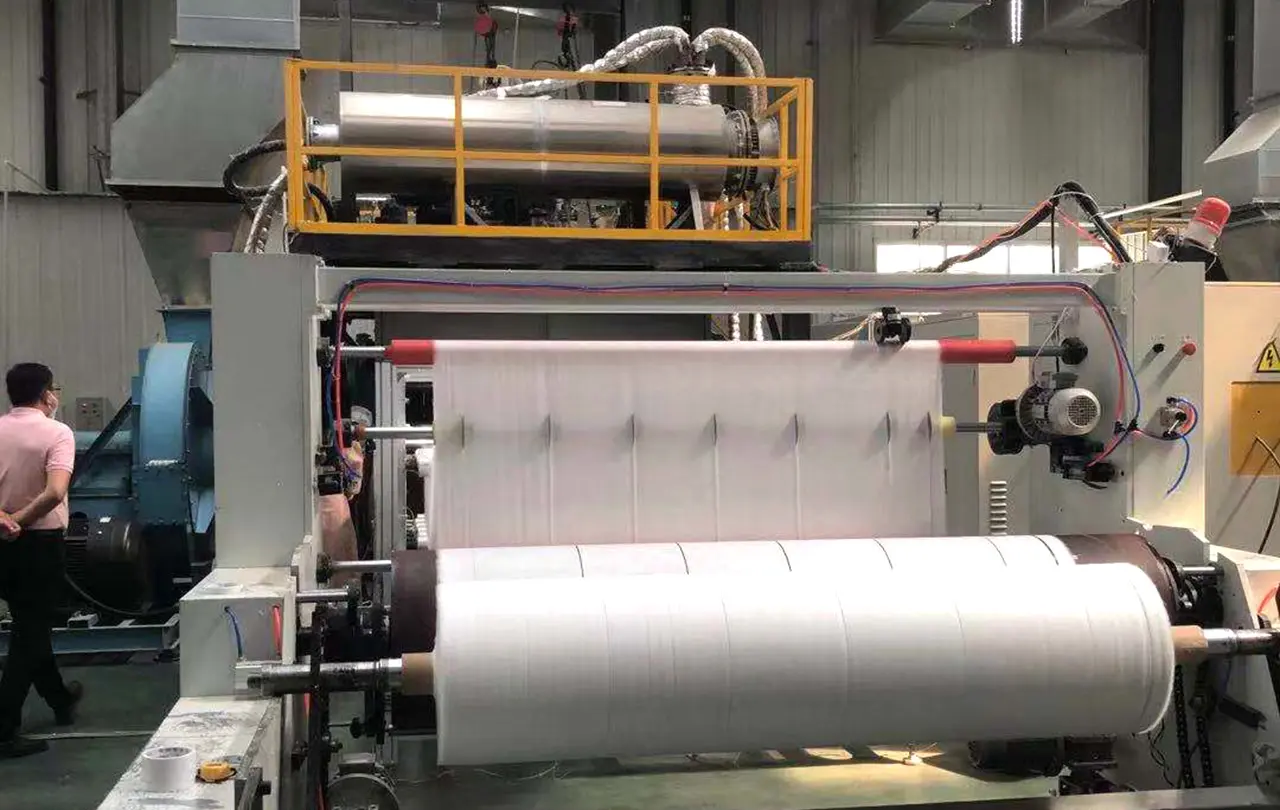
Multistage thermal laminating systems that combine functional layers (electrostatic, charcoal, antimicrobial) without thermal degradation.
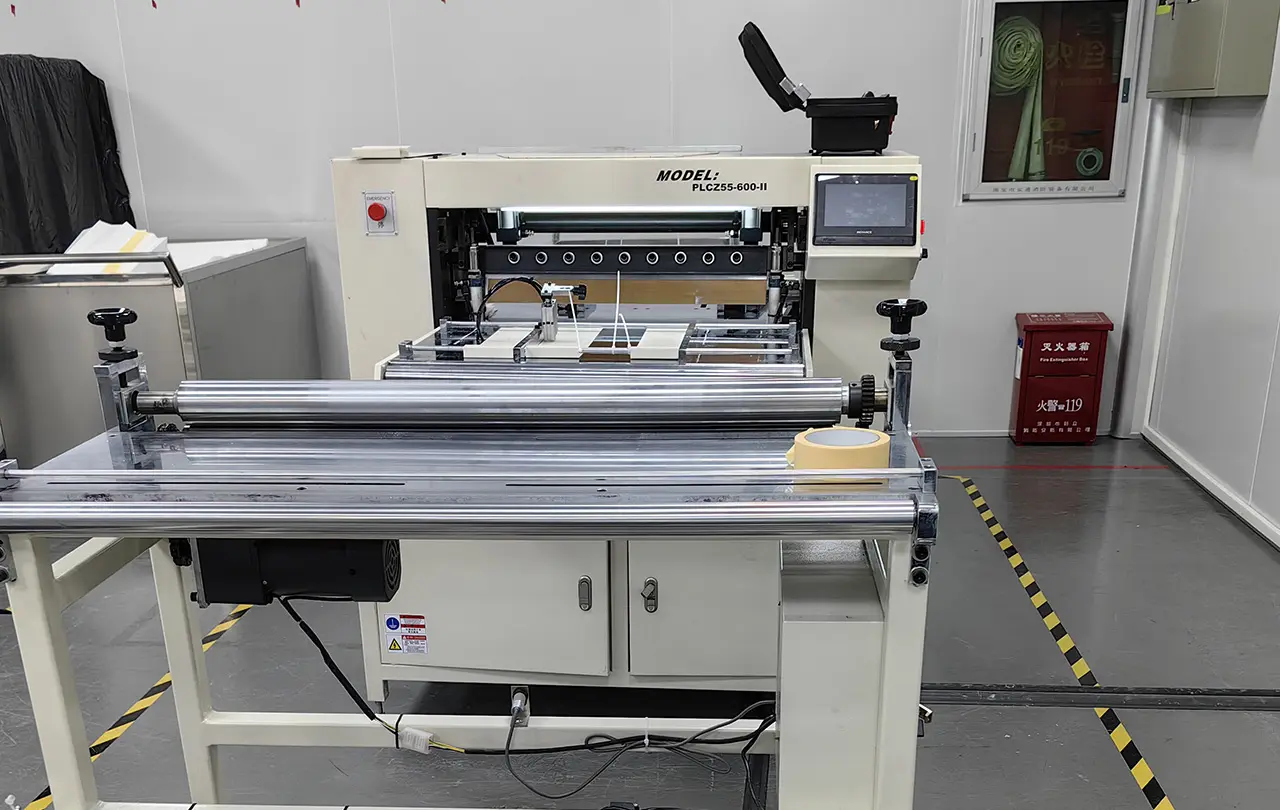
Pleating machinery that controls structural fold frequency and height, maximizing media surface area and minimizing airflow resistance.
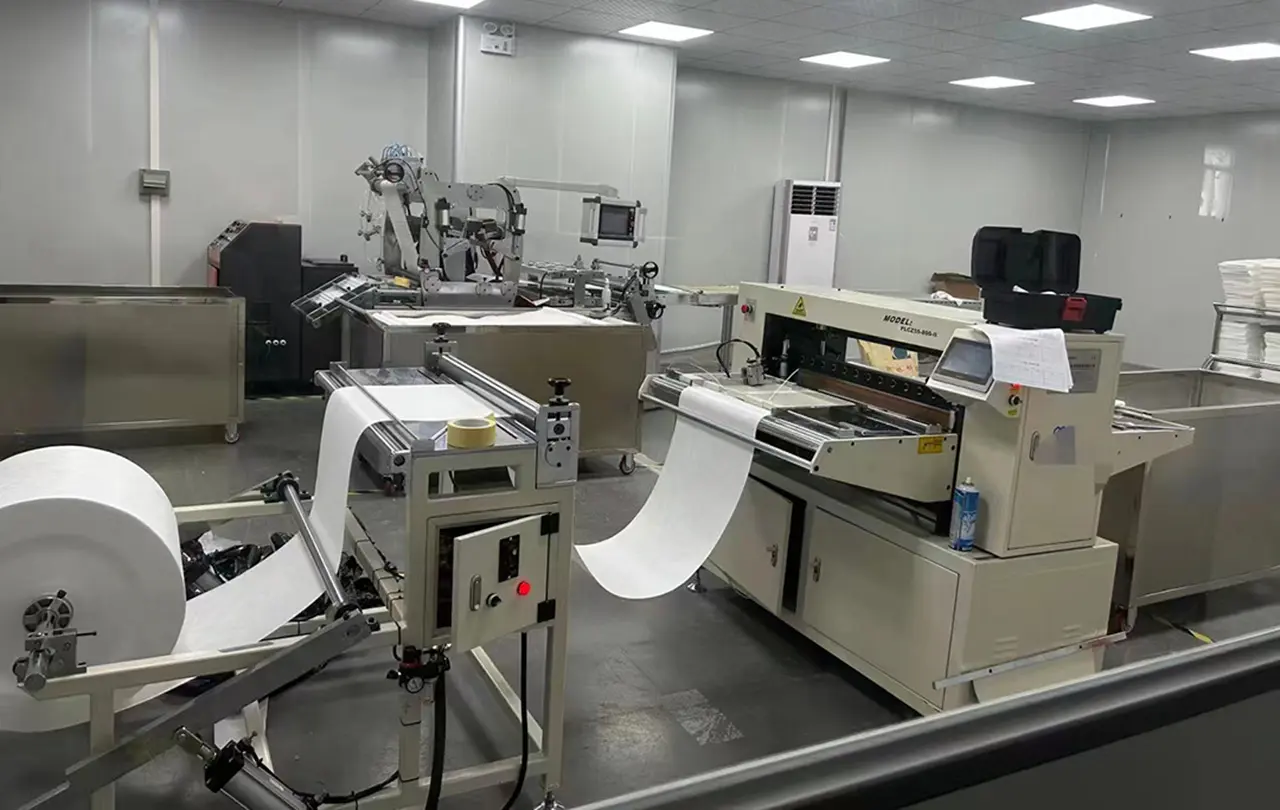
Advanced sensor arrays detect deviations in fold tension, ensuring uniform structural geometry for high flow velocity cleanrooms.
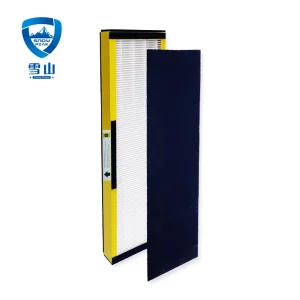
Having 15 years of international air purification technology experience as the background, our company has standardized production workshops, dust-free filter workshops, and first-class technologies for HEPA filter production and inspection lines.
Our independently developed fully automatic air filter production line is equipped with an AMADA CNC punch, CNC bending machines, and other advanced high-end production gear. These state-of-the-art systems ensure stable dimensional control, continuous structural integrity, and strict adherence to CE certification requirements across all product lines.
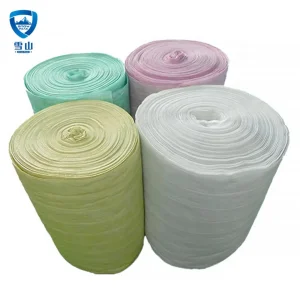
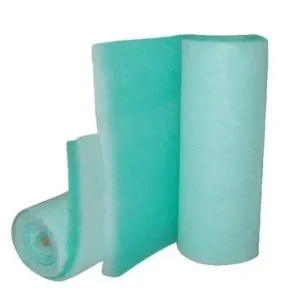
Whether supplying raw roll filter media (G2-G4, pocket materials) or fully finished, multi-stage HEPA filters, our facilities run strict automated quality assurance tests on every batch to maintain a zero-defect standard before international export.
How Shenzhen Snow Peak coordinates localized deployment, material sourcing, and cleanroom standard compliance across international markets.
Operating out of Shenzhen gives us immediate access to raw polymer media, advanced frame extrusions, and synthetic media producers. This proximity dramatically cuts logistical overheads, allowing us to export cost-optimized filters globally while maintaining premium structural standards.
Every region exhibits unique air handling challenges. European operations demand strict compliance with Eurovent guidelines and energy metrics. North American markets run on ASHRAE 52.2 standards (MERV ratings). Our engineering staff reviews and optimizes frame depths, gasket seals, and pressure resistance for these localized regulations.
Modern semiconductor plants (ISO Class 3/4) and life science labs require filters with exceptionally low boron outgassing properties to prevent chemical contamination on silicon wafers and sterile reagents. We actively integrate PTFE membrane media alongside traditional glass microfibers to support these high-tech systems.
Deploying pre-filters and certified HEPA filters within highly specialized workflows.
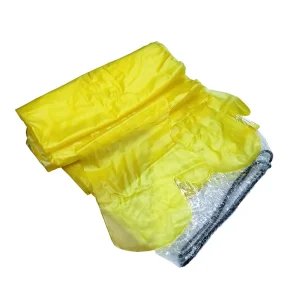
In operating rooms and isolation wards, capturing biological pathogens (bacteria, fungal spores, viruses) requires consistent high efficiency. Our HEPA filters with H1N1 virus removal efficiencies up to 99.99% and specialized antimicrobial coatings prevent secondary colonization. For hazardous biosafety cleanrooms, our Bag-In-Bag-Out (BIBO) PVC bag replacement systems enable safe maintenance without exposing staff to toxic particulate accumulations.
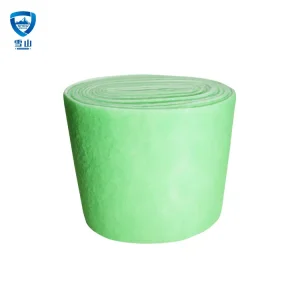
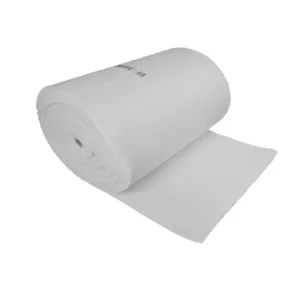
Achieving defect-free automotive surfaces requires dust-free paint booth airflow. Our ceiling filter materials, including 600G media and primary fiberglass paint stop floor media, capture wet overspray and airborne particulates. This ensures uniform drying while safeguarding downstream fans and reducing emissions to outdoor environments.
Even micro-scale dust can ruin semiconductor pathways during lithography. Multi-stage filtration layouts, beginning with robust pre-filter panels and ending with U15 HEPA/ULPA terminal units, maintain the sterile conditions required in ISO Class 1 to Class 5 cleanrooms.
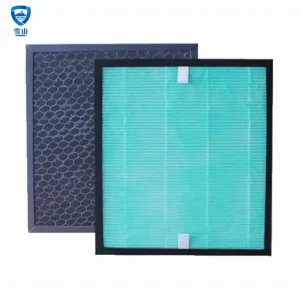
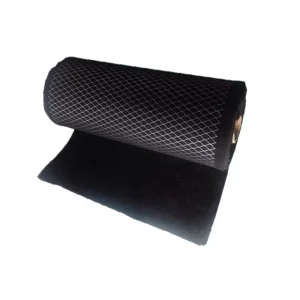
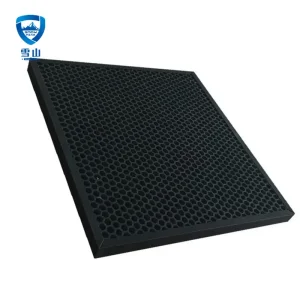
HVAC systems in heavily polluted urban areas require more than particulate removal. By pairing HEPA components with custom activated carbon filters, we provide dual-action control. These composite setups adsorb volatile organic compounds (VOCs), acidic gases, and industrial odors, offering clean, breathable indoor air.
Answers to common industrial air filtration questions regarding CE certification, maintenance, and system specifications.
Additional media materials, custom frames, and advanced gas-adsorption filters certified for export.
 Snow Peak