Select premium primary filtration media and structural cartridges designed for global HVAC deployment and export.
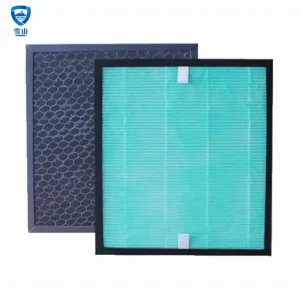
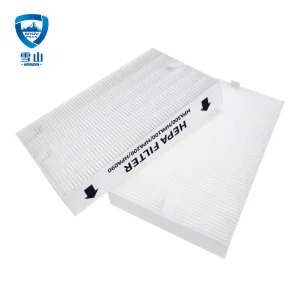
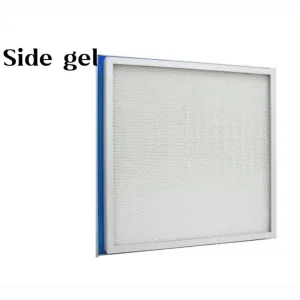
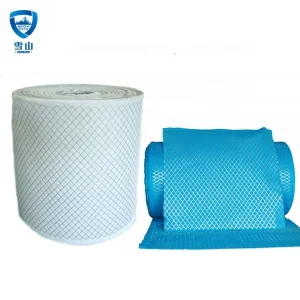
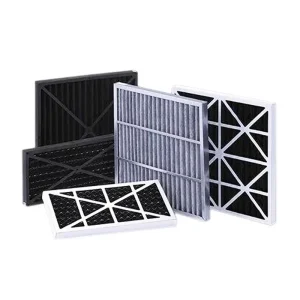
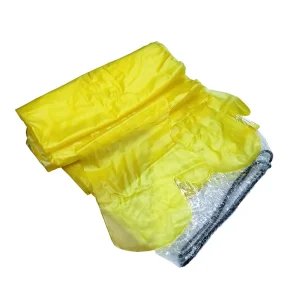
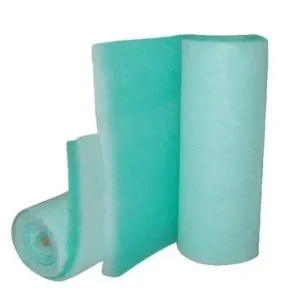
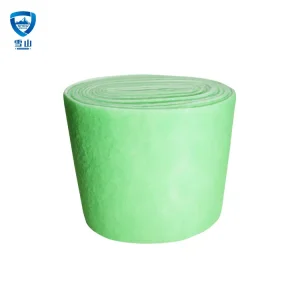
The global HVAC landscape is undergoing a monumental paradigm shift driven by stringent decarbonization laws, enhanced indoor air quality (IAQ) mandates, and a collective post-pandemic focus on respiratory health. In commercial, industrial, and residential air conditioning environments, pre-filters are no longer viewed as simple barriers to block large particles; they are now recognized as the critical first line of defense that directly influences the longevity, operational efficiency, and aerodynamic pressure drop of downstream components like HEPA and active carbon filters.
Regulatory frameworks such as the European Union’s Energy-Related Products (ErP) Directive and Eurovent compliance rules demand that ventilation networks consume less electricity. Because a clogged or inefficient pre-filter forces system fans to work harder—driving up kilowatt-hour usage and Scope 2 carbon emissions—leading air conditioner factories are redesigning their units with optimized G2, G3, and G4 grade pre-filtration cartridges. By capturing 80% to 90% of coarse particulates (PM10) at the intake stage, these specialized components prevent premature dust loading on high-performance heating and cooling coils, thereby maintaining stable heat exchange rates and lowering total cost of ownership (TCO) for commercial operators.
Modern HVAC design focuses on minimizing the Initial Pressure Drop (expressed in Pascals). A reduction of just 10 Pa in the initial resistance of an intake pre-filter can translate into thousands of kilowatt-hours saved annually over a centralized building air conditioning network, directly matching ESG (Environmental, Social, and Governance) targets for global enterprise buyers.
For air conditioner manufacturers and components exporters targeting the European Union, the Eurasian Economic Area, and Middle Eastern markets that align with European norms, CE Certification is a mandatory legal passport. It represents a manufacturer’s declaration that the product complies with the essential health, safety, and environmental protection requirements of the applicable European directives.
In the context of pre-filters, CE compliance guarantees that materials do not release harmful chemical off-gassing under operating temperatures (complying with RoHS and REACH regulations), meet defined fire retardancy criteria (such as DIN 53438 Flammability testing standards), and maintain structural integrity under high air velocity conditions. Using non-certified pre-filters in air conditioner assemblies introduces immense liability risks, potentially resulting in Customs delays, major administrative fines, and costly product recalls.
Furthermore, global procurement managers increasingly prioritize suppliers whose pre-filter media align with the unified standard ISO 16890 (which replaces the old EN 779:2012 classification). Having third-party verified laboratory test data demonstrating particulate capture rates for ISO Coarse, ePM10, ePM2.5, and ePM1 ensures that engineers can accurately simulate filtration performance and guarantee system output to the end-users.
| ISO 16890 Category | EN 779 Equivalence | Average Efficiency (Arrestance) | Primary Industrial Use Cases | Material Core Structure |
|---|---|---|---|---|
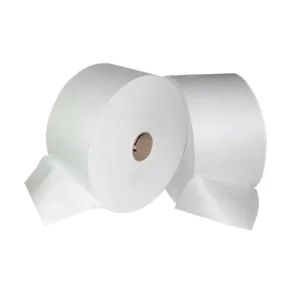
| ISO Coarse 30% - 45% | G2 | Am ≥ 65% | Coarse dust arrestance in basic ventilation, household split AC intakes | Low-density synthetic fiber, fiberglass roll media |
| ISO Coarse 50% - 65% | G3 | Am: 80% - 90% | Commercial AHUs, pre-filtration for commercial office parks | Polyester synthetic laminated with wire mesh supporting frames |
| ISO Coarse 70% - 85% | G4 | Am ≥ 90% | Primary filter for cleanrooms, industrial VRF, spray booth intakes | Graduated synthetic media with high dust holding capacity |
| ISO ePM10 > 50% | M5 / M6 | Em ≥ 40% (0.4μm) | Secondary stage filtration for hospitals, food processing facilities | Melt-blown composite materials, pocket filter configurations |
B2B procurement professionals representing large-scale air conditioner factories face a triad of challenges: customization flexibility, supply chain consistency, and cost-efficiency. HVAC systems are built across a highly diverse range of structural dimensions, requiring custom sizing, varied framing materials (ranging from robust galvanized iron and anodized aluminum to eco-friendly moisture-resistant beverage boards), and specific airflow capabilities.
To resolve these challenges, factories seek OEM and ODM partners capable of rapid prototyping and scalable fabrication. A successful sourcing cycle depends on technical parameters such as:
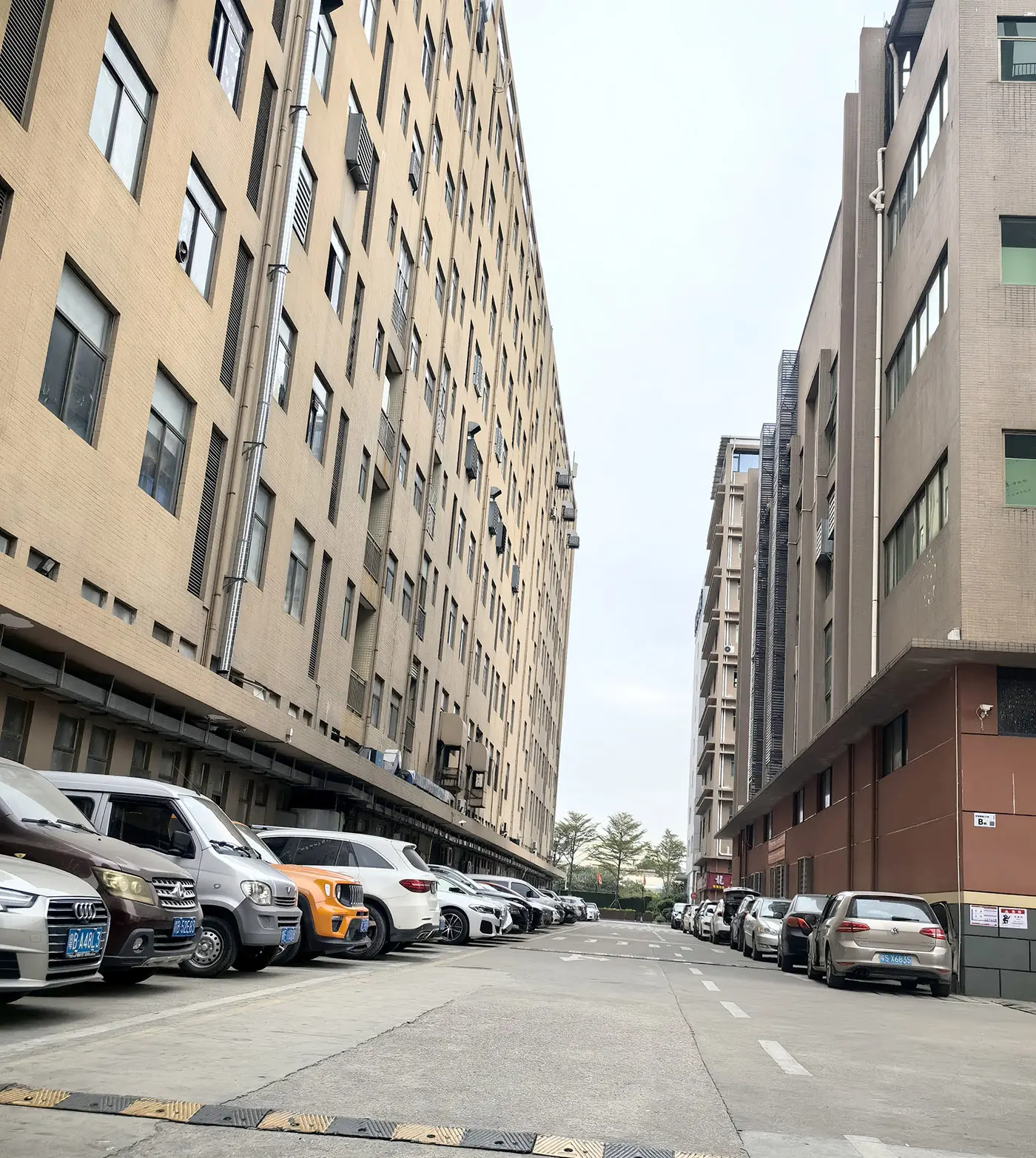
As a premier high-tech enterprise, Shenzhen Snow Peak Clean Technology Co., Ltd. integrates research, development, production, and international trade to deliver world-class air purification solutions. Operating with 15 years of deep industry expertise, our manufacturing infrastructure incorporates advanced CNC technology, cleanroom filter assembly areas, and automated inspection lines.
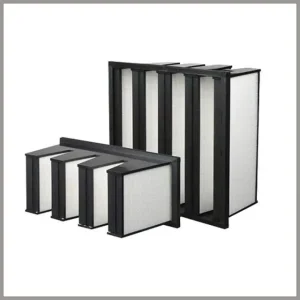
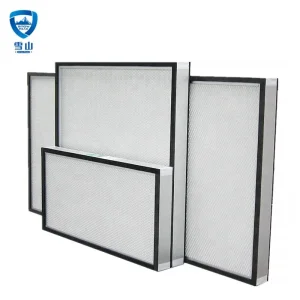
By deploying advanced machinery, including AMADA CNC punches and CNC bending machines, we guarantee absolute dimensional accuracy for metal-framed filters. Our self-developed automated production lines eliminate assembly defects, enabling rapid mass production of pre-filters, pocket filters, chemical filters, and high-efficiency HEPA solutions.
Our core technological competitive advantage lies in our patented sterilizing antiviral HEPA filter technology. This advanced medium reduces PM2.5 concentrations to under 10 micrograms per cubic meter—five times cleaner than prevailing national standards—while registering a sterilization rate of 99.9% and an H1N1 virus removal rate of 99.99%, without any secondary chemical leakage.
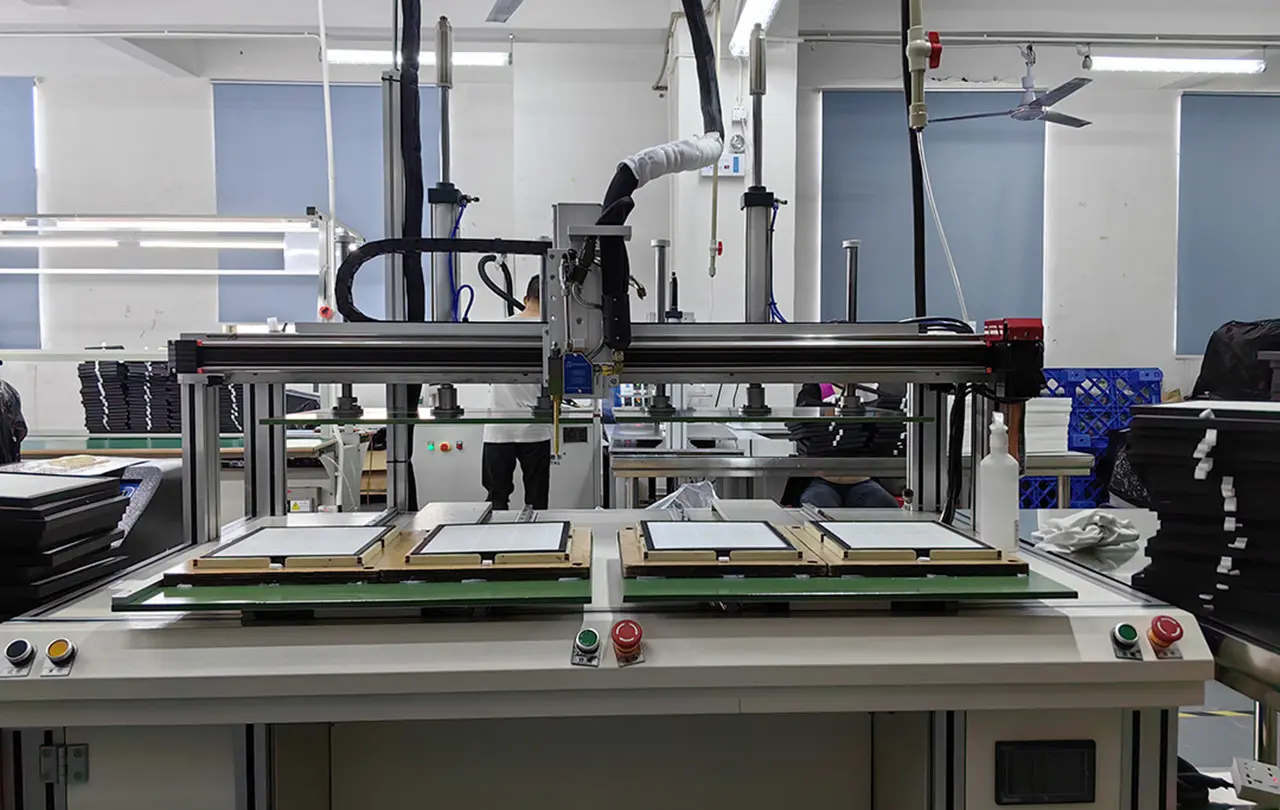
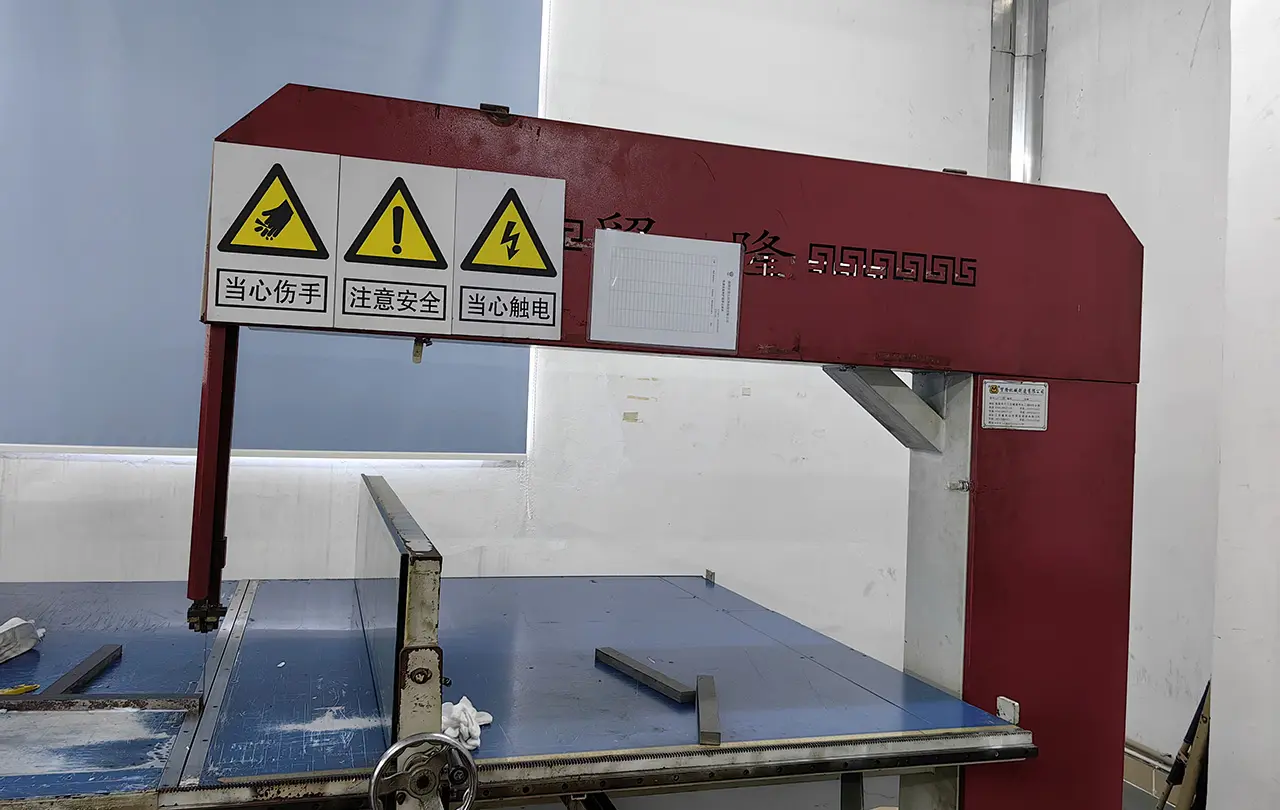
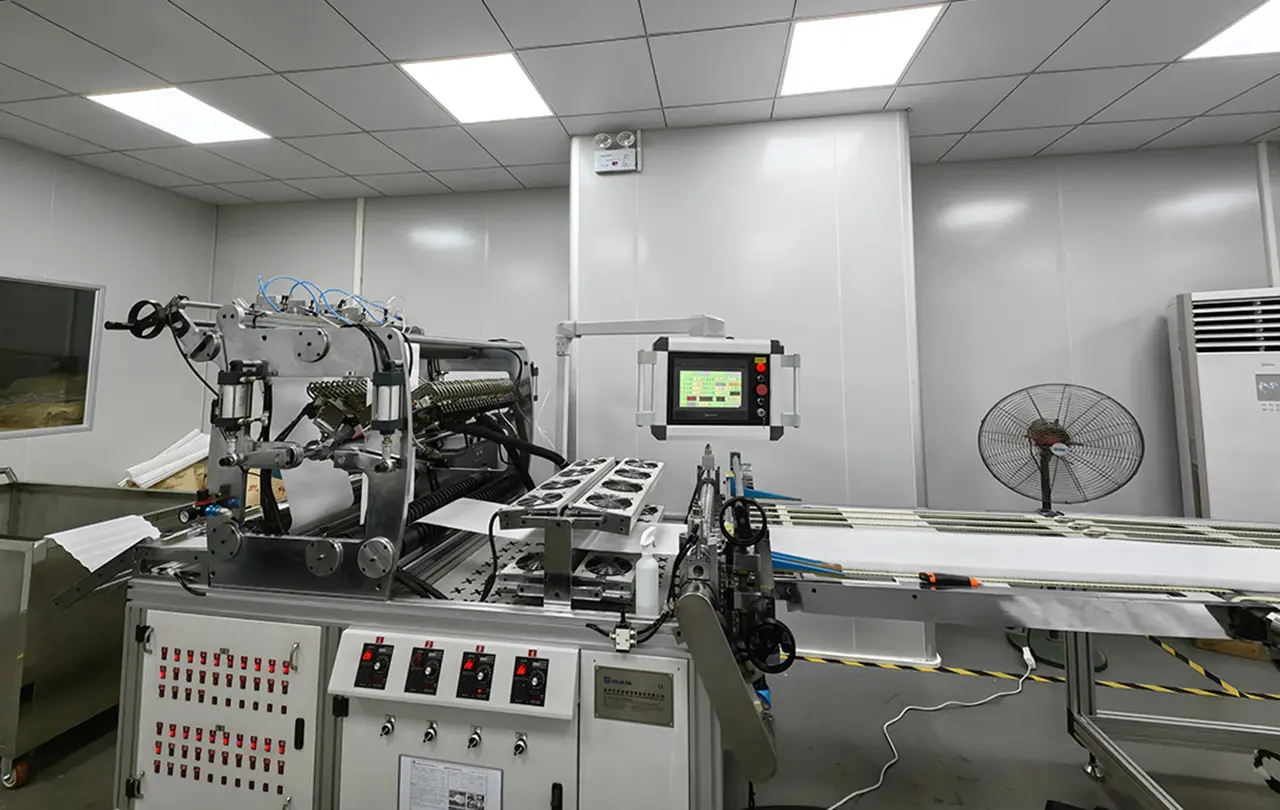
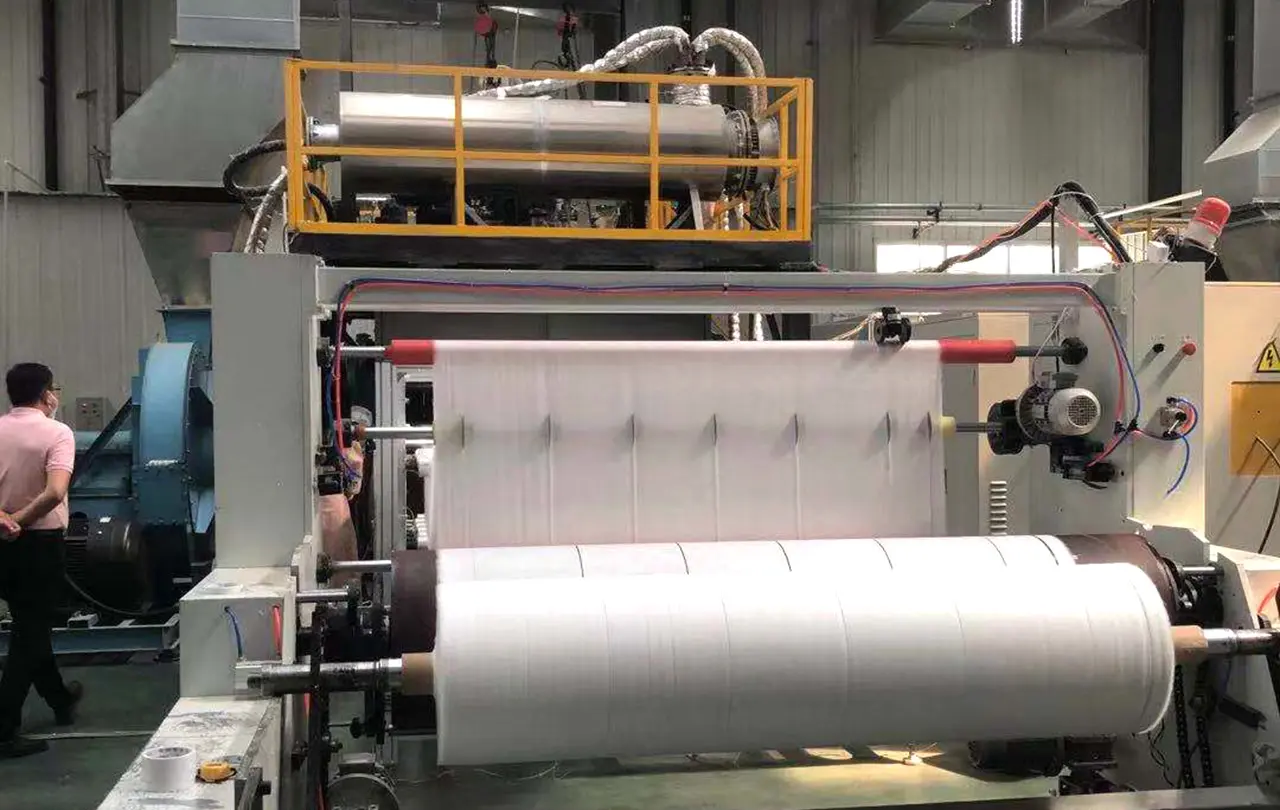
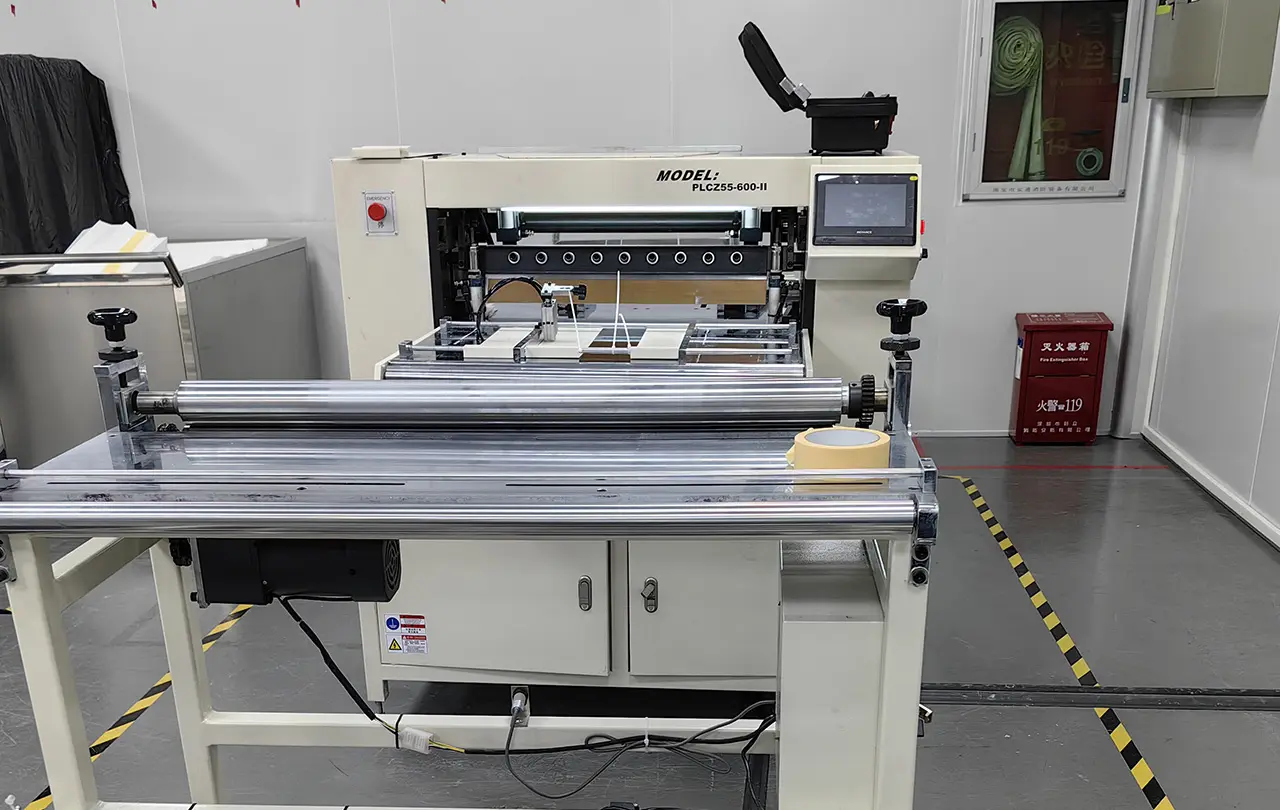
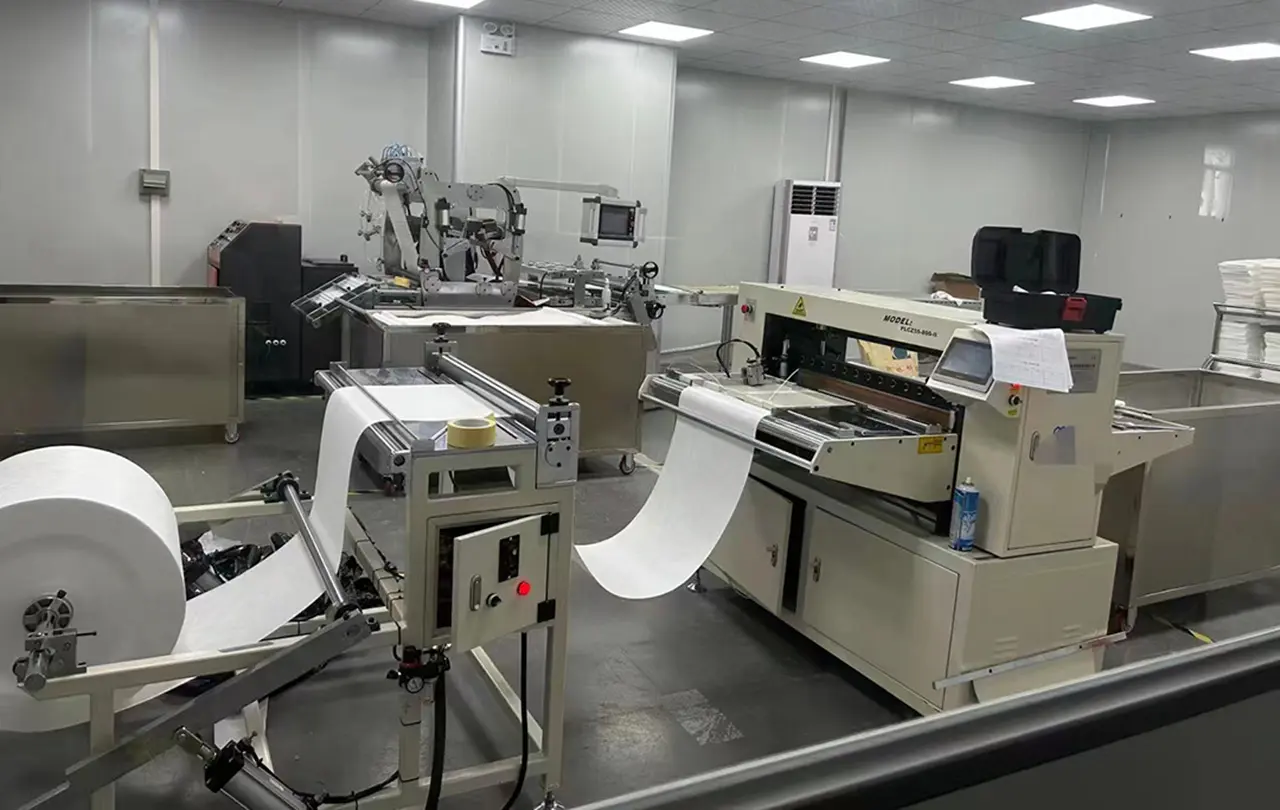
The performance of an air conditioner's pre-filter is strongly correlated with localized climatic conditions and specific industry environments. A generic approach often results in premature filtration system failure or insufficient protection for high-grade secondary filters.
In semiconductor manufacturing facilities, sub-micron particulates damage micro-circuit designs. G4 and M5 grade pre-filters are integrated with gel-seal HEPA systems to capture airborne dust, preventing loading on high-cost terminal filters and securing cleanroom certification.
Sterility is critical in pharma environments. Antimicrobial-treated pre-filters capture moisture-borne biological aerosols, maintaining absolute control over bacterial and viral proliferation within internal air channels.
To prevent cross-contamination in high-traffic municipal zones, air conditioner intake pre-filters must achieve high dust capacity and low noise signatures, satisfying municipal clean air guidelines and ensuring occupants' safety.
Get authoritative answers to technical procurement questions surrounding CE compliance and HVAC pre-filters.
High-performance deep-pleated HEPA cartridges and specialized containment systems for critical facilities.
 Snow Peak