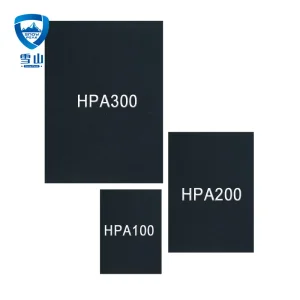
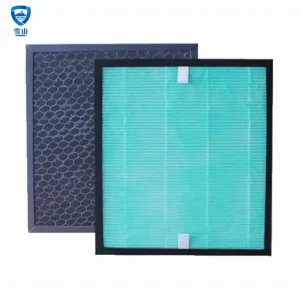
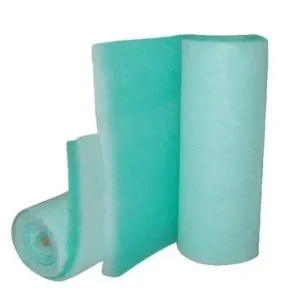
Explore our leading commercial-grade HEPA filters, synthetic media, and integrated VOC removal systems optimized for high throughput and long lifetimes.
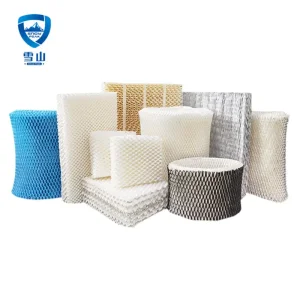
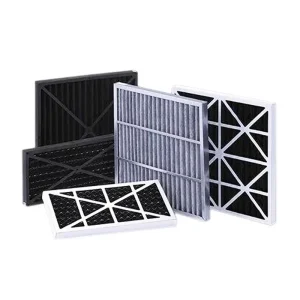
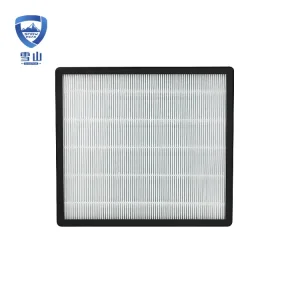
An in-depth evaluation of Activated Charcoal and HEPA filter synergy for industrial gas-phase and particulate containment.
By Utilizing highly porous carbon structures characterized by extensive internal surface areas (up to 1500 m²/g), our systems attract and trap toxic molecules via physical adsorption (Van der Waals forces) or targeted chemisorption mechanisms.
Deploying sub-micron fiberglass and electrostatic meltblown matrices, particulate matter (PM2.5, PM0.3, and biological pathogens) is arrested with certified efficiencies exceeding 99.97% to 99.99% through diffusion and interception.
Laminating activated charcoal directly with highly structured HEPA pleating reduces pressure drop, mitigates bypass pathways, and vastly improves the service lifespan of ventilation components within demanding central HVAC architectures.
Modern air filtration engineering requires a holistic approach to simultaneously address chemical and biological contaminants. While traditional cleanrooms focused exclusively on particulate matter (PM), contemporary environments face volatile organic compounds (VOCs), acid gases, and biological vectors. High Efficiency Particulate Air (HEPA) filters operate via four primary collection mechanisms: interception, inertial impaction, diffusion, and electrostatic attraction. However, because gas molecules have molecular diameters far below 0.1 microns, they pass through mechanical fibers completely unhindered.
This is where Activated Charcoal media becomes mandatory. By integrating activated charcoal—thermalized carbon with millions of microscopic pores—we introduce molecular filtration. When combined in a single composite, the carbon media captures gaseous phase molecules (such as formaldehyde, benzene, and ozone) before or after the HEPA stage. This preserves the electrostatic charge and physical space of the HEPA fibers, preventing chemical coating (blinding) of the particulate media and extending overall operating life by up to 40%.
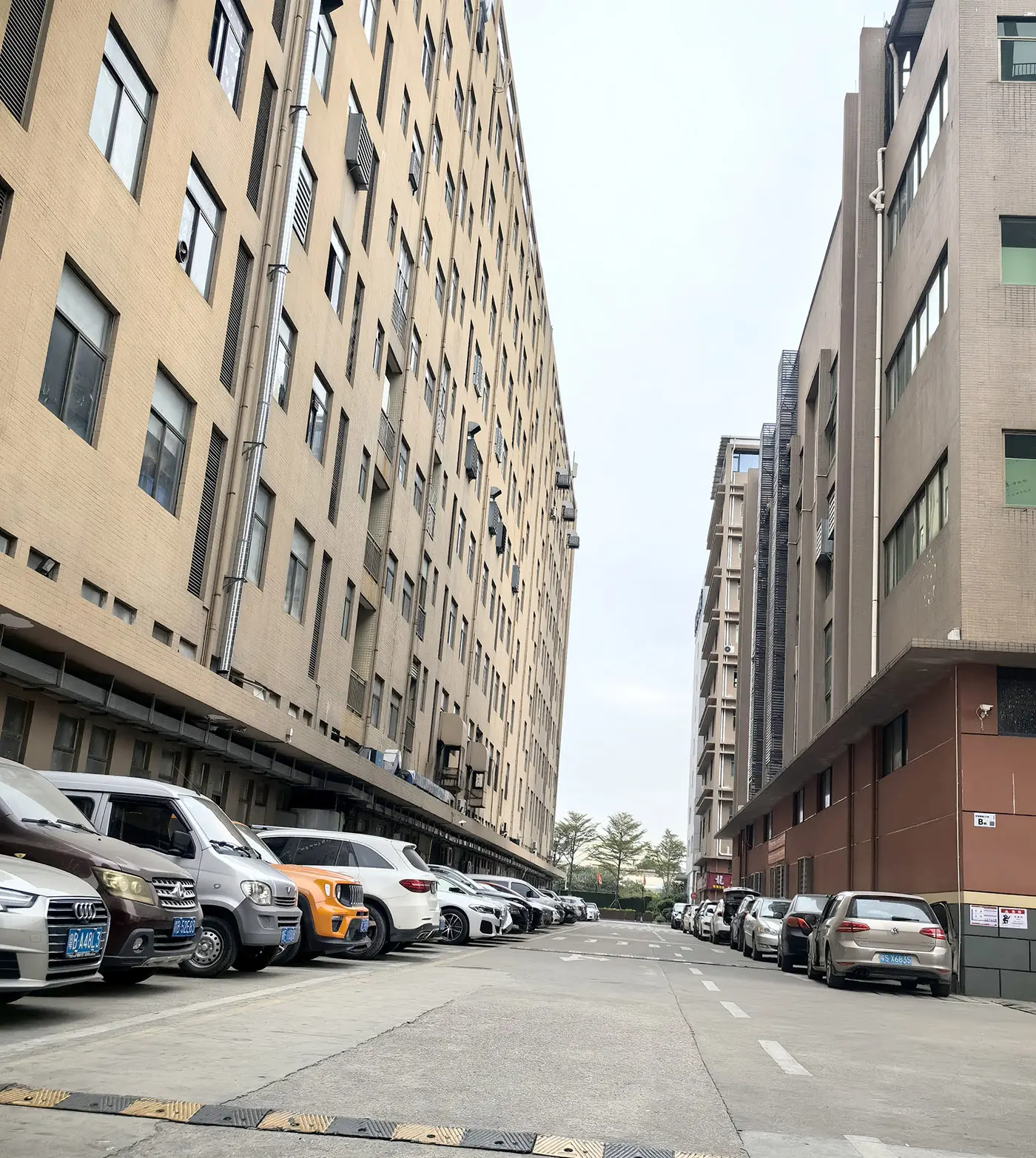
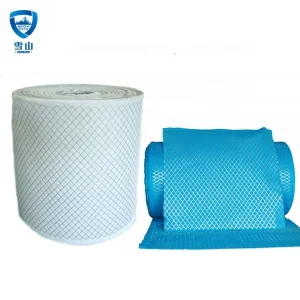
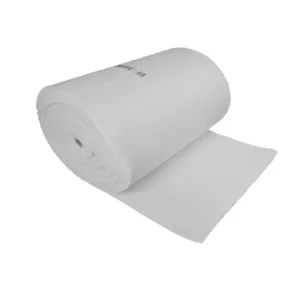
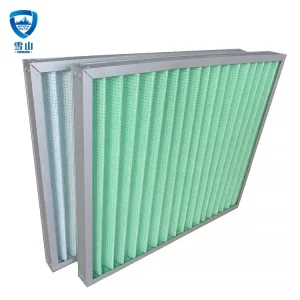
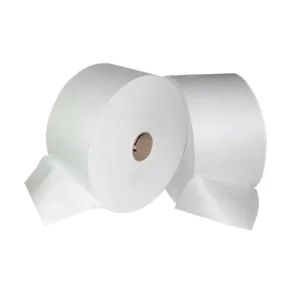
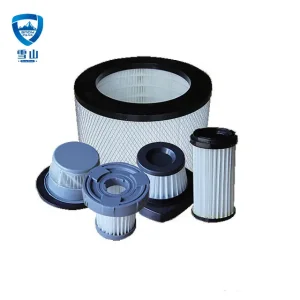
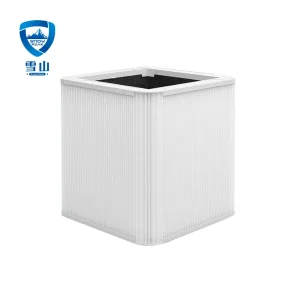
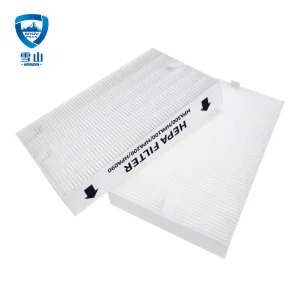
Shenzhen Snow Peak Clean Technology Co., Ltd. is an integrated high-tech enterprise, specialized in air filtration products research and development, production, sales, import and export trade. We produce and supply: Pre-filter, pocket filter, HEPA filter, chemical filter; replacement HEPA filter, car cabin air filter, humidifier filter; pocket filter media, melt-blown composite filter media, and other high-performance filter materials; provide high quality air purification solutions and products for indoor air pollution control and air conditioning systems of civil and industrial buildings, microelectronics, pharmaceutical, laboratory, school, hospital clean room etc.
Combined with self-developed patented technology, our sterilizing antiviral HEPA filter can effectively filtrate fine particles, so that PM2.5 concentration down to 10 micrograms/m3, 5 times better than national standard; effectively inhibit the breeding of microorganisms, sterilization rate up to 99.9%, and no secondary pollution, removal of H1N1 virus efficiency as high as 99.99%.
Our standardized dust-free filter workshop and automated processes deliver consistent, high-yield product quality compliant with European and North American test standards.
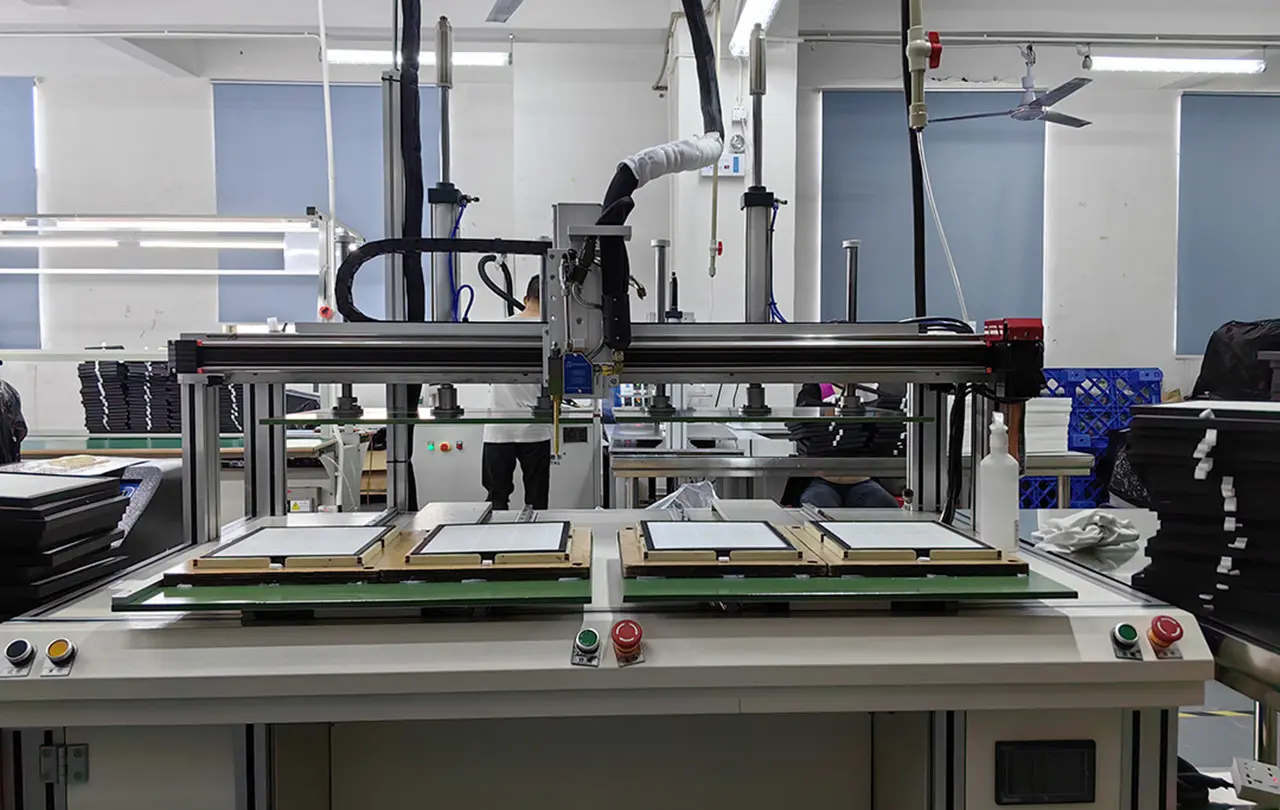
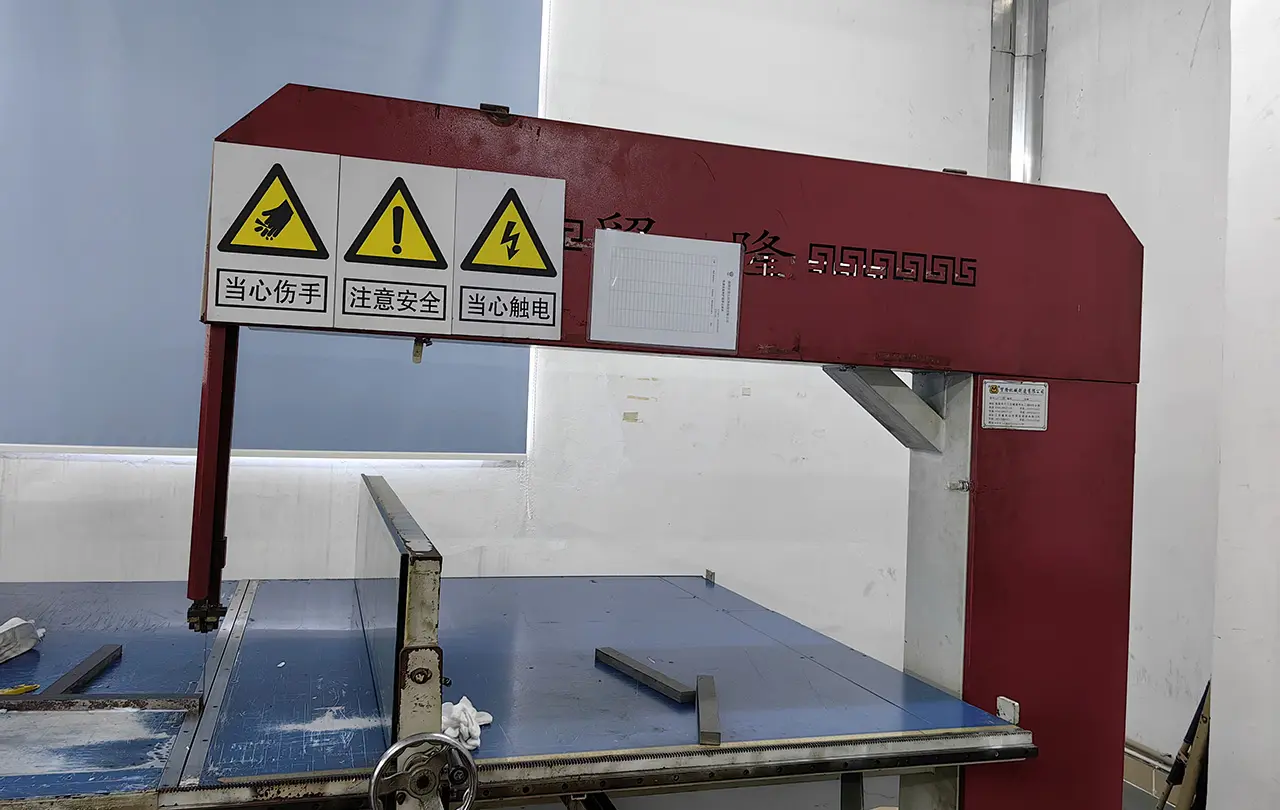
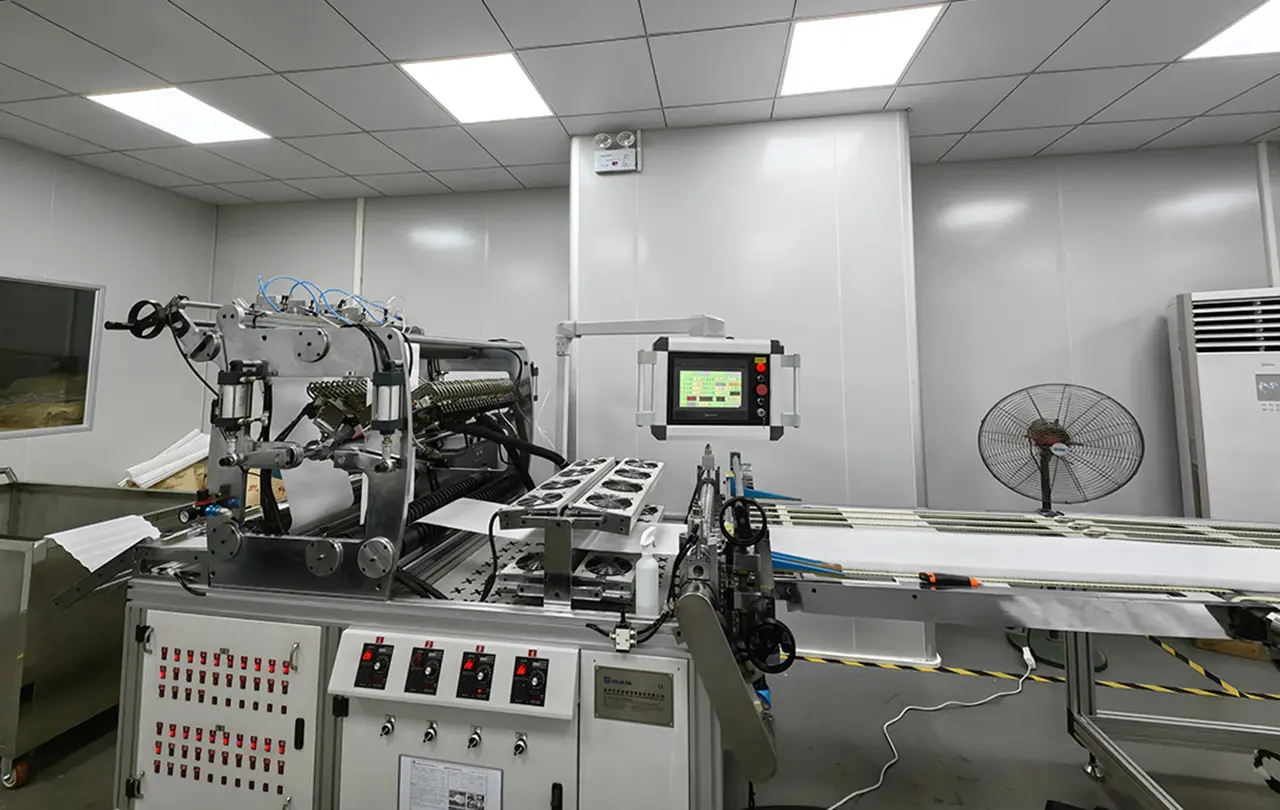
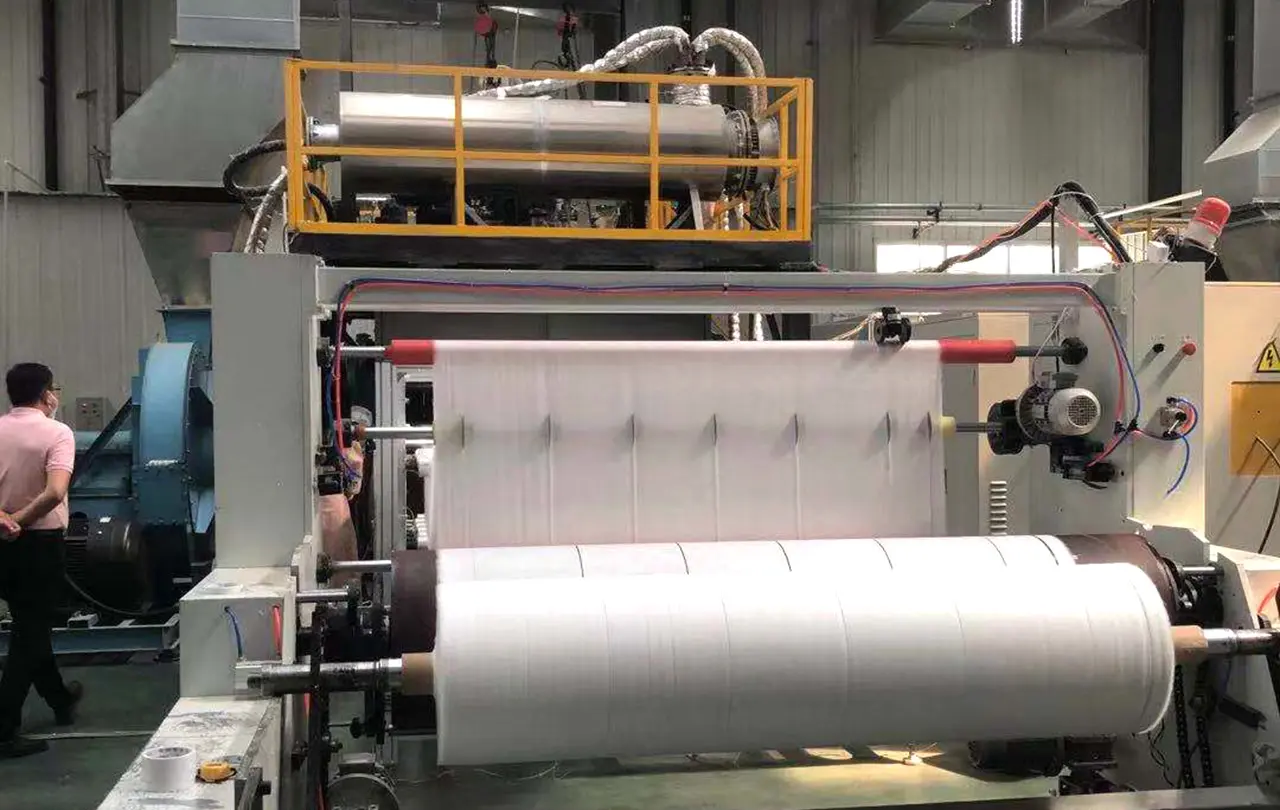
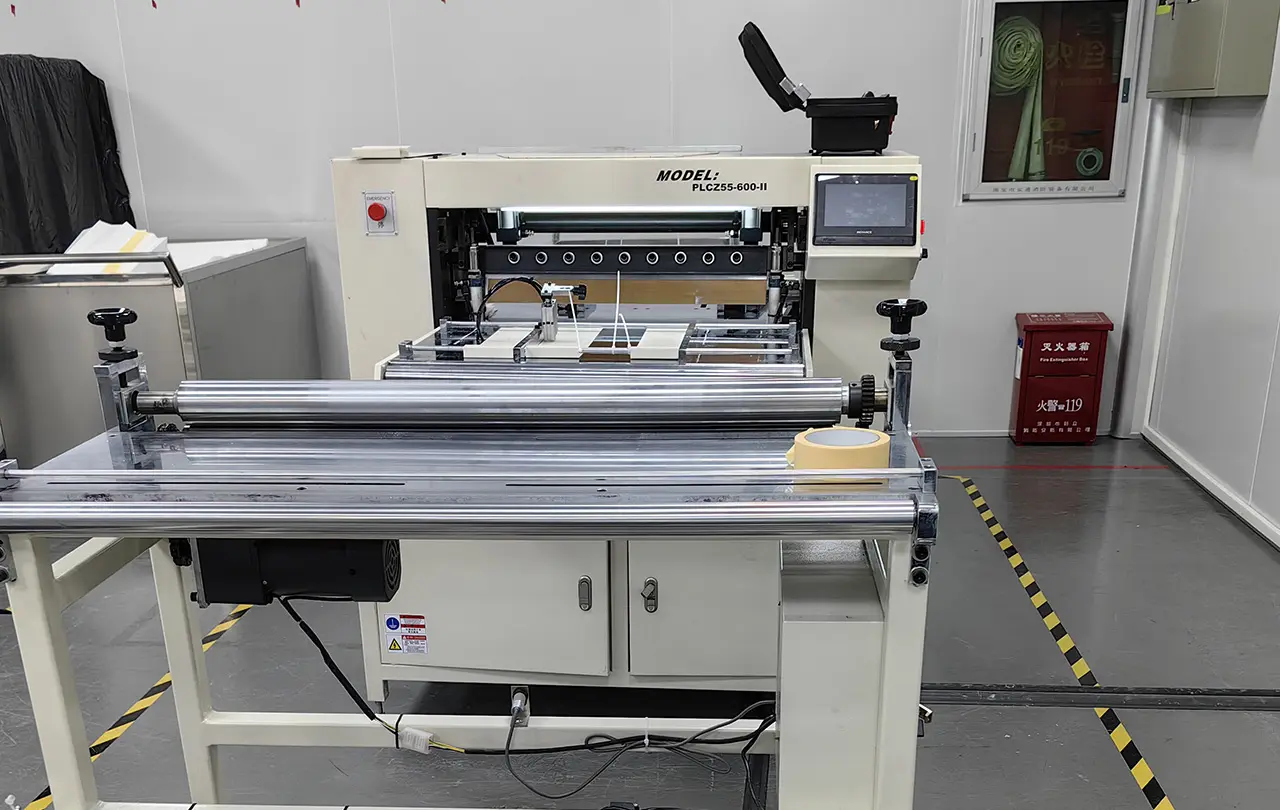
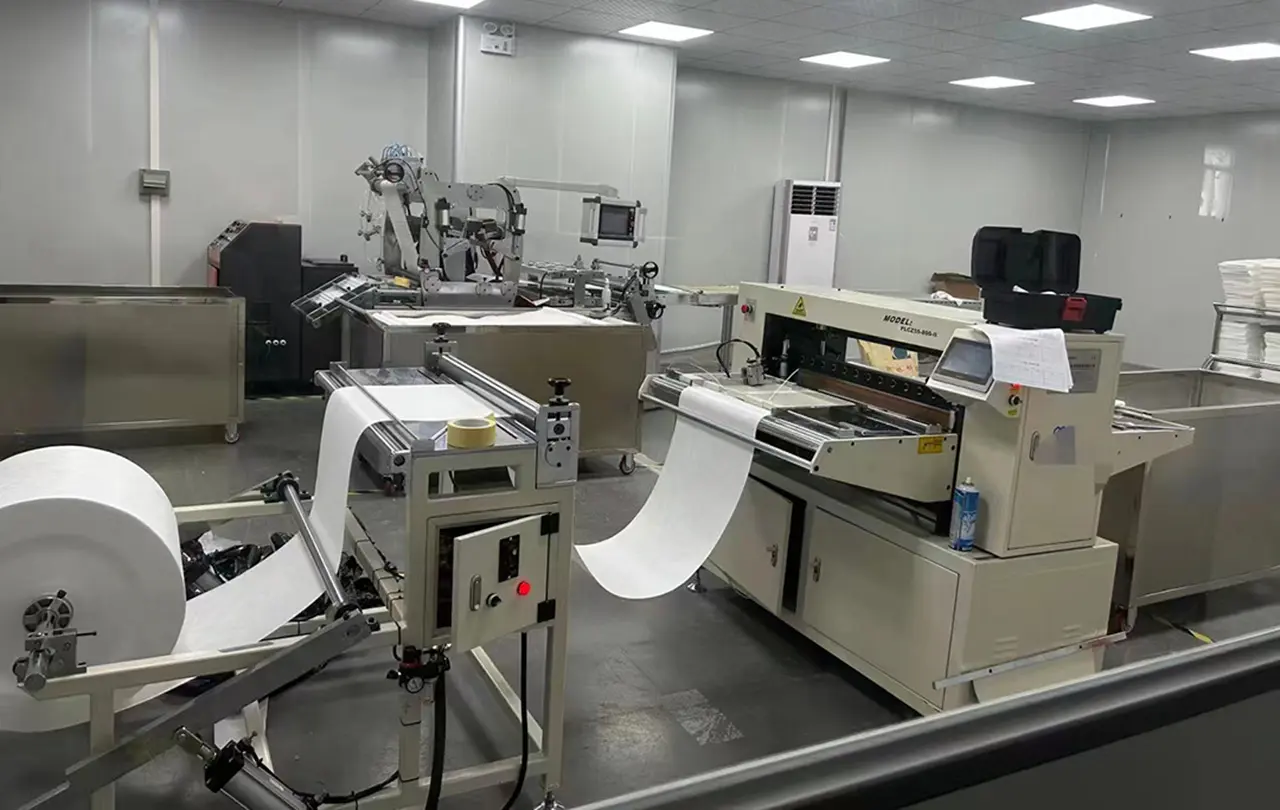
Our Strength: Having 15 years of international air purification technology experience as the background, our company has standardized production workshop, dust-free filter workshop and first-class technology of HEPA filters production line and inspection line, independent research and development of fully automatic air filter production line, equipped with AMADA CNC punch and CNC bending machine as well as many other advanced high-end equipment, provide a strong guarantee for production and quality of air filtration and purification products.
Cleanroom dynamics vary dramatically by geographic region and localized atmospheric conditions. For instance, in heavy industrial centers or regions prone to seasonal haze and high levels of atmospheric SOx and NOx, standard HVAC systems fail prematurely. High-capacity charcoal-infused HEPA matrices address these localized air-quality challenges directly.
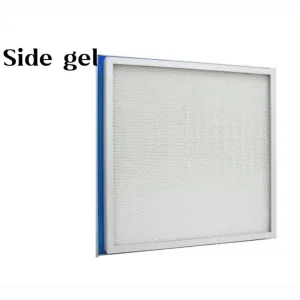
Silicon processing requires the total absence of Airborne Molecular Contaminants (AMCs). Acidic fumes and organic vapours degrade photolithographic processes. We supply customized Gel-Seal HEPA and V-Bank carbon filter elements to match cleanroom standards down to ISO Class 1.
Hospitals, viral containment units, and pharmaceutical packaging facilities depend on sterility. Our anti-viral composite HEPA media incorporates advanced biocidal layers and premium activated charcoal, neutralizing pathogens and chemical odours concurrently.
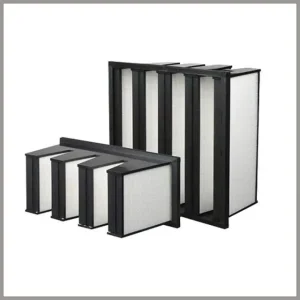
Modern office complexes, green building architectures, and airport hubs rely on central HVAC filtration. We construct standard dimensions and custom retrofit panels (such as 2V, 3V, and 4V shapes) to optimize air volume flow rate while maintaining low operational drag.
As standard regulatory policies align closer with green energy mandates, filter energy consumption has become a crucial focus. The development path for air filtration centers on two primary goals: minimizing initial resistance (pressure drop) and maximizing dust/gas holding capacity.
Our engineering research team is actively exploring several key areas:
One of the key challenges faced by procurement departments globally is the stability, throughput, and lead time reliability of their filtration component suppliers. Operating out of Shenzhen, we leverage China's comprehensive industrial supply chain ecosystem to guarantee unmatched scalability, raw material sourcing stability, and rapid dispatch capabilities.
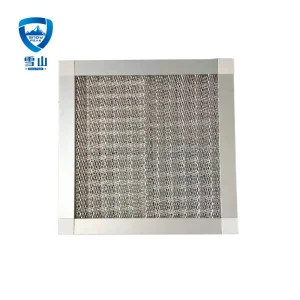
By sourcing high-quality non-woven fabrics, metal meshes, and virgin activated charcoal directly from regional processing plants, we reduce material lead times and buffer against market volatility.
Equipped with advanced AMADA CNC punch and bending systems, we can fabricate custom galvanized, aluminum, and stainless steel filter housings without relying on third-party shops.
Our facility's close proximity to Shenzhen and Hong Kong ports provides fast logistics turnarounds, reduced transit times, and streamlined custom clearances to the Americas, Europe, and Asia-Pacific.
We believe that trust is built on verifiable quality. Every batch of filters is rigorously tested using custom-designed automated testing rigs. We ensure our product lines meet or exceed global engineering standards, including:
EN 1822 & ISO 29463: The benchmark standards for high-efficiency particulate air filters (EPA, HEPA, and ULPA). Our class H13 and H14 filters are individually scanned to verify local and overall efficiency levels.
ASHRAE 52.2 & ISO 16890: Ensuring our pre-filters (G3, G4) and medium filters (M5, M6, F7, F9) match the precise particulate categorization requirements for modern HVAC ventilation loops.
CE and RoHS Certifications: Guaranteeing all materials utilized in our composite filters, including thermoplastic hot-melts and polyurethane sealants, are fully safe, flame-retardant, and free of hazardous heavy metals.
Providing direct answers to technical engineering, sizing, material composition, and performance optimization questions.
Explore our heavy-duty cleanroom modules, cylindrical collectors, replacement brand filters, and primary metal mesh systems.
 Snow Peak