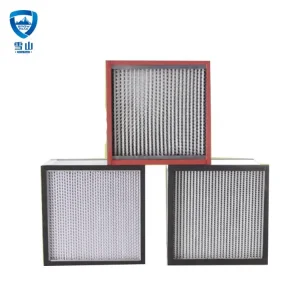
Precision-manufactured air filtration systems optimized for VOC abatement, toxic gas neutralization, and sub-micron particle containment.
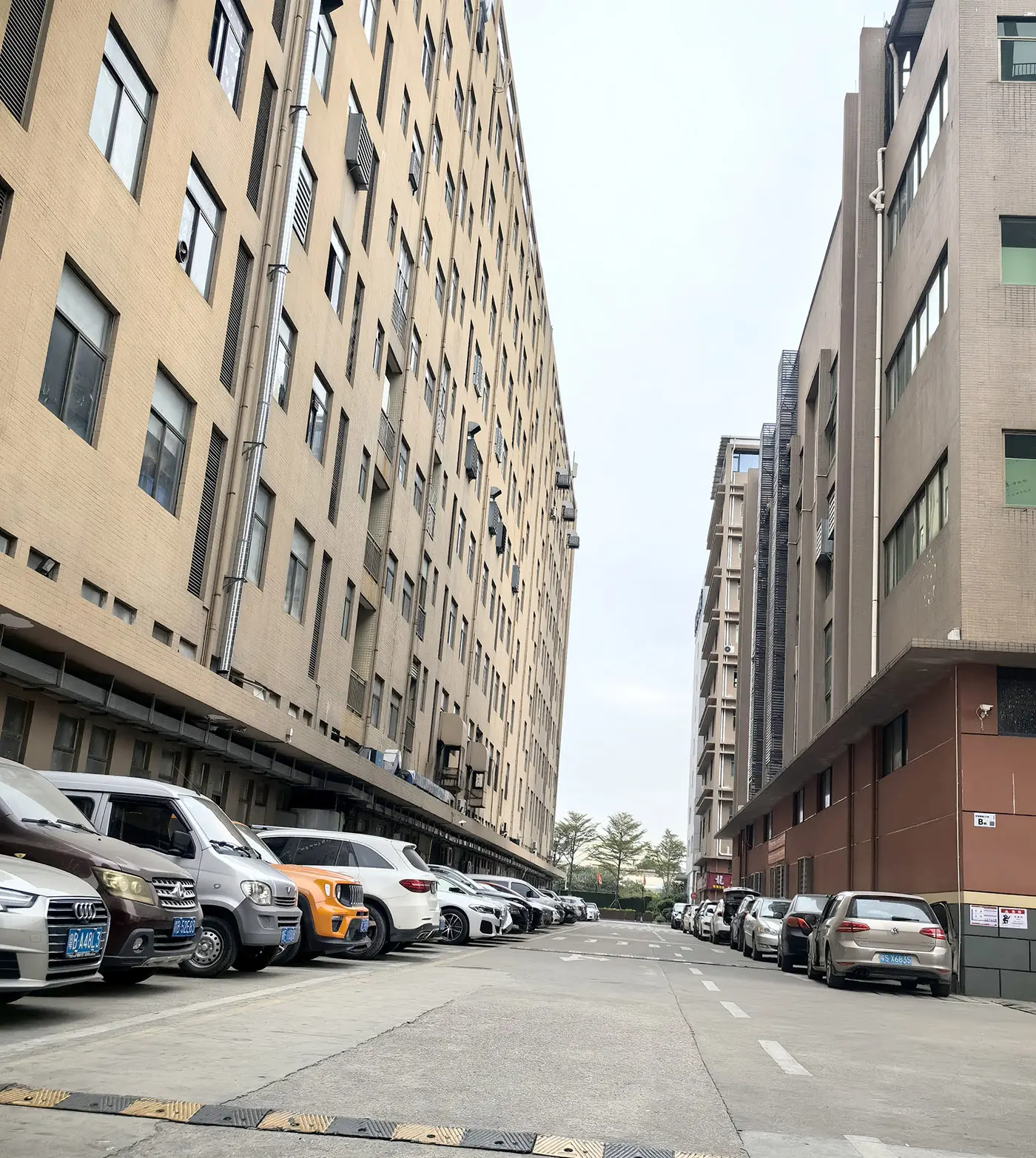
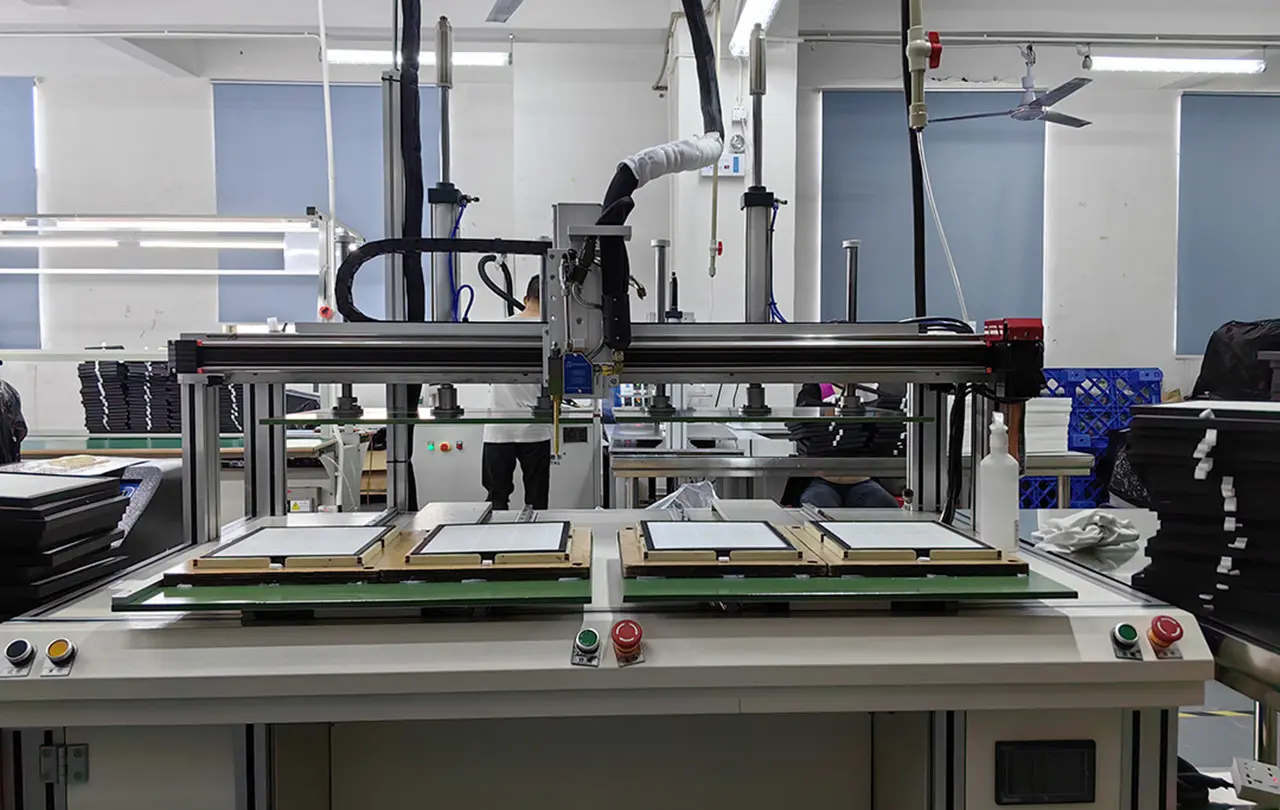
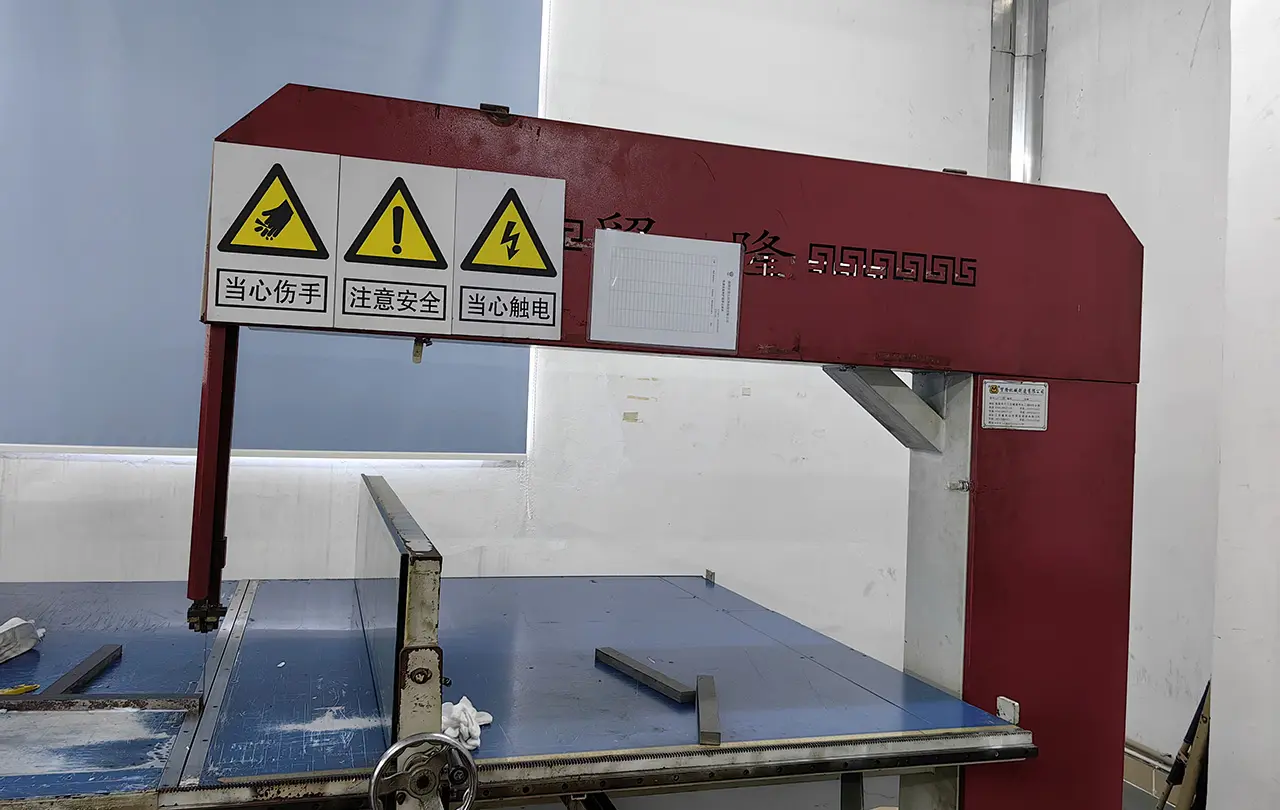
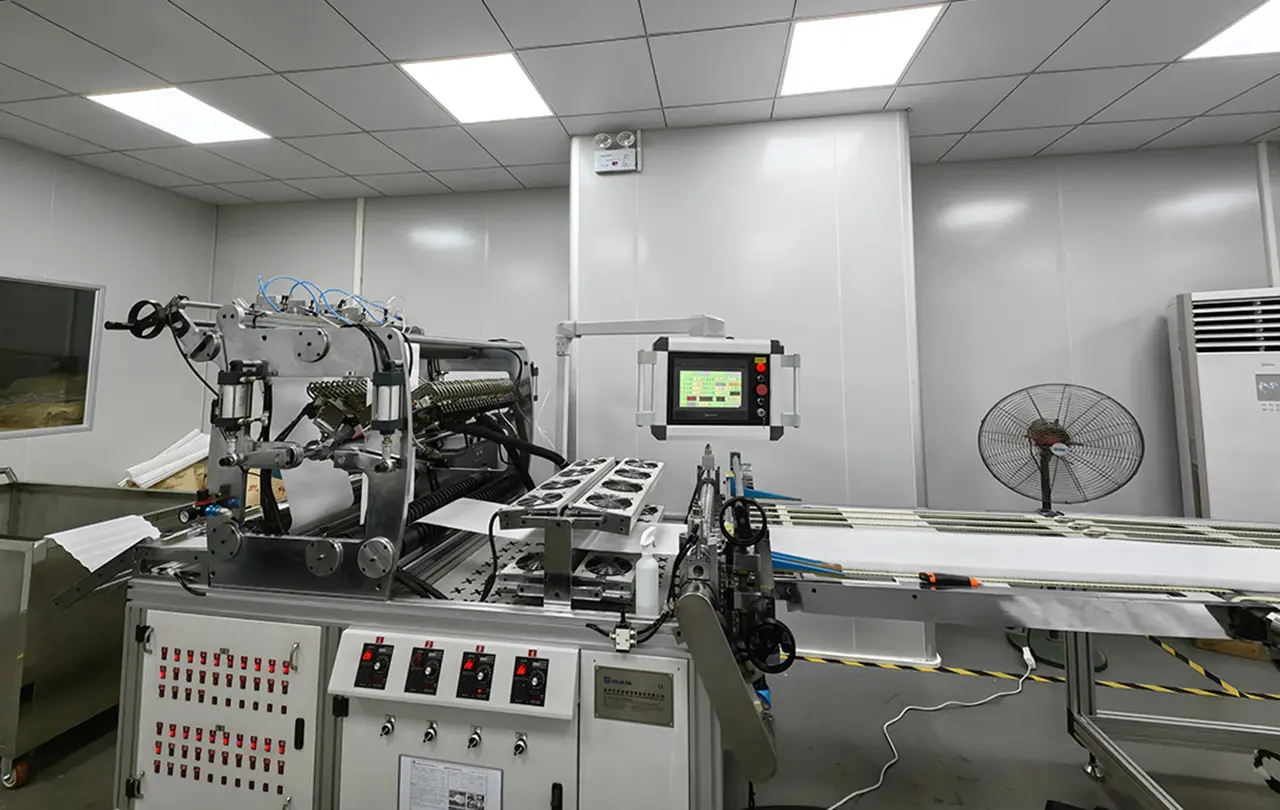
In the era of advanced semiconductor node fabrication, high-yield biopharmaceutical manufacturing, and strict municipal air safety standards, the demand for dual-phase air filtration—targeting both particulate matter and gaseous chemical contamination—has surged. Carbon air filtration is no longer a luxury addition; it is a foundational component of modern building envelopes and closed-loop process environments. Achieving both cost stability and state-of-the-art chemical performance requires understanding the supply-chain mechanisms and engineering capacities that define China’s carbon air filter factories.
The performance of carbon filtration lies in pore distribution. China factories utilize thermal and chemical activation techniques to process raw material precursors—primarily premium coconut shell and high-grade anthracite coal. Coconut shell-activated carbon features a rich network of micropores (< 2 nm), ideal for capturing low-molecular-weight gaseous VOCs such as formaldehyde, benzene, and light hydrocarbons.
By integrating chemical impregnants (such as KOH, KI, or phosphoric acid), these carbon matrices can perform chemisorption. This converts volatile compounds like hydrogen sulfide (H₂S), sulfur oxides (SOx), nitrogen oxides (NOx), and ammonia (NH₃) into stable salts, preventing desorptive bleed-back.
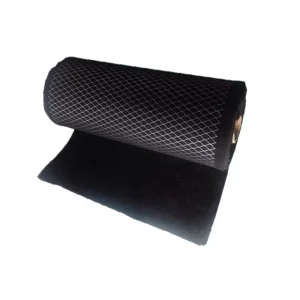
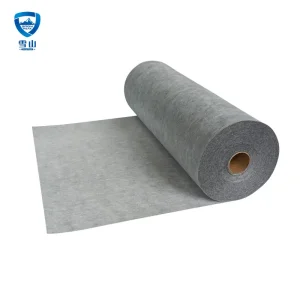
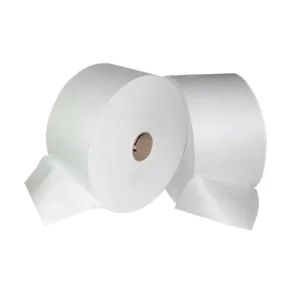
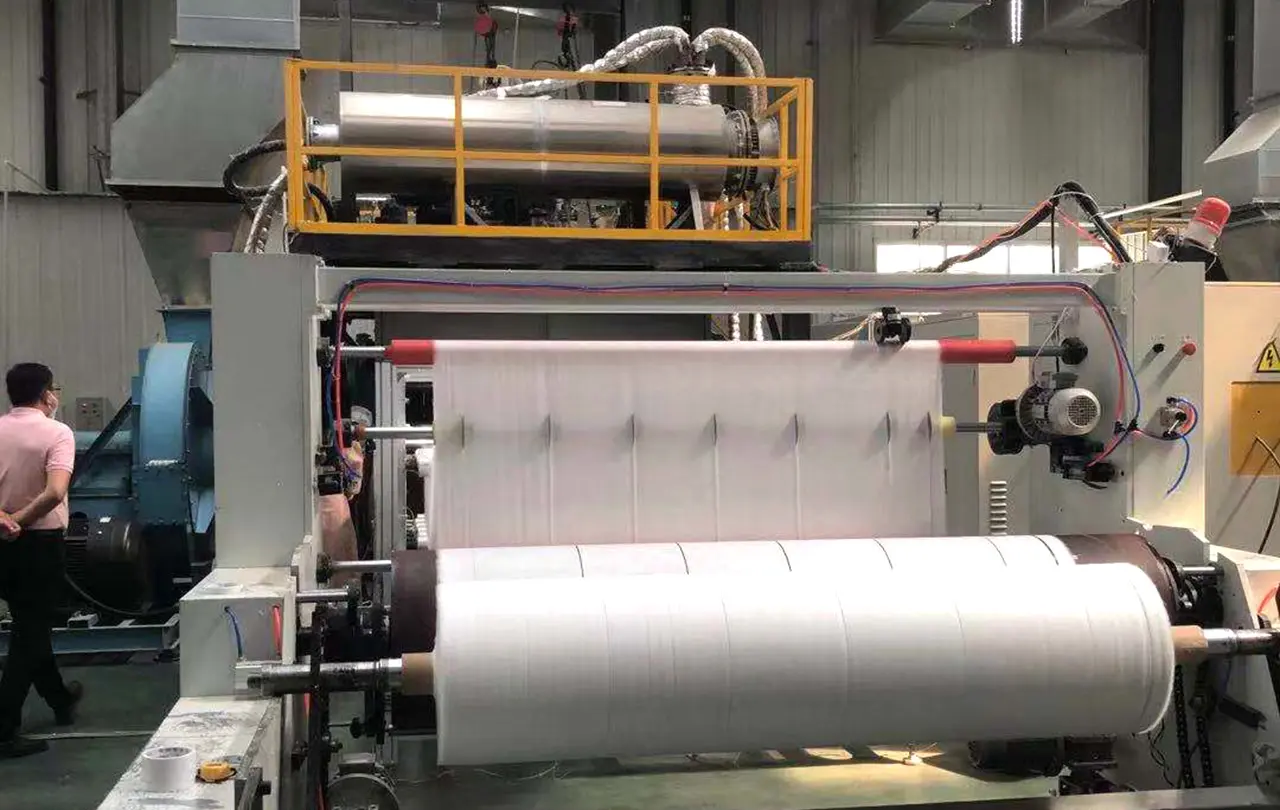
Modern HVAC designs demand low resistance to conserve energy. This is resolved via sandwich carbon fabrics and honeycomb lattices. Melt-blown composite filter media are laminated with active carbon powders using thermoplastic micro-dots, offering two filtration capabilities in a single step.
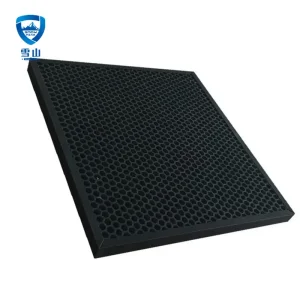
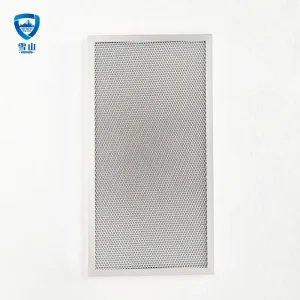
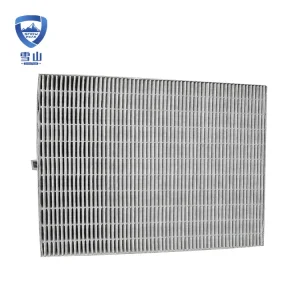
Honeycomb activated carbon matrices feature straight channels that minimize static pressure drop, making them ideal for high-velocity ventilation systems where high airflow rates and medium-efficiency molecular collection must occur simultaneously.
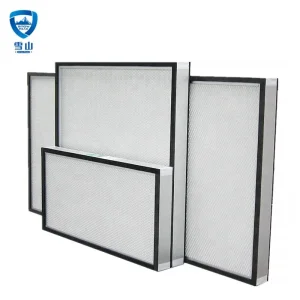
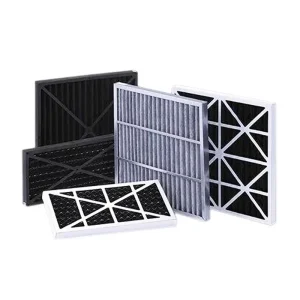
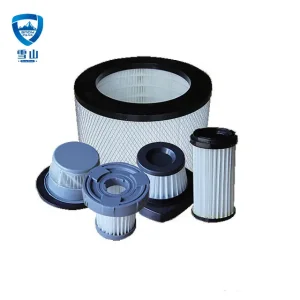
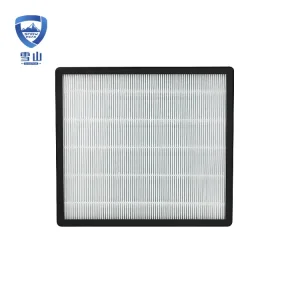
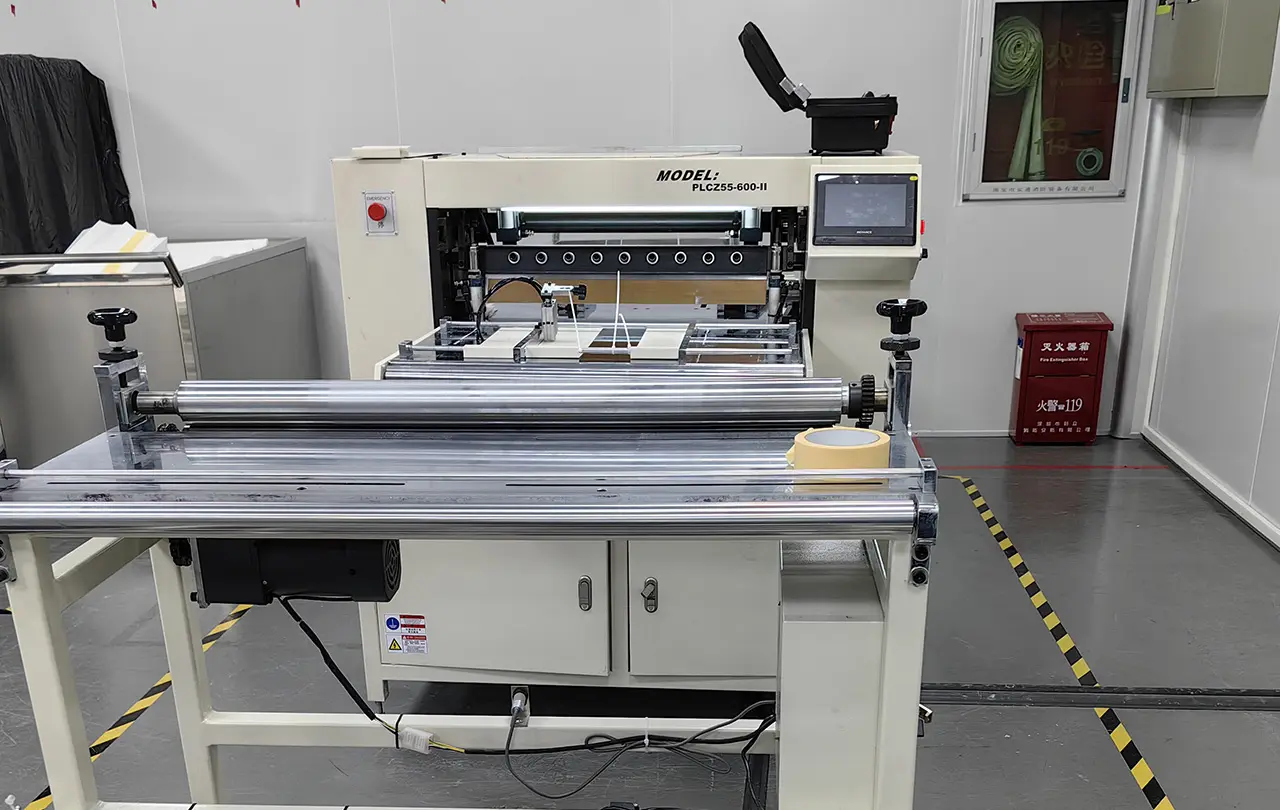
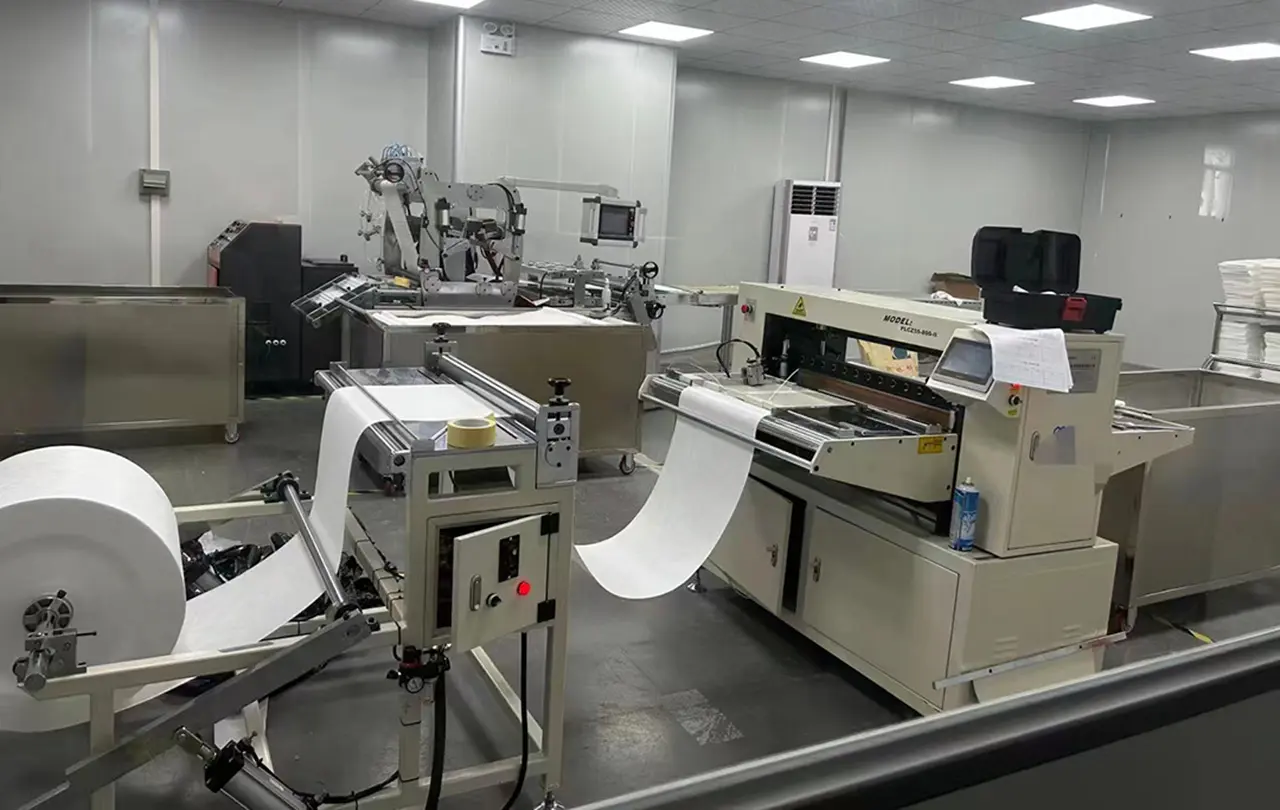
Located in industrial hubs like Shenzhen, domestic factories benefit from local raw materials, high-precision metal stamping, and automated assembly. We provide quick design cycles for customized cylindrical, V-bank, and multi-layered mini-pleated HEPA-carbon hybrid configurations.
Incorporating automated pleating machines and AMADA CNC punch systems ensures tight structural tolerances. This prevents bypass leaks around the filters, meeting the strict requirements of international industrial buyers.
For international sourcing managers, design engineers, and facility executives, evaluating a Chinese manufacturing partner requires looking beyond unit pricing. In accordance with Google's Search Quality Rater Guidelines, we demonstrate our technical authority and trustworthiness through rigorous manufacturing standards, clear materials testing, and environmental certificates.
The performance of a carbon air filter depends on the quality of its media. We trace our raw materials through standard testing protocols:
Our products meet international air filtration test standards, facilitating approval by regulatory and compliance agencies:
Medical and public environments require active microbial control alongside passive filtration:
Different air filtration environments pose unique physical and chemical challenges. Shenzhen Snow Peak Clean Technology Co., Ltd. designs and manufactures custom filtration systems to meet these distinct target requirements.
In semiconductor fabrication plants, airborne molecular contamination (AMC) can degrade silicon wafers and reduce chip yields. Our chemisorptive carbon filters capture trace acidic gases (HCl, HF), basic compounds (NH₃), and condensable organic vapors. Combined with low-outgassing HEPA systems, they help maintain ISO Class 1 to Class 5 cleanroom air purity standards.
Pharmaceutical manufacturing and hospital environments require high particulate filtration and pathogen control. Snow Peak's antiviral HEPA filters achieve a 99.99% removal rate for the H1N1 virus, preventing the spread of airborne pathogens. The carbon pre-filter layer also adsorbs chemical vapors, sterilizing agents, and odors.
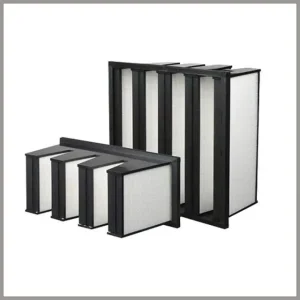
Urban office buildings and educational facilities face outdoor smog, vehicle exhaust, and indoor VOCs. V-bank and pocket active carbon systems integrate into existing air handling units (AHUs). They reduce PM2.5 levels to 10 µg/m³—exceeding national standards—while optimizing airflow to reduce HVAC energy consumption.
Automotive cabins require quick removal of exhaust odors, ozone, and external particulates. Our multi-layer sandwich cabin filters combine mechanical filtration fibers with fine carbon granules. They fit into standard vehicle housings to remove pollen and dust while reducing odors under changing driving conditions.
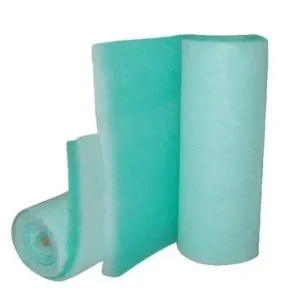
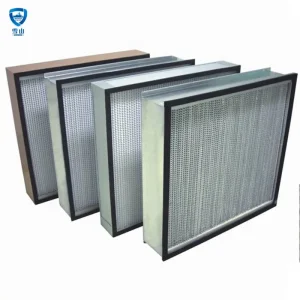
Manufacturing facilities, spray paint booths, and chemical plants must control volatile emissions to protect local air quality. Our deep-pleated carbon filters, supported by sturdy wire mesh and galvanized steel frames, are designed for high-volume gas-phase filtration. They remove heavy solvent vapors, paint mist, and corrosive chemical exhaust.
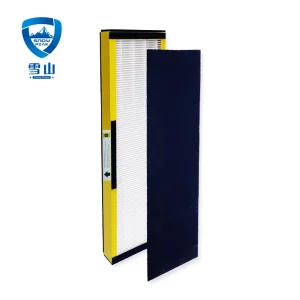
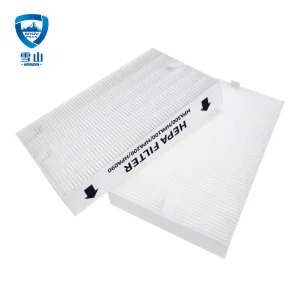
For home air purifiers, vacuum cleaners, and humidifiers, our replacement HEPA and carbon filter assemblies offer precise compatibility with OEM brands. They capture household dust, pet dander, kitchen grease, and odors, helping brands provide reliable, long-lasting performance for home users.
The air filtration industry is evolving in response to climate change, stricter environmental laws, and the growth of advanced manufacturing. Shenzhen Snow Peak Clean Technology Co., Ltd. monitors and adapts to these key industry trends:
Technical guidance on selection, maintenance, and material specifications for air filtration projects.
High-efficiency replacement modules and custom-engineered particulate filter banks built for standard HVAC and cleanroom configurations.
 Snow Peak