Engineered for cleanrooms, high-occupancy commercial complexes, and volatile molecular filtration targets.
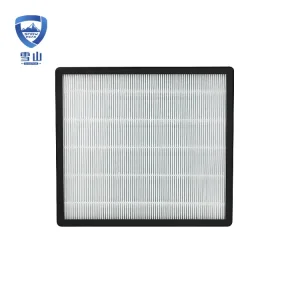
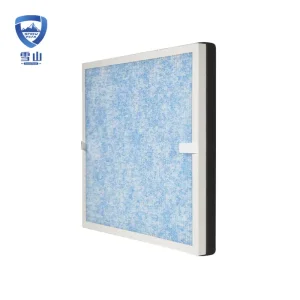
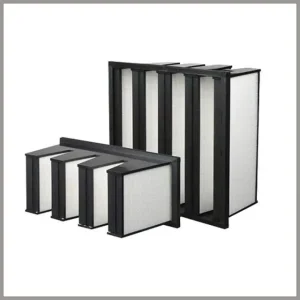
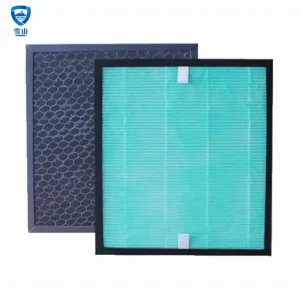
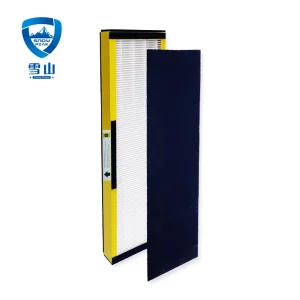
Traditional particulate filtration technologies, such as synthetic media and fiberglass filters, excel at trapping dust, smoke, and fine aerosol particles. However, the rise of modern industrial environments introduces challenges that go far beyond physical PM2.5 capture: Airborne Molecular Contamination (AMC). These micro-pollutants—consisting of Volatile Organic Compounds (VOCs), acid vapors, hydrogen sulfide (H2S), nitrogen oxides (NOx), and ozone (O3)—can easily pass through even high-efficiency HEPA structures.
To eliminate these molecular contaminants, engineered Air Handling Units (AHUs) rely heavily on advanced carbon filters. Through the mechanisms of physical adsorption and chemisorption, active chemical carbon arrays capture contaminants at the molecular scale. In critical cleanroom operations, semiconductor lithography, and high-purity laboratory configurations, maintaining structural integrity demands zero AMC leakage. A failure to control AMC can lead to microchip degradation, chemical corrosion on electronic circuits, and degraded biological processes. Contemporary modular carbon filter AHUs integrate multiple stages, marrying physical HEPA filtration with high-pore activated carbon structures, ensuring comprehensive biological and chemical purification.
Carbon adsorption efficiency relies on the internal surface area, typically ranging from 900 to 1,500 m²/g. Physical adsorption utilizes Van der Waals forces to trap VOC molecules, while chemically modified carbon panels target specific light acids and alkaline agents via tailored chemisorption impregnation (e.g., target impregnations with KOH, H3PO4, or KMnO4).
A deep analysis of market demand across semiconductor fabrication plants, pharmaceutical formulation cleanrooms, and municipal air purification standards.
As lithography moves to EUV (Extreme Ultraviolet) processing nodes, yield loss due to nanoscale chemical haze represents millions in losses. Carbon-based gas filtration is mandatory to protect expensive optics and ultra-sensitive wafers.
Regulatory groups (FDA, EMA) mandate strict controls over gaseous cross-contamination in APIs (Active Pharmaceutical Ingredients) synthesis. Multi-stage filtration prevents volatile reagent escape and ensures absolute compliance.
Modern green building standards (LEED, BREEAM) dictate substantial indoor air chemical load reductions while optimizing fan energy usage. Low pressure-drop carbon filter AHU configurations satisfy both eco-compliance goals.
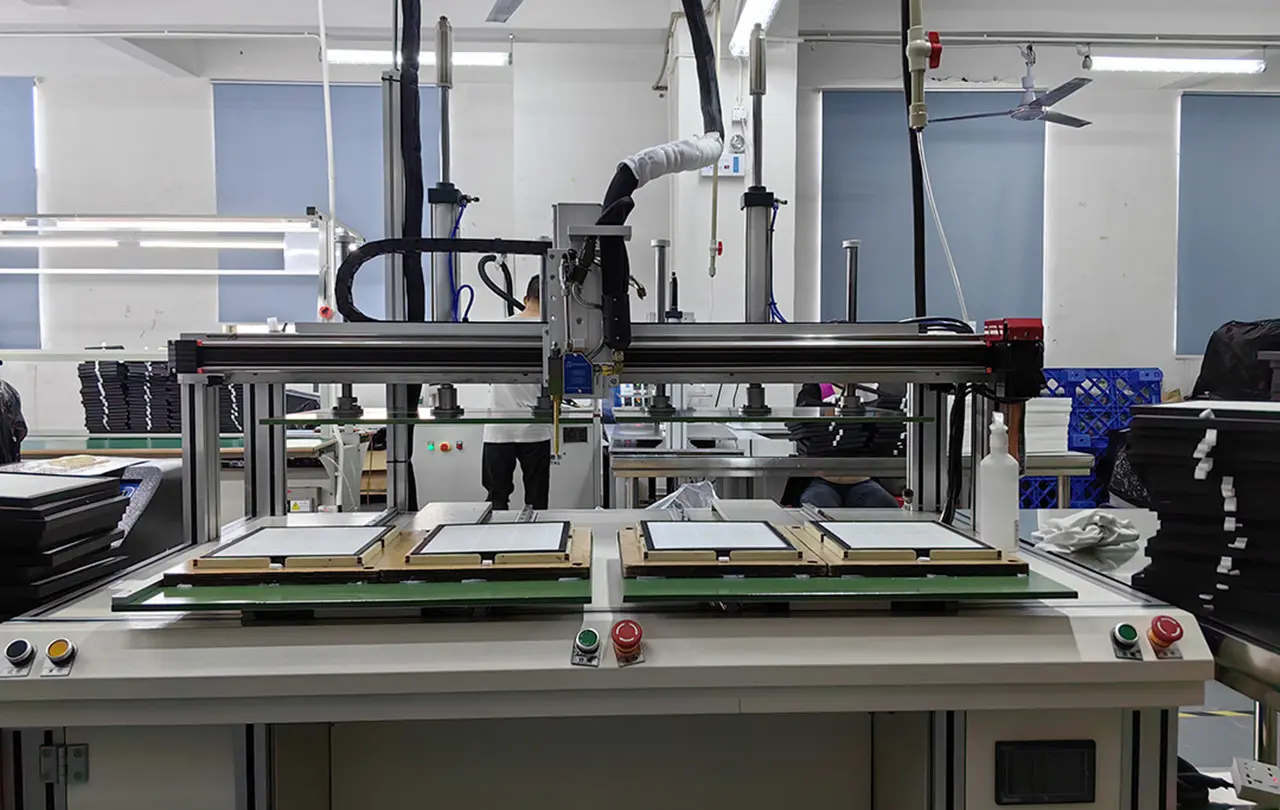
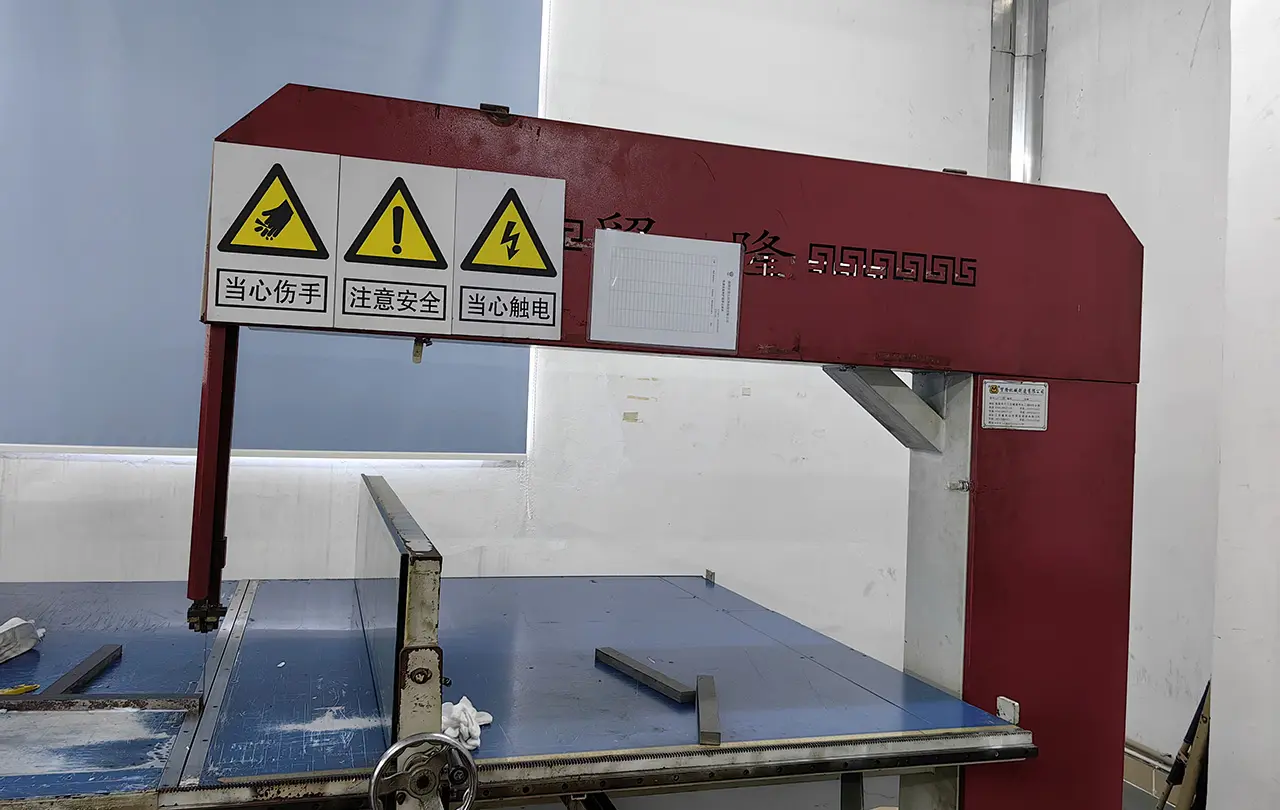
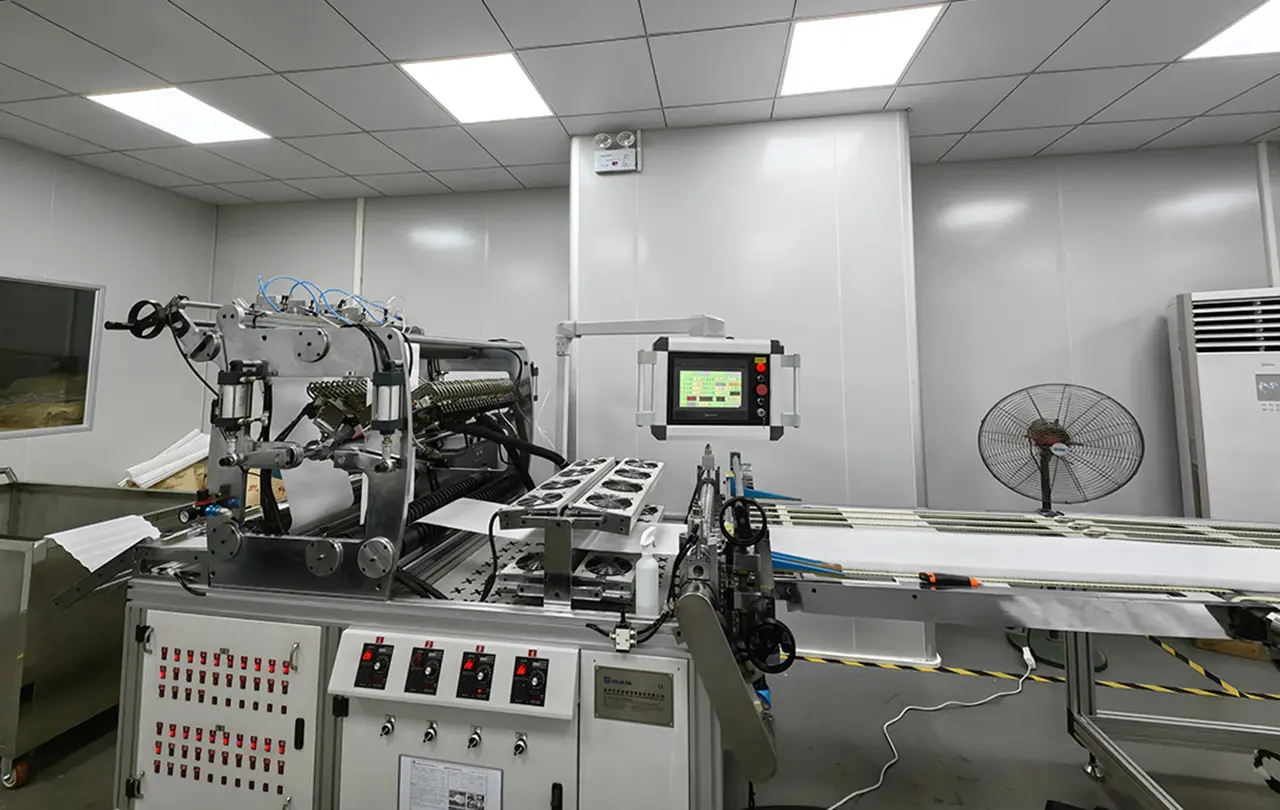
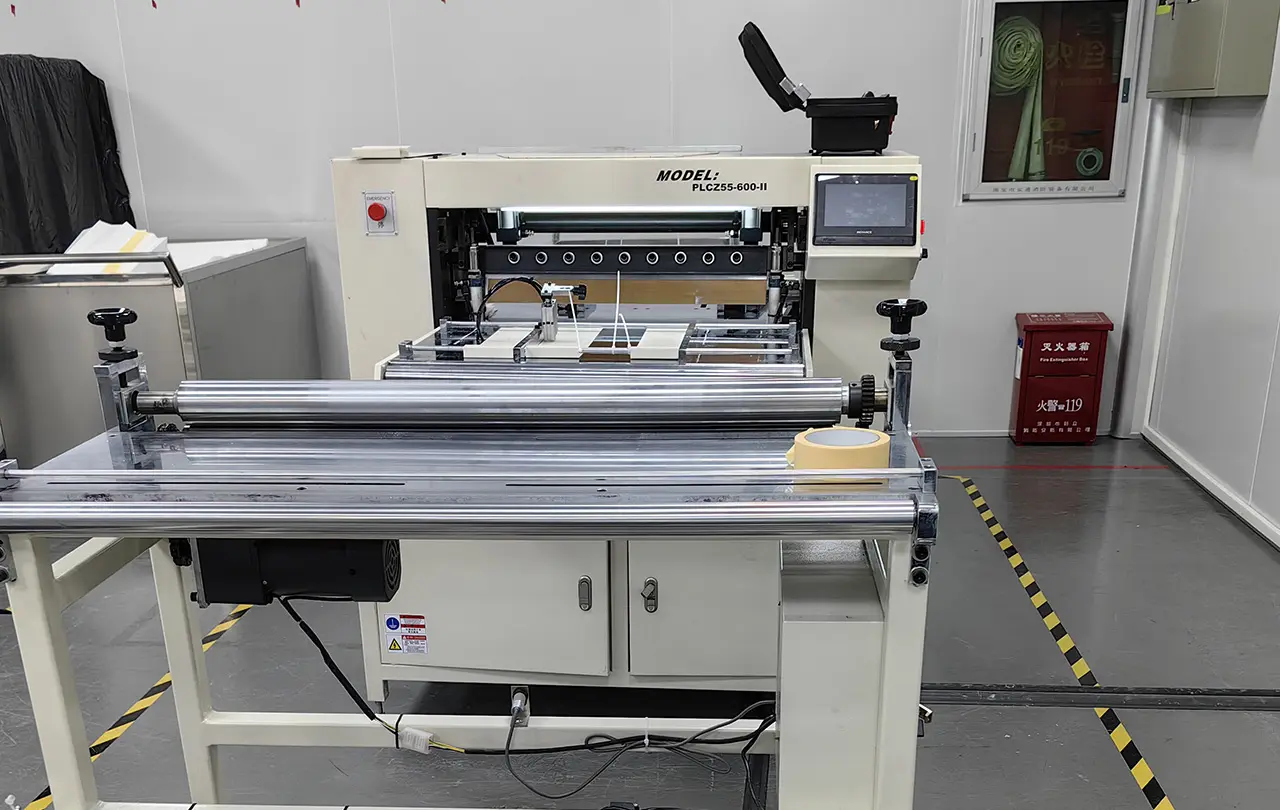
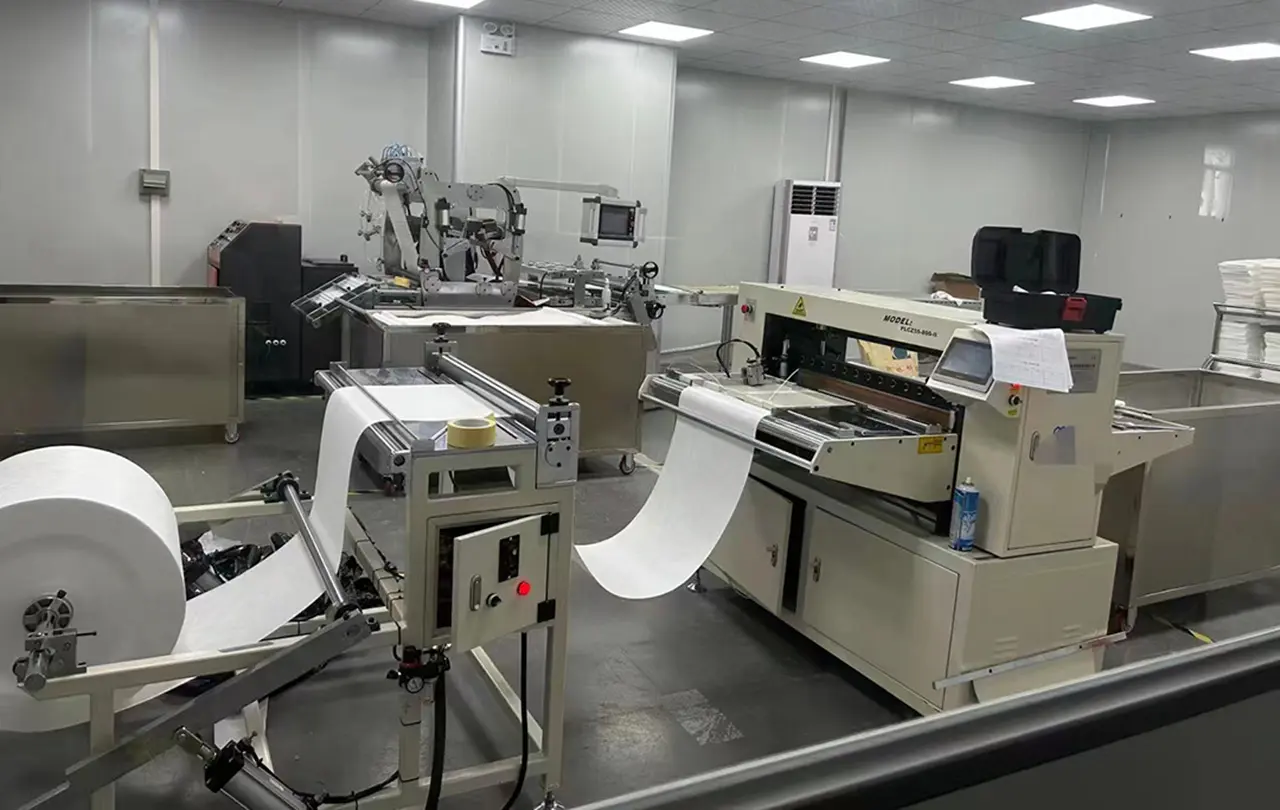
The global HVAC supply chain requires both deep customization flexibility and rapid bulk production capacity. Shenzhen Snow Peak Clean Technology Co., Ltd. addresses this demand by combining advanced German/Japanese heavy machining systems with digital workshop protocols. Our production workflows leverage AMADA CNC punching and CNC bending machines to execute micron-level frame manufacturing, ensuring structural integrity and preventing structural bypass air leakage.
By digitizing pleating, gluing, and frame-fitting, we ensure zero product variability. Our smart production lines process customizable configurations—from 2V, 3V, 4V, 5V, 6V cell plastic frames to reinforced metallic industrial containment casings. This localized vertical integration guarantees that high-efficiency cleanroom solutions are exported with minimal lead times, lower transport volumes, and optimized Total Cost of Ownership (TCO).
A comparison of carbon substrates and configurations designed to optimize media contact time and reduce initial pressure drop.
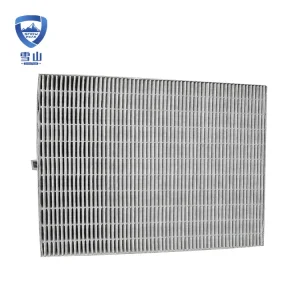
Granular active carbon particles are trapped between two layers of non-woven high-filtration synthetic media. This design offers a low pressure drop and dual action: capturing airborne particles while adsorbing trace chemical emissions in standard HVAC systems.
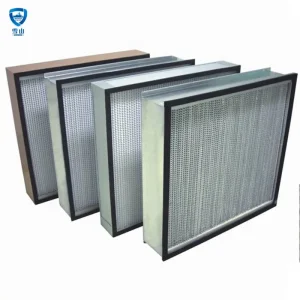
Utilizing robust V-shaped arrays (2V to 6V cell designs), this layout maximizes the active filtration area in high-velocity air flows. Excellent for industrial facilities facing heavy chemical loads and demanding long filter replacement cycles.
Optimized for high-purity cleanroom bypass systems. These filters feature extended contact time (residence time >0.1s) and high carbon weights per cubic meter, ensuring high VOC removal rates in a single pass.
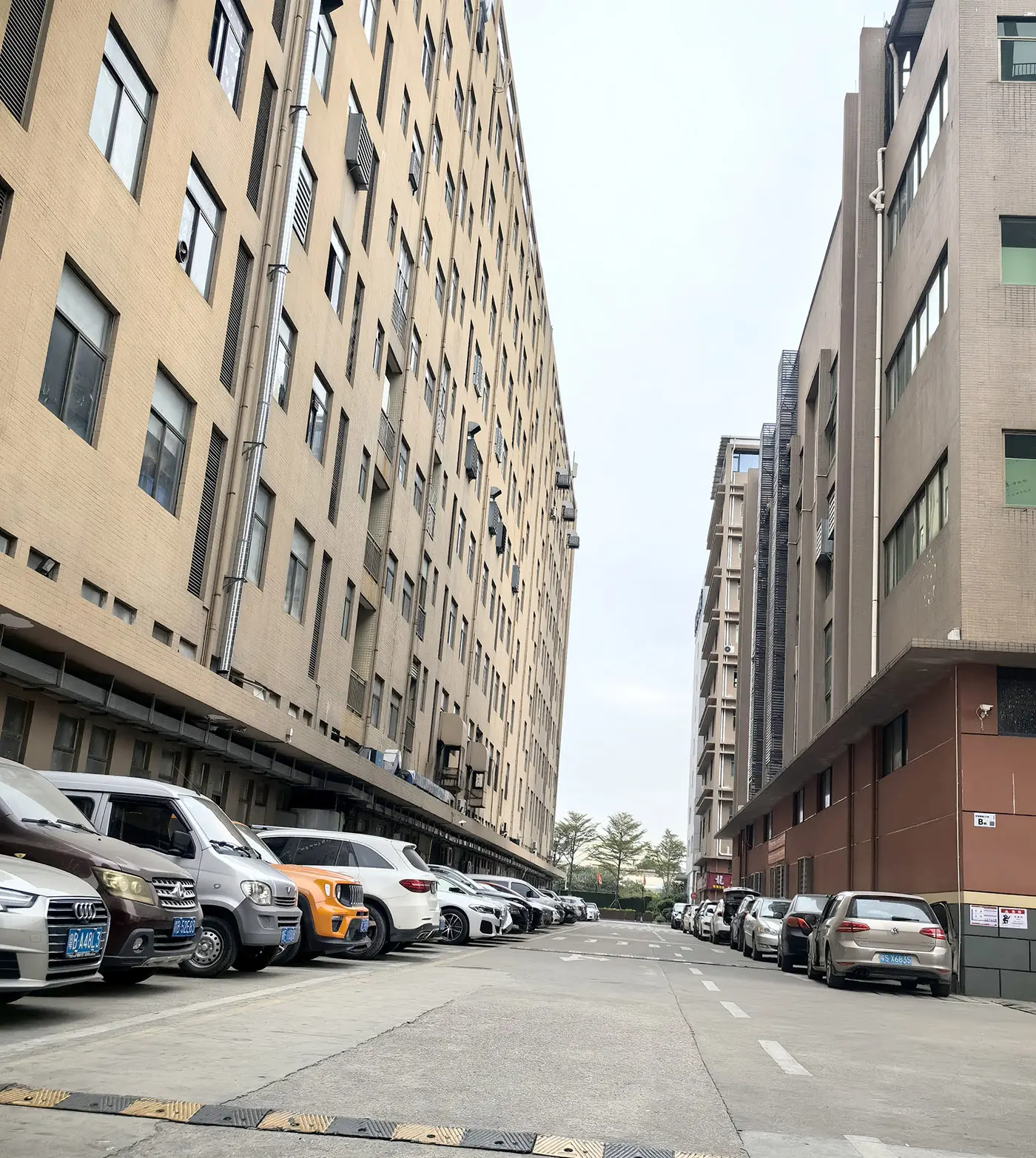
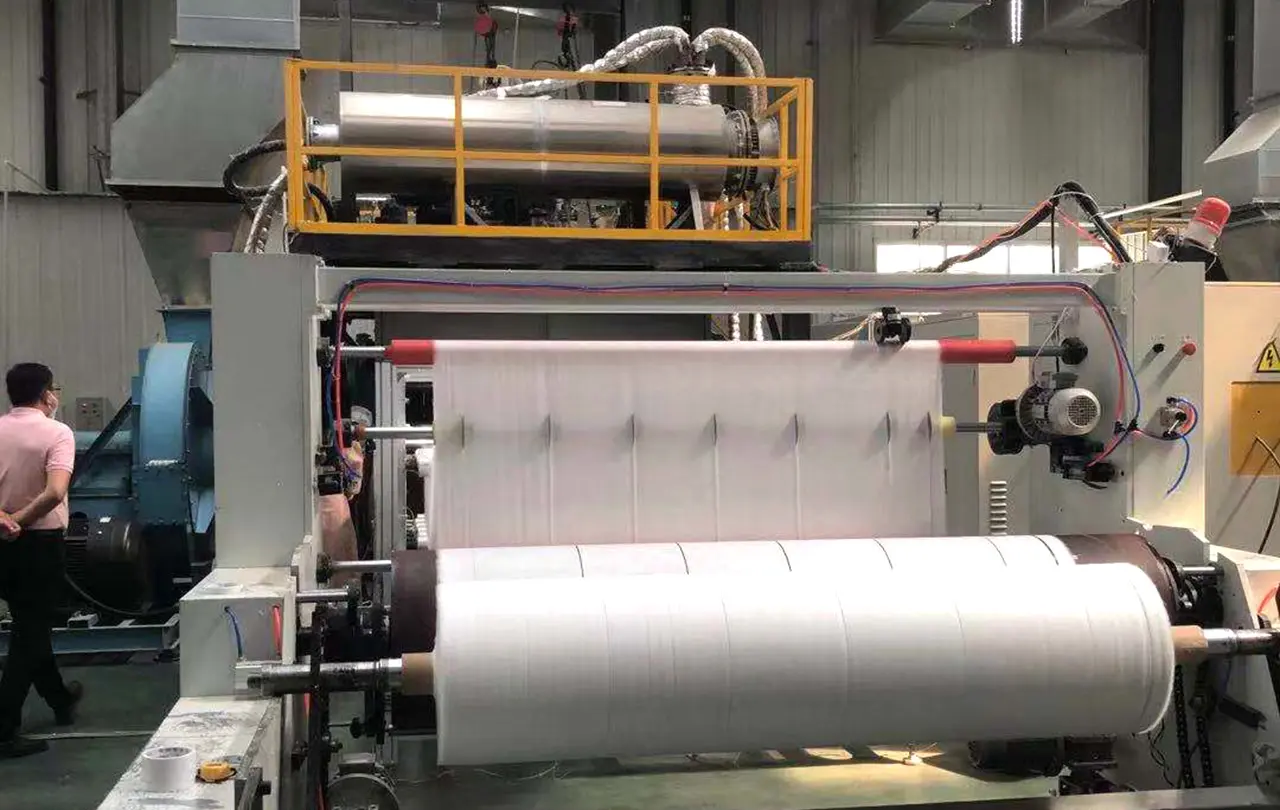
Shenzhen Snow Peak Clean Technology Co., Ltd. is an integrated high-tech enterprise, specialized in air filtration products research and development, production, sales, import and export trade. We produce and supply a comprehensive catalog of cleanroom components: Pre-filter, pocket filter, HEPA filter, chemical filter; replacement HEPA filter, car cabin air filter, and humidifier filter; pocket filter media, melt-blown composite filter media, and other high-performance filter materials.
We provide high-quality air purification solutions and products for indoor air pollution control and air conditioning systems of civil and commercial buildings, microelectronics, pharmaceutical, laboratory, school, and hospital clean rooms. Combined with self-developed patented technology, our sterilizing antiviral HEPA filter can effectively filtrate fine particles, so that PM2.5 concentration down to 10 micrograms/m3, 5 times better than national standards; effectively inhibit the breeding of microorganisms, sterilization rate up to 99.9%, and no secondary pollution, removal of H1N1 virus efficiency as high as 99.99%.
How physical geography and local chemical profiles dictate carbon filtration engineering.
High relative humidity can compromise active carbon pores as water vapor competes with target VOCs. In tropical regions (e.g., Southeast Asia), our AHUs integrate high-efficiency pre-dehumidification steps and water-resistant synthetic carbon fabrics to preserve adsorption capacity.
In areas with heavy petrochemical processing, air streams carry elevated concentrations of SO2 and NOx. For these settings, we supply multi-stage chemisorption chemical filters containing alumina media impregnated with potassium permanganate to target acid gases.
Designed to reduce indoor VOC emissions, odor, and ozone in crowded metropolitan commercial buildings. By pairing carbon fabrics with HEPA pre-filters, we maintain low pressure drop and meet modern IAQ (Indoor Air Quality) ventilation codes.
Answering the most critical engineering questions regarding carbon filtration design, maintenance, and material selection.
The service life of activated carbon depends on the concentration of contaminants (VOCs/AMCs), air velocity, temperature, relative humidity, and the carbon media volume. In standard cleanroom settings with low ambient VOC concentrations, carbon filters typically last between 12 to 24 months. Regular diagnostic tests, such as monitoring pressure drops and analyzing gas breakthroughs via sensor arrays, help establish optimal replacement schedules.
Adding filtration stages naturally increases resistance (pressure drop), requiring more fan power. To counter this, our carbon filters utilize pleated configurations and high-porosity active carbon fabrics. These designs maximize the open flow area while maintaining active adsorption. This helps keep initial resistance low (often < 80 Pa at typical face velocities), minimizing fan energy consumption.
Physical adsorption uses porous carbon structures to trap large VOC molecules via weak physical forces (Van der Waals). Chemisorption uses chemical reagents (such as KOH, phosphoric acid, or metal oxides) impregnated into the carbon substrate. These additives chemically react with and neutralize smaller, polar molecules like ammonia, acid vapors, and formaldehyde, converting them into stable non-volatile compounds.
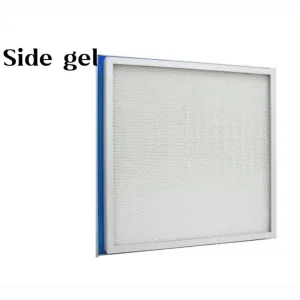
We utilize high-rigidity CNC-fabricated frames (polyurethane, plastic, or metallic alloys) sealed with gel or premium liquid gaskets. This design creates a continuous, airtight seal against the AHU housing. Additionally, each product batch undergoes rigorous scan testing to ensure structural integrity and zero chemical bypass.
Standard HVAC and cleanroom carbon filters are disposable consumables and cannot be washed, as water destroys the micro-pore network and removes chemical impregnations. While certain industrial granular carbons can be thermally reactivated at specialized facilities, standard practice in high-precision facilities is to replace the carbon panels or media rolls once they reach chemical saturation.
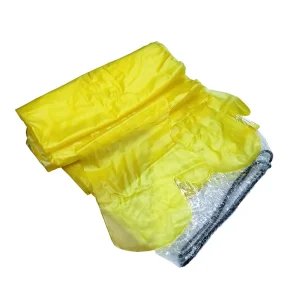
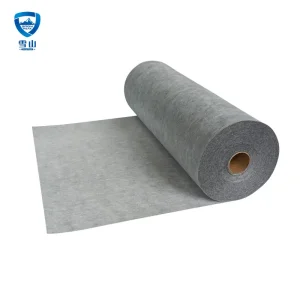
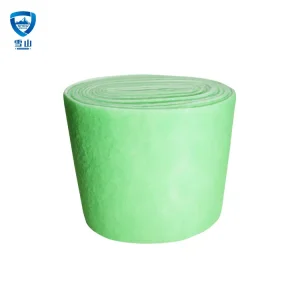
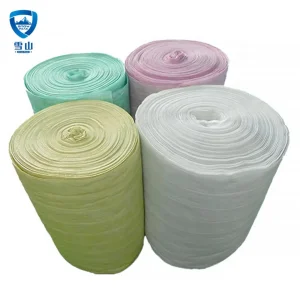
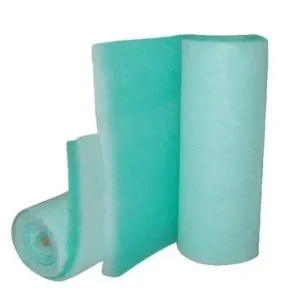
Original rolls, structural pre-filters, and high-capacity replacement products designed for global industrial applications.
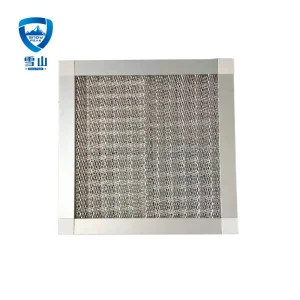
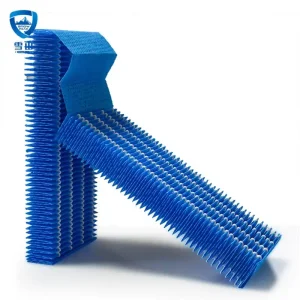
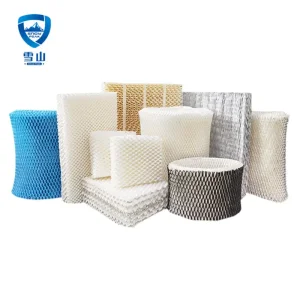
 Snow Peak