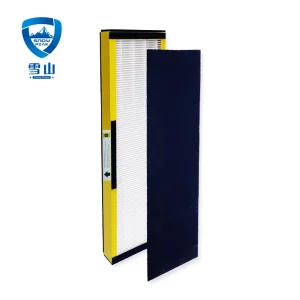
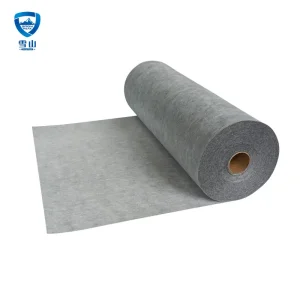
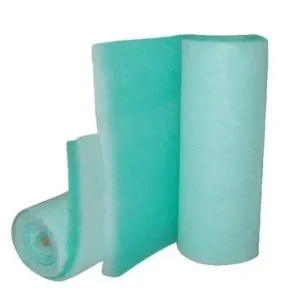
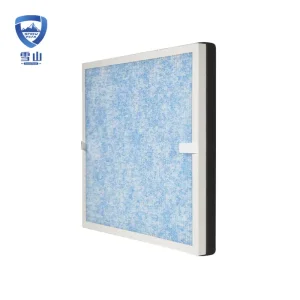
Explore our premium range of industrial-grade HEPA filters, MERV-rated media, and custom replacement solutions engineered for maximum particulate capture.
A technical breakdown of air filtration standards, efficiency metrics, and aerodynamic performance.
In the field of industrial and commercial air purification, selecting the correct filtration media requires a deep understanding of standard classification systems. The two most prominent benchmarks are the MERV (Minimum Efficiency Reporting Value) scale, governed by ASHRAE 52.2, and the HEPA (High-Efficiency Particulate Air) standard, regulated globally by EN 1822 and ISO 29463.
MERV ratings range from 1 to 16, measuring a filter's ability to capture particles between 0.3 and 10 microns. As the MERV rating increases, the filter captures smaller particles with greater efficiency. For instance, a MERV 13 to 16 filter is typically deployed in high-end commercial HVAC systems, hospitals, and general manufacturing facilities to capture bacteria, smoke, and droplet nuclei.
HEPA filters represent a higher tier of filtration, beginning where the MERV scale ends. By definition, a True HEPA filter must capture at least 99.97% of airborne particles as small as 0.3 microns. In European standards, this corresponds to the H13 class. For ultra-clean environments, such as semiconductor fabrication and pharmaceutical formulation, H14 HEPA and ULPA (Ultra-Low Penetration Air) filters are utilized to achieve efficiencies up to 99.999%.
| Filter Class / Rating | Efficiency @ Particle Size | Typical Applications |
|---|---|---|
| MERV 8-11 | >70% to 85% @ 3.0 - 10.0 µm | Residential HVAC, Commercial Buildings |
| MERV 13-16 | >90% @ 1.0 - 3.0 µm (MERV 13) | Hospitals, General Surgery, Clean Rooms |
| HEPA H13 (True HEPA) | ≥99.97% @ 0.3 µm | Medical Facilities, OEM Air Purifiers |
| HEPA H14 / ULPA | ≥99.995% @ 0.3 µm / MPPS | Semiconductor Fabs, Bio-Safety Labs |
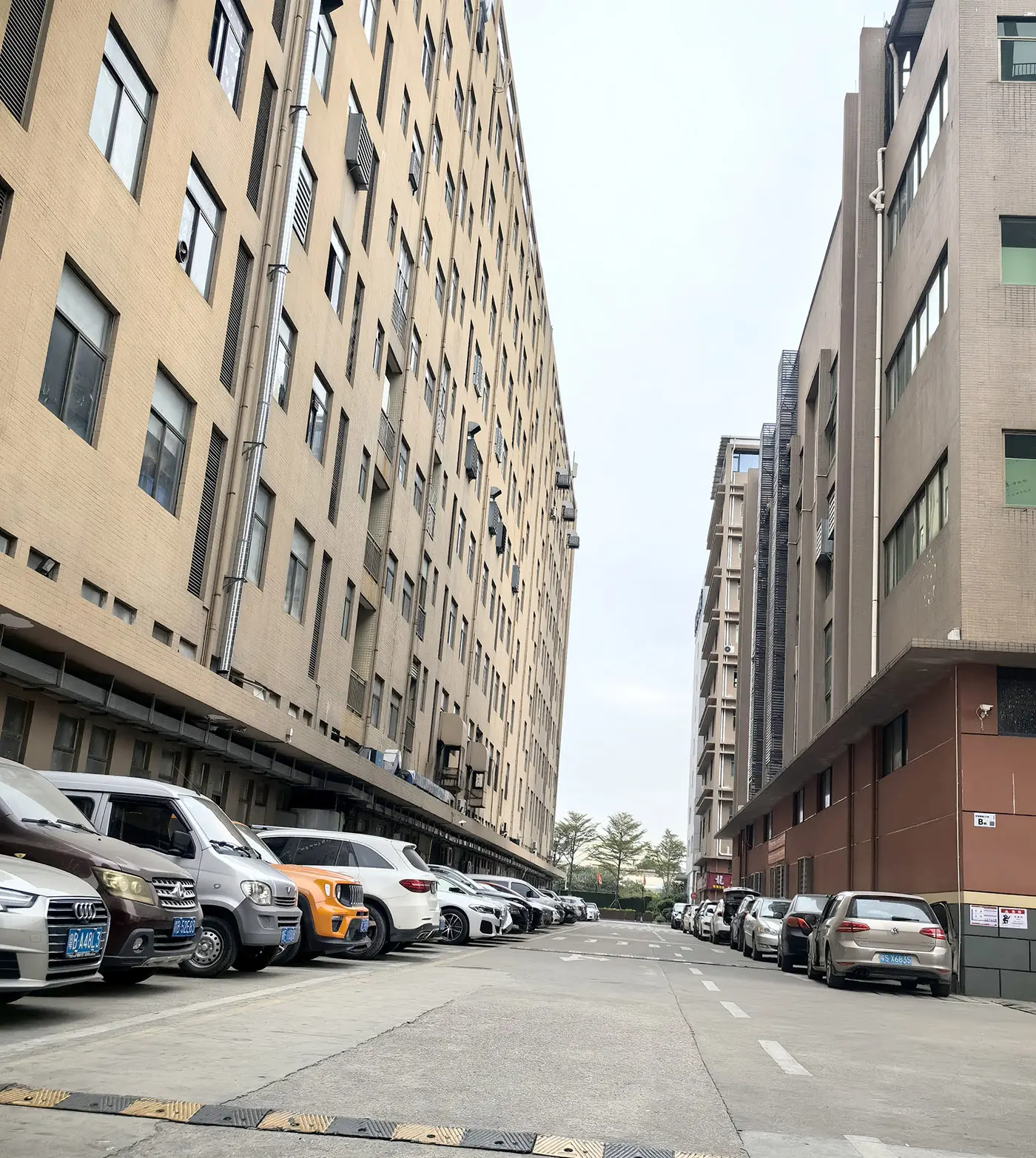
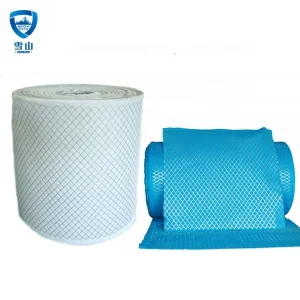
Shenzhen Snow Peak Clean Technology Co., Ltd. is an integrated high-tech enterprise specialized in air filtration products research and development, production, sales, and import/export trade. We produce and supply a comprehensive catalog of air purification components, including: Pre-filters, pocket filters, HEPA filters, chemical filters, replacement HEPA filters, car cabin air filters, humidifier filters, pocket filter media, melt-blown composite filter media, and other high-performance filter materials.
Our engineering division provides high-quality air purification solutions and products for indoor air pollution control and air conditioning systems of civil and industrial buildings, microelectronics, pharmaceuticals, laboratories, schools, and hospital clean rooms. Combined with self-developed patented technology, our sterilizing antiviral HEPA filter can effectively filtrate fine particles, keeping PM2.5 concentration down to 10 micrograms/m³, which is 5 times better than the national standard. It effectively inhibits the breeding of microorganisms, achieving a sterilization rate up to 99.9% with no secondary pollution, and a removal efficiency of the H1N1 virus as high as 99.99%.
Our production infrastructure is designed to meet the rigorous quality standards required by global industrial buyers.
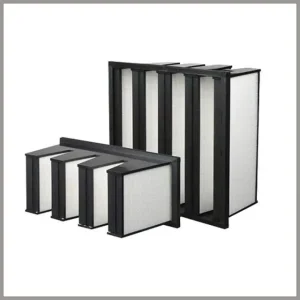
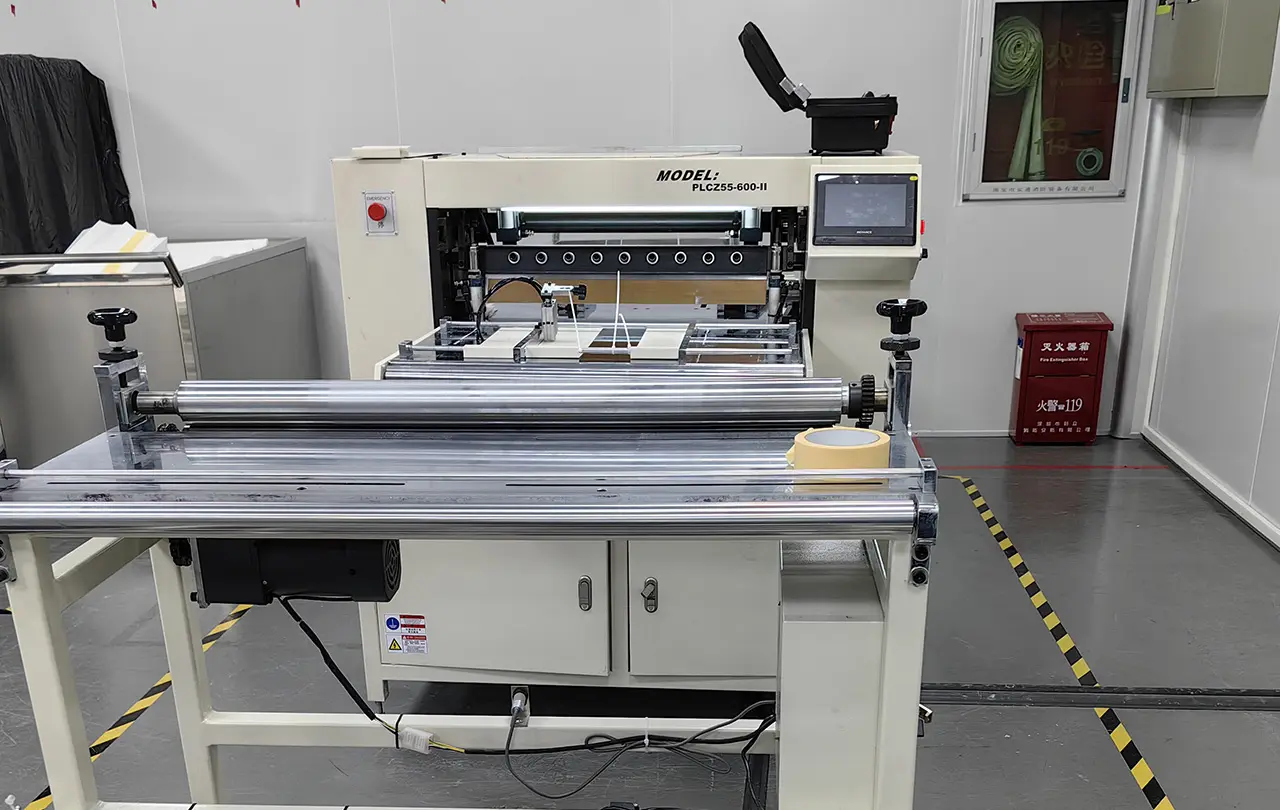
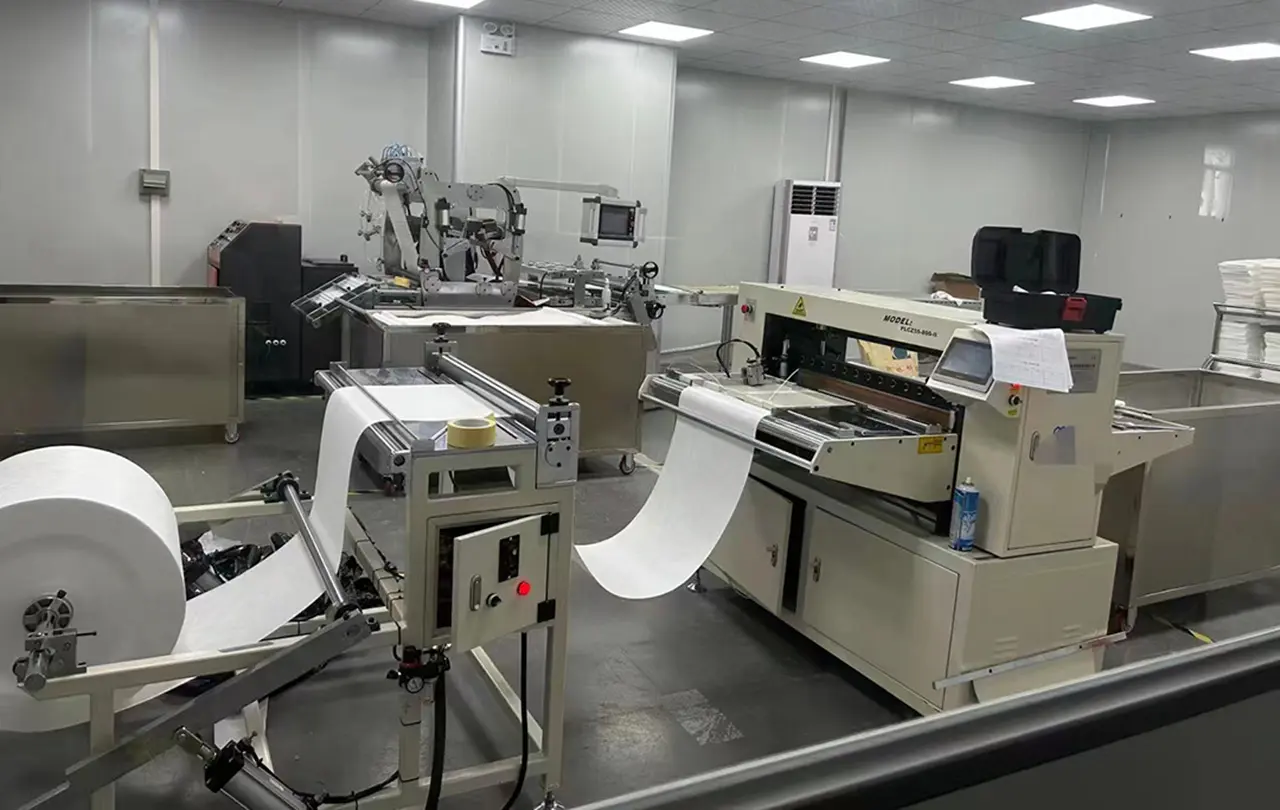
Having 15 years of international air purification technology experience as our foundation, our company operates standardized production workshops and dust-free filter assembly lines. We are equipped with AMADA CNC punches and CNC bending machines, ensuring high-tolerance metal frame fabrication for industrial V-bank and box filters.
We design and develop our own fully automatic air filter production lines. This includes high-speed pleating machines, precise hot-melt gluing systems, and frame assembly stations. Automation guarantees consistent pleat spacing, optimized dust-holding capacity, and minimal bypass leakage across all production runs.
Every HEPA filter batch undergoes strict testing, including scan testing for leaks and pressure drop measurements. Our testing protocols comply with EN 1822 and ASHRAE 52.2 standards, ensuring that every unit shipped to global markets meets its rated efficiency and performance specifications.
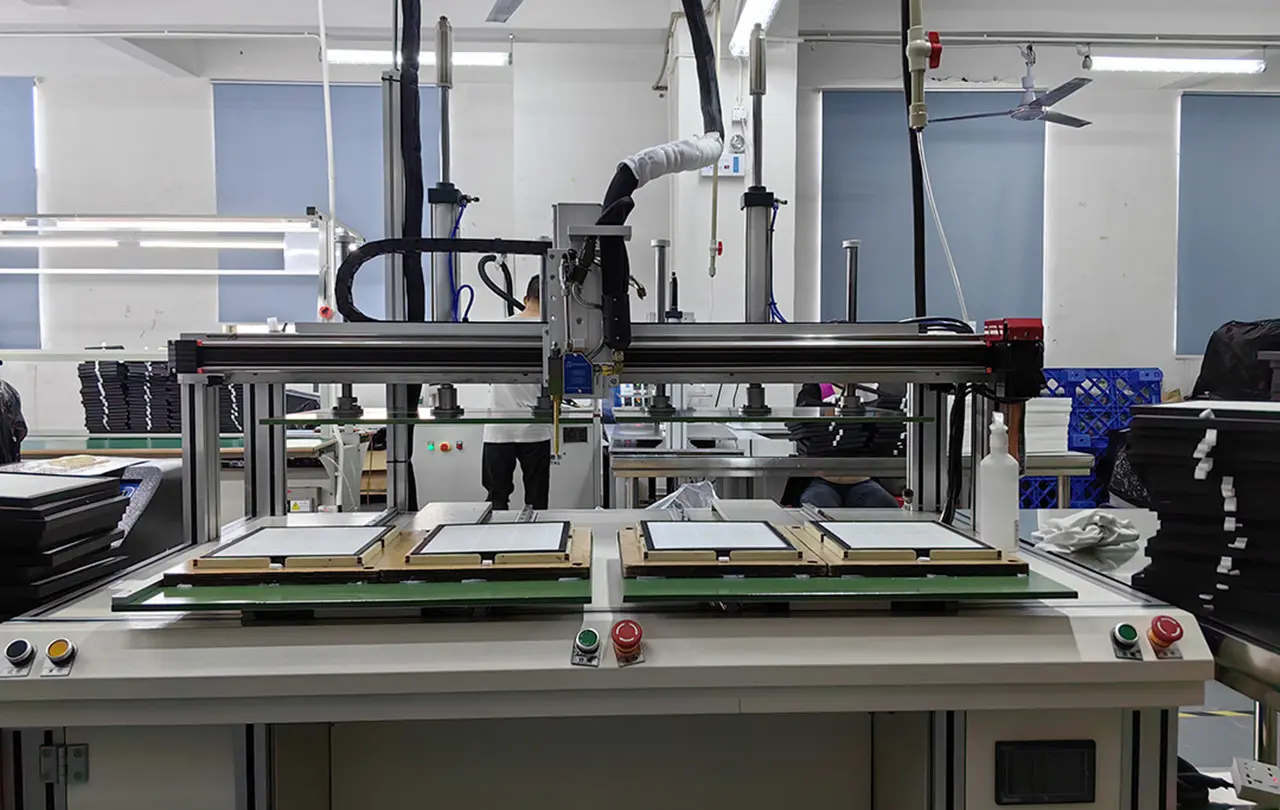
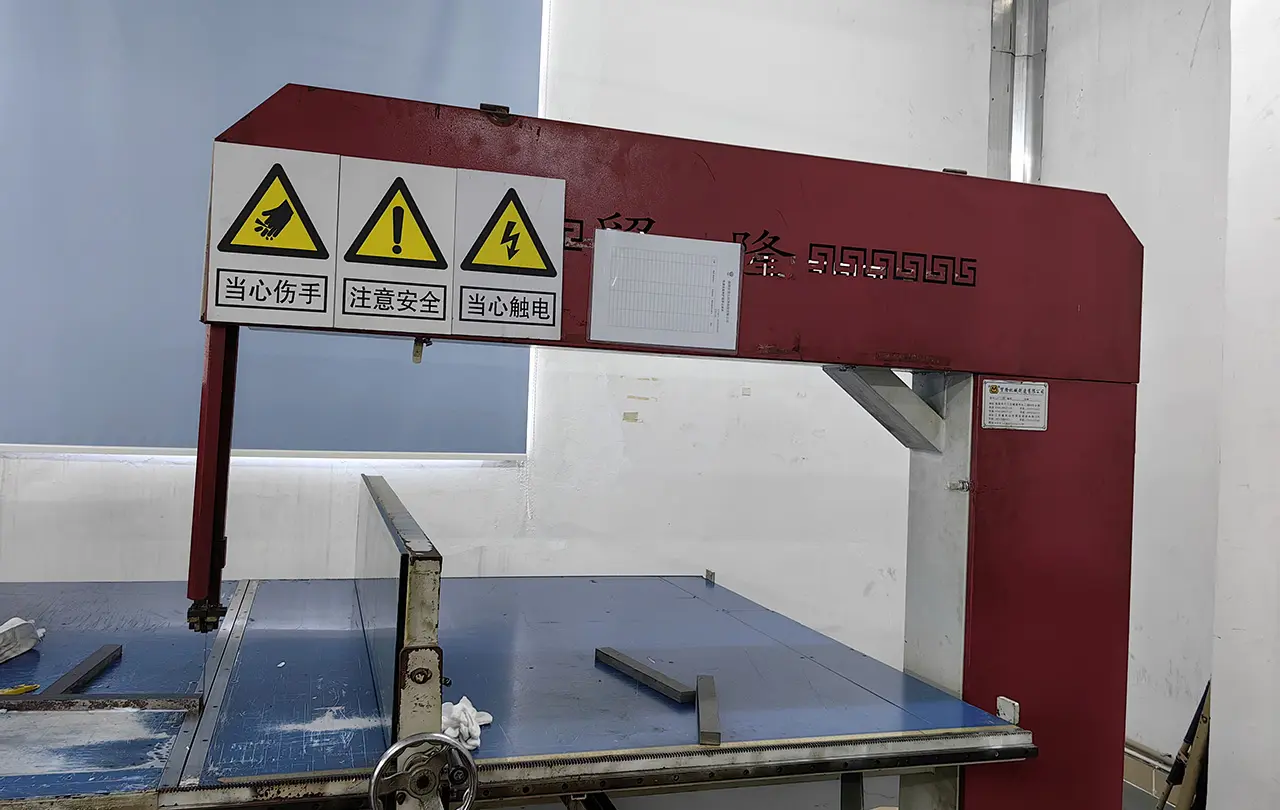
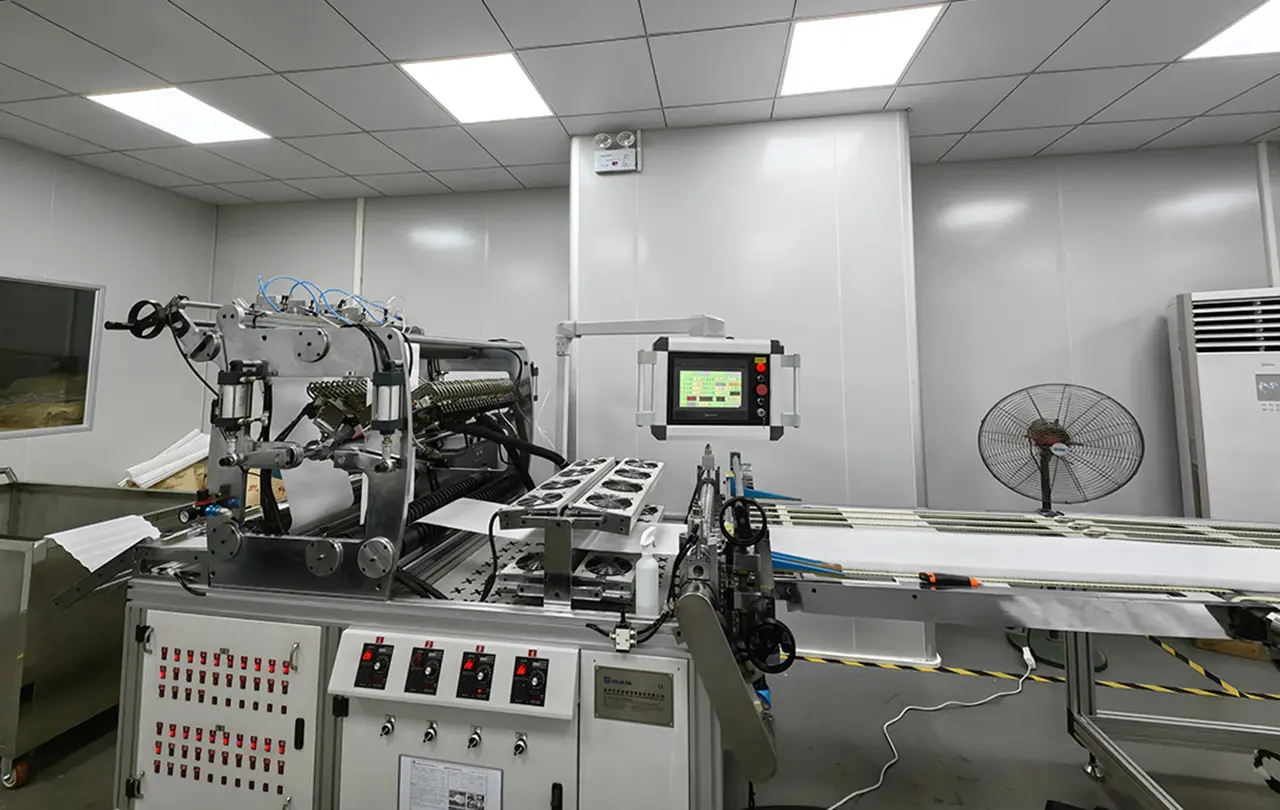
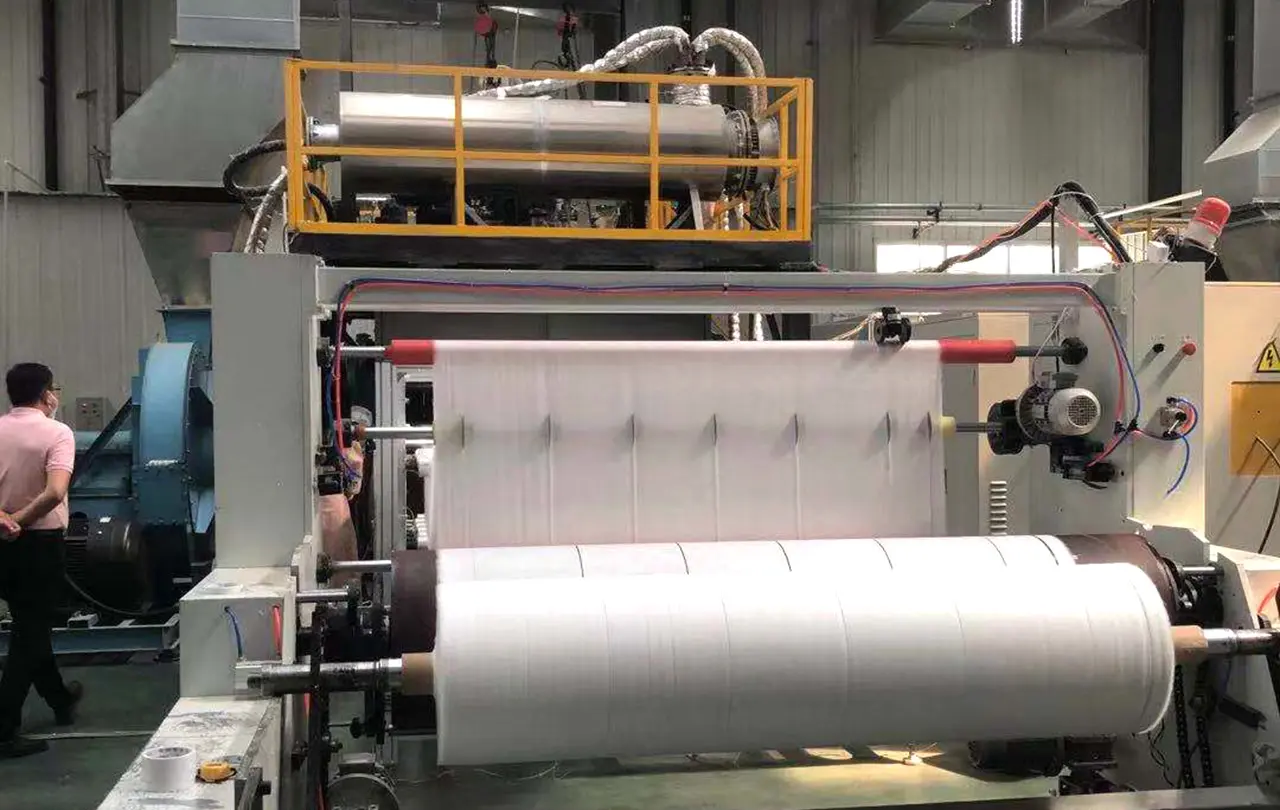
Leveraging China's industrial supply chain to deliver high-performance filtration solutions at scale.
China's filtration industry benefits from a complete supply chain. From raw polymer extrusion and meltblown fabric production to synthetic wire mesh lamination and frame fabrication, all materials are sourced locally. This reduces lead times and minimizes logistics costs, passing the savings directly to global buyers.
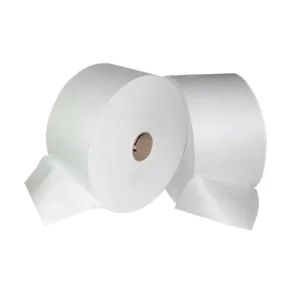
Chinese manufacturers utilize state-of-the-art meltblown and fiberglass composite technologies. By laminating electrostatic layers with structured backing materials, we achieve low-resistance, high-efficiency media. This combination delivers superior dust-holding capacity and lower energy consumption in HVAC systems.
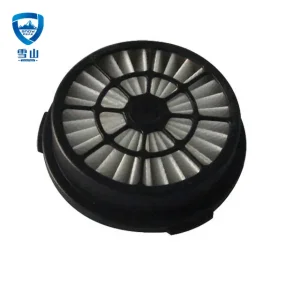
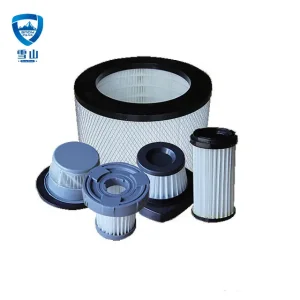
Whether you require custom-sized cylindrical HEPA filters for consumer air purifiers or large-scale V-bank filters for industrial cleanrooms, Chinese factories offer flexible tooling and rapid prototyping. We support custom branding, specialized frame materials (plastic, galvanized steel, aluminum), and custom pleat configurations.
Tailored air filtration systems designed for regulatory compliance and operational efficiency across diverse sectors.
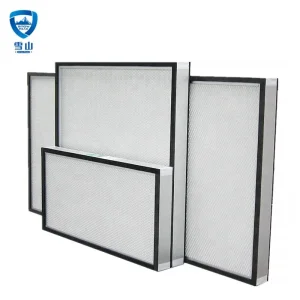
In semiconductor fabrication, even sub-micron particulate contamination can ruin silicon wafers. Our H14 and ULPA filtration systems provide laminar flow cleanroom environments, maintaining ISO Class 1 to Class 5 air purity. These systems feature low-outgassing sealants and high-strength aluminum frames to prevent contamination.
Pharmaceutical manufacturing requires strict compliance with GMP standards. Our sterilizing antiviral HEPA filters prevent cross-contamination in formulation, filling, and packaging areas. With a 99.9% sterilization rate and 99.99% H1N1 viral filtration efficiency, they ensure sterile processing environments.
Modern commercial buildings rely on MERV 13 to MERV 16 filters to earn LEED credits and ensure indoor air quality (IAQ). Our low-pressure-drop V-bank and pocket filters integrate into existing air handling units (AHUs), reducing fan energy consumption while removing PM2.5, pollen, and outdoor pollutants.
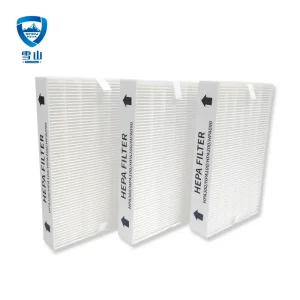
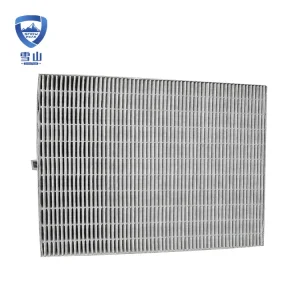
Hospitals and clinics require dynamic air filtration to control airborne pathogens. Our high-efficiency cylindrical and panel HEPA filters are deployed in negative-pressure isolation wards, dental clinics, and surgical suites to capture bacteria and viruses, protecting both patients and healthcare workers.
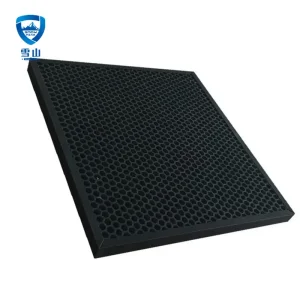
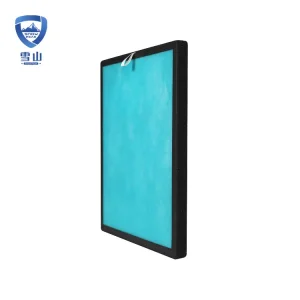
We manufacture custom multi-layer cabin air filters combining HEPA media with activated carbon. These systems filter out fine road dust, exhaust soot, and gaseous pollutants (VOCs, ozone), providing clean air for passenger cabins.
For metalworking, woodworking, and chemical processing, our heavy-duty cylindrical dust collector cartridges handle high dust loads. Engineered with polyester-laminated wire mesh, these filters withstand continuous pulse-jet cleaning cycles.
Key considerations for international procurement managers when sourcing HEPA and MERV filters.
When sourcing air filters globally, compliance with international standards is critical. Procurement teams should verify that suppliers hold valid certifications:
The purchase price of an air filter represents only a fraction of its total cost. Procurement managers must evaluate the initial pressure drop. A filter with high resistance forces the HVAC system's fan to work harder, increasing energy consumption. Sourcing filters with optimized pleat geometry and high-permeability media lowers operating costs over the filter's lifespan.
Reliable manufacturers perform rigorous quality control testing on-site. This includes:
At Shenzhen Snow Peak, our advanced testing lines ensure that every shipped filter meets or exceeds the specified technical requirements, providing reliable performance for critical applications.
Common questions regarding HEPA and MERV filter selection, maintenance, and manufacturing standards.
A MERV 16 filter is the highest tier under the ASHRAE 52.2 standard, capturing 95% or more of particles in the 0.3 to 1.0-micron range. An H13 HEPA filter, classified under EN 1822, is tested at the Most Penetrating Particle Size (MPPS), which is typically around 0.12 to 0.2 microns, and must achieve a minimum efficiency of 99.95% (or 99.97% at 0.3 microns for US True HEPA). HEPA filters are designed for critical cleanrooms, while MERV 16 filters are typically used in high-end commercial HVAC systems.
Pressure drop, or resistance to airflow, directly impacts the electrical energy required by the system's fan motor. A higher initial pressure drop means the fan must work harder to maintain the target airflow rate. By using advanced, low-resistance meltblown or fiberglass media, we can lower the initial pressure drop. This reduces energy consumption and operating costs over the life of the filter.
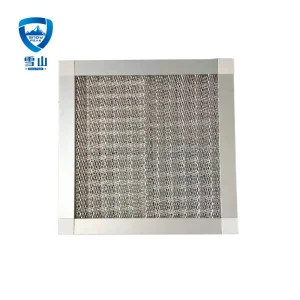
Standard fiberglass and meltblown HEPA filters are not washable. Exposing them to water or cleaning agents damages the delicate physical structure of the microfibers and strips away the electrostatic charge, significantly reducing filtration efficiency. However, primary pre-filters, such as metallic mesh or coarse synthetic media, are designed to be washed and reused to capture larger particles and extend the lifespan of the downstream HEPA filter.
In a cleanroom environment with a properly designed multi-stage filtration system (utilizing G4 pre-filters and F8/F9 medium-efficiency filters), a HEPA filter can last between 12 to 36 months. The exact lifespan depends on the operating hours, dust concentration, and pressure drop limits. Replacing pre-filters regularly is the most cost-effective way to maximize the lifespan of expensive terminal HEPA filters.
Our OEM replacement filters are manufactured using automated pleating and gluing lines to match the exact dimensional and performance specifications of the original equipment. We utilize high-grade composite media and perform leak testing on every batch. This ensures that our replacement filters deliver the same efficiency, airflow, and service life as the OEM parts, but at a more competitive price point.
Browse our full selection of air filters, roll media, and custom-engineered containment solutions.
 Snow Peak