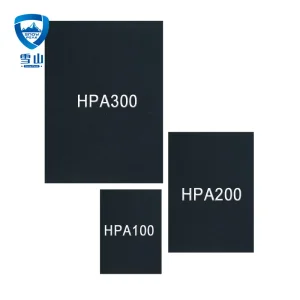
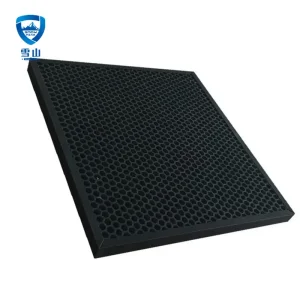
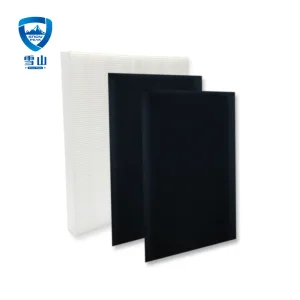
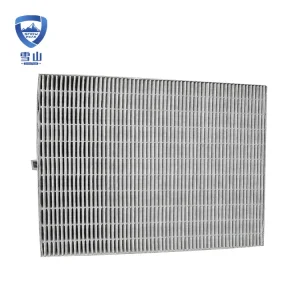
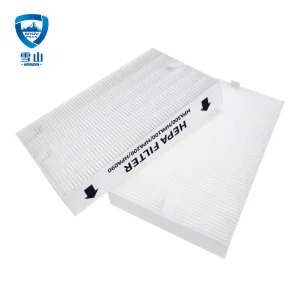
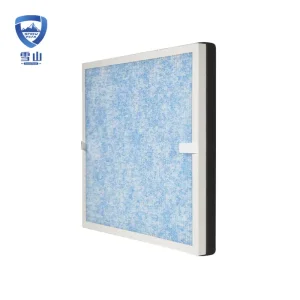
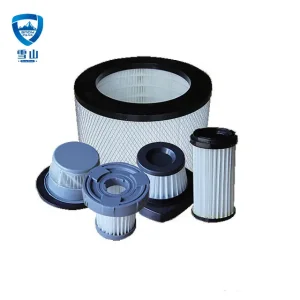
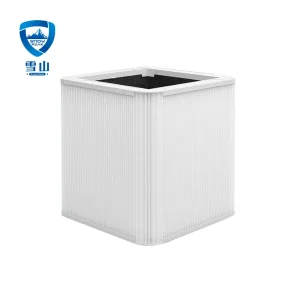
Explore our high-performance HEPA & Molecular filtration products configured with mini-pleat geometries for ultimate surface area utilization.
In modern production and high-precision environments, maintaining an atmosphere free of sub-micron particles is not merely a preference; it is a critical process necessity. The rapid advancement of nanotechnology, semiconductor manufacturing, and biopharmaceutical synthesis has placed extreme constraints on cleanroom design. Air filtration systems must deliver nearly complete particulate removal without imposing prohibitive energy penalties on HVAC system blowers.
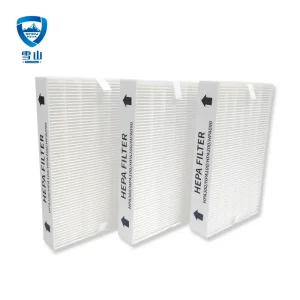
Standard deep-pleated filters, which utilize corrugated aluminum or bulky cardboard separators, are increasingly legacy technologies. In contrast, mini-pleated HEPA filters represent the modern engineering paradigm. Utilizing precise ribbons of thermoplastic hot-melt glue to space out the media folds, mini-pleat geometries optimize the relationship between media surface area and casing volume. This structural refinement significantly reduces air resistance, increases dust-holding capacity, and extends the operational lifespan of the filter assembly.
Across North America, Europe, and the Asia-Pacific region, stringent cleanroom codes (such as ISO 14644 and EN 1822) dictate operational targets for micro-environments. For cleanrooms operating at Class 100 (ISO 5) or Class 10 (ISO 4), the mini-pleated HEPA filter is the cornerstone of standard terminal filter units, fan filter units (FFUs), and laminar flow hoods.
Understanding the physics behind mini-pleat design, aerodynamic resistance, and composite filter media configurations.
Unlike traditional corrugated aluminum separators that can degrade, tear, or generate localized turbulence, mini-pleated filters utilize automated hot-melt adhesive ribbons. This keeps the pleat spacing as narrow as 2mm to 4mm, guaranteeing uniform laminar airflow.
We process both ultra-fine microfiber glass and specialized multi-layer meltblown synthetics. The choice of media governs the filter's performance index, balancing high mechanical filtration efficiency against the pressure drop of the system.
By increasing the active surface area up to 50% compared to traditional configurations, mini-pleated units reduce structural pressure drop. This cuts down HVAC electricity consumption, directly supporting green building initiatives like LEED.
The core objective of a HEPA filter is to capture 99.97% (H13) or 99.995% (H14) of particles down to 0.3 micrometers. As air flows through the media, particles are intercepted through diffusion, interception, inertial impaction, and electrostatic attraction. The velocity of the air through the filter media face is a critical factor: higher local velocities increase pressure drop and lead to premature particle breakthrough.
Mini-pleating splits a single wide channel of air into dozens of microscopic micro-channels. Because the pleats are tightly packed and held in alignment by bead lines of adhesive, the total filter surface area increases within the exact same frame footprint. When the total surface area doubles, the face velocity through any single square inch of the filter media drops by half. According to fluid dynamics, a lower velocity yields a lower pressure drop, saving energy and maximizing dust-holding capacity over the lifespan of the filter.
Shenzhen Snow Peak Clean Technology Co., Ltd. is a leading integrated high-tech enterprise. We specialize in air filtration research, development, precision manufacturing, and global export. Our comprehensive product portfolio includes pre-filters, pocket filters, HEPA filters, chemical filters, replacement HEPA filters, automotive cabin air filters, and humidifier filters.
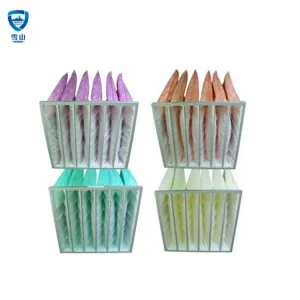
We supply high-performance filter materials, including pocket filter media and meltblown composite filter materials, to meet demanding air purification needs. Our solutions are designed to combat indoor air pollution in civil and industrial buildings, microelectronics facilities, pharmaceutical plants, laboratories, schools, and clean rooms.
With our self-developed patented technology, our sterilizing and antiviral HEPA filters capture fine particulates to keep PM2.5 concentrations below 10 micrograms/m³, outperforming standard regulations. These filters inhibit microbial growth with a sterilization rate of 99.9% and achieve a 99.99% removal efficiency for H1N1 viruses without causing secondary pollution.
Backed by 15 years of international air purification experience, Snow Peak maintains state-of-the-art cleanroom manufacturing and inspection facilities. Our high-precision assembly lines are supported by advanced metal fabrication equipment, including AMADA CNC punch presses and CNC bending machines, to ensure consistent quality control across all our air filtration products.
Inside our automated facilities, where precision engineering and rigorous quality control come together.
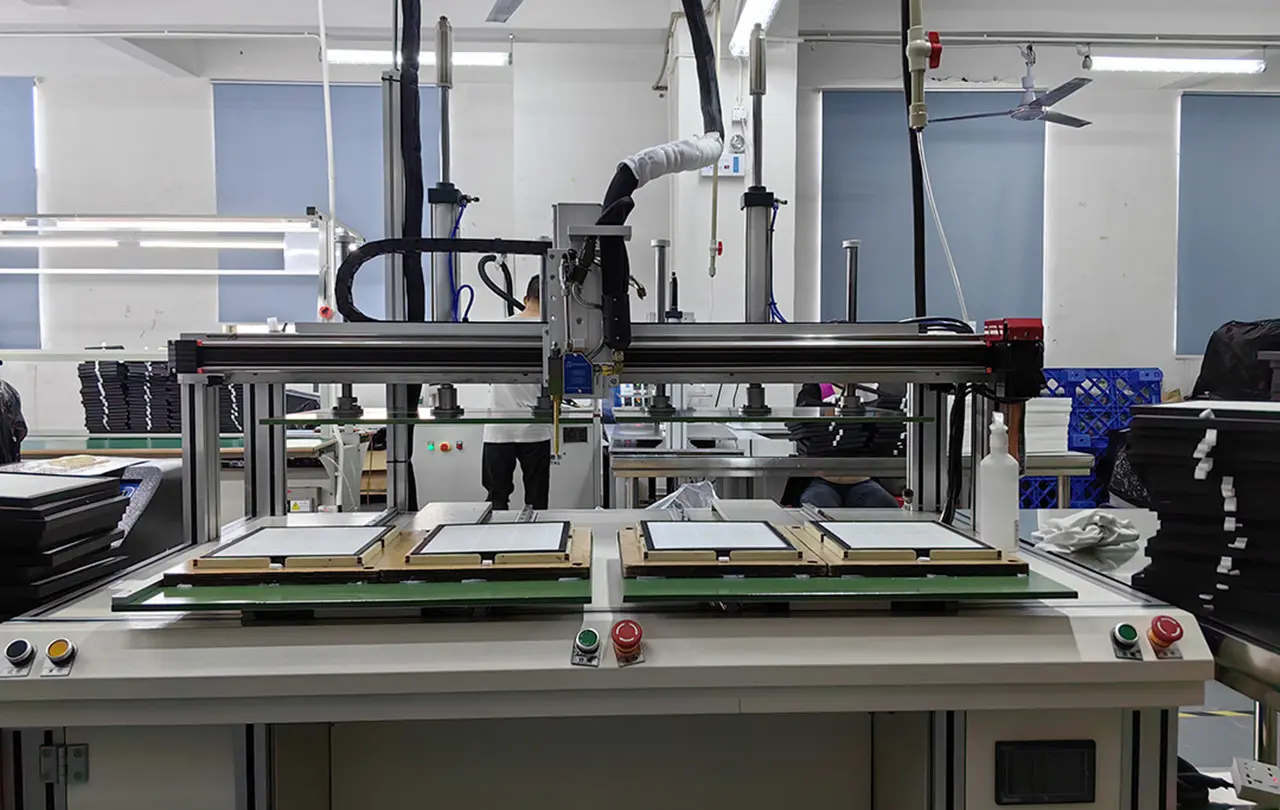
Computer-controlled nozzles apply continuous hot-melt adhesive ribbons to ensure uniform spacing between pleats.
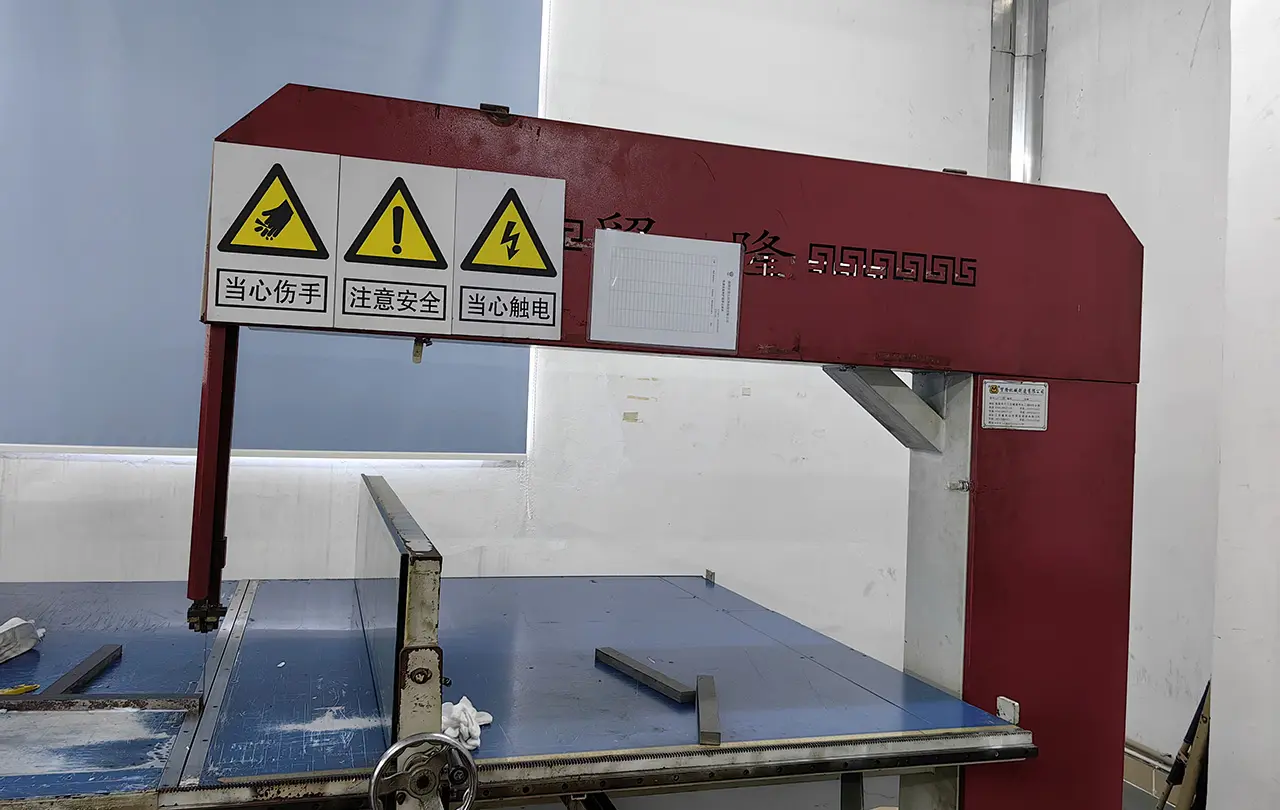
CNC cutting systems trim the pleated media pack to exact dimensions, preparing it for clean assembly into the frame.
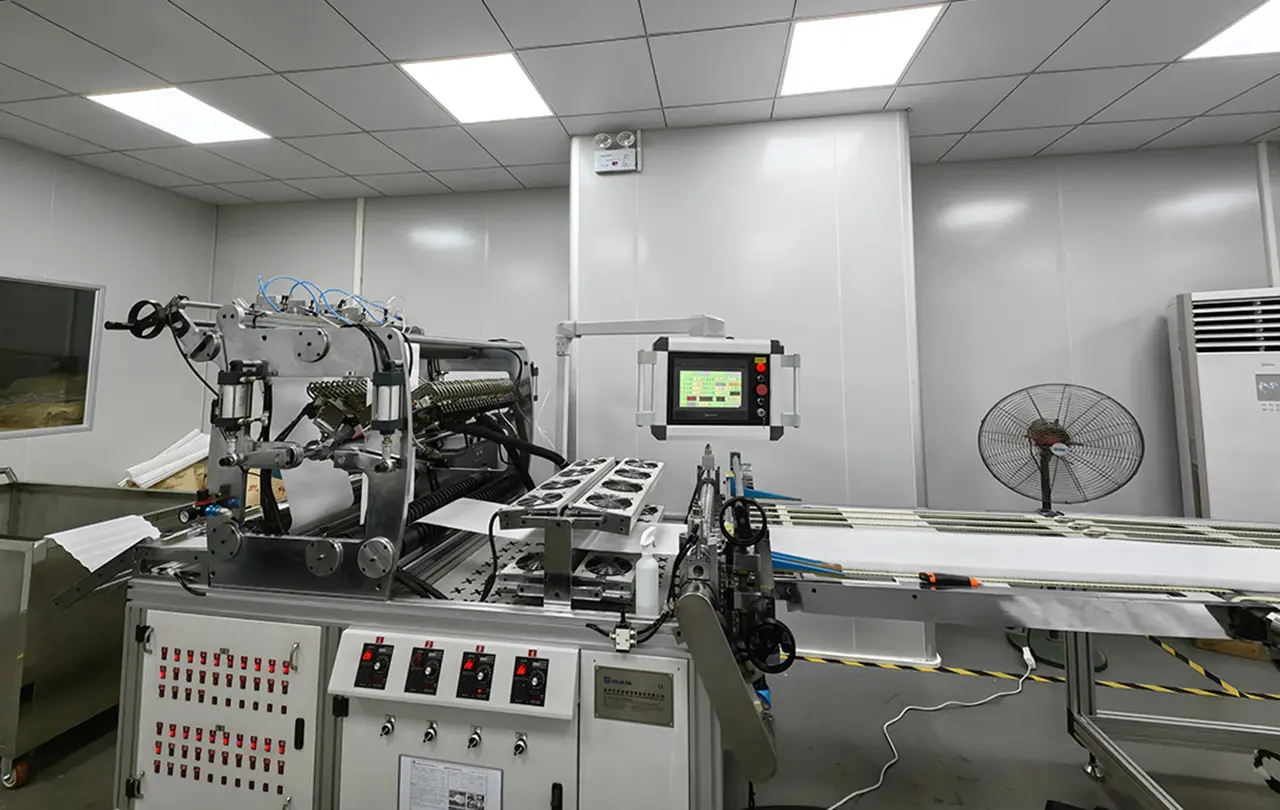
Secure edge gluing prevents bypass air leakage, maintaining the structural integrity of the filter housing.
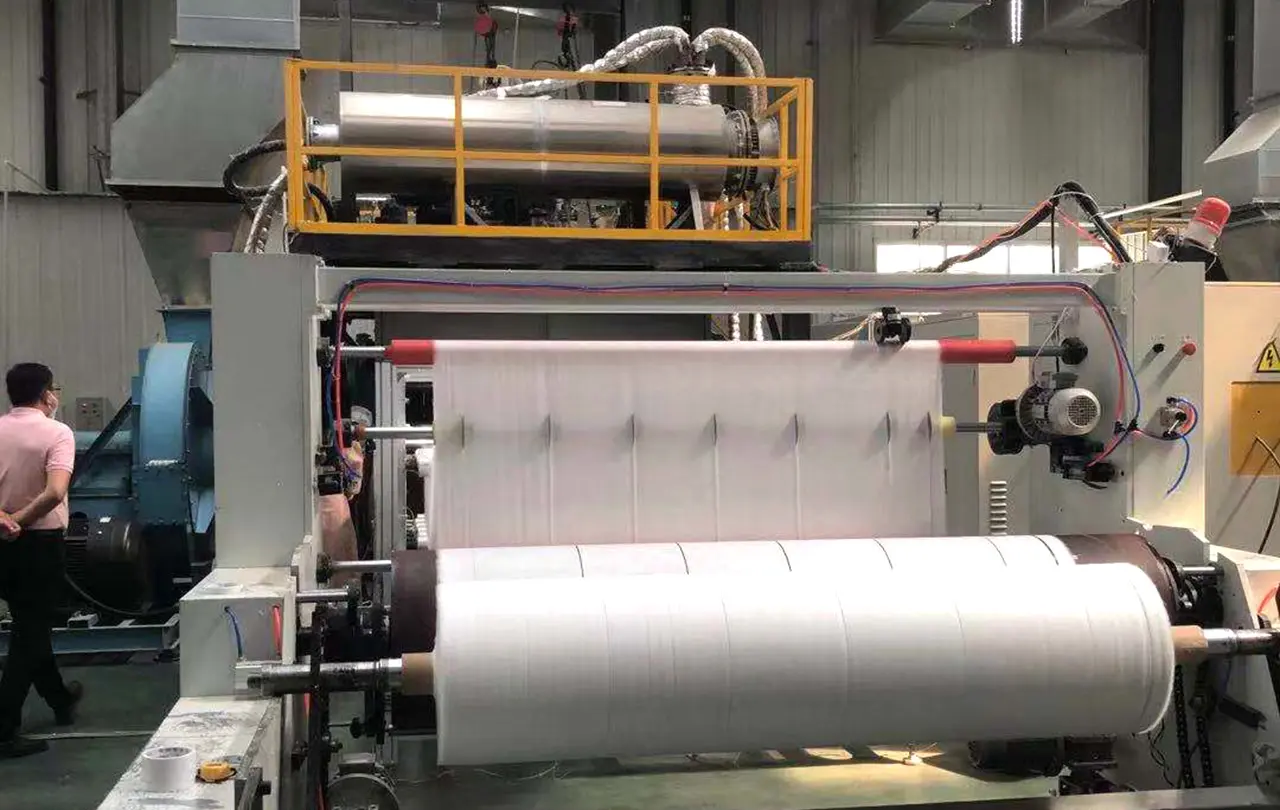
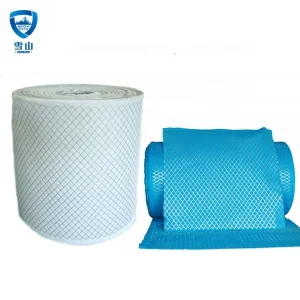
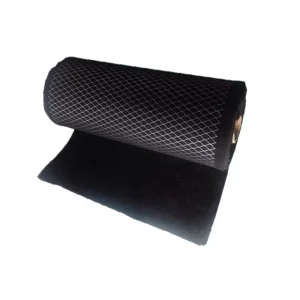
Laminating activated carbon, synthetic layers, and supportive meshes to produce high-performance multi-functional filters.
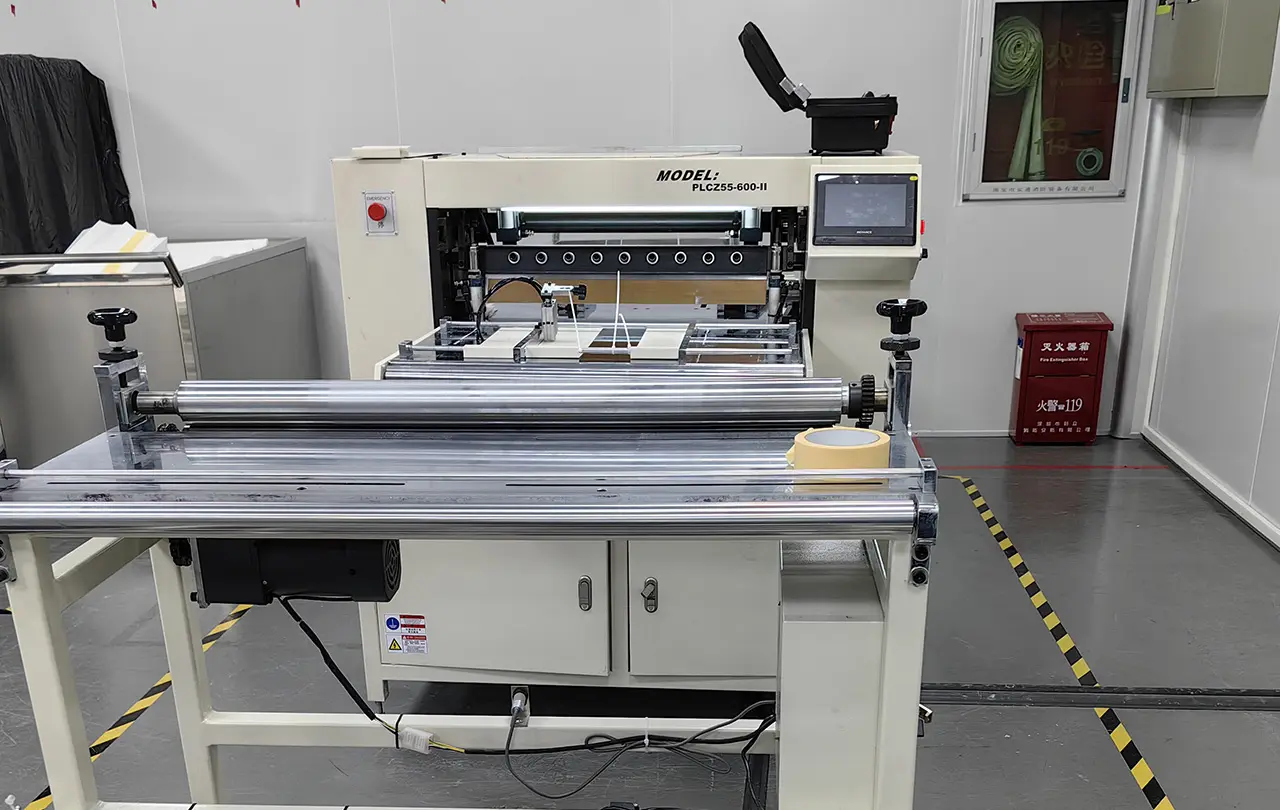
High-speed pleating machinery folds the filter media to optimal depths while maintaining consistent pleat density.
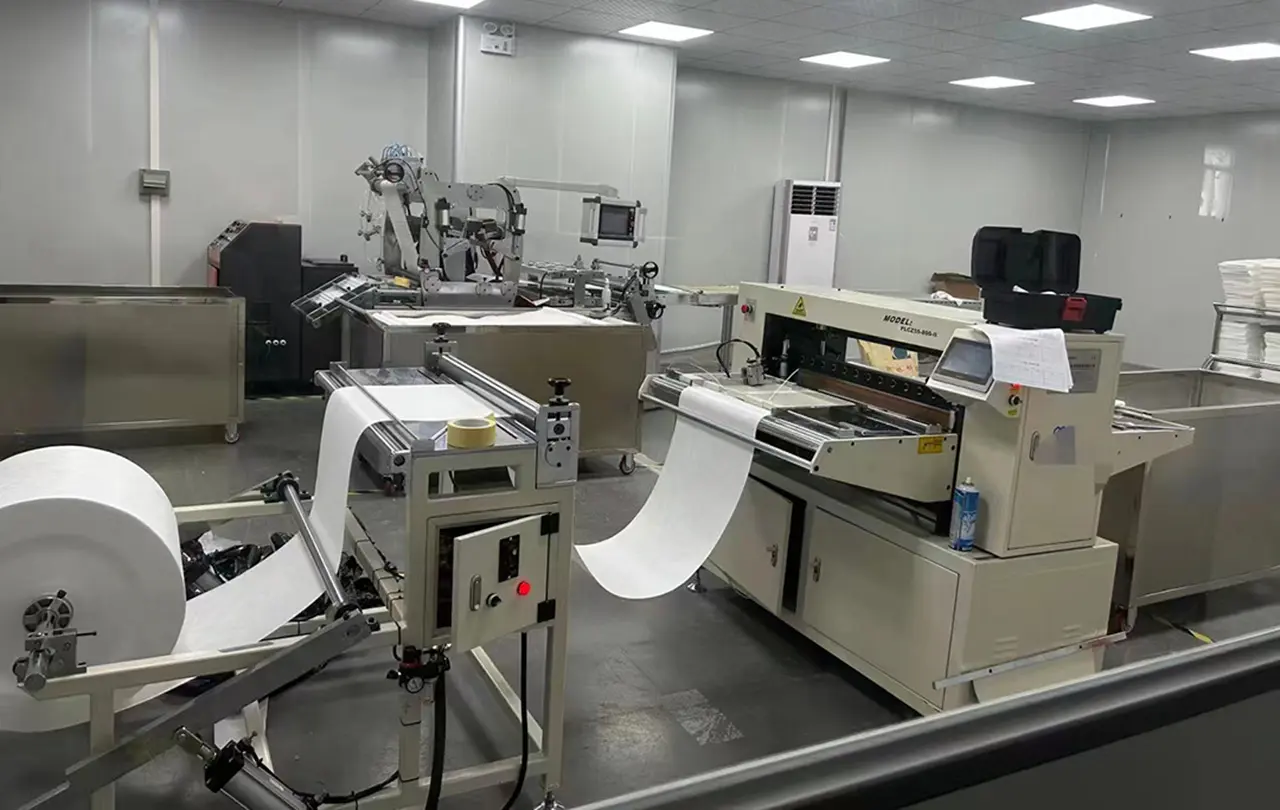
Every batch undergoes testing to verify efficiency, resistance, and structural integrity before packaging.
Mini-pleated HEPA filters are utilized across a range of industrial environments, each with specific requirements:
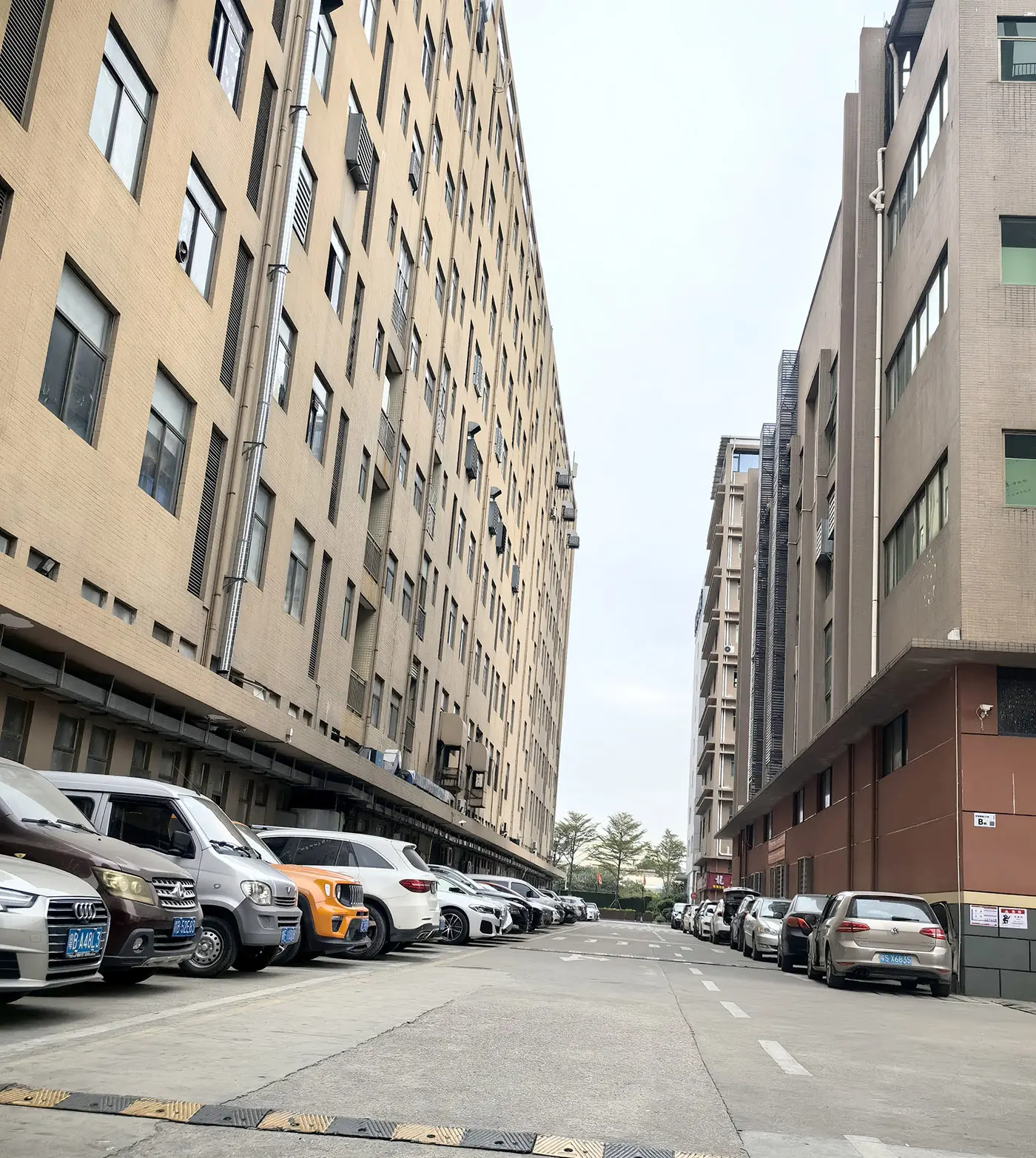
China's Pearl River Delta, centered around Shenzhen, is a leading hub for advanced air purification technology. The region's integrated supply chain co-locates raw material mills, advanced meltblown manufacturers, CNC metal tooling facilities, and automated assembly operations in a single clean-tech cluster.
This concentration enables local factories to transition quickly from raw material procurement to custom design and volume production. For international buyers, sourcing from China-based manufacturers like Snow Peak provides cost efficiencies, rapid prototyping, and scalability, all backed by strict compliance with European (CE/EN1822) and American (ASHRAE) testing standards.
Get answers to common technical, manufacturing, and procurement questions about mini-pleated HEPA filters.
Deep-pleated filters use corrugated aluminum, plastic, or thick kraft paper separators to isolate deep folds of media (usually 150mm to 300mm deep). Mini-pleated filters use thin ribbons of hot-melt glue to separate shallow folds (typically 25mm to 96mm deep). This design packs more pleats into a smaller footprint, increasing the active surface area and lowering airflow resistance.
By spacing the pleats closely and evenly, mini-pleated filters increase the total active surface area within the frame. This reduces the velocity of the air passing through the media, lowering the resistance (pressure drop). Consequently, the HVAC blower motor requires less power to push the design airflow, reducing overall electrical energy usage.
Standard HEPA filters are designed only for particulates. However, multi-functional composite systems (such as sandwich-type activated carbon mini-pleated filters) incorporate fine chemical media between synthetic layers. This setup allows them to capture both sub-micron dust particles and volatile organic compounds (VOCs) within a single housing.
Most Chinese export manufacturers test their filters against EN 1822 (classification levels H13, H14, to U17) and ISO 29463. We use automated test rigs equipped with optical particle counters and aerosol generators (DEHS or PAO) to verify that each filter meets the specified efficiency and pressure drop targets.
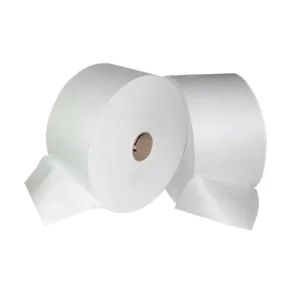
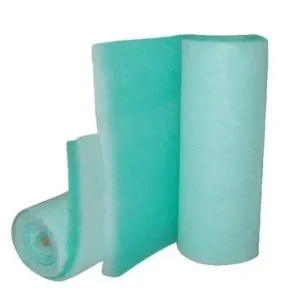
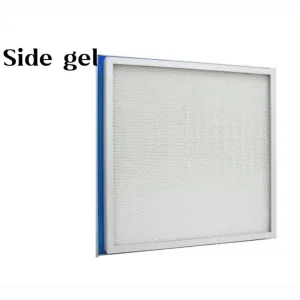
Explore our specialized products, including roll media, activated carbon options, and gel-seal cleanroom HEPA filters.
 Snow Peak