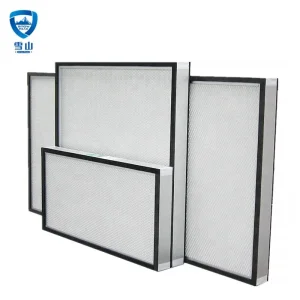
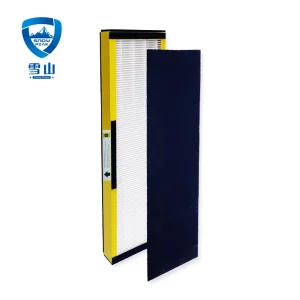
Explore our premium range of industrial, commercial, and residential air purification media, custom-configured by leading manufacturing engineering specialists.
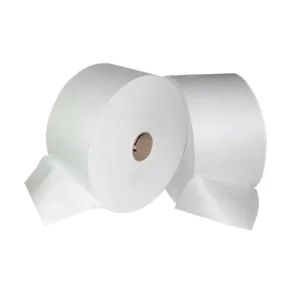
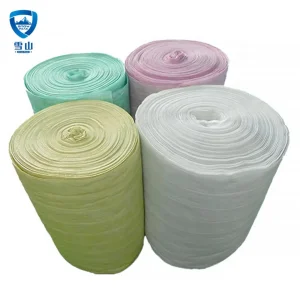
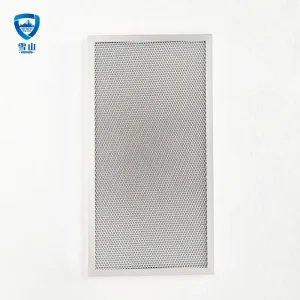
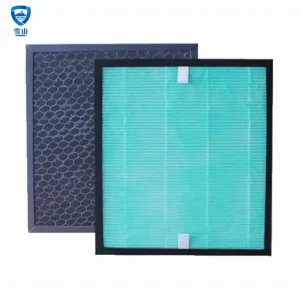
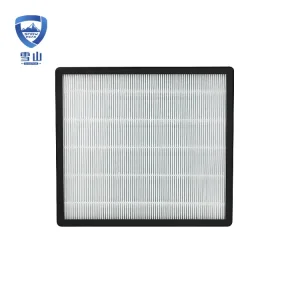
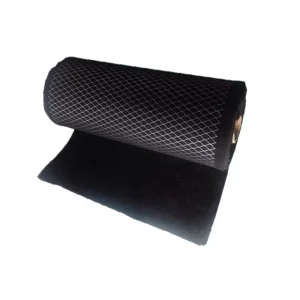
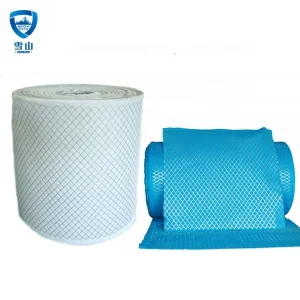
Unlike particulate filtration media that capture dust using mechanical interception, diffusion, or inertial impaction, active air carbon filtration relies on chemical and physical adsorption to capture airborne contaminants at the molecular level. This is the cornerstone of gas-phase filtration in modern industrial, pharmaceutical, and cleanroom HVAC networks.
The core mechanism utilizes the incredible internal pore structure of activated carbon. A single gram of activated carbon possesses an internal surface area exceeding 1,000 square meters. The raw base material—typically coconut shell, coal, or wood—undergoes high-temperature thermal activation using steam or carbon dioxide, creating millions of micropores. Under the influence of van der Waals forces, gas molecules (specifically Volatile Organic Compounds or VOCs) are attracted and bound to these internal carbon surfaces.
For demanding enterprise operations, physical adsorption is sometimes insufficient for lightweight, highly volatile molecules such as formaldehyde, ammonia, hydrogen sulfide, or sulfur dioxide. To resolve this, chemical adsorption (chemisorption) via chemical impregnants is integrated. Treating the carbon matrix with metal catalyst compounds, acidic coatings, or alkaline agents ensures that target hazardous gases undergo a neutralization reaction, converting them into stable, non-toxic chemical structures locked within the media.
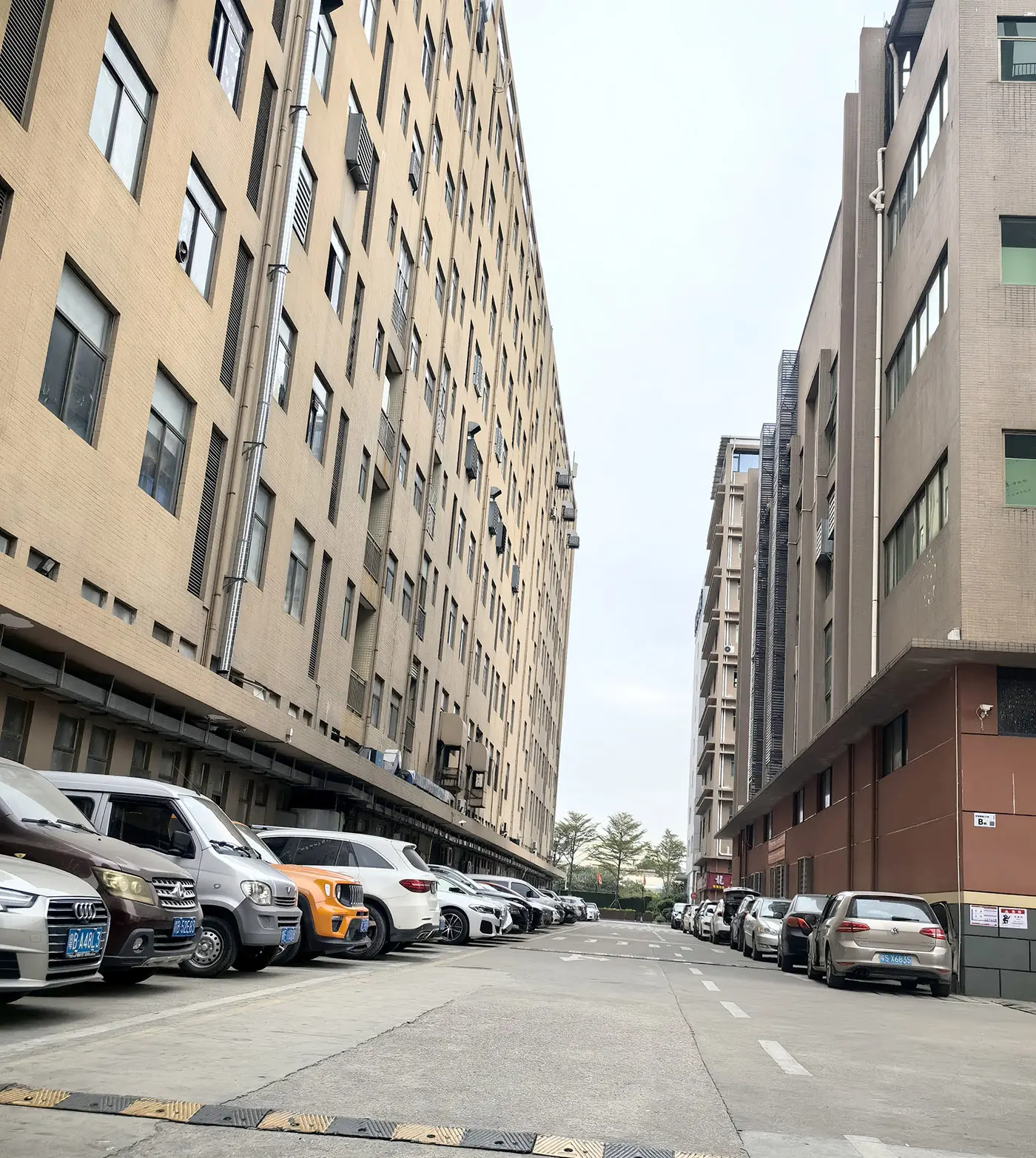
Delivering advanced molecular filtration, customized structures, and precision engineering for high-demand cleanroom environments and global commercial supply lines.
Shenzhen Snow Peak Clean Technology Co., Ltd. is an integrated high-tech enterprise, specialized in air filtration products research and development, production, sales, import and export trade. We produce and supply: Pre-filter, pocket filter, HEPA filter, chemical filter; replacement HEPA filter, car cabin air filter, humidifier filter; pocket filter media, melt-blown composite filter media, and other high-performance filter materials; provide high quality air purification solutions and products for indoor air pollution control and air conditioning systems of civil and industrial buildings, microelectronics, pharmaceutical, laboratory, school, hospital clean room etc. Combined with self-developed patented technology, our sterilizing antiviral HEPA filter can effectively filtrate fine particles, so that PM2.5 concentration down to 10 micrograms/m3, 5 times better than national standard; effectively inhibit the breeding of microorganisms, sterilization rate up to 99.9%, and no secondary pollution, removal of H1N1 virus efficiency as high as 99.99%.
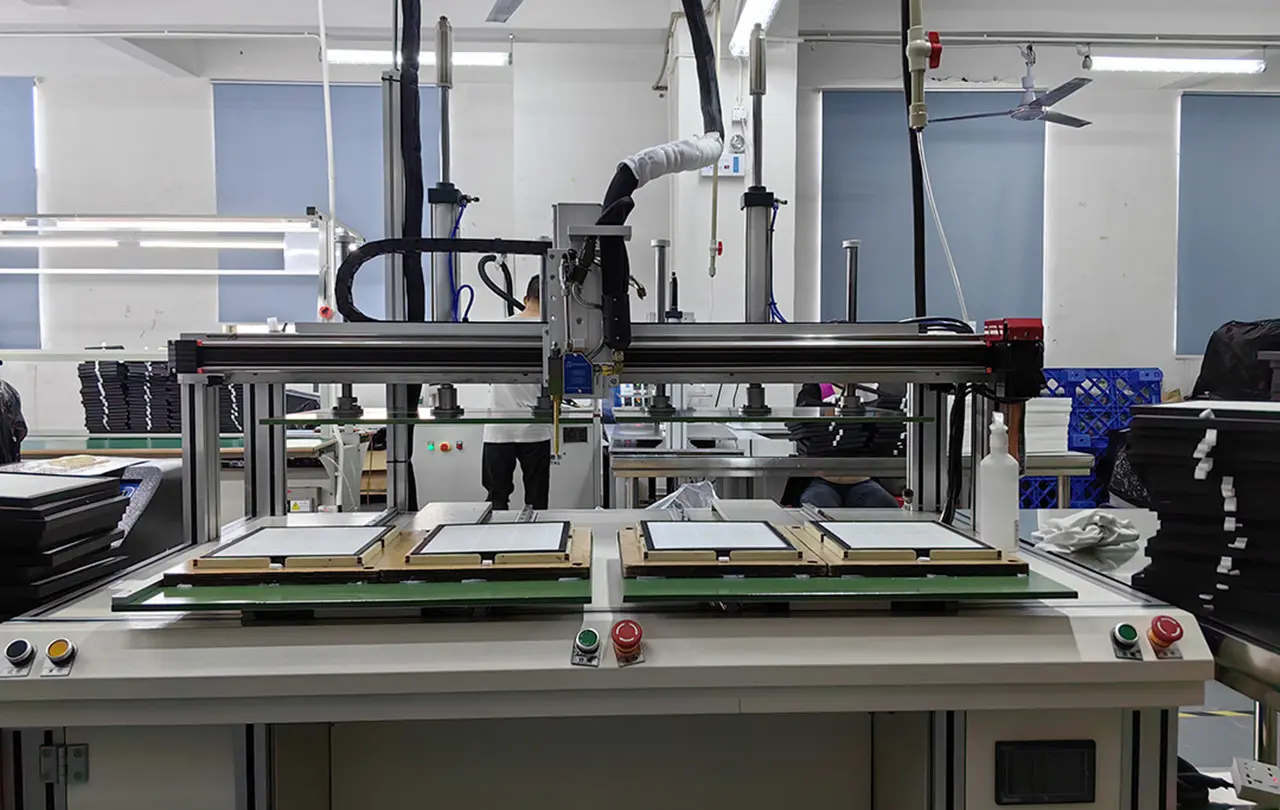
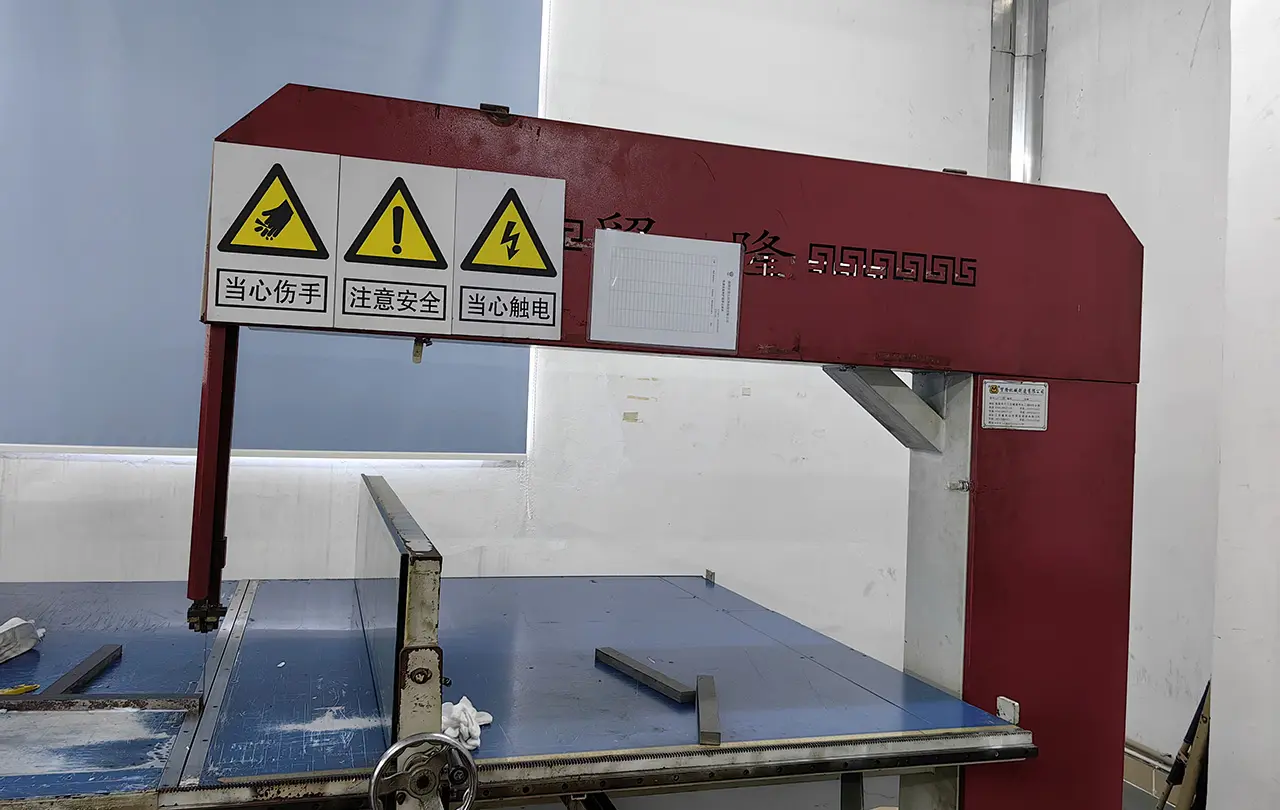
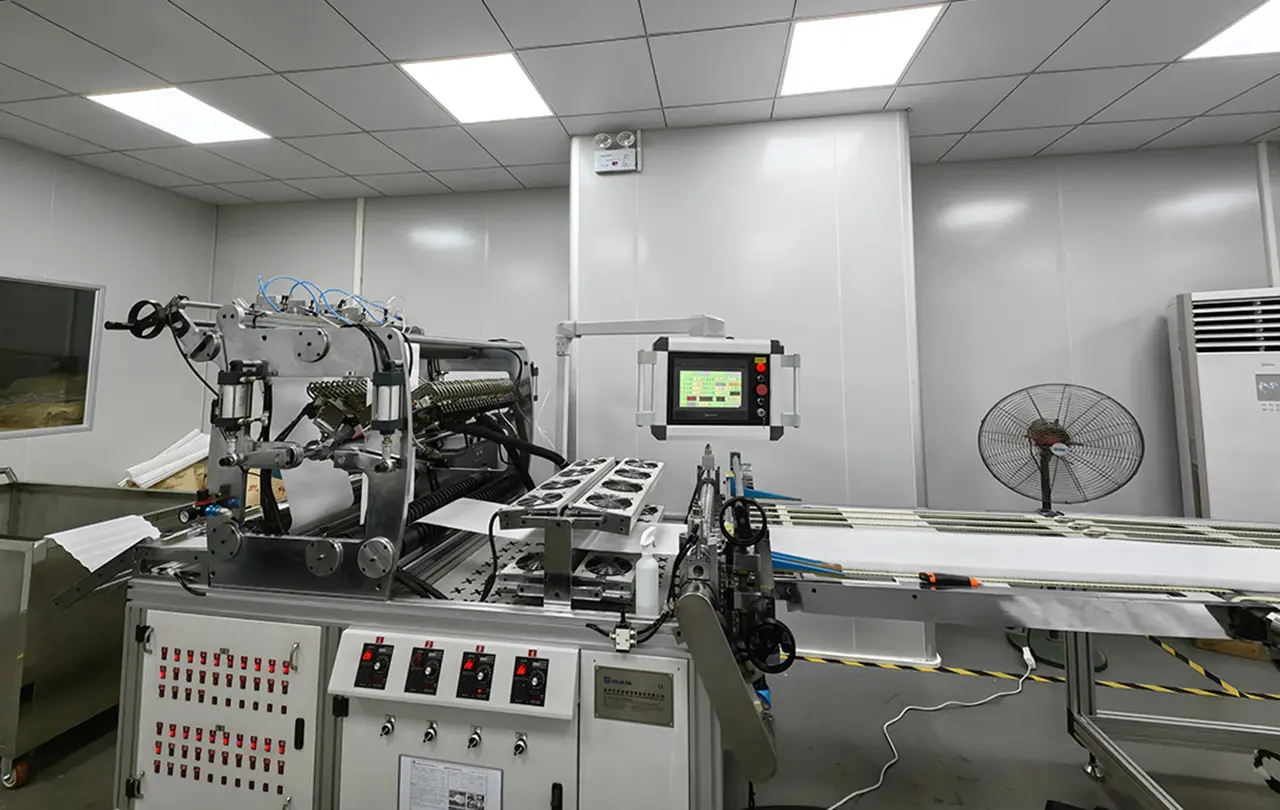
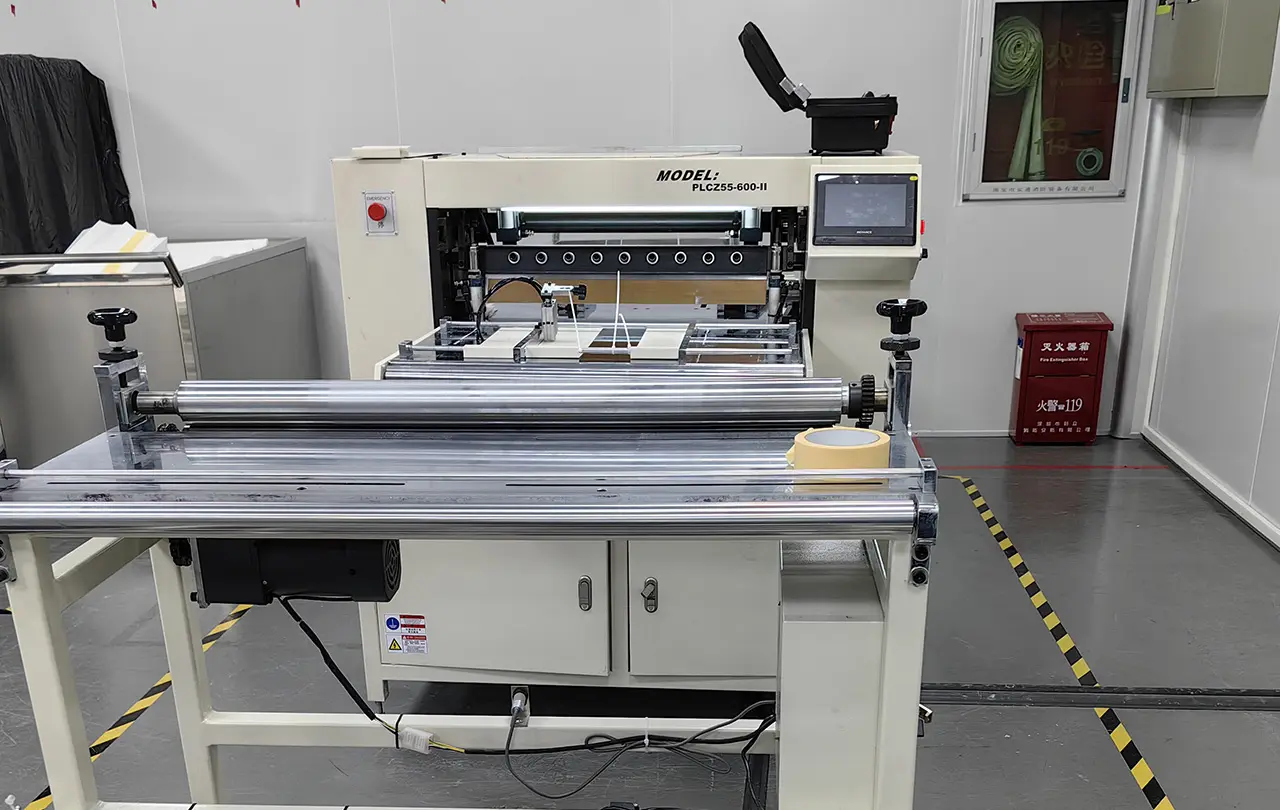
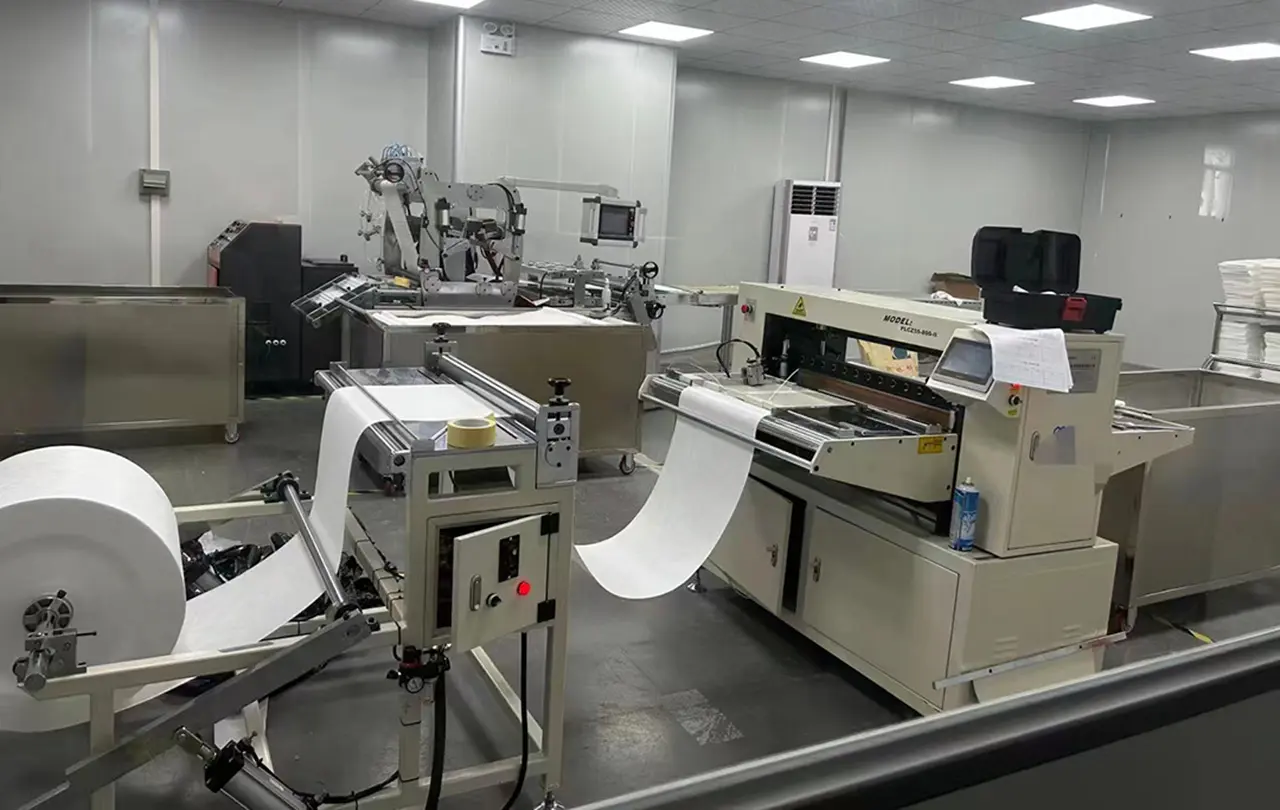
Having 15 years of international air purification technology experience as the background, our company has standardized production workshop, dust-free filter workshop and first-class technology of HEPA filters production line and inspection line, independent research and development of fully automatic air filter production line, equipped with AMADA CNC punch and CNC bending machine as well as many other advanced high-end equipment, provide a strong guarantee for production and quality of air filtration and purification products.
Unlocking supply-chain resilience, advanced technological innovation, and massive economic scaling benefits for international enterprise procurement.
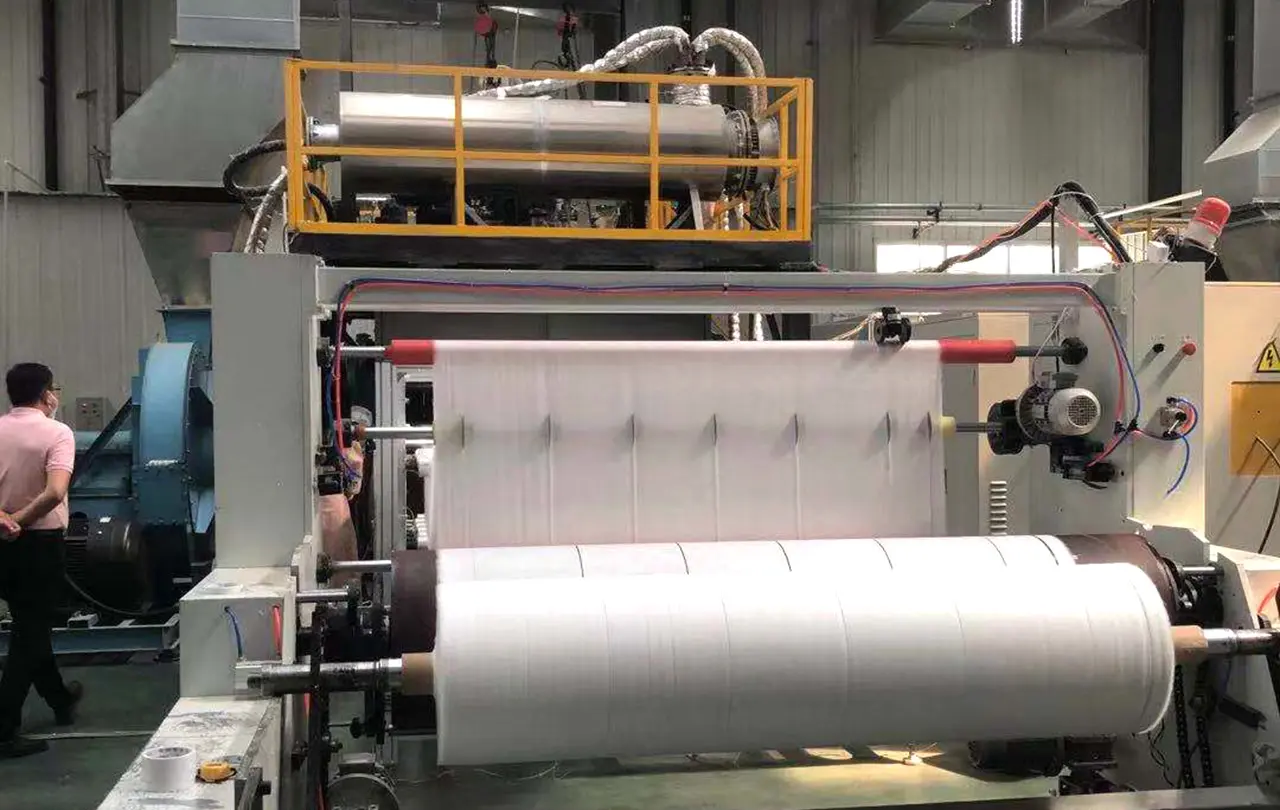
Chinese air filter factories maintain proximity to primary raw materials. From high-purity coconut shell activated carbon to synthetic non-wovens and custom extrusions, the comprehensive ecosystem slashes logistical lead times and ensures quality control.
Utilizing precision equipment like AMADA CNC punch presses and advanced automated pleating lines minimizes human error, ensures uniform pore and pleat geometry, and stabilizes structural frame integrity under extreme operational stress.
With decades of manufacturing expertise, factories offer deep engineering customization. Procurement teams can specify Iodine value, CTC adsorption indices, frame materials, and composite media blends tailored to highly specific localized application requirements.
| Activated Carbon Source | Typical Iodine Value | Primary Target Contaminants | Structural Durability | Typical Application Scenarios |
|---|---|---|---|---|
| Coconut Shell | 1000 - 1150 mg/g | Low molecular weight VOCs, odors, chlorine, ozone | High (low dust generation) | Grow Rooms, Residential Purifiers, Semi-Conductors |
| Coal-Based (Pellet/Granular) | 800 - 950 mg/g | Heavy molecular organic vapors, sulfur compounds | Medium | Industrial VOC Abatement, Sewage Treatment Plants |
| Wood-Based (Powder/Granular) | 900 - 1050 mg/g | Large molecular compounds, bulk liquid impurities | Low (high dust potential) | Decolorization, Specialty Chemical Adsorption |
| Impregnated Active Carbon | Varies based on substrate | Acid gases (SO2, H2S), Alkaline gases (NH3), Formaldehyde | High (Engineered Matrix) | Laboratory Fume Hoods, Biopharmaceutical Cleanrooms |
Adapting to more strict environmental regulations and high-technology manufacturing needs, molecular air filtration is rapidly evolving.
Modern cleanrooms and high-end air treatment systems demand space-saving configurations. The industry is moving away from separate mechanical pre-filters, HEPA filters, and heavy carbon canisters. Advanced manufacturers are engineering laminated composite structures that combine high-efficiency meltblown polymer layers directly with active carbon-loaded non-wovens, achieving high mechanical and molecular filtration efficiency in a single element.
Driven by strict global sustainability standards (ESG), R&D efforts are focused on bio-sourced binders and recycled active carbon technologies. Regenerative air filtration systems that allow localized thermal or physical stripping of adsorbed VOCs are beginning to see adoption in heavy industrial sectors, minimizing the landfill footprint of spent carbon filters.
HVAC system blowers consume vast amounts of electrical energy. To minimize the carbon footprint of facility operations, filter designs are optimized via computational fluid dynamics (CFD) models. Minimizing air turbulence and utilizing mini-pleated active carbon sheets with integrated thermoplastic spacing channels drastically reduces the overall pressure drop, lowering facility operating costs.
Providing tailored purification matrices to meet complex environmental challenges across diverse sectors.
Strict odor emissions management is critical for modern urban farming. Premium active carbon canisters containing granular virgin coconut shell carbon remove volatile plant organic compounds (VOC terpenes), ensuring exhaust air remains scent-free and compliant with municipal regulations.
Airborne Molecular Contamination (AMC) can ruin microscopic photolithography circuits. Custom deep-pleat chemical carbon filters containing targeted impregnated adsorbents neutralize traces of acidic gases, bases, and dopants in cleanroom make-up air systems.
Protecting laboratory operators from carcinogens, volatile solvents, and radioactive iodine requires multi-stage filtration arrays. Integrating highly efficient antiviral HEPA filters with chemisorption carbon modules offers high-reliability safety containment.
A procurement checklist for supply chain managers sourcing large-scale custom active carbon filters.
Purchasing active air carbon filters at scale requires evaluating more than just the unit price. To prevent premature system failures, process interruptions, or high energy consumption charges, global enterprises should use a structured procurement review process:
Deep technical answers addressing common engineering and procurement concerns.
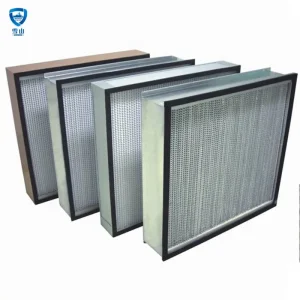
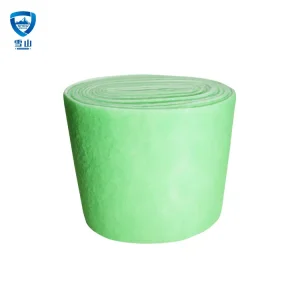
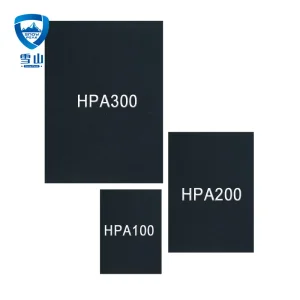
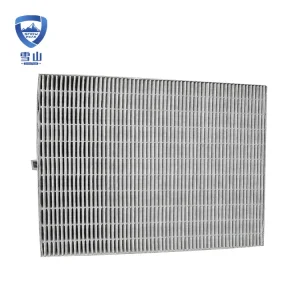
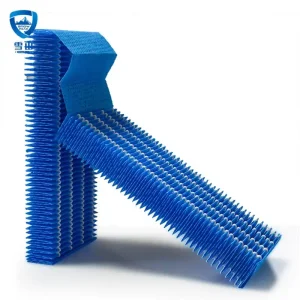
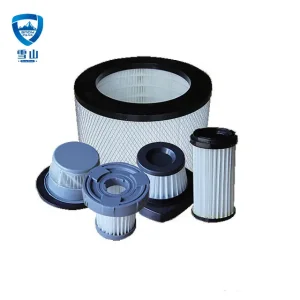
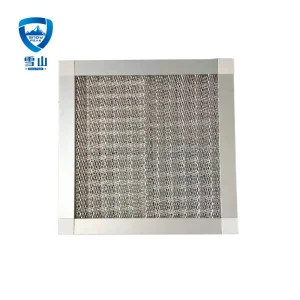
Explore our collection of fiberglass HEPA units, primary efficiency roll media, custom cylinders, and heavy-duty washable metal mesh assemblies.
 Snow Peak