Industrialization and tightening air quality standards drive the global transition toward advanced molecular adsorption technologies.
In modern industrial manufacturing and high-end commercial HVAC environments, capturing particulate matter is only half the battle. Volatile Organic Compounds (VOCs), acid gases, formaldehyde, ammonia, and sulfur species present significant threats to human health, cleanroom semiconductor yields, and archival integrity. Unlike mechanical HEPA filters that screen particles, charcoal air filtration relies on gas-phase molecular adsorption.
Activated charcoal, or activated carbon, features an extensively developed internal pore structure with high specific surface areas (typically ranging from 800 to 1500 m²/g). Through physical adsorption (Van der Waals forces) and targeted chemical adsorption (chemisorption via specific impregnants), customized charcoal filters neutralize corrosive, toxic, and odor-bearing gaseous compounds that bypass standard particulate filters.
The global demand for high-efficiency molecular filtration is expanding rapidly. Strict VOC emission standards enforced by environmental protection agencies worldwide demand that industrial facilities install reliable scrubbing systems. At the same time, the transition of commercial buildings toward smart, sealed HVAC designs reduces energy costs but increases the concentration of indoor contaminants, prompting the integration of hybrid HEPA and carbon systems.
International procurement trends show a shift toward durable, low-pressure-drop, and highly customizable filter modules. Modern procurement managers expect exact specification tailoring, including iodine values, CTC absorption capacities, particulate loading rates, and structural materials designed to withstand harsh industrial settings.
"The primary challenge in high-volume HVAC system design is minimizing energy consumption. By optimizing the pore distribution and geometry of carbon media, we deliver maximum gas removal efficiency while keeping pressure resistance low."
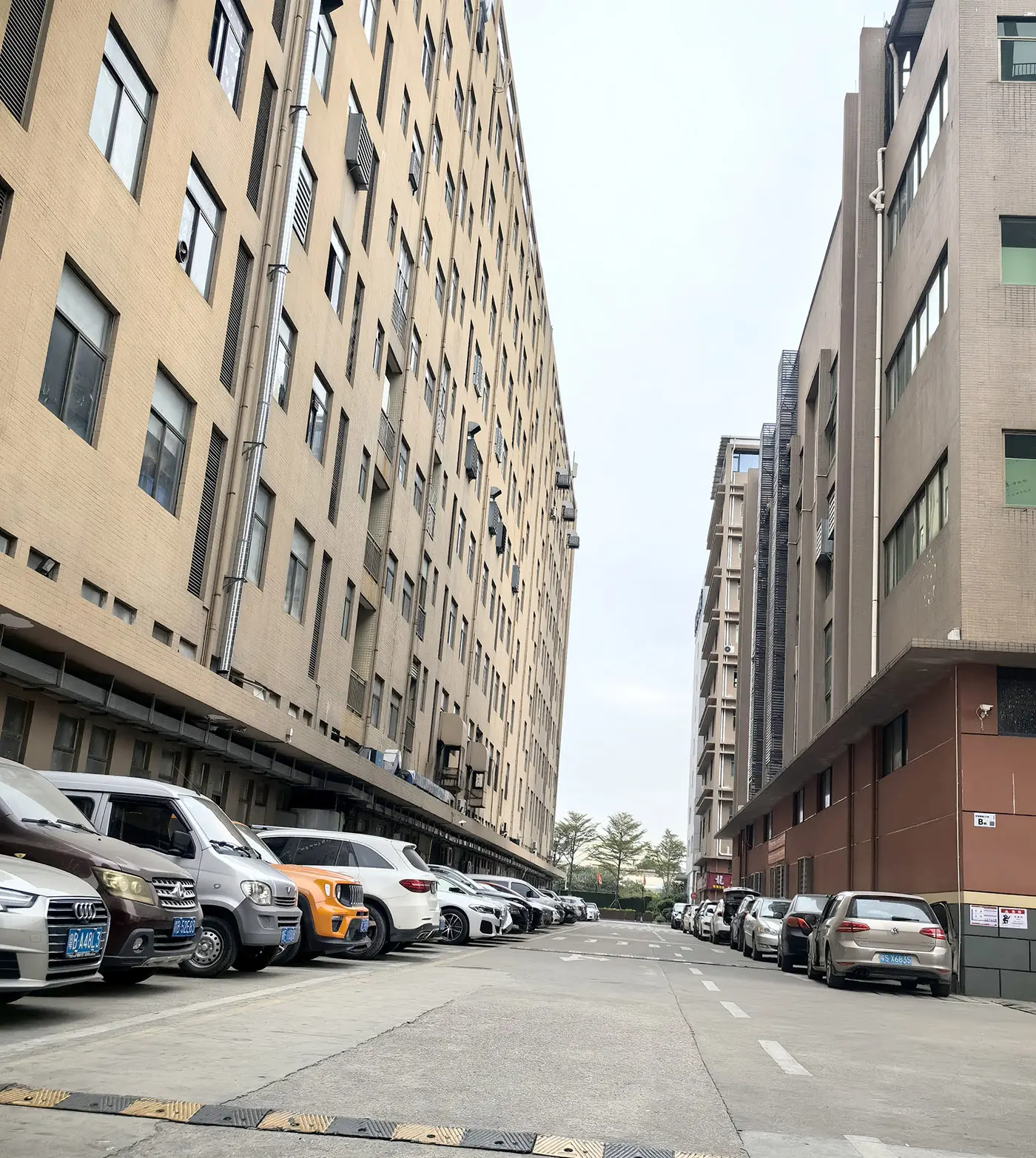
Shenzhen Snow Peak Clean Technology Co., Ltd. is a high-tech enterprise specializing in air filtration research, development, production, and international trade. We offer advanced solutions for civilian, commercial, and highly critical industrial cleanrooms.
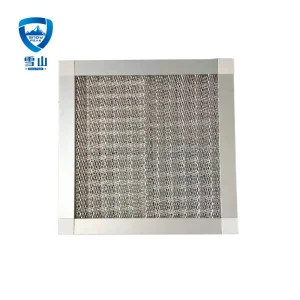
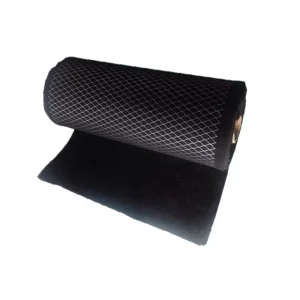
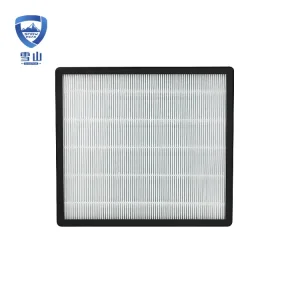
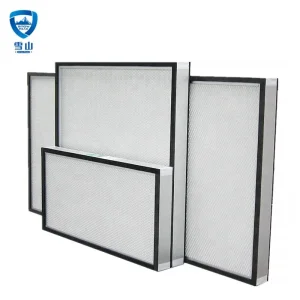
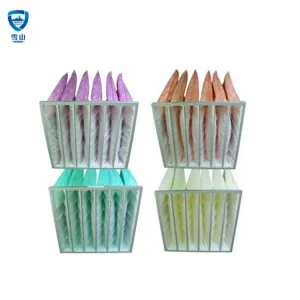
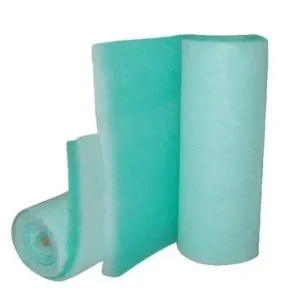
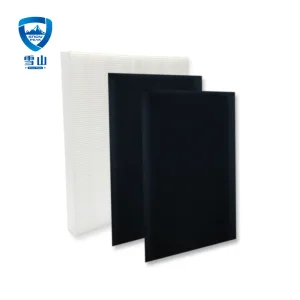
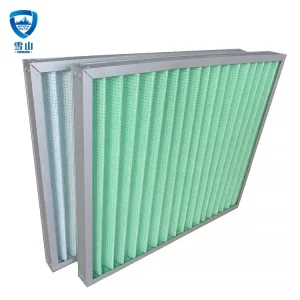
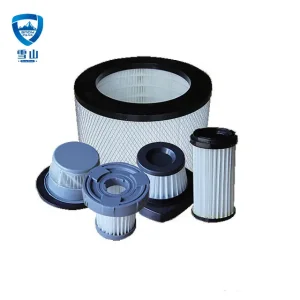
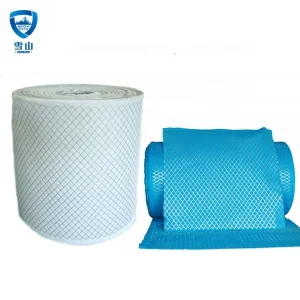
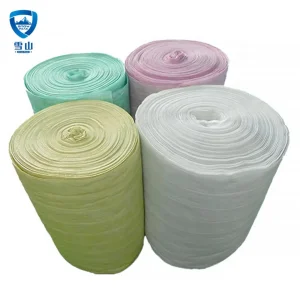
Our product lineup includes pre-filters, pocket filters, HEPA filters, chemical molecular filters, custom replacement carbon units, cabin filters, and specialized media rolls. Grounded in proprietary technology, our sterilizing and antiviral HEPA filters maintain indoor PM2.5 levels at or below 10 micrograms per cubic meter—outperforming many standards while neutralizing pathogens. Our proprietary antimicrobial treatments inhibit bacterial growth and capture H1N1 viruses with tested efficiencies up to 99.99%, eliminating the risk of secondary release.
From electronic cleanrooms and pharmaceutical suites to hospitals, schools, and commercial HVAC networks, we provide custom configurations designed to meet complex compliance frameworks and functional requirements.
Equipped with computerized automation, high-end sheet metal working centers, and cleanroom test loops, our factory delivers reliable performance and short lead times.
Backed by 15 years of air purification expertise, our facilities feature automated lines, dust-free manufacturing areas, and ISO-compliant inspection equipment. Precision metal housings are formed on high-end AMADA CNC punches and bending machines, ensuring dimensional accuracy and zero bypass in demanding industrial duct configurations.
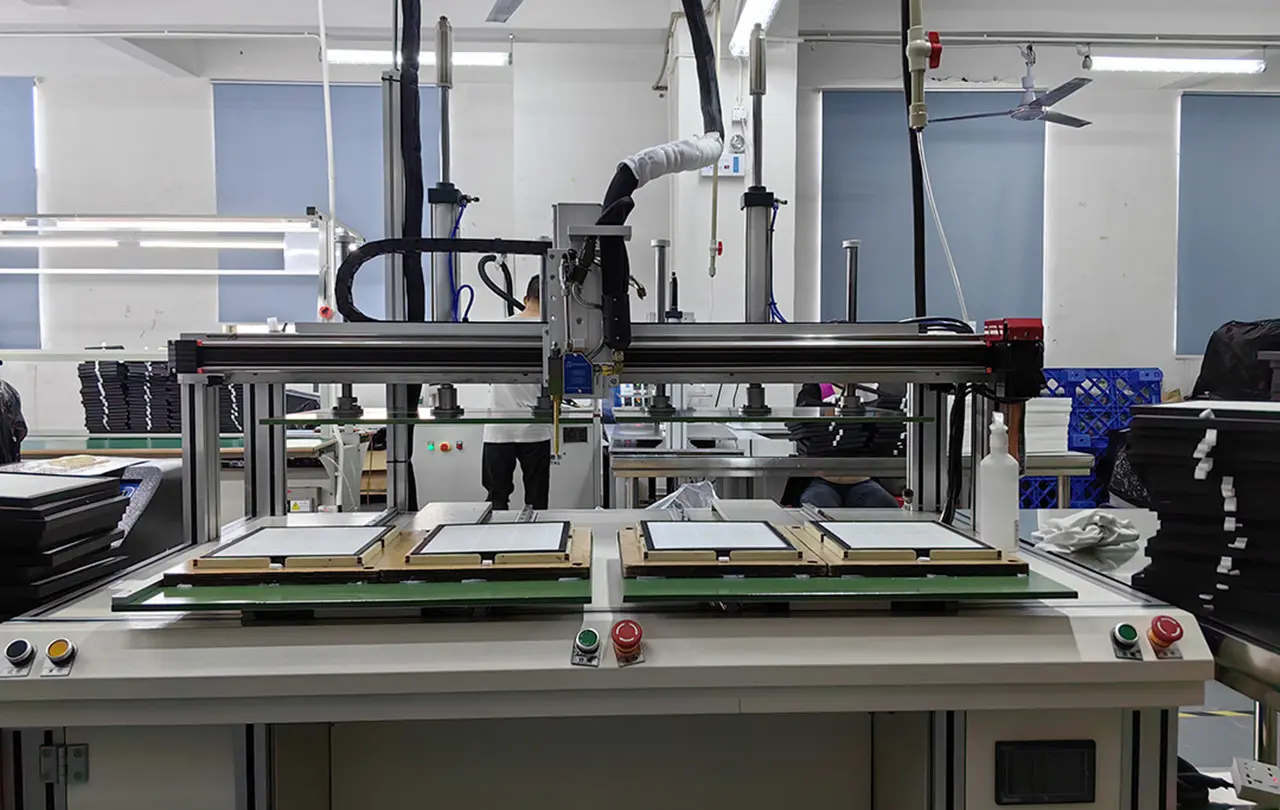
Automated continuous adhesive dispensing systems secure air filtration media packs, preventing air bypass and ensuring physical seal integrity.
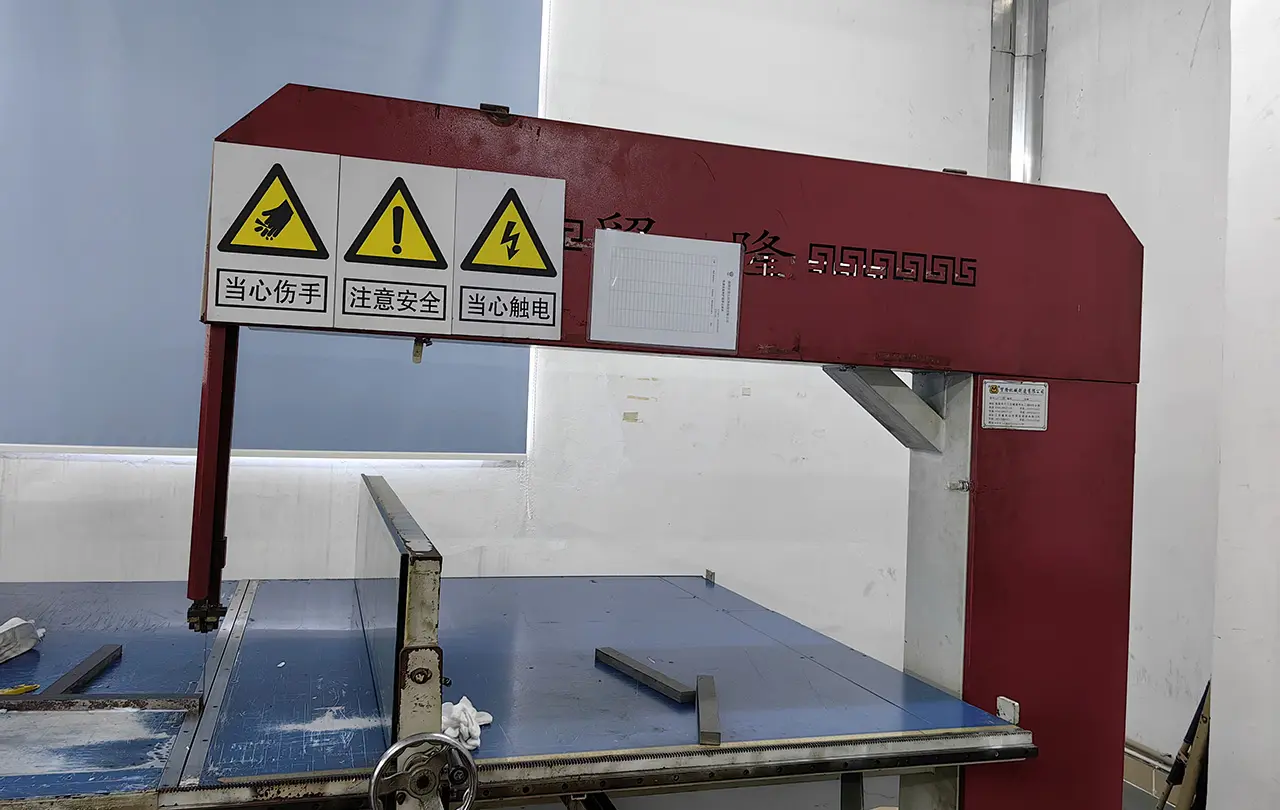
Computer-guided cutting systems provide dimensionally accurate media sheets, minimizing waste and maintaining uniform edge quality.
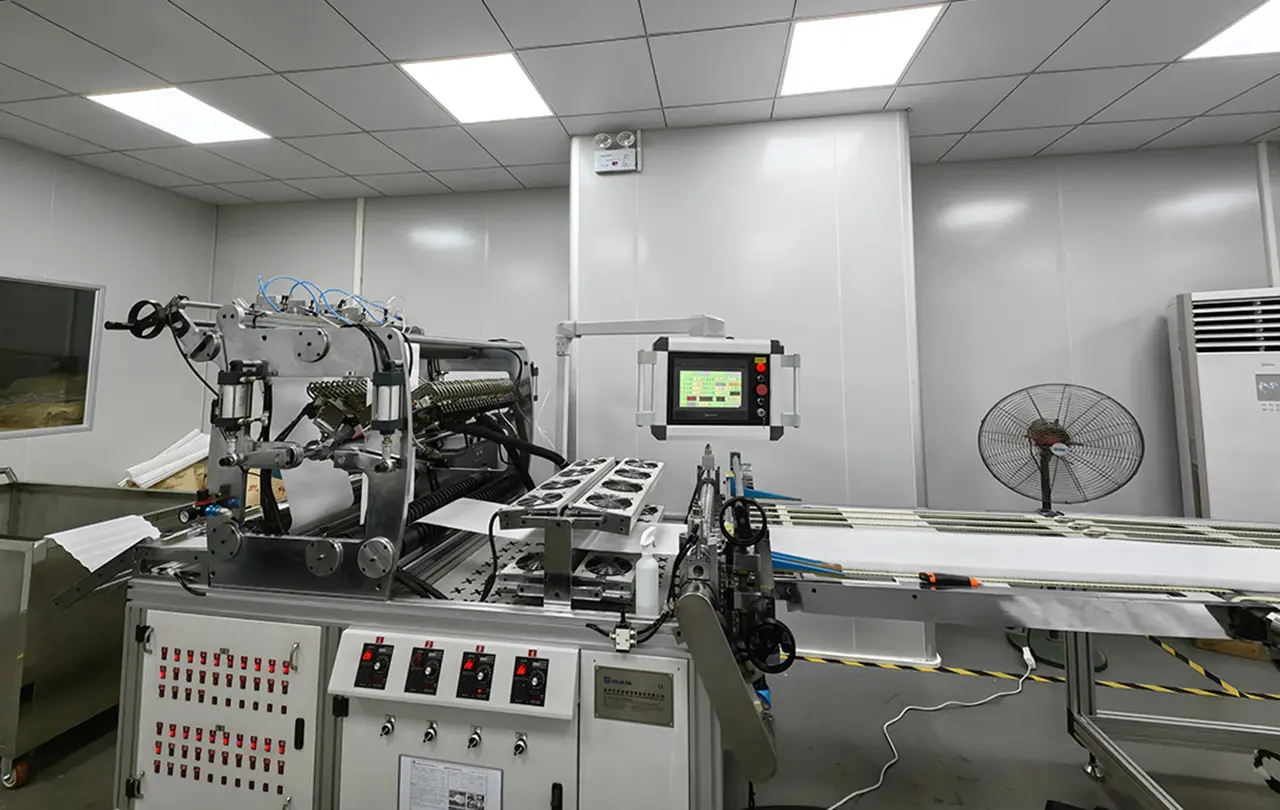
Precise adhesive applications join multi-layered media packs to external frames, ensuring leak-free performance under high pressures.
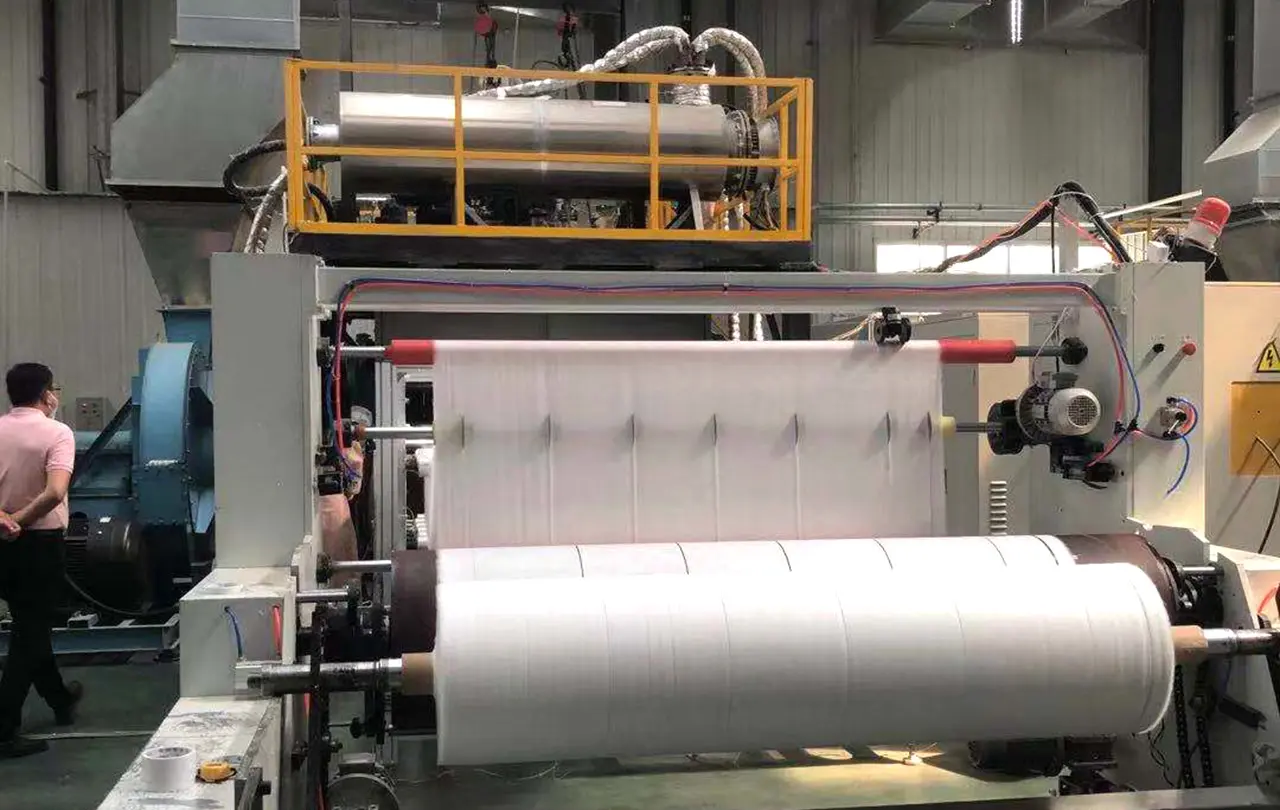
Thermally bonded synthetic, glass-fiber, and activated carbon layers create multi-stage gas and particulate filtration in one media pack.
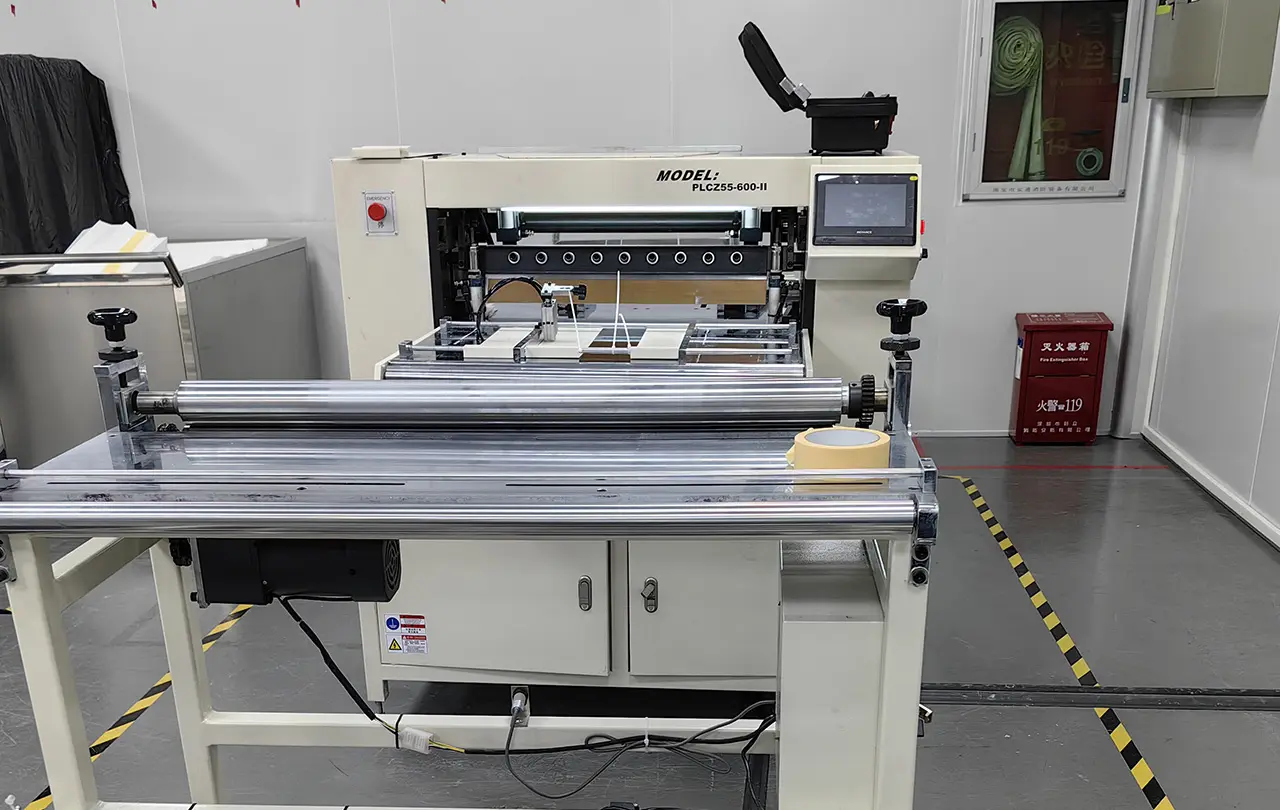
High-speed rotary pleaters control pleat heights and spacing, optimizing open filter areas and reducing pressure drops.
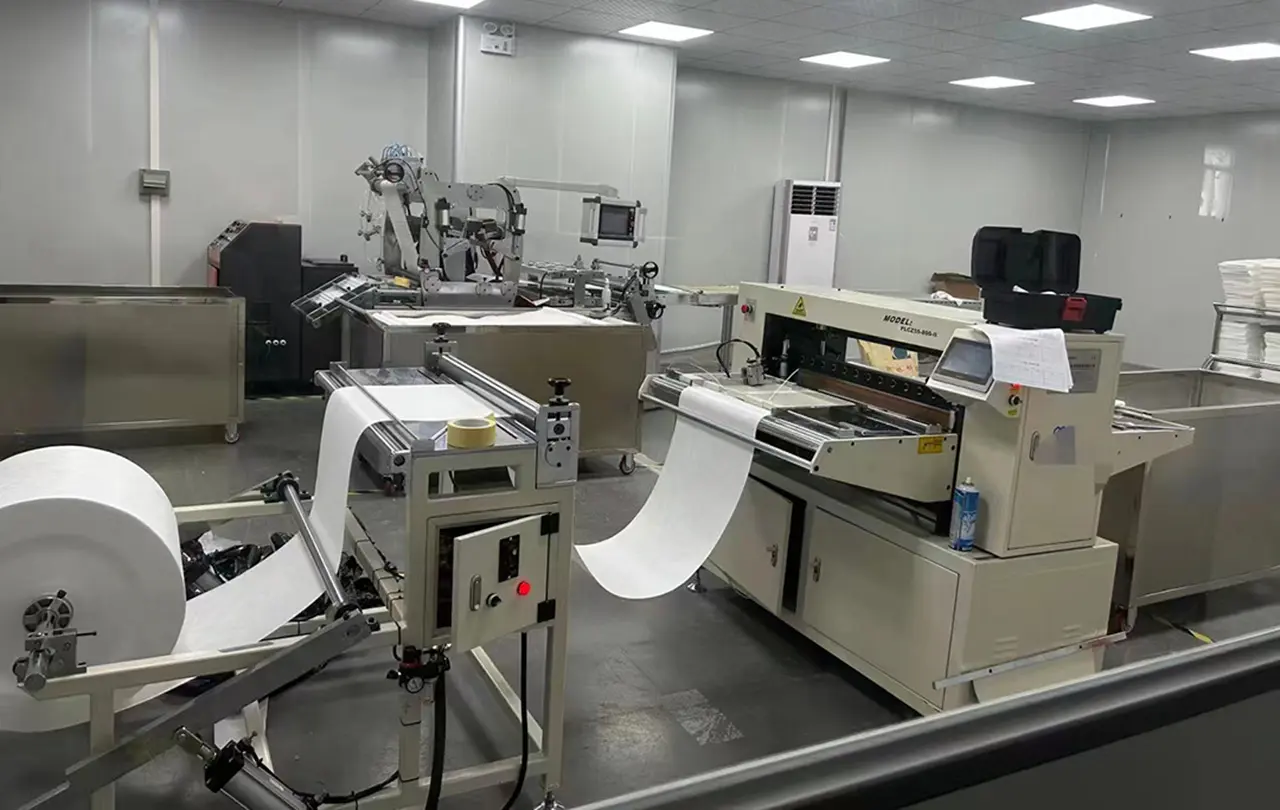
Advanced hot-melt separations stabilize deep-pleated HEPA and carbon media packs, maintaining spacing even in variable air volume systems.
Different environments present unique chemical challenges. We tailor gas-phase filtration configurations to target specific pollutants.
Modern semiconductor fabrication plants (fabs) and pharmaceutical facilities must control Airborne Molecular Contamination (AMC). Even trace concentrations of acid gases, organic siloxanes, or ammonia can etch silicon surfaces or degrade chemical compositions.
Our custom-formulated activated carbon filters utilize specific chemical impregnates to target and neutralize acids, bases, and volatile compounds, maintaining consistent yields in ISO Class 1 to Class 9 cleanrooms.
Urban commercial spaces cope with complex outdoor air pollution, including nitrogen dioxide, sulfur dioxide, ozone, and vehicle exhaust fumes. Standard synthetic HVAC dust filters cannot capture these gaseous molecules.
By pairing pleated HEPA elements with activated carbon layers, our solutions provide dual-action control. This setup removes fine particulates and adsorbs gaseous pollutants, helping building managers maintain low indoor air pollutant counts.
Petrochemical plants, wastewater facilities, pulp mills, and chemical storage areas produce high levels of hydrogen sulfide, mercaptans, chlorine, and sulfur dioxide. These gases cause unpleasant odors and corrode electrical switchgear and control systems.
We supply heavy-duty, deep-bed chemical filters containing engineered activated alumina and impregnated charcoal blends. These configurations offer high adsorption capacity and long service life in harsh industrial conditions.
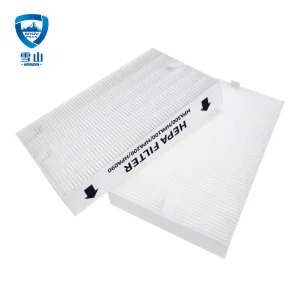
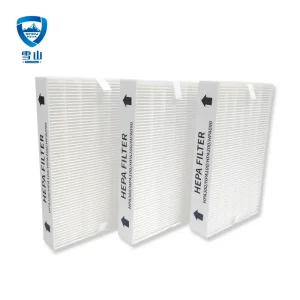
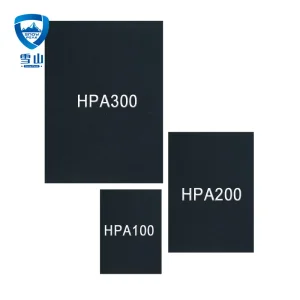
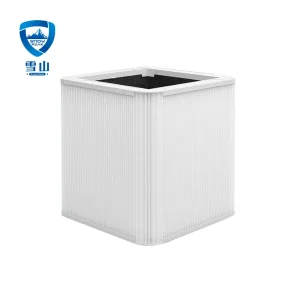
We manufacture aftermarket and custom replacement carbon packs for popular air purifier brands, including Coway, Honeywell, and Blueair. Our filters match the fit, air resistance, and particulate capture efficiency of original manufacturer specifications.
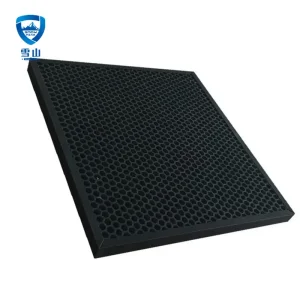
Using robust honeycomb grids filled with granular carbon or carbon-impregnated fiber media, we help brands and distributors supply reliable replacement filters globally.
The next generation of gas-phase filters focuses on target-specific chemisorption, lower airflow resistance, and sustainable raw materials.
Physical adsorption has limits when capturing light, highly volatile molecules like formaldehyde, ammonia, or hydrogen sulfide. To address this, current research focuses on chemical impregnants. Coating the carbon substrate with metal oxides, acidic compounds, or alkaline formulations triggers chemical reactions that convert volatile pollutants into stable solid salts within the filter pores. This significantly increases gas capture capacities for targeted contaminants.
Determining when an activated carbon filter is saturated has traditionally been a challenge. Modern HVAC systems are beginning to adopt real-time gas sensor arrays that monitor differential pressures and target compound breakthroughs. At Shenzhen Snow Peak, we conduct extensive breakthrough curve testing to help customers estimate replacement intervals, preventing bypass and optimization issues before they occur.
Traditional loose granular carbon beds provide high capacity but often restrict airflow, requiring powerful fans that consume more energy. Modern applications are transitioning toward structured honeycomb matrices and carbon-impregnated non-woven fibers. These designs allow air to flow smoothly through structured channels, ensuring adequate gas contact while reducing pressure drops across the HVAC system.
As corporations emphasize environmental sustainability, filter manufacturers are moving toward renewable raw materials. High-grade coconut shell carbon remains the standard for microporous gas adsorption, providing a renewable alternative to coal-based activated carbons without sacrificing molecular loading capacities.
Clear answers to engineering, procurement, and design questions regarding molecular filtration performance.
 Snow Peak