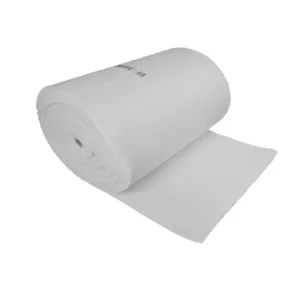
Custom F7 Filter Materials Manufacturer & Factory

Premium Synthetic & Meltblown Composite Filtration Media Engineered for Industrial HVAC Systems, Cleanrooms, and Commercial Purification Systems Worldwide.

1. Understanding F7 Filter Material: Standards & Structural Properties

In modern industrial and commercial ventilation, clean air standards are critical. F7 filtration materials (equivalent to ISO 16890 ePM2.5 50%-65% or ASHRAE 52.2 MERV 13) represent the pivot point between basic dust containment and high-purity air supply. These materials target PM2.5 particulate matter, capturing hazardous industrial dust, pollen, biological aerosols, and secondary atmospheric pollutants before the air reaches terminal HEPA filtration units or indoor air distribution grills.

The microstructural layout of F7 materials is typically composed of high-strength synthetic fibers, glass microfibers, or progressive-density meltblown structures. Unlike lower-grade coarse filters (G3-G4) that rely primarily on simple mechanical sieving, F7 media utilize a combination of filtration mechanisms:

Standard Comparison Target Particle Size Range Average Efficiency Class Typical Media Structure
EN 779: F7 0.4 μm fine dust 80% - 90% (average efficiency) Synthetic Pocket Media / Composite Meltblown
ISO 16890: ePM2.5 0.3 μm to 2.5 μm particles 50% - 65% fractional efficiency Electrostatic Charge Progressive Density Polypropylene
ASHRAE 52.2: MERV 13 0.3 μm to 1.0 μm particles >50% efficiency (E1 fraction) Pleated fiber composites with thermal bonding

F7 media requires structural integrity to combat airflow pressure drops. The primary mechanical design goal is achieving a low resistance threshold while maximizing dust holding capacity (DHC). This balance is critical to reducing energy consumption in massive HVAC systems, where pressure drop correlates to mechanical load and electricity costs.

2. The Science of High-Efficiency & Low-Resistance Meltblown Fabric

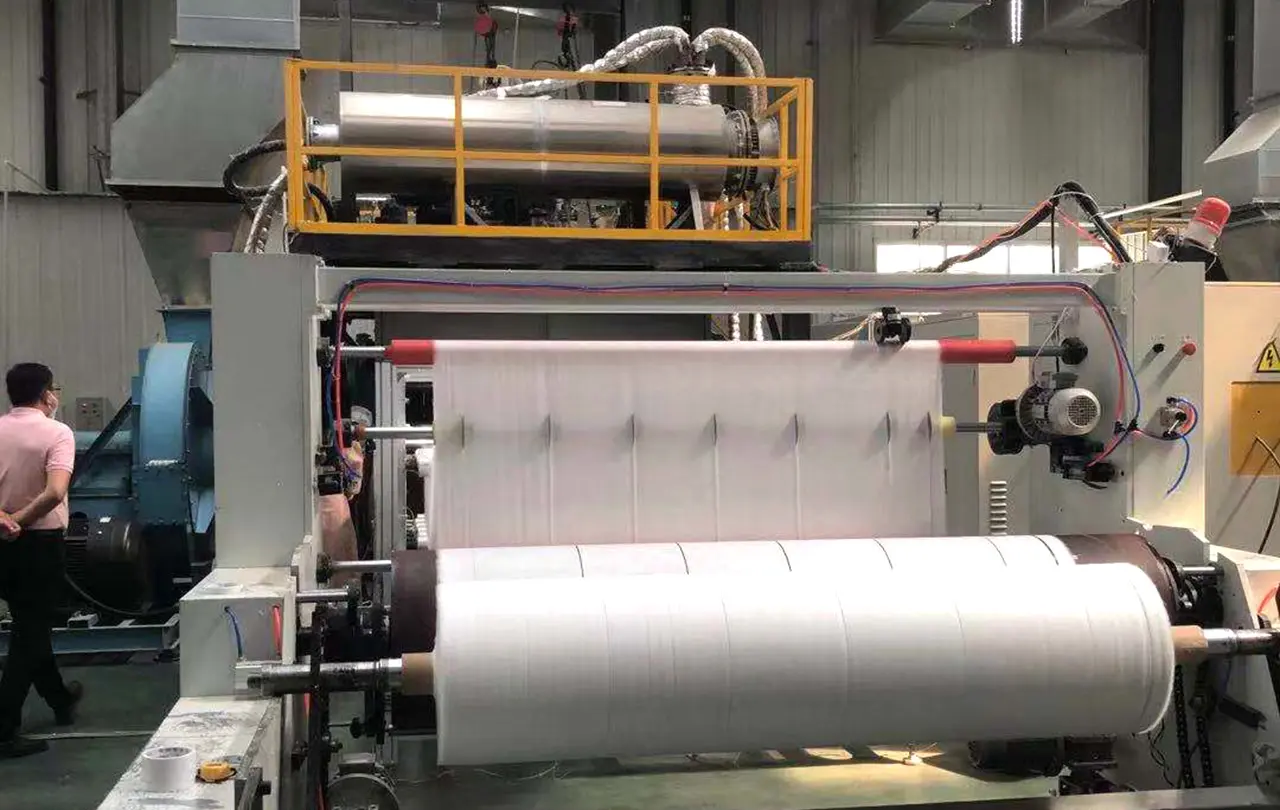
At the center of high-performance F7 pocket filters is the development of electrostatic meltblown fabrics. When raw polypropylene is extruded through ultra-fine spinneret nozzles at high temperatures, the resulting microfibers are thin (typically 1 to 5 microns in diameter). While mechanical entrapment filters these sizes well, it introduces a high initial resistance. To overcome this limitation, manufacturers utilize corona charging systems to implant semi-permanent electric charges (electrets) into the fiber matrix.

Did you know? Electrostatic charge enhancement allows F7 filter materials to capture sub-micron particles through Coulombic attraction and polarization without narrowing the physical path of airflow. This results in a pressure drop reduction of up to 40% compared to pure mechanical filtration materials.

However, electrostatic filtration has a challenge: charge decay. Exposure to organic aerosols, high humidity, and atmospheric pollutants can neutralize the electrostatic charge over time. As a result, premium manufacturers use composite layers. A protective spunbond layer protects the meltblown core from mechanical abrasion and large dust particles, while a backing layer maintains physical structural integrity under variable air flow cycles.
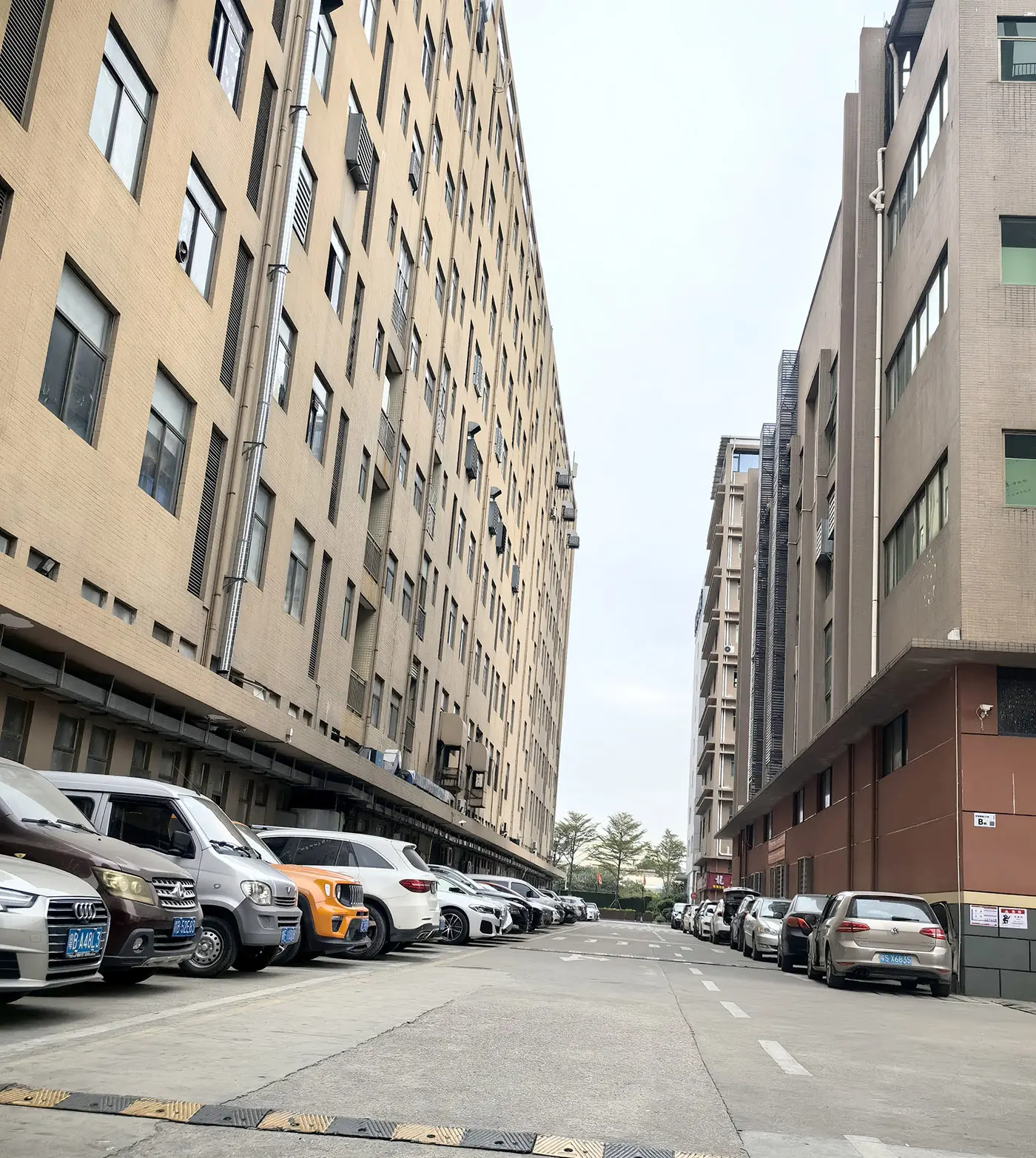
Shenzhen Snow Peak Factory Cleanroom
ESTABLISHED MANUFACTURER

Our Profile: Shenzhen Snow Peak Clean Technology Co., Ltd.

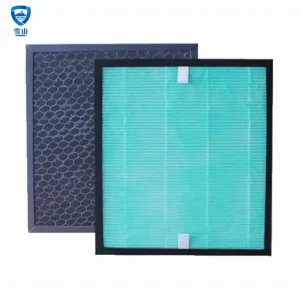
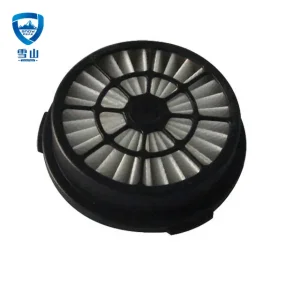
Shenzhen Snow Peak Clean Technology Co., Ltd. is an integrated high-tech enterprise, specialized in air filtration products research and development, production, sales, import and export trade. We produce and supply: Pre-filter, pocket filter, HEPA filter, chemical filter; replacement HEPA filter, car cabin air filter, humidifier filter; pocket filter media, melt-blown composite filter media, and other high-performance filter materials; provide high quality air purification solutions and products for indoor air pollution control and air conditioning systems of civil and industrial buildings, microelectronics, pharmaceutical, laboratory, school, hospital clean room etc.
Combined with self-developed patented technology, our sterilizing antiviral HEPA filter can effectively filtrate fine particles, so that PM2.5 concentration down to 10 micrograms/m3, 5 times better than national standard; effectively inhibit the breeding of microorganisms, sterilization rate up to 99.9%, and no secondary pollution, removal of H1N1 virus efficiency as high as 99.99%.
15+
Years Industry Experience
99.9%
Sterilization Efficacy
10μg/m³
PM2.5 Control Limit

Advanced Industrial Production Facilities & Machining

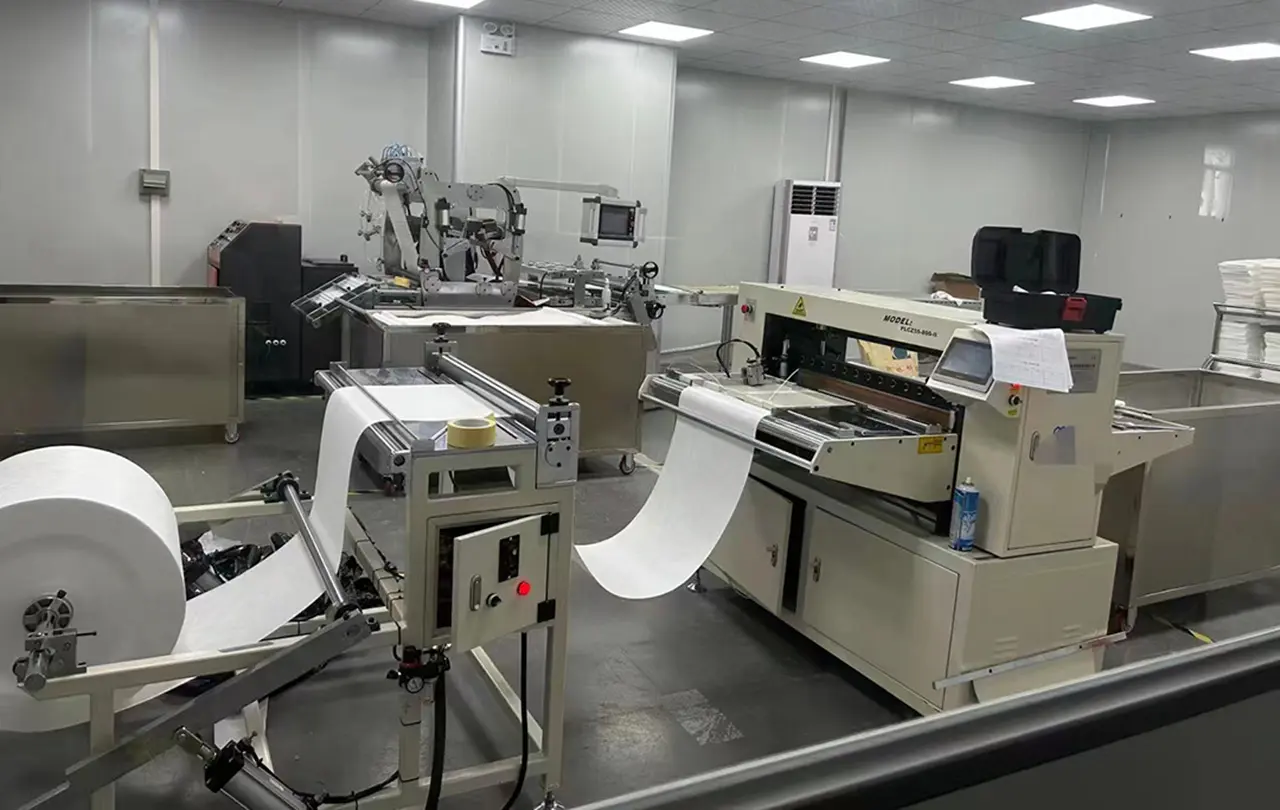
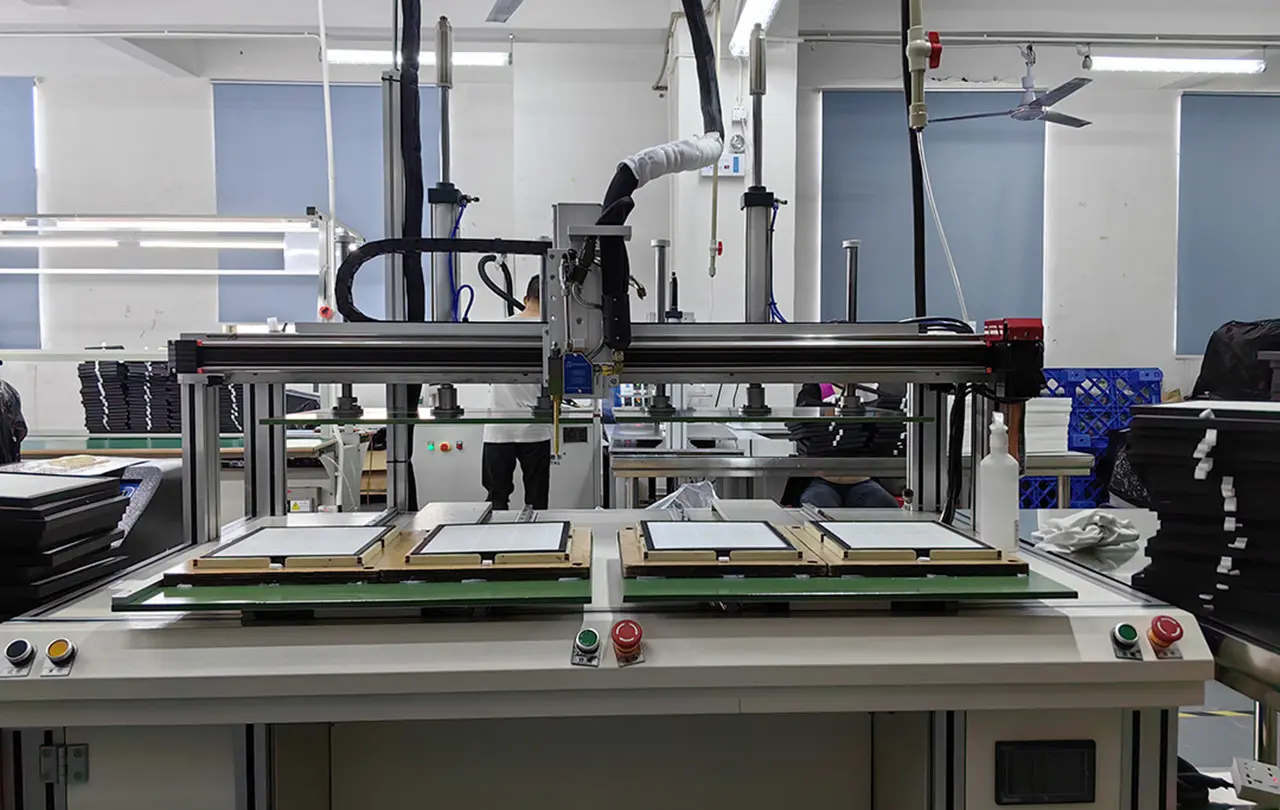
Having 15 years of international air purification technology experience as the background, our company has standardized production workshops, dust-free filter workshops, and first-class technology HEPA filters production lines.

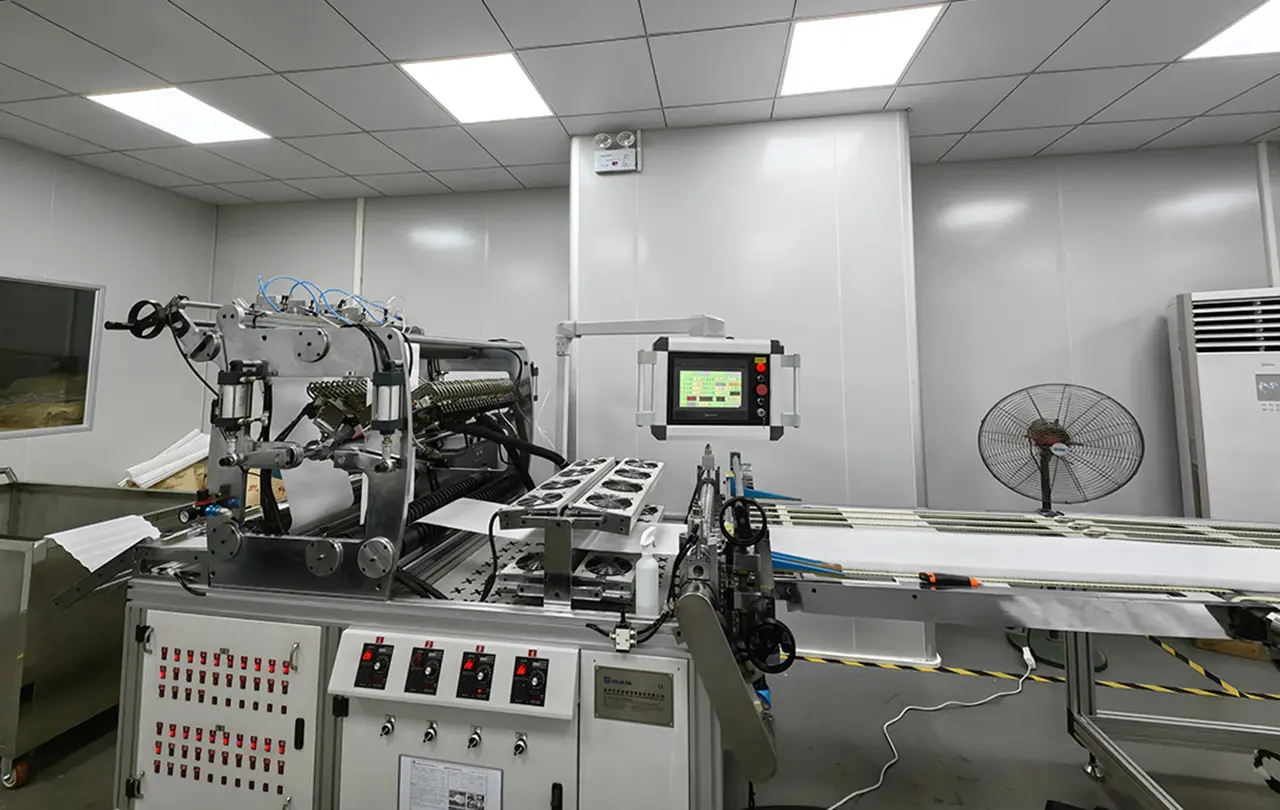
Gluing machine

Gluing machine

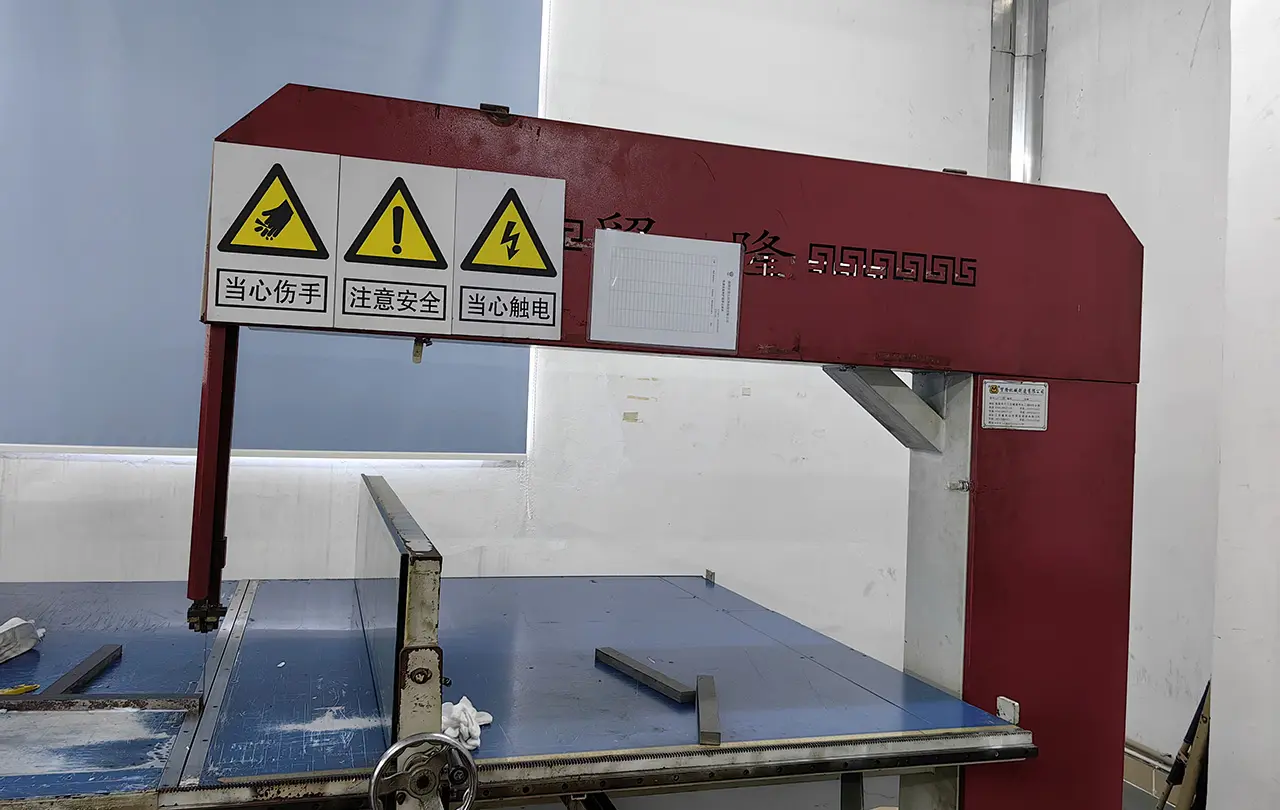
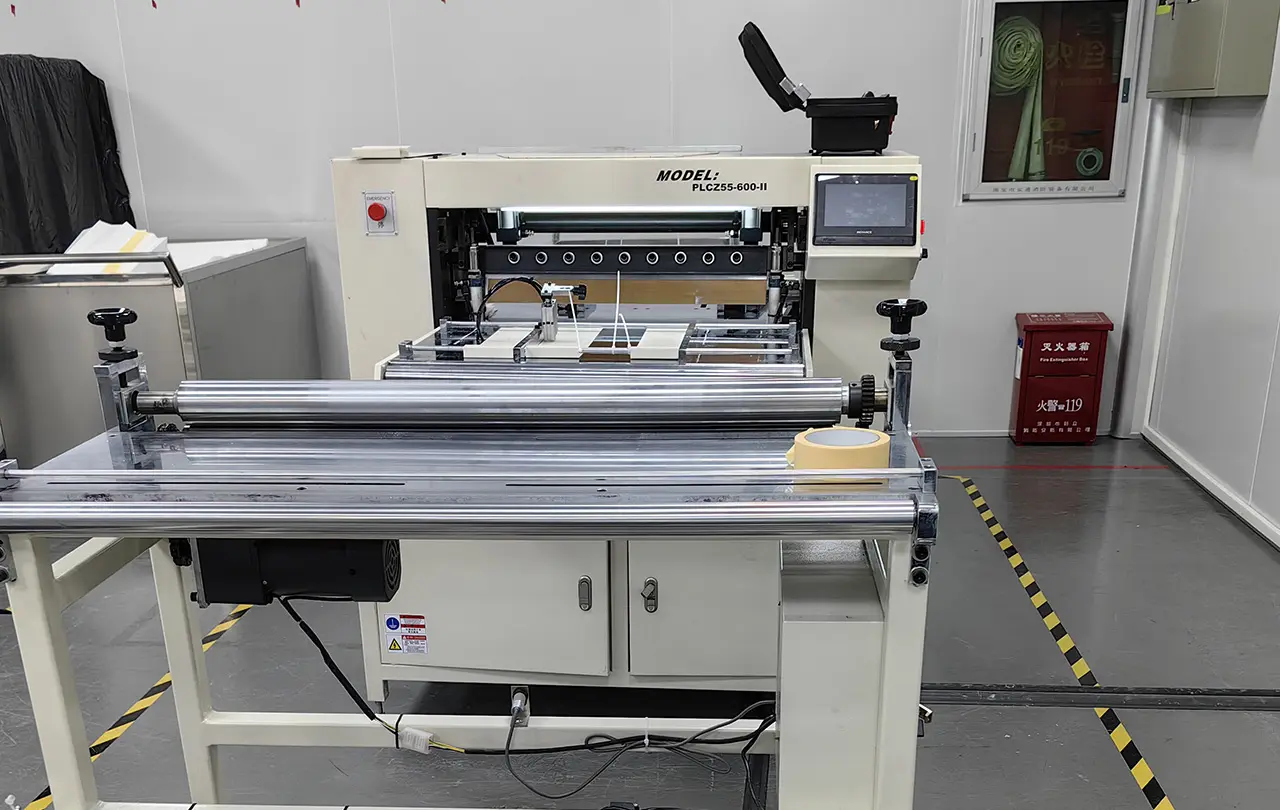
Cutting machine

Cutting machine

Gluing process

Gluing

Compound filter media

Compound filter media

Pleating step 1

Pleating Process A

Pleating step 2

Pleating Process B

Our facilities are equipped with self-developed fully automatic air filter production lines, AMADA CNC punches, and CNC bending machines, providing a strong guarantee for the production capacity, precision, and performance of air filtration and purification products.

Key Advantages of Chinese F7 Filter Material Factories

Why global brands source custom F7 media rolls, pocket materials, and completed filters from our advanced Shenzhen facility.

1. Vertically Integrated Supply Chain

We manage the process from raw polymer compounding to electro-charging, meltblowing, thermal composite bonding, and frame assembly. This allows us to reduce raw material waste and optimize costs, offering competitive pricing globally.

2. Flexible Custom Pleating & Assembly

Our AMADA CNC machining setups and custom pleating lines mean we can customize pocket sizes, pleat counts, and frame structures to match client demands without costly tooling processes.

3. Strict Multi-Stage Inspection

Each batch of F7 and HEPA material is tested on TSI8130 automated filter testers. We monitor pressure drop and penetration efficiency across target particle diameters, verifying compliance before export.

Localized Application Scenarios & Macro Solutions

F7 filter media serves as the first line of fine particle defense across commercial, industrial, and high-purity micro-environments.

Electronics Manufacturing

Microelectronics & Semiconductor Cleanroom Support

In semiconductor processing, even minor dust particles can ruin silicon wafers. Our custom F7 media functions as high-capacity pre-filters for terminal H13/H14 HEPA units, capturing over 90% of PM2.5 particles to prolong the lifespan of final cleanroom terminal filters.

Pharmaceutical Standards

Hospitals, Laboratories & Biosafety Facility Containment

Using antiviral composite technologies, our F7 and HEPA structures help maintain sterile spaces. Suppressing bacterial reproduction in air ducts is a critical requirement for medical facilities, isolation wards, and biological containment laboratories.

HVAC Systems

Commercial Skyscrapers & Smart Office Buildings

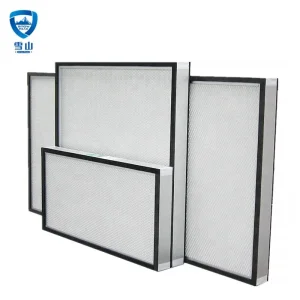
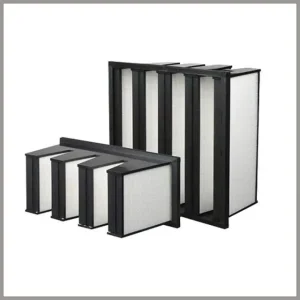
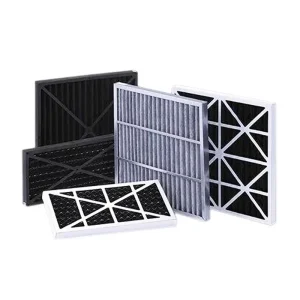
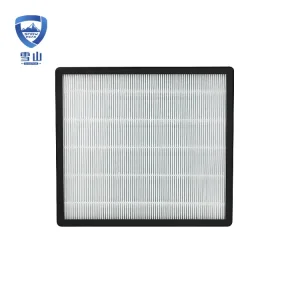
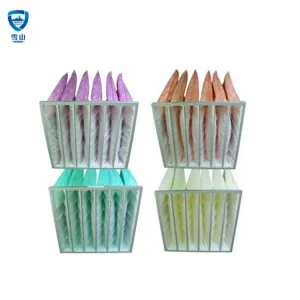
We supply customizable F7 multi-pocket bag filters and mini-pleat panels designed to fit directly into standard air handling units (AHUs), helping developers meet local green building certifications and energy management standards.

Industrial Coating

Automotive Spray Paint Booths & Finishing Lines

Industrial painting requires laminating the air supply to remove paint mist and dust particles. Progressive-density F7 ceiling filter media capture contaminants, helping to prevent surface defects in high-end automotive coating operations.

3. Next-Generation Industry Trends in Medium-Efficiency Filtration

The global filtration industry is shifting toward sustainability and lower energy footprints. Driven by energy regulations and environmental requirements, three trends are shaping F7 filter material manufacturing:

A. Mechanical-Electrostatic Hybrid Composite Fiber Engineering

Traditional electret charge fades, but next-gen composites use structural entrapment (extremely fine microfibers) to maintain mechanical efficiency even when the electrostatic charge decreases. This ensures the filter maintains a stable EN 779 / ISO 16890 rating throughout its operational lifecycle.

B. Biodegradable and Recyclable Substrates

Historically, synthetic polymer filter media contributed to industrial plastic waste. As companies focus on carbon-neutral initiatives, there is rising demand for biodegradable PLA (polylactic acid) composite meltblown fabrics and recyclable single-polymer frame components.

C. Antimicrobial and Antiviral Functionalization

Following recent global public health concerns, air filters are no longer just capturing particulate matter. Combining copper/zinc ions or organic botanical extracts into the meltblown polypropylene fibers enables active sterilization, helping to suppress pathogens collected on the filter media.

Questions & Answers: Technical Insights

Technical answers from our application engineers to help you select, install, and specify F7 filter materials.

Q: What is the operational difference between EN 779 F7 and ISO 16890 ePM2.5 filtration grades?

A: EN 779:2012 was a European standard classifying F7 based on the average filtration efficiency of 0.4 μm particles (targeting 80% to 90%). The current ISO 16890 standard measures fractional efficiency across three particle size ranges (PM1, PM2.5, PM10). An EN 779 F7 media typically aligns with ISO 16890 ePM2.5 50-65% or ePM1 50-60%, depending on the media structure and electrostatic charge.

Q: How do you prevent electrostatic charge decay in custom meltblown F7 media?

A: To maintain charge stability, we use specialized resin compounds mixed with organic charge-trapping agents (electret masterbatches). Our high-voltage corona charging line aligns charges deeper within the fiber matrices. Additionally, multi-layer laminated structures shield the core electret layer from direct moisture contact and larger pre-filtered dust particles.

Q: Can synthetic F7 pocket filter materials handle high humidity levels without failing?

A: Yes, our synthetic F7 media is naturally hydrophobic, absorbing virtually no water. Unlike glass fiber or paper-based media, which can soften or lose structural stability under 90%+ relative humidity, synthetic pocket fabrics maintain their structure and low resistance design under damp conditions.

Q: What are the customization limits for OEM pocket air filter rolls?

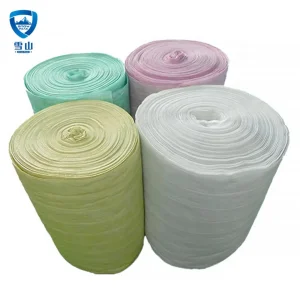
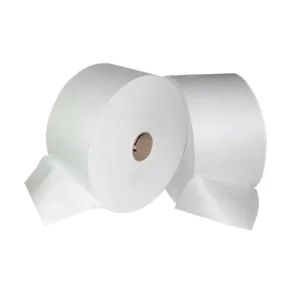
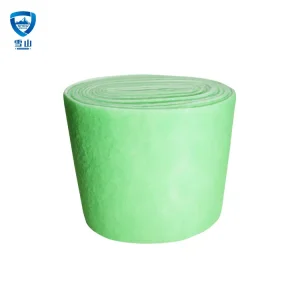
A: We offer customization options including roll widths from 0.48m up to 1.2m, bag depths ranging from 300mm to 950mm, and customizable pocket counts. The structural configuration can also be customized with varied layer counts and colors to match your assembly specifications.

Q: How does F7 filtration improve the operational lifespan of downstream HEPA filters?

A: HEPA filters (H13/H14) are designed to capture sub-micron particles and can clog quickly if exposed to larger particulates. Implementing F7 pre-filtration captures over 90% of the PM2.5 and PM10 fractions, allowing downstream HEPA filters to focus on sub-micron particulate capture and extending their lifespan by up to 2-3 times.