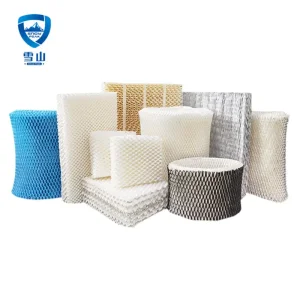
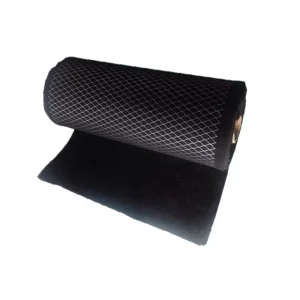
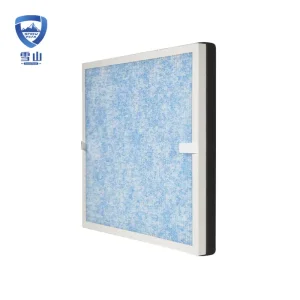
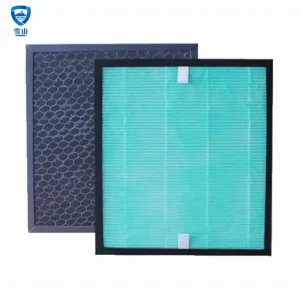
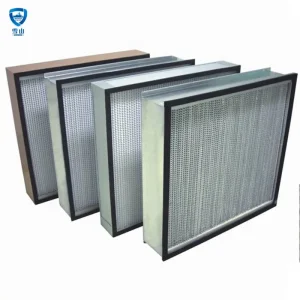
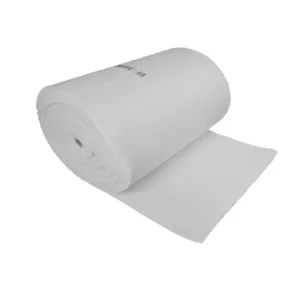
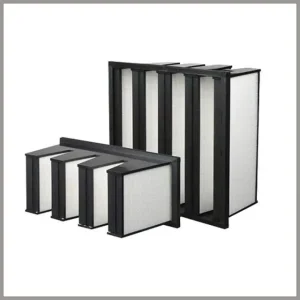
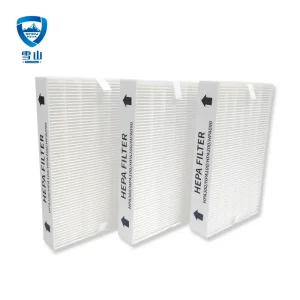
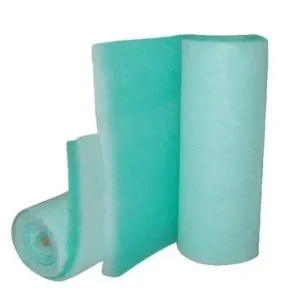
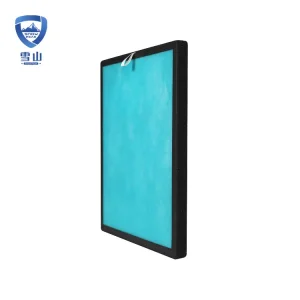
Discover our highly specialized selection of air purification modules, HVAC media rolls, and replacement units.
In the hierarchy of particulate air filtration, MERV 20 (Minimum Efficiency Reporting Value 20) represents the absolute zenith of testing standards governed by the American Society of Heating, Refrigerating and Air-Conditioning Engineers (ASHRAE 52.2). While standard HEPA (High-Efficiency Particulate Air) systems typically cover MERV 17 through MERV 19 classifications, a MERV 20 rating bridges the standard HEPA boundary directly into the realm of ULPA (Ultra-Low Penetration Air) performance. By capturing 99.999% of airborne particulates down to 0.12 microns in size, these systems are engineered to intercept sub-micron particles, including tobacco smoke, virus carriers, carbon dust, combustion particles, and microscopic mineral fibers.
Achieving this level of air purity requires media constructed with unparalleled density and precision. Typically manufactured from high-grade borosilicate glass microfibers or sophisticated polymer nanofibers, MERV 20 filtration media operates on four primary physical mechanisms:
Larger particles possess inertia that prevents them from following the air stream around fibers. Instead, they travel in a straight path and collide directly with the filter medium.
Medium-sized particles follow the airstream closely but make physical contact with the edges of individual fibers as they pass through, sticking permanently due to van der Waals forces.
The smallest particles (under 0.1 microns) exhibit rapid, random erratic movement due to collisions with gas molecules. This erratic path increases their likelihood of impacting fibers.
For operations specifying custom dimensions, framing options, and structural materials, partnering with an experienced manufacturer like Shenzhen Snow Peak Clean Technology Co., Ltd. is critical. Standard stock filters fail to align with the complex dimensions of customized HVAC handling systems. Working with dedicated engineering groups guarantees that bypass leakage—the most common cause of high-efficiency filtration system failure—is completely designed out of the system prior to installation.
Today, the global cleanroom market has shifted from a specialty niche to a fundamental economic backbone. The explosion of global semiconductor demand, driven by automotive microchips, artificial intelligence nodes, and complex mobile processors, has pushed fabrication standards to new limits. A single sub-micron dust particle landing on a silicon wafer undergoing 3-nanometer lithography can ruin an entire wafer, leading to millions of dollars in yield loss. Consequently, cleanrooms must integrate MERV 20/ULPA filtration in their ceiling modules to guarantee a Class 1 (ISO 3) or better environment.
Beyond microelectronics, the biopharmaceutical sector relies on MERV 20 technology to prevent cross-contamination and secure containment. As global pharmaceutical companies scale up production of mRNA vaccines, monoclonal antibodies, and gene therapies, regulatory authorities like the US FDA and the European Medicines Agency (EMA) demand strict verification of cleanroom integrity. Custom-engineered MERV 20 systems from reliable partners ensure compliance with rigorous regulatory frameworks, ensuring stable batch runs and secure production.
| Filtration Class (ASHRAE 52.2) | Target Particle Size (Microns) | Typical Efficiency Rating | Primary Industrial Applications |
|---|---|---|---|
| MERV 13-16 | 0.3 to 1.0 μm | >90% to >95% | General Hospitals, Commercial HVAC, Standard Labs |
| MERV 17-19 (Standard HEPA) | 0.3 μm | 99.97% to 99.997% | Operating Theaters, Medical Device Assembly, Semiconductor Assembly |
| MERV 20 (ULPA Equivalent) | 0.12 μm | ≥99.999% | Semiconductor Fabs (Sub-3nm), Advanced BSL-4 Containment, Aerospace |
The supply chain for raw filtration materials, particularly high-efficiency glass microfibers and specialized melt-blown fabrics, is highly consolidated. A key strategic advantage for OEMs and procurement managers lies in partnering with integrated manufacturers. Companies that maintain internal production capacities for both media formulation and final casing fabrication—such as Shenzhen Snow Peak—can bypass the standard logistics bottlenecks that affect assembly-only operations. This end-to-end control ensures trace-level quality verification at every step of fabrication, from initial pleat geometry to structural frame sealing.
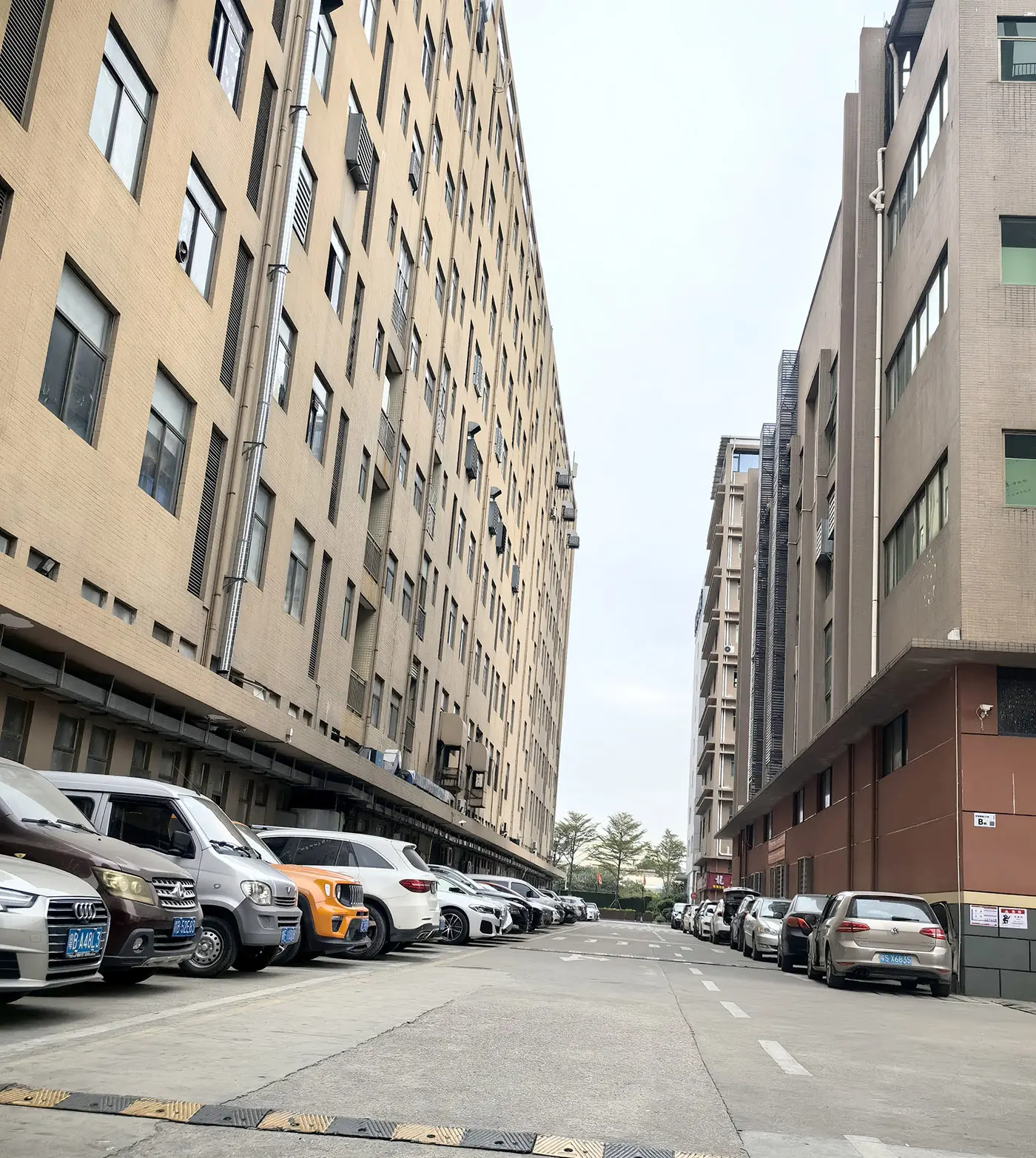
“Combined with self-developed patented technology, our sterilizing antiviral HEPA filter can effectively filtrate fine particles, so that PM2.5 concentration down to 10 micrograms/m³, 5 times better than national standard; effectively inhibit the breeding of microorganisms, sterilization rate up to 99.9%, and no secondary pollution, removal of H1N1 virus efficiency as high as 99.99%.”
A look into our state-of-the-art production workflow, ensuring absolute micro-level precision.
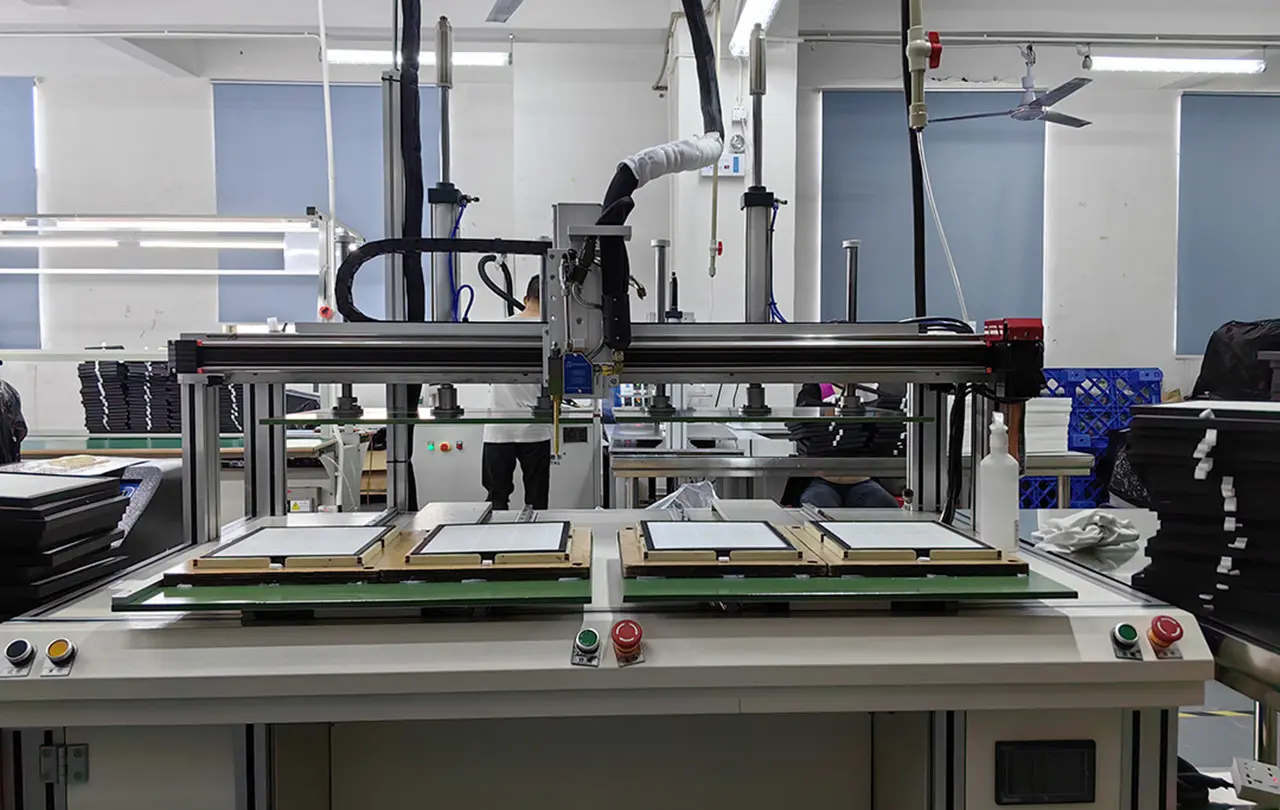
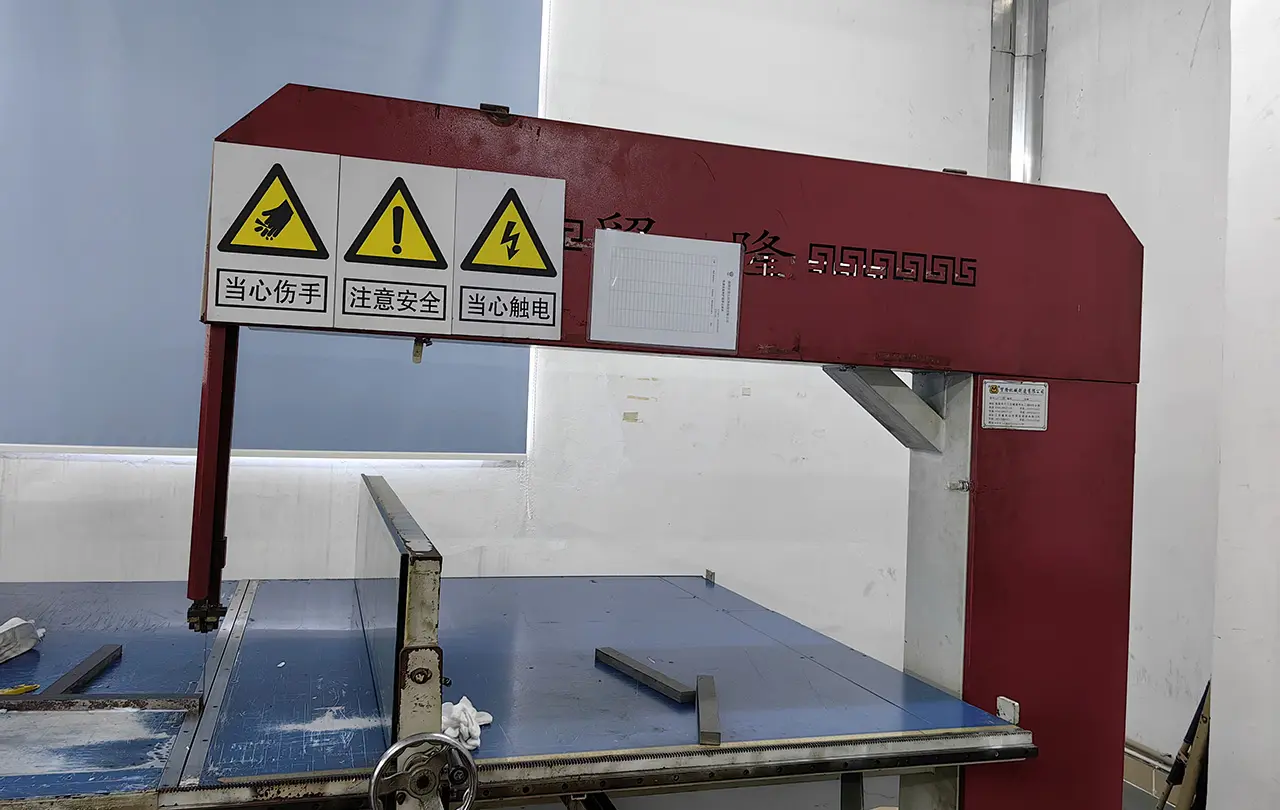
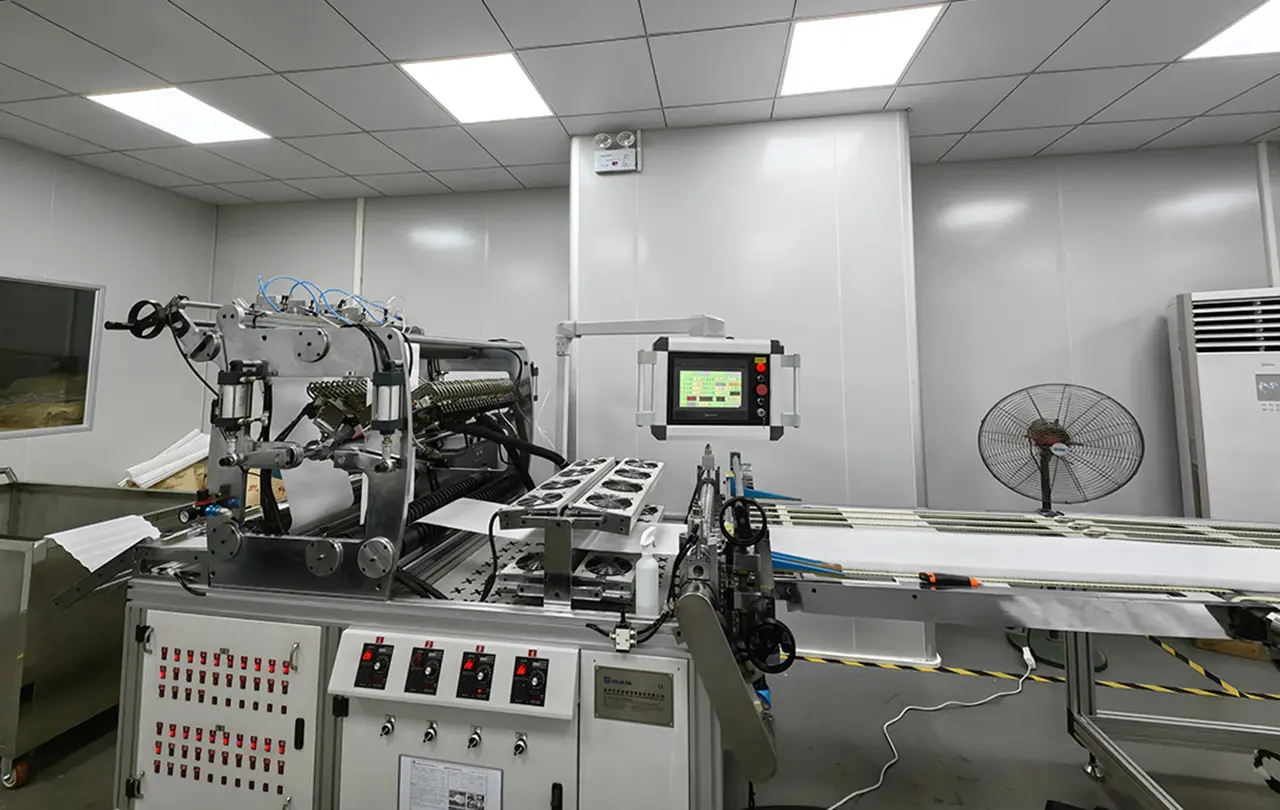
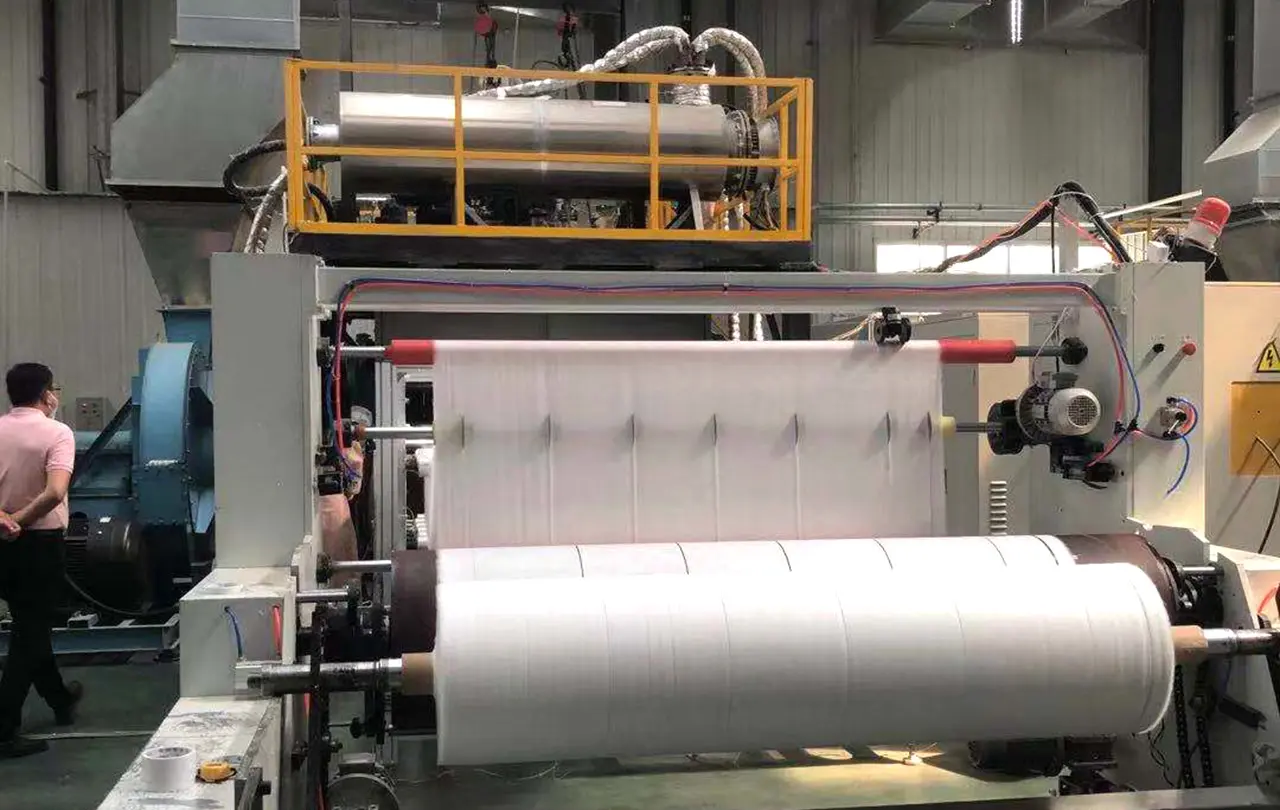
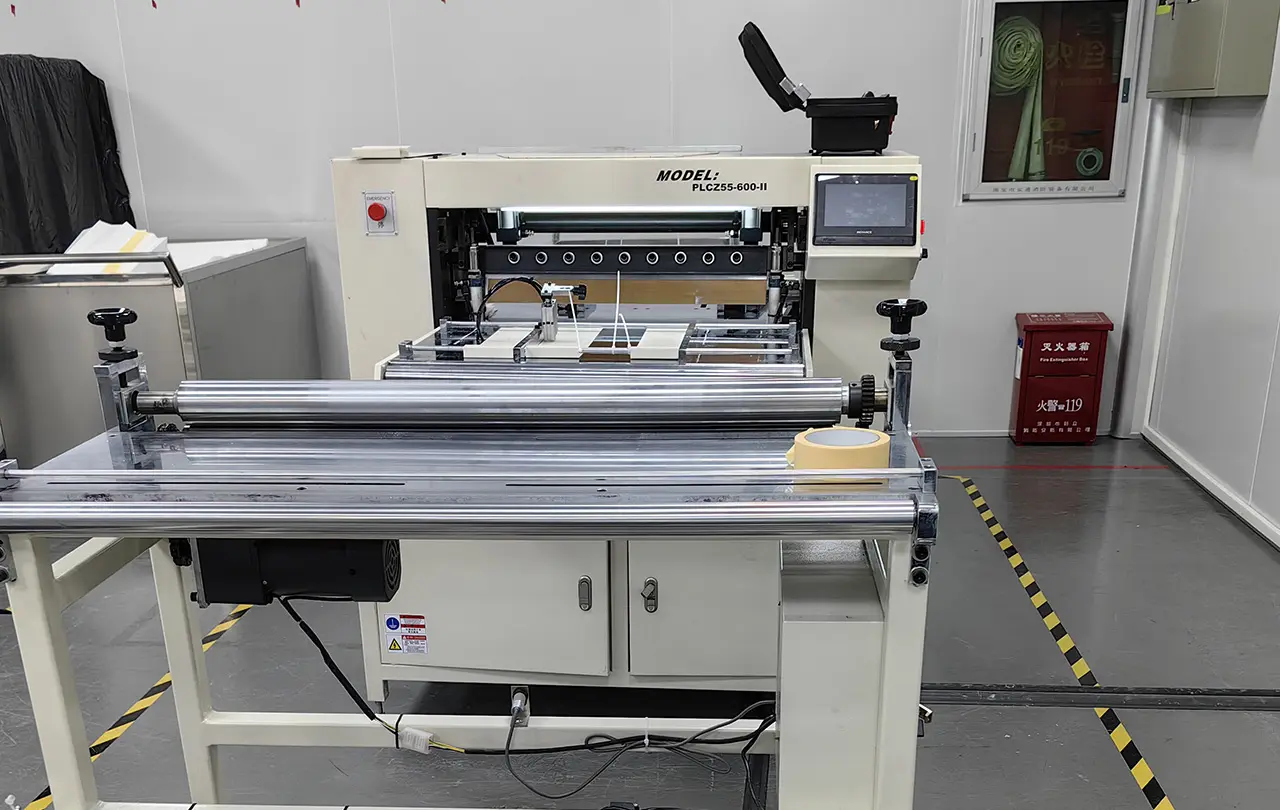
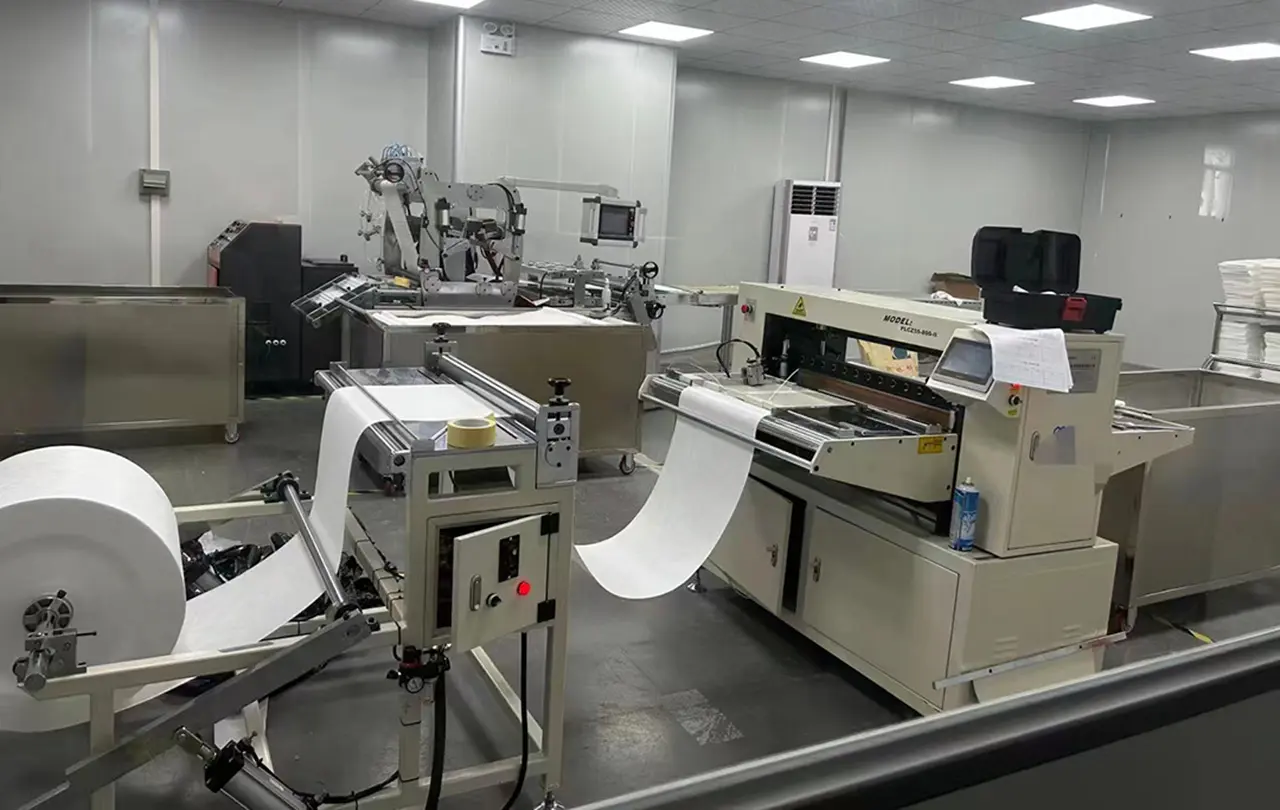
Having 15 years of international air purification technology experience as the background, our company has a standardized production workshop, dust-free filter workshop, and a first-class technology HEPA filters production line and inspection line. We utilize an independently researched and developed fully automatic air filter production line, equipped with an AMADA CNC punch and CNC bending machine, as well as many other advanced high-end equipment. These assets provide a strong guarantee for the production and quality of our air filtration and purification products.
How MERV 20 filtration is evolving to meet higher efficiency and lower energy demands.
The primary engineering challenge of MERV 20 systems is the high initial resistance (pressure drop) that dense fiberglass media creates. To combat this, the R&D team at Snow Peak is investing heavily in electrospun polymeric nanofibers. These fibers, with diameters under 100 nanometers, dramatically increase the filtration surface area while maintaining slip flow conditions. This means gas molecules pass around the fibers with minimal friction, reducing system pressure drop by up to 25% while maintaining a >99.999% particulate capture rate.
Historically, electret media (media with a semi-permanent electrostatic charge) suffered from degradation when exposed to organic aerosols or high humidity. The next generation of MERV 20 filters utilizes specialized multi-layer composites that embed the charge deep within protective physical layers. This ensures the electrostatic field remains active throughout the filter's working lifespan, preserving its high sub-micron capture efficiency without relying solely on mechanical sieving.
Integrating a MERV 20 or ULPA-grade filter into an existing commercial or industrial building requires a comprehensive evaluation of the HVAC architecture. Because of the media density, MERV 20 filters introduce significantly higher static resistance than standard MERV 8 or 13 filters. Simply replacing existing filters without modifications can lead to air handler motor overload, severe drop in CFM (cubic feet per minute) flow rates, and eventual system freeze-ups.
Engineering Directive: Always calculate the Total System Static Pressure (TSSP) including the wet and dirty pressure drop of all combined filter stages. Ensure the system fan curve can deliver the required Air Changes per Hour (ACH) under terminal pressure conditions.
Technical answers to critical integration, selection, and performance questions from our engineering department.
The primary differentiator is particle capture efficiency at a specific particle size. HEPA filters typically capture 99.97% of particles at 0.3 microns. MERV 20 systems represent the entry point of ULPA filtration, delivering a minimum efficiency of 99.999% for sub-micron particulates down to 0.12 microns. This makes MERV 20 filters suitable for advanced cleanrooms and medical manufacturing where HEPA limits are exceeded.
Generally, no. Standard commercial air handlers are not rated for the high static pressure drop of MERV 20 media. Attempting to install them without upgrading to variable speed blowers or adding inline booster fans will restrict airflow and can damage the HVAC compressor. A structured multi-stage pre-filter configuration is mandatory.
Every single high-efficiency filter manufactured by Snow Peak undergoes a automated scanning leak test in our dust-free testing lab. We utilize photometer aerosol challenges (PAO testing) to inspect the media surface, pleats, and frame sealing, ensuring zero bypass and full compliance with international ISO 29463 and EN 1822 specifications.
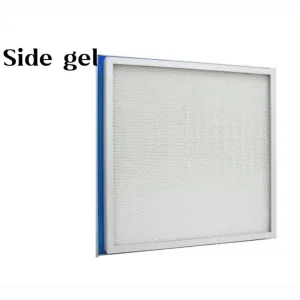
Gasket seals rely on physical compression of a neoprene or polyurethane foam strip against a flat frame surface, which can relax or leak over time. Gel-seals utilize a liquid polyurethane gel filled into a perimeter channel. When installed, a knife-edge frame embeds into the gel, creating a self-healing airtight barrier that is highly resistant to vibration and bypass.
Standard filters trap biological materials on the media surface, where they can survive, multiply, and eventually release spores or fragments downstream (secondary pollution). Snow Peak’s patented sterilizing antiviral media incorporates an active compound that disrupts the protein shells of viruses (such as H1N1) and bacteria, achieving a 99.9% sterilization rate to keep the filter surface clean.
In standard cleanrooms with multi-stage prefilters (MERV 8 + MERV 14), terminal MERV 20 filters can last between 3 to 5 years depending on operation hours and ambient particulate loads. Regular pressure differential monitoring via magnehelic gauges is key to identifying when the terminal resistance limits are reached.
Explore our custom OEM media components, carbon composite filters, and specialized cleanroom modules.
 Snow Peak