Explore our premium selection of custom air filter solutions designed to maintain ultra-clean environments across global industrial applications.
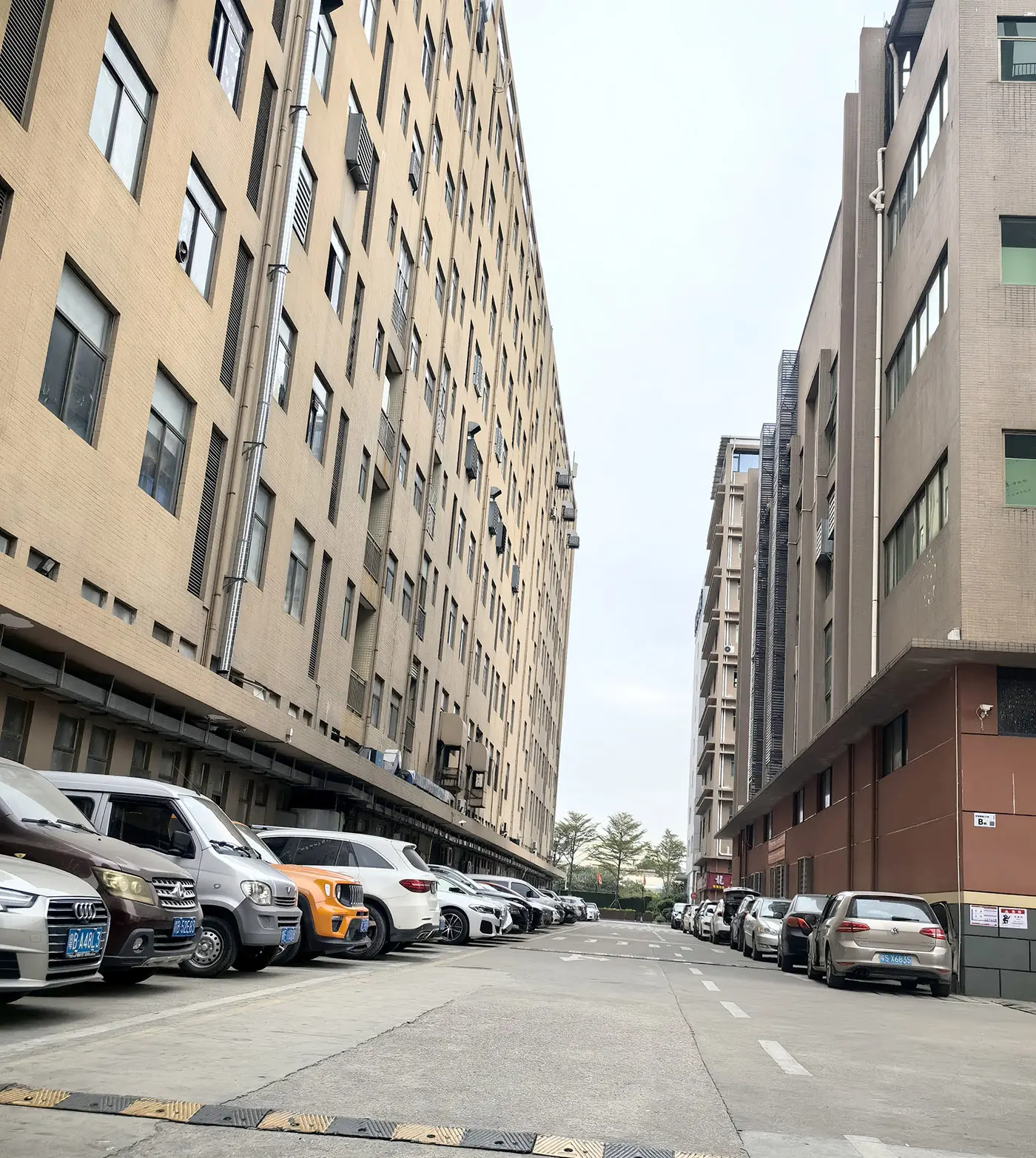
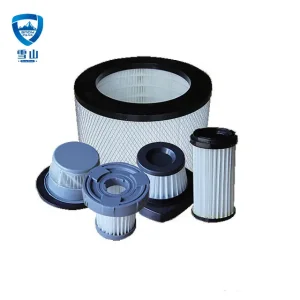
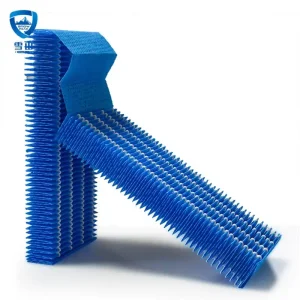
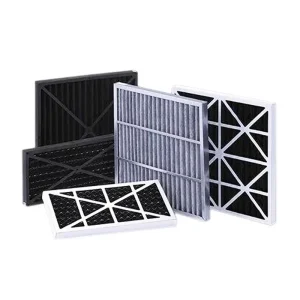
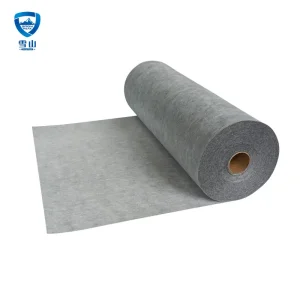
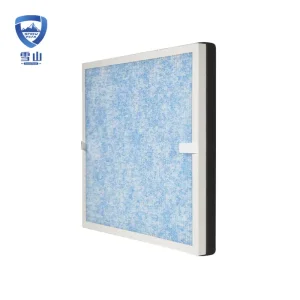
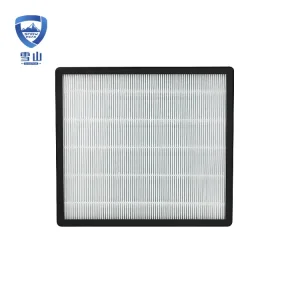
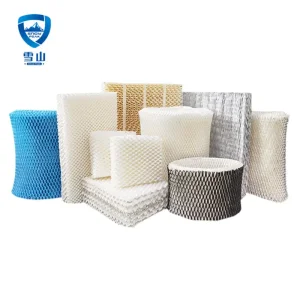
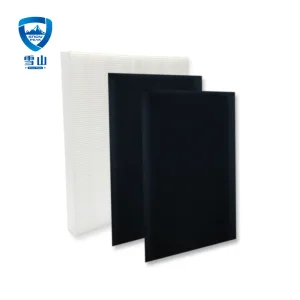
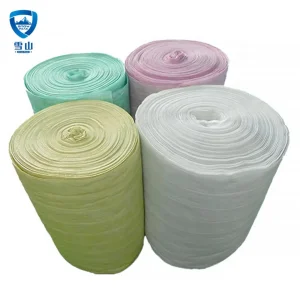
Shenzhen Snow Peak Clean Technology Co., Ltd. is an integrated high-tech enterprise, specialized in air filtration products research and development, production, sales, import and export trade. We produce and supply: Pre-filter, pocket filter, HEPA filter, chemical filter; replacement HEPA filter, car cabin air filter, humidifier filter; pocket filter media, melt-blown composite filter media, and other high-performance filter materials; provide high quality air purification solutions and products for indoor air pollution control and air conditioning systems of civil and industrial buildings, microelectronics, pharmaceutical, laboratory, school, hospital clean room etc.
Combined with self-developed patented technology, our sterilizing antiviral HEPA filter can effectively filtrate fine particles, so that PM2.5 concentration down to 10 micrograms/m3, 5 times better than national standard; effectively inhibit the breeding of microorganisms, sterilization rate up to 99.9%, and no secondary pollution, removal of H1N1 virus efficiency as high as 99.99%.
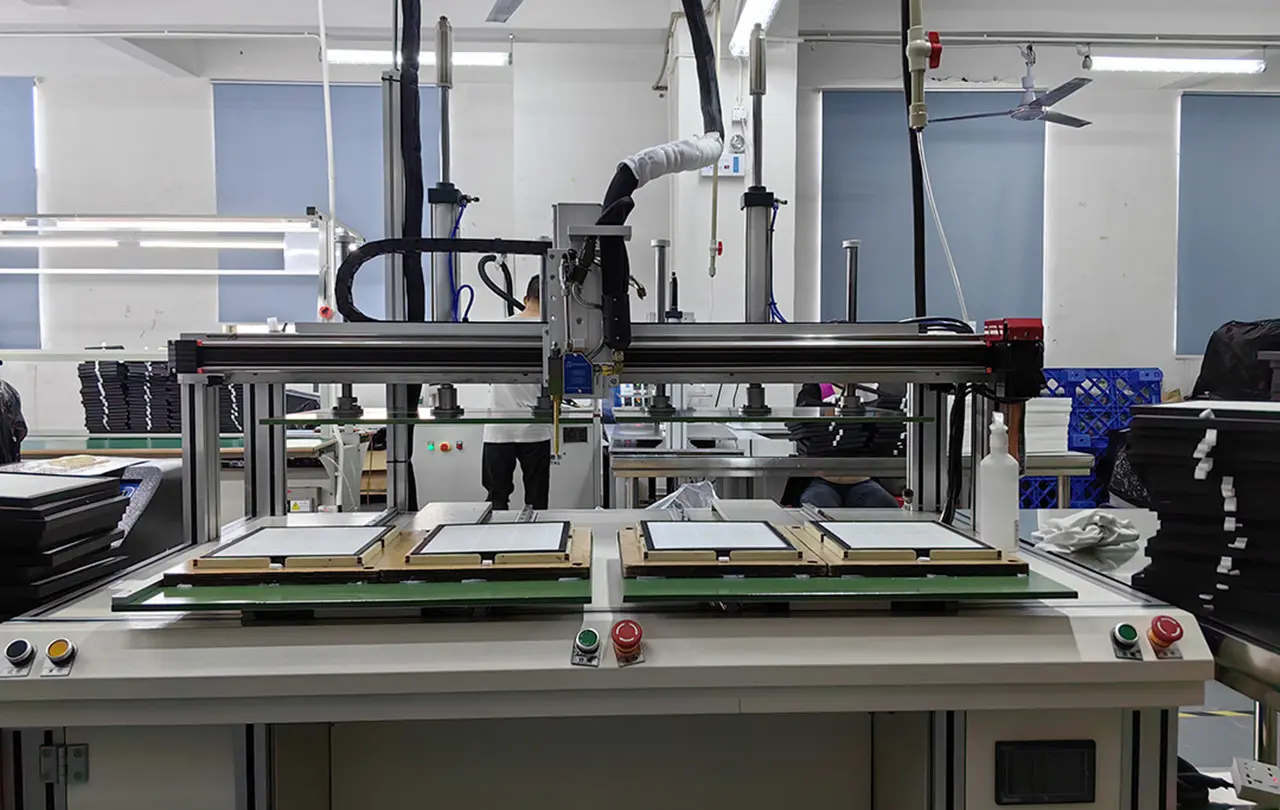
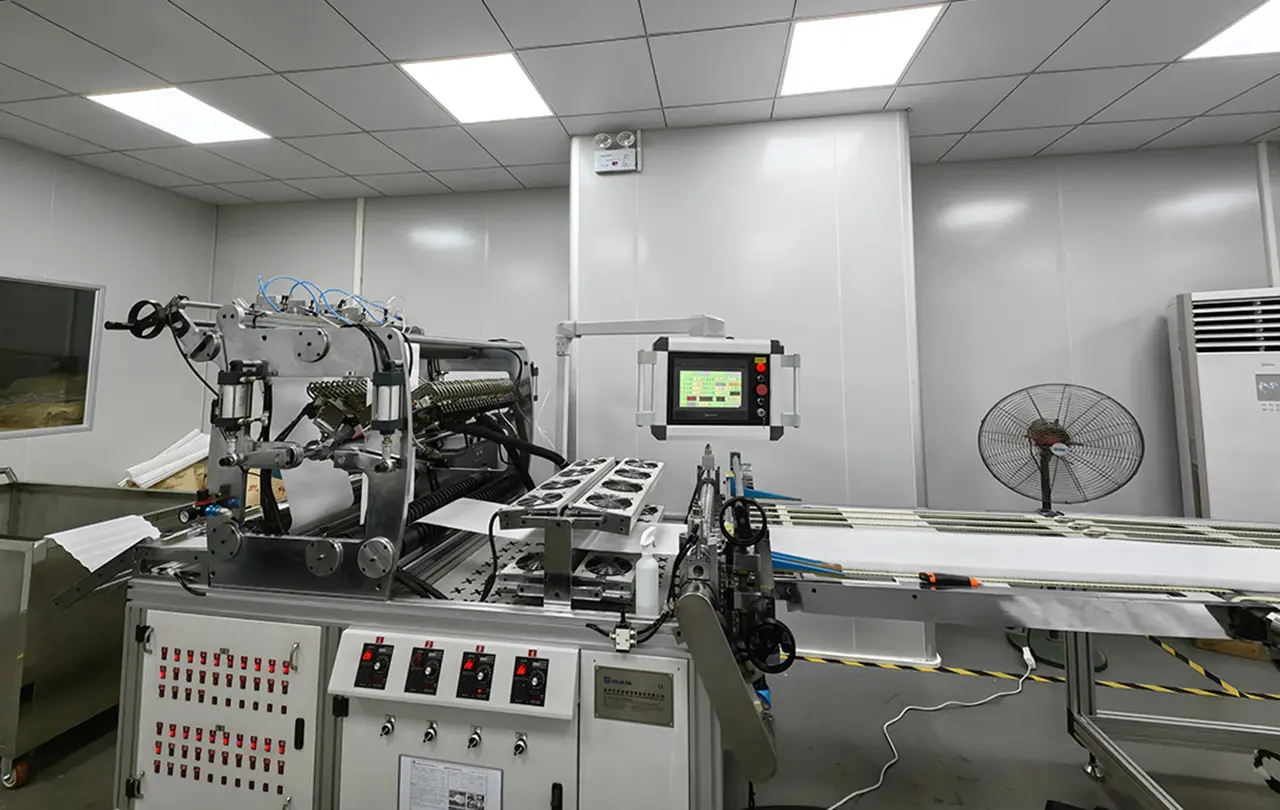
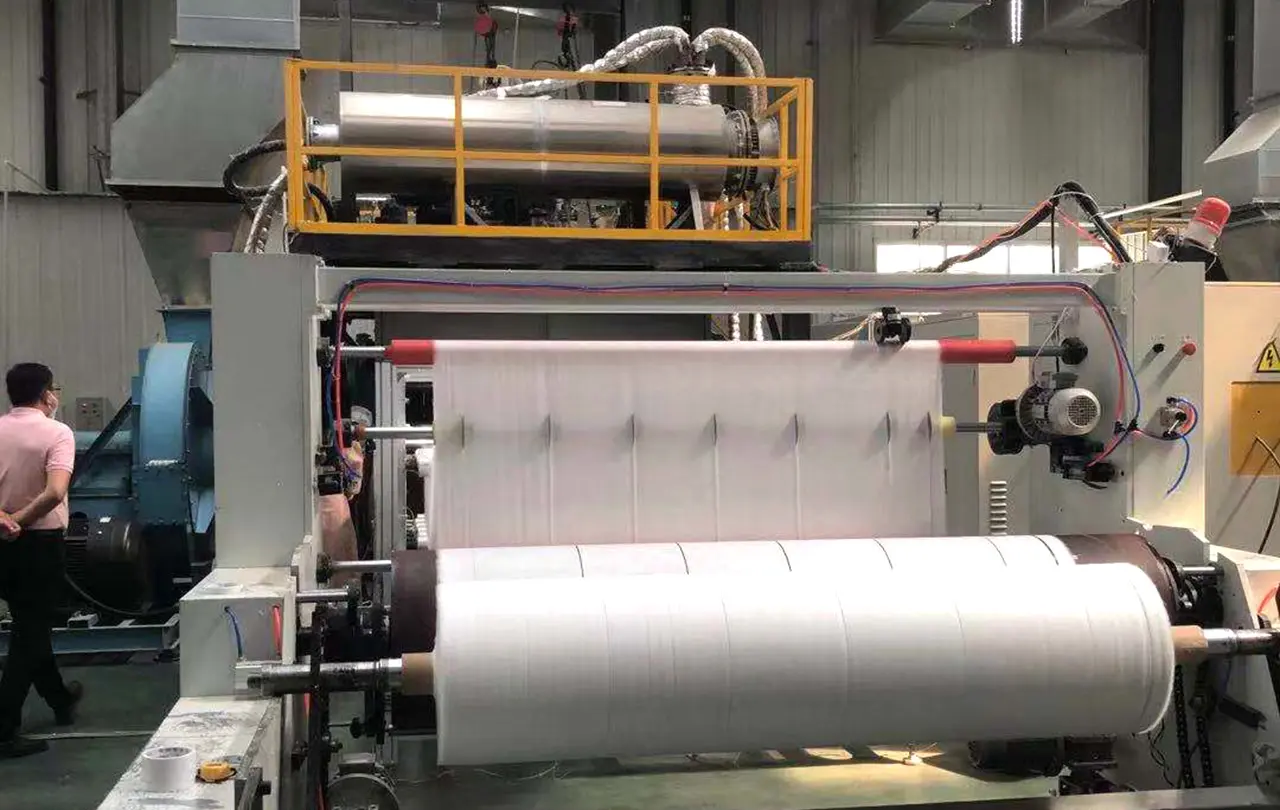
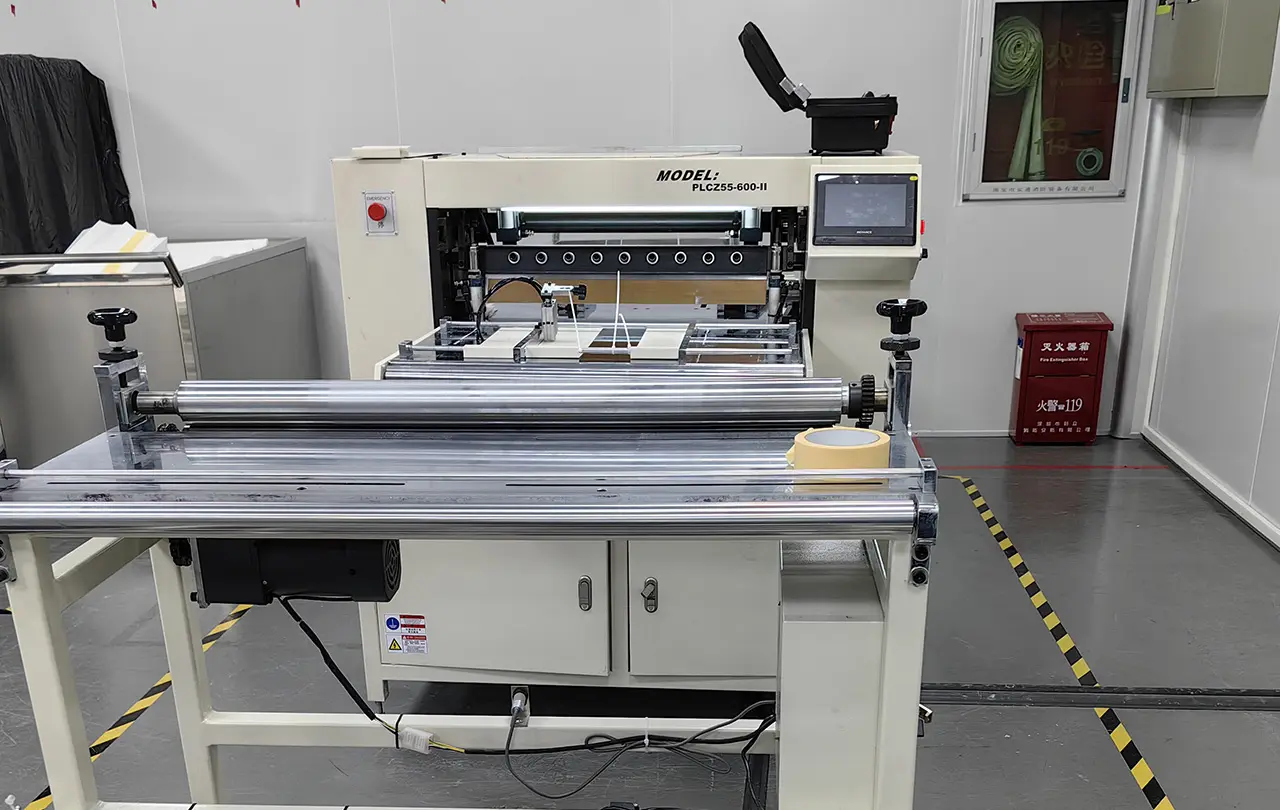
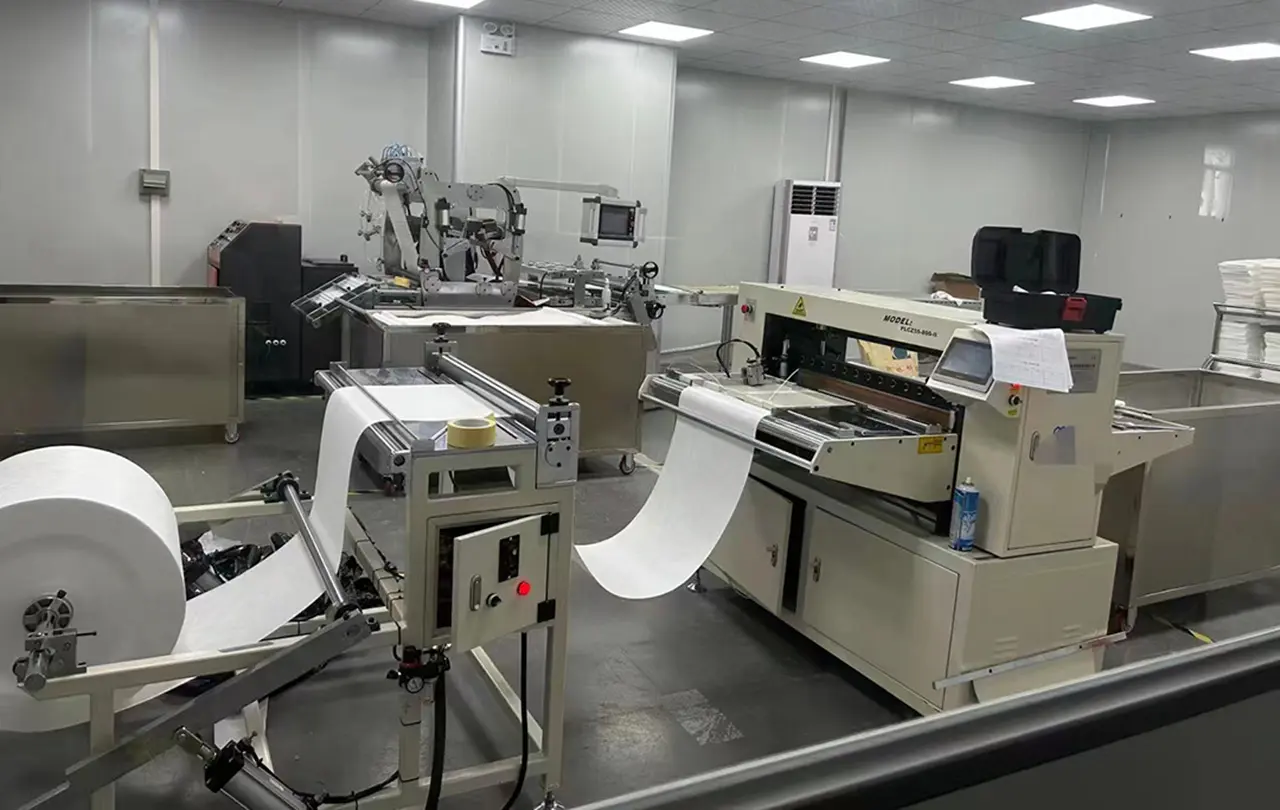
Having 15 years of international air purification technology experience as the background, our company has standardized production workshops, dust-free filter cleanrooms, and first-class automated HEPA filter manufacturing and inspection lines.
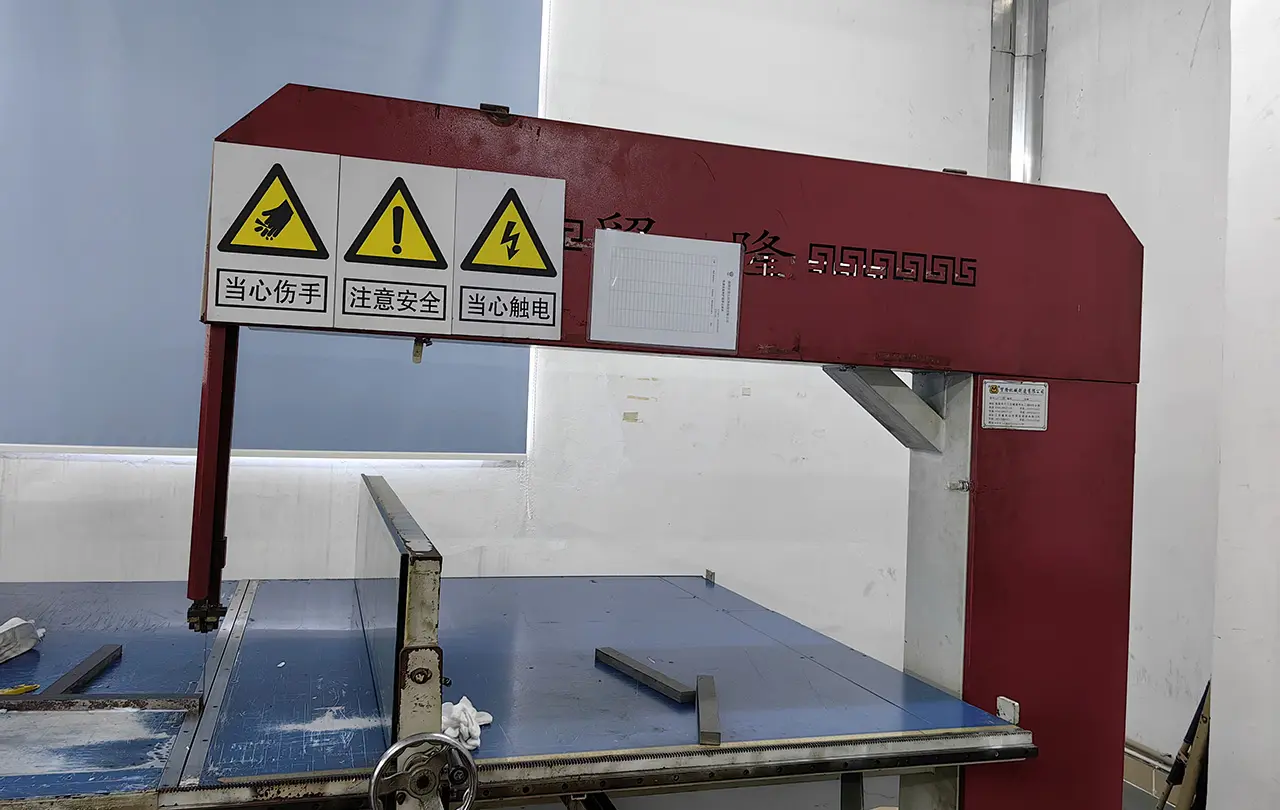
Our plant is equipped with advanced processing units, including AMADA CNC punch systems and CNC bending machines, alongside self-developed proprietary automated assembly arrays. This state-of-the-art tooling guarantees structural uniformity, high seal integrity, and exceptional resistance to aerodynamic stress.
A Deep Technical Analysis of Particle Capture Mechanics and Standards Convergence
In critical industrial and pharmaceutical manufacturing, standard commercial filtration is insufficient. Minimum Efficiency Reporting Value (MERV) ratings, developed by the American Society of Heating, Refrigerating and Air-Conditioning Engineers (ASHRAE) under Standard 52.2, traditionally range from 1 to 16. However, high-performance environments require filters that exceed MERV 16. The **MERV 20 rating** represents the apex of particulate capture, corresponding to the highest tiers of ULPA (Ultra-Low Penetration Air) filters (specifically EN 1822 U15 to U17 grades).
A certified MERV 20 HEPA/ULPA filter is rated to trap at least 99.999% of airborne particulates down to 0.1 to 0.2 micrometers. This efficiency prevents contamination from nanoparticles, combustion residues, viruses, and hazardous dust in high-tech operations.
Captures over 99.999% of particulate matter at the Most Penetrating Particle Size (MPPS), preventing sub-micron bypass across the entire filter assembly.
Utilizes brownian diffusion, inertial impaction, and direct interception mechanisms to trap sub-0.1µm particles, viruses, and molecular clusters.
Designed with micro-glass fibers or membrane materials to reduce initial pressure drop, lowering HVAC energy usage in industrial setups.
Market Analysis, Regulatory Compliance, and Growth Drivers across Key Regions
The global demand for custom MERV 20 and ULPA-grade filtration systems is growing due to stricter occupational safety regulations, cleanroom quality standards, and the expanding semiconductor and biopharma sectors. In North America and the European Union, regulatory bodies like OSHA, EPA, and the European Medicines Agency (EMA) require zero-tolerance airborne contamination protocols for vaccine manufacturing and cleanroom operations.
In the Asia-Pacific region, rapid industrial expansion and a focus on advanced semiconductor nodes (such as EUV lithography) are driving the demand for specialized filtration. As cleanrooms transition from ISO Class 5 to ISO Class 1, cleanroom air handler systems require custom-configured HEPA and ULPA filtration arrays to manage volatile contaminants.
Comparing Micro-Glass Fiber, Expanded PTFE, and Electrostatic Meltblown Technologies
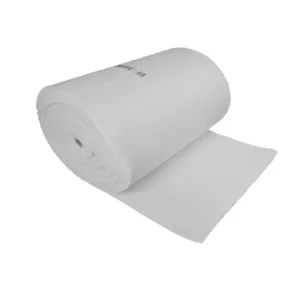
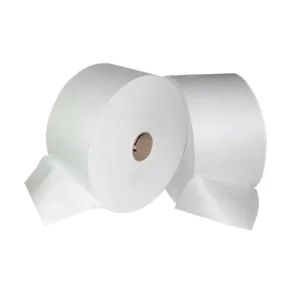
Choosing the right filter media affects durability, pressure drop, chemical resistance, and structural longevity. At Shenzhen Snow Peak, we use advanced glass fiber and meltblown composite materials to balance airflow and efficiency.
| Media Type | Target Efficiency (at MPPS) | Resistance Profile | Outgassing Properties | Best Applications |
|---|---|---|---|---|
| Borosilicate Glass Fiber | 99.999% @ 0.1-0.2µm (MERV 20) | Moderate to High | Extremely Low (Zero Boron Options) | Pharmaceutical cleanrooms, high-temperature operations, chemical laboratories. |
| Expanded PTFE (ePTFE Membrane) | Up to 99.9999% @ 0.07µm | Very Low | Negligible | Semiconductor manufacturing, microelectronics, sterile cleanrooms. |
| Meltblown Composite Media | 95% - 99.99% @ 0.3µm | Low | Low | Replacement air purifiers, automotive cabin systems, pre-filtration arrays. |
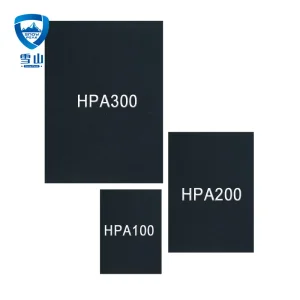
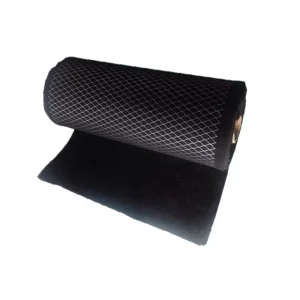
| Activated Carbon Fabric | Gas Adsorption (VOC/Odor) | Low | Low (No carbon dust shedding) | Molecular contamination control, combined solvent/particle removal. |
Our manufacturing team designs custom media packs using hot-melt separators to maintain precise pleat spacing. This reduces turbulence and prevents media degradation in high-airflow HVAC systems.
How We Engineer Specialized Solutions for High-Risk Environments
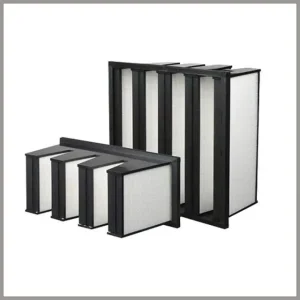
In modern silicon fabrication facilities, sub-micron particulates can ruin circuits during lithography. Our custom-designed MERV 20 V-Bank filters remove nanoscale dust, safeguarding production yields.
Combining MERV 20 filtration with our patented antiviral technologies enables sterilization of airborne pathogens, ensuring compliance with FDA cleanroom regulations.
By layering activated carbon fabrics with mini-pleated HEPA structures, we provide single-stage filtration for both volatile organic compounds (VOCs) and hazardous dust.
Next-Generation Nanofiber Membranes and Sustainable Filtration Architectures
As green manufacturing initiatives expand worldwide, air filtration technology is shifting toward lower energy consumption and sustainable materials. The next phase of MERV 20 filtration will focus on bio-based polymer nanofibers. These fibers offer thin cross-sections and high surface areas, reducing resistance while maintaining filtration performance.
Additionally, smart sensors are becoming standard in industrial setups. Future MERV 20 assemblies from Shenzhen Snow Peak will feature integrated RFID and pressure sensors to report filter status in real-time, helping facilities optimize energy use and plan maintenance cycles.
Answering Essential Questions for Engineers and Cleanroom Procurement Managers
A standard H13 filter offers 99.95% efficiency, and an H14 filter delivers 99.995% efficiency at 0.3 micrometers. A MERV 20 filter, equivalent to an ULPA U15/U16 rating, guarantees at least 99.999% efficiency at 0.1 to 0.2 micrometers. This higher specification provides better protection for applications sensitive to sub-micron particulates, such as advanced semiconductor fabrication.
Our quality control process includes automated hot-melt pleating, polyurethane casting, and leakage tests using EN 1822-compliant photometers. We also use AMADA CNC machinery to construct housing frames that prevent bypass leaks under variable static pressure.
Yes, our MERV 20 equivalent structures capture sub-micron particles, including viral nuclei. Our specialized antiviral HEPA filters achieve a 99.99% removal rate for the H1N1 virus and reduce microbiological growth on the media without secondary pollution.
Higher filtration efficiency typically increases air resistance, forcing HVAC fans to work harder. We balance this trade-off by using high-surface-area mini-pleat geometries and low-resistance meltblown media, which helps control energy costs in industrial air handling units.
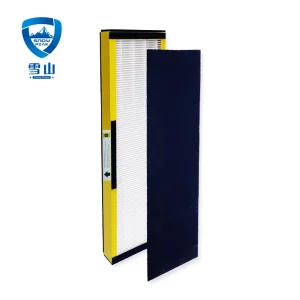
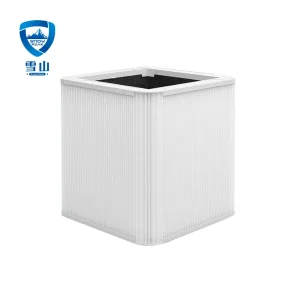
Yes, we offer complete OEM/ODM customization. We produce cylindrical, V-bank, flat-panel, and pocket geometries with various frame materials (including aluminum, galvanized steel, plastic, and cardboard) to meet specific HVAC and cleanroom requirements.
Advanced HVAC components, replacement parts, and OEM media rolls
 Snow Peak