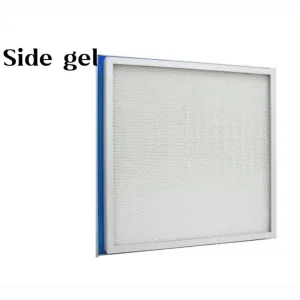
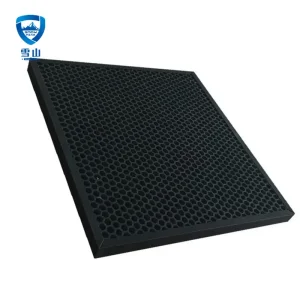
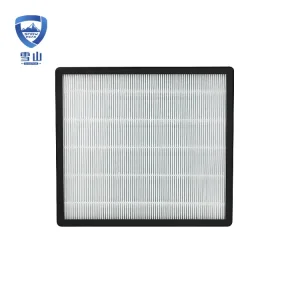
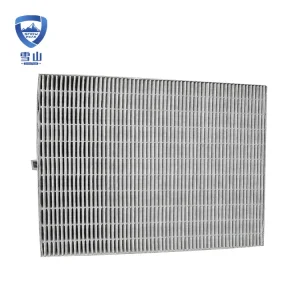
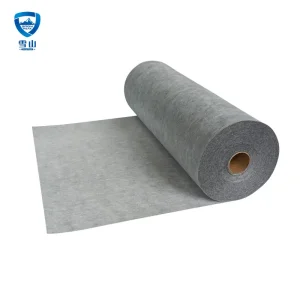
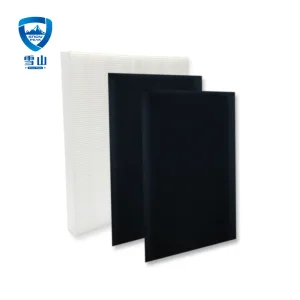
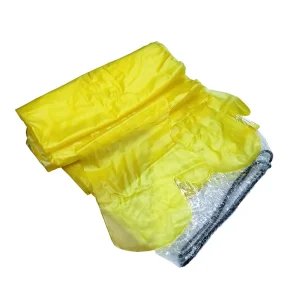
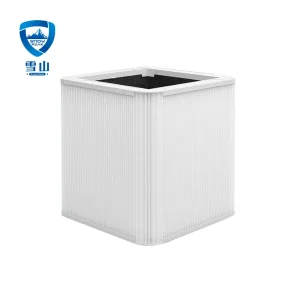
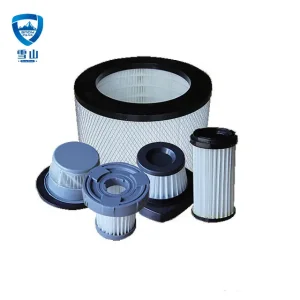
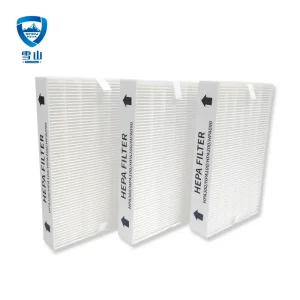
Premium customized filter elements engineered by Shenzhen Snow Peak Clean Technology for microelectronics, hospitals, laboratories, and high-efficiency HVAC configurations.
Global Engineering Experience
Guaranteed PM2.5 Concentration
Eradication of H1N1 Viruses
Broad-Spectrum Sterilization
Shenzhen Snow Peak Clean Technology Co., Ltd. is a leading integrated high-tech enterprise specializing in the research, development, manufacture, sales, and global distribution of advanced air filtration systems. Rooted in 15 years of international air purification engineering expertise, we establish standard-setting technologies across critical environmental sectors.
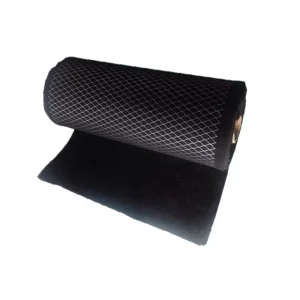
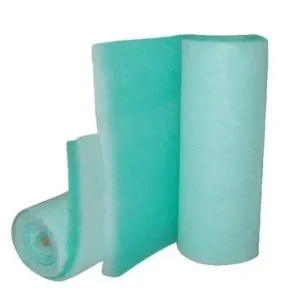
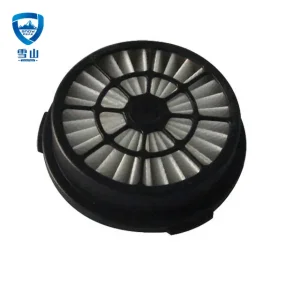
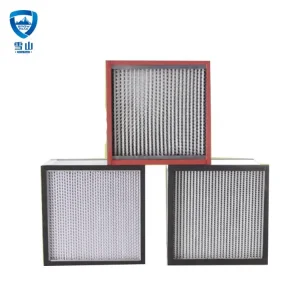
Our production portfolio encompasses a highly specialized catalog: Pre-filters, Pocket filters, HEPA filters, and high-performance chemical molecular filters. Furthermore, we develop state-of-the-art replacement HEPA components, automotive cabin filters, humidifier units, and high-performance filtration materials like pocket filter media and melt-blown composites. We deliver turnkey cleanroom air solutions designed for semiconductor cleanrooms, pharmaceutical hubs, clinical laboratories, educational complexes, and hospital ventilation infrastructures.
Supported by our independently developed proprietary patented technologies, our antiviral and sterilizing HEPA filters successfully control and mitigate microscopic pollutants. They reduce PM2.5 concentrations to below 10 micrograms per cubic meter (surpassing standard requirements five-fold) while inhibiting 99.9% of micro-organic colonization and achieving a 99.99% removal rate against high-threat pathogens like the H1N1 virus—completely eliminating secondary pollution risks.
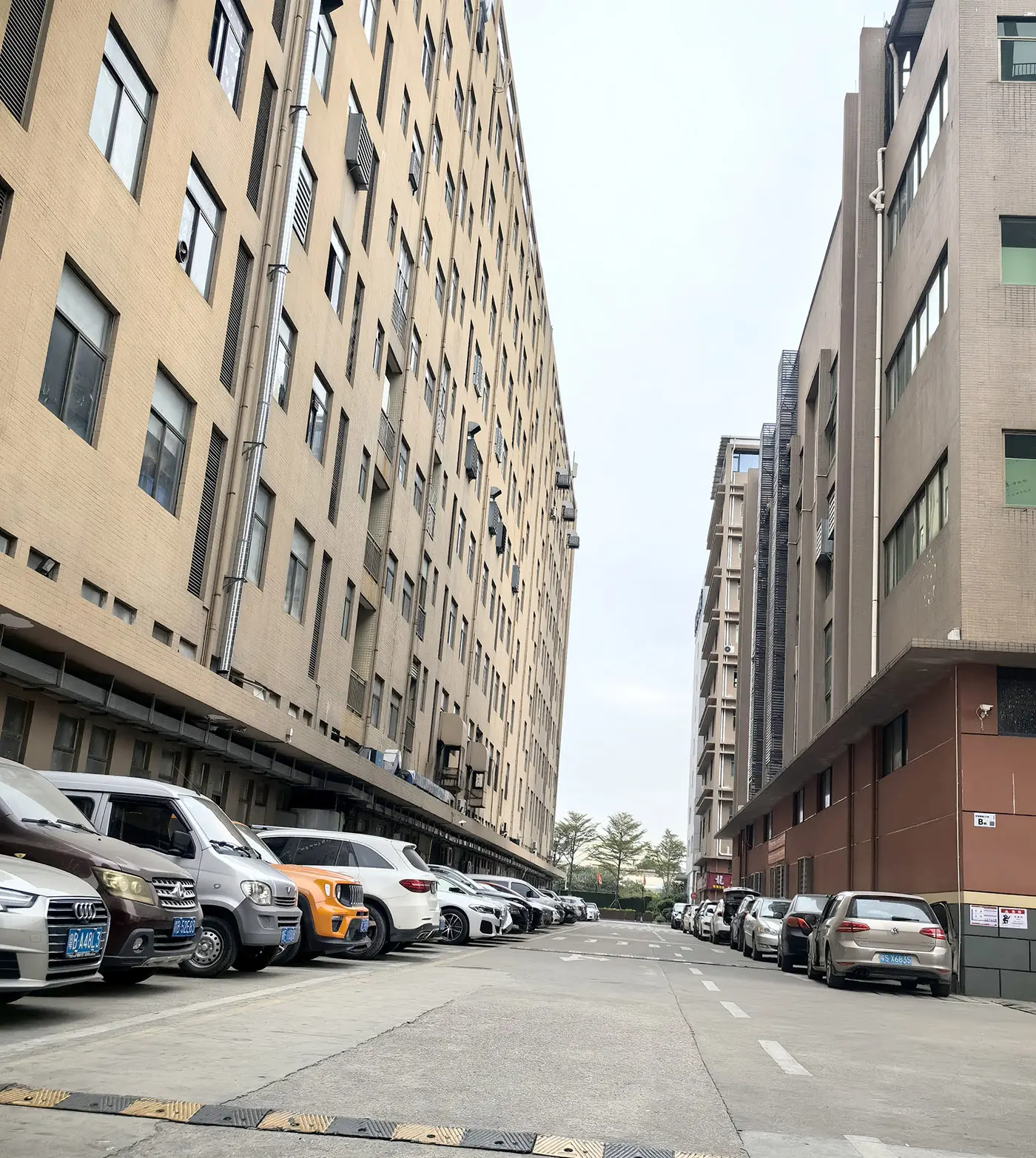
Combining automated engineering and premium high-end equipment to secure consistency, structural integrity, and rigorous testing standards for every finished filter unit.
Our standardized production complex features specialized dust-free filter environments, cleanroom testing rooms, and state-of-the-art automated HEPA manufacturing lines. Equipped with high-precision equipment including AMADA CNC punches and CNC bending machinery, our manufacturing process provides reliable quality controls and flexible OEM/ODM capabilities.
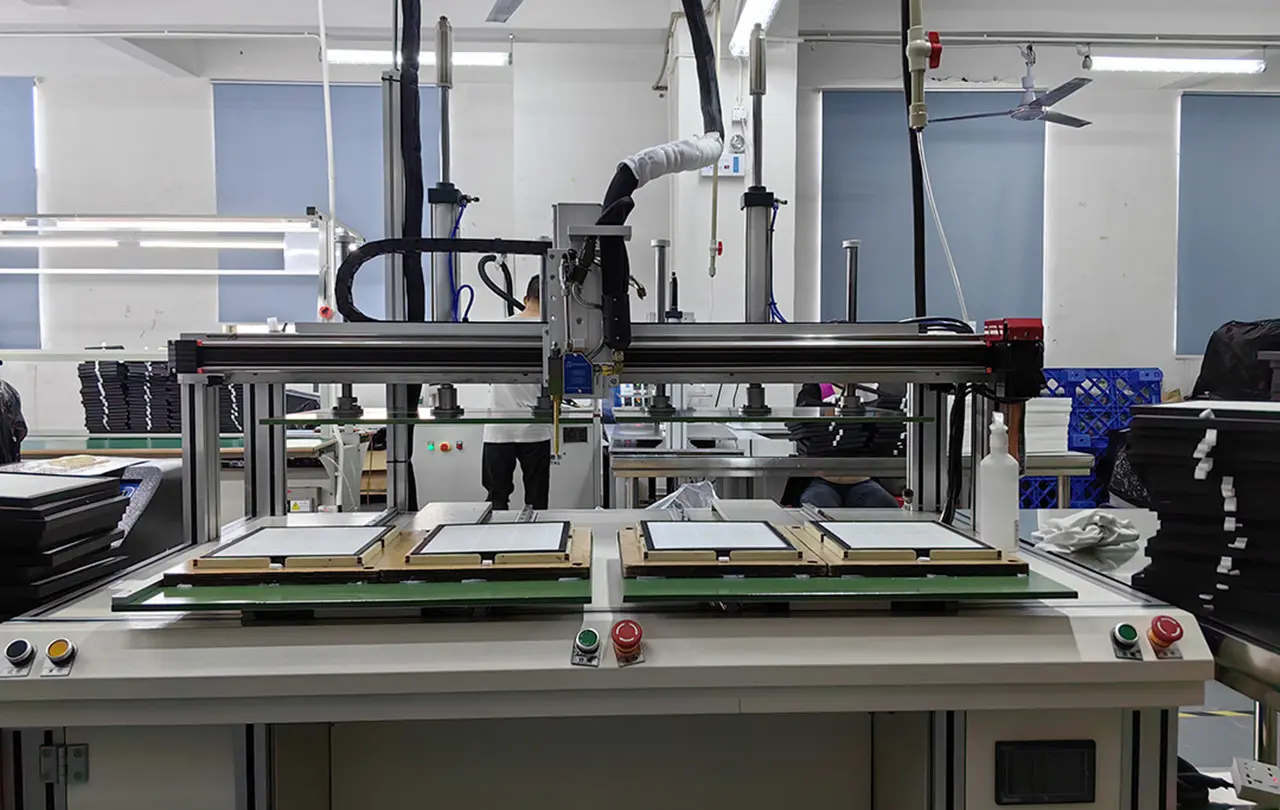
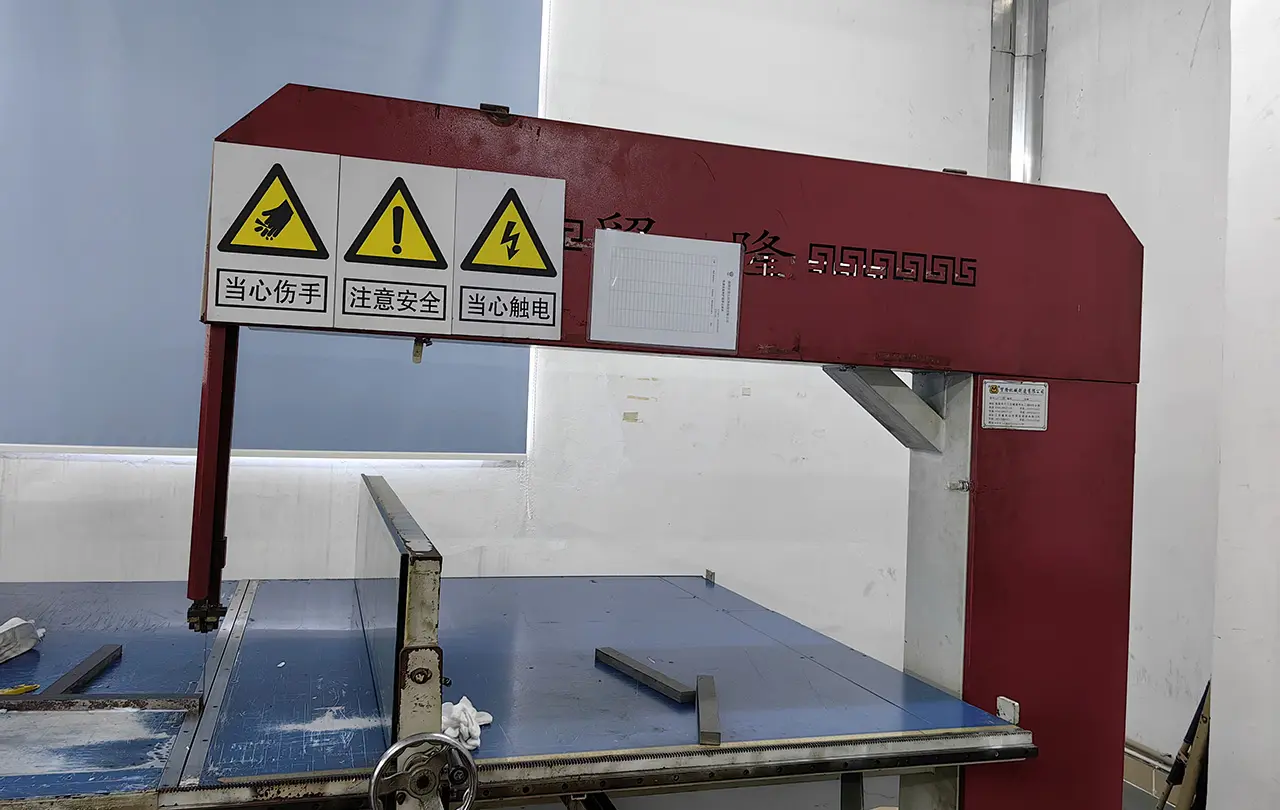
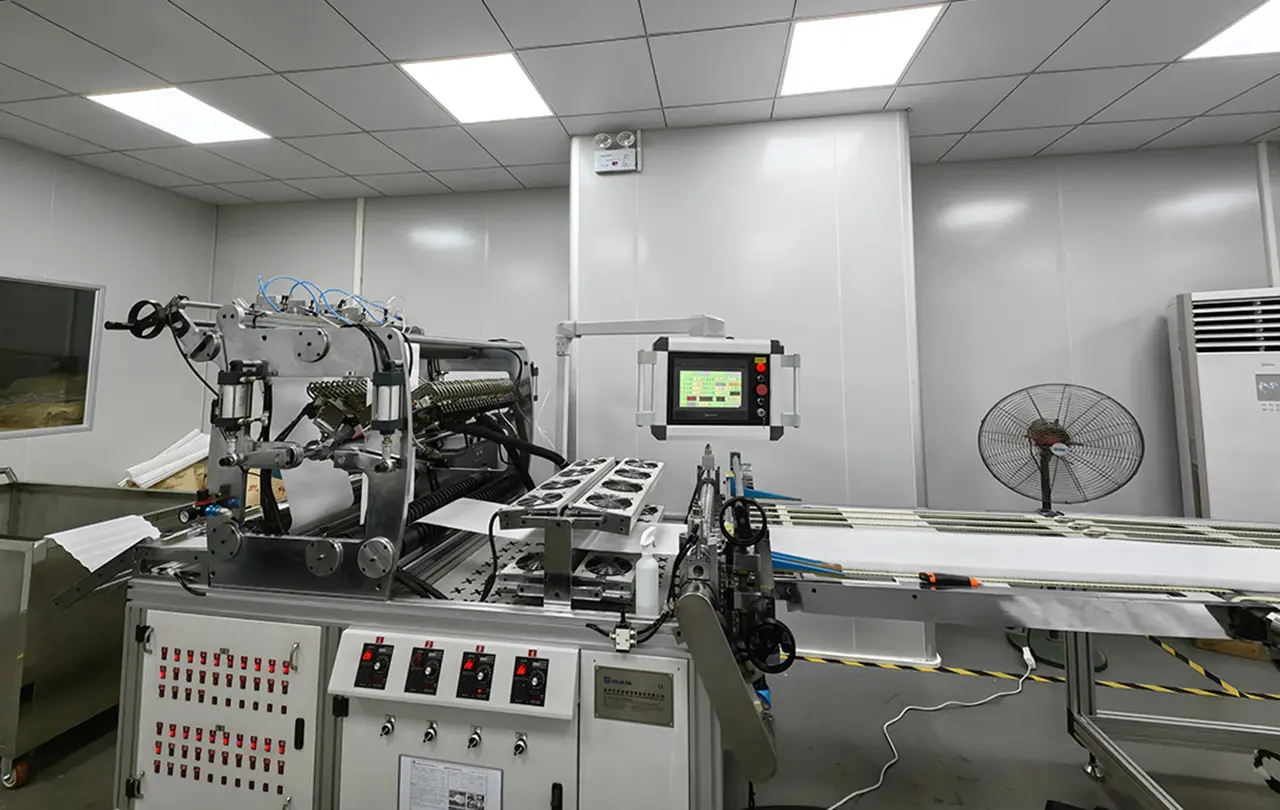
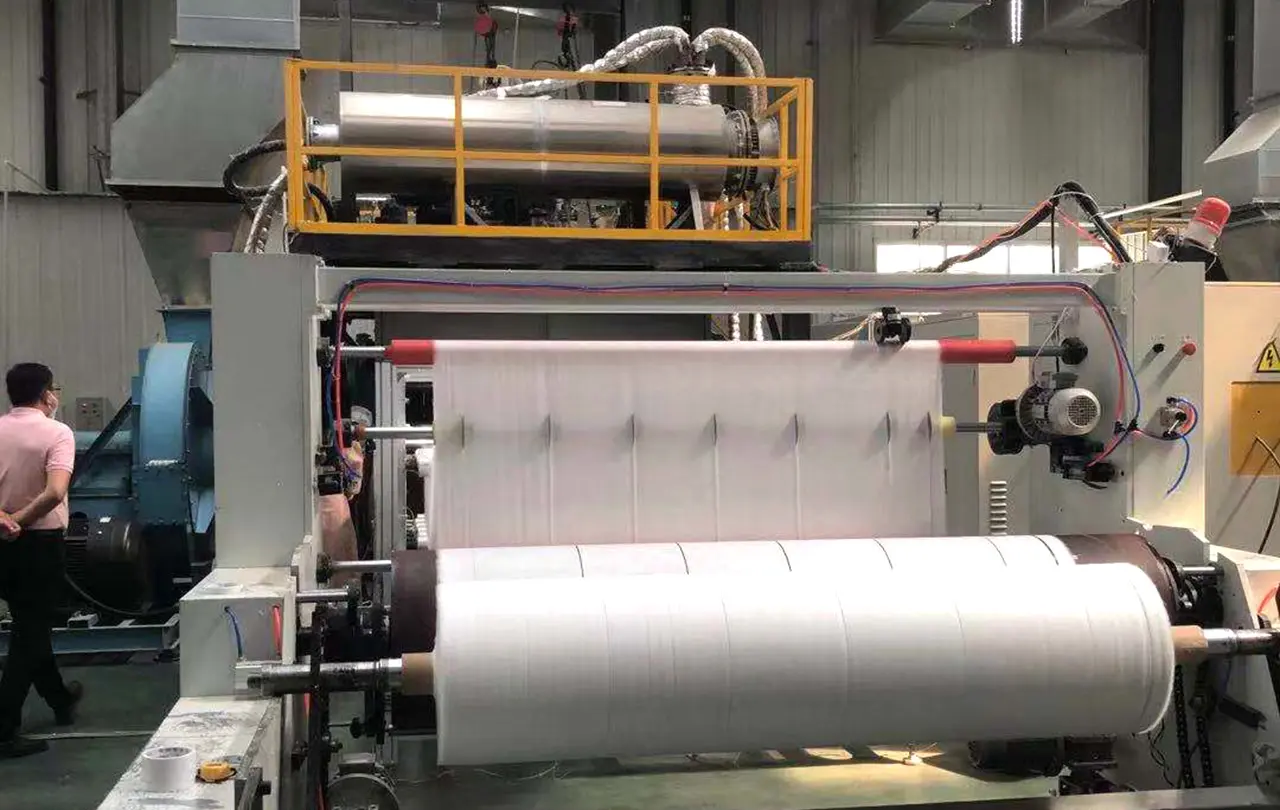
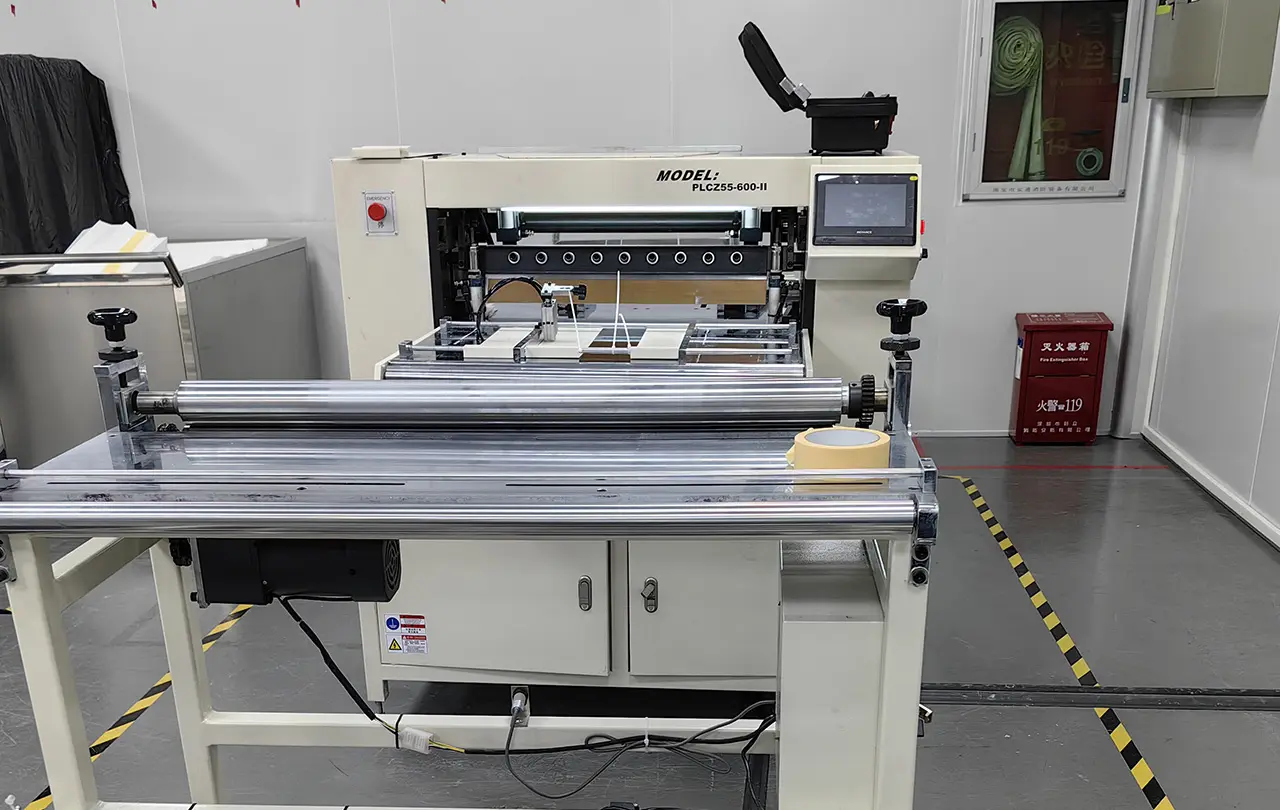
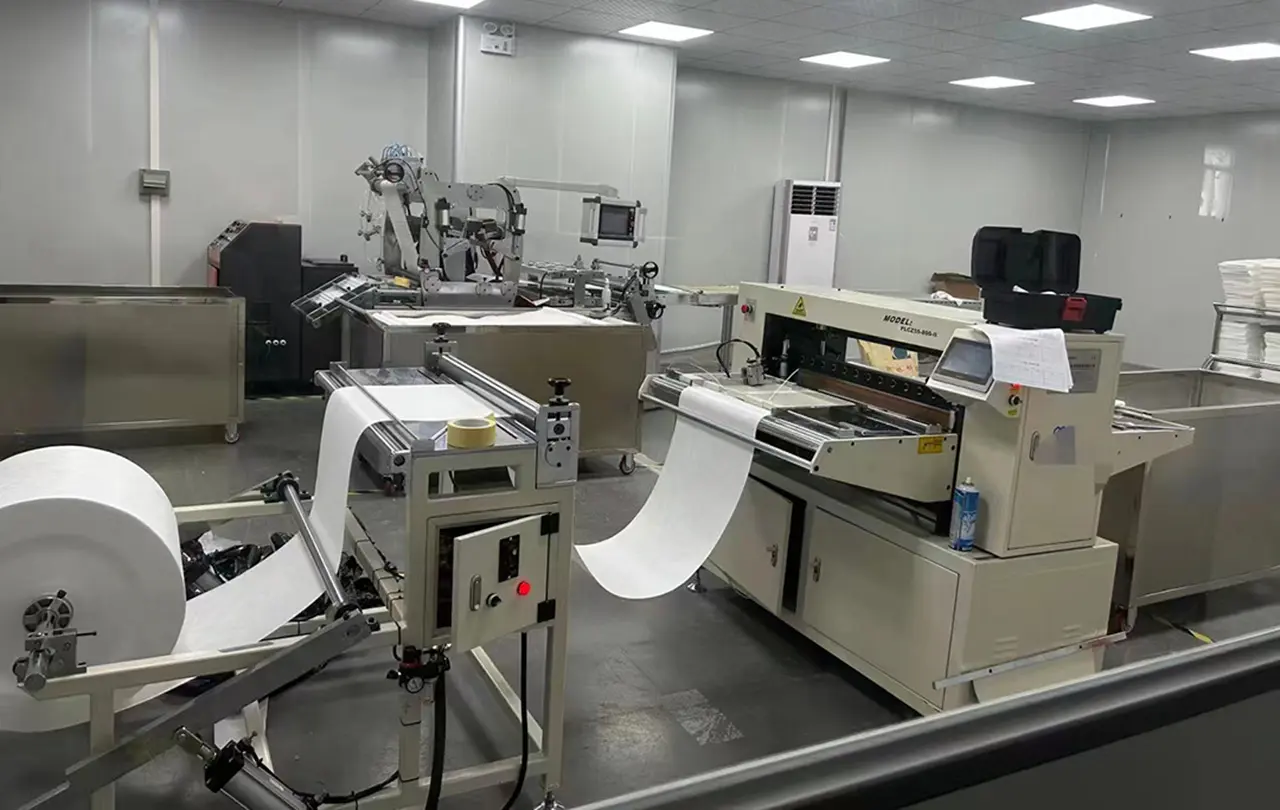
How global industries address airborne molecular contamination (AMC), control corrosive environments, and secure operational continuity.
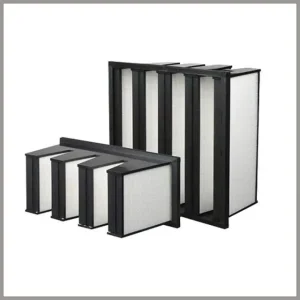
Modern semiconductor fabrication facilities operate under strict tolerance controls. Airborne Molecular Contamination (AMC) such as volatile organic compounds (VOCs), organic silicones, acid gases, and dopants can degrade sub-nanometer lithography processes, causing structural crystal defects and lowering yields. High-quality V-bank carbon filters provide high chemical adsorption capacity and low pressure drop in recirculation systems, removing harmful compounds at rapid velocities.
Biomedical testing and sterile packaging labs must eliminate hazardous compounds and control chemical reactions in cleanroom atmospheres. V-bank gas adsorption systems prevent organic vapor emissions from impacting chemical synthesizing stages. They also protect operators and sensitive bio-cleanrooms from volatile chemical carryover, maintaining compliance with FDA, EU GMP Annex 1, and WHO air purification safety directives.
Commercial high-rise offices, municipal airports, medical institutions, and high-occupancy schools rely on large-volume air circulation. V-bank active carbon filters help scrub outdoor fresh air intake of diesel fumes, urban ozone, sulfur oxides, and greenhouse gases, while mitigating indoor-generated bio-effluents. This configuration provides sustained odor control and VOC scrubbing with low energy demand.
Molecular filtration relies on physical adsorption (physisorption) and chemical adsorption (chemisorption). Standard dust filters capture particulates mechanically, whereas Activated Carbon V-Bank Filters address gaseous pollutants on a molecular scale.
V-bank configurations (such as 2V, 3V, 4V, or 5V cell arrangements) orient the filter media at precise angles, significantly expanding the effective surface area compared to standard flat-panel or simple pleated filters. This layout allows for high carbon volumes without creating excessive airflow resistance. This balance ensures low initial static pressure drop, reduced energy consumption in fan motors, and high volumetric capacity.
Depending on the application, specific activated carbon materials are used to optimize adsorption capacity:
Modern configurations utilize composite structures to prevent carbon dust shedding. Synthetic melt-blown or glass fiber layers sandwich the granular activated carbon. This dual-action design provides high-efficiency particulate capture (up to HEPA performance) alongside gas-phase molecular containment within a single structural frame.
Air filtration is evolving toward smart, sustainable, and highly targeted molecular capture systems. Key industry developments include:
Ensuring compliance with international HVAC, cleanroom, and safety standards through rigorous testing protocols.
Our complete range of W-shape and compact chemical molecular filters are manufactured under strict ISO 9001 quality management guidelines. Select product configurations carry CE certification, demonstrating compliance with European safety, health, and environmental directives.
Every batch of activated carbon undergoes Carbon Tetrachloride (CTC) activity testing to verify internal pore structures. Finished filters are checked for initial static pressure, structural air leakage, and particulate efficiency in accordance with ISO 16890 and EN 1822 standard protocols.
We provide full-scope OEM and ODM customization services. By modifying physical housing dimensions, frame materials (ABS, galvanized sheet metal, or stainless steel), pleat depths, and specialized carbon compositions, we customize filtration performance to match specific cleanroom air handler geometries.
Common questions from B2B procurement managers and HVAC systems engineers regarding molecular and particulate air filtration.
Premium OEM and ODM compatible filters designed for commercial systems, residential units, and industrial safety configurations.
 Snow Peak