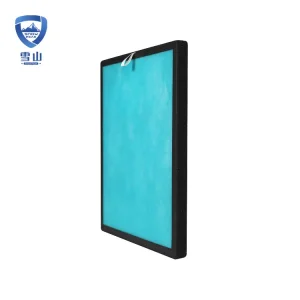
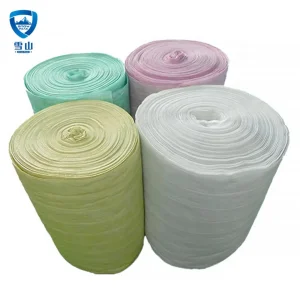
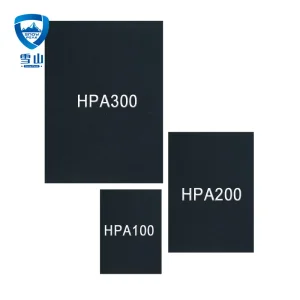
Engineered for high-efficiency particulate capture and molecular gas-phase adsorption across commercial and industrial environments.
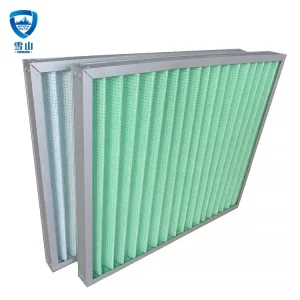
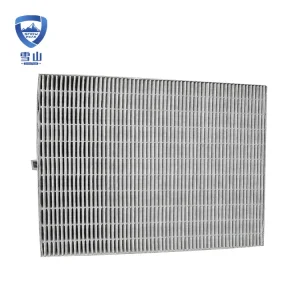
An in-depth analysis of gas-phase molecular filtration and the role of high-performance activated charcoal.
In modern industrial manufacturing and environmental management, the control of airborne molecular contamination (AMC) and volatile organic compounds (VOCs) has transitioned from a regulatory compliance check to a critical operational requirement. Activated charcoal (activated carbon) stands as the premier medium for gas-phase adsorption. Its highly porous structure, characterized by a vast internal surface area (typically ranging from 500 to 1500 m²/g), enables the physical and chemical capture of gaseous pollutants that standard particulate filters (such as HEPA filters) cannot intercept.
The efficacy of activated charcoal in air filtration relies primarily on two mechanisms:
Information Gain Insight: Not all activated charcoal is created equal. The raw material source—whether coconut shell, coal, or wood—determines the pore size distribution. Coconut shell activated carbon features a high density of micropores (< 2 nm), making it exceptionally suited for small-molecule VOC capture. Coal-based carbon offers a balance of micropores and mesopores (2 to 50 nm), ideal for broad-spectrum industrial gas control.
The global activated carbon air filter market is experiencing rapid expansion, driven by three major macro-trends:
Shenzhen Snow Peak Clean Technology Co., Ltd.
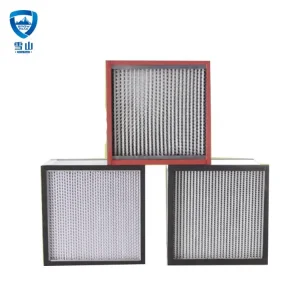
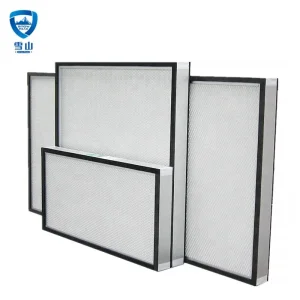
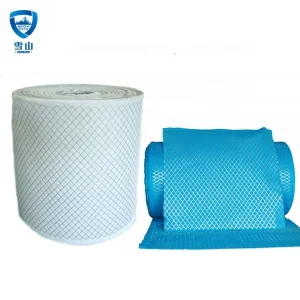
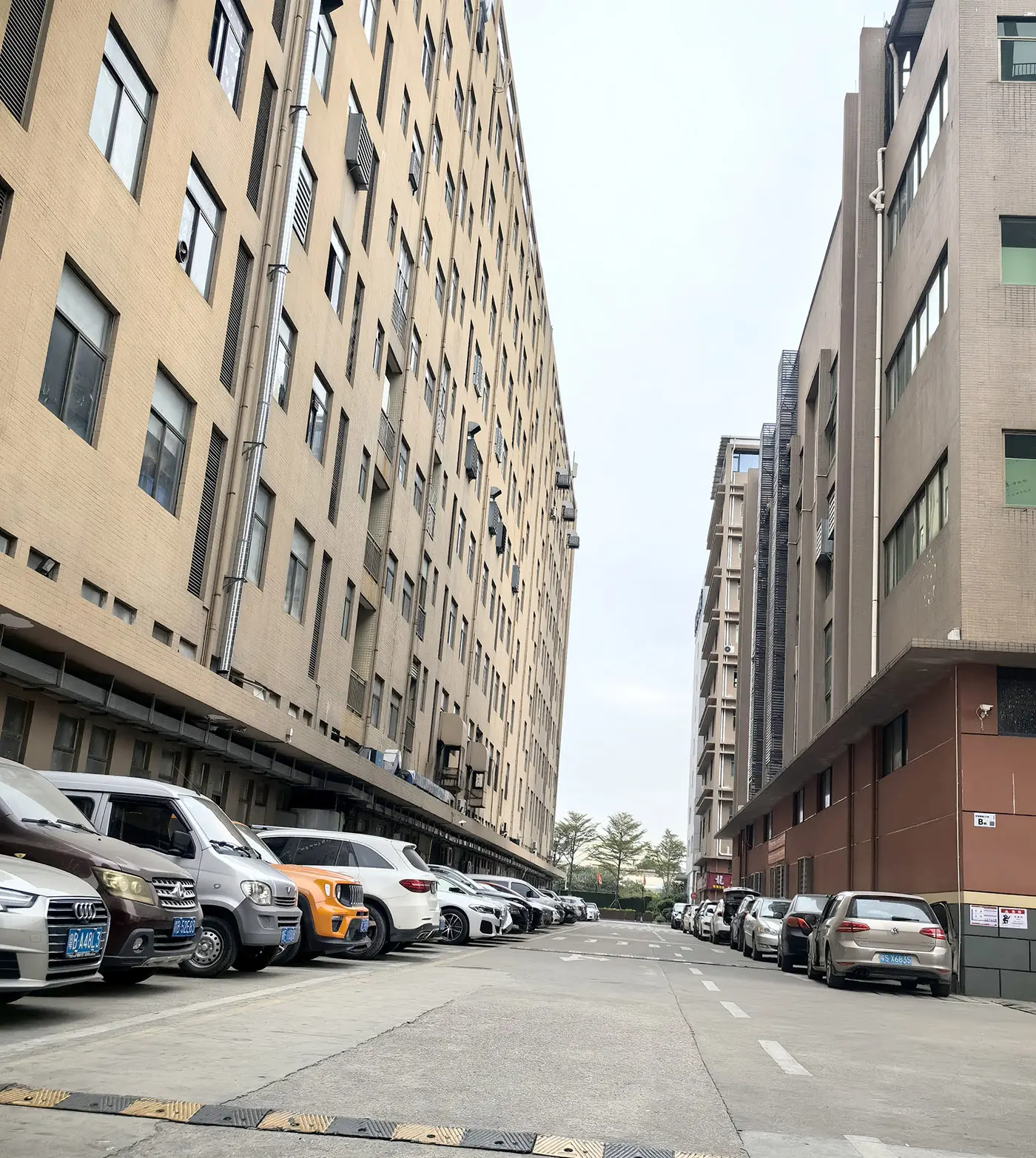
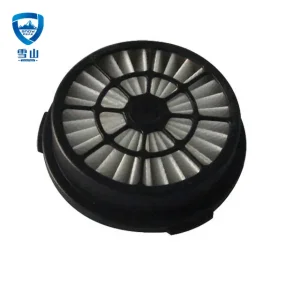
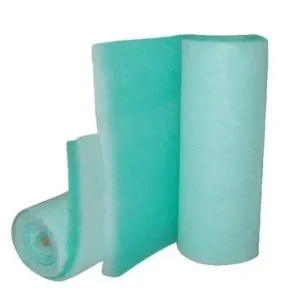
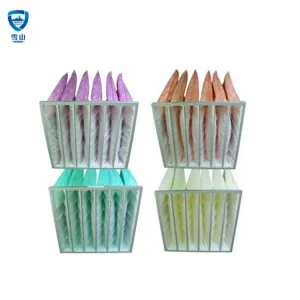
Shenzhen Snow Peak Clean Technology Co., Ltd. is an integrated high-tech enterprise, specialized in air filtration products research and development, production, sales, import and export trade. We produce and supply: Pre-filter, pocket filter, HEPA filter, chemical filter; replacement HEPA filter, car cabin air filter, humidifier filter; pocket filter media, melt-blown composite filter media, and other high-performance filter materials; provide high quality air purification solutions and products for indoor air pollution control and air conditioning systems of civil and industrial buildings, microelectronics, pharmaceutical, laboratory, school, hospital clean room etc.
Combined with self-developed patented technology, our sterilizing antiviral HEPA filter can effectively filtrate fine particles, so that PM2.5 concentration down to 10 micrograms/m3, 5 times better than national standard; effectively inhibit the breeding of microorganisms, sterilization rate up to 99.9%, and no secondary pollution, removal of H1N1 virus efficiency as high as 99.99%.
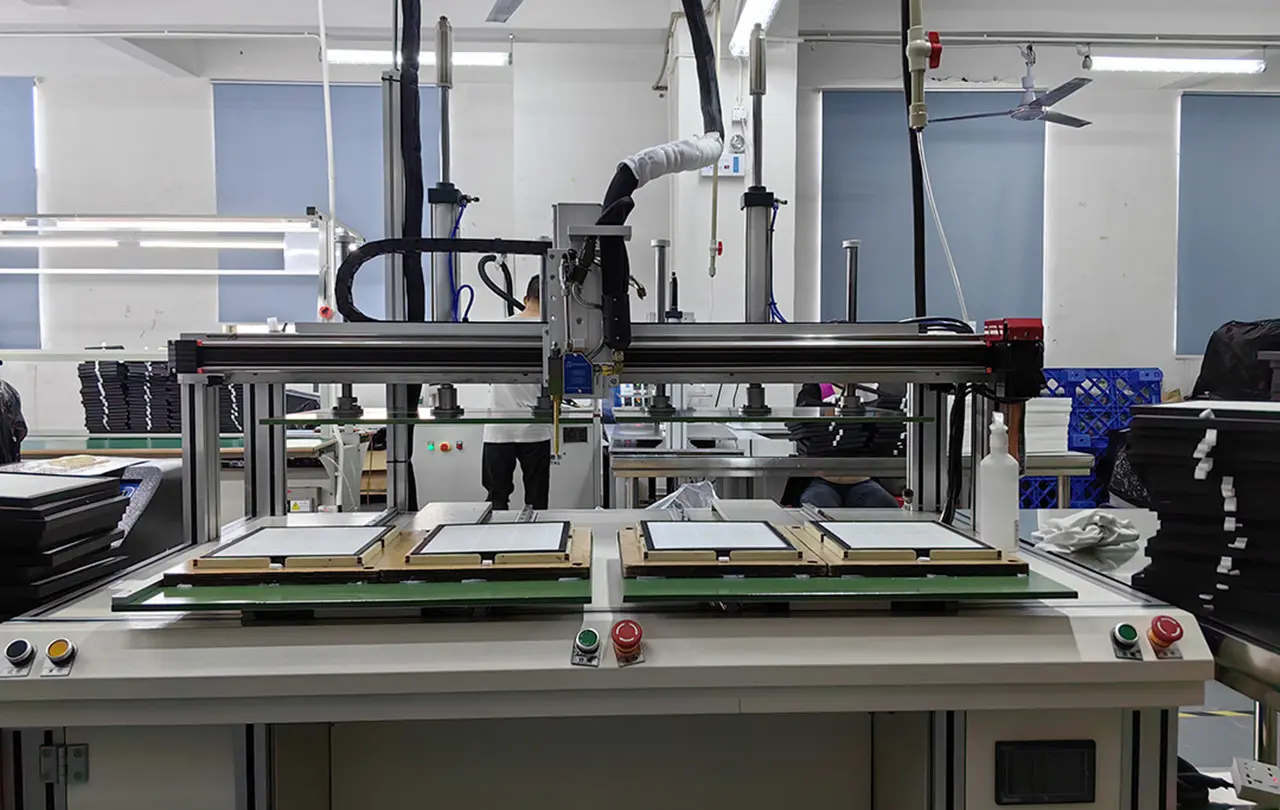
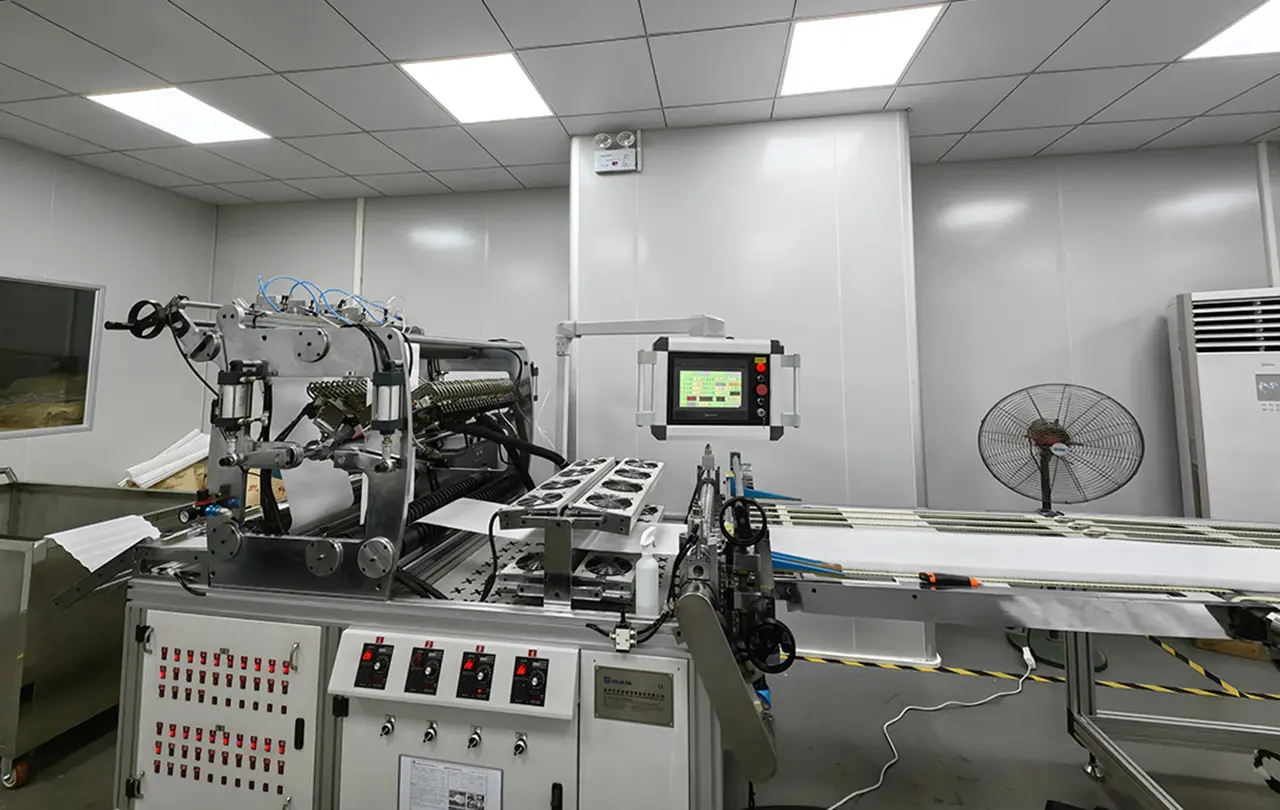
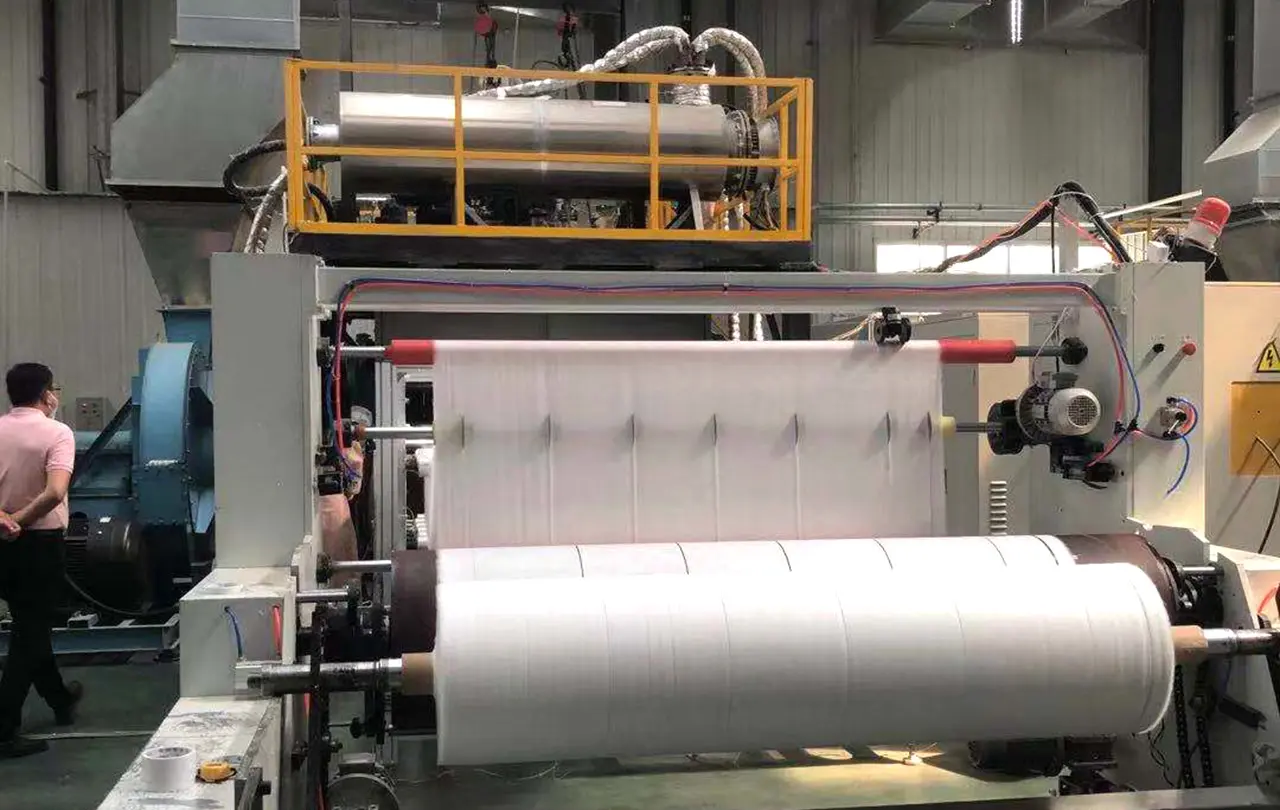
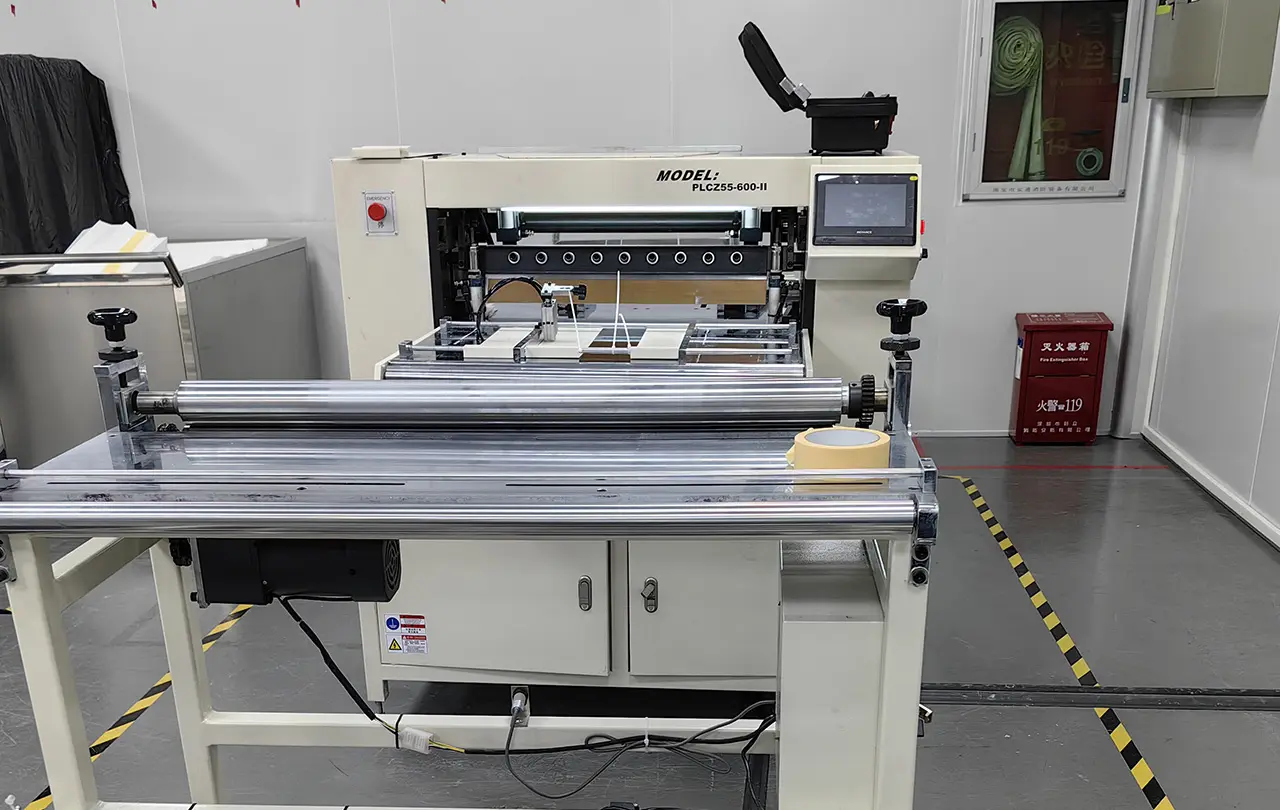
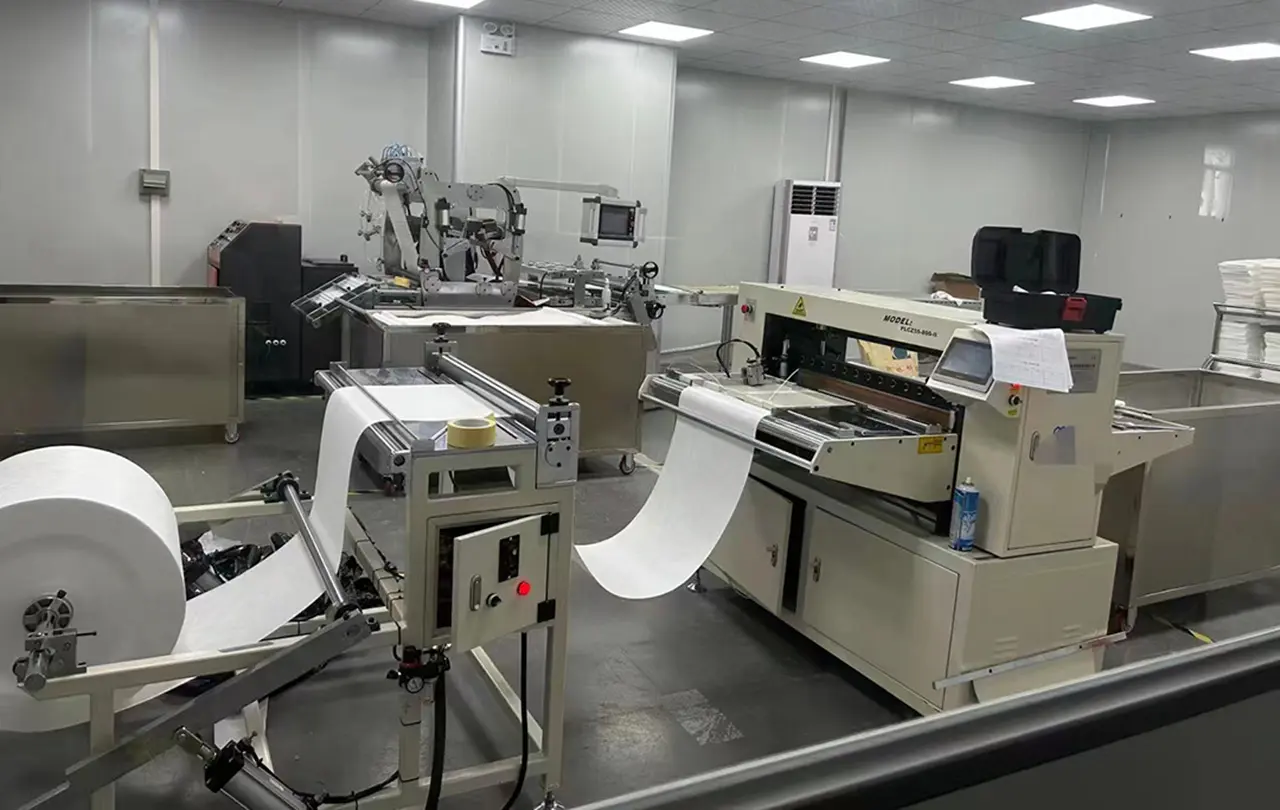
Equipped with state-of-the-art automated production lines and advanced CNC machinery to guarantee precision and quality.
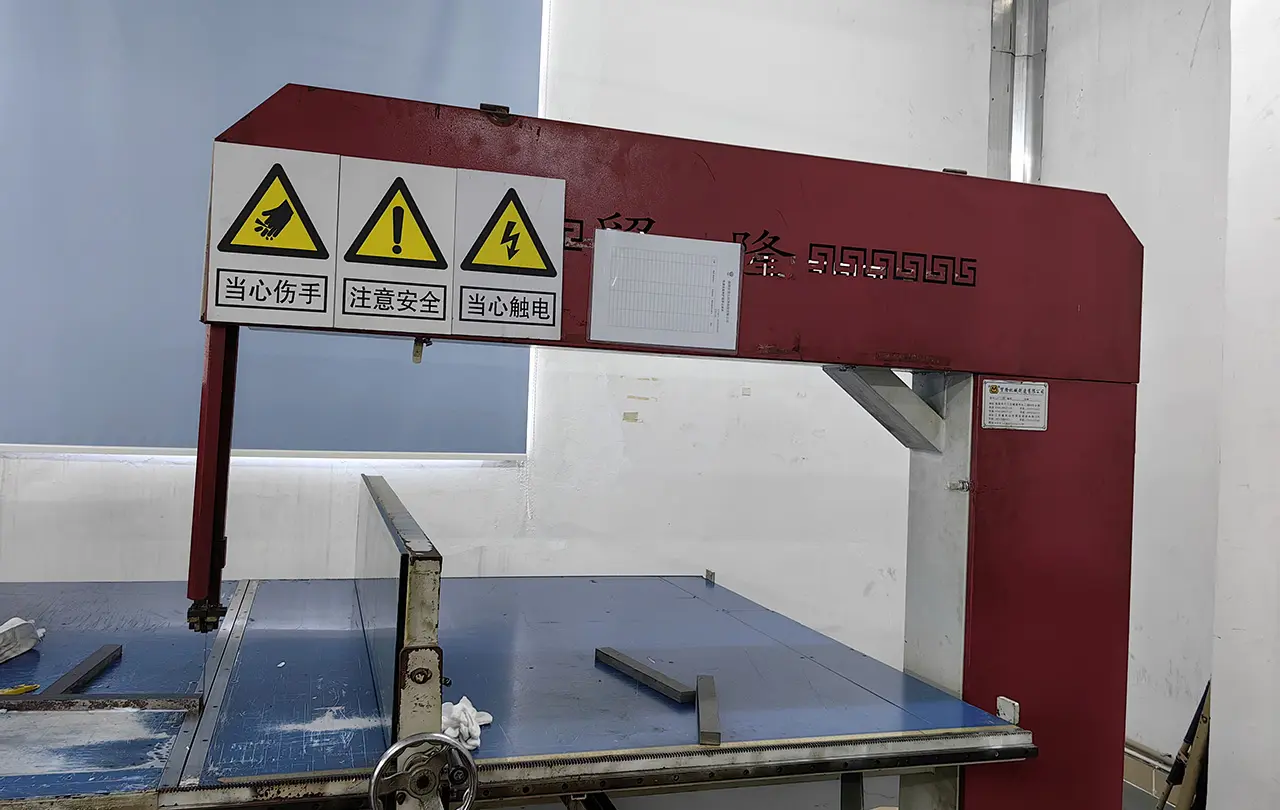
Having 15 years of international air purification technology experience as the background, our company has standardized production workshop, dust-free filter workshop and first-class technology of HEPA filters production line and inspection line, independent research and development of fully automatic air filter production line, equipped with AMADA CNC punch and CNC bending machine as well as many other advanced high-end equipment, provide a strong guarantee for production and quality of air filtration and purification products.
Innovations in molecular filtration, composite materials, and sustainable carbon sources.
As the demands for cleaner air intensify, the technology behind activated carbon filters must evolve. The research and development roadmap at Snow Peak focuses on overcoming the historical limitations of carbon filters: pressure drop, dust shedding, and limited lifetime.
Integrating electrospun nanofibers with micro-fine activated carbon particles. This creates a dual-action media that captures sub-micron particulates and adsorbs gases simultaneously with minimal airflow resistance.
Developing non-toxic, highly stable impregnants that target specific industrial gases (e.g., VOCs, acid gases, basic gases) without outgassing secondary pollutants or reducing the carbon's physical adsorption capacity.
Embedding electronic sensors within the carbon matrix to monitor saturation levels in real-time. This prevents breakthrough events and allows operators to replace filters based on actual usage rather than fixed schedules.
With global supply chains shifting toward sustainability, the sourcing of raw materials is critical. Traditional coal-based carbon is increasingly being replaced by renewable alternatives, such as coconut shells, bamboo, and agricultural waste-derived biochar. These materials not only reduce the carbon footprint of the manufacturing process but also offer superior micropore structures that enhance adsorption efficiency for low-molecular-weight VOCs.
Furthermore, our manufacturing processes are moving toward solvent-free impregnation techniques. By utilizing thermal deposition and aqueous-based catalytic coatings, we eliminate the release of hazardous solvents during production, aligning our factory outputs with global environmental safety standards.
Tailored engineering configurations for demanding industrial and commercial environments.
Air filtration requirements vary drastically across different sectors. A one-size-fits-all approach often leads to premature filter failure or insufficient air purity. Below are the macro-level configurations engineered by Snow Peak to address specific industry pain points:
In microelectronics fabrication, Airborne Molecular Contamination (AMC) can cause haze on optics, corrode metal lines, and alter electrical properties of wafers. Our solution involves multi-stage chemical filters containing high-CTC (Carbon Tetrachloride) coconut shell activated carbon. These filters are engineered to remove trace levels of acids (HF, HCl), bases (NH3, NMP), condensables (siloxanes), and dopants (organophosphates) down to parts-per-trillion (ppt) levels.
Pharmaceutical facilities require strict containment of active pharmaceutical ingredients (APIs) and protection against biological agents. We combine our patented antiviral HEPA technology with deep-bed activated carbon modules. This setup ensures that particulate pathogens are neutralized (99.99% H1N1 removal) while gaseous solvents and sterilizing agents (such as vaporized hydrogen peroxide) are completely adsorbed before air recirculation or exhaust.
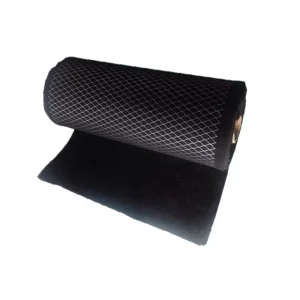
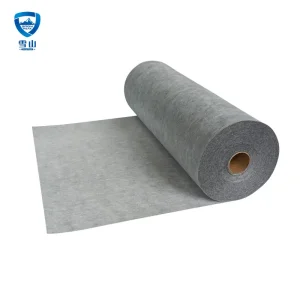
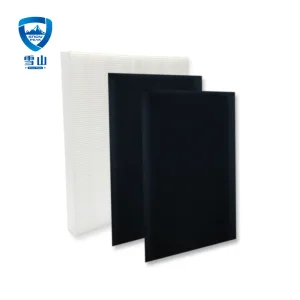
For high-occupancy buildings, energy efficiency and indoor air quality must be balanced. Recirculating air reduces heating and cooling costs but builds up CO2, body odors, and VOCs. Our sandwich-type carbon fabric mini-pleated HEPA filters offer a low pressure drop solution that integrates seamlessly into standard air handling units (AHUs), allowing buildings to maximize air recirculation safely while meeting ASHRAE 62.1 ventilation standards.
Expert answers to common technical queries regarding activated carbon air filtration.
Explore our comprehensive range of high-efficiency particulate and molecular filtration solutions.
 Snow Peak