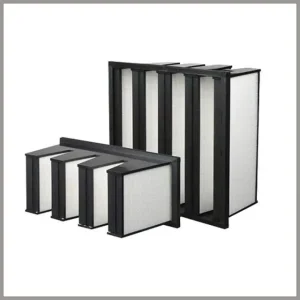
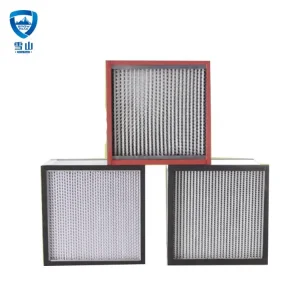
Discover our comprehensive collection of custom engineered pocket, panel, HEPA, and carbon filter variants designed to support industrial integrity.
As global industrial processes evolve and environmental regulations grow more rigid, the requirement for ultra-pure indoor air quality (IAQ) is no longer a luxury—it is a baseline operating parameter. In electronics fabrication, pharmaceutical compounding, and hospital environments, airborne contaminants such as Volatile Organic Compounds (VOCs), acid vapors, and chemical byproducts pose significant threats to both human health and technological yield.
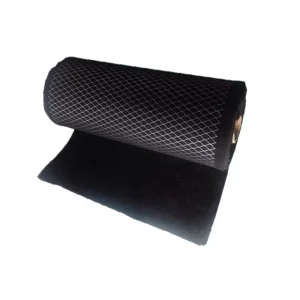
Our advanced carbon air filters use physical adsorption alongside tailored chemisorption techniques to target specific gaseous pollutants. By combining high-porosity active carbon matrices with aerodynamically optimized fan assemblies, we deliver high performance, low pressure drop, and extended component lifetimes.
Our manufacturing processes prioritize high-porosity active carbon structures that optimize contact time (residence time) without restricting airflow. This balancing act ensures high-efficiency single-pass removal of molecular contaminants, protecting critical processes and human lungs alike.
Understanding active carbon performance requires reviewing the primary structural metrics that dictate molecular capture efficiency:
Shenzhen Snow Peak Clean Technology Co., Ltd. is an integrated high-tech enterprise, specialized in air filtration products research and development, production, sales, import and export trade. We produce and supply: Pre-filter, pocket filter, HEPA filter, chemical filter; replacement HEPA filter, car cabin air filter, humidifier filter; pocket filter media, melt-blown composite filter media, and other high-performance filter materials. We provide high quality air purification solutions and products for indoor air pollution control and air conditioning systems of civil and industrial buildings, microelectronics, pharmaceutical, laboratory, school, hospital clean room etc.
Combined with self-developed patented technology, our sterilizing antiviral HEPA filter can effectively filtrate fine particles, so that PM2.5 concentration down to 10 micrograms/m3, 5 times better than national standard; effectively inhibit the breeding of microorganisms, sterilization rate up to 99.9%, and no secondary pollution, removal of H1N1 virus efficiency as high as 99.99%.
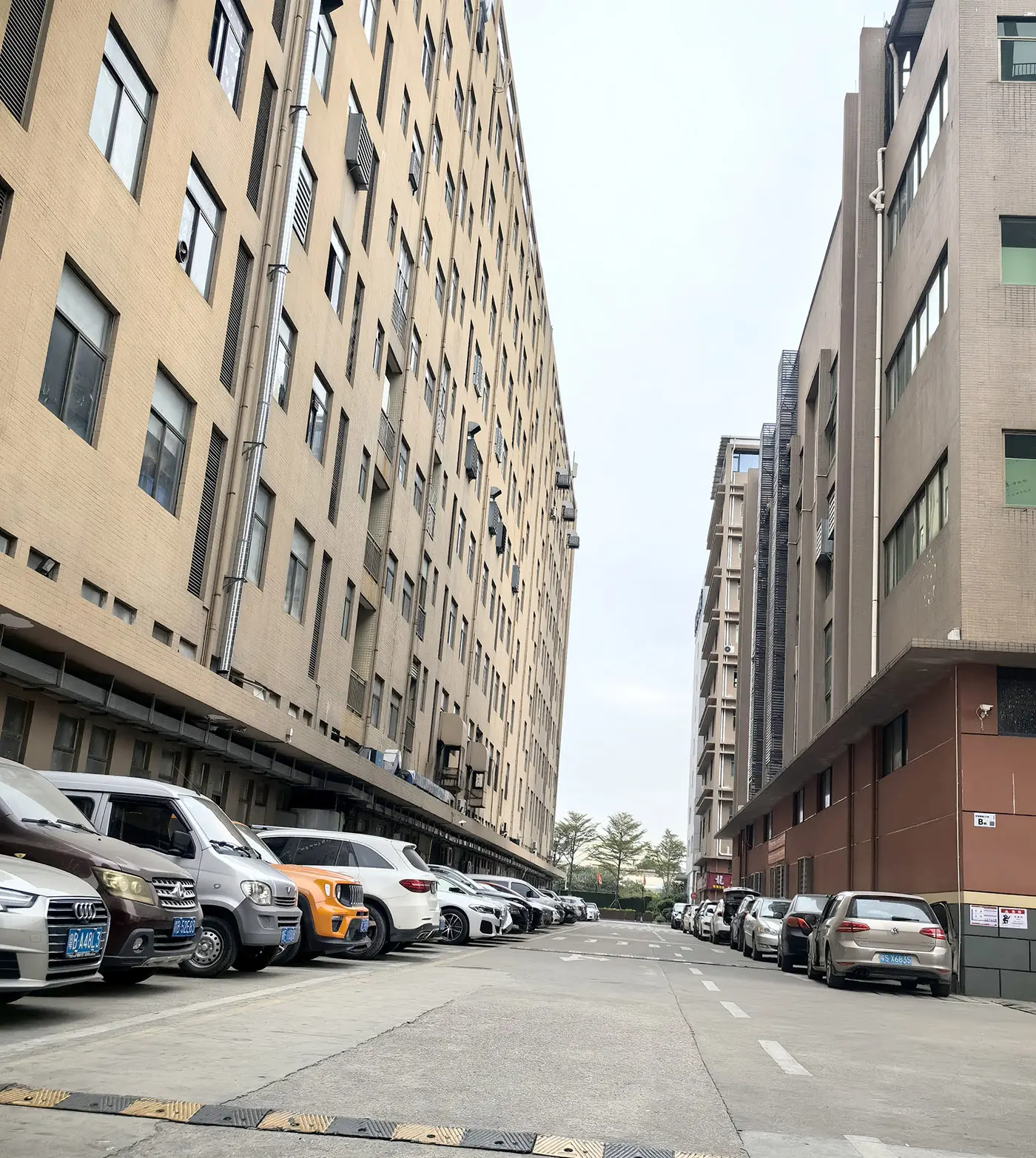
A closer look at the technological assets, heavy machinery, and specialized processes that support our export operations.
Having 15 years of international air purification technology experience as the background, our company has standardized production workshop, dust-free filter workshop and first-class technology of HEPA filters production line.
Our factory floor is equipped with AMADA CNC punch and CNC bending machine as well as many other advanced high-end equipment, providing a strong guarantee for production and quality of air filtration.
Every single HEPA and carbon air filter undergoes rigorous aerosol challenge testing (e.g., DEHS/PAO tests) to guarantee zero bypass, leakage elimination, and compliance with EN 1822 and ISO 29463.
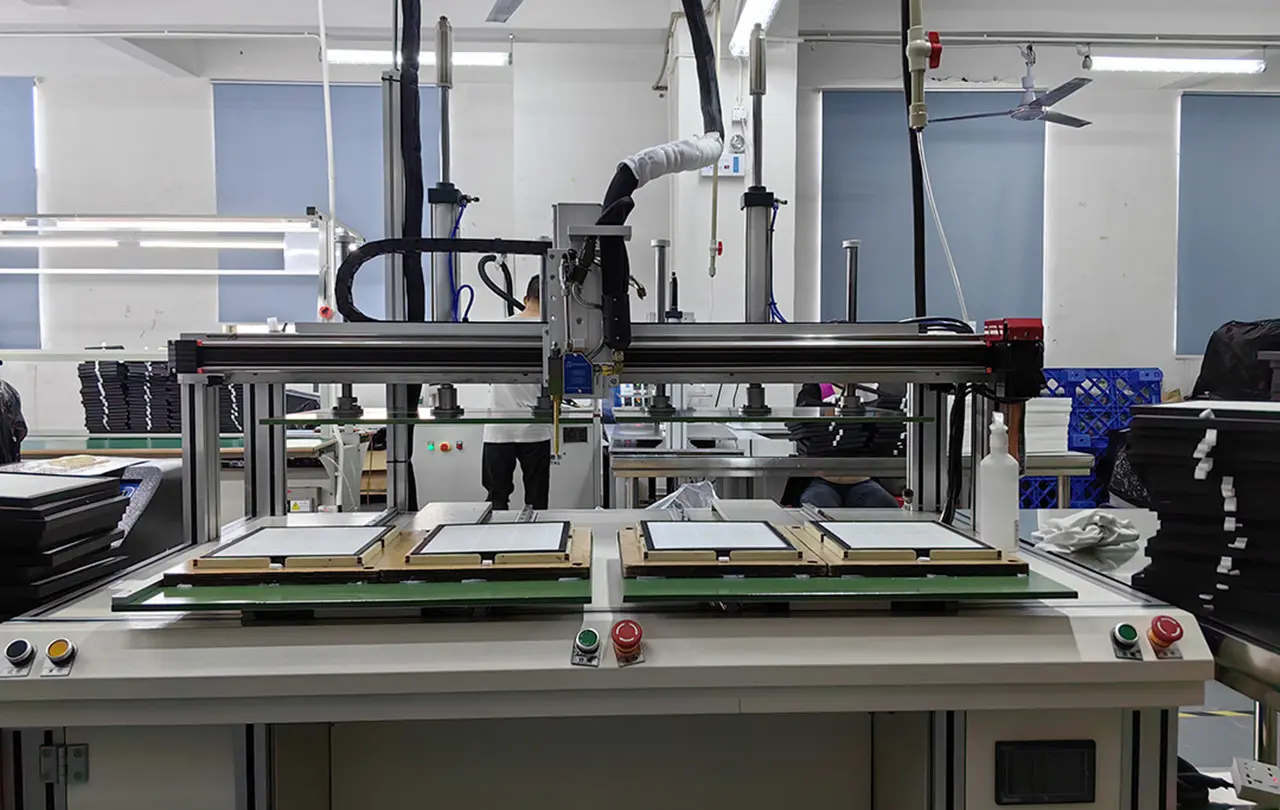
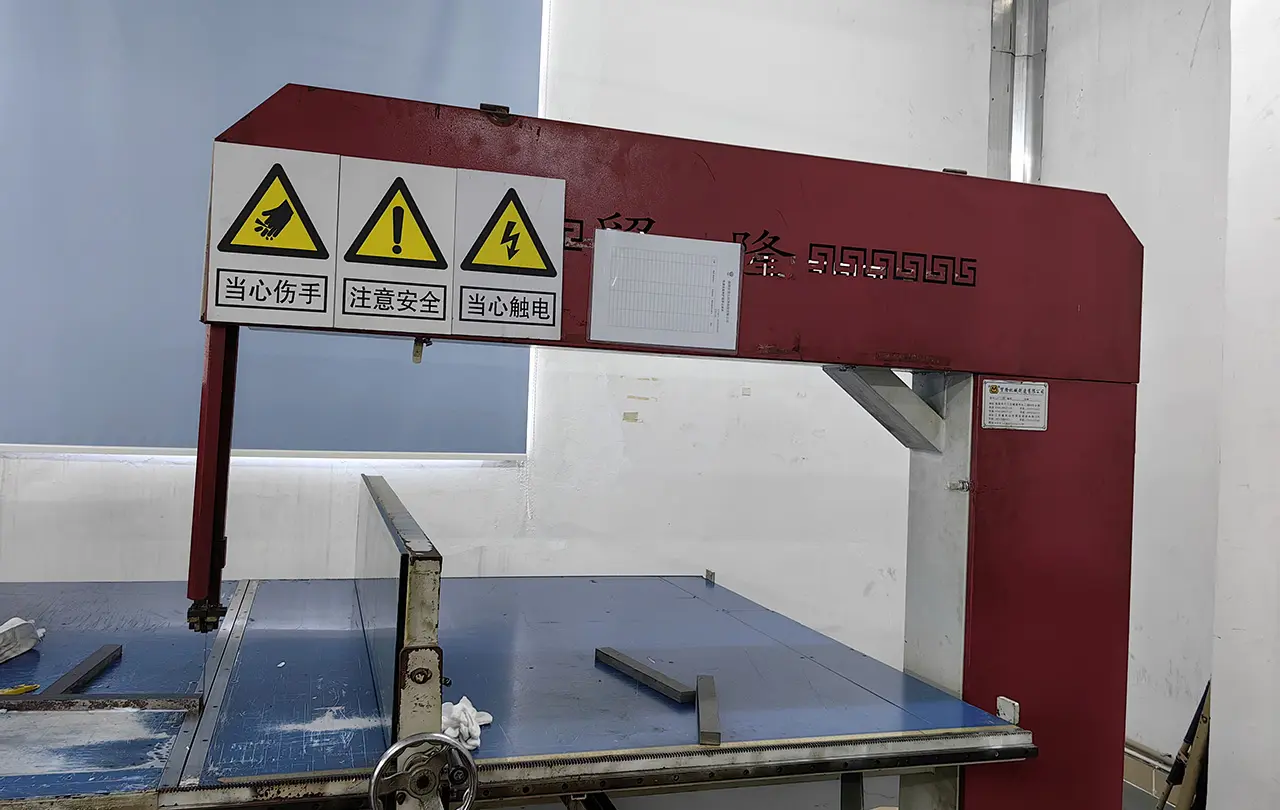
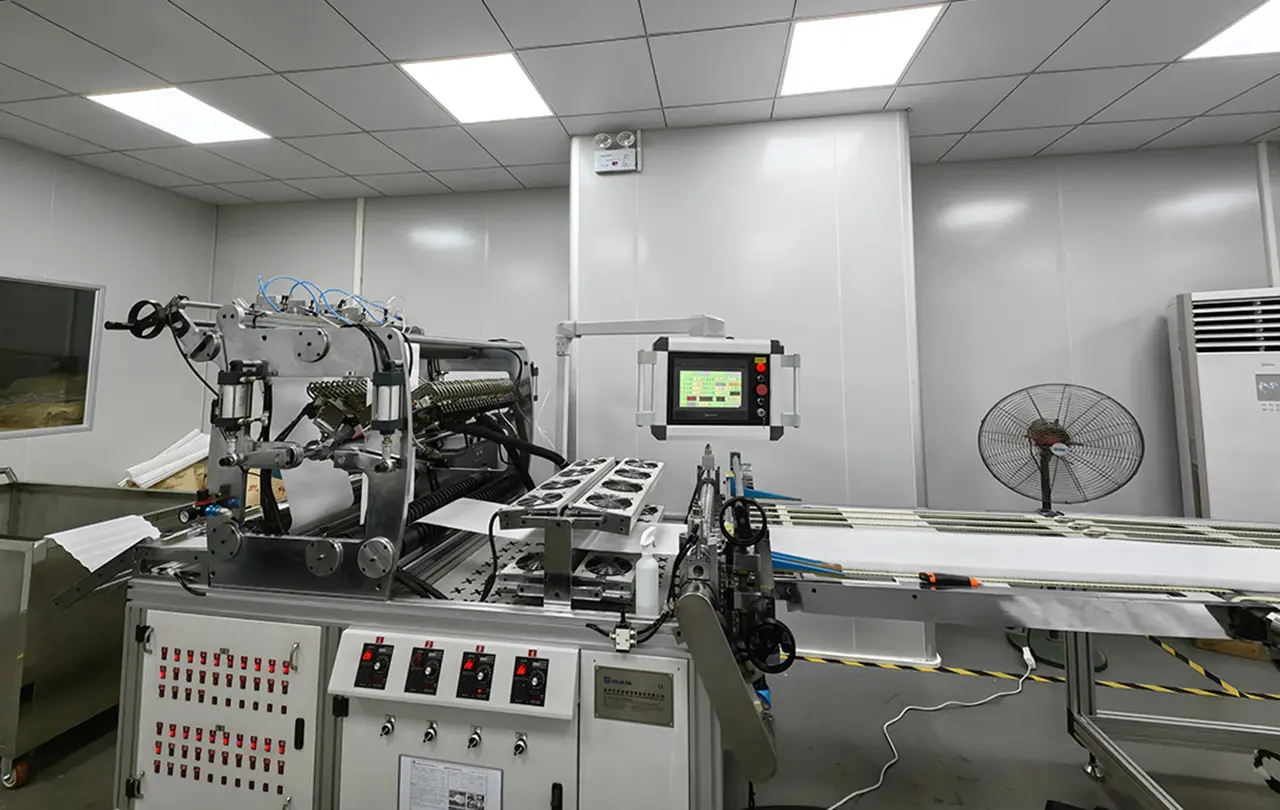
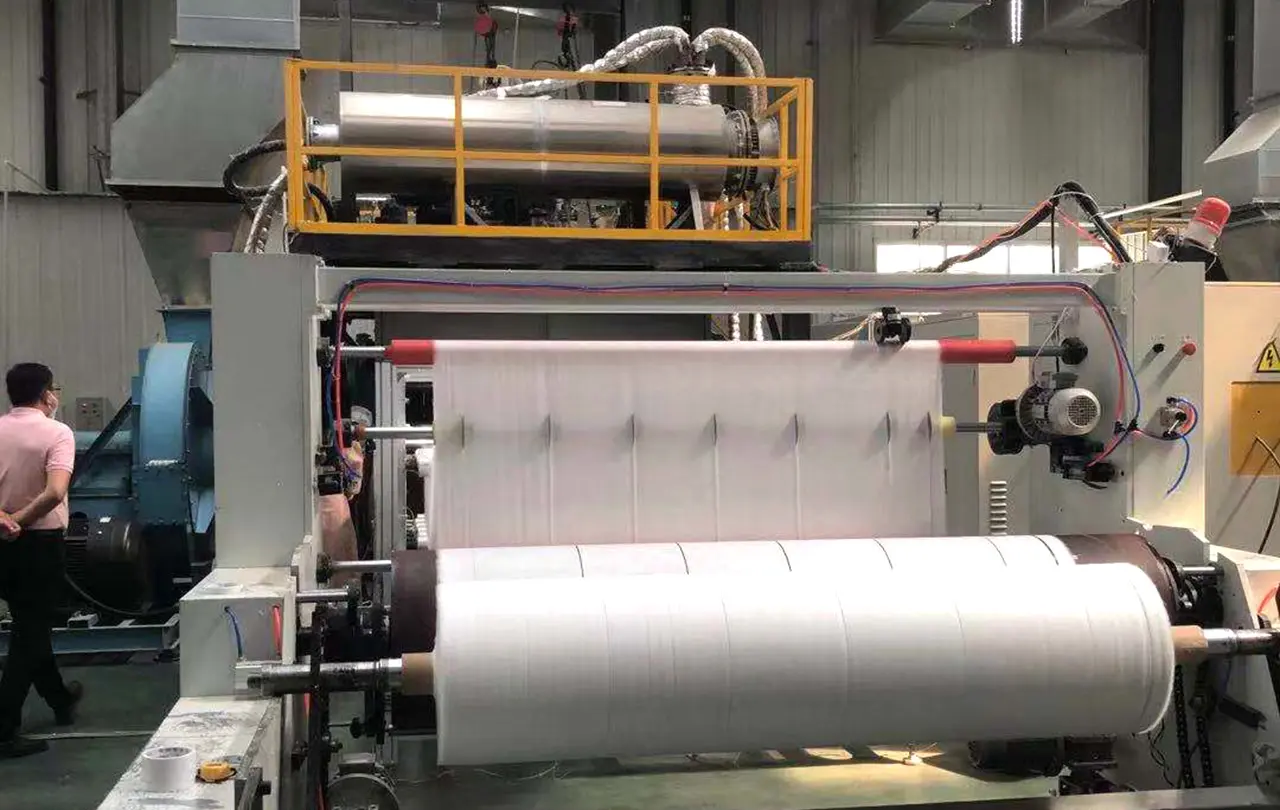
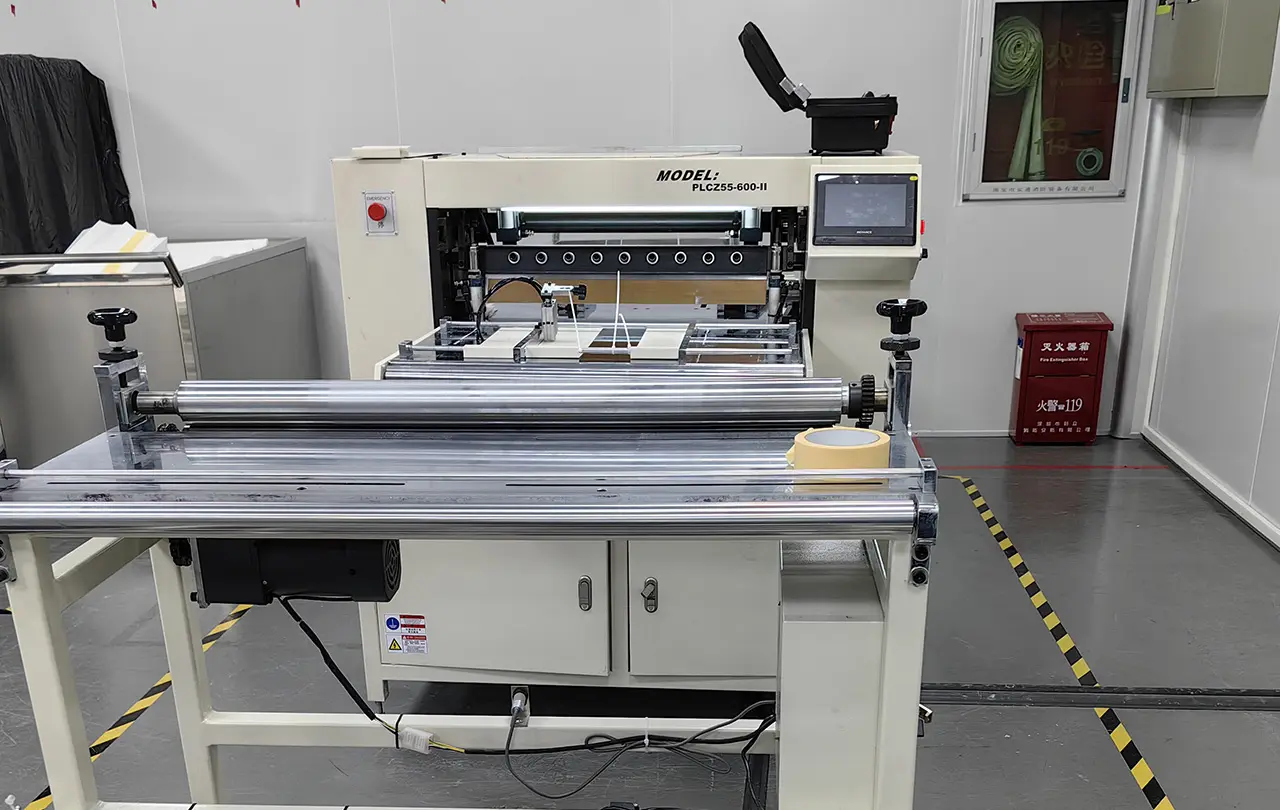
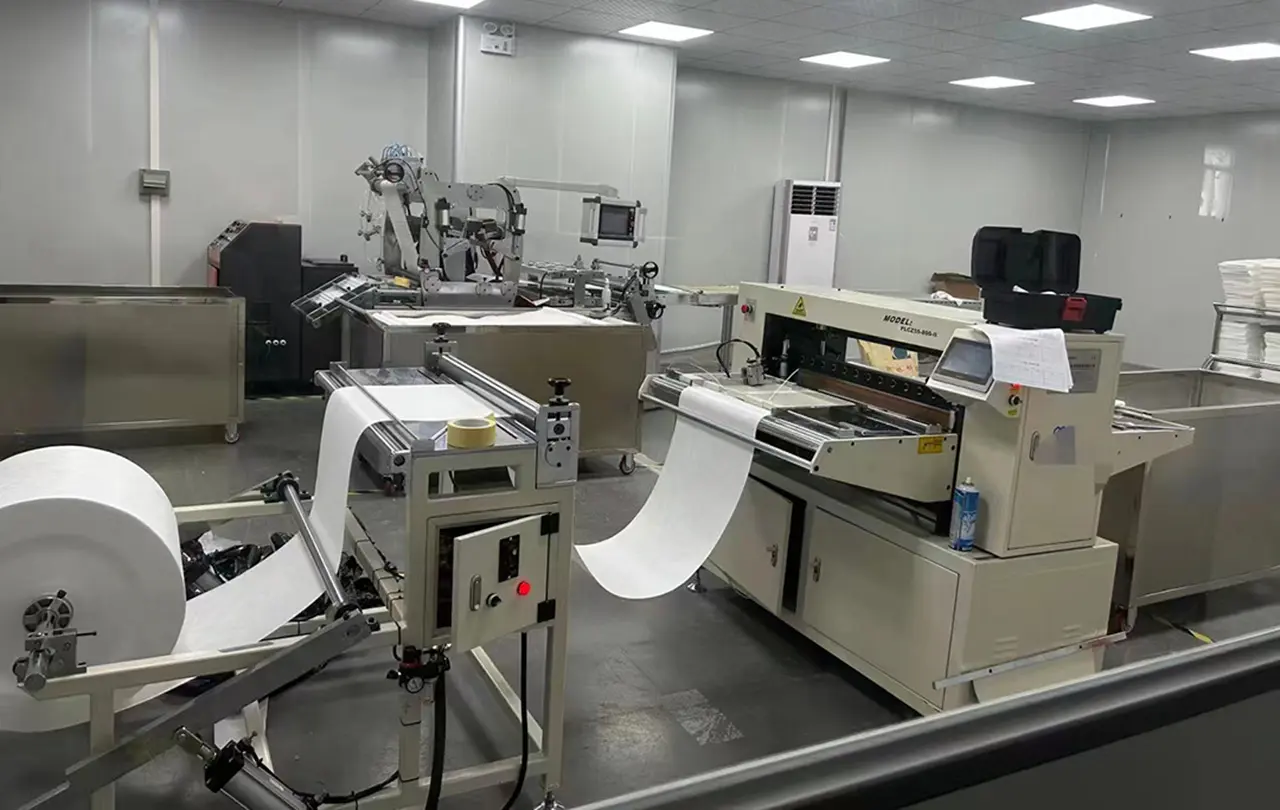
In the modern procurement landscape, reliability and logistical predictability are just as important as unit pricing. Our Shenzhen-based production facilities leverage Factory 4.0 paradigms to deliver end-to-end transparency, rapid prototyping, and high production volume.
By utilizing digital twin simulation tools, we model filter aerodynamics before tooling begins. Our automated machinery ensures consistency in pleat spacing, adhesive distribution, and frame alignment, minimizing human-error defects.
Through established raw material corridors (including partnerships for high-grade synthetic media, premium coconut-shell carbon, and aluminum alloys), we maintain production continuity even during global supply line fluctuations. This integration allows us to optimize lead times for custom sizes, ensuring your commercial schedules stay on track.
Our systems are deployed across various industries worldwide to clean air, protect personnel, and optimize process integrity.
Protects wafer fabrication processes from Airborne Molecular Contamination (AMC) that causes structural degradation on semiconductor microchips.
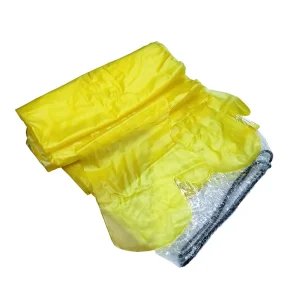
Bag-In-Bag-Out (BIBO) systems with durable PVC change bags ensure hazardous particulates and biological agents are sealed away during filter maintenance.
Reduces external pollutant ingress, vehicle exhaust fumes, and municipal odors in high-traffic commercial spaces, offices, and universities.
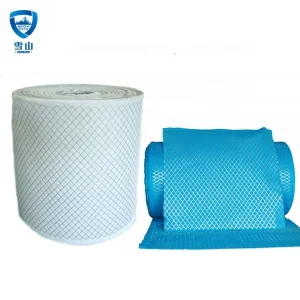
Utilizes custom polyester wire mesh pre-filters and active carbon sandwich media to catch overspray and neutralize gaseous paint solvents.
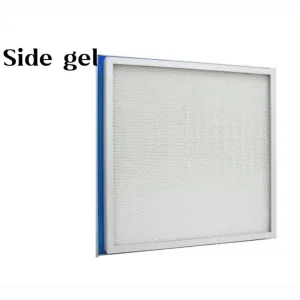
Ensures sterile environment parameters through gel-seal HEPA systems combined with high-grade molecular filters to protect scientific tests.
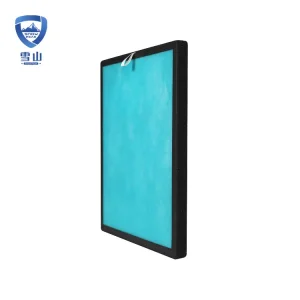
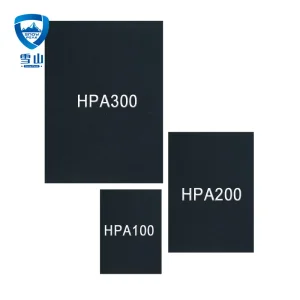
We manufacture direct replacement filters, such as the HRF-AP100 HEPA & carbon pack, designed to return consumer units to factory efficiency levels.
Use this performance matrix to select the appropriate grade of pre-filtration, secondary pocket filters, or HEPA components based on European (EN 779 / EN 1822) standards.
| Filter Category | Common Standard Grade | Target Particle Size / VOC Gas | Efficiency Rating (%) | Primary Material Construction |
|---|---|---|---|---|
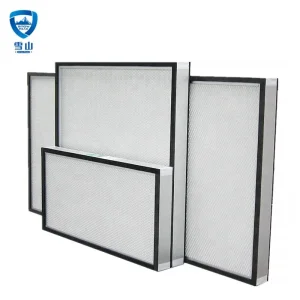
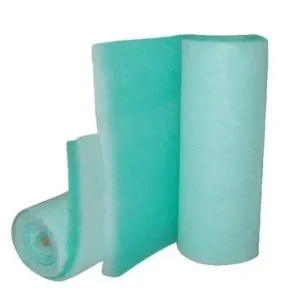
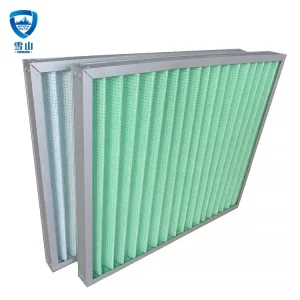
| Pre-Filter Panels | G2 / G3 / G4 (ISO Coarse) | > 10 µm (Dust, Pollen, Overspray) | 65% – 90% (Arrestance) | Fiberglass / Laminated Polyester Mesh |
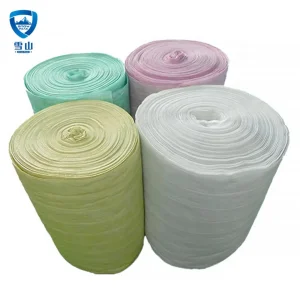
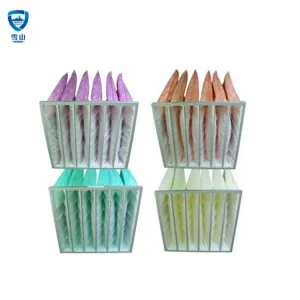
| Secondary Bag Filters | M5 / M6 / F7 / F8 / F9 (ISO ePM10/ePM1) | 1.0 – 10 µm (Fine dust, atmospheric mold) | 45% – 95% (Opacimetric) | Melt-blown synthetic / Pocket media roll |
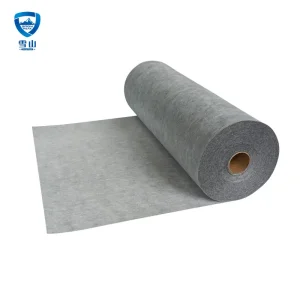
| Activated Carbon Media | Gas Phase Adsorption | Molecular Gaseous Pollutants, VOCs, Odors | Varies by residence time | Sandwich carbon fabric / Granular carbon |
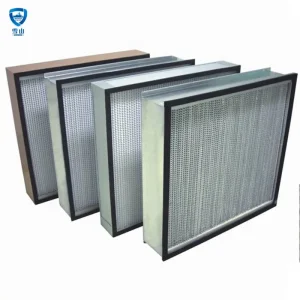
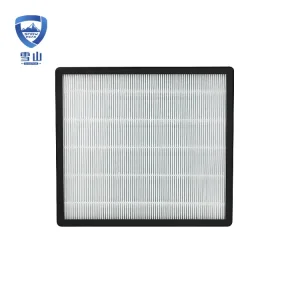
| HEPA / Deep-Pleat | H13 / H14 (EN 1822) | 0.3 µm (Bacteria, Aerosols, Viruses) | 99.97% – 99.995% | Micro-fiberglass / Gel-seal systems |
Get answers to critical technical questions regarding selection, media performance, and international supply logistics.
Browse additional custom configurations, replacements, and industrial pre-filters constructed to fit a wide range of housings.
Contact our technical engineering team today to review your airflow designs, carbon capacity calculations, and custom dimension specifications.
Request Technical Consultation Snow Peak