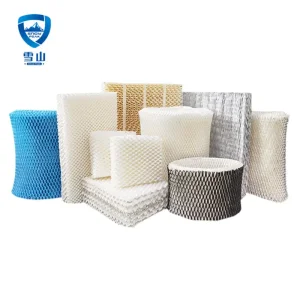
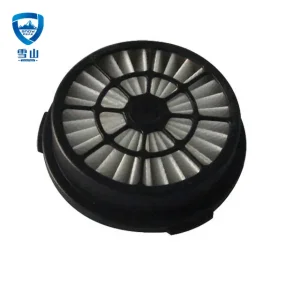
Explore our primary product selections engineered for precision residential and industrial applications, from pleated carbon media to replacement HEPA components.
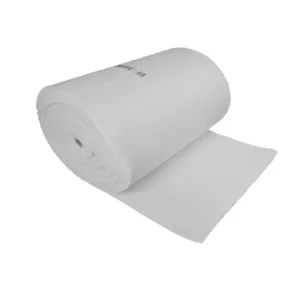
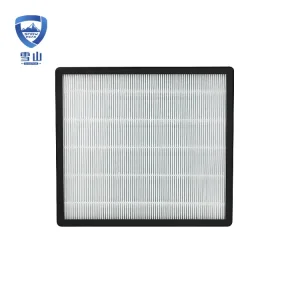
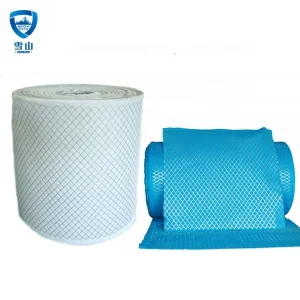
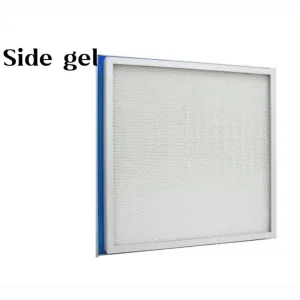
Shenzhen Snow Peak Clean Technology Co., Ltd. is a globally recognized, integrated high-tech enterprise. We are fully specialized in the research and development, manufacturing, international marketing, and import/export trade of premier air filtration products. With over 15 years of international air purification technology experience as our foundational background, we provide sophisticated air purification solutions designed to mitigate indoor air pollution and optimize air handling infrastructure across multiple sectors.
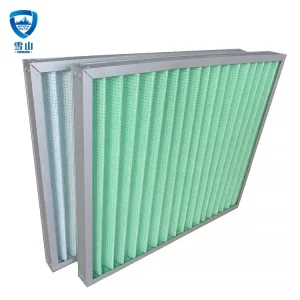
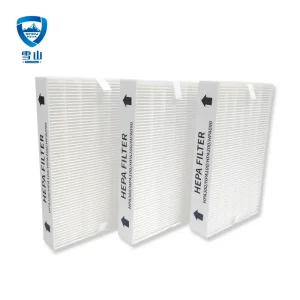
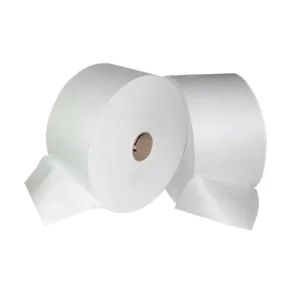
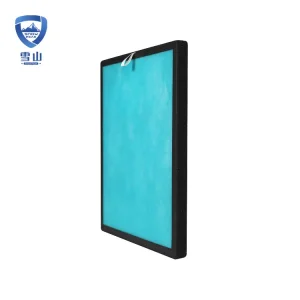
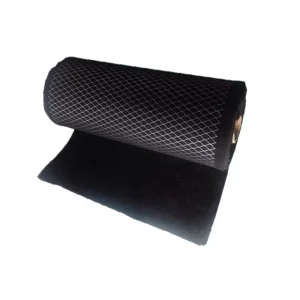
Our diverse manufacturing capability encompasses pre-filters, pocket filters, HEPA filters, chemical gas-phase filters, replacement HEPA assemblies, cabin air filtration media, humidifier evaporative wicks, melt-blown composite media, and advanced synthetic carbon-laminated roll goods. These innovations are widely integrated into civil residential air systems, commercial office towers, and high-precision cleanroom environments including microelectronics fabrication, pharmaceutical processing, laboratories, schools, and medical spaces.
By leveraging our self-developed patented technology, our sterilizing antiviral HEPA and carbon systems effectively trap micro-particulates while destroying biological contaminants. The technology is engineered to reduce PM2.5 levels to less than 10 micrograms/m³ (which is 5 times cleaner than standard regulatory requirements), while achieving a 99.9% sterilization rate and an H1N1 virus removal efficiency of 99.99%, completely eliminating secondary biological contamination risks.
Exploring the physical chemistry of gas-phase adsorption and the transition from basic carbon substrates to high-capacity smart carbon composites.
Activated carbon filtration represents the primary defense against Volatile Organic Compounds (VOCs), household odors, gaseous pollutants, and chemical off-gassing. In modern home ventilation, the demand has shifted from simple dust interception to high-capacity molecular adsorption. The underlying science depends on the internal pore distribution of the carbon material—primarily micro-pores (< 2 nm diameter) which provide the massive surface area required (often exceeding 1000 square meters per gram) to trap light molecules, and meso-pores (2 to 50 nm) that act as channels.
Traditional activated carbon relies on physical adsorption (Van der Waals forces). The technical roadmap focuses on chemical impregnation. By adding amine compounds, potassium permanganate, or metal oxides into the carbon pores, we trigger chemisorption. This chemically neutralizes and transforms toxic gases like formaldehyde, hydrogen sulfide, and sulfur dioxide into stable non-volatile compounds, drastically increasing filter lifespan and retention capacity.
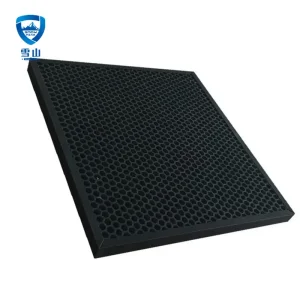
For home environments, noise and system energy consumption are critical design constraints. Thick packed-bed carbon filters create massive static pressure drops, straining HVAC blowers. The solution is honeycomb structured carbon, where carbon particles are adhered to high-surface polymeric cells. This design ensures maximum airflow speed, minimal static resistance (often under 25 Pa at 2.5 m/s), and highly uniform air contact distribution.
A persistent limitation in activated carbon systems is determining when the carbon is saturated. Future product lines are transitioning toward integrated sensor technologies and colorimetric indicators. Integrated chemical sensors measure downstream VOC levels, giving consumers and smart-home management platforms precise data regarding carbon degradation, preventing desorption bypass where saturated carbon releases trapped chemicals back into the airstream.
Customized purification architectures designed to solve complex air quality challenges across varied scales of application.
For home environments, filtration must balance high filtration speed with silence. Here, we implement composite systems. A high-efficiency particulate HEPA layer is laminated directly with a lightweight, synthetic activated carbon web. This combination removes common indoor allergens (pollen, pet dander, mold spores) while scrubbing cooking odors, aerosolized cleaning solvents, and tobacco smoke. Standardized dimensions allow these systems to drop directly into major furnace brands and standalone smart air purifiers.
In high-traffic commercial environments, ventilation systems are subjected to constant external pollutants (vehicle exhaust, diesel particulates, urban smog) and internal emissions from office machinery and carpets. We supply large-scale G3/G4 metal frame pre-filters paired with dense v-bank chemical carbon housings. This dual-action design handles high air volumes without suffering excessive pressure drops, leading to marked energy savings across central HVAC networks.
In electronics manufacturing, pharmaceutical laboratories, and clinical surgical suites, molecular contamination can ruin microchip yields or contaminate sensitive bio-cultures. Our specialized cleanroom filters incorporate customized top-side Gel Seal mini-pleat compact HEPA systems with deep-bed chemical filtration modules. These modules remove trace acids, bases, organic compounds, and condensable contaminants, maintaining cleanroom integrity under stringent ISO Class 1 to Class 5 specifications.
Navigating global regulatory landscapes and performance standards to ensure seamless customs clearance and certified end-user safety.
Procuring industrial and home filtration components requires rigorous alignment with global environmental and technical laws. Shenzhen Snow Peak Clean Technology guarantees that all materials meet or exceed regional certification expectations. This ensures that B2B buyers can integrate our components directly into products sold in highly regulated markets such as North America, Europe, and Japan.
Our particulate filters undergo certification based on ASHRAE 52.2 MERV ratings (ranging from MERV 8 pre-filters up to MERV 16) and EN 779 / ISO 16890 protocols (Coarse, ePM10, ePM2.5, ePM1 ratings). This provides B2B design engineers with certified, empirical data on dust-holding capacity and initial fractional efficiency.
For high-efficiency HEPA solutions (H13 and H14 grades), we utilize automated MPPS (Most Penetrating Particle Size) scanning equipment. Every filter is leak-tested and certified to EN 1822 specifications, verifying an efficiency of ≥99.97% at 0.3 microns or ≥99.995% for specialized applications.
Our carbon sourcing and adhesive gluing agents comply fully with EU REACH and RoHS restrictions on hazardous materials. We also offer flame-retardant structural materials tested against UL 900 standards to satisfy local building code fire regulations in North America.
Inside Shenzhen Snow Peak Clean Technology's advanced manufacturing facilities, combining precision robotics with high-speed automated assembly.
Developing world-class air filters at scale requires advanced capital equipment. Shenzhen Snow Peak Clean Technology maintains a standardized manufacturing footprint featuring state-of-the-art dust-free HEPA filter production rooms, specialized laboratory testing cells, and automated machinery. By moving away from manual assembly, we guarantee tight dimensional tolerances, flawless glue lines, and zero filter bypass risk.
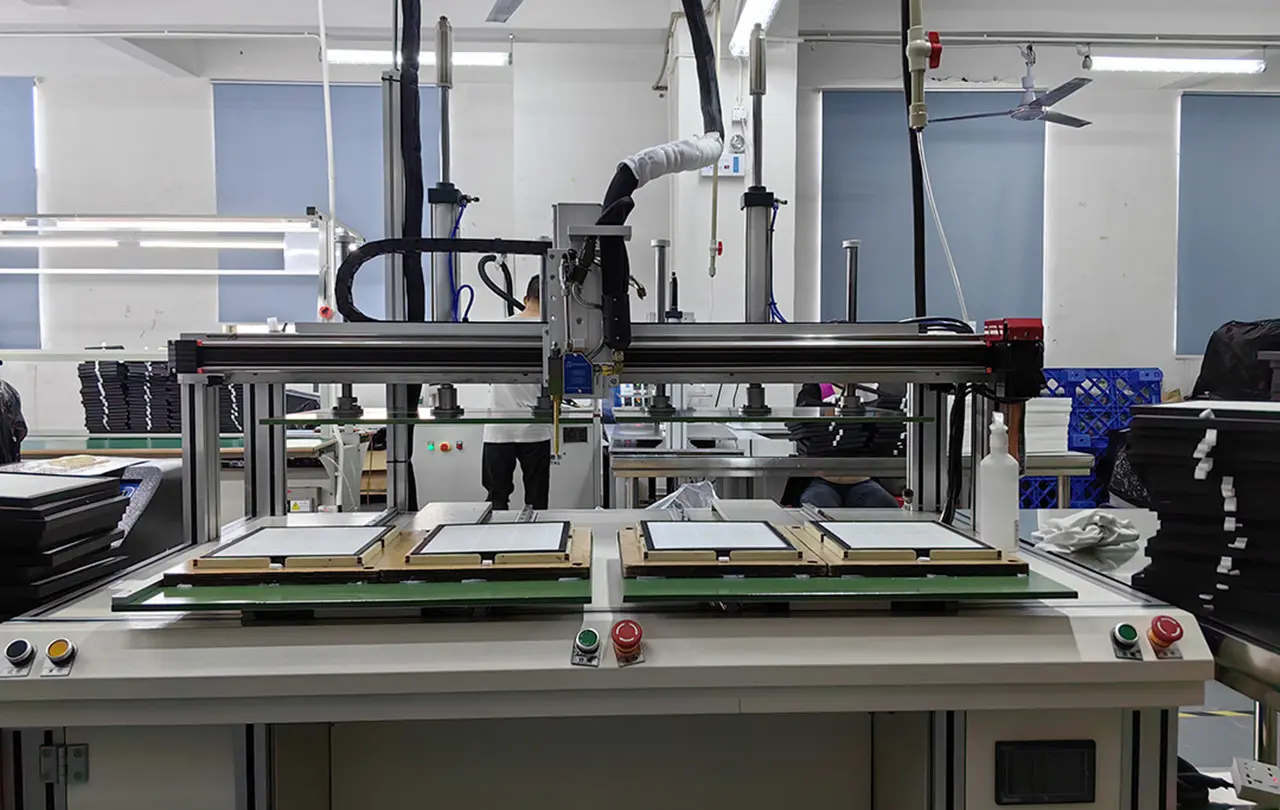
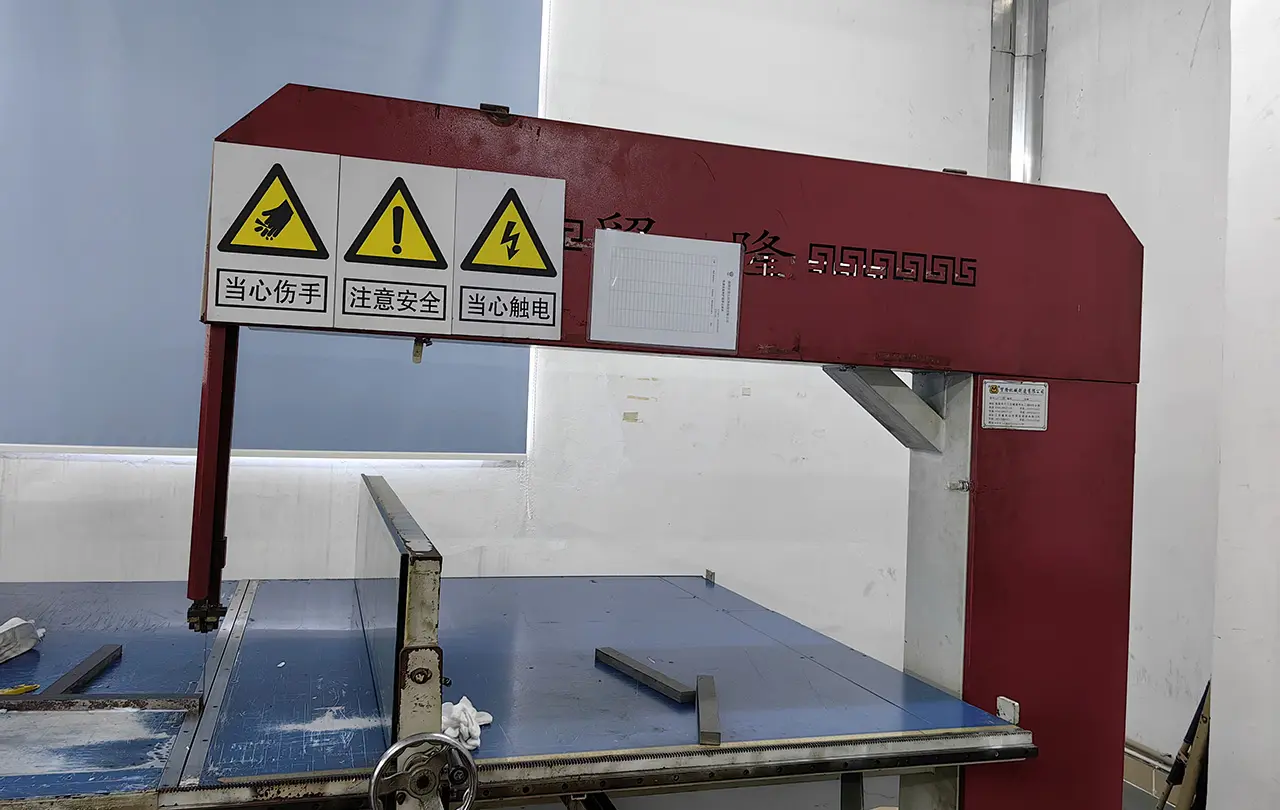
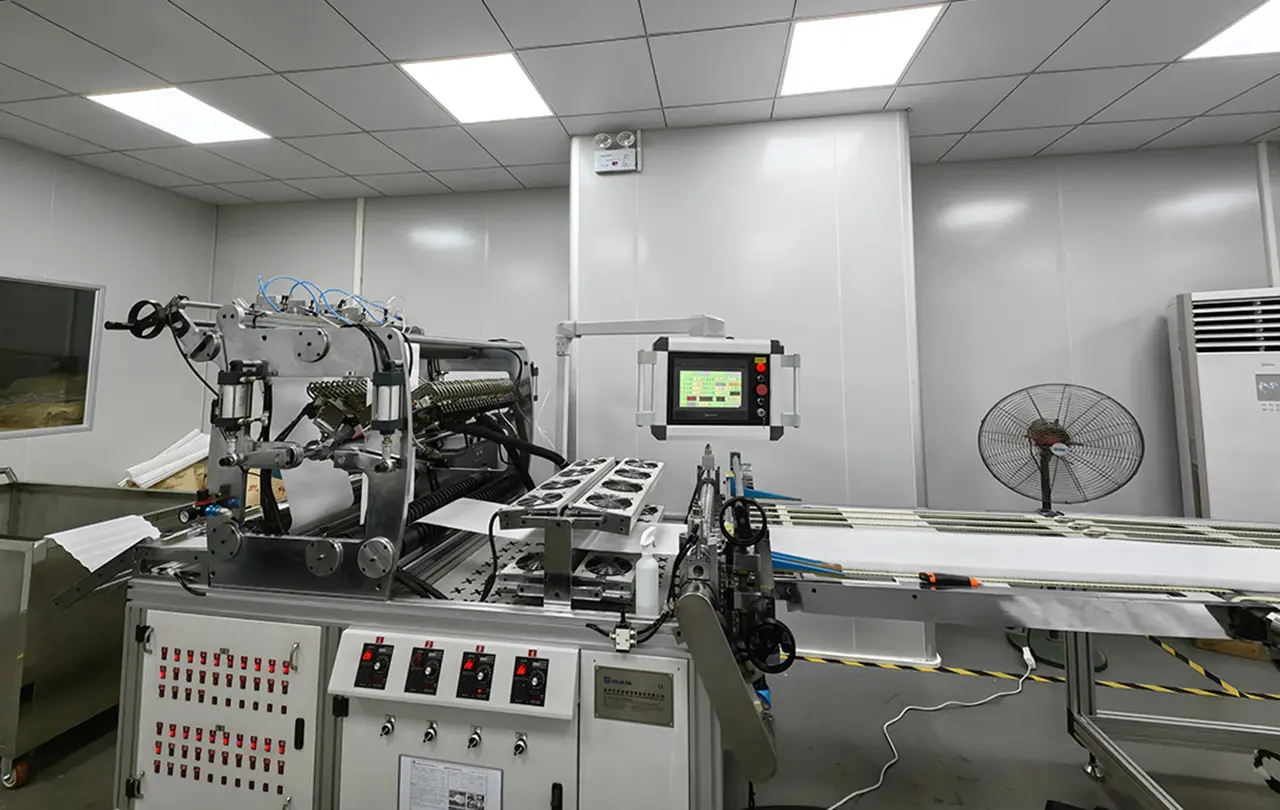
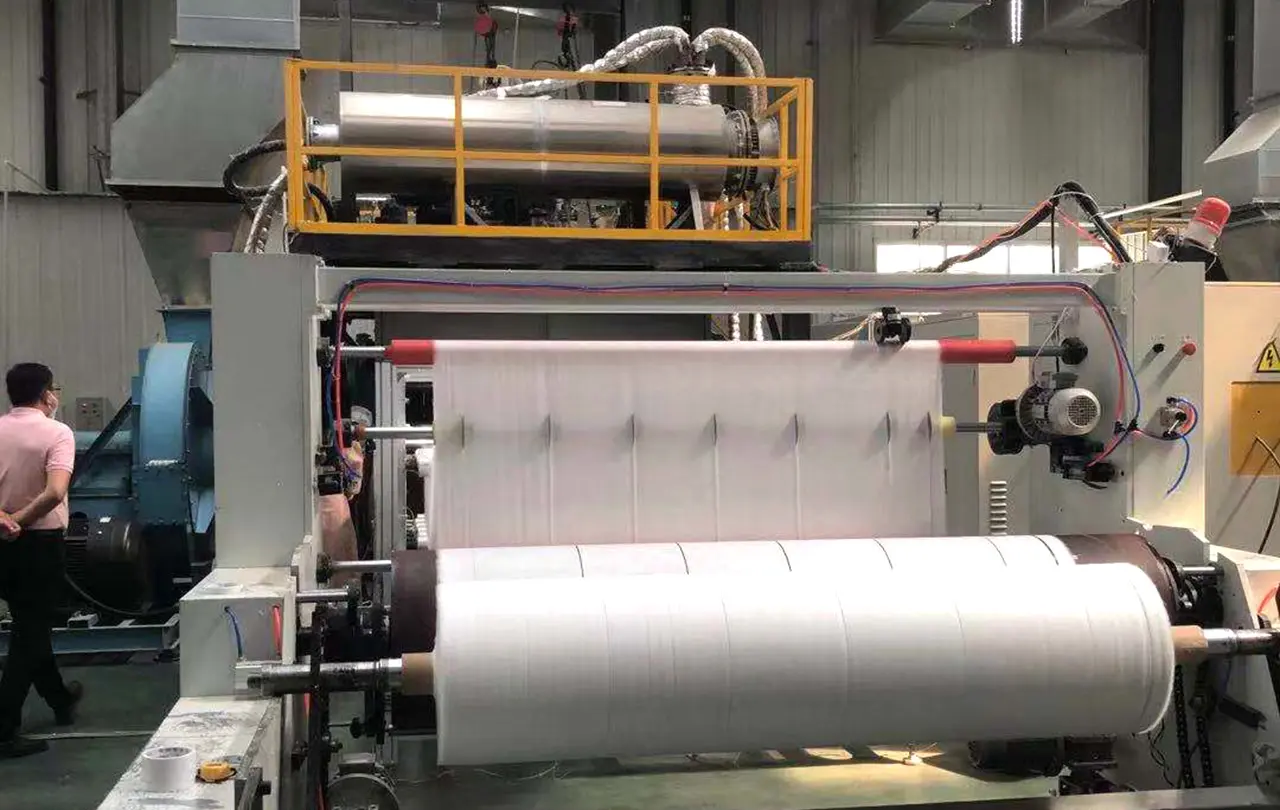
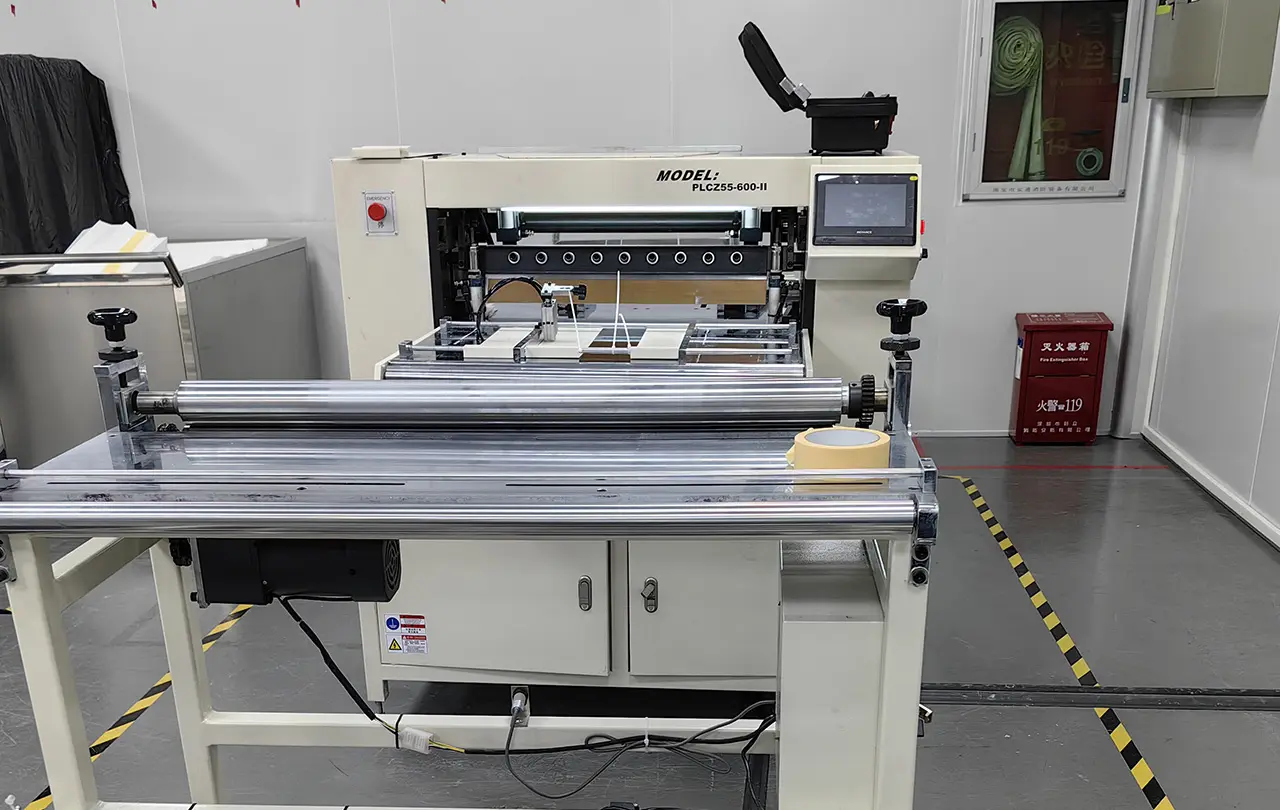
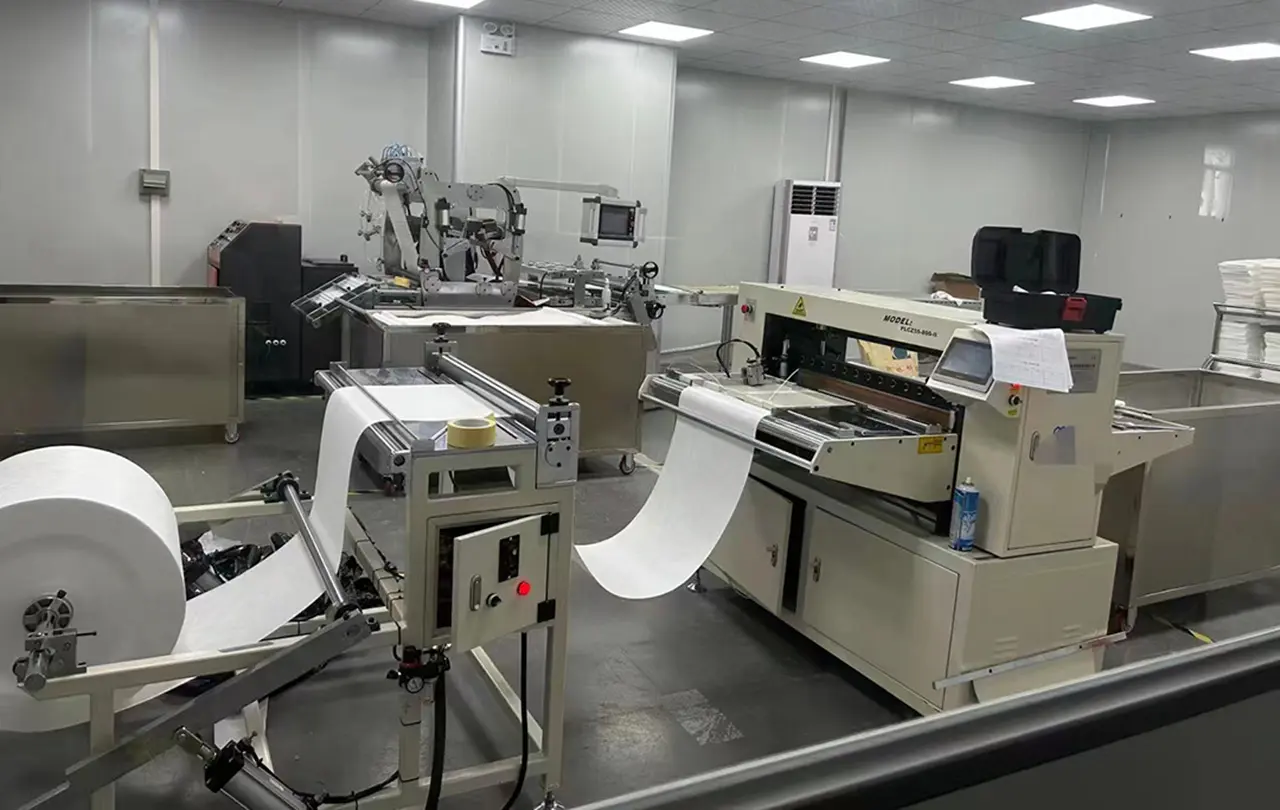
Our manufacturing line integrates AMADA CNC punching machines and CNC bending equipment to process aluminum alloy, galvanized steel, and stainless steel framing structures. Coupled with our in-house melt-blown and synthetic composite media lines, this end-to-end integration shields our partners from supply bottlenecks. We maintain tight control over raw materials, ensuring stable pricing and consistent, high-quality production even during volatile global market cycles.
Meeting the strict logistical, quality, and commercial criteria of international air purification distributors and OEM brands.
For global buyers, procurement is not just about locating a manufacturer—it is about finding a long-term strategic partner. We structure our commercial, engineering, and logistics divisions to resolve pain points for international importers:
Answers to common technical and engineering questions regarding gas-phase carbon adsorption media.
High-efficiency media, pocket structures, and carbon components designed for high-volume purification systems.
 Snow Peak