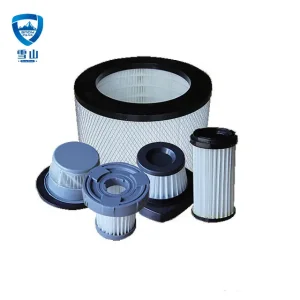
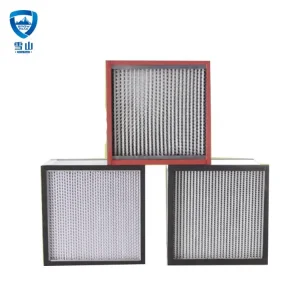
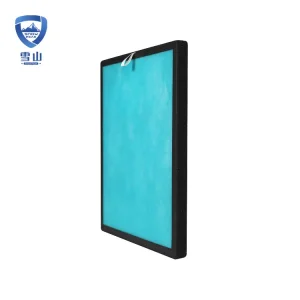
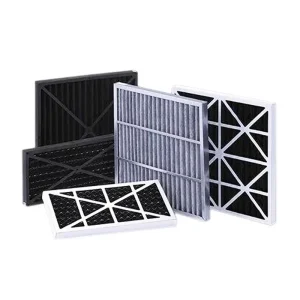
Featured solutions for high-performance cleanrooms, commercial HVAC, and heavy-duty dust collection.
A comprehensive technical look at how course particulate traps optimize high-efficiency air purification networks.
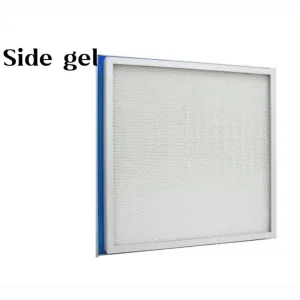
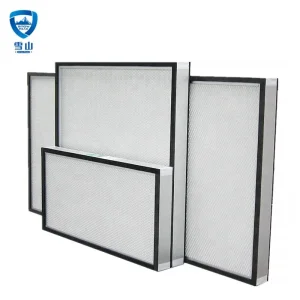
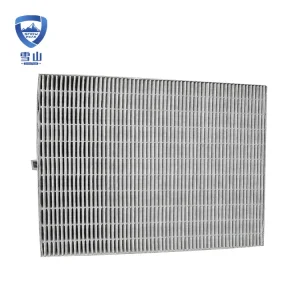
G4 grade pre-filters serve as the first line of defense in air handling units (AHUs). Categorized under EN779, G4 filters are designed to capture large particulate matter, such as heavy dust, pollen, leaves, insect fragments, and coarse fibers. In modern ISO 16890 terms, G4 aligns with the **ISO Coarse ≥ 60%** standard.
By capturing larger debris at the inlet stage, G4 filters prevent rapid clogging of down-stream medium and high-efficiency filters (such as F7 or HEPA filters). This optimization drastically lowers the overall system pressure drop, prolongs filter replacement cycles, and reduces energy consumption.
F7 filters represent a quantum leap in separation performance. As a medium-to-fine filtration layer, an F7 filter (EN779 classification) targets sub-micron particles with extreme efficacy. Under the new global standard ISO 16890, F7 filters correspond to **ISO ePM1 ≥ 50% to 65%** or **ISO ePM2.5 ≥ 65% to 80%**.
F7 filters capture fine atmospheric dust, bacteria, fungal spores, welding smoke, and fine aerosol emissions. These filters are critical in maintaining the hygiene of commercial building ducts and are mandatory pre-filters in ISO cleanrooms, hospital ventilation, and advanced electronics fabrication facilities.
| EN 779 Class | ISO 16890 Equivalent Group | Avg. Arrestance / Efficiency | Typical Applications | Recommended Final Resistance |
|---|---|---|---|---|
| G4 | ISO Coarse ≥ 60% | Am ≥ 90% (Coarse Dust) | Pre-filters for AHUs, spray booths, industrial compressors, simple ventilation systems. | 150 - 250 Pa |
| M5 | ISO ePM10 ≥ 50% | Em ≥ 40% (0.4 μm) | Secondary stage HVAC pre-filtration, food processing facilities, packaging plants. | 250 - 350 Pa |
| M6 | ISO ePM10 ≥ 60% / ePM2.5 ≥ 50% | Em 60-80% (0.4 μm) | Ventilation for office buildings, malls, and secondary-stage prep for pharmaceuticals. | 250 - 350 Pa |
| F7 | ISO ePM1 ≥ 50% - 65% | Em 80-90% (0.4 μm) | Cleanroom terminal pre-filtration, hospital wards, commercial offices, gas turbine inlets. | 350 - 450 Pa |
| F8 / F9 | ISO ePM1 ≥ 70% - 80% | Em ≥ 90-95% (0.4 μm) | Inlet system for microelectronic fabs, biotechnology facilities, chemical processes. | 350 - 450 Pa |
Aligning filtration engineering with corporate supply chain optimization and sustainability goals.
For global procurement directors, filtration is not just about unit price; it is about energy consumption. HVAC fan motors consume up to 40% of standard facility energy. High-quality G4 and F7 filters designed with low pressure drop characteristics directly reduce fan workload, saving thousands of kilowatt-hours annually. Choosing customized, aerodynamic pleat structures provides a massive ROI by driving down energy tariffs.
Multinational manufacturing organizations require reliable supply chains. Variations in raw meltblown or synthetic media quality can lead to unexpected assembly line contamination. Procurement managers require manufacturers with robust international quality management certifications (such as ISO 9001:2015 and CE certifications), ensuring every batch delivers identical dust-holding capacities.
Regulatory pressures regarding indoor air quality (IAQ) and ESG carbon emission tracking are tightening worldwide. Industrial operations must comply with ASHRAE 52.2 and EN 779 / ISO 16890. Partnering with a supplier that provides transparent test reports and uses eco-friendly, non-toxic, or recyclable frameworks (like cardboard or aluminum rather than PVC) is essential for corporate compliance.
Standardized and custom engineered architectures tailored to demanding operating conditions.
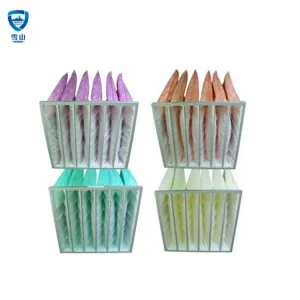
Modern microelectronics fabrication facilities require pristine process environments. In these systems, a G4 pocket or roll filter captures coarse particulate at the makeup air handler (MAU), while secondary F7 or F9 filters purify the airflow before it hits ultra-low penetration air (ULPA) or high-efficiency particulate air (HEPA) ceiling filters. This layered structure keeps cleanroom facilities running at 99.999% uptime.
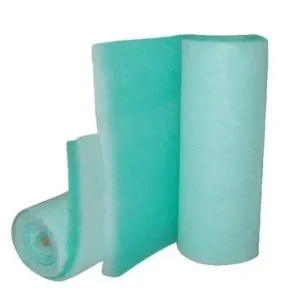
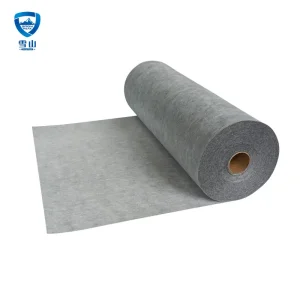
Paint finishes require absolute absence of airborne particulate. In painting lines, ceiling-mounted G4 or F7 glass fiber and synthetic media rolls capture overspray and airborne dirt particles. This eliminates finish defects like paint craters and bubbles, significantly reducing rework rates for automotive OEMs.
High-speed rotating equipment is highly vulnerable to erosion and compressor fouling. Utilizing multi-stage filtration—combining G4 pleated panels with F7 or F8 high-capacity pocket filters—protects turbine blades from microscopic dust particles. This maintains optimal aerodynamic efficiency and thermal performance under harsh coastal or desert conditions.
Driving clean air innovations through advanced material science and automated manufacturing.
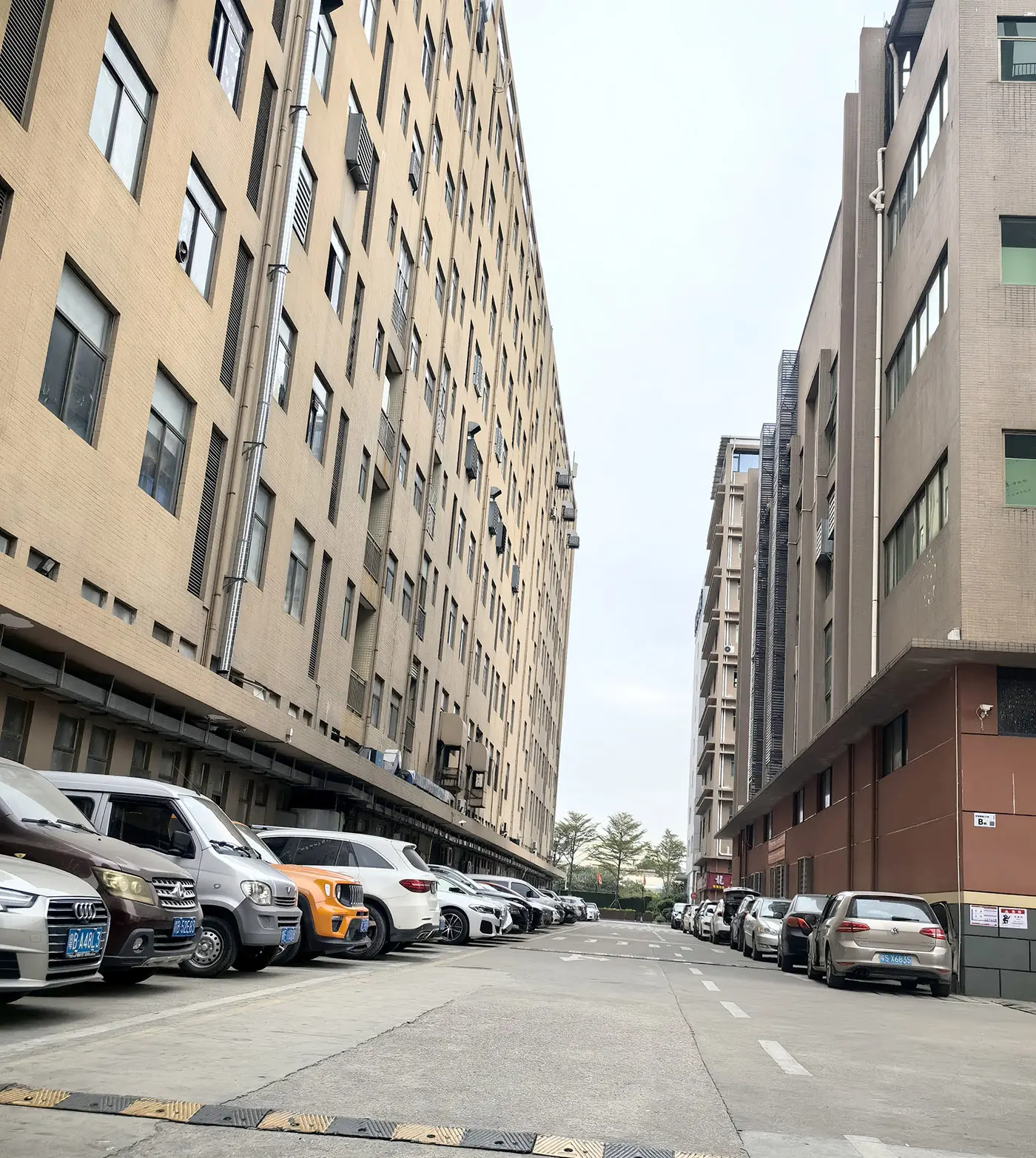
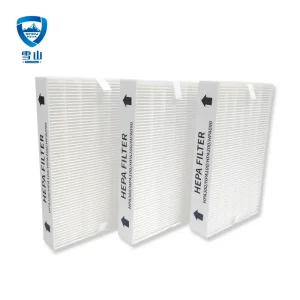
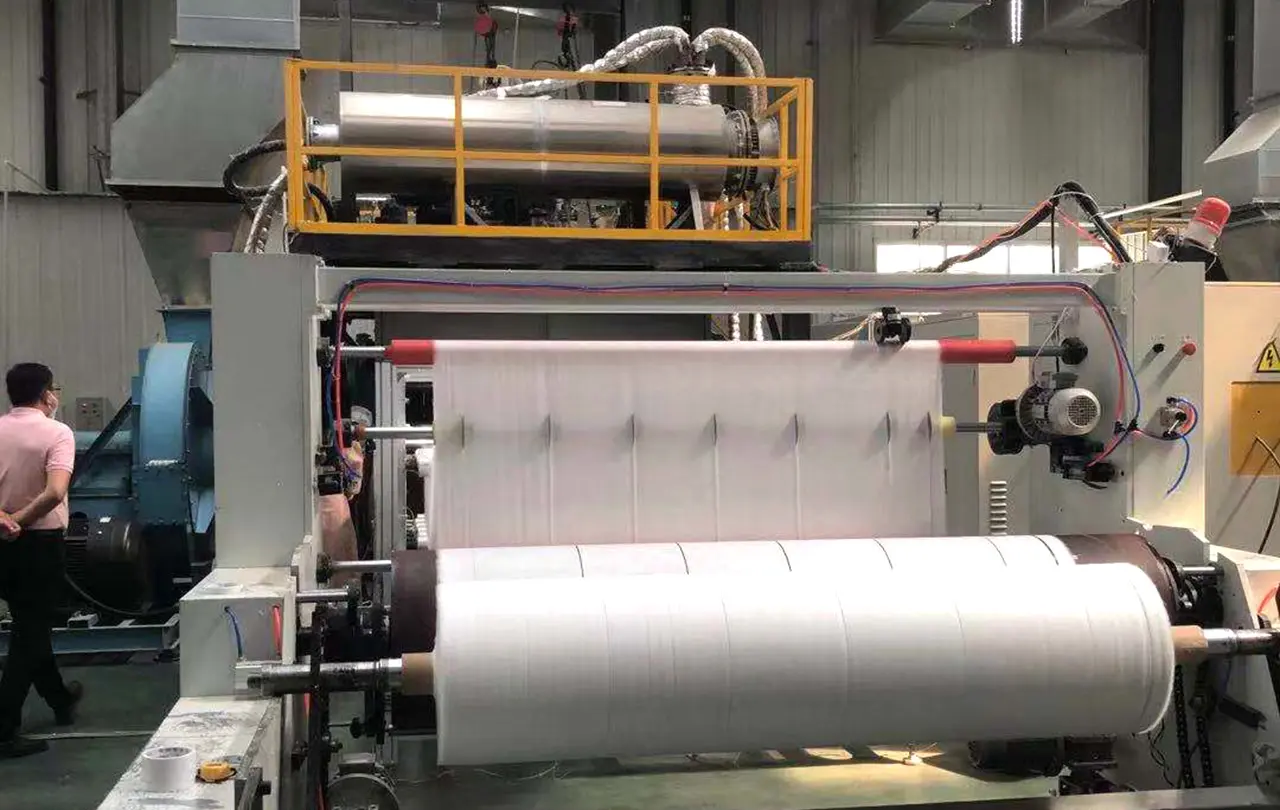
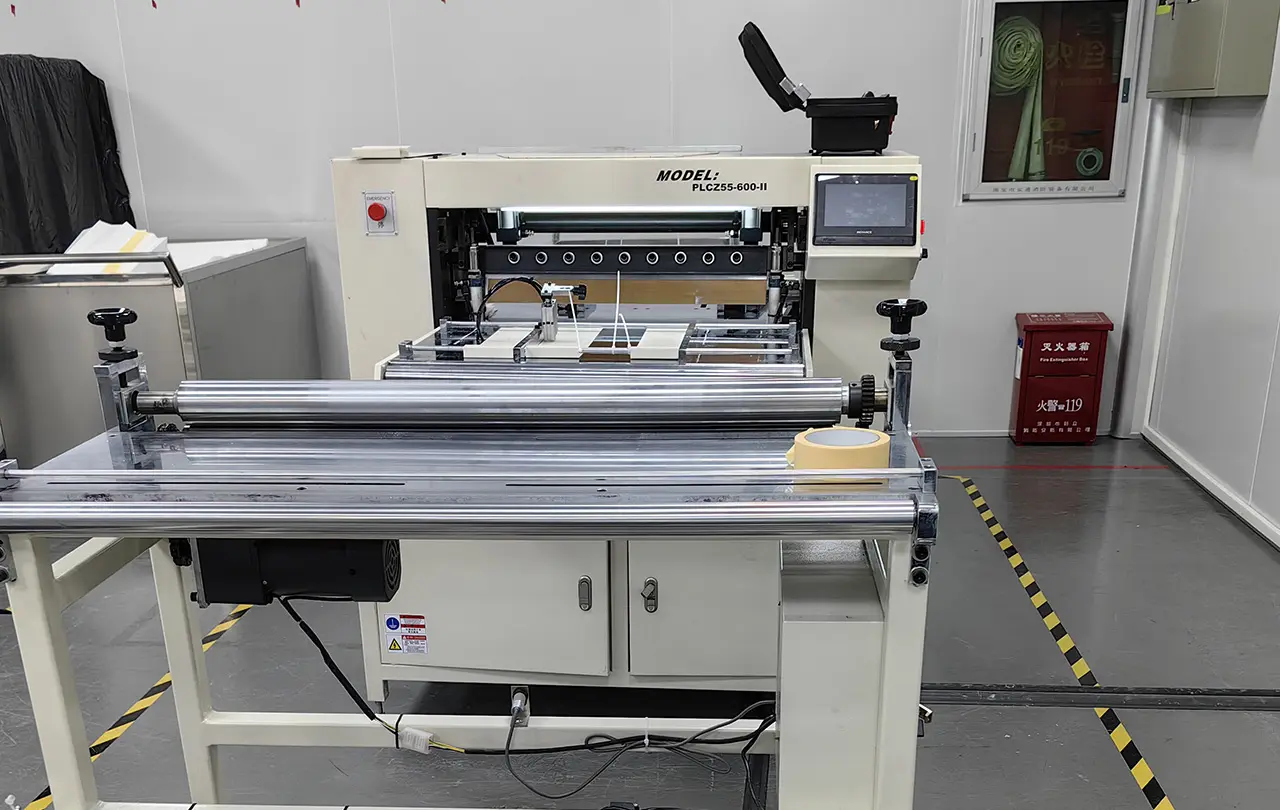
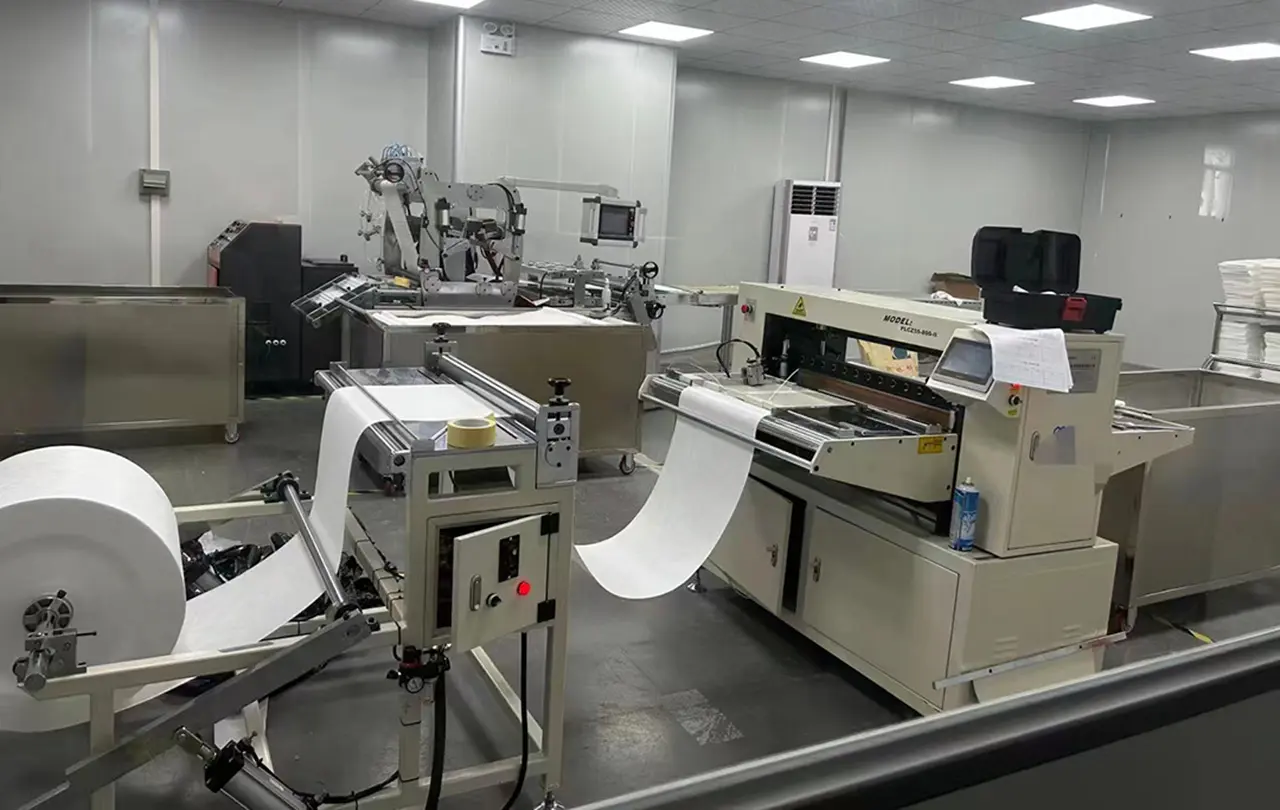
Shenzhen Snow Peak Clean Technology Co., Ltd. is an integrated high-tech enterprise, specialized in air filtration products research and development, production, sales, import and export trade. We produce and supply: Pre-filter, pocket filter, HEPA filter, chemical filter; replacement HEPA filter, car cabin air filter, humidifier filter; pocket filter media, melt-blown composite filter media, and other high-performance filter materials; provide high quality air purification solutions and products for indoor air pollution control and air conditioning systems of civil and industrial buildings, microelectronics, pharmaceutical, laboratory, school, hospital clean room etc. Combined with self-developed patented technology, our sterilizing antiviral HEPA filter can effectively filtrate fine particles, so that PM2.5 concentration down to 10 micrograms/m3, 5 times better than national standard; effectively inhibit the breeding of microorganisms, sterilization rate up to 99.9%, and no secondary pollution, removal of H1N1 virus efficiency as high as 99.99%.
Having 15 years of international air purification technology experience as the background, our company has standardized production workshop, dust-free filter workshop and first-class technology of HEPA filters production line and inspection line, independent research and development of fully automatic air filter production line, equipped with AMADA CNC punch and CNC bending machine as well as many other advanced high-end equipment, provide a strong guarantee for production and quality of air filtration and purification products.
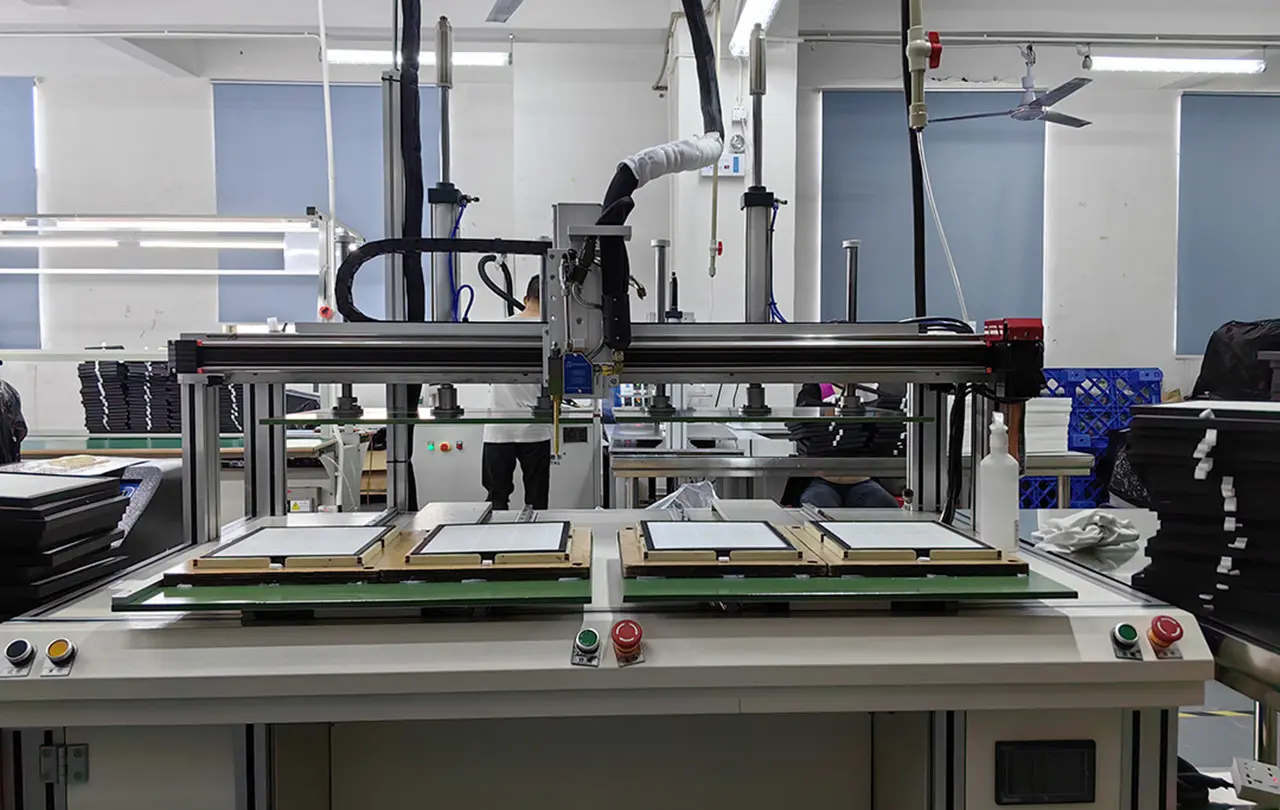
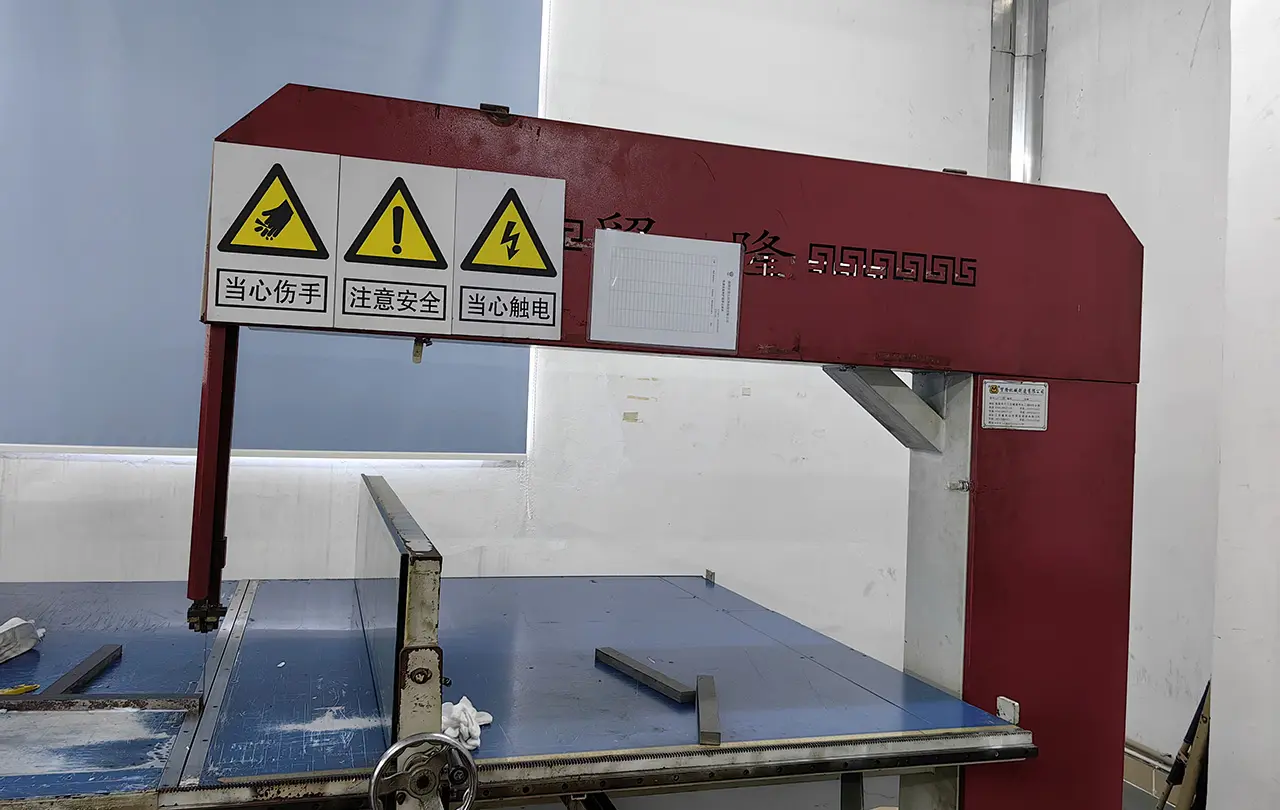
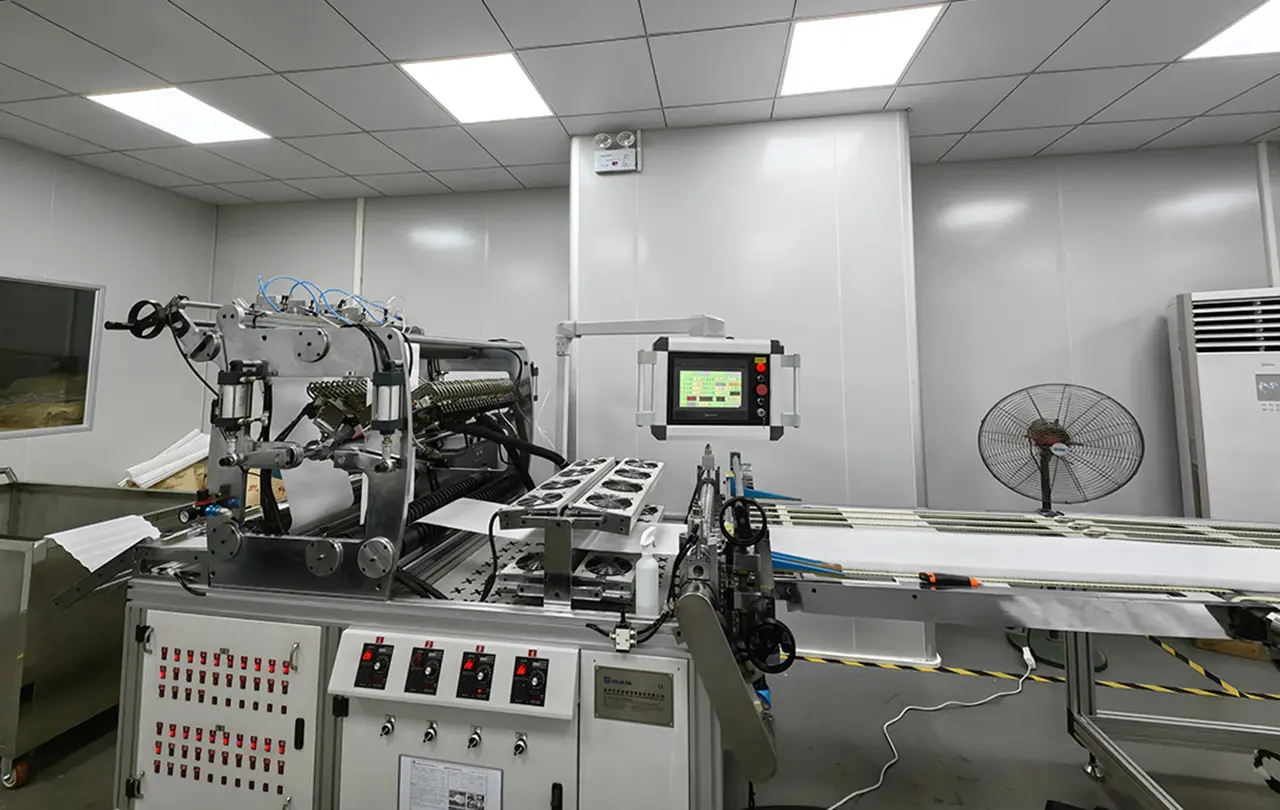
How the next decade of air engineering is shaping media chemistry and smart HVAC systems.
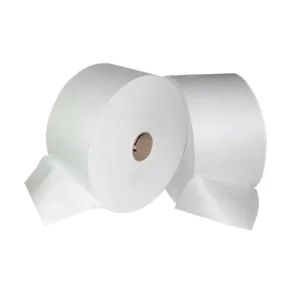
Standard meltblown and glass fiber filter materials are rapidly transitioning toward electrospun polymeric nanofibers. Nanofiber structures feature fiber diameters below 100 nanometers, creating high surface area matrices. This allows F7 filters to achieve F9 efficiency levels with only a fraction of the pressure drop, reducing overall system operating costs by up to 20%.
Standard synthetic media based on fossil fuels is being optimized with bio-polyester (PLA) and natural fiber composites. Future G4 and F7 filters will have fully biodegradable media structures and compostable frames, reducing hazardous industrial waste in landfills without compromising tensile strength or dust holding capacity.
Passive filtration is becoming active and digital. Integrated micro-sensors embedded in G4 and F7 filter borders can communicate direct pressure drop, particulate loading, and moisture levels in real-time to the building BMS (Building Management System) or cloud-based IoT software. Filters are replaced dynamically based on real performance rather than fixed schedules, optimizing labor and material usage.
Meeting regional requirements for clean manufacturing and supply chain integration.
All pre-filters and fine filters undergo systematic testing in advanced airflow wind tunnels to guarantee real-world efficiency data. Performance certificates are provided in both legacy EN779 ratings and current ISO 16890 classifications, ensuring seamless integration into both European and American mechanical specifications.
Our logistical network complies with all cross-border customs regulations. Packaged in customized heavy-duty moisture-proof cartons, our filtration products arrive at international ports with complete CE and RoHS certificates, reducing custom clearance times to keep your development schedules on track.
We offer robust OEM and ODM engineering support. Whether you need custom pocket configurations, frame materials (aluminum, galvanized steel, cardboard, plastic), or specialty filter media treatments (antibacterial, high temperature, gas adsorption), our engineering team designs solutions to meet your target parameters.
Technical answers to common questions about selecting, maintaining, and sizing G4 and F7 filters.
High-efficiency filters have dense structures that can clog quickly if exposed to larger coarse dust particles. A G4 pre-filter acts as a shield, capturing these larger particles (hair, fibers, heavy dust) at a low pressure drop. This pre-filtration stage prevents the secondary filters from premature clogging, protecting the blower fan and maximizing the operating lifespan of the system.
EN 779 evaluated filtration performance using a single synthetic test dust and a specific particle size of 0.4 μm. ISO 16890 uses a wider range of particle sizes from 0.3 μm to 10 μm to evaluate efficiency against distinct fractions: ePM1 (0.3-1 μm), ePM2.5 (0.3-2.5 μm), and ePM10 (0.3-10 μm). This change provides a more accurate reflection of how a filter performs in real atmospheric conditions.
The optimal replacement time is determined by monitoring the differential pressure across the filter using a manometer. While the initial pressure drop might be around 80-120 Pa, the filter should generally be replaced when the pressure drop reaches its recommended final resistance (around 350-450 Pa for F7 filters). Operating beyond this limit risks filter collapse, bypass leakage, and high energy costs.
In standard commercial HVAC applications, a G4 pre-filter lasts between 2 to 3 months before requiring cleaning or replacement. An F7 medium-efficiency filter lasts between 6 to 12 months, depending heavily on the local ambient air quality, airflow volume, and the efficiency of the upstream pre-filtration stage.
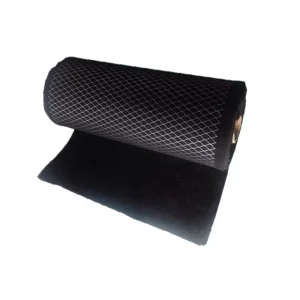
Discover our technical rolls, carbon media, bag-in-bag-out containment bags, and specialty products.
 Snow Peak