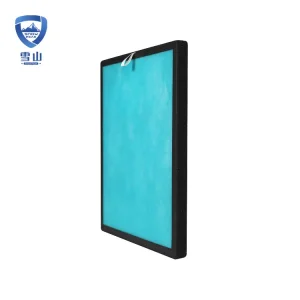
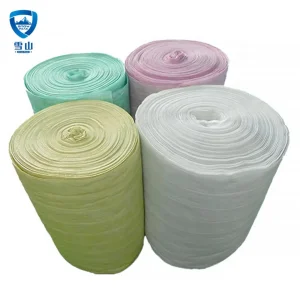
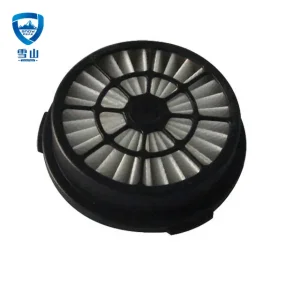
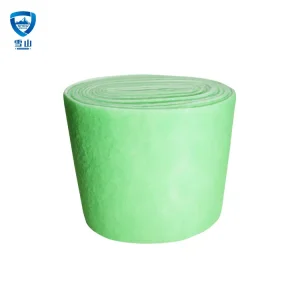
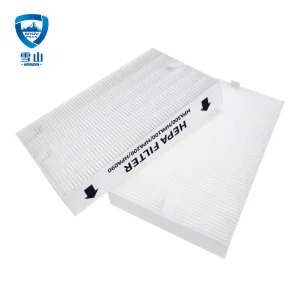
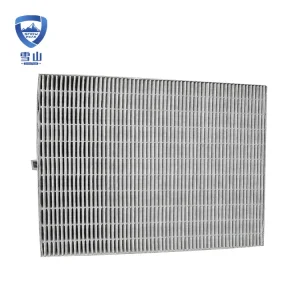
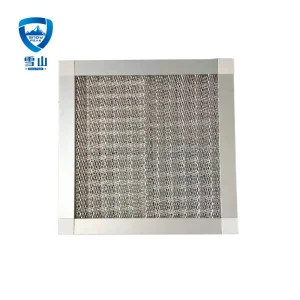
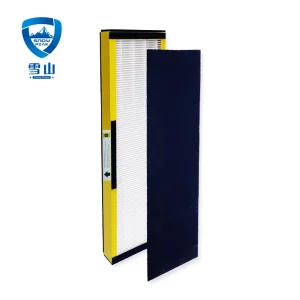
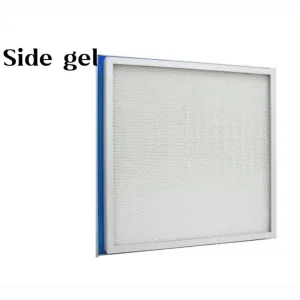
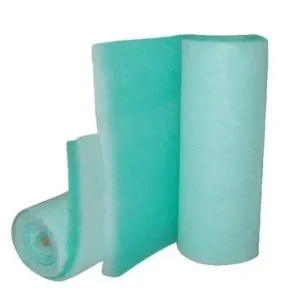
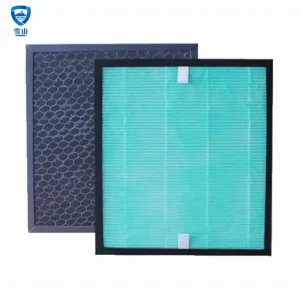
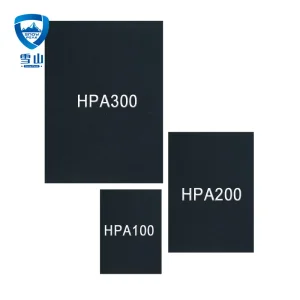
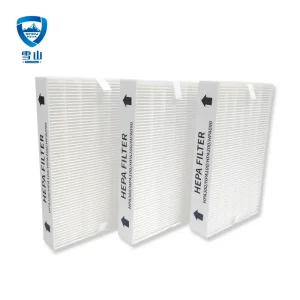
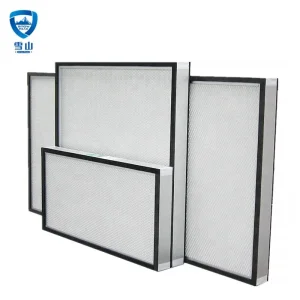
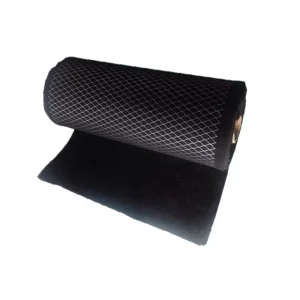
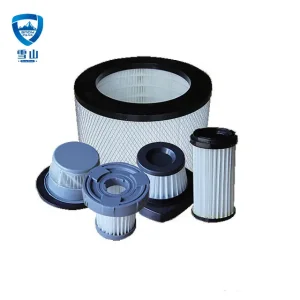
Explore our premium grade replacement filters, pocket media rolls, and high-efficiency HEPA solutions optimized for commercial, domestic, and industrial application frameworks.
An Integrated High-Tech Pioneer in Global Air Filtration and Purification Systems
Shenzhen Snow Peak Clean Technology Co., Ltd. is an integrated high-tech enterprise, specialized in air filtration products research and development, production, sales, import and export trade. We produce and supply: Pre-filter, pocket filter, HEPA filter, chemical filter; replacement HEPA filter, car cabin air filter, humidifier filter; pocket filter media, melt-blown composite filter media, and other high-performance filter materials; provide high quality air purification solutions and products for indoor air pollution control and air conditioning systems of civil and industrial buildings, microelectronics, pharmaceutical, laboratory, school, hospital clean room etc.
Combined with self-developed patented technology, our sterilizing antiviral HEPA filter can effectively filtrate fine particles, so that PM2.5 concentration down to 10 micrograms/m3, 5 times better than national standard; effectively inhibit the breeding of microorganisms, sterilization rate up to 99.9%, and no secondary pollution, removal of H1N1 virus efficiency as high as 99.99%.
H1N1 Virus Sterilization Rate
R&D and Engineering Excellence
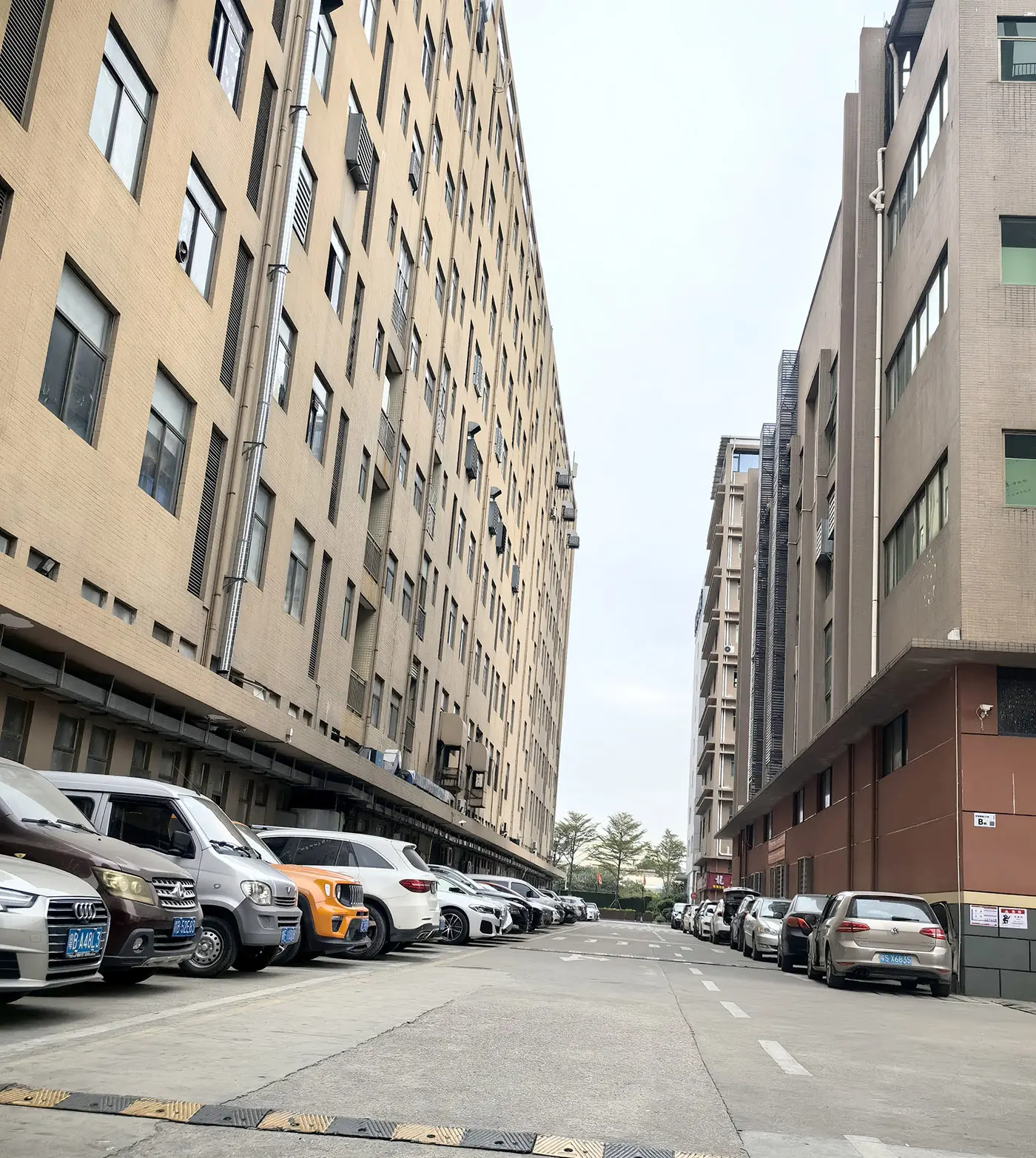
Our standardized production workshop, dust-free filter workshop and first-class technology of HEPA filters production line and inspection line leverage CNC manufacturing for precision assembly.
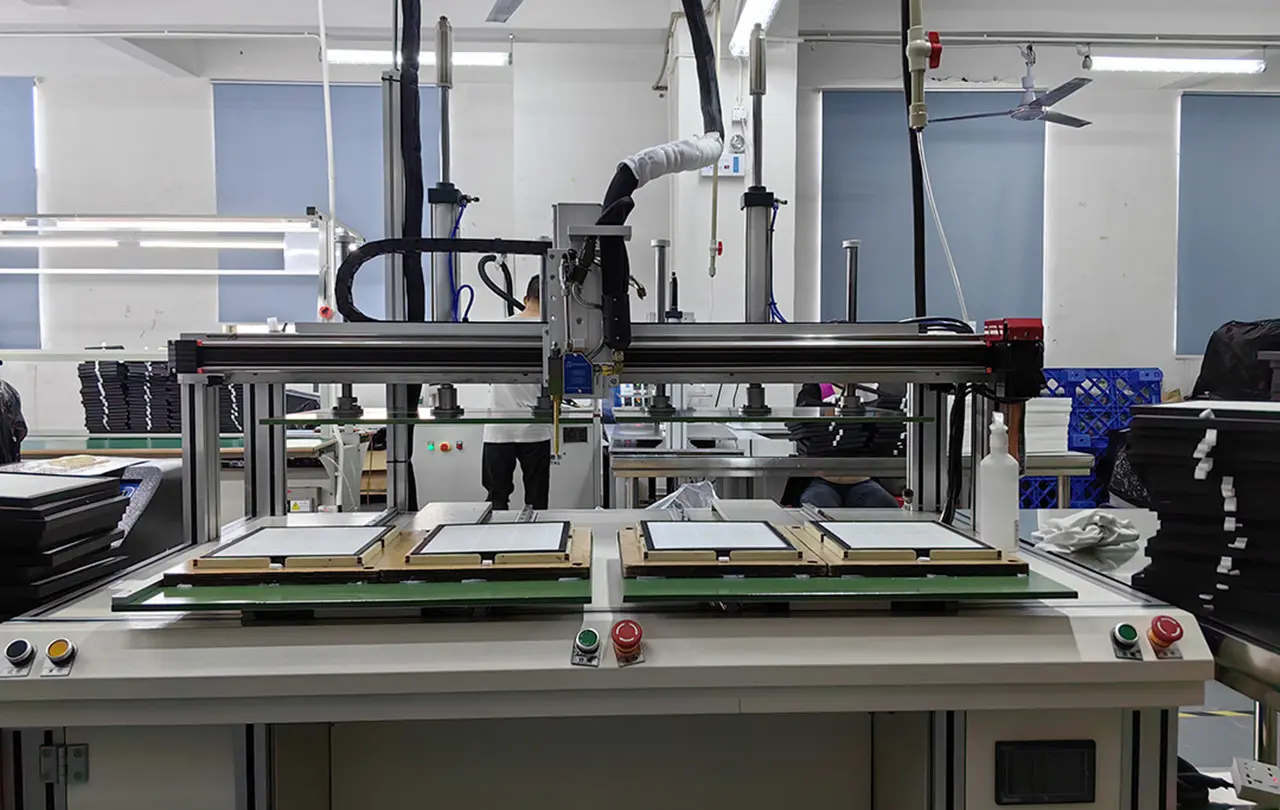
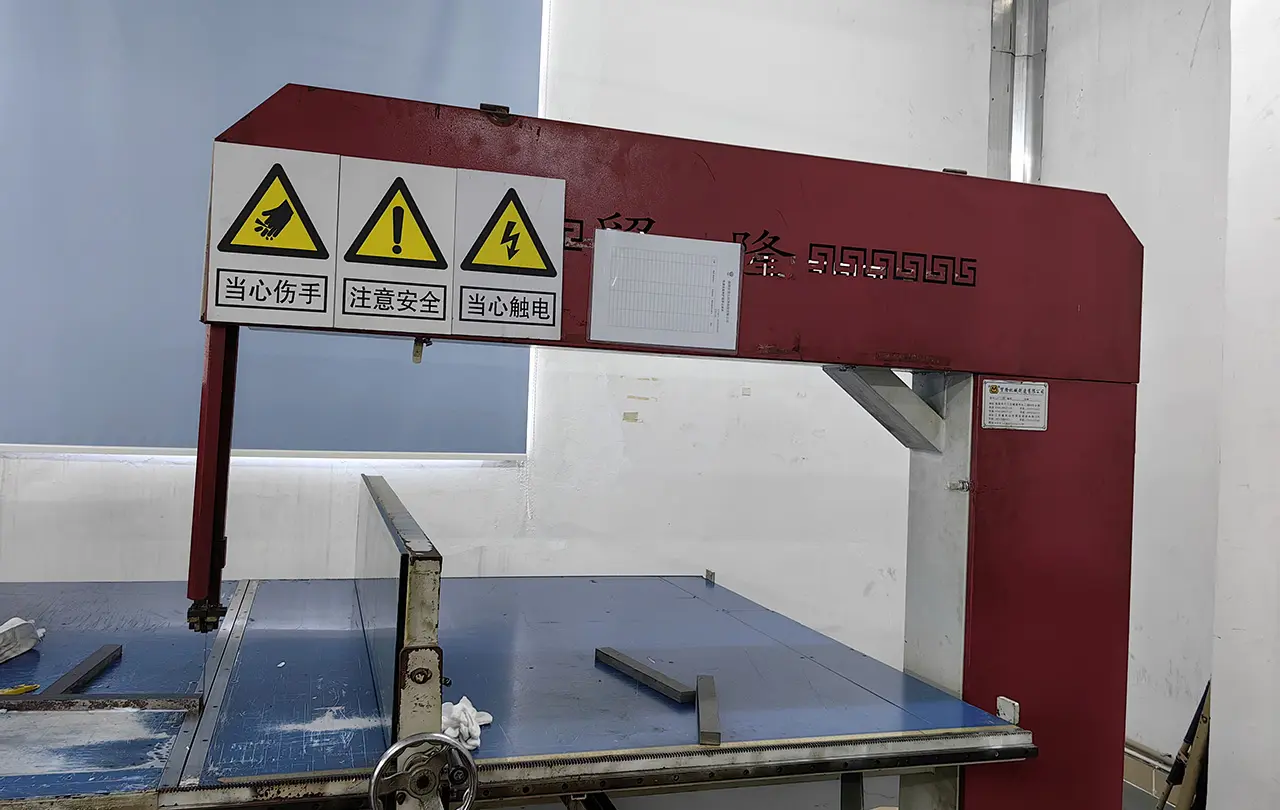
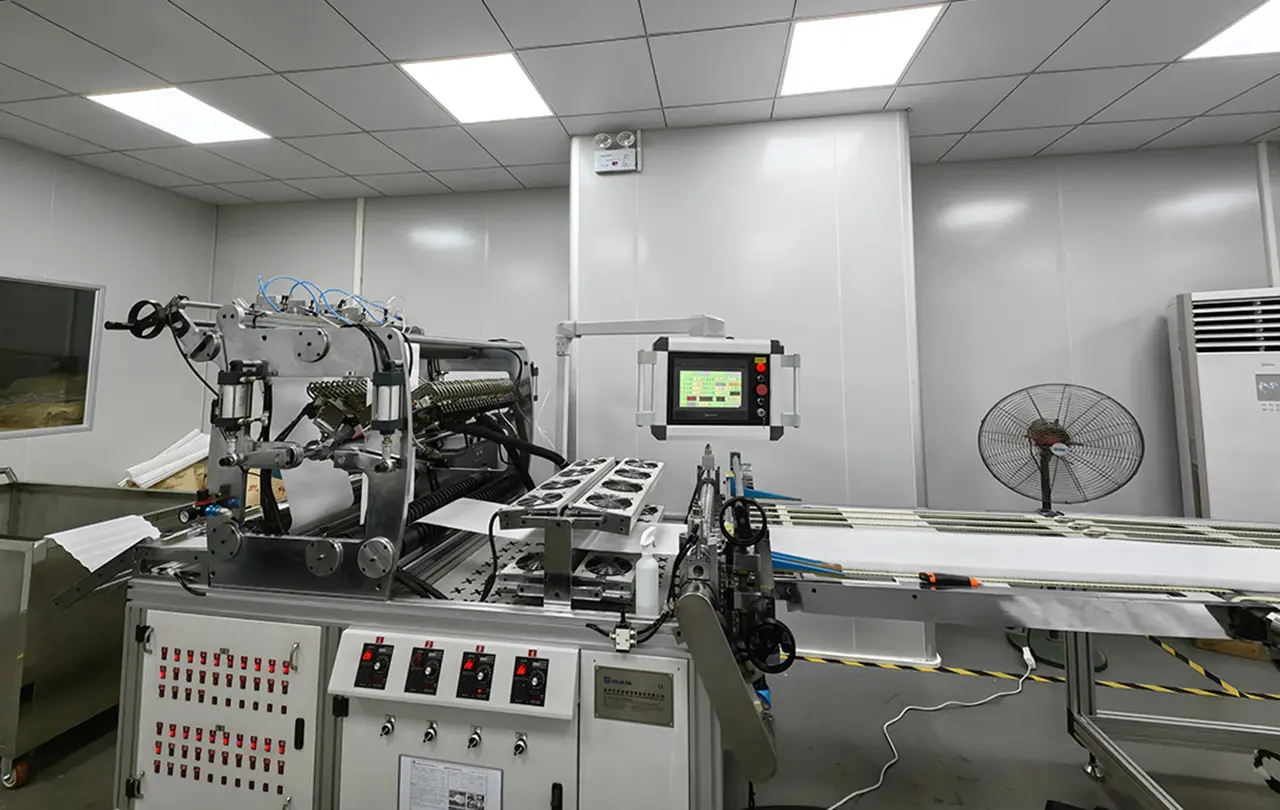
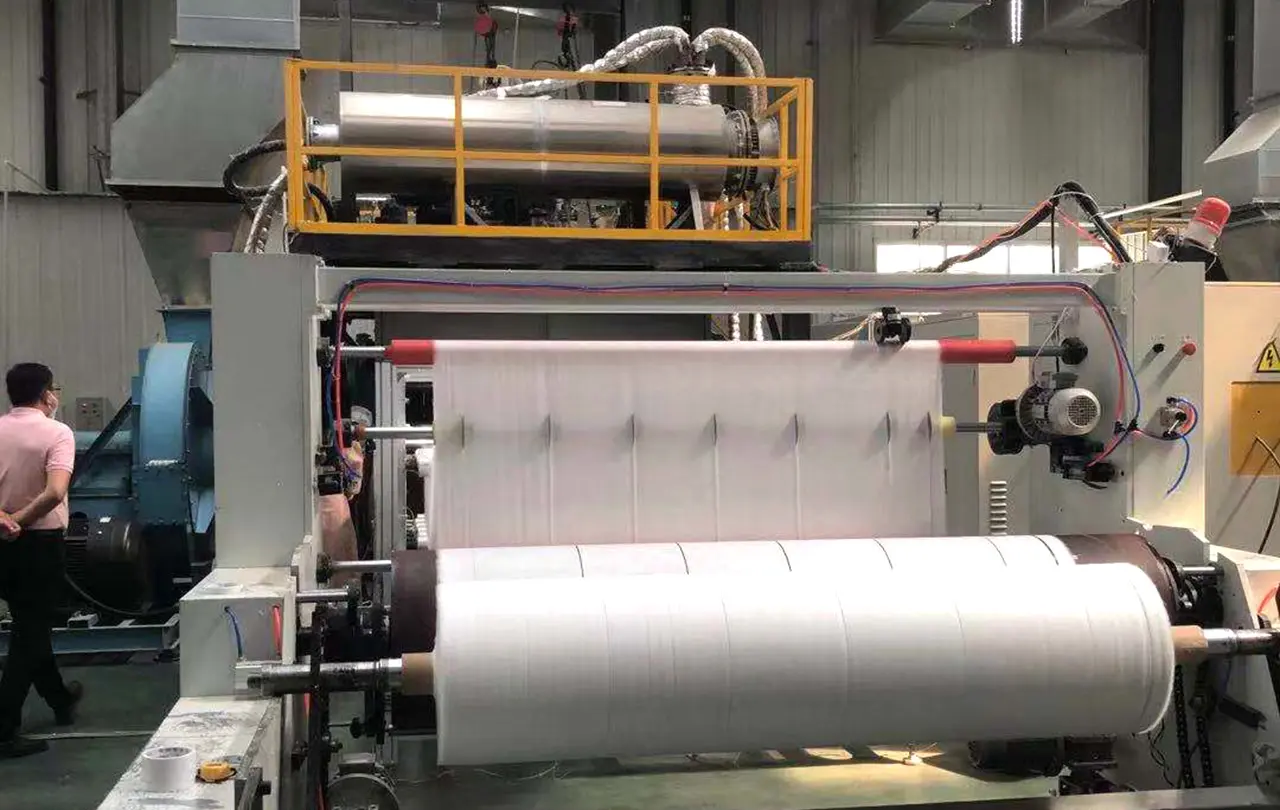


Having 15 years of international air purification technology experience as the background, our company has standardized production workshop, dust-free filter workshop and first-class technology of HEPA filters production line and inspection line, independent research and development of fully automatic air filter production line, equipped with AMADA CNC punch and CNC bending machine as well as many other advanced high-end equipment, provide a strong guarantee for production and quality of air filtration and purification products.
The global industrial and commercial demand for primary air filtration has undergone a structural shift. At the center of this transition is the Nylon Mesh Air Filter—a critical component in pre-filtration configurations across HVAC, automotive, heavy industry, and microelectronics sectors. Engineered with polyamides (nylon 6 or nylon 6,6), these filters offer an optimal balance of low initial pressure drop, high tensile strength, and exceptional washable longevity. Unlike disposable fiberglass or paper-based media, nylon mesh structures provide high structural stability, allowing them to withstand repeated cleaning cycles without losing shape, structural integrity, or dimensional consistency.
Exporters are witnessing surging demand across North America, the European Union, and the Asia-Pacific region. This is driven by strict environmental regulations and corporate mandates targeting energy efficiency. By capturing large particulates, ranging from 10 to 50 microns (such as dust, pollen, lint, and hair), before they reach expensive secondary and tertiary HEPA filters, high-quality nylon mesh pre-filters prevent early fouling. This pre-filtration process optimizes overall HVAC system energy consumption, reduces maintenance costs, and keeps industrial operations running smoothly.
Ensures uniform pore distribution and minimal airflow resistance, optimizing fan energy consumption.
Nylon synthetic fibers show excellent chemical compatibility, ideal for harsh industrial environments.
Drastically reduces operational waste, supporting global green building (LEED) and circular economy metrics.
Modern air filtration technology focuses on aerodynamic optimization and material longevity. Standard nylon filters are evolving to incorporate composite designs, antimicrobial treatments, and flame-retardant additives that meet international UL 900 safety standards. Manufacturers are moving away from traditional wire-secured screens toward heat-sealed, injection-molded, or aluminum-framed designs that eliminate air bypass and improve stability under high air velocity.
At Shenzhen Snow Peak Clean Technology Co., Ltd., our R&D efforts focus on integrating antimicrobial technologies directly into polymer matrix configurations. This prevents microbial breeding on the filter media, reducing odors and keeping ventilation systems clean. Modern facilities also utilize electrostatic charging technologies for synthetic meshes. This increases particulate capture efficiency without restricting airflow, bridging the gap between G2-G4 pre-filtration and M5-M6 medium-efficiency filtration.
Understanding localized environment variables is essential to selecting the right filter. High-performance nylon mesh air filters are designed to handle demanding environmental conditions that quickly degrade standard filters.
Nylon's resistance to moisture and salt spray makes it ideal for offshore wind turbines, marine vessels, and seaside HVAC units, protecting systems from corrosion.
In cement, woodworking, and textile plants, nylon pre-filters handle heavy dust loads. They are easily cleaned using water or compressed air, minimizing system downtime.
Our G2-G4 primary filter media capture large paint overspray particles, protecting the downstream fine filtration layers and maintaining consistent airflow.
Filtration is most effective when integrated into a complete system. In cleanrooms, hospitals, and semiconductor manufacturing, relying on a single HEPA filter leads to high costs and frequent replacements. Our macro solutions position nylon mesh filters as the primary defense line. A well-designed three-stage system uses a nylon mesh pre-filter (Stage 1) to capture particles down to 10 microns, a pocket or medium-efficiency bag filter (Stage 2) to capture particles down to 1 micron, and a terminal HEPA/ULPA filter (Stage 3) for cleanroom-level air purity.
This multi-stage approach extends the lifespan of expensive HEPA filters from months to years. In addition, using low-resistance nylon pre-filters lowers the static pressure on HVAC blowers. This reduces motor wear, extends system life, and cuts facility electricity costs.
As smart building systems and the Industrial Internet of Things (IIoT) grow, the next generation of nylon filters will feature embedded smart tracking. We are developing mesh designs with integrated passive RFID tags and thin differential pressure sensors. These features communicate directly with Building Management Systems (BMS), alerting maintenance teams exactly when a filter needs washing based on pressure drop, rather than relying on arbitrary schedules.
We are also researching nanocoatings that combine titanium dioxide (TiO2) with nylon fibers. When exposed to internal UV light systems, these coatings break down volatile organic compounds (VOCs) and neutralize viruses on contact, turning the pre-filter into an active purification stage.
Expert insights on the selection, cleaning, performance standards, and commercial export of Nylon Mesh Pre-Filters.
Nylon mesh filters are lightweight, resistant to moisture and chemicals, and highly flexible. Unlike fiberglass, they do not shed fibers into the air stream. Compared to metal mesh, they resist corrosion in salt-air environments and cost less, while offering excellent washability and long-term durability.
Simply rinse the filter with clean water or use a mild detergent for greasy buildup. You can also blow dust off using low-pressure compressed air in the opposite direction of the design airflow. Make sure the filter is completely dry before reinstalling it to prevent mold growth.
Nylon mesh pre-filters typically fall under the G2 to G4 efficiency ratings according to EN 779 / ISO 16890 standards, or MERV 4 to MERV 8 according to ASHRAE 52.2. They are designed to capture large particulates (PM10 and larger) with very low resistance.
Yes. We offer custom sizes, frame materials (aluminum, stainless steel, plastic), and mesh counts. Our automated CNC punching and bending machinery allows us to produce custom designs that meet specific HVAC and equipment cooling requirements.
Our patented technology integrates active antiviral and antibacterial agents into the filter fiber matrix. This material actively disrupts the lipid envelopes of viruses (like H1N1) and the cell walls of bacteria, preventing secondary pollution in the filter media.
Our complete line of HVAC and specialty cleanroom filters are manufactured in ISO-certified, dust-free facilities to ensure reliable performance.
 Snow Peak