High-efficiency molecular and particulate filters customized for global industrial and commercial requirements.
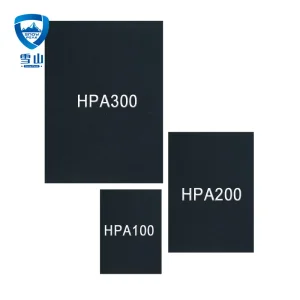
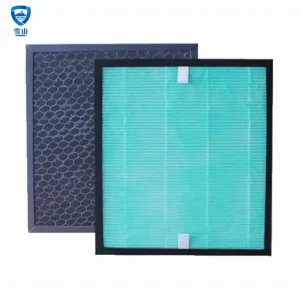
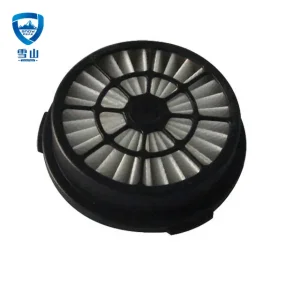
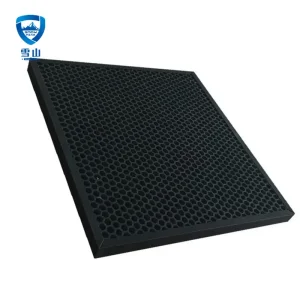
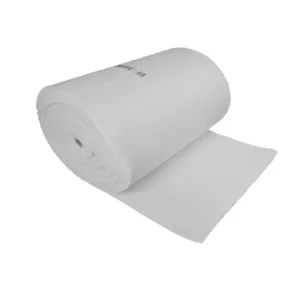
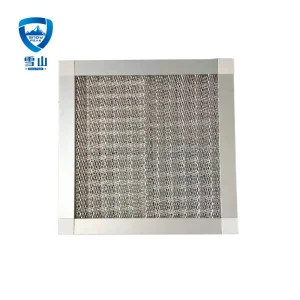
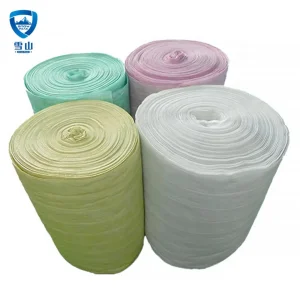
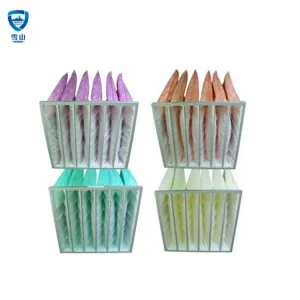
In modern industrial and commercial environments, particulate filtration is no longer the sole determinant of indoor environmental safety. The presence of Volatile Organic Compounds (VOCs), toxic molecular pollutants, gaseous chemical emissions, and sub-micron viral hazards demands an advanced, multidimensional filtration protocol. A high-quality pure air carbon filter operates at the intersection of molecular physical-chemical adsorption and high-efficiency particulate air (HEPA) capture.
As standard-setting bodies like ASHRAE (62.1) and the European Committee for Standardization (EN 16798) enforce stricter ventilation metrics, organizations globally are moving away from traditional single-stage filters. Shenzhen Snow Peak Clean Technology Co., Ltd. has established itself at the forefront of this evolution, leveraging 15 years of technical expertise to build filtration substrates that capture volatile compounds while keeping system energy costs low through optimized air-flow dynamics.
By engineering specialized activated carbon media utilizing highly porous coal-based, wood-based, and coconut shell matrices, our filters boast a massive internal surface area—often exceeding 1,200 square meters per gram of material. This maximizes the retention capacity for organic compounds, acid gases, and odors, protecting both human health and delicate industrial processes.
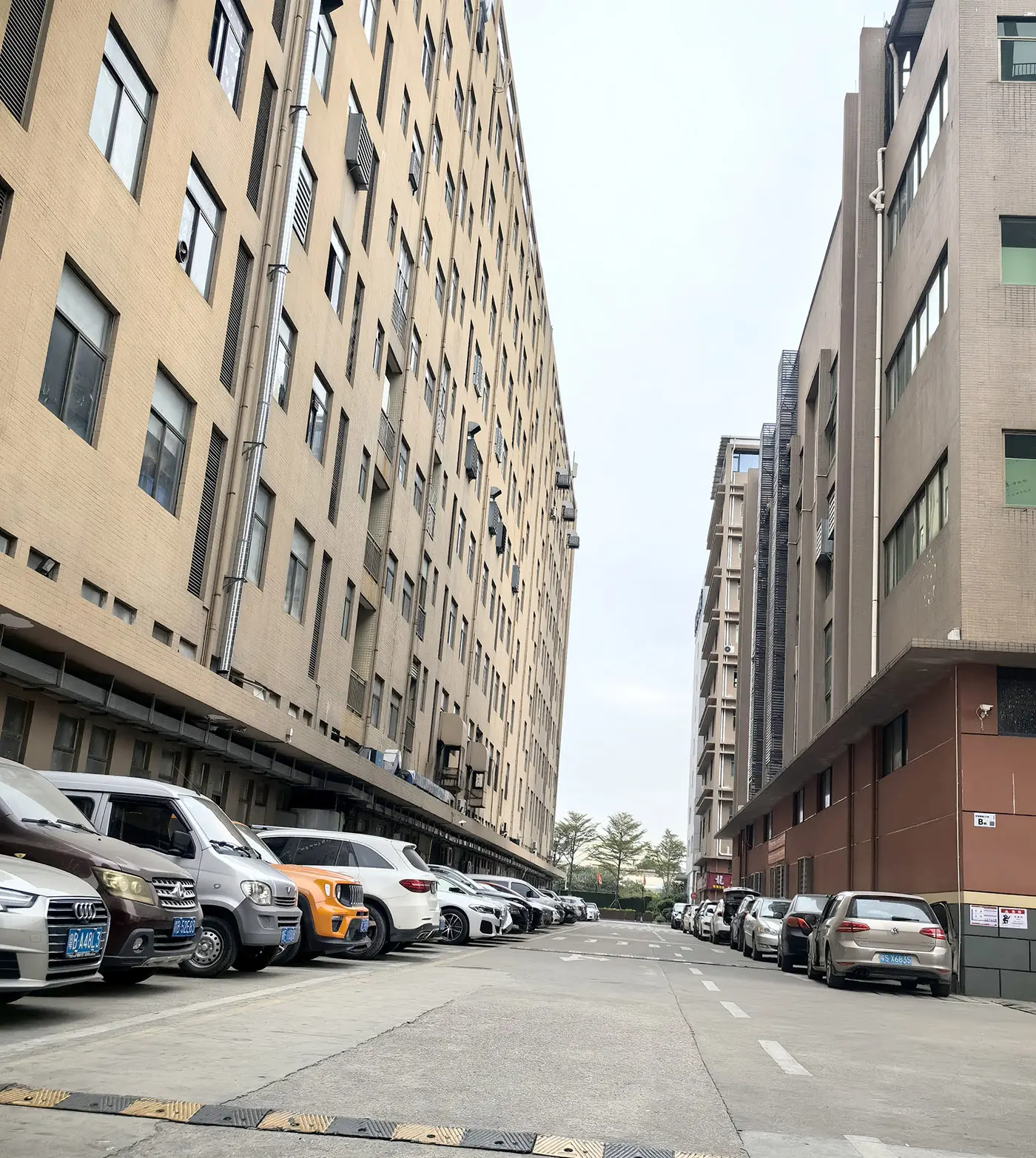
Shenzhen Snow Peak Clean Technology Co., Ltd. integrates advanced R&D, ISO-compliant testing lines, and patented chemical-physical media processing.
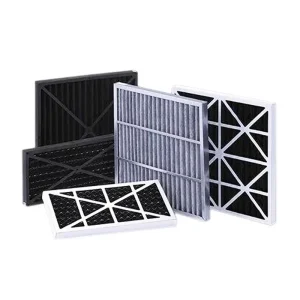
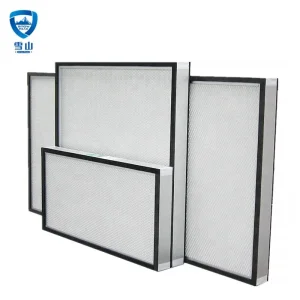
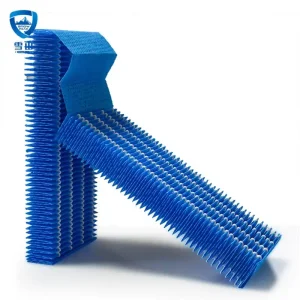
Shenzhen Snow Peak Clean Technology Co., Ltd. is an integrated high-tech enterprise, specialized in air filtration products research and development, production, sales, import and export trade. We produce and supply: Pre-filter, pocket filter, HEPA filter, chemical filter; replacement HEPA filter, car cabin air filter, humidifier filter; pocket filter media, melt-blown composite filter media, and other high-performance filter materials; provide high quality air purification solutions and products for indoor air pollution control and air conditioning systems of civil and industrial buildings, microelectronics, pharmaceutical, laboratory, school, hospital clean room etc. Combined with self-developed patented technology, our sterilizing antiviral HEPA filter can effectively filtrate fine particles, so that PM2.5 concentration down to 10 micrograms/m3, 5 times better than national standard; effectively inhibit the breeding of microorganisms, sterilization rate up to 99.9%, and no secondary pollution, removal of H1N1 virus efficiency as high as 99.99%.
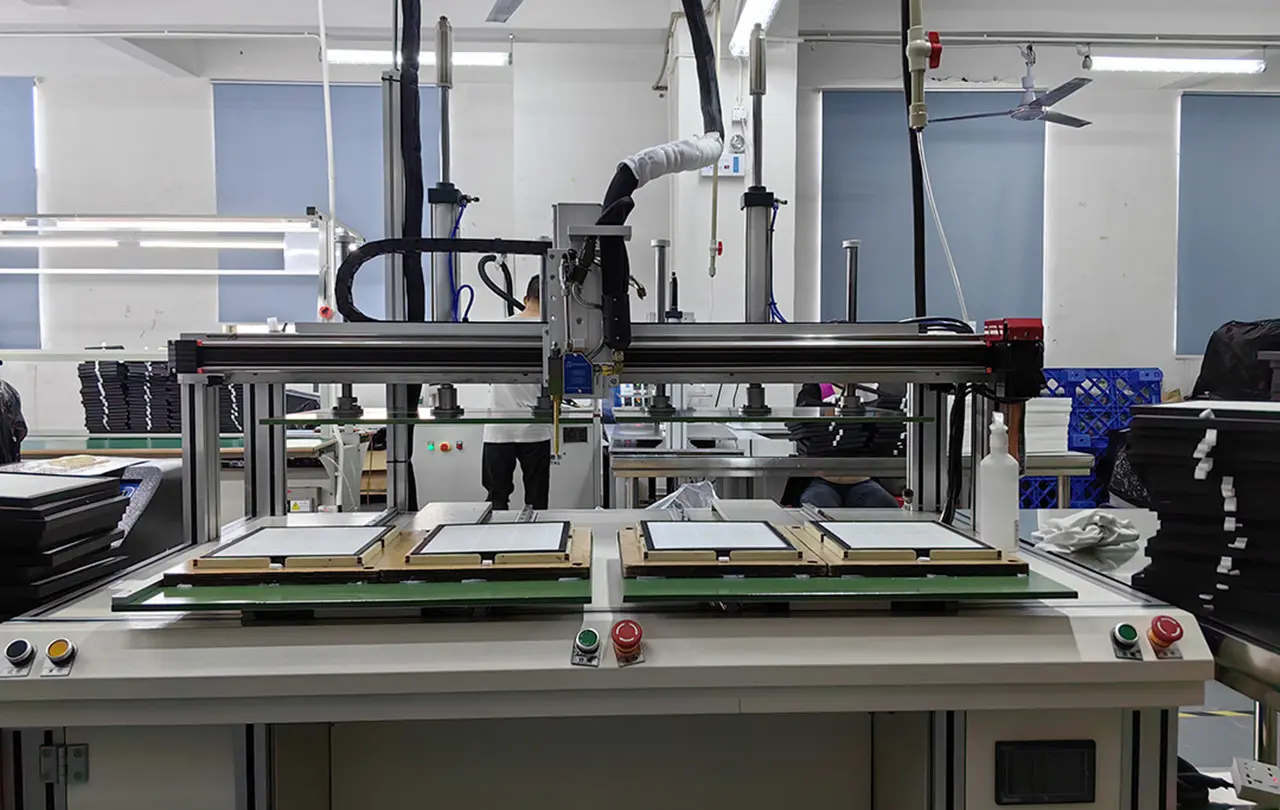
Automated precision hot-melt systems ensuring uniform adhesion across pleated filter components.
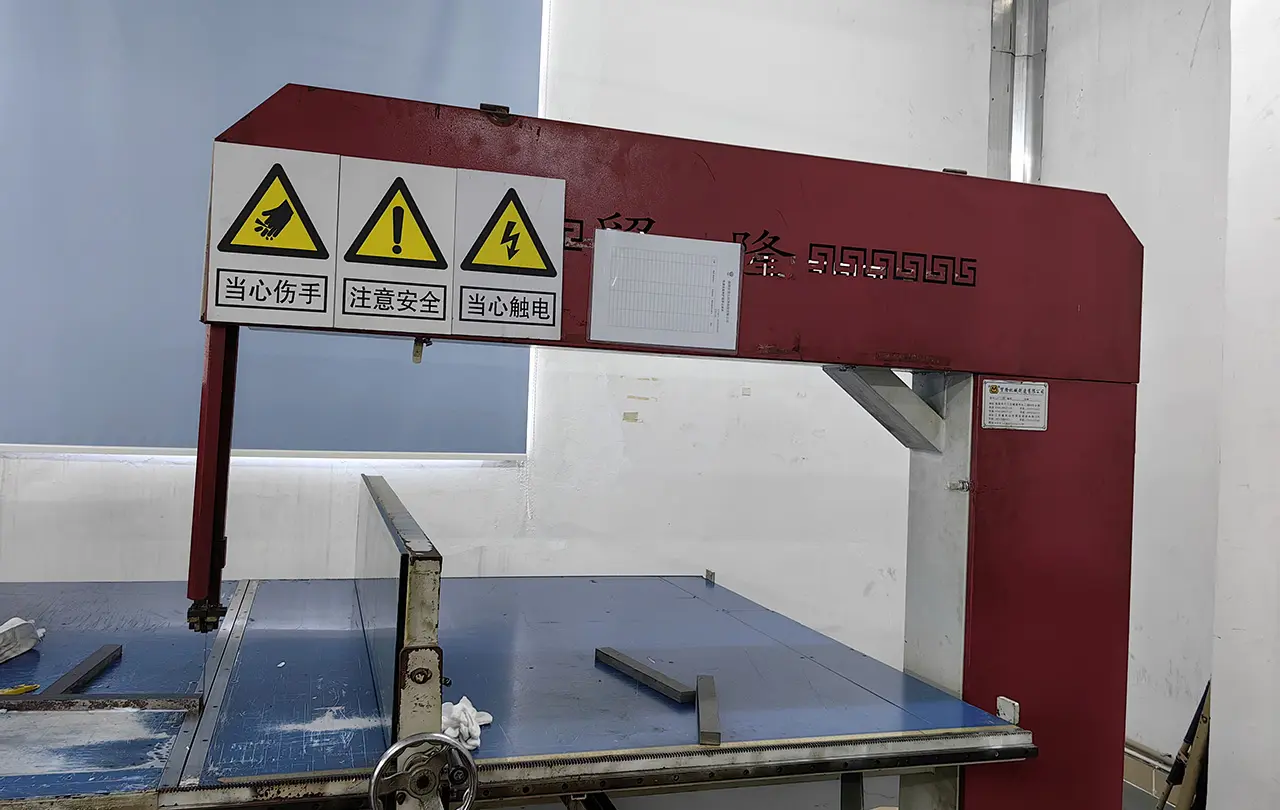
Laser-guided dimensional profiling of filtration framing substrates to ensure zero-bypass housing fits.
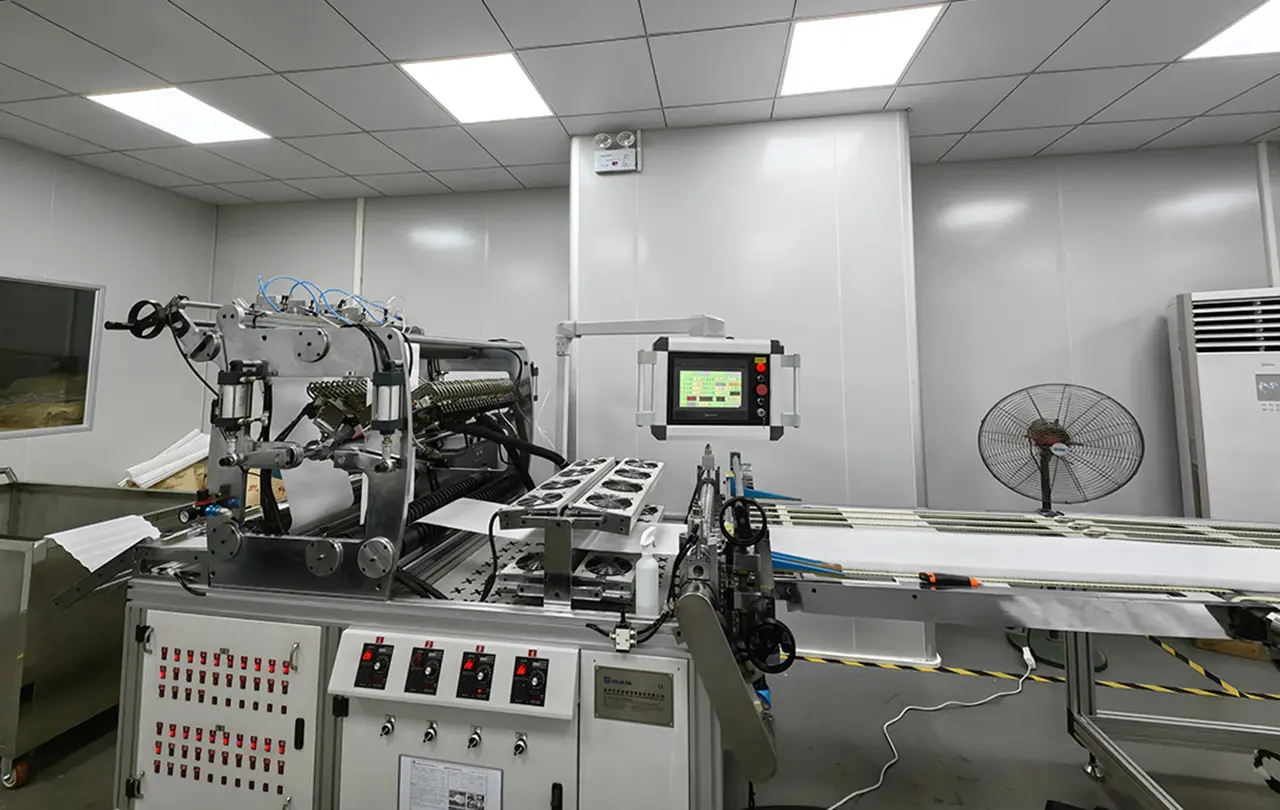
Executing leak-free perimeter polyurethane gaskets that eliminate bypass in cleanroom applications.
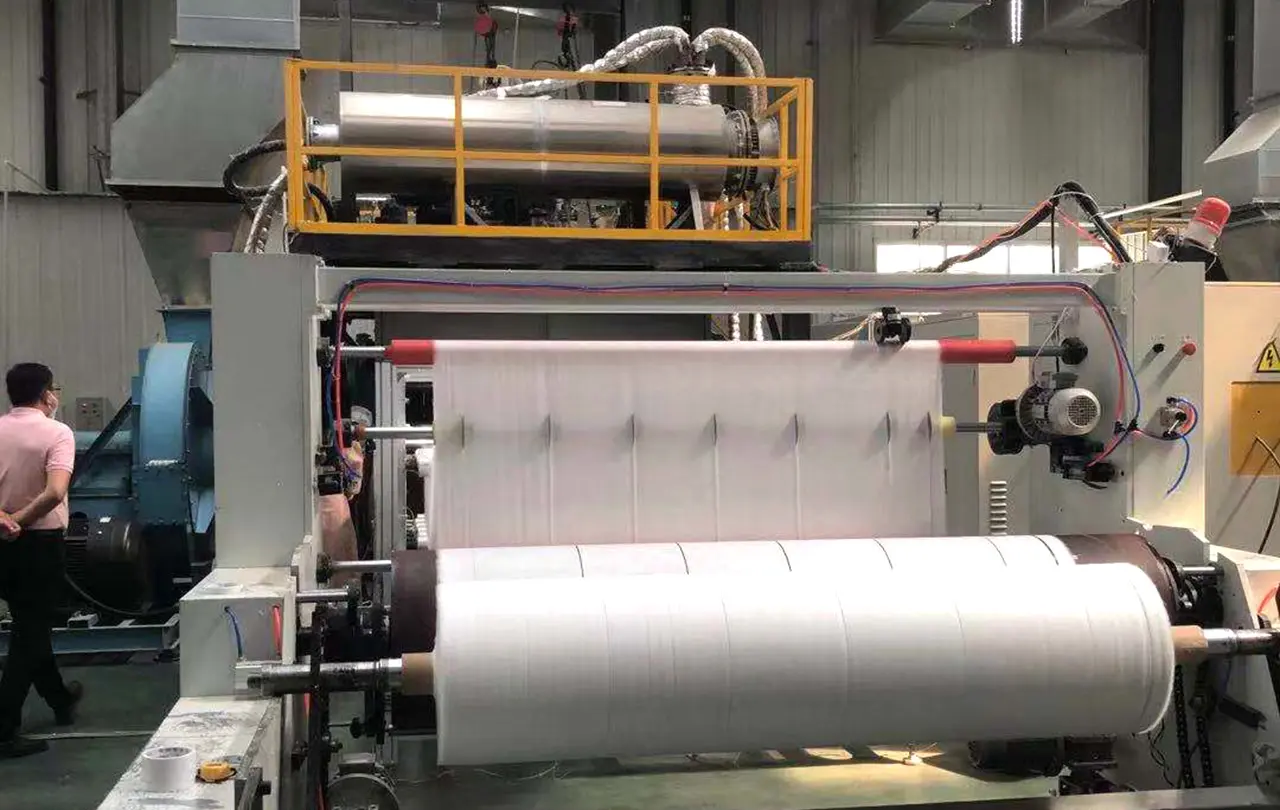
Co-polymer laminating of high-efficiency electrostatically charged media with granular molecular carbon.
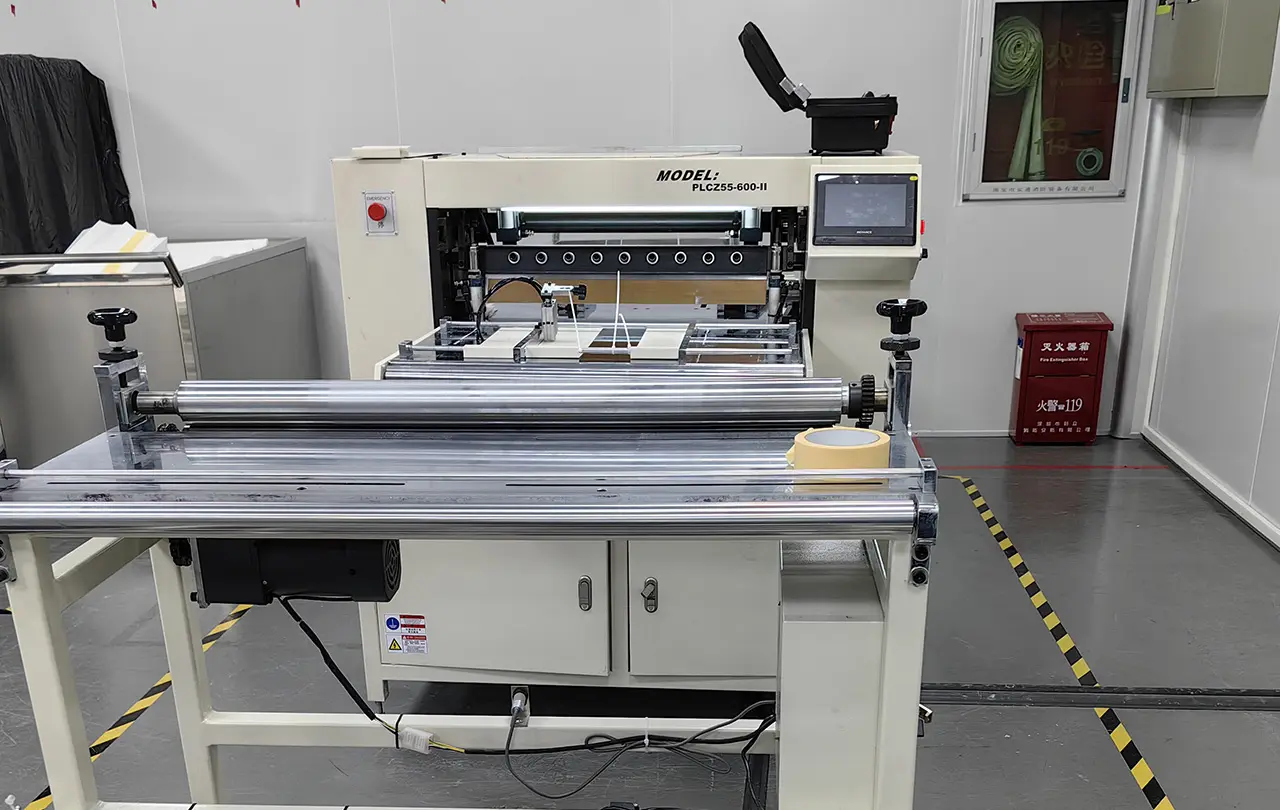
Thermo-stabilized pleating lines providing uniform geometric spacing of H13 and H14 filtration packs.
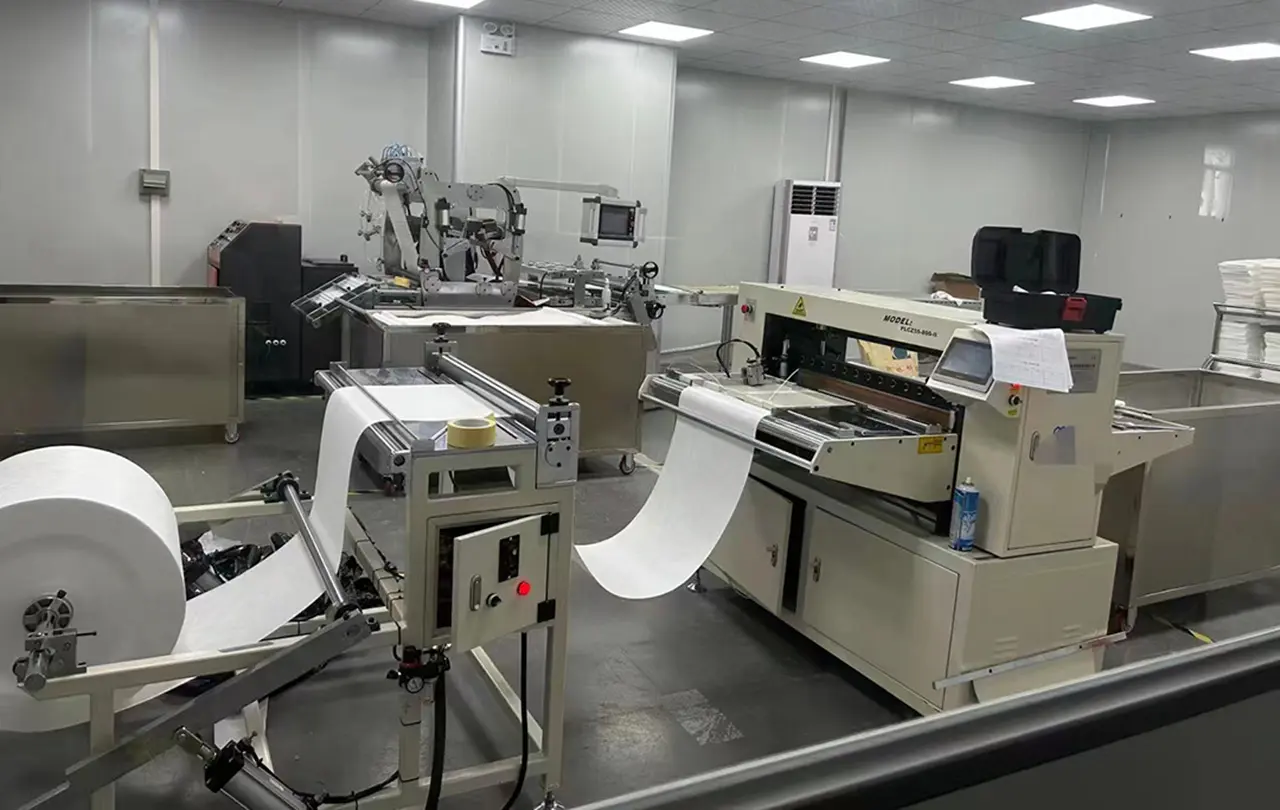
Heavy-duty industrial carbon assembly line catering to large volume air handling systems.
The global molecular filtration market is experiencing rapid expansion, driven by accelerating urbanization, industrial emission controls, and enhanced cleanroom criteria in high-tech fabrication. The integration of Activated Carbon Filters into standard Air Handling Units (AHUs) has transition from a premium customization to a mandatory compliance measure in many regions. In North America, strict EPA guidelines on particulate and VOC emissions govern municipal and private paint lines, petrochemical refining, and waste treatment plants. In the European Union, the EN ISO 16890 test standard classifies filters based on fractional efficiency for PM1, PM2.5, and PM10, prompting companies to look for hybrid solutions that merge high-adsorption carbon elements with particulate arresters.
Simultaneously, the rapid development of the Asian manufacturing sector has created complex air filtration needs. Heavy industrial complexes require gas-phase carbon beds designed to eliminate corrosive acid gases such as hydrogen sulfide (H2S), sulfur dioxide (SO2), and nitrogen oxides (NOx) which can destroy delicate electronics and electronic circuit boards. Consequently, companies like Shenzhen Snow Peak Clean Technology Co., Ltd. are optimizing the chemical impregnation of activated carbon. By introducing base catalysts (such as KOH or NaOH) or acid catalysts (such as phosphoric acid), we design filters targeting selective adsorption profiles, protecting expensive machinery and workers in harsh environments.
To design an optimized carbon filter, understanding the dual mechanics of gas-phase purification is critical:
At Snow Peak, our R&D laboratory balances these pathways using multi-stage composite media. By combining pre-filtration stages to trap dust and heavy aerosols, we protect the downstream carbon bed from premature blinding (surface clogging). This ensures that the carbon media remains highly active over its designed lifespan, maximizing the contact time (residence time) between the air and the carbon bed.
Optimized configurations engineered for critical environments demanding zero molecular and particulate bypass.
Controlling Airborne Molecular Contamination (AMC) is critical in semiconductor lithography. Our acid-resistant, boron-free chemical carbon filters protect wafers from nano-scale defects and deposition.
Integrating antiviral H13/H14 HEPA media with carbon layers eliminates volatile solvents while trapping 99.99% of viral and bacterial pathogens in laboratory exhaust lines.
Large-scale office complexes, airports, and public transport hubs utilize our low-resistance honeycomb carbon filters to remove ozone (O3), kerosene fumes, and diesel emissions.
Adapting filtration systems to localized climates is a key technical focus for our engineering teams. In high-humidity tropical zones (such as Southeast Asia and equatorial regions), carbon media is highly prone to water vapor saturation. High relative humidity (RH > 70%) filling micropores with water molecules degrades gaseous adsorption capabilities. To mitigate this, we deploy specialized hydrophobic, carbon-impregnated non-woven matrices combined with upstream high-efficiency moisture separators.
Conversely, in colder dry regions, static electricity within synthetic pre-filters can degrade PM2.5 capture efficiencies prematurely. Our solution relies on combining structural, non-woven glass fiber materials with high-density activated carbon pleats, which operate efficiently across a wide temperature range (-30°C to +75°C) without losing mechanical structure or cracking.
The future of molecular air filtration lies in carbon-matrix hybrid materials and intelligent sensory feedback systems. Snow Peak Clean Technology is actively researching several advanced initiatives:
Answers to critical engineering and operational questions regarding molecular carbon filters.
Breakthrough time refers to the moment when target gas molecules bypass the carbon bed completely due to saturation. It is determined by the bed depth, air velocity, concentration of the contaminant, and the specific adsorption capacity of the carbon. A thicker bed with slower face velocity (longer residence time, ideally >0.1 seconds) will prolong the breakthrough time.
High relative humidity (typically above 60-70%) allows water molecules to occupy micropores, competing with and displacing target gas phase pollutants. This significantly reduces the adsorption capacity for volatile organic compounds (VOCs). If processes run at high RH, we advise installing dehumidifiers upstream or using specially treated hydrophobic, impregnated carbon media.
Our standard antiviral filters are designed for temperatures up to 80°C. For industrial settings requiring higher heat resistance, we configure frames with specialized silicone or ceramic seals and metal structural grids, allowing long-term operations in baking ovens or localized exhaust stacks without degradation of the anti-microbial agent.
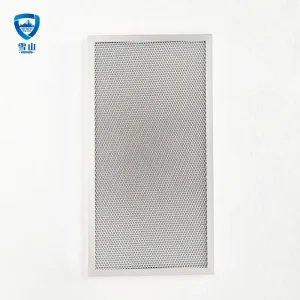
Honeycomb carbon filters utilize structured channels which provide high structural integrity and a low pressure drop. The air flows directly through parallel channels rather than winding through a dense bed of loose particles. This structure reduces air resistance (lower fan load and power consumption) while exposing a large surface area for contact, making it optimal for office buildings and pre-filtration HVAC loops.
Specialized and customized solutions for high-performance industrial applications, cleanrooms, and HVAC installations.
 Snow Peak