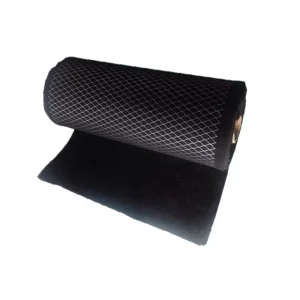
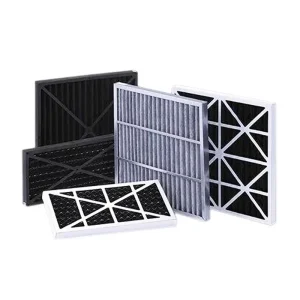
Explore our specialized range of high-efficiency particulate and gas-phase adsorption products engineered for diverse industrial configurations and critical cleanroom environments.
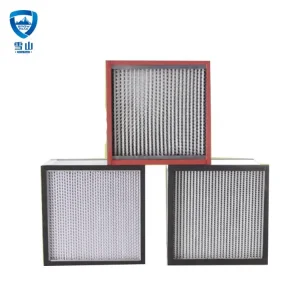
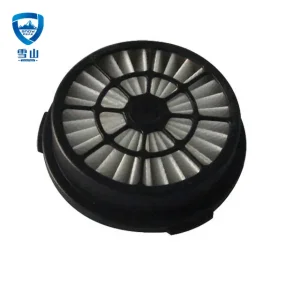
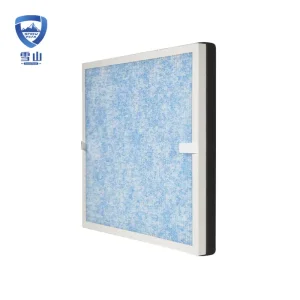
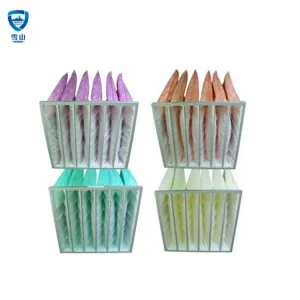
Modern commercial structures, manufacturing plants, and municipal infrastructures face unprecedented challenges from gaseous contaminants, Volatile Organic Compounds (VOCs), and particulate pollutants. While traditional particulate filters successfully capture PM2.5 and PM10, they remain completely transparent to molecular-level threats, harmful chemical vapors, and persistent odors. This is where Activated Charcoal Air Vent Filters represent the frontline of environmental engineering.
According to the global guidelines established by the American Society of Heating, Refrigerating and Air-Conditioning Engineers (ASHRAE Standard 62.1) and ISO 10121, maintaining indoor air quality is no longer just about particle counting. It requires the active reduction of gaseous molecular pollutants. In electronic assembly cleanrooms, pharmaceutical hubs, and airport terminals, the integration of high-grade activated carbon is critical to preventing the cross-contamination of products and protecting human health.
As global urbanization accelerates, B2B procurement pipelines demand robust ODM services that can customize air filters down to molecular specificity. This encompasses optimizing carbon pore size distribution (microporous, mesoporous, and macroporous) to target specific gas molecules such as hydrogen sulfide, formaldehyde, ammonia, and sulfur dioxide. Partnering with a specialized factory that offers sophisticated engineering, high capacity, and comprehensive lab validation ensures compliance with rigorous international standards while maximizing operational life cycle.
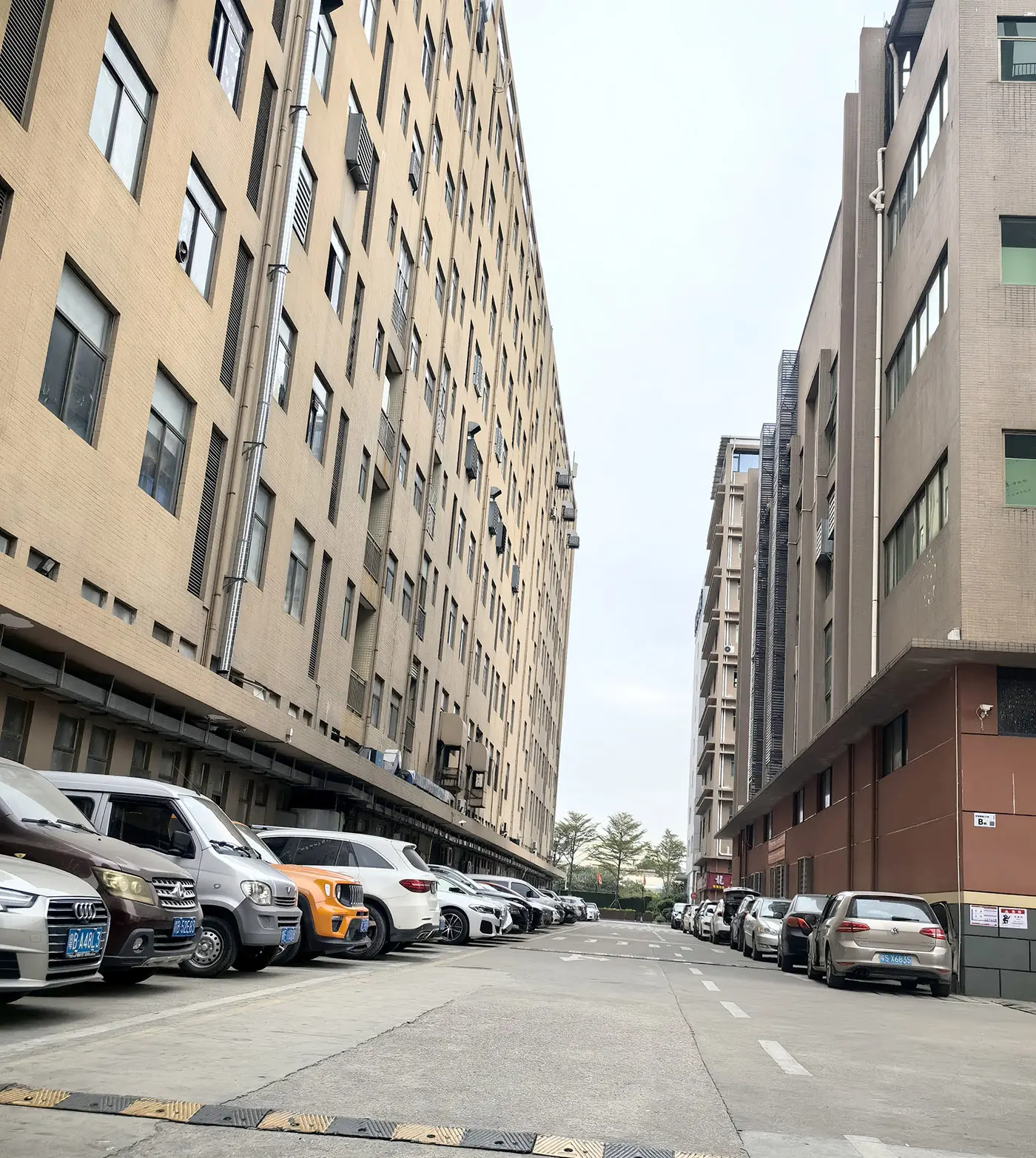
Shenzhen Snow Peak Clean Technology Co., Ltd. is a premier integrated high-tech enterprise, specializing in air filtration products research, development, production, sales, import, and export trade.
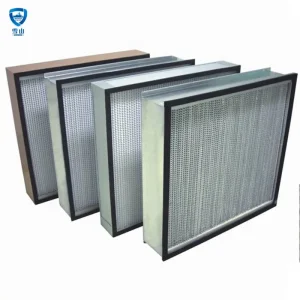
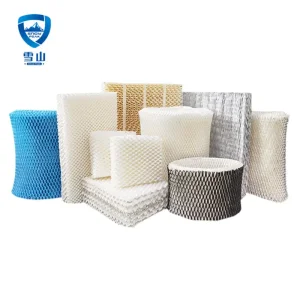
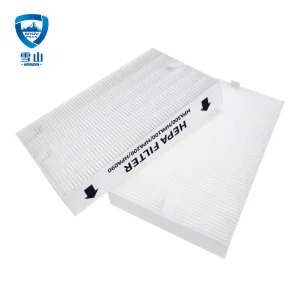
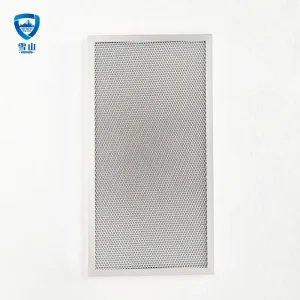
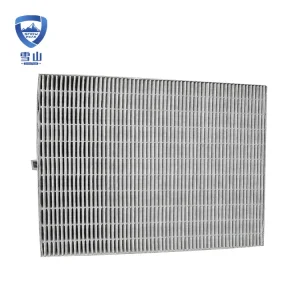
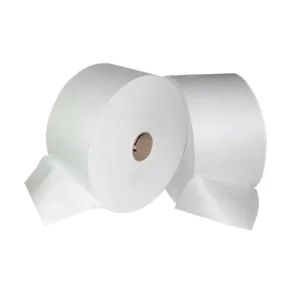
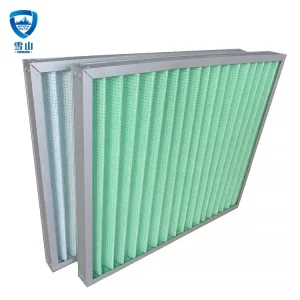
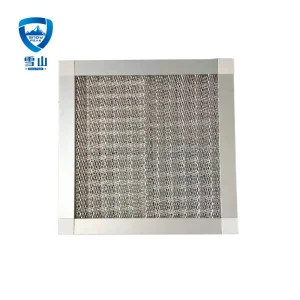
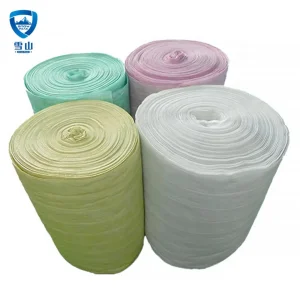
We produce and supply a highly diversified clean-tech portfolio, including: Pre-filters, pocket filters, HEPA filters, chemical filters; replacement HEPA filters, car cabin air filters, and humidifier filters. In terms of media production, we produce pocket filter media, melt-blown composite filter media, and other high-performance filter materials. We provide high-quality air purification solutions and products for indoor air pollution control and air conditioning systems of civil and industrial buildings, microelectronics, pharmaceutical, laboratory, school, and hospital clean rooms.
Combined with our self-developed patented technology, our sterilizing antiviral HEPA filter can effectively filtrate fine particles, so that PM2.5 concentration is reduced down to 10 micrograms/m³, which is 5 times better than the national standard. It effectively inhibits the breeding of microorganisms, yielding a sterilization rate up to 99.9% with zero secondary pollution. Furthermore, its removal efficiency of H1N1 virus is validated as high as 99.99%.
Every geographical landscape faces distinct atmospheric challenges. A one-size-fits-all filtration setup fails to balance air resistance, adsorption efficiency, and economic life cycle. We customize carbon media to address these localized variables:
In massive metropolitan areas, vehicle emissions generate substantial concentrations of nitrogen dioxide (NO2), sulfur dioxide (SO2), and volatile hydrocarbons. Custom OEM activated carbon vent filters in office towers target these exhaust-derived gases, mitigating the Sick Building Syndrome (SBS) while maintaining optimal HVAC static pressures.
Facilities located near petrochemical plants or wastewater treatment plants encounter high levels of sour gas and ammonia. We implement carbon impregnated with specialized catalyst formulations (such as copper, manganese, or potassium permanganate) to promote chemisorption, chemically neutralizing toxic agents.
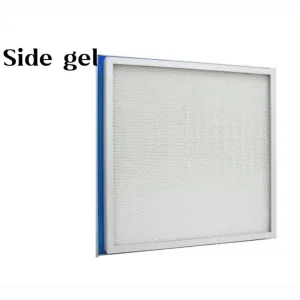
Advanced microelectronics fabrication demands the complete absence of Airborne Molecular Contaminants (AMCs). Trace organic outgassing can ruin silicon wafers. Our low-outgassing sandwich activated carbon media and gel-sealed HEPA configurations isolate clean zones down to parts-per-billion (ppb) concentrations.
Having 15 years of international air purification technology experience as our operational background, our company has standardized production workshops, dust-free filter workshops, and first-class technology HEPA filters production and inspection lines.
We utilize independent research and development of fully automatic air filter production lines. To ensure maximum frame integrity and component precision, we are equipped with AMADA CNC punch presses and CNC bending machines, alongside many other advanced high-end manufacturing systems. This machinery forms a solid foundation for the consistent quality of our particulate and gas-phase purification products.
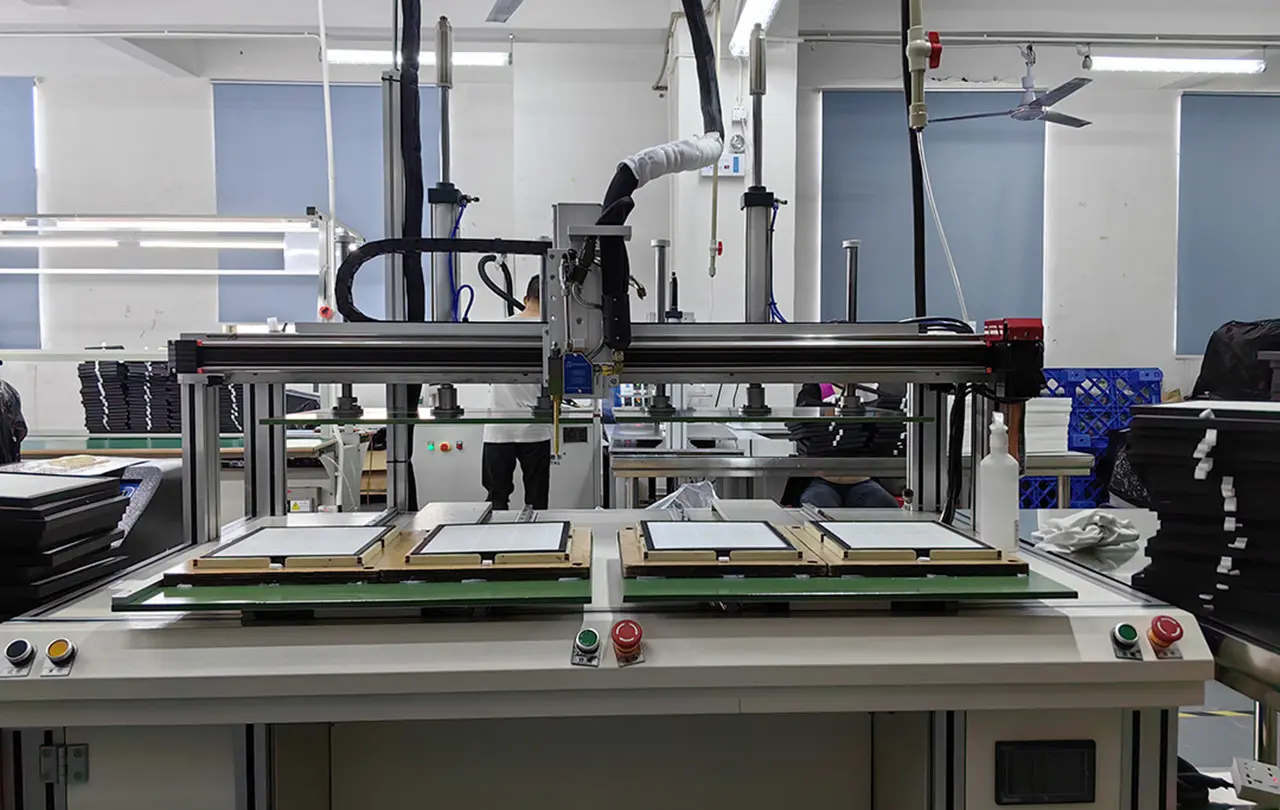
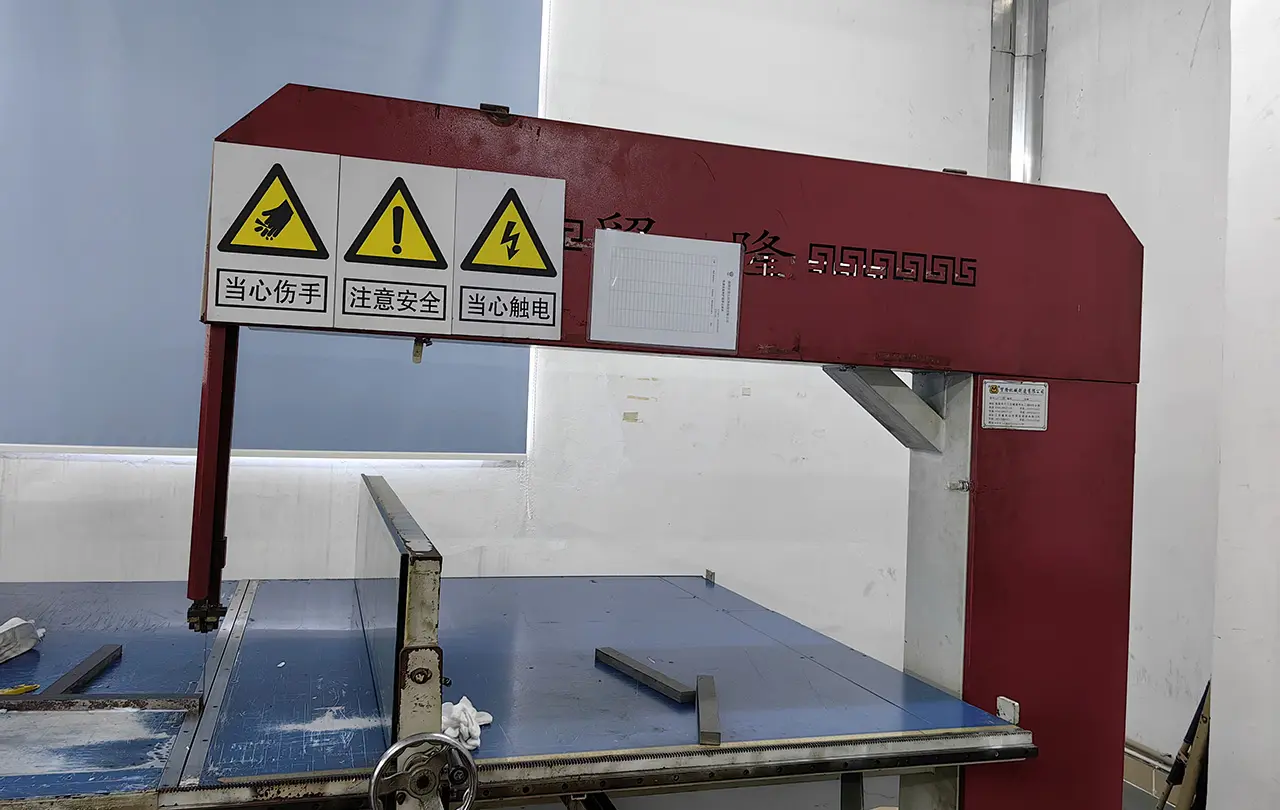
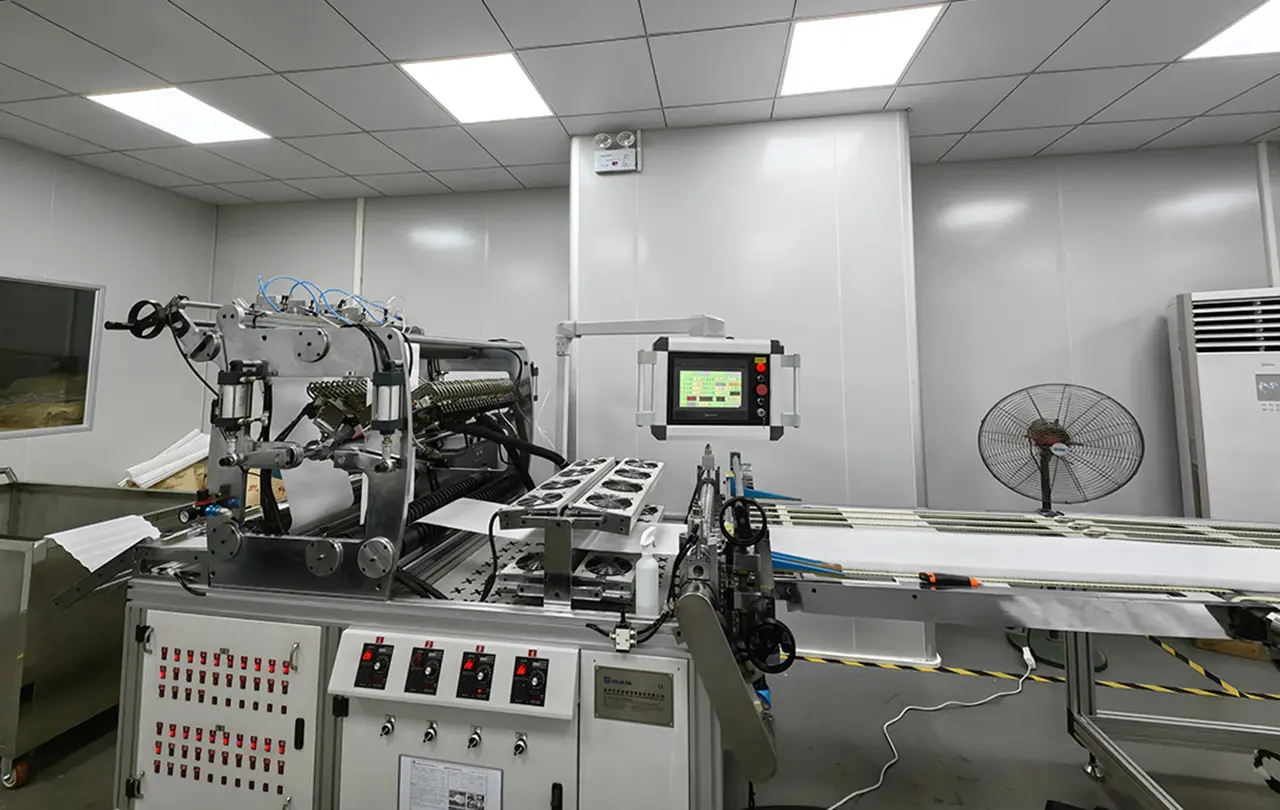
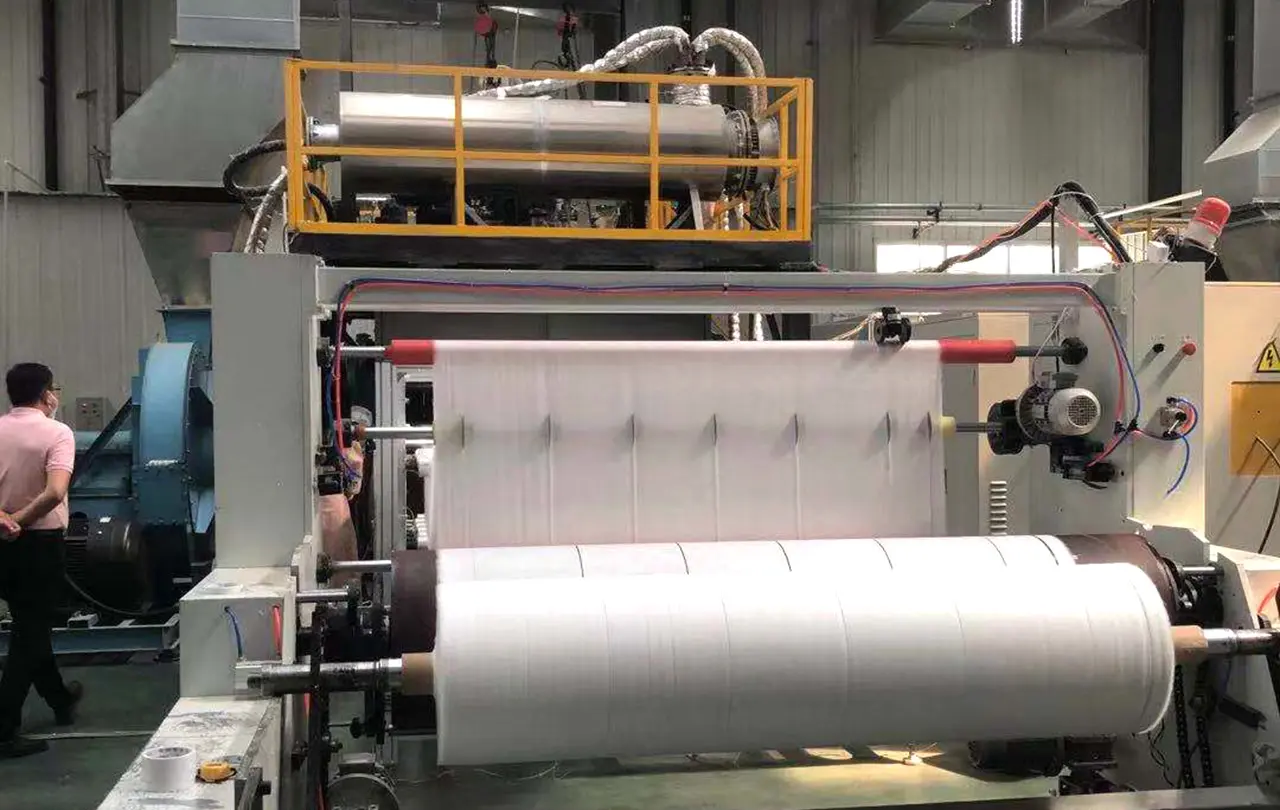
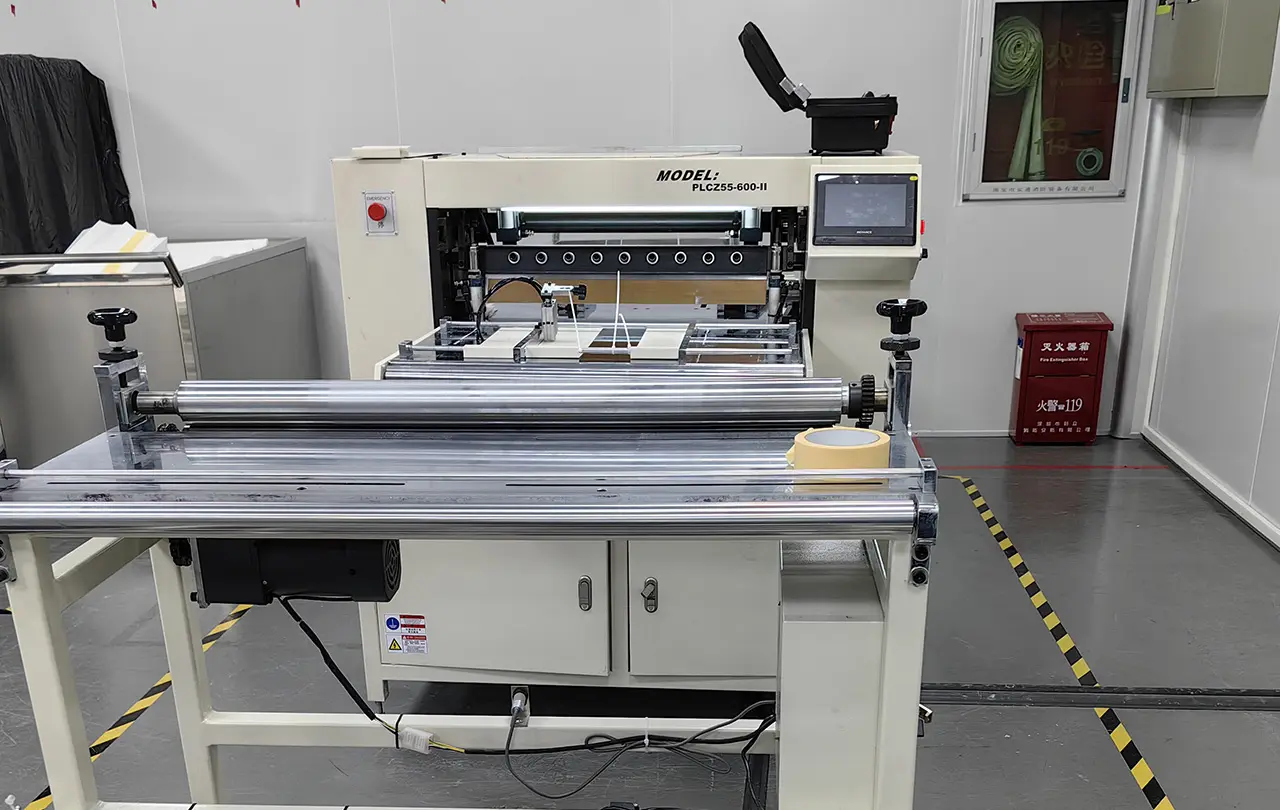
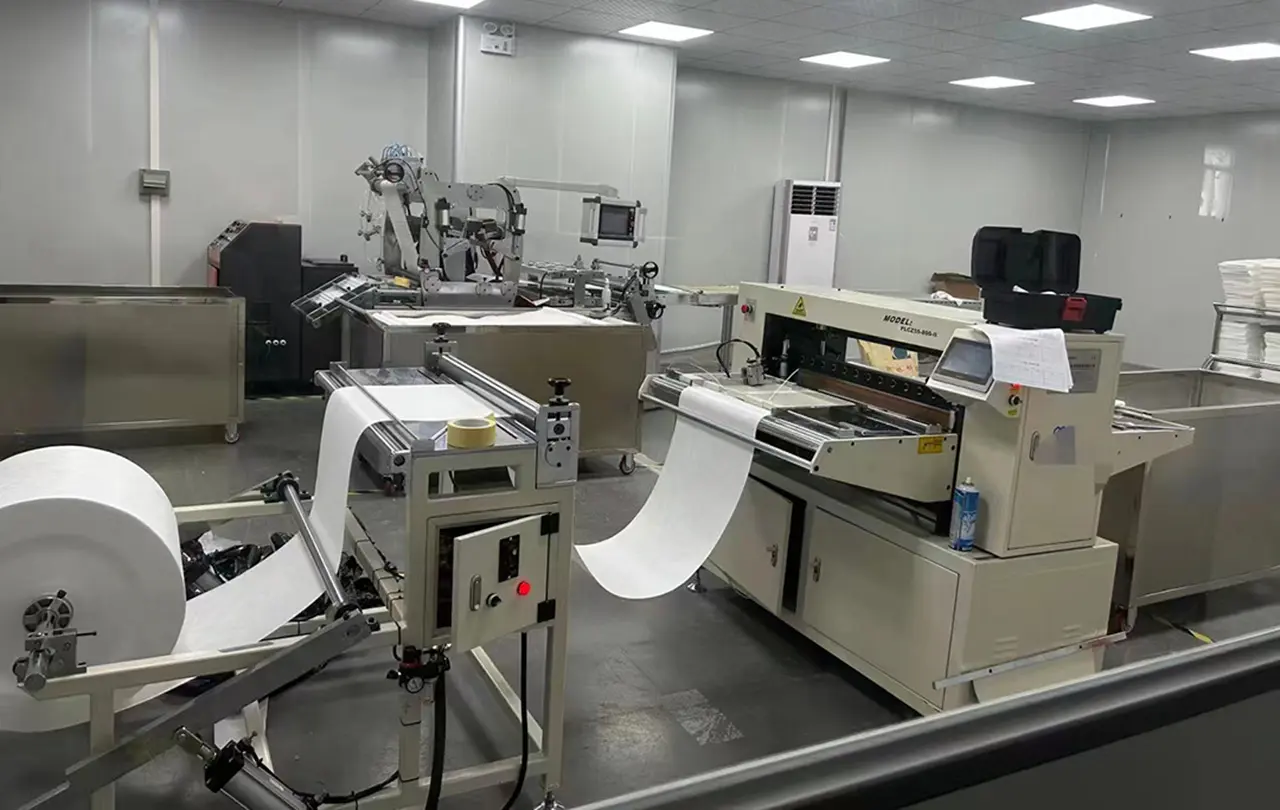
Procuring customized HVAC and molecular filtration products at a global scale requires not only high-end machinery but also supply chain security and geographical advantages.
Shenzhen's direct access to coal-based, wood-based, and coconut-shell activated carbon resources ensures that we can secure high-grade carbon precursors without global supply fluctuations. Our procurement volume keeps material costs low and stabilizes B2B pricing.
From raw melt-blown composite media manufacturing to automated CNC metal frame folding and polyurethane sealing, every phase of production is handled in-house. This minimizes reliance on third-party sub-contractors and decreases overall lead times.
Located in the Shenzhen technology corridor, our facilities enjoy proximity to major deepwater ports (Yantian, Shekou). This proximity facilitates streamlined customs clearance, efficient ocean freight packing, and reduced land transport costs for international containers.
The clean air industry is transitioning toward high-density, low-pressure-drop, and multi-functional composite media. At Shenzhen Snow Peak Clean Technology, our R&D roadmap focuses on addressing the core trade-off of carbon filters: balancing VOC adsorption capacity against airflow resistance.
Traditional carbon relies on physical adsorption, which can desorb compounds back into the airflow when temperatures rise. Our next-generation materials use catalytic coatings to chemically transform dangerous gases like ozone (O3) and formaldehyde (HCHO) into harmless byproducts, preventing secondary desorptive emissions.
By laminating melt-blown electrostatic media directly onto active carbon fiber blocks, we create dual-action filters. These capture fine sub-micron dust (PM2.5 / HEPA level) and absorb harmful gas phase molecules simultaneously within a single frame, significantly reducing the mechanical footprint in tight air handling units (AHUs).
In alignment with global decarbonization policies, we are expanding our use of renewable coconut shell carbon matrices and bio-based binding agents. This reduced carbon footprint footprint supports the environmental objectives of corporate LEED certification for green building operations.
Using advanced pleating patterns and aluminum separator geometries, we maximize the contact surface area while streamlining the air path. This minimizes system resistance, reduces the energy load of ventilation fans, and extends the operational life of the filter element.
Exporting high-efficiency air filters globally requires compliance with regional building codes and safety standards. Shenzhen Snow Peak Clean Technology provides fully documented compliance certification to ensure smooth integration into global commercial supply chains:
Validates particulate arrestance metrics from coarse filters up to ePM1 efficiency rankings, aligning with European HVAC specifications.
Ensures MERV ratings conform to North American building ventilation codes and ventilation requirements for indoor air quality.
Guarantees compliance with safety, health, and environmental protection guidelines for all goods exported to the European Economic Area.
Confirms that no hazardous chemicals or restricted substances are present in our activated carbon matrices or polyurethane sealants.
Technical details regarding customized development, material specifications, and logistics coordination.
Explore our specialized replacement filters and customizable media options designed to optimize existing commercial HVAC infrastructure.
 Snow Peak