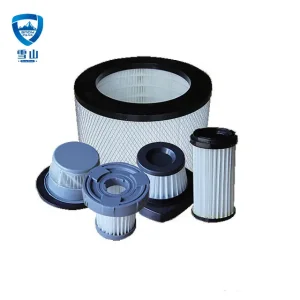
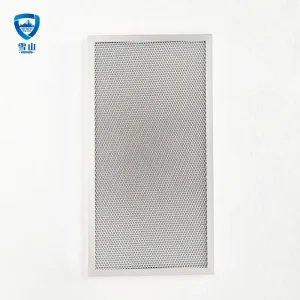
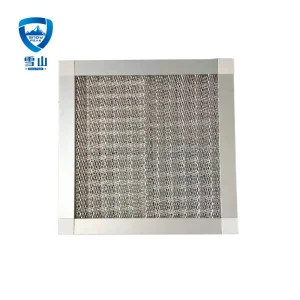
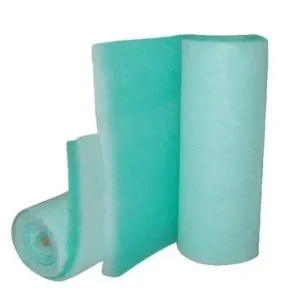
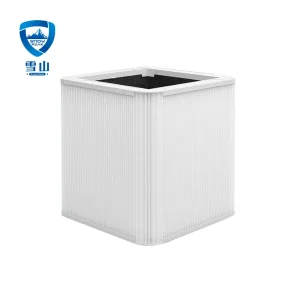
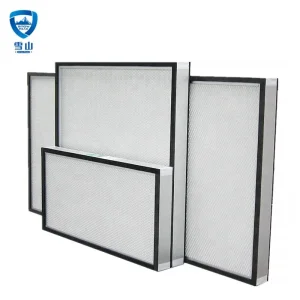
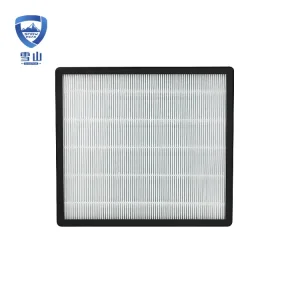
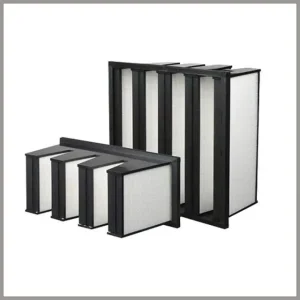
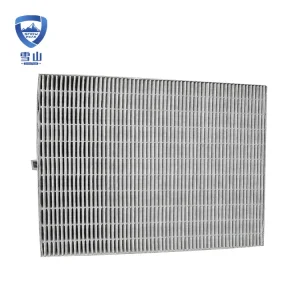
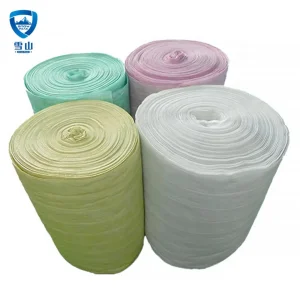
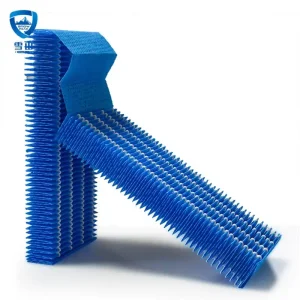
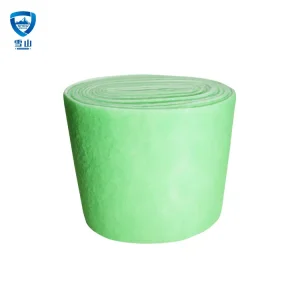
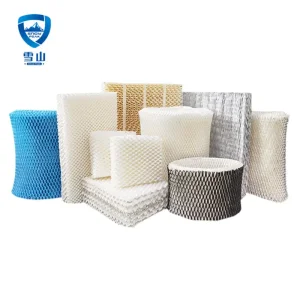
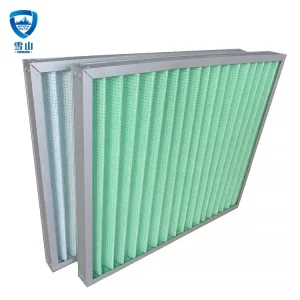
Explore our primary range of engineered filtration components, certified replacement packs, and specialized high-efficiency systems deployed globally.
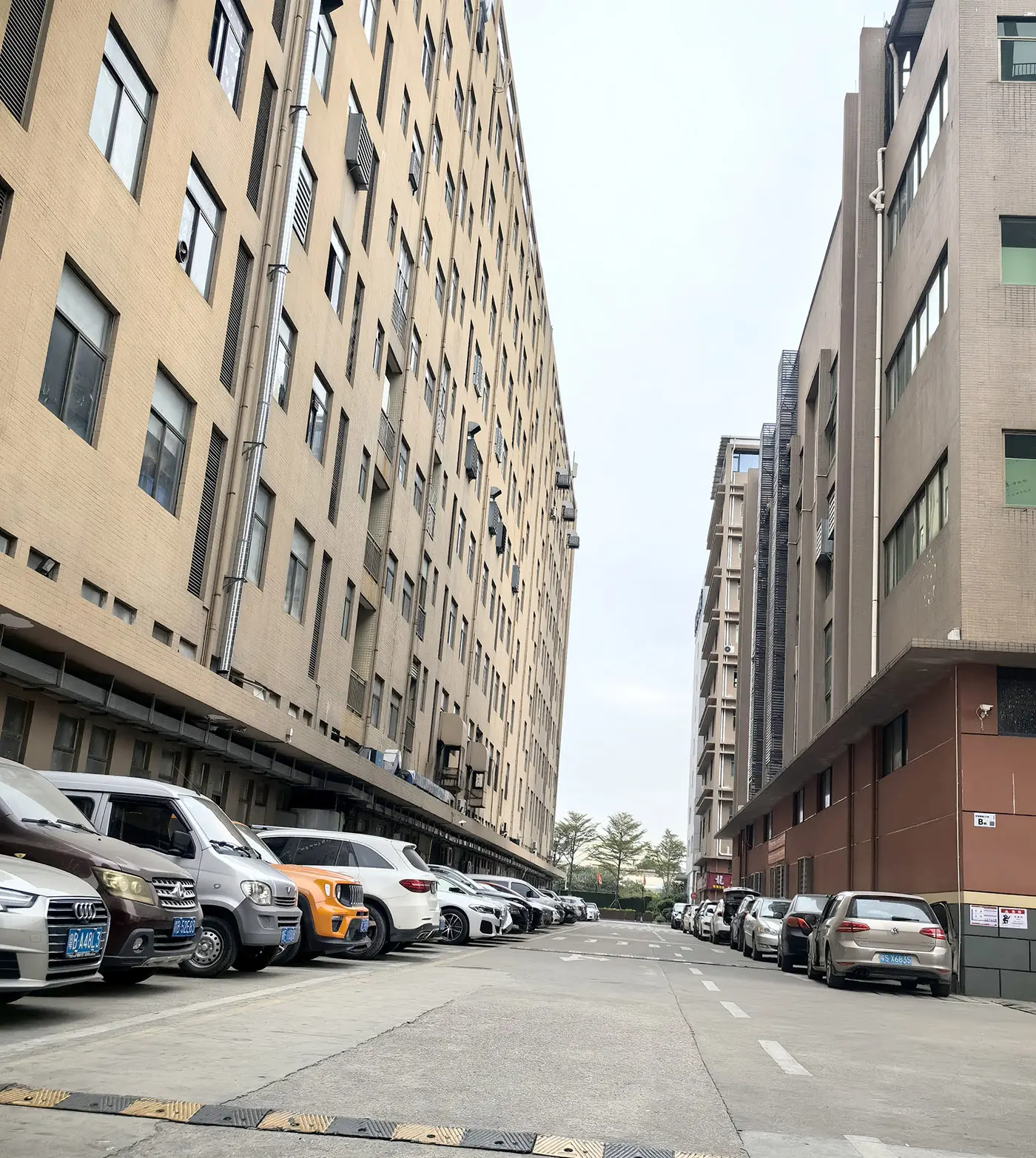
Shenzhen Snow Peak Clean Technology Co., Ltd. is a globally recognized, integrated high-tech enterprise specializing in the research, development, production, and distribution of advanced air filtration systems and high-performance filter materials. Backed by 15 years of international air purification technology experience, the company operates at the leading edge of clean air engineering.
Our comprehensive manufacturing capabilities encompass primary pre-filters, high-capacity pocket filters, ultra-efficient HEPA filters, specialized chemical filters, and an extensive array of composite media. Snow Peak is dedicated to addressing indoor air pollution challenges across critical environments—including microelectronics fabrication facilities, pharmaceutical plants, biosafety laboratories, schools, hospitals, and heavy industrial cleanroom settings.
Utilizing our proprietary, self-developed patented technology, our sterilizing antiviral HEPA filter line delivers unmatched environmental control. These filters reduce PM2.5 concentrations to under 10 micrograms/m³—outperforming standard national filtration metrics five-fold. Simultaneously, the composite media acts to inhibit microbial proliferation, achieving a 99.9% sterilization rate without risk of secondary bypass contamination, and demonstrating an efficiency of 99.99% against H1N1 viruses.
With our standardized dust-free workshops and automated lines, our manufacturing floor operates with extreme precision to meet custom, high-volume OEM/ODM demands.
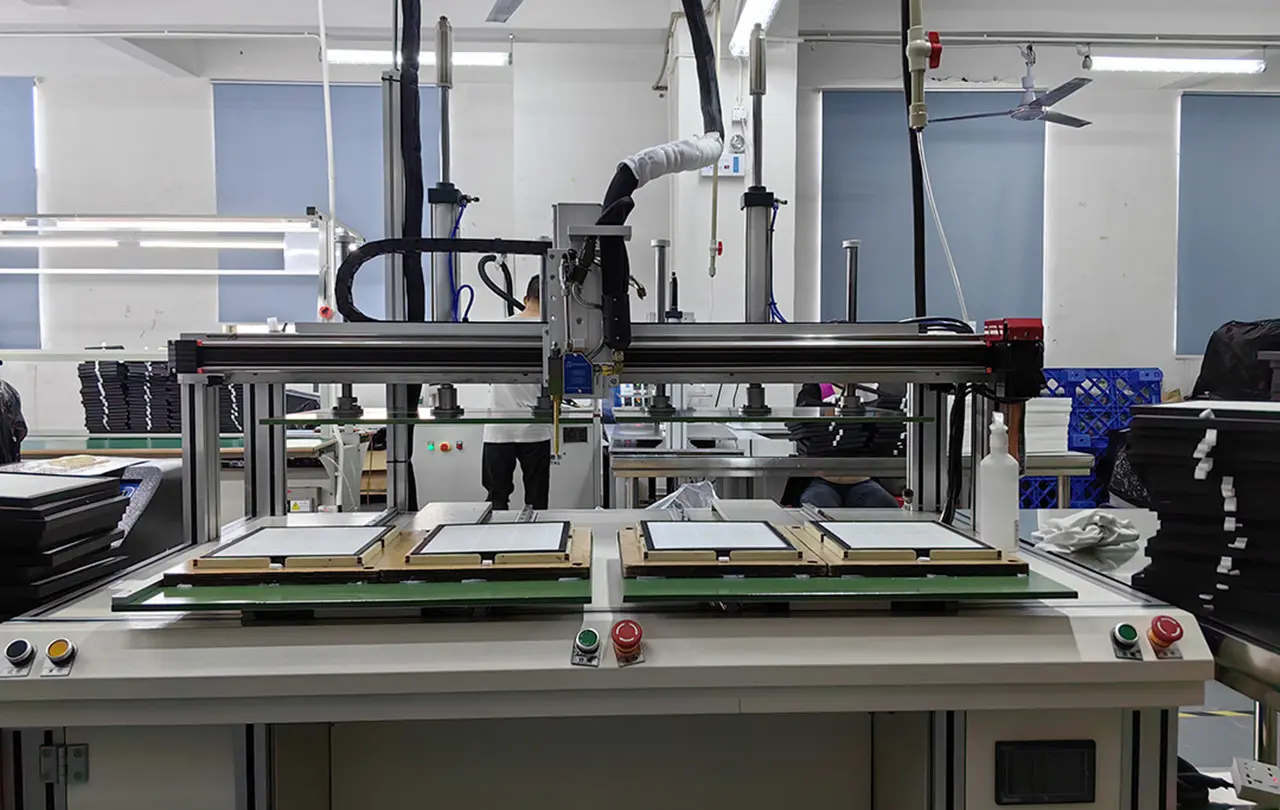
Utilizing high-precision CNC gluing lines to ensure clean, consistent adhesive distribution across complex filter media substrates.
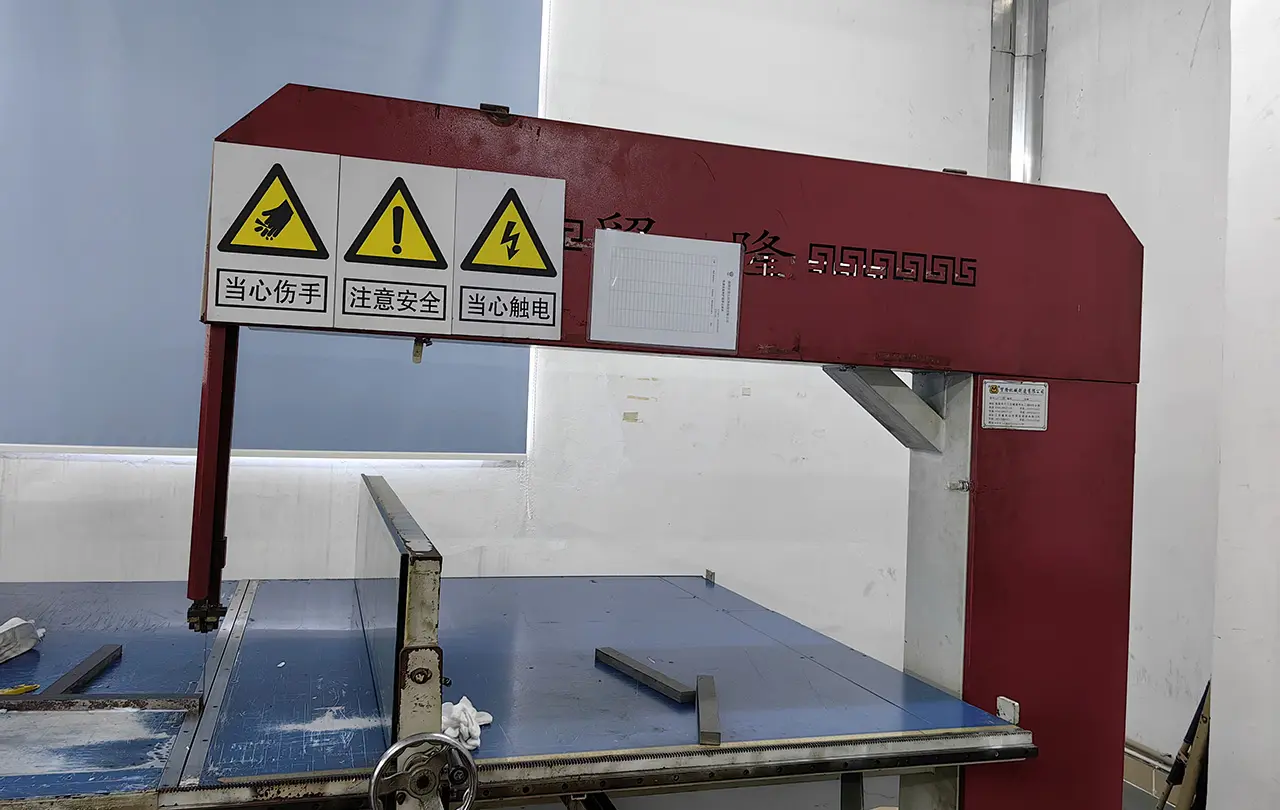
Advanced AMADA CNC punch and bending tooling integrated for accurate framing and dimensional consistency for custom sizing.
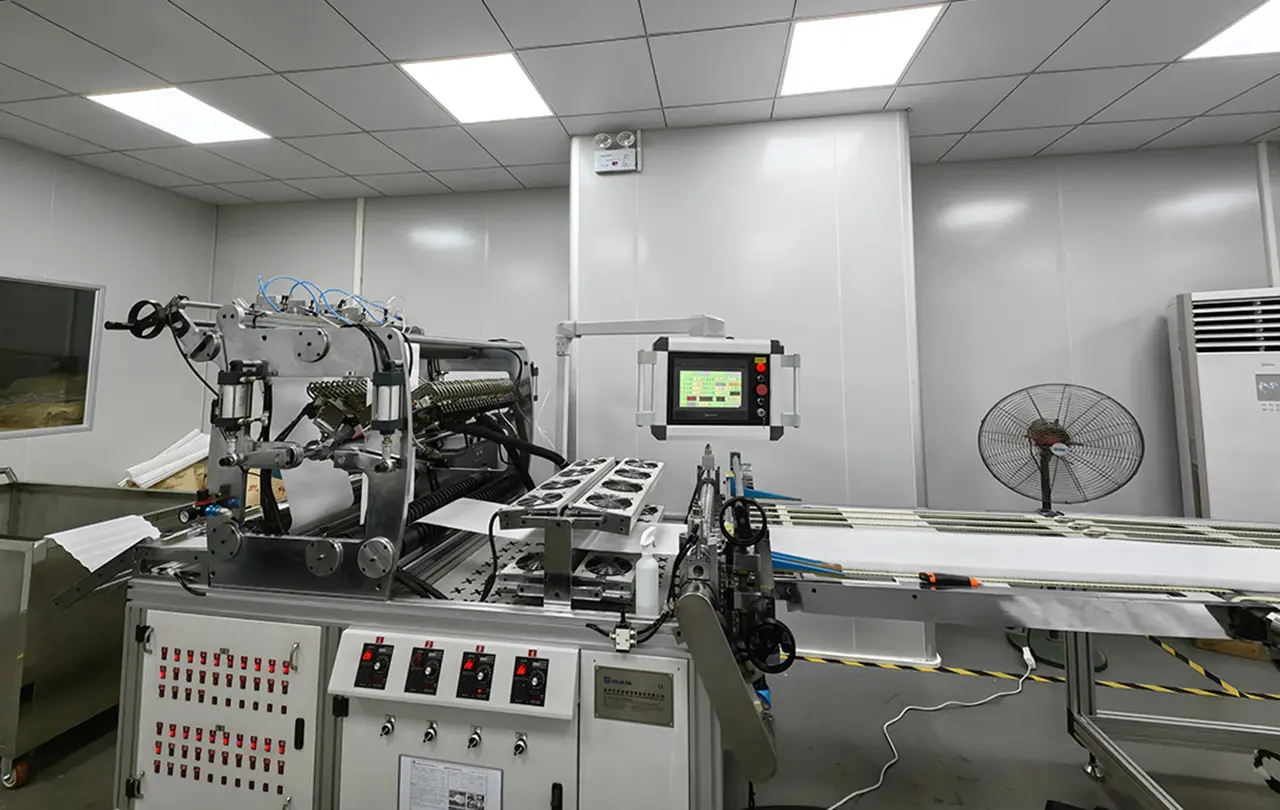
Seal integrity is achieved via high-grade polyurethane and hot-melt application processes to eliminate cleanroom bypass issues.
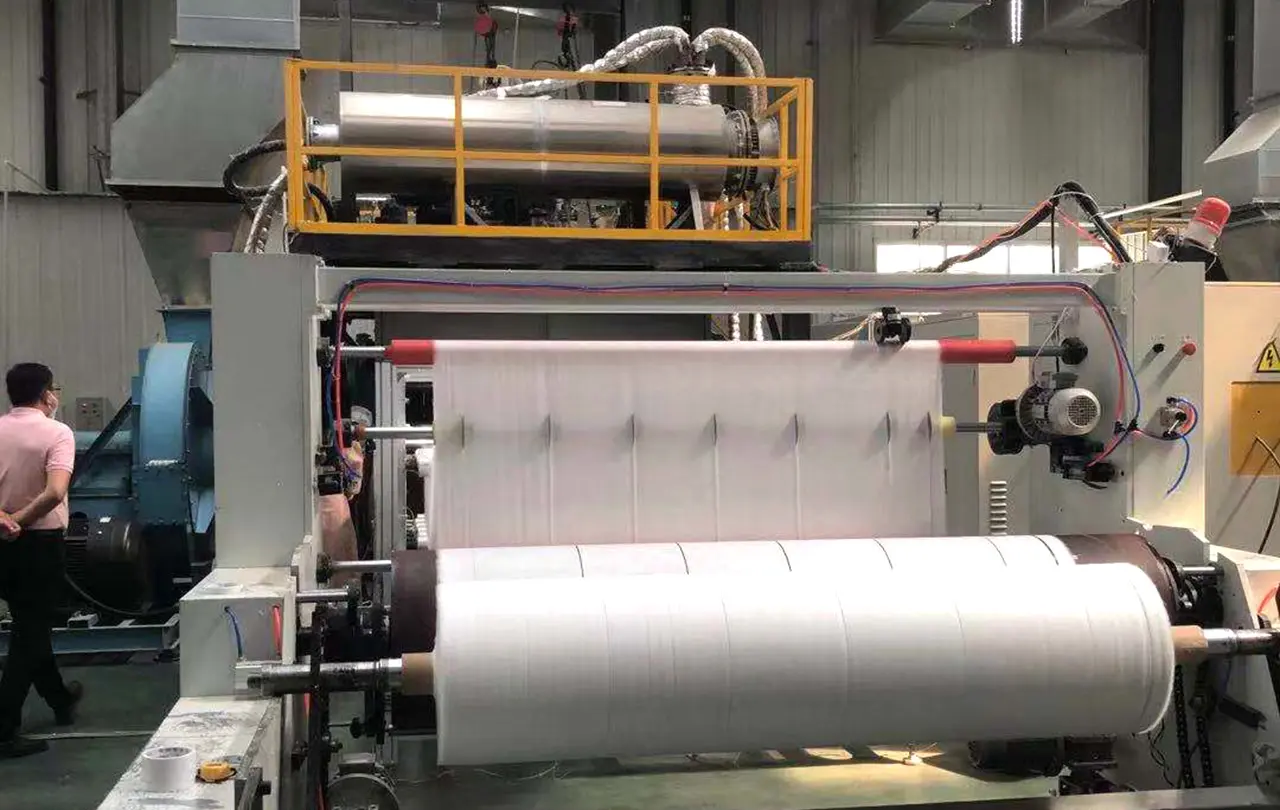
Lamination of multi-layered functional fabrics, combining electrostatic melt-blown substrates with structural protective backings.
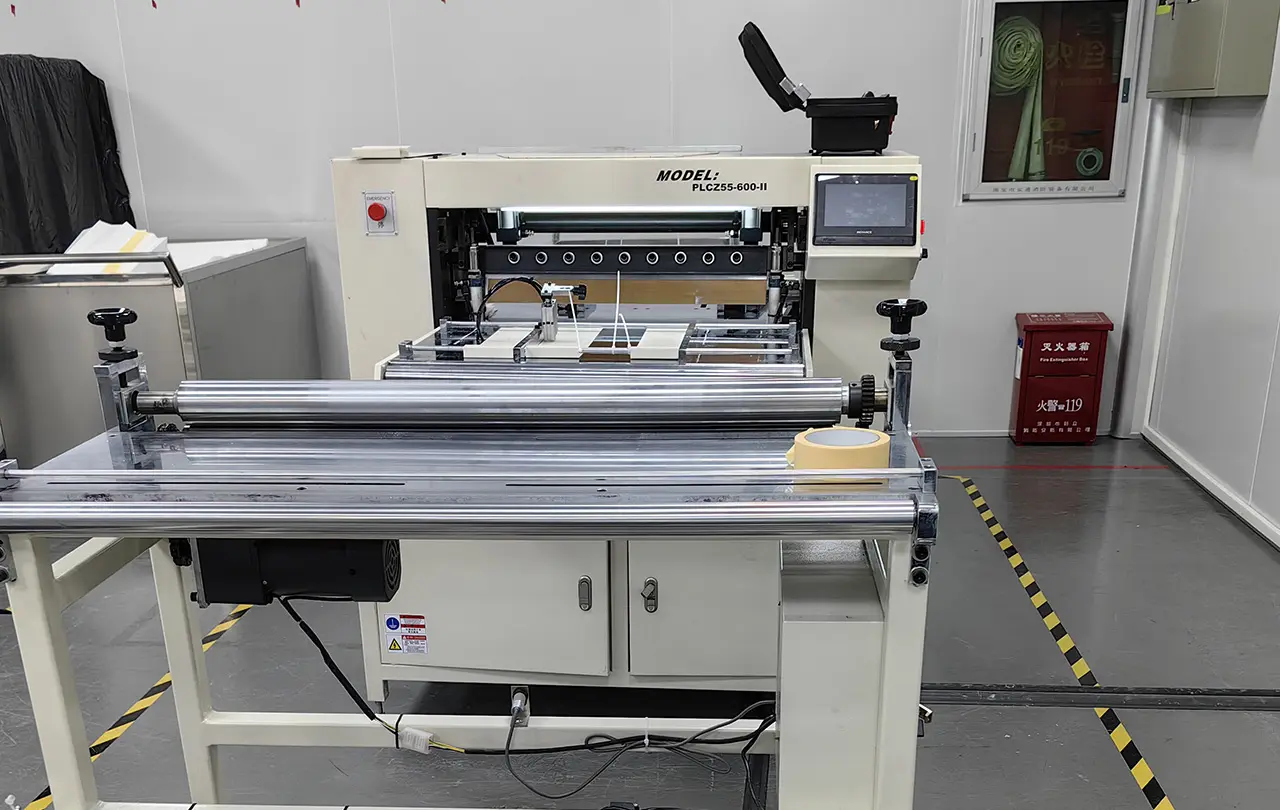
Controlled pleat distribution optimizing the active surface area and lowering initial airflow resistance across our filter elements.
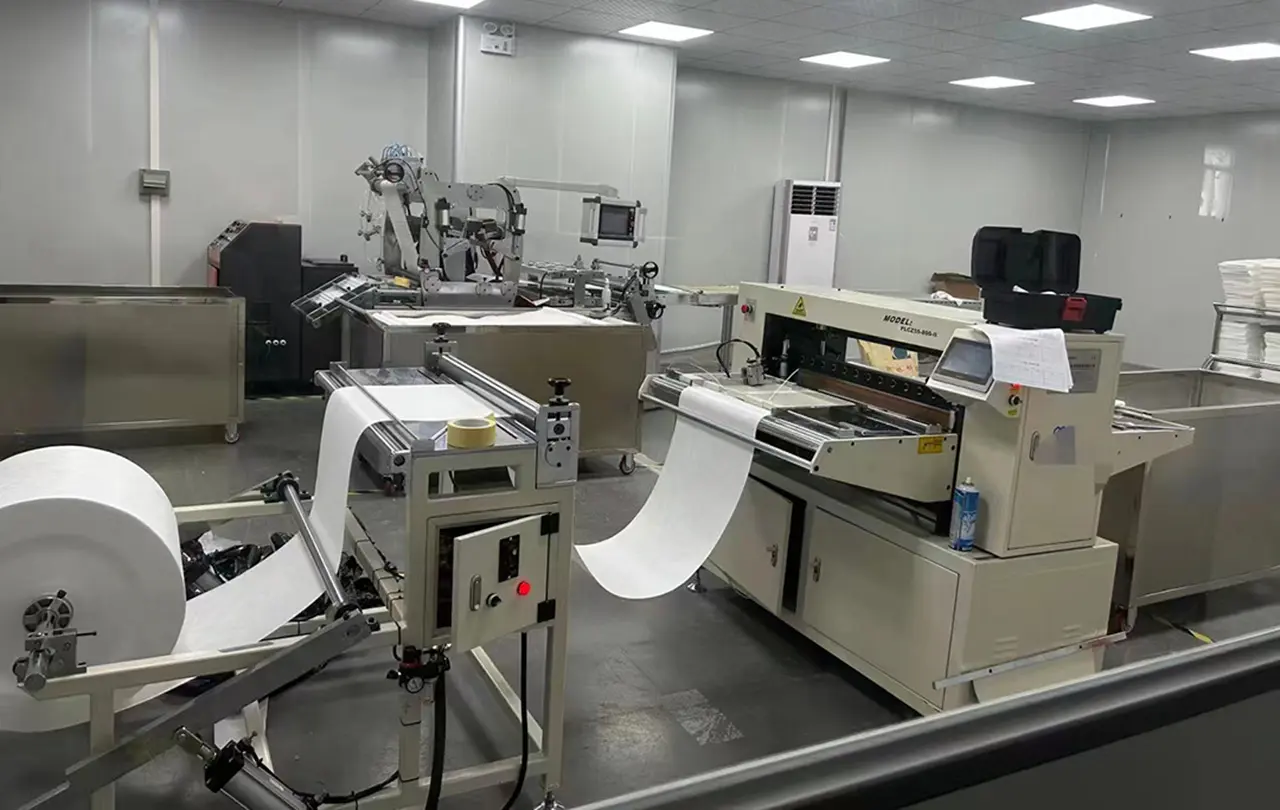
Ensuring uniform pocket or pleat separation so that processing volumes achieve maximum particulate holding capacity.
The international filtration landscape is undergoing a critical transition, driven by the demand for energy-efficient materials, stricter environmental mandates, and the continuous refinement of cleanroom operations. High-efficiency nonwoven fabrics are no longer static barriers; they are highly engineered, dynamic media designed to manage particulate capture at molecular scales.
The integration of electrospun nanofibers onto support backings represents a significant advancement in air filtration. These nano-scale fibers (typically ranging between 50 and 300 nanometers) create a high-density matrix that relies primarily on slip-flow theory. This enables high-efficiency capture of sub-micron particulates while maintaining a low pressure drop.
Electrostatic charging is critical for high-efficiency melt-blown fabrics. Modern filter media must maintain this electrostatic charge under challenging conditions, such as high humidity or exposure to organic vapors. Advancements in organic fluorochemical additives have improved charge retention, ensuring MERV 13 to MERV 16 ratings remain stable over the filter's operational lifespan.
As global industries align with Net-Zero emissions goals, procurement teams are shifting toward recyclable, biodegradable, and low-embodied-carbon filter materials. PLA (polylactic acid) and recycled PET are increasingly replacing traditional petroleum-based polymers. This transition helps mitigate the environmental impact of municipal incineration or landfill disposal of spent media.
Procurement processes in high-tech industries, such as semiconductor fabrication, biopharmaceuticals, and automotive assembly, require deep supply chain alignment. Companies need partner-focused factories that can offer comprehensive customization (ODM) rather than simply selling off-the-shelf catalog products.
A key priority for purchasing departments is securing consistent, high-yield supply chains. For specialized cleanrooms, filter fabric rolls must be customized with precise weights, widths, and structural properties. ODM factories must provide customizable options, including variable pleat counts, customized configurations (like V-banks and cylinders), and tailored composite structures.
The initial purchase price of air filter media represents a small fraction of overall HVAC operational costs. True TCO calculations focus heavily on energy consumption. High-quality filter fabric with lower initial resistance reduces the load on fan motor systems. This saves energy over millions of operating hours without compromising filtration safety.
Many facilities operate equipment using proprietary filter configurations from different brands, such as Honeywell or Blueair. Sourcing custom replacement media that matches or exceeds original equipment specifications ensures consistent performance. It also helps control operating costs.
Air filtration challenges vary significantly depending on the application context. By engineering targeted composite media, Snow Peak provides tailored solutions for diverse industrial, commercial, and biosafety environments.
Modern silicon wafer production requires environments free from both particulates and airborne molecular contaminants (AMCs). Our advanced solutions combine PTFE membrane media with chemical carbon filters to eliminate volatile organic compounds (VOCs), acidic gases, and base dopants down to parts-per-trillion levels.
Biopharma production demands high biological purity. Our patented antiviral filter media achieves a 99.99% H1N1 virus removal rate and a 99.9% sterilization rate. This helps prevent cross-contamination and bio-burden build-up on the filter media, ensuring clean, continuous sterile airflow.
Industrial paint finishing requires paint-stop floor media (G2/G3/G4 fiberglass rolls) capable of handling high paint mist volumes. High paint holding capacity is critical to keep exhaust systems running efficiently, protect local areas from overspray, and maintain uniform laminar airflow.
Operating in international markets requires strict adherence to regional testing standards. Snow Peak products undergo validation at every step to ensure they meet global clean air compliance requirements.
All our coarse and fine-efficiency media are tested to align with ISO 16890 (ePM1, ePM2.5, ePM10 ratings) and ASHRAE 52.2 standards. This testing provides procurement departments with certified performance data, including initial fractional efficiency, dust holding capacity, and pressure drop curves.
Our H13, H14, and customizable mini-pleat HEPA filters are validated to meet European Standard EN 1822. Each filter undergoes individual leakage testing (using oil aerosol challenges) to confirm it meets the minimum efficiency requirement of 99.95% (H13) or 99.995% (H14) at the MPPS (Most Penetrating Particle Size).
We prioritize environmental health and safety. Our products are free from restricted substances, complying with EU REACH regulations and RoHS directives. Additionally, our key products hold CE certification, facilitating smooth import customs processing for international distributors.
As air filtration becomes increasingly integrated into smart building designs, Snow Peak is committed to driving the technology roadmap for the next generation of filter media. Our research focuses on three primary areas:
We are researching the integration of conductive carbon networks and micro-RFID sensors directly into our filter fabrics. This tech enables real-time monitoring of pressure drop changes, structural degradation, and bacterial load, allowing for predictive maintenance scheduling.
By embedding modified inorganic particles during the polymer extrusion process, we aim to extend the life of electret charges under high temperatures and chemical exposure. This ensures high-efficiency performance over a longer cycle life.
We are working to phase out synthetic resin binders in favor of plant-derived alternatives. This step helps reduce VOC emissions during the curing process, supporting safer indoor air quality and lowering environmental footprints.
Get answers to common technical, design, and regulatory questions regarding our OEM/ODM capabilities.
Review our high-efficiency V-bank filters, replacement cartridges, and specialty cooling media constructed for various commercial HVAC setups.
 Snow Peak