High-efficiency OEM/ODM replacement cartridges, custom pleated activated carbon media, and high-flow HEPA filters designed for critical environmental standards.
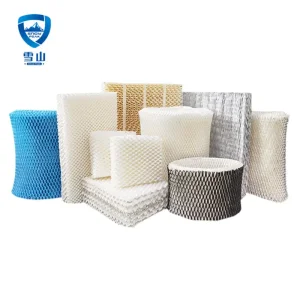
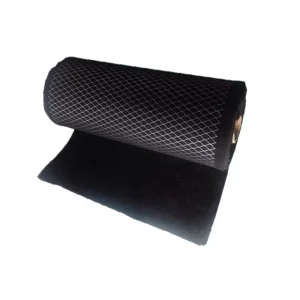
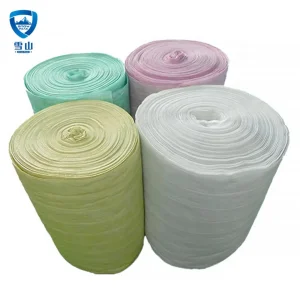
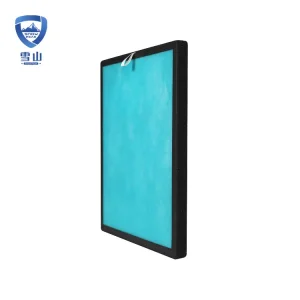
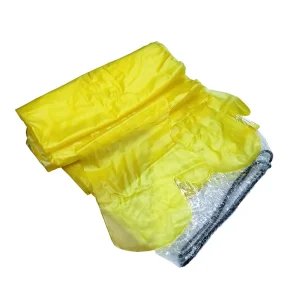
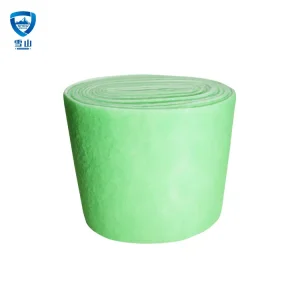
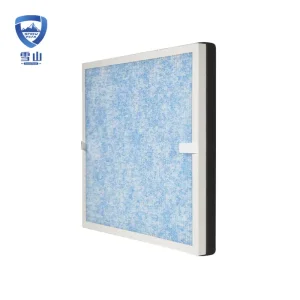
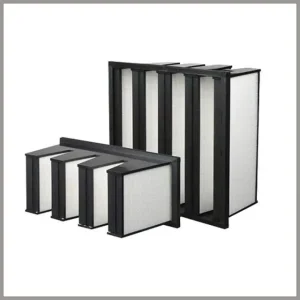
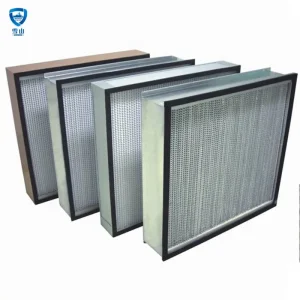
Shenzhen Snow Peak Clean Technology Co., Ltd. is a globally integrated high-tech enterprise, deeply specialized in air filtration products research, technological development, scale manufacturing, global marketing, and import/export trade. With our roots firmly planted in precision engineering, we design and produce a comprehensive catalog of filtration systems, including high-flow Pre-filters, customizable pocket filters, absolute HEPA filters, and molecular chemical filtration arrays.
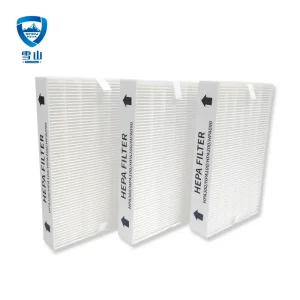
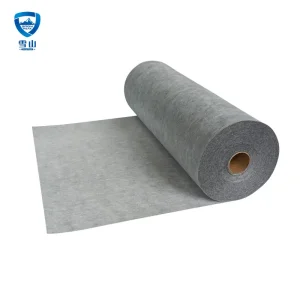
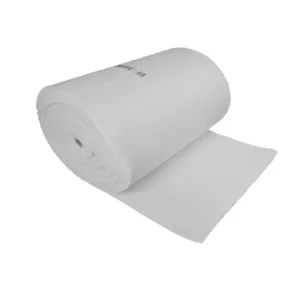
Additionally, we supply precision replacement HEPA filters, car cabin air filters, and high-performance evaporative humidifier filters. Our material processing division produces superior pocket filter media, melt-blown composite filter substrates, and next-generation catalytic raw sheets. These advanced materials deliver robust air purification solutions for industrial building HVAC installations, pharmaceutical clean zones, microelectronics fabrication cleanrooms, containment laboratories, and clinical spaces.
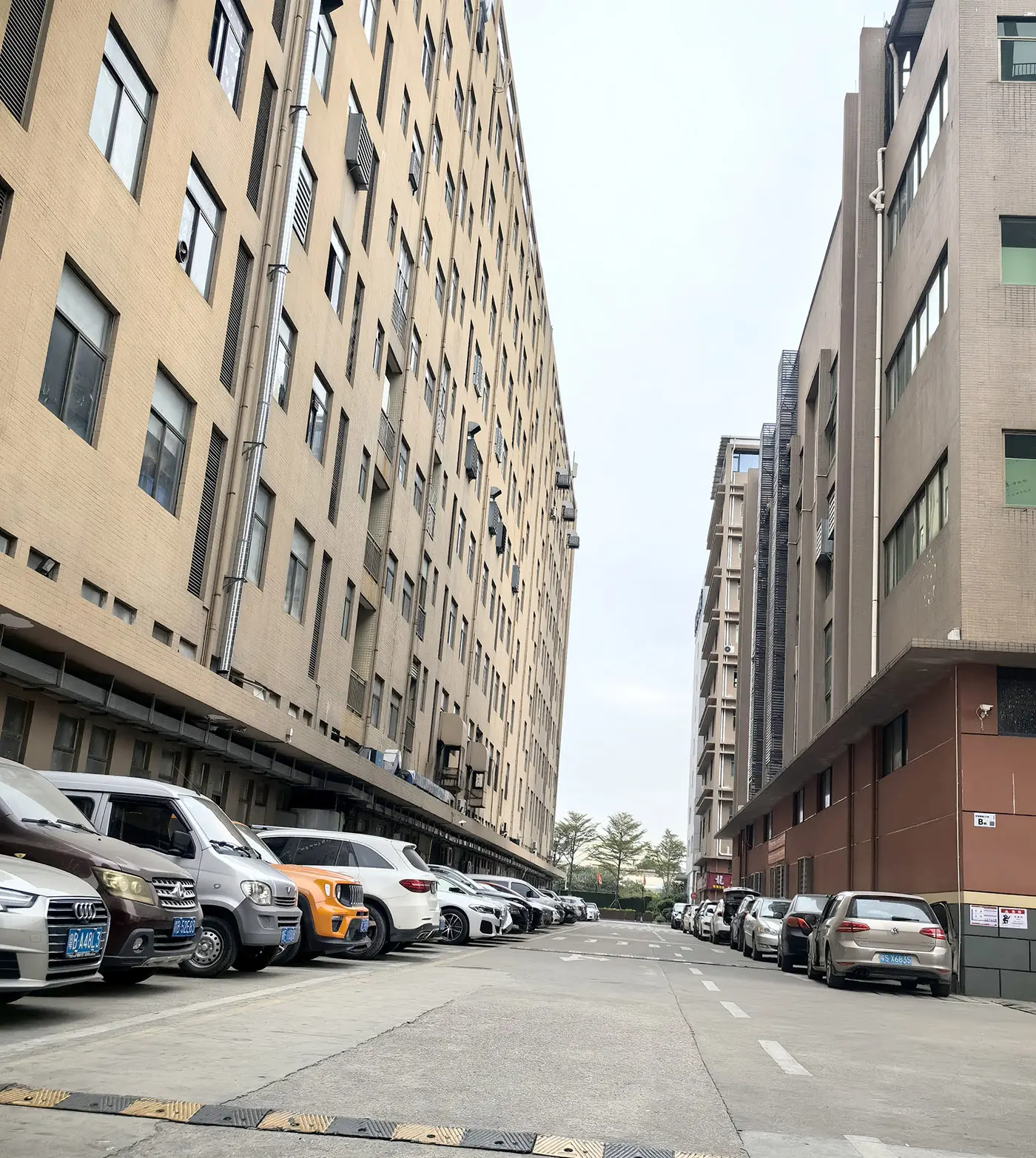
Leveraging our self-developed patented technology, our sterilizing antiviral HEPA filter can effectively capture sub-micron particulate matters. By maintaining an ultra-dense matrix structure, it reduces PM2.5 concentrations down to 10 micrograms/m³, which is 5 times cleaner than standard regulatory benchmarks. In addition, the chemical compound formulation targets microorganism growth, maintaining an active sterilization rate of 99.9% while preventing microbial bypass or secondary outgassing. The validated removal efficiency of the H1N1 virus under standard operating velocities is tested at 99.99%, ensuring complete sterile boundary protection.
Drawing on 15 years of international air purification engineering experience, our state-of-the-art facilities are equipped with standardized dust-free HEPA filter production lines and real-time testing clean-booths. Our mechanical processing facility features Japanese-imported AMADA CNC punch presses and automated bending machines. This advanced equipment, coupled with our proprietary automatic pleating systems, guarantees high mechanical tolerances, structural integrity, and uniform pleat distributions across our entire manufacturing scope.
Modern industrialization and urbanization have led to complex air pollution challenges. Beyond PM2.5 and coarse dust particulates, the presence of gaseous contaminants, volatile organic compounds (VOCs), acid vapors, and chemical odors requires advanced molecular filtration solutions. Clean carbon air filters play an essential role in commercial and industrial settings, bridging the gap between mechanical filtration and chemical process safety.
Unlike particulate filters that trap contaminants mechanically, carbon filters rely on molecular adsorption. Activated carbon contains an intricate networks of micro-pores (pores under 2 nm), meso-pores (2 to 50 nm), and macro-pores (above 50 nm). Gaseous molecules travel through the macro-pore pathways and become trapped inside the micro-pores by weak London dispersion forces (Van der Waals interactions).
For low-molecular-weight or highly polar gases (such as formaldehyde, ammonia, hydrogen sulfide, and acid vapors) that escape standard carbon matrices, chemically impregnated carbon is used. In this process, the carbon media is treated with chemisorptive reagents like potassium hydroxide (KOH), phosphoric acid (H3PO4), or potassium permanganate (KMnO4) to chemically convert toxic gases into stable, non-volatile compounds.
Procurement departments worldwide face challenging quality, cost, and logistics constraints. As a major supply chain center, China's clean carbon air filter factories provide significant advantages through advanced material sourcing, integrated supply chains, and automated production. By combining raw component creation (such as carbon fabric laminates, wire-mesh reinforcement, and frame manufacturing) under one roof, companies like Shenzhen Snow Peak maintain strict quality standards while minimizing logistics lead times.
This localized efficiency, combined with high automation, ensures that high-volume orders—ranging from custom HVAC V-bank carbon arrays to precise residential HEPA/Carbon replacements—can be manufactured, tested, and shipped quickly with traceable quality metrics.
Every filter we manufacture must pass rigorous quality inspections. Our production floors use automated machinery to ensure precise pleating, consistent adhesive distribution, and secure frame binding. Below are the core steps in our clean filter manufacturing line.
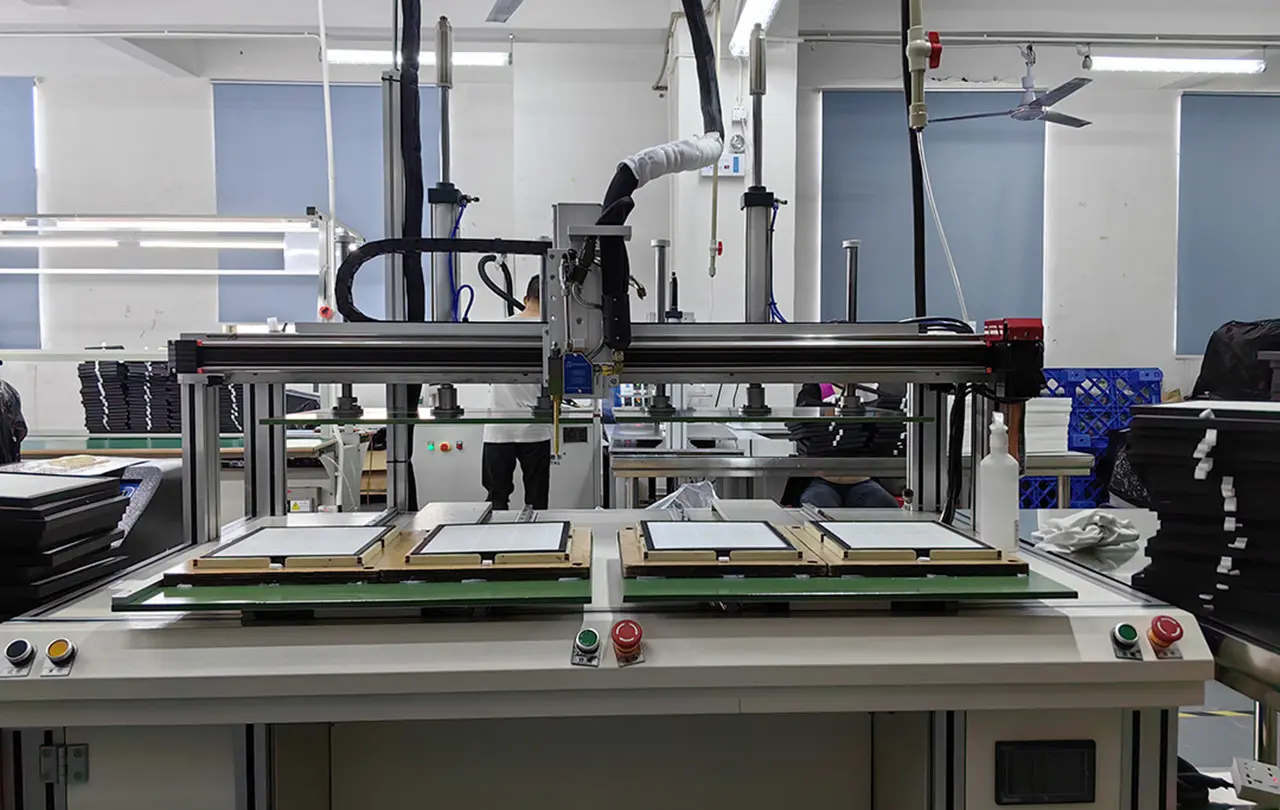
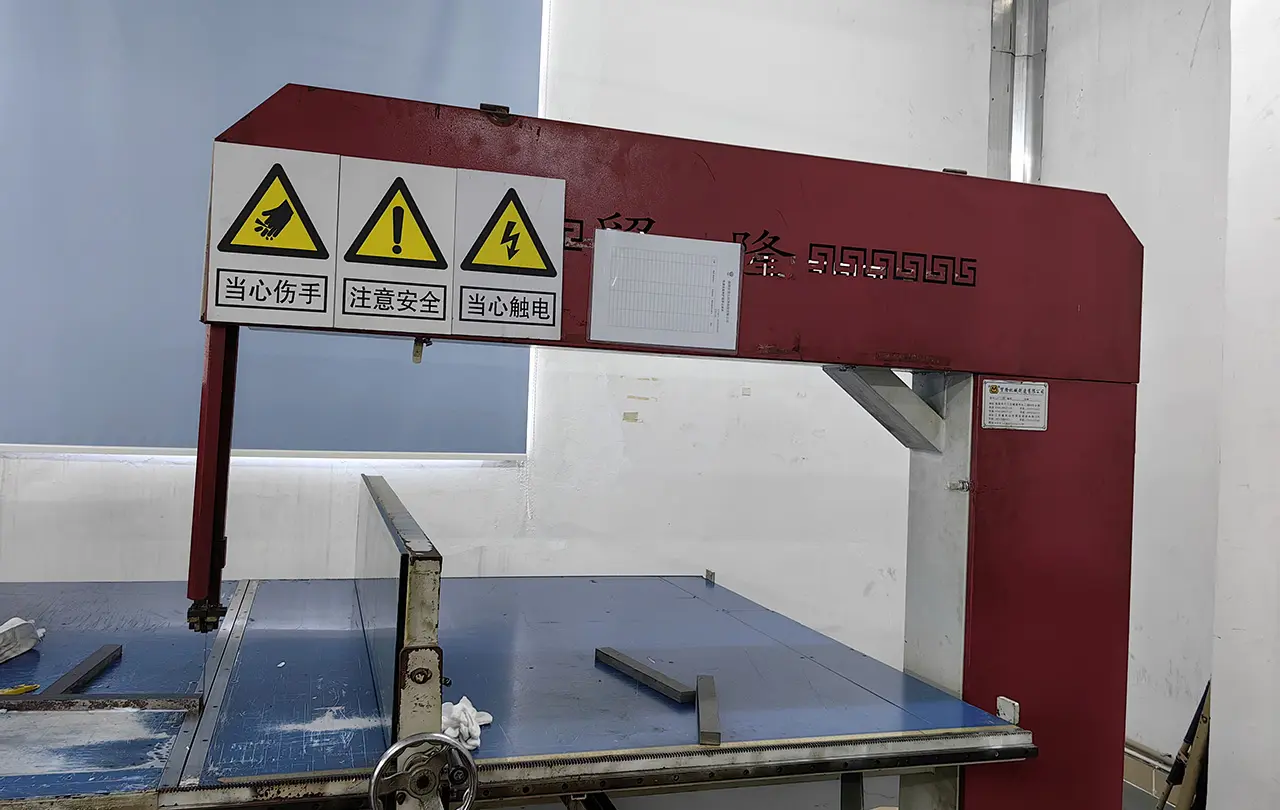
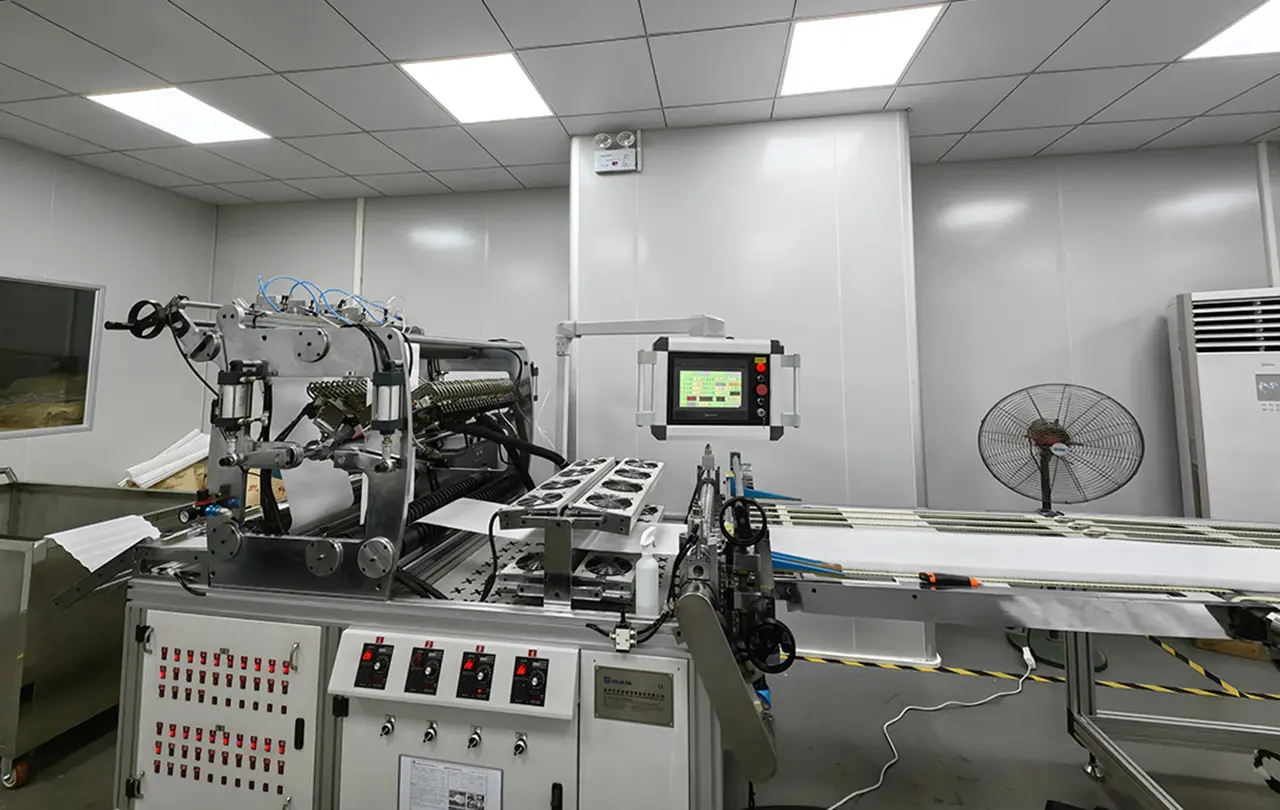
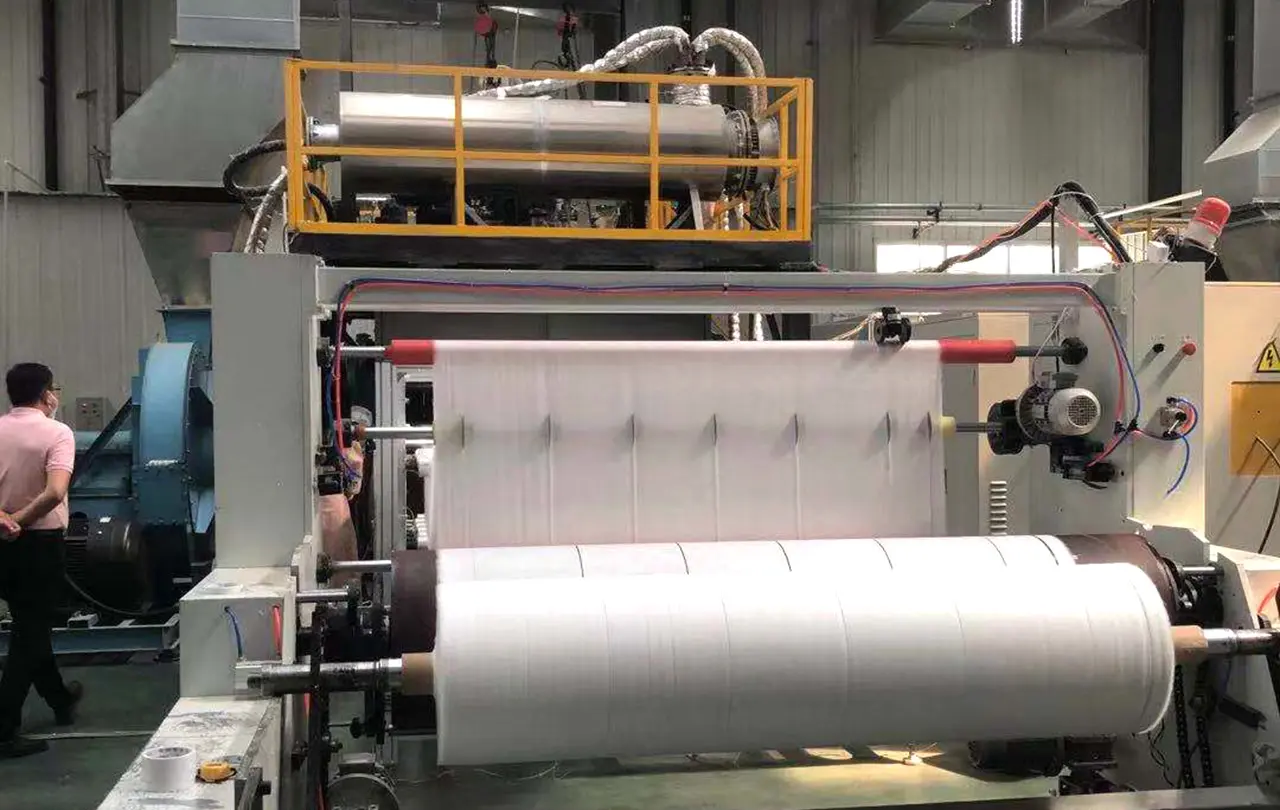
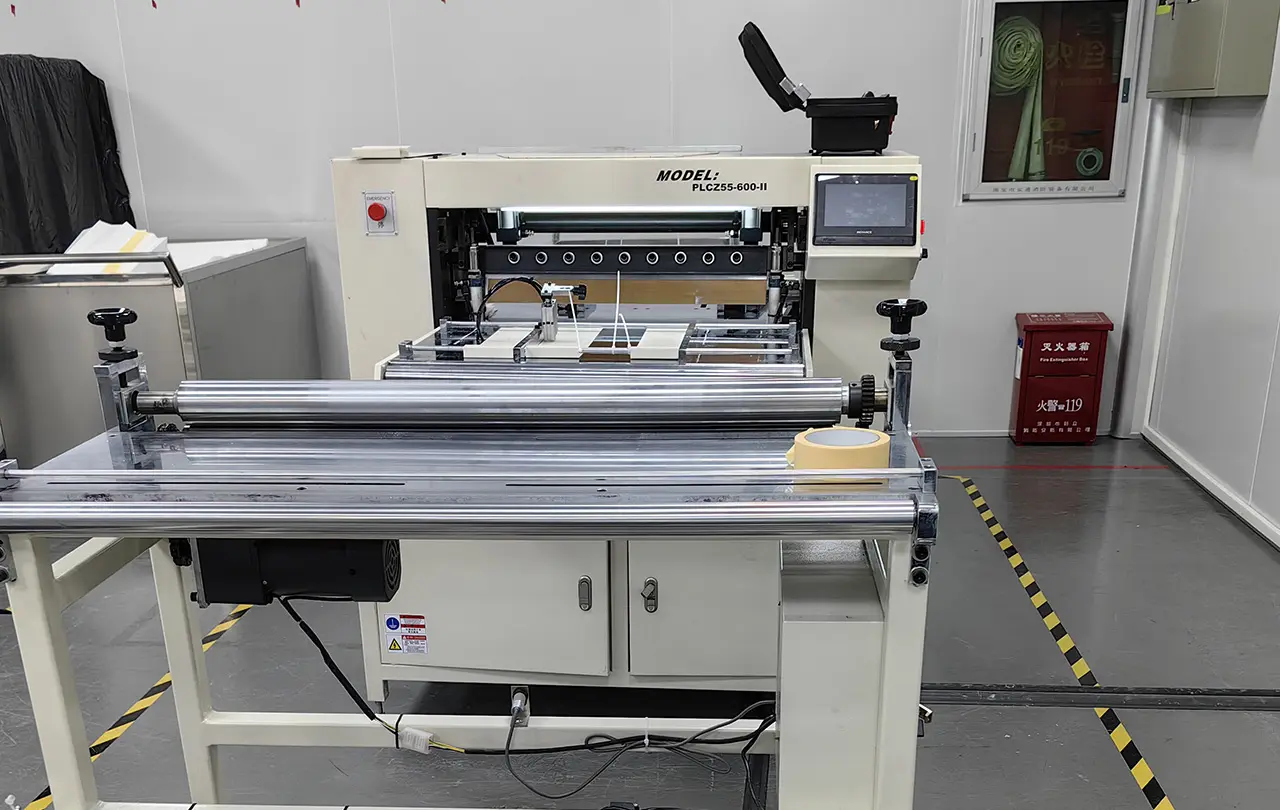
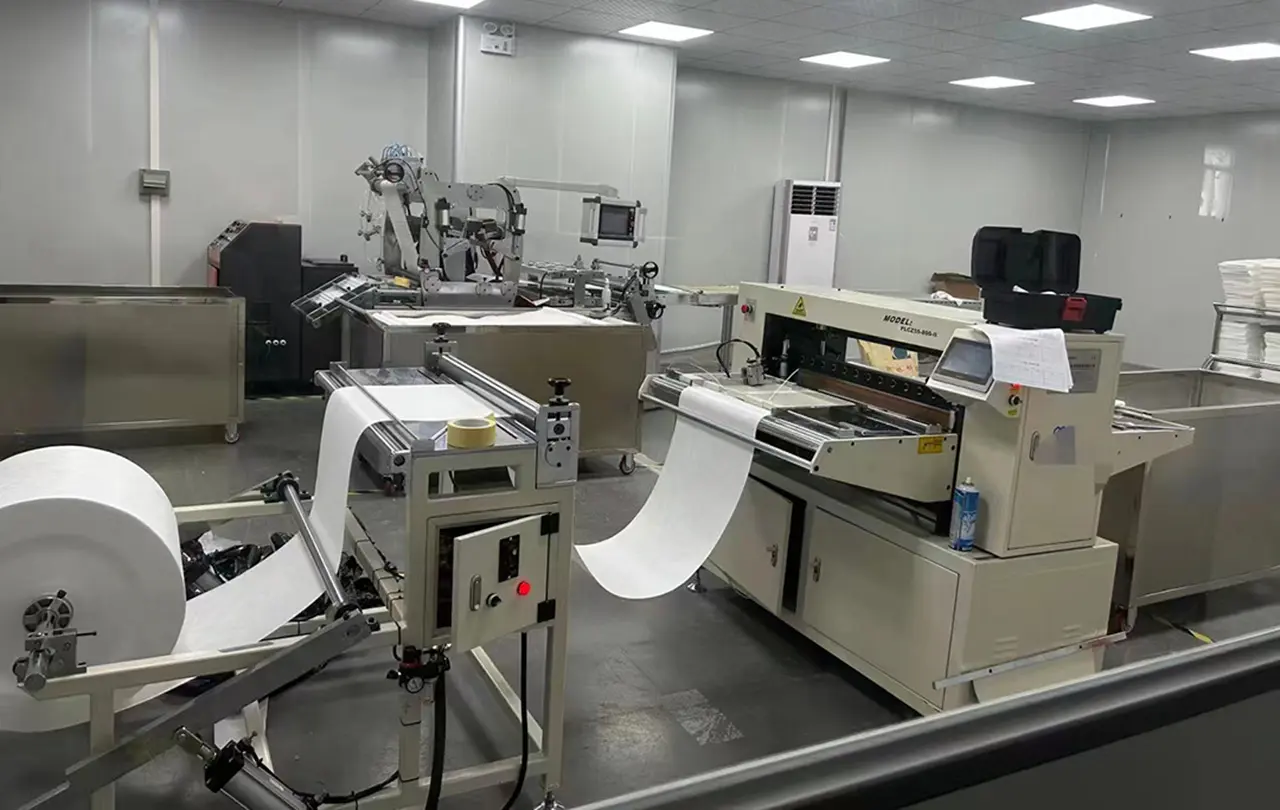
A primary factor in carbon filter performance is the carbon loading ratio, which measures the mass of active carbon per unit of face area. Standard retail filters often use low-cost carbon powder coatings that saturate quickly. Shenzhen Snow Peak's heavy-duty industrial carbon elements use Extruded Activated Carbon (EAC) or Granular Activated Carbon (GAC) matrices with optimized pleat shapes. This design exposes maximum active surface area to the airflow while keeping the pressure drop minimal, extending filter lifetime and reducing energy costs.
Air filtration needs vary across industries and environments. Custom molecular filtration systems are designed to address the specific air quality challenges of each application:
When selecting carbon filtration systems, relying solely on weight or physical size is insufficient. Procurement engineers should request comprehensive testing data, including CTC adsorption ratings, pressure drop curves, and breakthrough time trials. Having access to clear data on how a filter performs under specific temperatures, humidities, and gas concentrations is essential for making informed decisions and ensuring system performance.
For custom ODM/OEM designs, please specify the following parameters to ensure optimal performance:
| Metric Parameter | Standard Specification | Engineering Impact |
|---|---|---|
| CTC Adsorption (Carbon Tetrachloride) | 50% to 90% Activity | Indicates the base pore volume and adsorption capacity of the activated carbon. |
| BET Specific Surface Area | 950 to 1250 m²/g | Larger surface areas provide more binding sites for gas molecules, extending filter life. |
| Initial Pressure Drop | 30 to 120 Pa at Rated Flow | Lower pressure drop reduces HVAC fan energy consumption and operating costs. |
| Particulate Efficiency Rating | ISO Coarse / ePM1 / HEPA H13 | Ensures the filter captures target particulate sizes alongside molecular pollutants. |
Answers to common technical and logistical questions from procurement managers and cleanroom engineers.
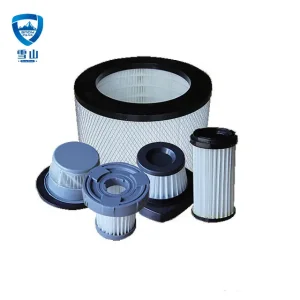
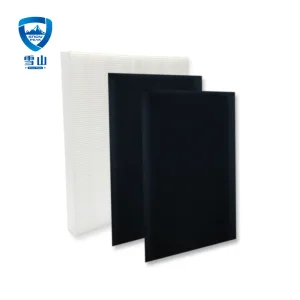
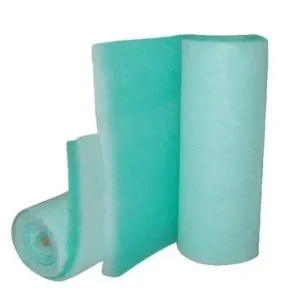
Explore our full line of honeycomb photocatalyst media, replacement HEPA cylinders, paint booth media rolls, and specialized cleanroom separators.
 Snow Peak