Explore our highly certified product range designed for odor neutralization, harmful gas abatement, and microparticle filtration.
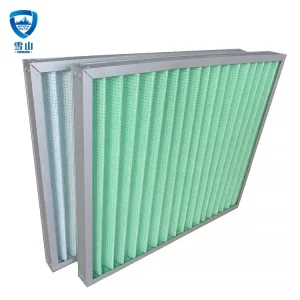
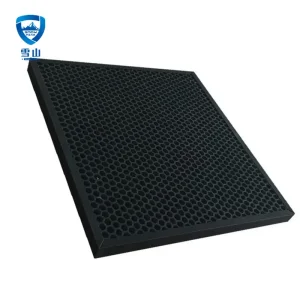
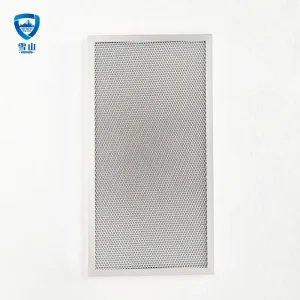
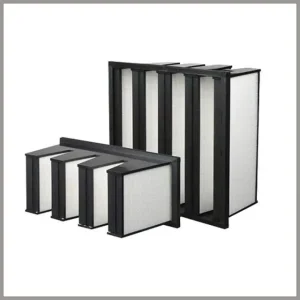
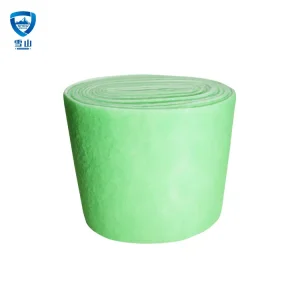
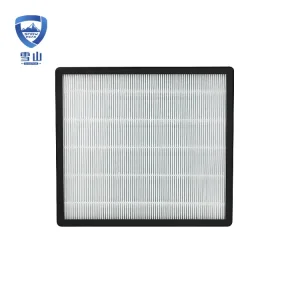
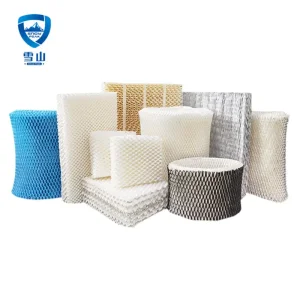
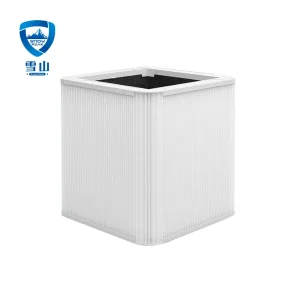
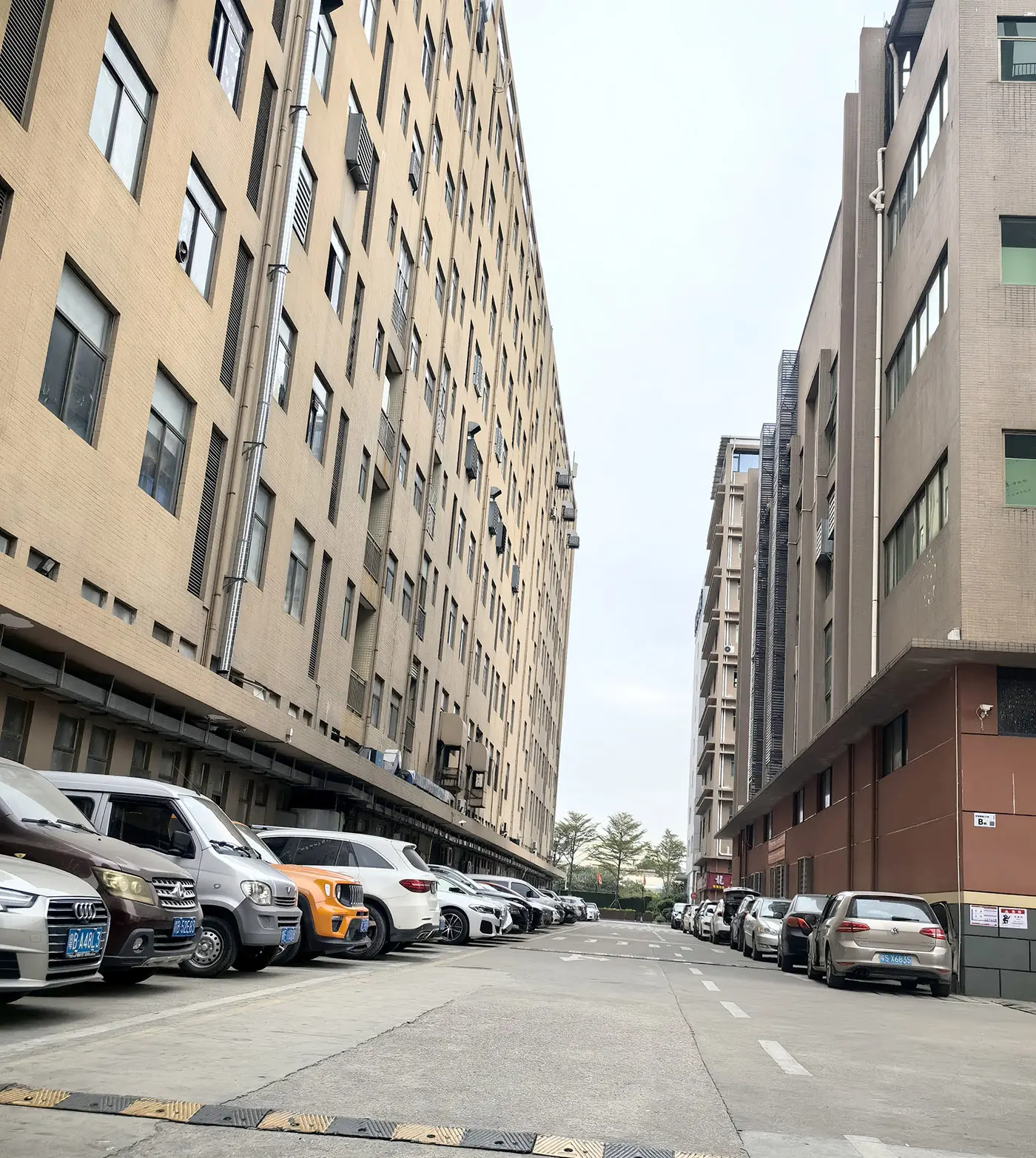
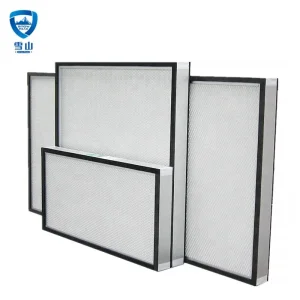
We are a fully integrated high-tech enterprise specialized in air filtration products research, development, high-precision manufacturing, and global trade. We supply advanced pre-filters, pocket filters, HEPA filters, and chemical filters alongside carbon replacement materials.
Our custom cleanroom technology offers solutions for civil, public, and high-stakes industrial buildings, microelectronics facilities, pharmaceutical laboratories, schools, and hospitals. Benefiting from our patented antiviral filter formulations, our sterilization filters maintain ultra-low PM2.5 counts while achieving a 99.9% biological capture rate and a H1N1 virus eradication rate of 99.99%.
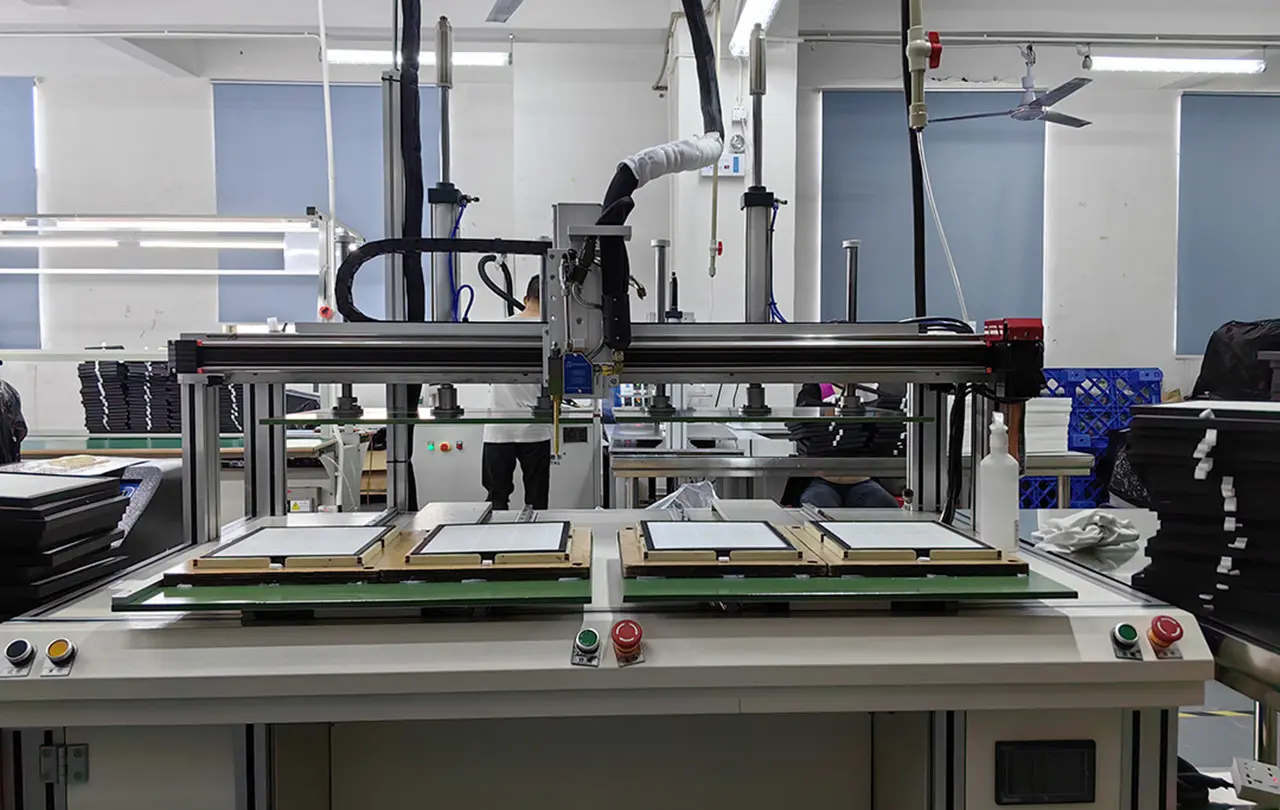
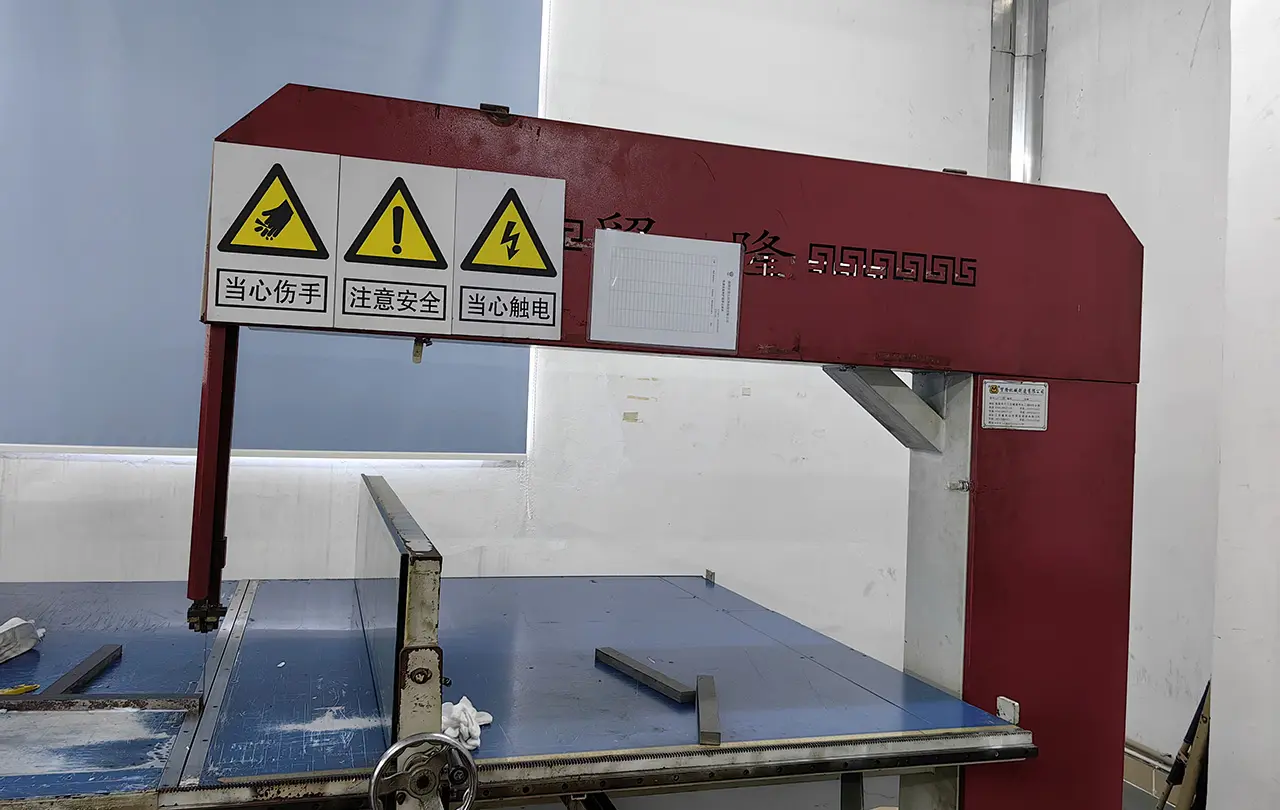
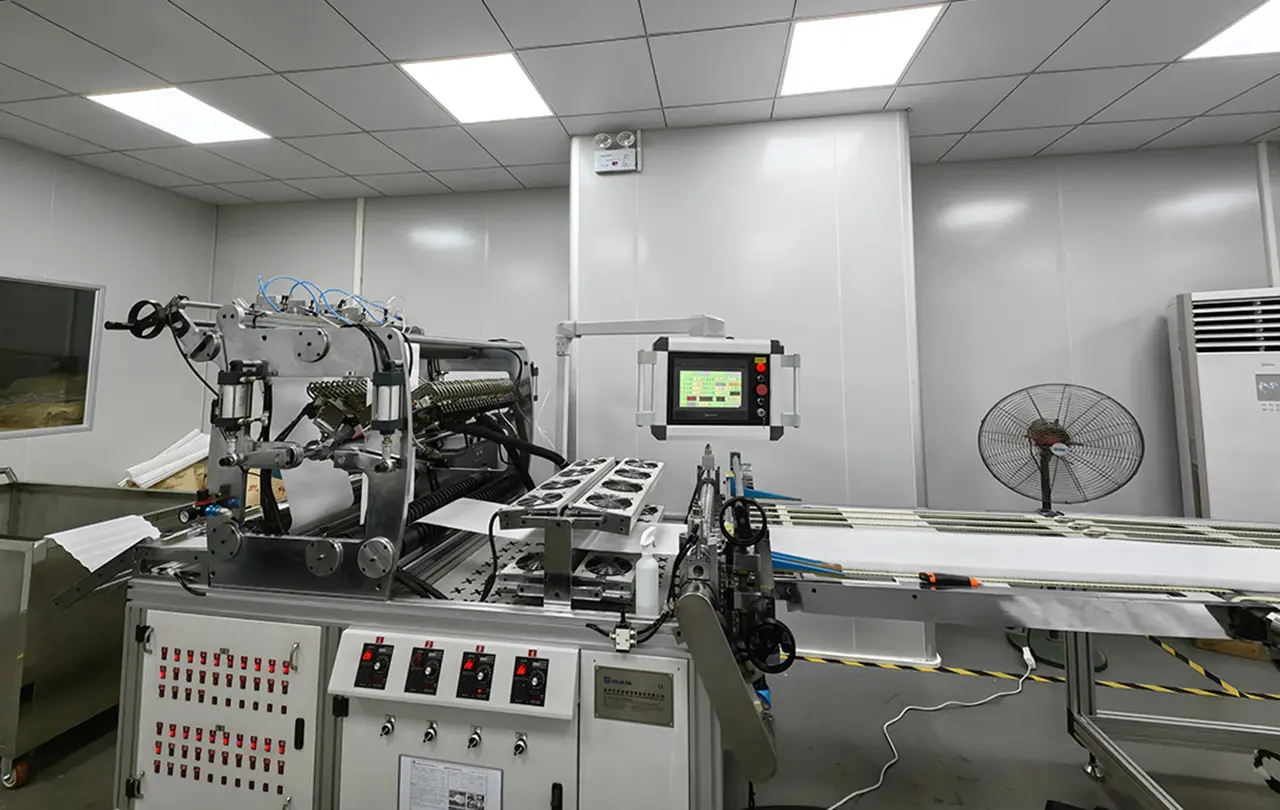
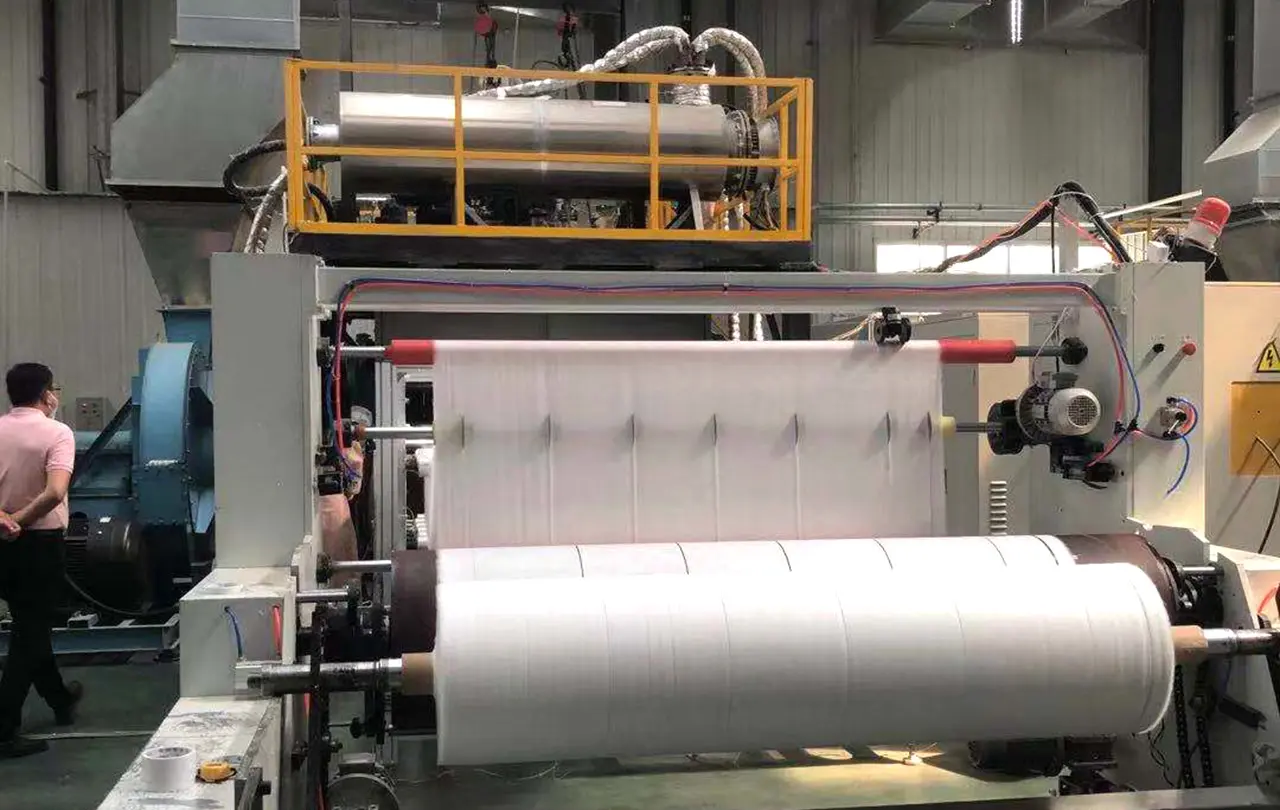
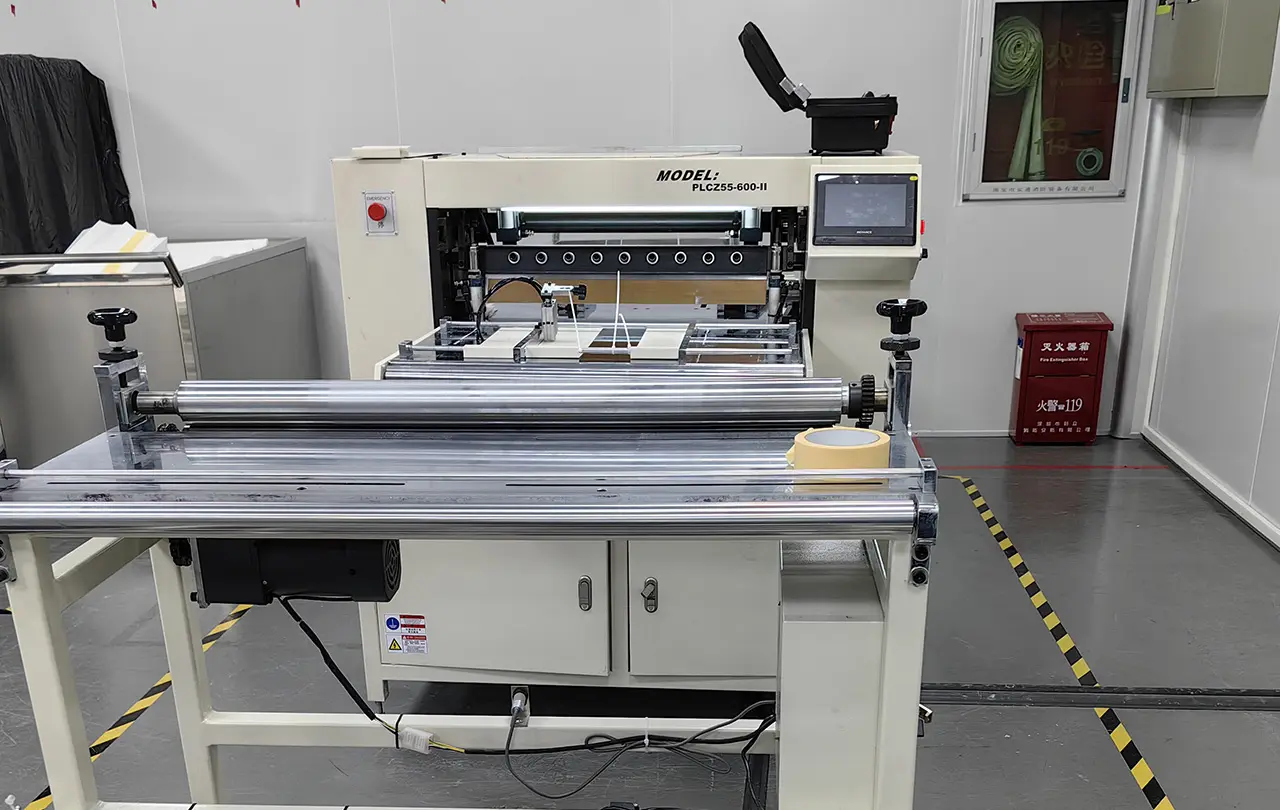
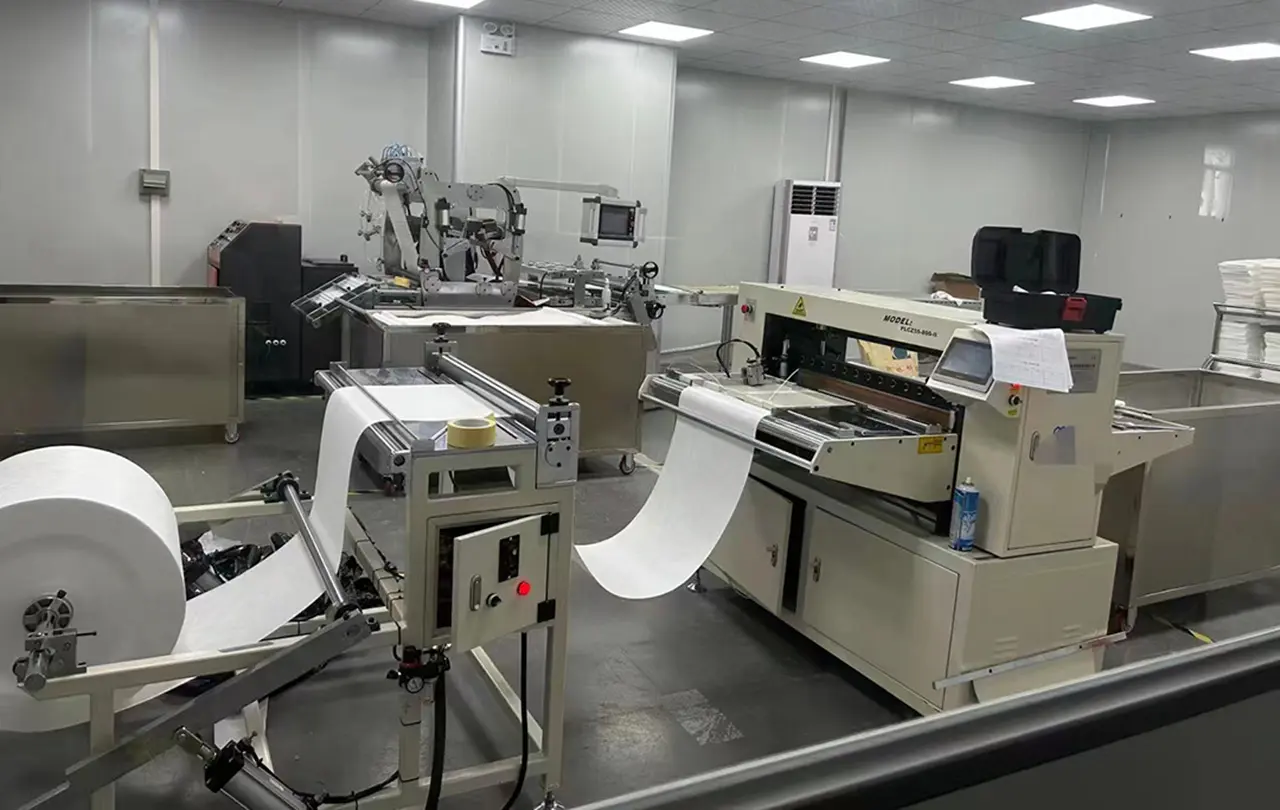
Providing precision engineering through AMADA CNC punching, automated pleating, and high-efficiency composite material lines.
In high-density commercial developments and precision industrial manufacturing, the control of airborne gaseous pollutants is as critical as particulate filtration. Traditional HEPA filters excel at trapping solid particulate matter like PM2.5, dust, and microbiological contaminants. However, they are completely ineffective against molecular-level pollutants such as Volatile Organic Compounds (VOCs), nitrogen oxides ($NO_x$), sulfur dioxide ($SO_2$), hydrogen sulfide ($H_2S$), and chemical odors. This is where engineered carbon filtration systems serve as a primary defense line.
Molecular filtration relies on physical and chemical adsorption. At Shenzhen Snow Peak Clean Technology Co., Ltd., we combine active carbon substrates with advanced structural frames to maximize gas-phase breakthrough times while maintaining a minimal pressure drop profile. For modern commercial structures aiming to achieve LEED or WELL air quality certifications, understanding the science behind customized gas adsorption kinetics is paramount to designing sustainable HVAC infrastructure.
To optimize air quality in industrial settings, carbon filters function through two primary mechanisms:
For procurement officers and HVAC design engineers, assessing the quality of a commercial-grade carbon filter requires reviewing several performance variables:
| Metric Parameter | Technical Significance | Snow Peak Benchmark |
|---|---|---|
| CTC Activity Rating | Measures the loading capacity of carbon using Carbon Tetrachloride vapor. | 60% to 80% High Activity Options |
| Butane Working Capacity | Measures the mass of butane adsorbed per unit mass of active carbon. | Meets and exceeds ASTM D5742 standards |
| Residence Time (Contact Time) | The duration the air molecule spends inside the carbon media bed. | 0.1 to 2.0 seconds based on custom engineering |
| Pressure Drop ($\Delta P$) | Resistance to airflow; determines energy consumption of fans. | Optimized honeycomb & pleated architectures for low resistance |
Industrial application demands customized media and structural integrity. Here is how we deliver value.
Our chemical composite media targets specific compounds (acid gases, aldehydes, ammonia, hydrogen sulfide) using tailored chemical impregnants for guaranteed molecular capture.
Leveraging aluminum-based honeycomb and pleated designs, we provide maximum surface-to-volume ratios, minimizing system pressure drop and optimizing fan power usage.
Products undergo testing according to global standards: ISO 16890, EN 779, CE certifications, and UL fire performance, ensuring cleanroom safety and compliance.
From initial gas profiling to final high-volume manufacturing, our cleanroom-verified workflow ensures top quality.
We analyze the environment's gas profile (target pollutants, concentration levels, operating humidity, temperature, and space limits) to identify the ideal media formulation.
Using CFD (Computational Fluid Dynamics) software, we model pressure drops, media bypass potential, and residence times, optimizing filter dimensions and frame geometry.
We select and treat the carbon substrate (impregnated vs. virgin, coconut shell vs. coal base) and bond it securely to the frame (cardboard, metal, or plastic).
Prototypes undergo verification within our dust-free test facilities. We measure breakthrough times and particle removal effectiveness before starting full production.
Our AMADA CNC machinery, automated pleaters, and polyurethane gluing systems produce consistent structural designs for every batch.
Filters are sealed in protective packaging to prevent premature gas loading. We handle custom clearance paperwork and transport logistics worldwide.
Addressing the common design, operation, and maintenance questions raised by HVAC engineers and facilities managers.
The breakthrough point occurs when the carbon media's active pores are saturated, letting gaseous pollutants pass through. In critical systems, we monitor downstream gas concentrations using VOC or electrochemical sensors. For standard HVAC setups, schedule-based replacements based on calculated life predictions (using average pollutant levels and CTC activity) are standard practice.
Coconut shell carbon features a higher ratio of micropores (pores < 2 nm), making it effective at trapping light molecular weight organics and common VOCs. Coal-based carbon contains more mesopores (2 nm to 50 nm) and macropores, which suit larger molecular compounds or liquid phase applications. Additionally, coconut shell is a renewable, low-ash resource, aligning with green building initiatives.
High humidity (typically above 70% RH) can lead to water molecules outcompeting target VOCs for the carbon's micropores, reducing physical adsorption efficiency. For high-humidity locations, we adjust media formulations with hydrophobic carbon grades or advise installing dehumidification stages upstream of the carbon filters.
We use AMADA CNC-formed metal frames, rigid polyurethane sealants, and reinforced honeycomb matrices. This prevents media sagging, dynamic shifting, or bypass leaks, ensuring reliable service even in variable air volume (VAV) systems with higher static pressures.
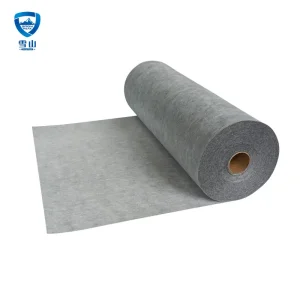
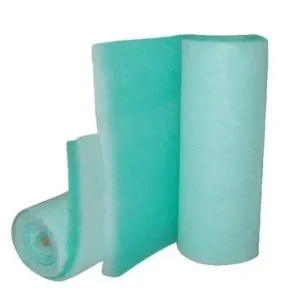
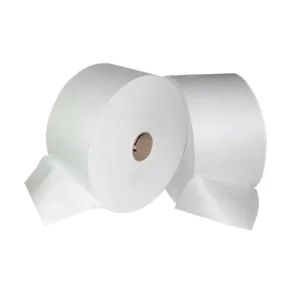
Explore our specialized composite medias, fabric rolls, and customized replacement configurations for global applications.
 Snow Peak