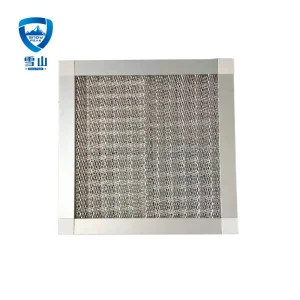
As microelectronics processes shrink, biotechnology requirements tighten, and public health guidelines evolve, standard particulate filtration is no longer sufficient. Shenzhen Snow Peak Clean Technology Co., Ltd. stands as an integrated high-tech enterprise, specialized in air filtration products research and development, production, sales, import and export trade.
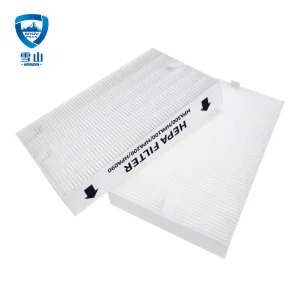
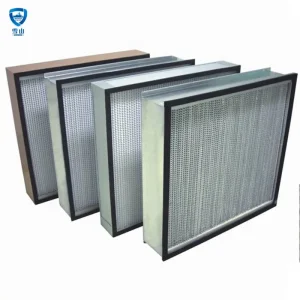
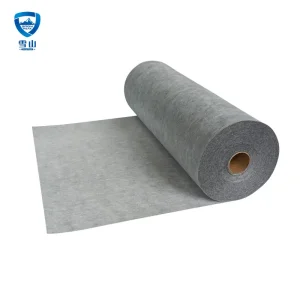
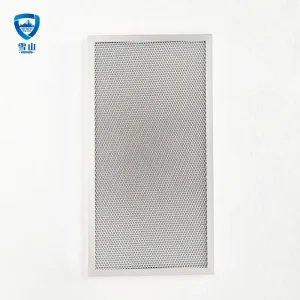
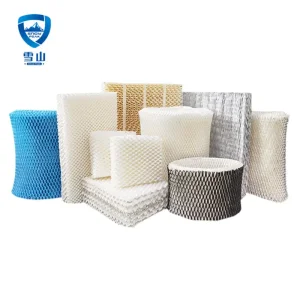
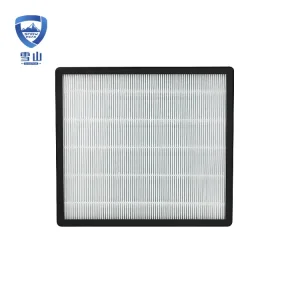
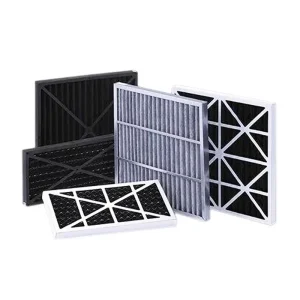
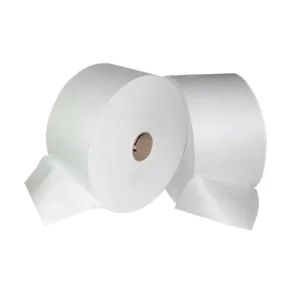
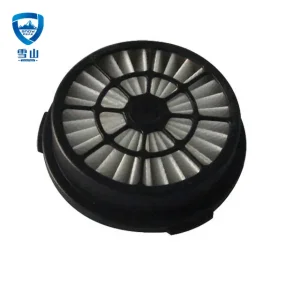
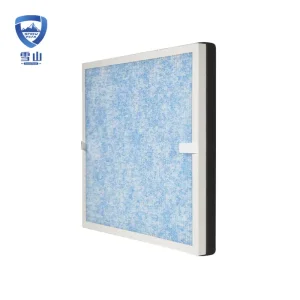
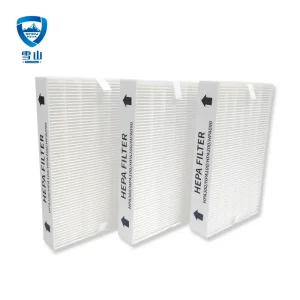
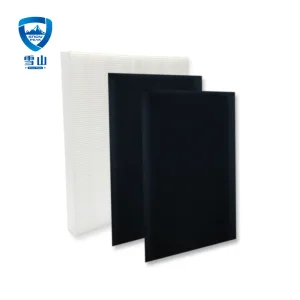
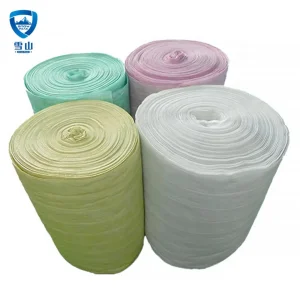
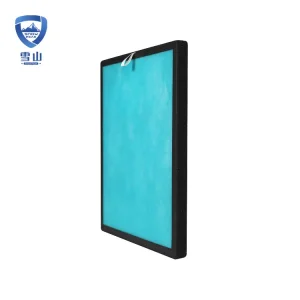
With an unwavering commitment to quality control and technical innovation, we produce and supply a comprehensive spectrum of air treatment solutions, including: Pre-filters, pocket filters, HEPA filters, chemical filters, replacement HEPA filters, car cabin air air filters, and humidifier evaporative filters. We leverage proprietary technological pipelines to manufacture premium pocket filter media, melt-blown composite media, and antibacterial HEPA media designed for optimal dust holding capacity and low structural pressure resistance.
Our antiviral HEPA filter line lowers PM2.5 concentrations down to 10 micrograms/m³, outperforming regulatory baselines, while achieving a 99.9% bacterial sterilization rate and a 99.99% H1N1 viral containment profile without secondary pollutant release.
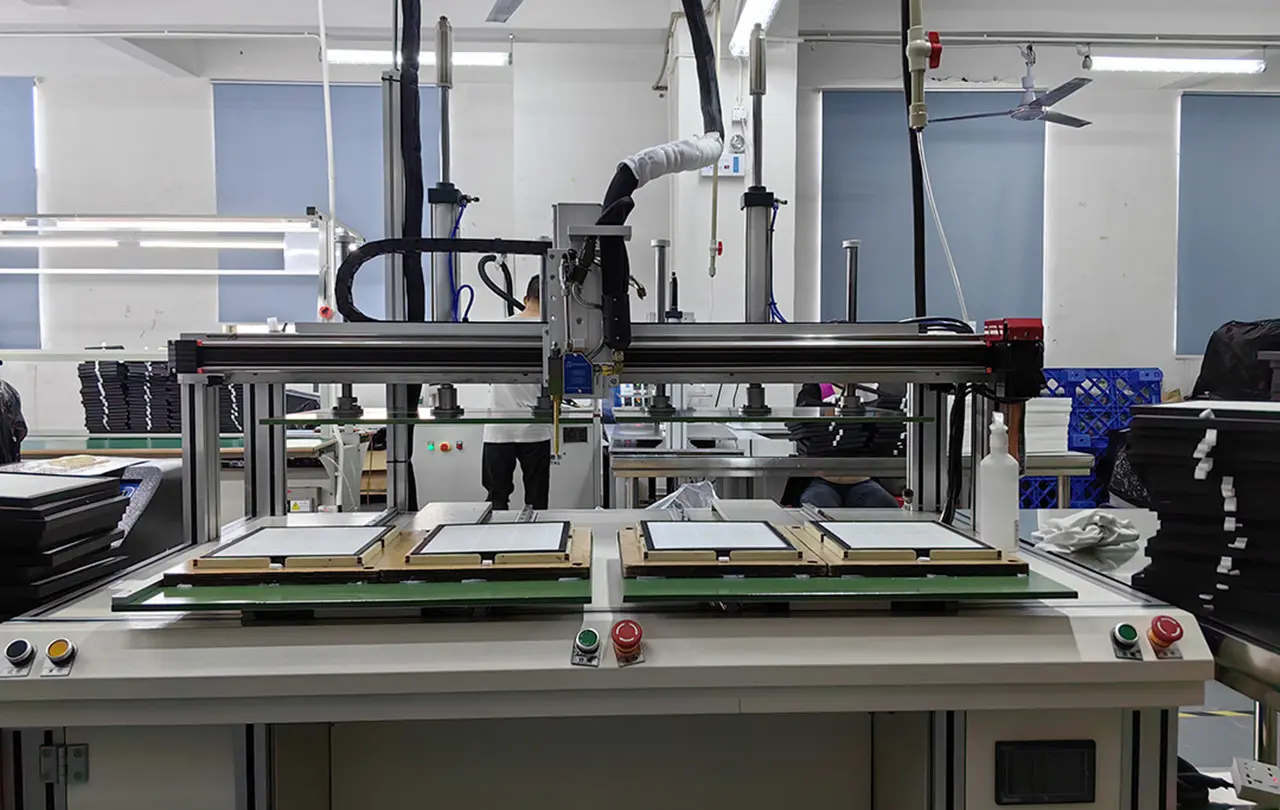
Operating out of a dust-free filter workshop, our assembly pipelines rely on automated precision machines to achieve consistency, tight tolerances, and leak-free structural integrity.
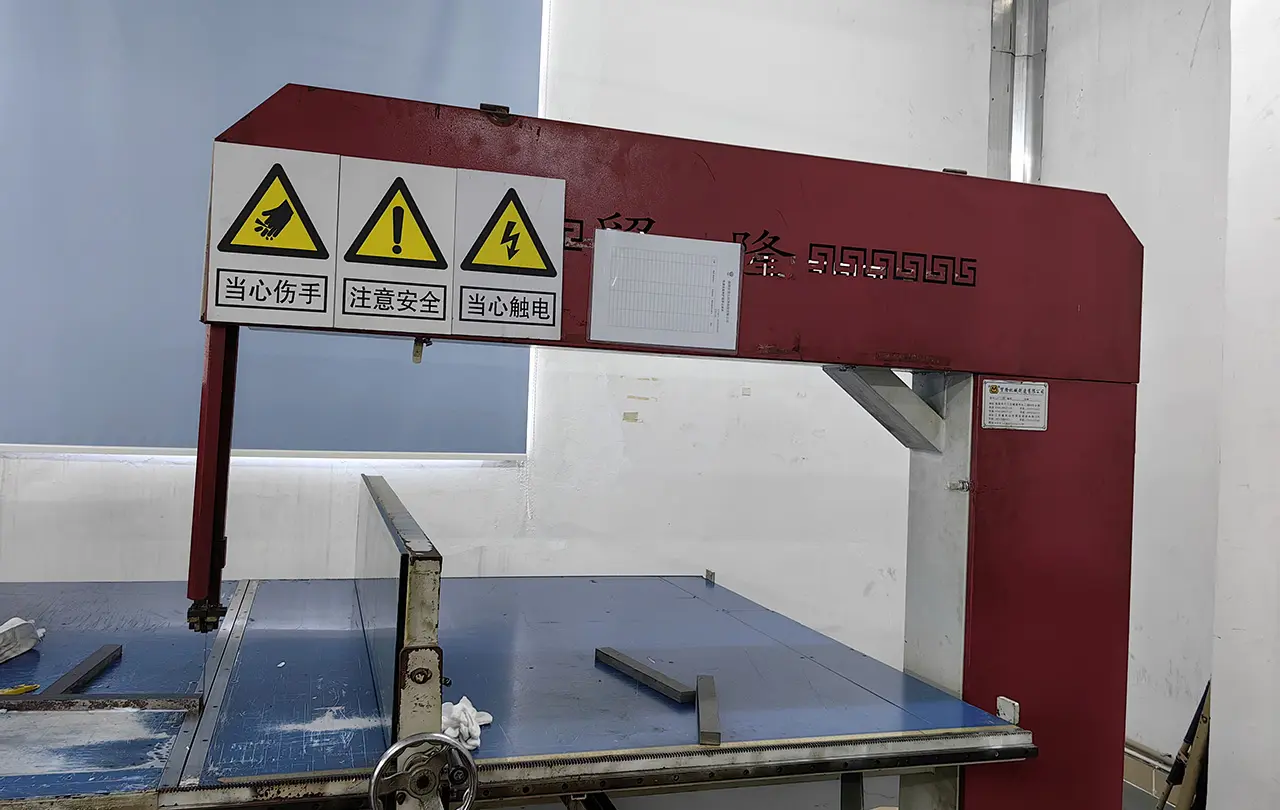
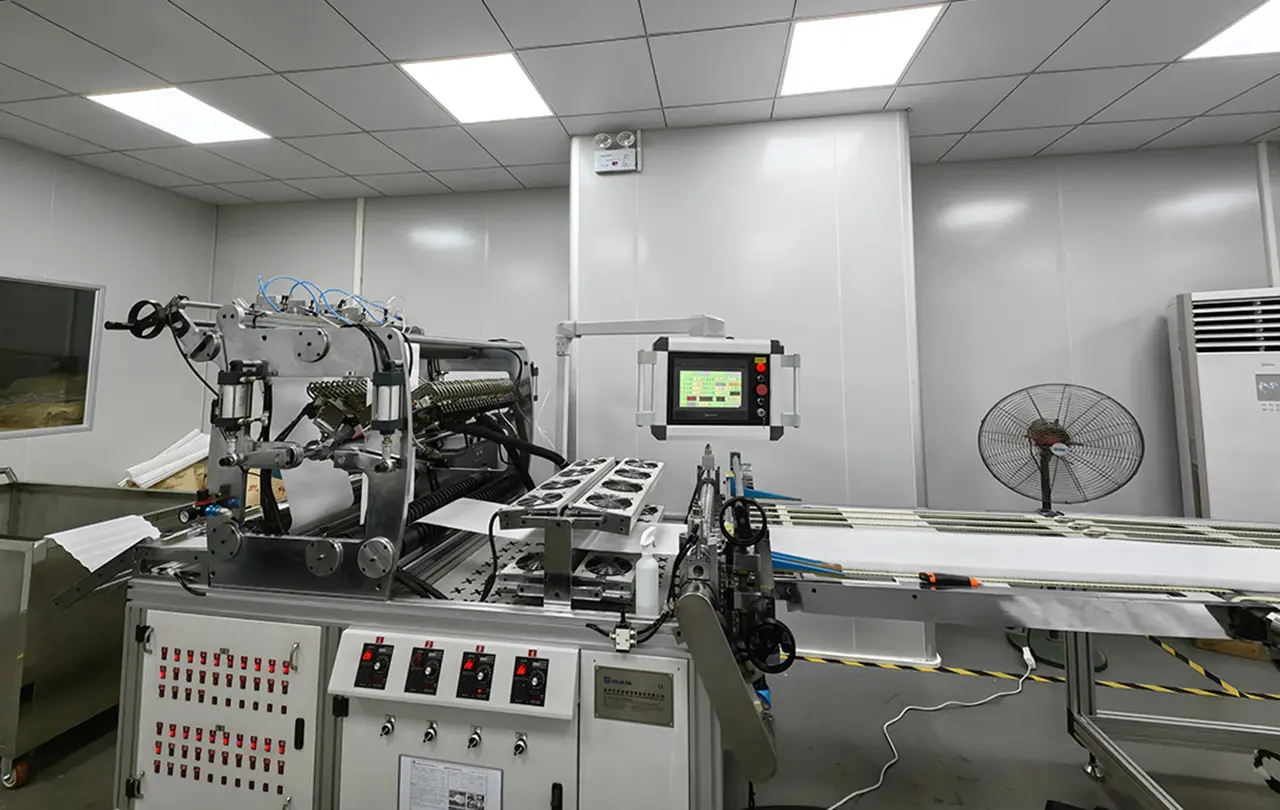
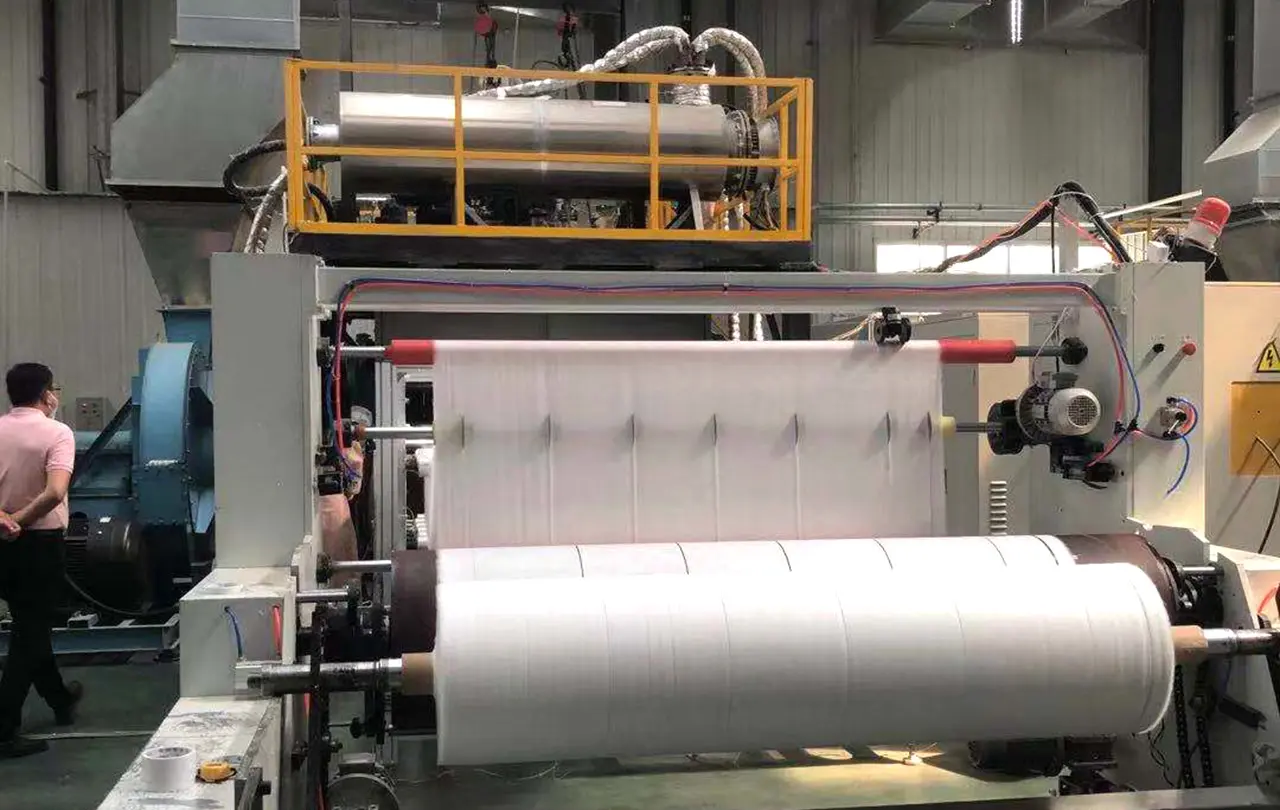
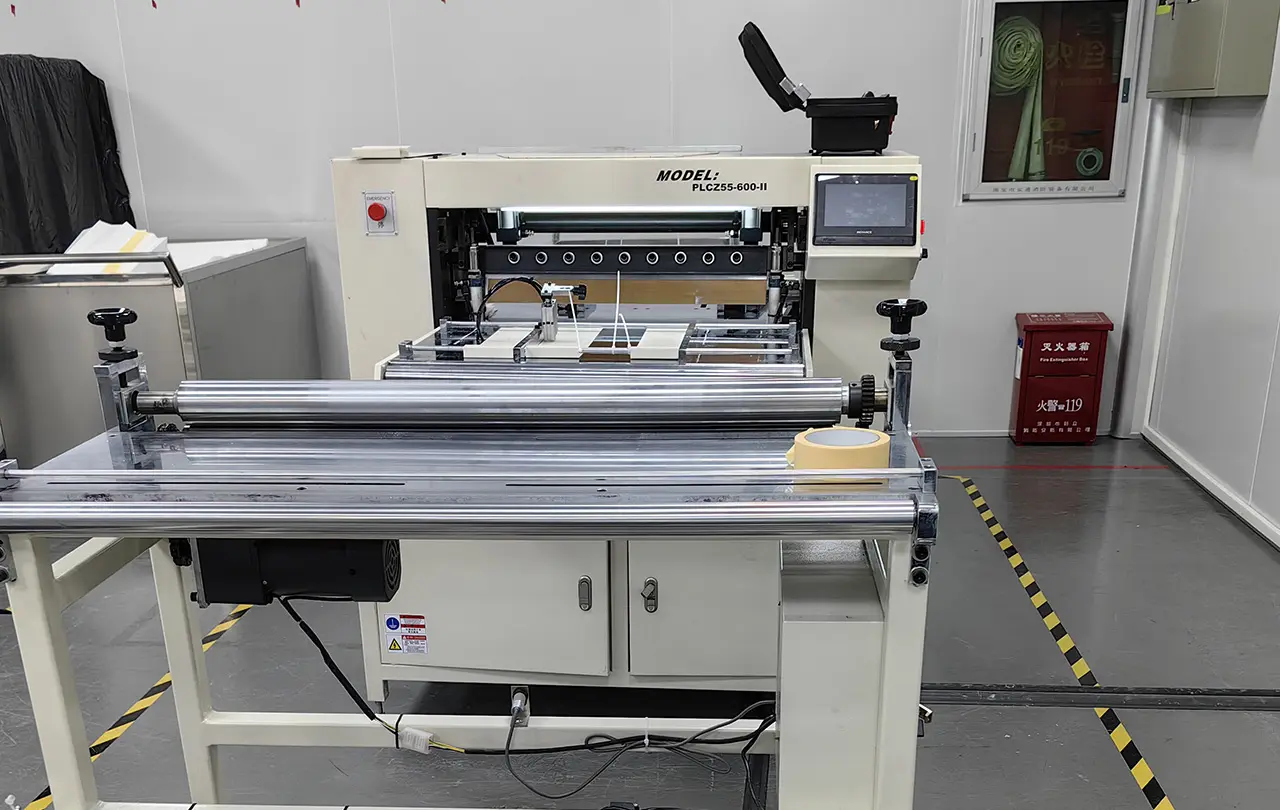
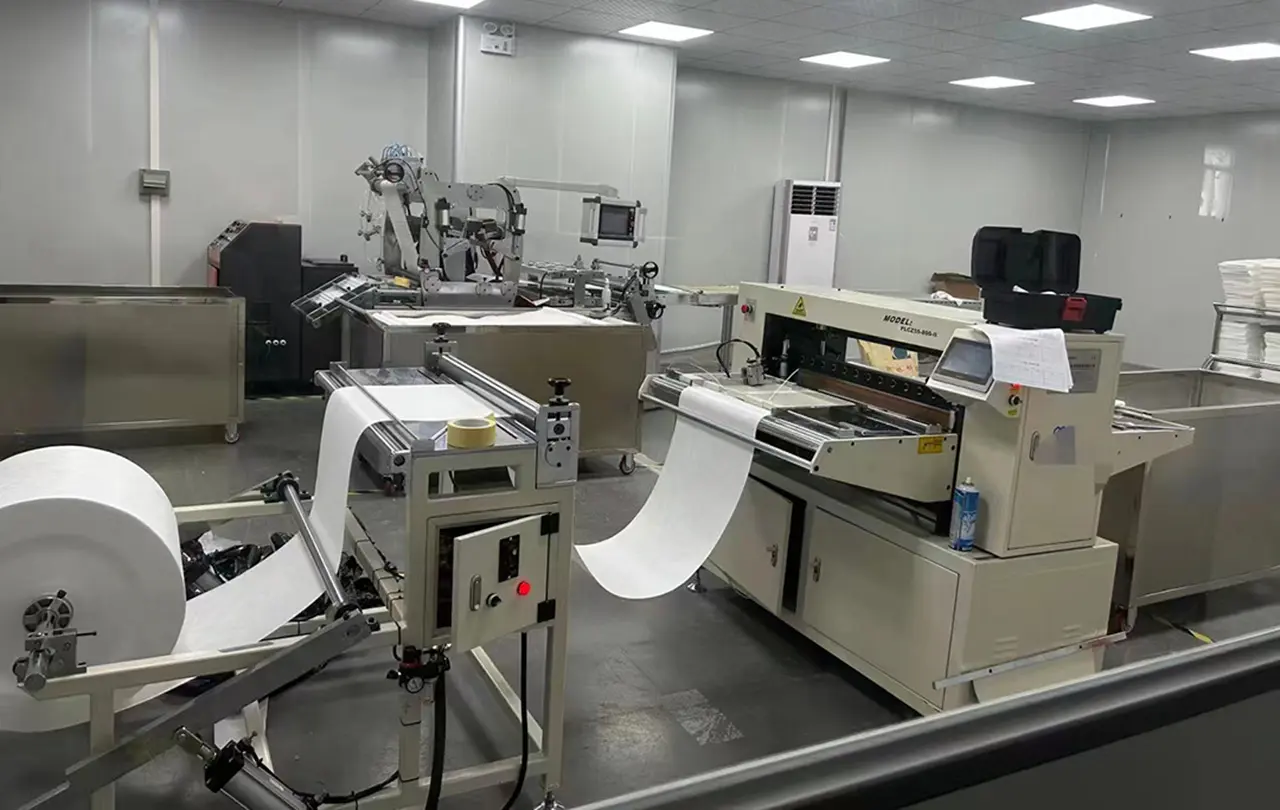
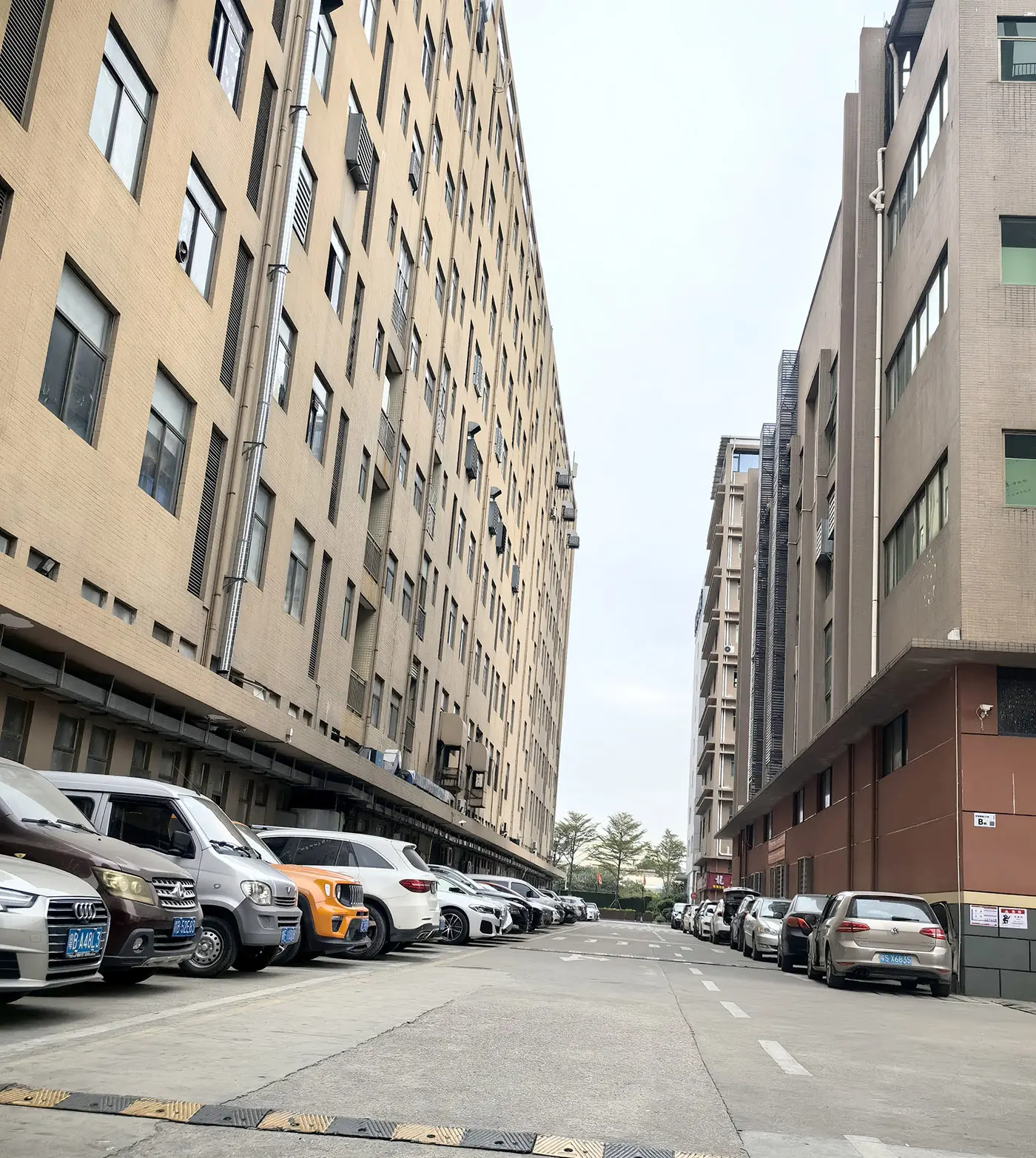
Our production facilities integrate a 15-year pedigree of international air purification technologies. Our cleanroom production area features high-end manufacturing machinery, including AMADA CNC punches and CNC bending machines. This allows us to customize structural housings and aluminum profiles with micro-millimeter precision, providing an air-tight fit and high structural strength for demanding environments.
An Industrial Guide to Compliance, Material Configuration, and Custom System Design for Engineering Managers and OEM/ODM Buyers.
HEPA H14 filters belong to the high-efficiency particulate air classification defined by international standards EN 1822-1:2019 and ISO 29463. While standard HEPA filters (such as H13) capture 99.95% of particles at their Most Penetrating Particle Size (MPPS), an H14 grade filter provides a minimum efficiency of 99.995% at the MPPS (typically between 0.1 to 0.25 microns). This level of performance is critical in cleanrooms where even minor particle contamination can lead to wafer loss in semiconductor plants, or compromised sterile conditions in pharmacological fill lines.
The mechanism of particulate capture at the H14 level is governed by four fundamental physical processes:
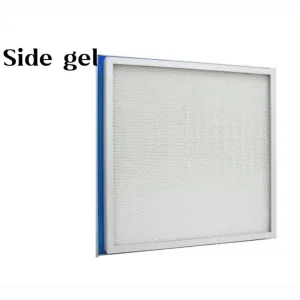
For cleanroom ceilings, liquid tank or gel-seal designs offer absolute sealing. The gel forms a physical barrier that prevents bypass leaks, which are common in gasket-based installations.
Our glass fiber media delivers exceptional stability under high humidity, while our customized melt-blown composite media offers low resistance to air flow, helping reduce system energy consumption.
Every single HEPA H14 filter element we produce undergoes localized photometer scan testing (DEHS/DOP aerosol) to confirm that no pinhole leaks exist in the media or frame-seal interface.
When engineering procurement teams assess ODM HEPA H14 manufacturers, they must verify parameters beyond simple dimensions. System designers need to balance initial pressure drop, dust holding capacity (DHC), nominal face velocity, and life-cycle costs:
Our filtration systems are designed for diverse industrial applications:
1. Semiconductor & Electronics Cleanrooms: In manufacturing fabs, airborne molecular contamination (AMC) and sub-micron particulates can ruin silicon wafers. Our customized gel-seal HEPA H14 filters integrate with fan filter units (FFUs) to provide clean air down to Class 10 (ISO 4) standards.
2. Bio-Pharma Containment: In processing plants and biosafety laboratories (BSL-3/BSL-4), exhaust streams must be filtered to prevent biological agents from escaping. Our deep-pleat glass-fiber HEPA H14 filters deliver reliable containment for these high-stress environments.
3. Medical Facilities & Surgical Suites: Operating theaters require stable, unidirectional laminar flow. Our low-resistance mini-pleat filters create a clean air envelope that protects patients and surgical teams from airborne infection.
Ensuring compliance with international standards through rigorous testing protocols and local support channels.
Navigating different national safety codes requires a partner who understands regulatory compliance. Shenzhen Snow Peak holds international certifications, including CE, compliance with EN 1822 testing, and ISO 9001 quality management standards.
Each shipment includes comprehensive testing certificates showing details such as nominal airflow, initial pressure drop, overall filtration efficiency, and local leak scan data. By using these standard metrics, we provide quality assurance to our distribution partners in Europe, North America, and Southeast Asia, helping them meet local health and safety regulations.
In addition, our logistics teams provide custom packaging, container optimization, and compliance documentation. This ensures that delicate filter elements arrive safely and ready for installation in your facility.
As the industry advances, we continue to invest in R&D to address emerging requirements. The next generation of HEPA H14 and ULPA filtration systems focuses on three main areas:
We are developing electrospun nanofiber layers that can be integrated onto standard glass fiber and melt-blown substrates. By using smaller fiber diameters (typically under 100 nanometers), we can increase interception and diffusion mechanisms while maintaining a lower pressure drop compared to traditional media.
Modern building management systems (BMS) require real-time performance tracking. We are developing HEPA filters with integrated, non-restrictive pressure differential sensors. These sensors communicate over IoT networks to notify maintenance teams of filter loading, helping prevent premature replacements and minimize energy waste.
In support of global carbon reduction goals, we are testing natural and biodegradable structural materials for filter frames and media supports. This work aims to reduce the environmental impact of filter disposal without compromising structural integrity or H14 certification standards.
Quick answers to common questions about customization, lead times, and technical specifications for H14 HEPA filters.
 Snow Peak