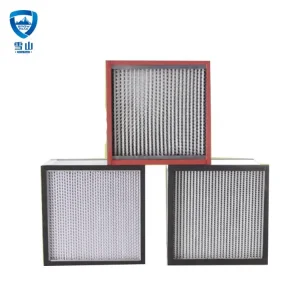
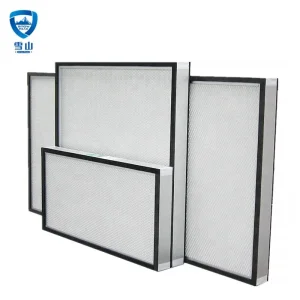
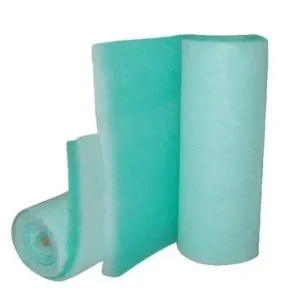
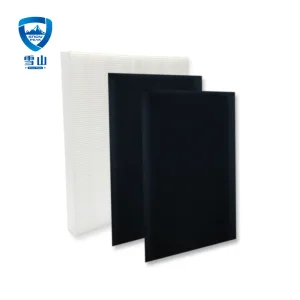
Explore our premium engineered air filtration solutions built for industrial, commercial, and residential applications global systems.
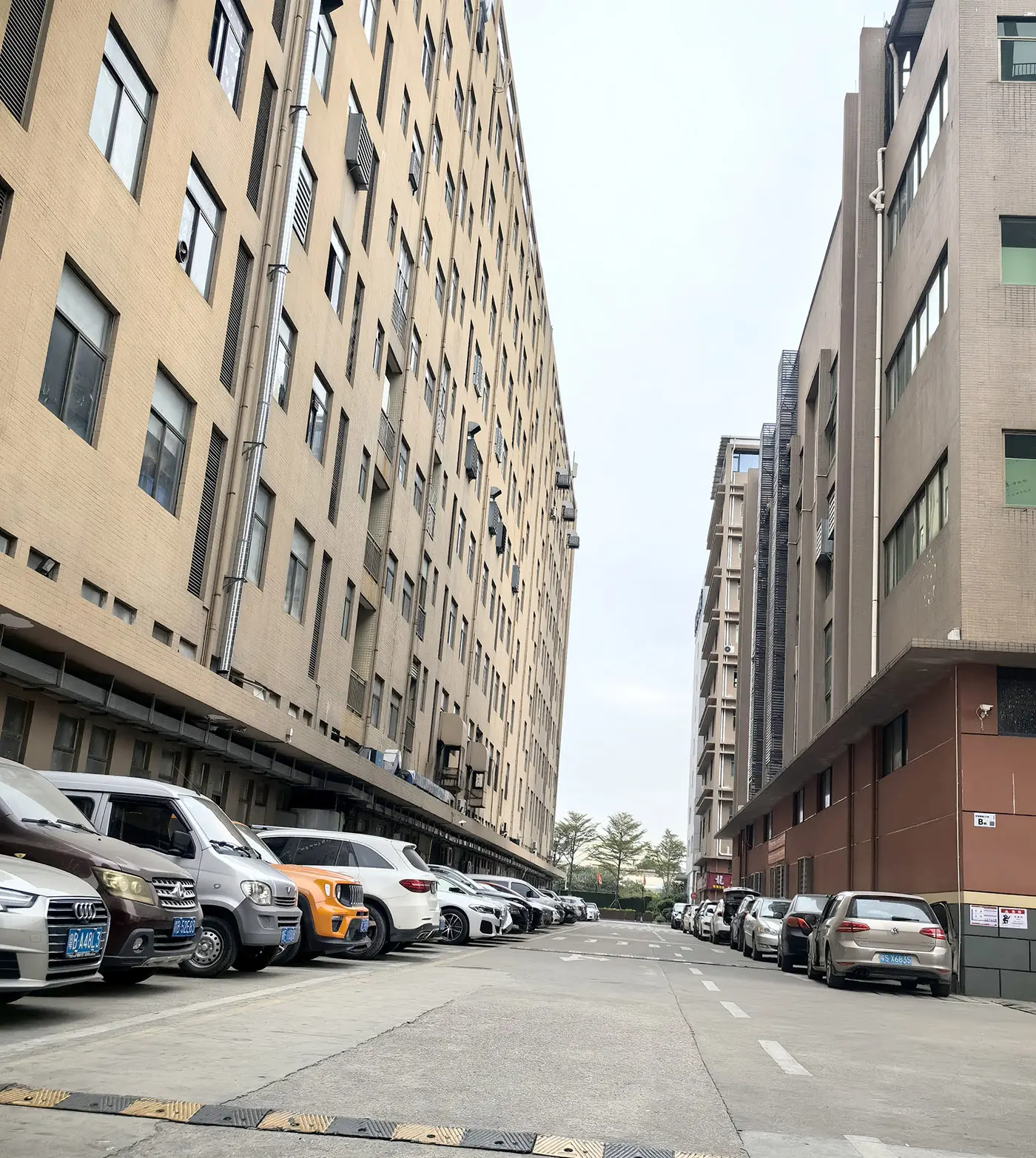
Shenzhen Snow Peak Clean Technology Co., Ltd. stands as an integrated high-tech enterprise, pioneering air filtration products research, development, high-capacity manufacturing, sales, and global trade operations. We configure comprehensive solutions for indoor environmental quality (IEQ), targeting civil construction, public infrastructure, and ultra-critical cleanrooms (microelectronics, biopharmaceuticals, aerospace laboratories, and medical isolation environments).
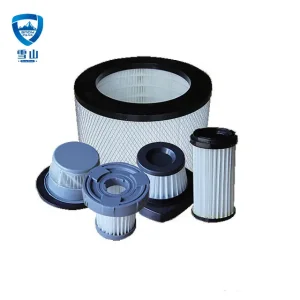
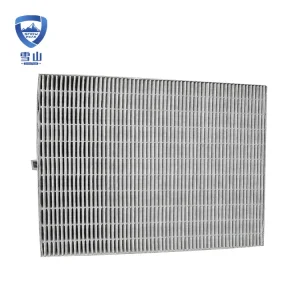
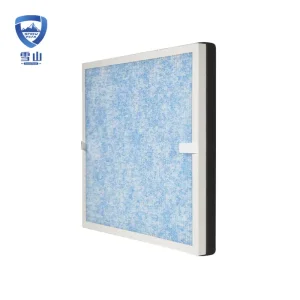
Our research focus goes beyond simple passive particle interception. Utilizing our self-developed patented technology, our flagship sterilizing antiviral HEPA filters actively neutralize airborne biological pathogens. This reduces ambient PM2.5 concentrations down to a mere 10 micrograms per cubic meter—5 times cleaner than standard national baselines. The electrostatic charge retention and nano-barrier layers deliver a sterilization rate of 99.9% and suppress micro-organism breeding on the media, yielding an H1N1 virus eradication rate of 99.99% with zero secondary chemical output.
Combining 15 years of international air purification engineering expertise with advanced CNC tooling and high-precision production technology.
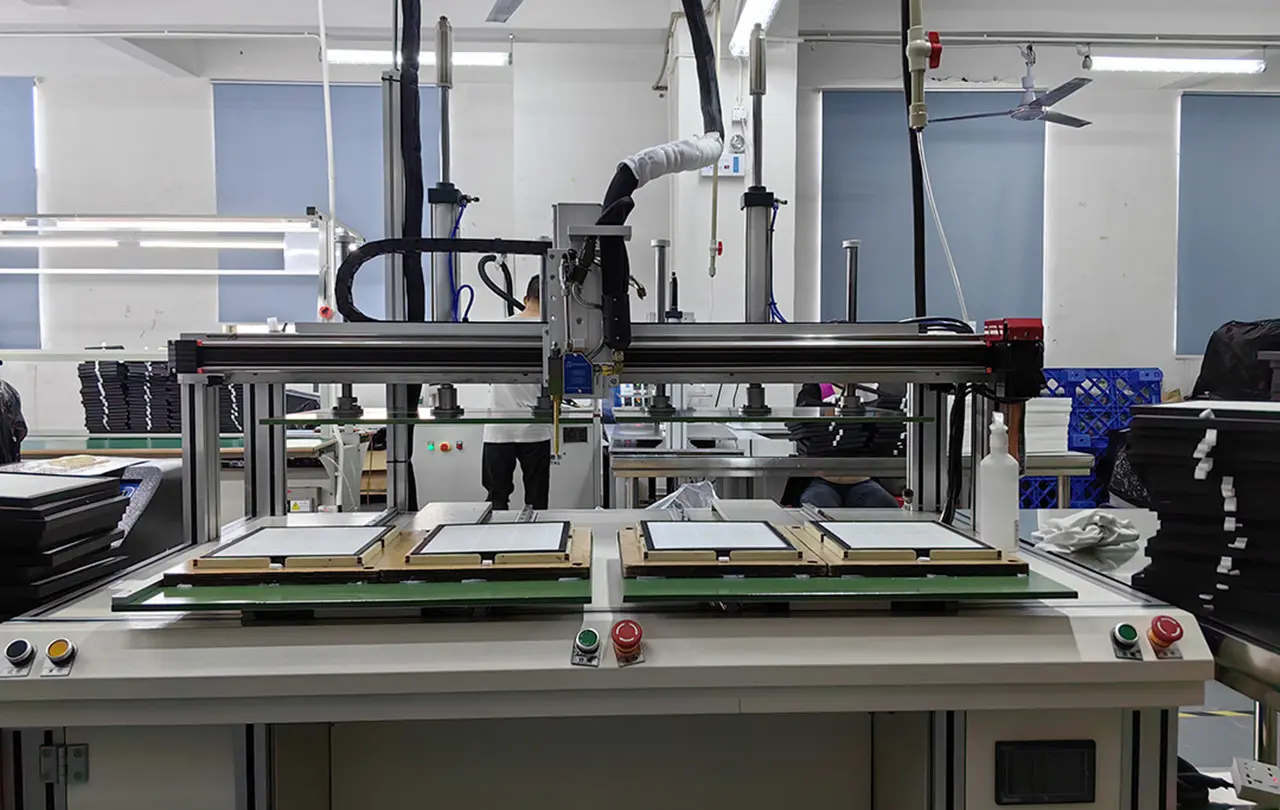
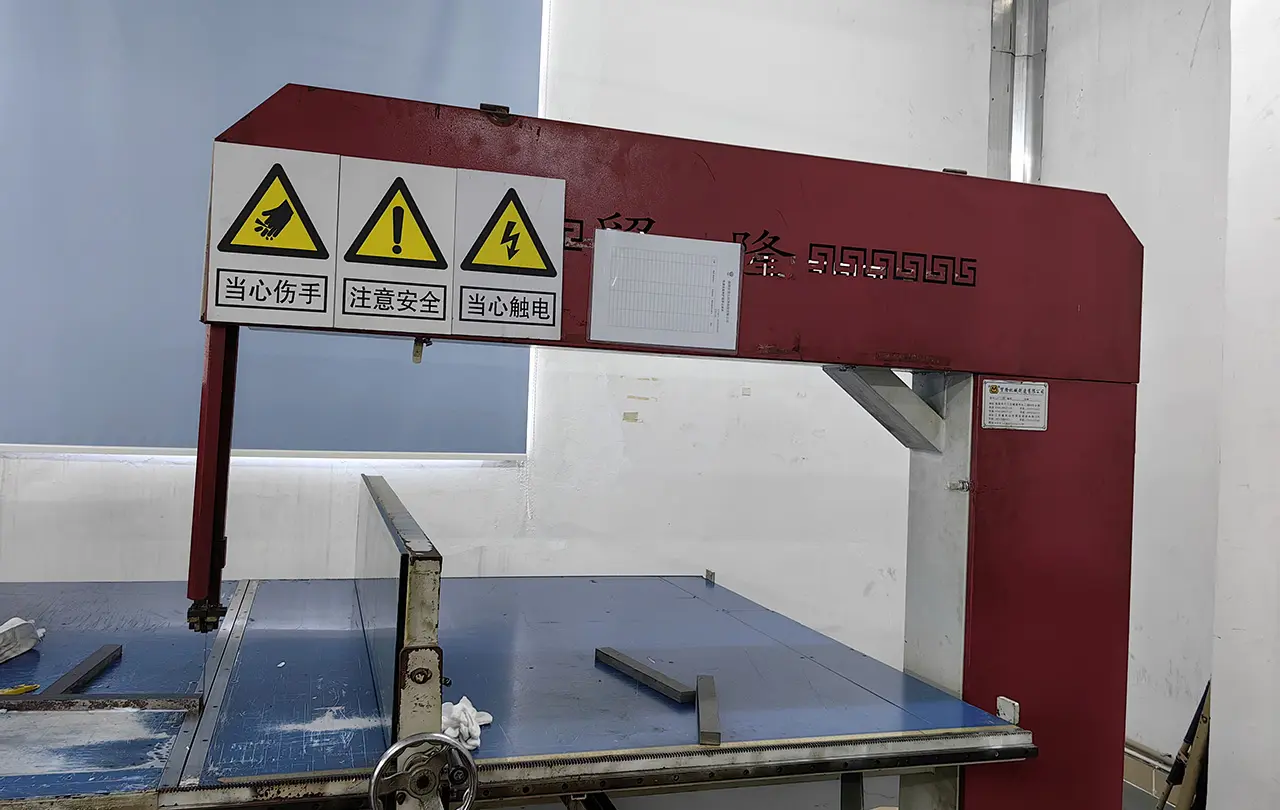
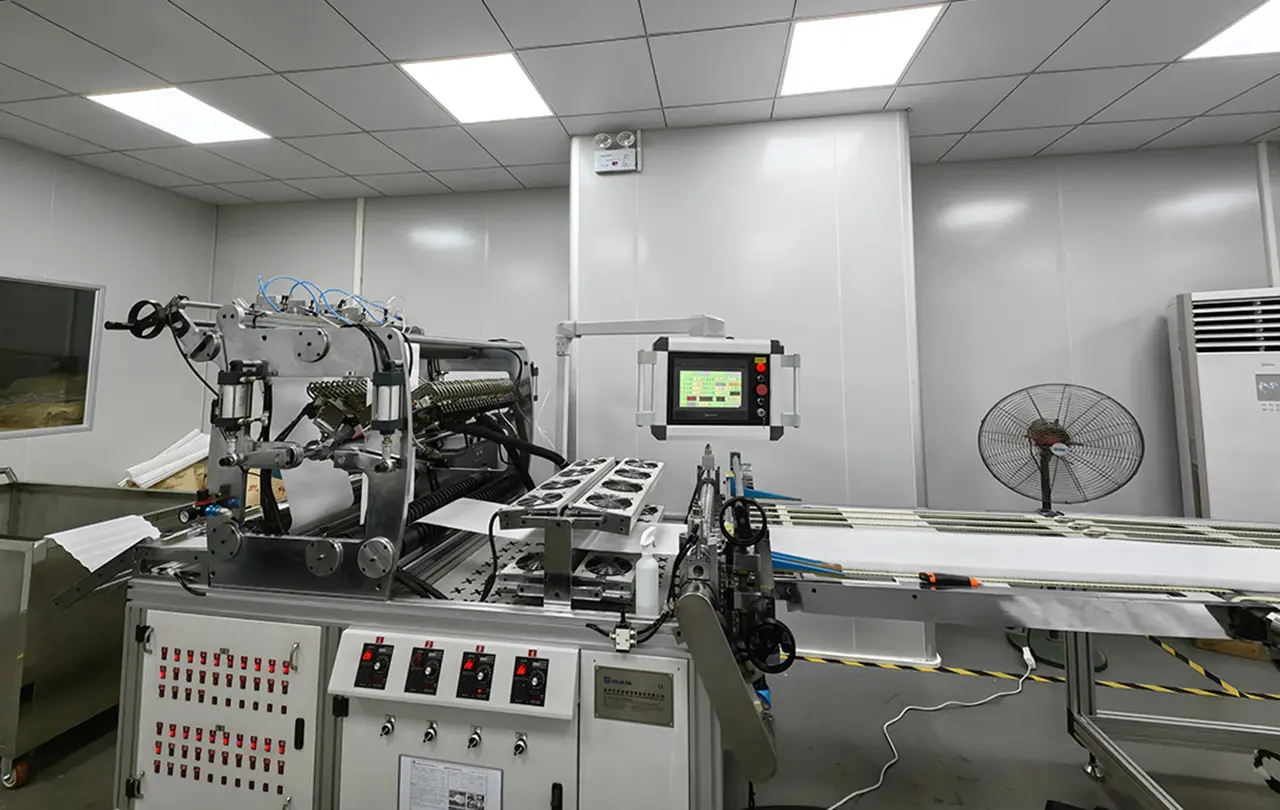
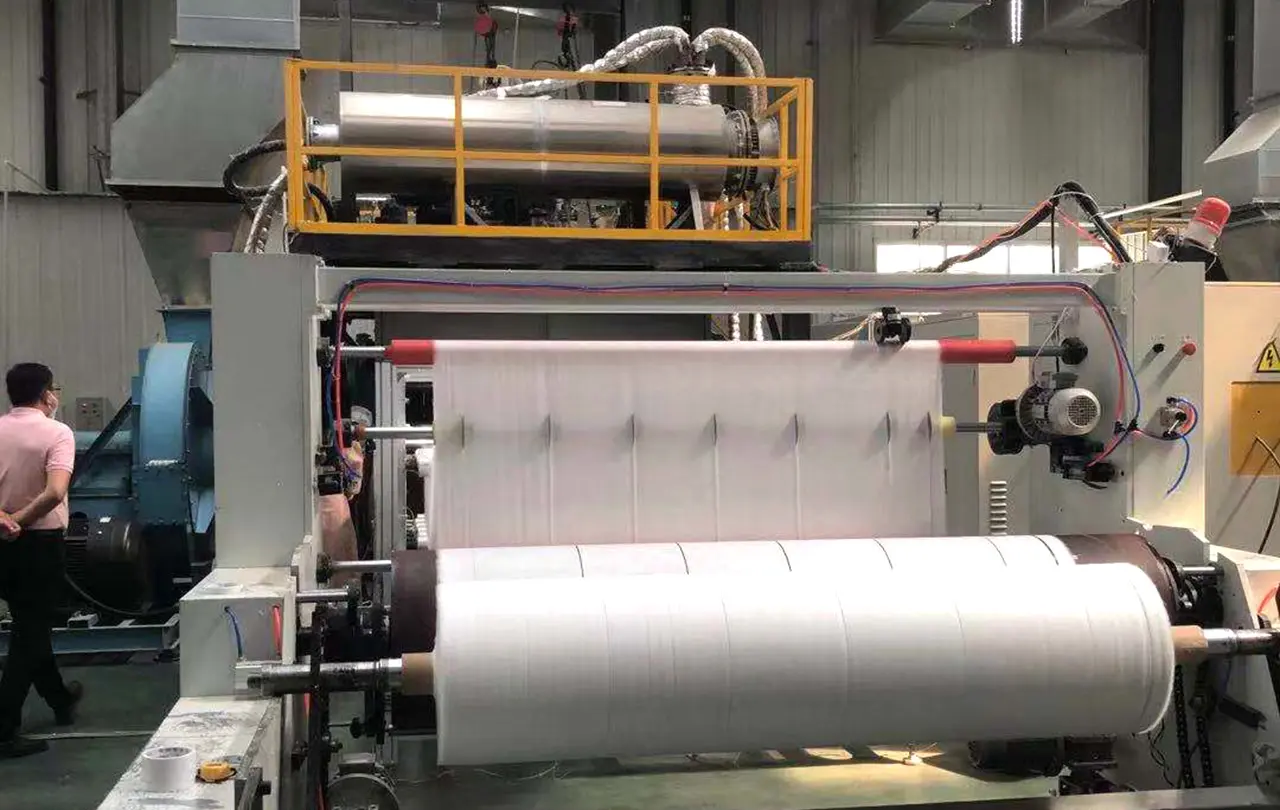
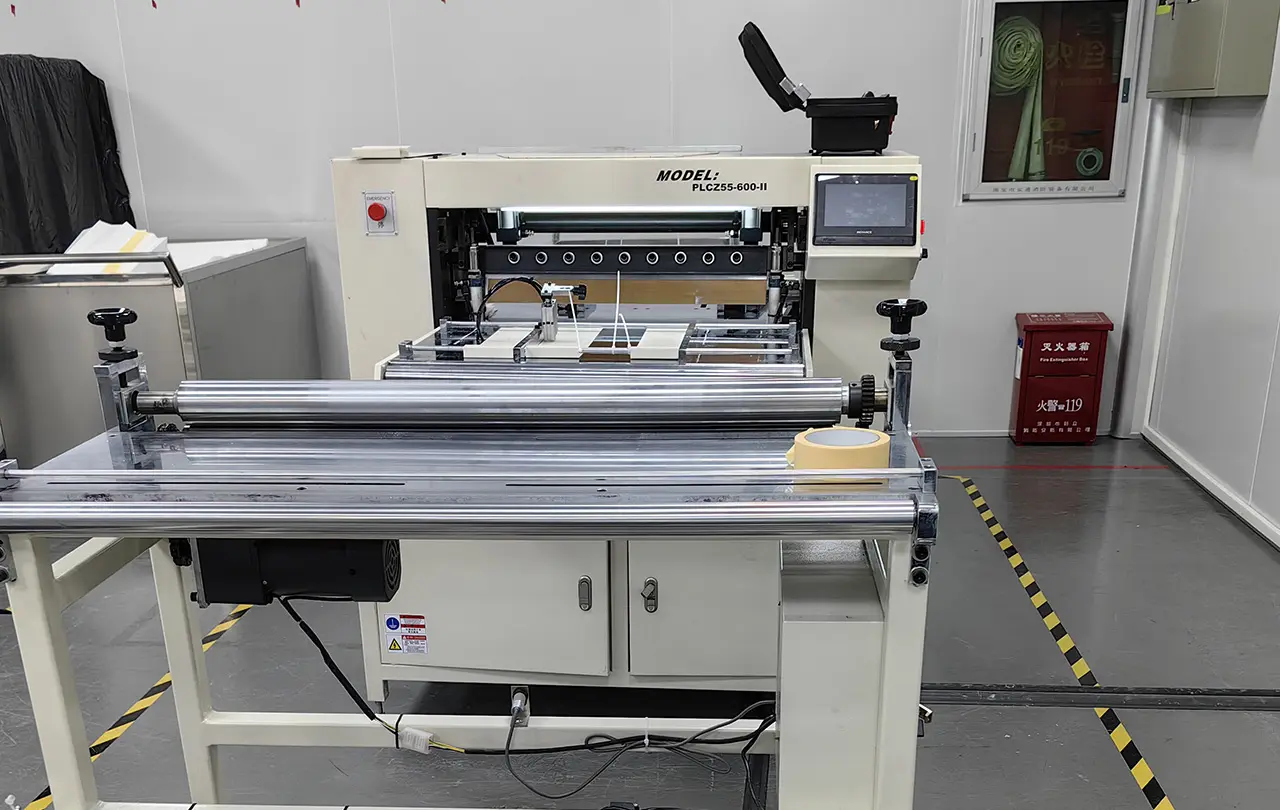
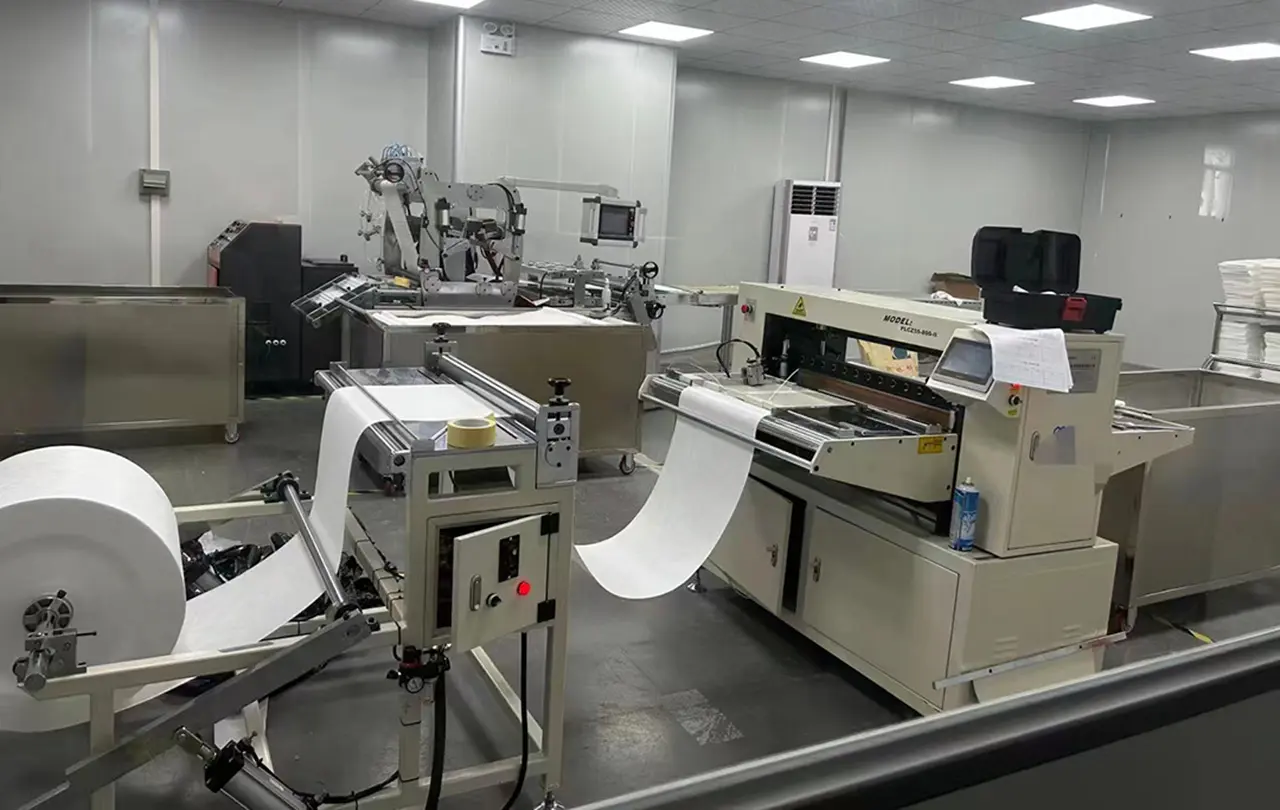
Our state-of-the-art facility integrates standardized dust-free synthesis workshops, cleanroom-grade filter assembly bays, and fully automated diagnostic verification stations. We leverage high-end industrial machinery, including AMADA CNC punches and CNC bending machinery, ensuring high dimensional consistency and structural integrity for our frames and housings.
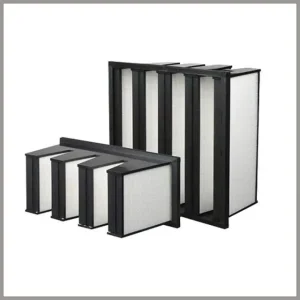
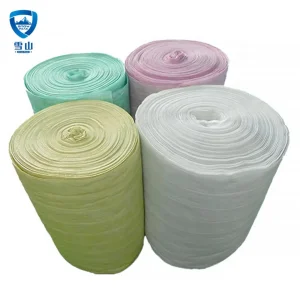
Our customized production lines run full environmental diagnostics, ensuring that every batch of MERV 13 and HEPA filters exhibits a low initial pressure drop, long mechanical life, and highly consistent density distribution. By controlling the synthesis of our own raw nonwoven melt-blown materials, we guarantee high-efficiency electrostatic charging that is highly resistant to humidity-driven discharge.
Our core capabilities range from raw material formulation to mechanical pleating and advanced thermal bonding. This allows us to supply highly specialized filter media, including customized pleat heights, composite charcoal layers, and high-temp glass fiber matrices capable of resisting extreme thermal states in critical industrial processes.
An in-depth analysis of filtration dynamics, electrostatic enhancement, and pressure drop optimization.
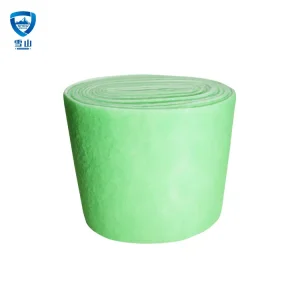
Minimum Efficiency Reporting Value (MERV) metrics, governed by ASHRAE Standard 52.2, classify filters according to their ability to capture particles of specific sizes. MERV 13 media is designed to arrest at least 90% of particles in the E3 range (3.0 to 10.0 µm), 85% in the E2 range (1.0 to 3.0 µm), and ≥50% of the finest particles in the E1 range (0.3 to 1.0 µm). This makes MERV 13 fabrics the benchmark selection for combating microscopic threats such as fine combustion dust, mold spores, bacteria, pet dander, and respiratory droplets carrying viruses.
Passive mechanical screening is insufficient to capture sub-micron particles without incurring an unacceptable pressure drop. To address this, Shenzhen Snow Peak Clean Technology employs proprietary Corona Discharge Electret Charging during the melt-blown extrusion process. This introduces a stable electrostatic charge matrix within the polypropylene microfibers. These fibers act as permanent electrostatic traps, utilizing Coulombic forces to pull sub-micron particles toward the fiber surfaces, where they are bound by Van der Waals forces.
A primary challenge in HVAC design is minimizing resistance to airflow, typically measured as static pressure drop (measured in Pascal or inches of water gauge). High resistance forces fan motors to consume more electrical energy, accelerating wear and increasing utility bills. Our ODM MERV 13 fabrics utilize a multi-layer gradient structure:
This design distributes particle capture across the filter's thickness, preventing surface loading. This extends the service life by 30-50% compared to single-layer media, while keeping the initial pressure drop below 45 Pa (at standard test flow rates).
From building decarbonization in Western markets to ultra-clean manufacturing in Asia-Pacific.
In North America and Europe, building certification systems (LEED v4.1, WELL Standard) reward projects that implement MERV 13 filtration or higher. Our fabrics offer a direct route for engineering firms and real estate developers to secure clean air credits without overloading pre-existing HVAC blowers.
Hospitals, surgical wards, and dental clinics utilize MERV 13 composite fabrics as primary pre-filtration layers before air reaches high-cost HEPA terminal modules. The added antimicrobial and antiviral defenses prevent bio-nesting inside the filter banks, maintaining biological safety protocols.
Automotive spray booths, pharmaceutical packaging systems, and semiconductor fabrication halls require precise ambient particulate parameters. We construct multi-stage synthetic MERV 13 composites that isolate ambient contaminants, preserving yield rates and safeguarding production machinery.
Leading the next generation of eco-friendly, ultra-low resistance, and smart air purification systems.
Developing PLA (Polylactic Acid) based melt-blown media to replace traditional petroleum-derived polypropylene. This allows commercial entities to dispose of spent filters through standard bio-composting, reducing plastic footprint.
Integrating organic and inorganic nucleating agents within the polymer melt. This stabilizes charge retention even under high-humidity environments, keeping performance high over 12+ months of service.
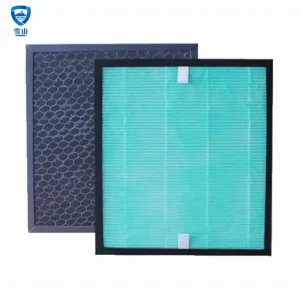
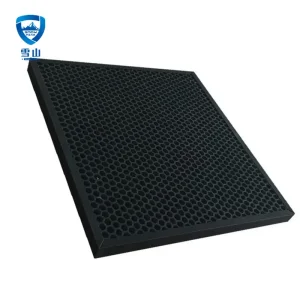
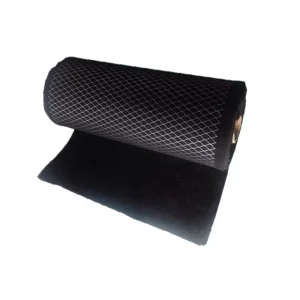
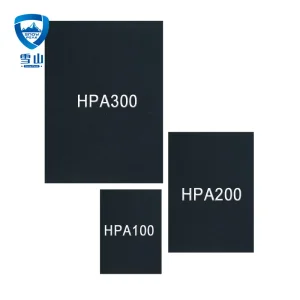
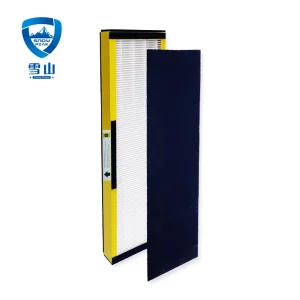
Laminating odor-control activated carbon layer matrices and biological inhibitors directly onto the MERV 13 substrate. This simplifies single-filter replacement routines for modern, compact air purifier designs.
Expert answers addressing the critical parameters of design, certification, and system compatibility.
Explore our targeted replacement solutions and high-efficiency filtration media for global export.
 Snow Peak