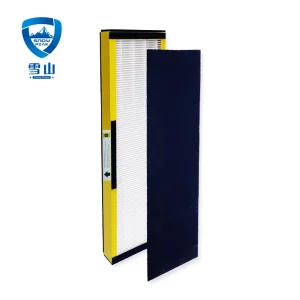
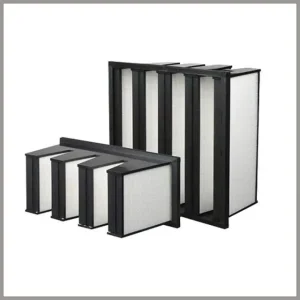
Explore our foundational HVAC air filtering units, secondary purification solutions, cleanroom pre-filters, and tailored OEM/ODM replacement cartridges engineered to balance efficiency and operational longevity.
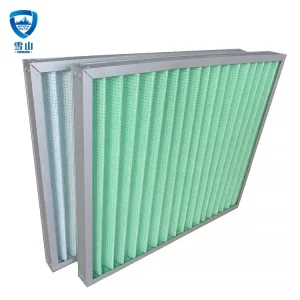
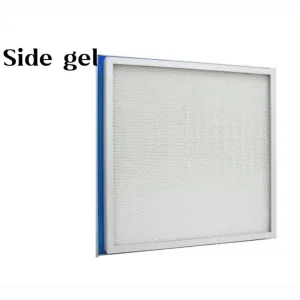
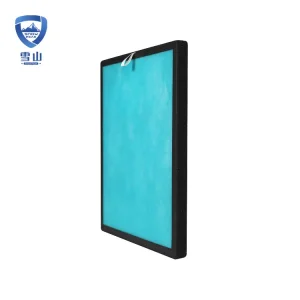
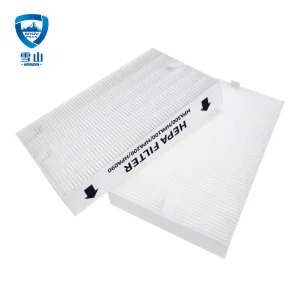
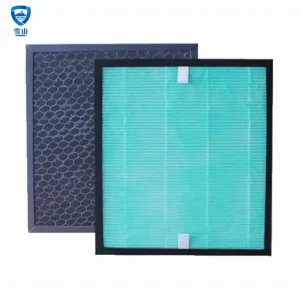
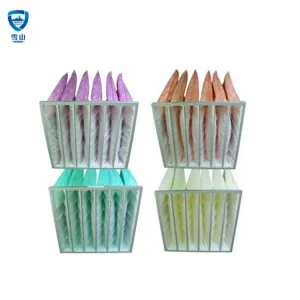
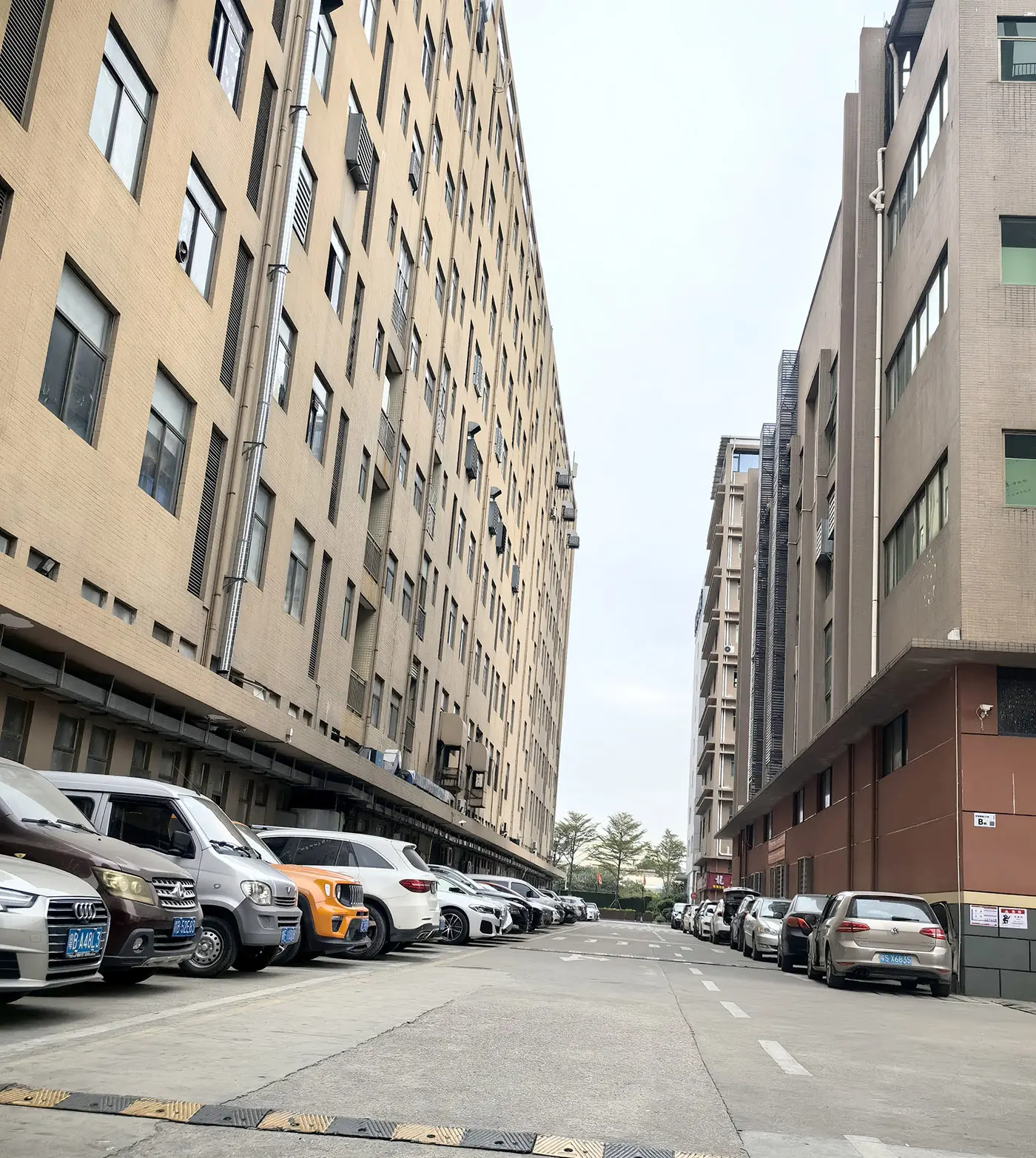
Shenzhen Snow Peak Clean Technology Co., Ltd. is an integrated high-tech enterprise, specialized in air filtration products research and development, production, sales, import and export trade.
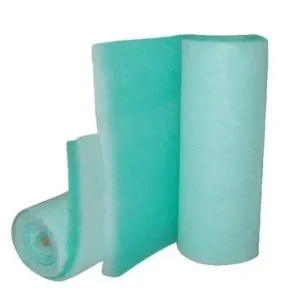
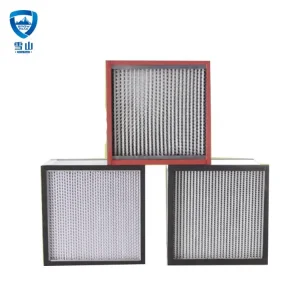
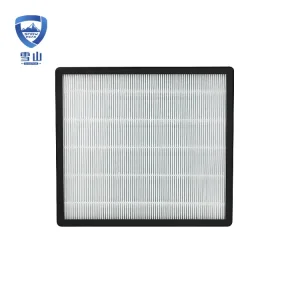
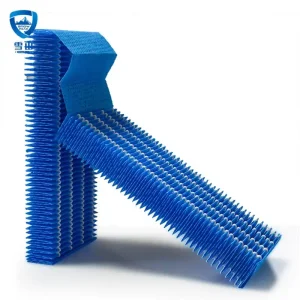
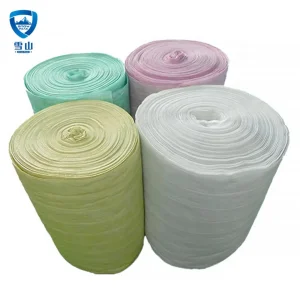
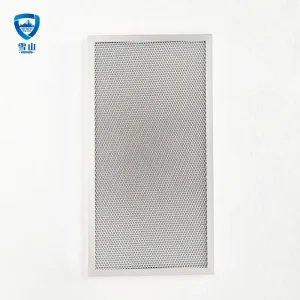
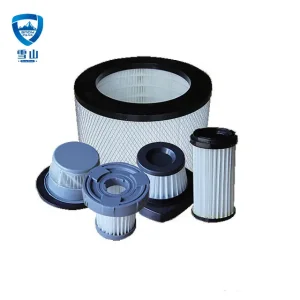
We produce and supply a comprehensive catalog of filtration systems, including Pre-filters, pocket filters, HEPA filters, and chemical filters. Our portfolio also features high-performance replacement HEPA filters, automotive cabin air filters, humidifier filters, pocket filter media, and melt-blown composite filter media for residential, commercial, and industrial facilities.
Leveraging our self-developed patented technologies, our sterilizing antiviral HEPA filter effectively filters fine particulate matter. This maintains PM2.5 concentrations below 10 micrograms/m³—exceeding national air quality standards by a factor of five. By inhibiting microbial colonization on the media, it achieves a 99.9% sterilization rate and removes H1N1 virus with up to 99.99% efficiency, preventing secondary contamination.
Leveraging 15 years of air purification engineering experience, our industrial production infrastructure ensures reliable quality control at scale.
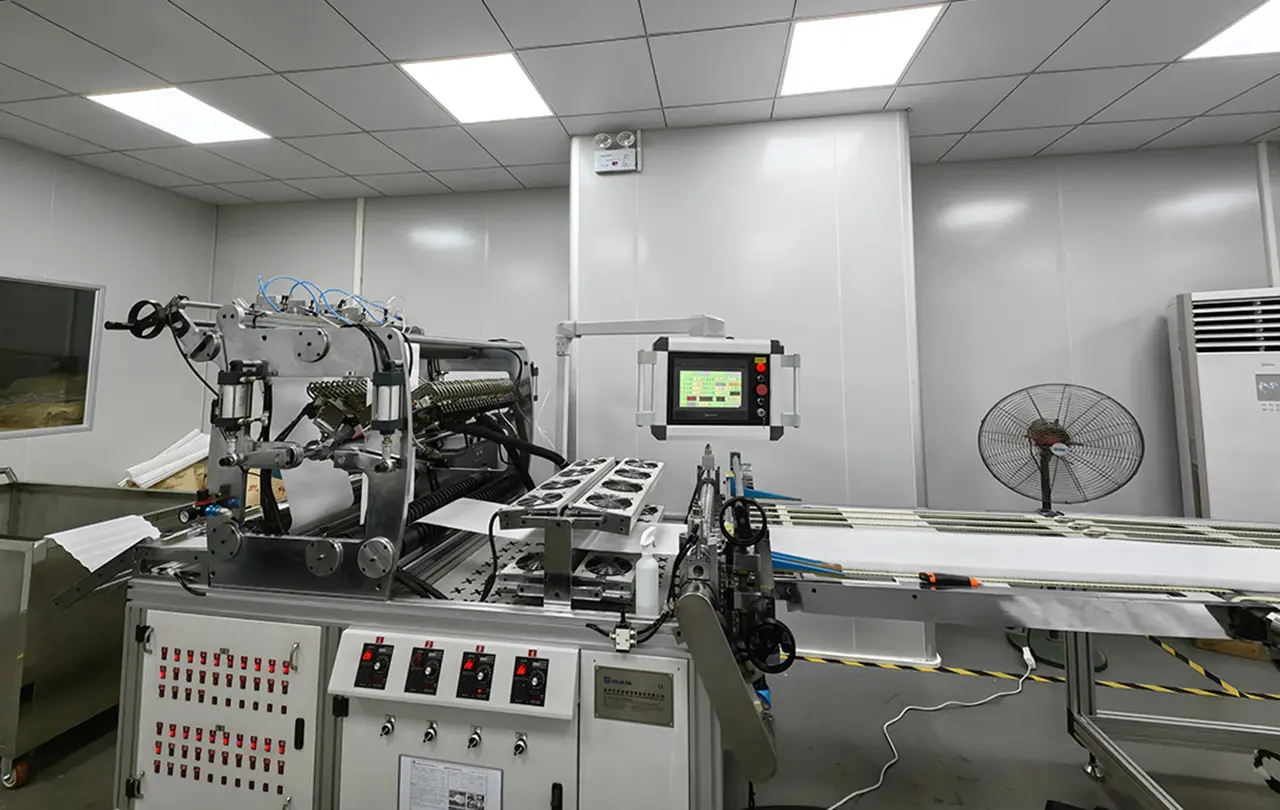
Supported by over 15 years of international air purification technology experience, our facility features standardized production facilities, dust-free filter assembly lines, and specialized testing infrastructure. Our production floor uses custom automated filtration pleating systems, AMADA CNC punches, and CNC bending machines to guarantee dimensional accuracy and structural integrity for critical HVAC deployments.
Our automated equipment ensures uniform pleat spacing, consistent sealant dispensing, and robust frame assembly for leak-free operations.
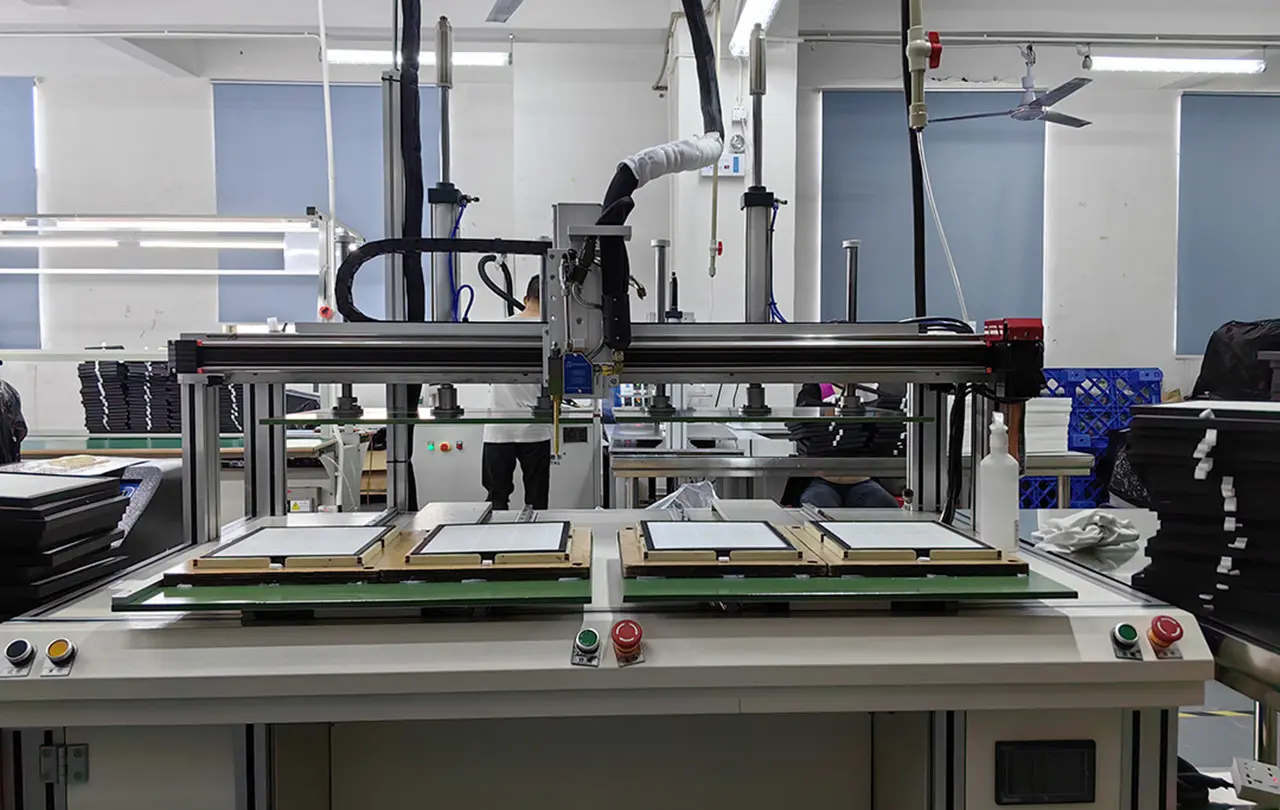
Applies precise polyurethane and hot-melt seals along frame borders to eliminate air bypass.
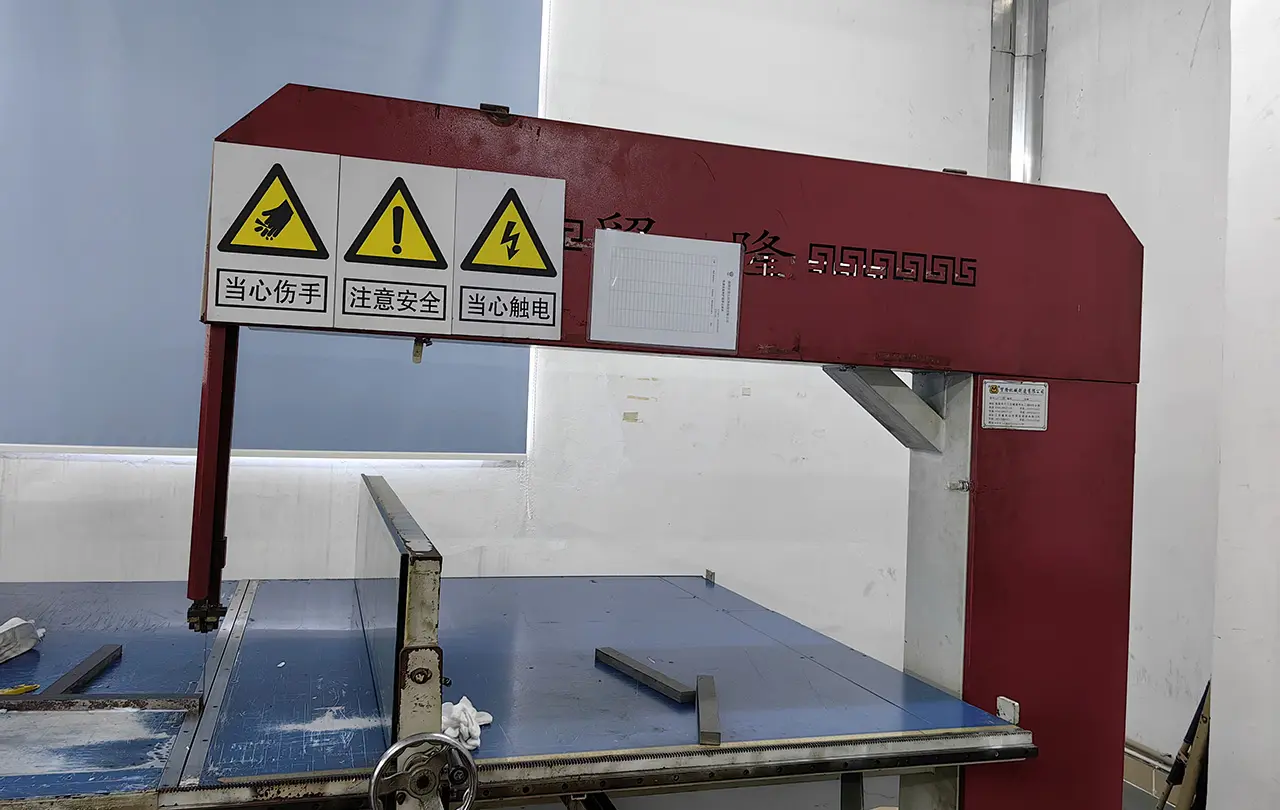
Maintains dimensional tolerances within +/- 0.5mm, ensuring a secure fit in standard filter racks.
Integrates structural backing grids with moisture-resistant double-wall beverage board or metal frames.
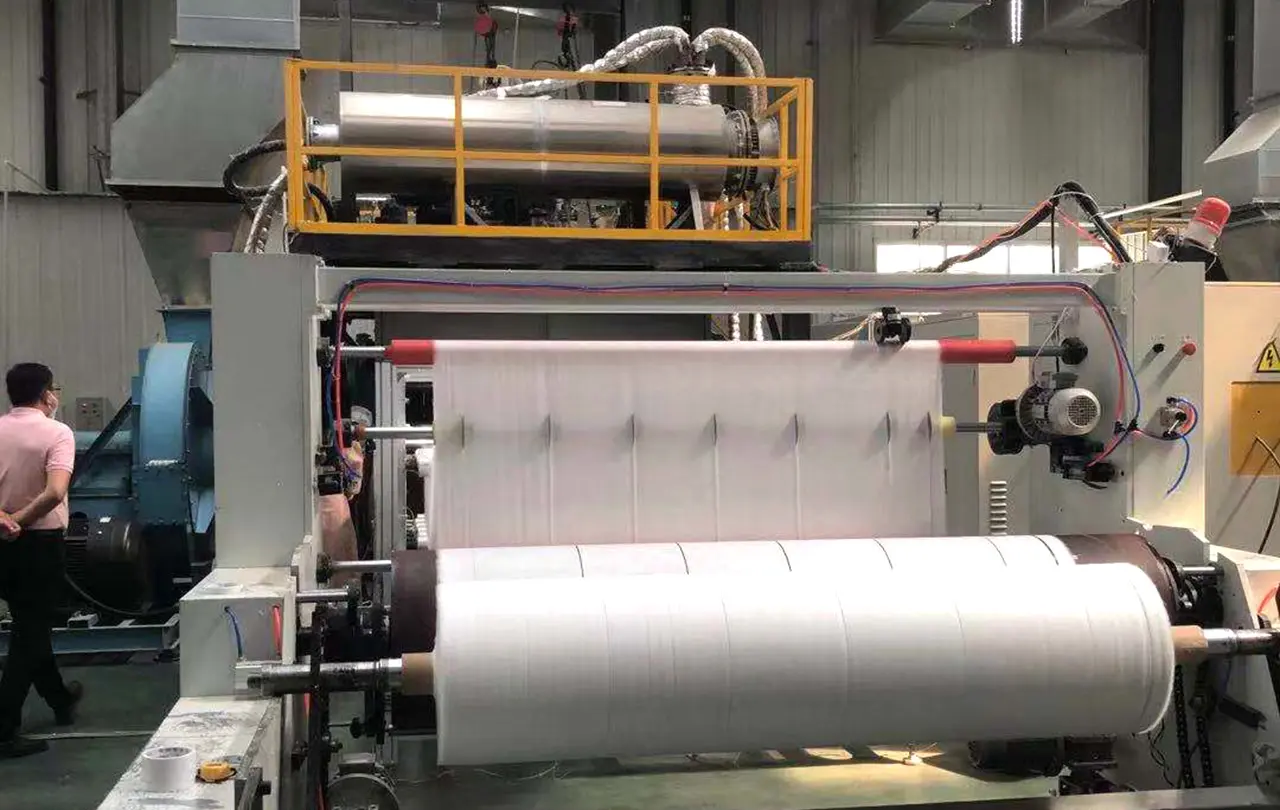
Thermally bonds dual-density synthetic fibers to create high dust-holding capacity without chemical binders.
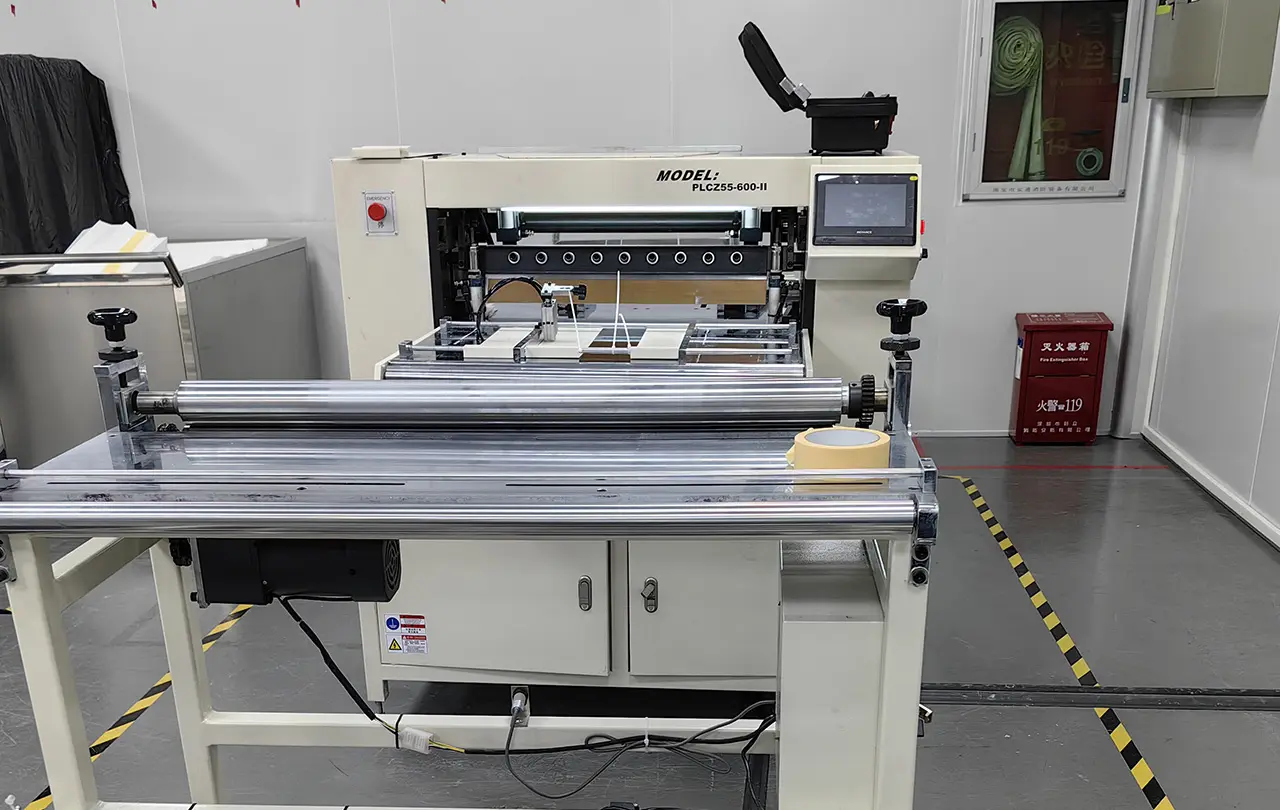
Optimizes pleat counts per linear foot to balance initial resistance and dust-holding capacity.
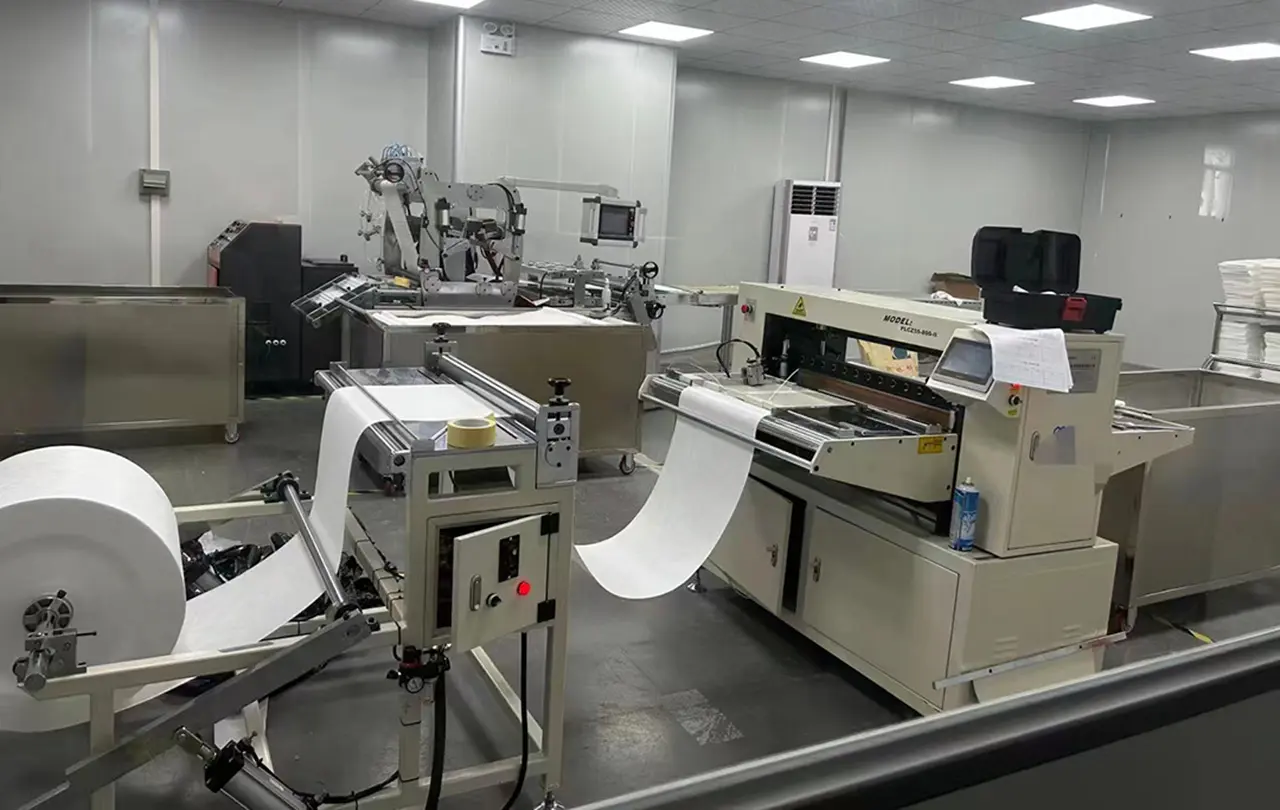
Applies radial pleat stabilizers and wire backing to prevent collapse under high face velocities.
In global supply chain management, purchasing departments prioritize HVAC pre-filtration systems that balance cost-efficiency, energy use, and long-term durability. MERV 8 filters (rated under ASHRAE 52.2) serve as the primary defensive barrier in centralized HVAC air handling units (AHUs). They protect sensitive terminal components like cooling coils, high-efficiency blowers, and secondary HEPA filters from heavy particulate buildup.
Procurement teams in regions with high industrial density—such as North America, Western Europe, and the Asia-Pacific region—require strict compliance with local test standards. MERV 8 filters must maintain structural integrity under high face velocities (up to 500 feet per minute) while maintaining low initial pressure drops (typically below 0.20 inches water gauge). For bulk industrial buyers, ODM partnerships offer tailored solutions like private-label frame dimensions, moisture-resistant cardboard or galvanized steel structures, and optimized pleat counts to match specific mechanical designs.
Modern clean air infrastructure relies on multi-stage filtration cascades. MERV 8 filters serve as the vital first line of defense in complex air handling processes. In microelectronics cleanrooms and pharmaceutical compounding facilities, direct exposure to raw ambient air quickly overloads terminal H13 or H14 HEPA units. Placing high-capacity MERV 8 pleated panels at the fresh air intake intercepts pollen, coarse dust, and fibers, which significantly extends the operational lifespan of expensive downstream filters.
In commercial real estate, educational campuses, and large-scale hospital networks, indoor air quality (IAQ) is directly tied to occupant wellness and regulatory compliance. Installing MERV 8 filters helps facilities meet ASHRAE 62.1 standards for ventilation and IAQ. It also prevents the accumulation of dirt on cooling coils, preserving the thermal transfer efficiency of heat exchangers and reducing overall carbon emissions.
| Target Sector | Primary Functional Role | Technical Configuration Options | Downstream Impact |
|---|---|---|---|
| Microelectronics | Pre-filtration for cleanroom air makeup | Metal frame, synthetic media, low outgassing | Protects H14 terminal HEPA units from premature dust loading |
| Pharmaceuticals | Coarse particulate control in processing areas | Moisture-resistant beverage board, wire-backed pleats | Prevents airborne spores from reaching critical aseptic zones |
| Healthcare Facilities | IAQ maintenance in public zones & patient rooms | Antiviral/antibacterial composite media options | Reduces bioburden on final secondary filters |
| Commercial Office Towers | ASHRAE 62.1 ventilation compliance | High dust-capacity cardboards (1", 2", or 4" thickness) | Maintains low coil static pressure, optimizing fan power usage |
The manufacturing process for MERV 8 media has transitioned from fiberglass panels to synthetic polymers. Modern ODM filtration utilizes 100% synthetic, thermally bonded fibers configured in a progressive density matrix. This design positions larger, open-structured fibers on the upstream side to capture coarse dirt, while a denser fiber network on the downstream side traps smaller particulates. This gradient loading strategy prevents face-loading and maximizes dust-holding capacity (DHC).
Shenzhen Snow Peak clean air research has developed specialized hybrid media technologies. By combining electrostatically charged polypropylene layers with melt-blown synthetic structures, our filters maintain mechanical capture efficiency even as charges dissipate in high-humidity environments. Additionally, our patented sterilizing antiviral treatment integrates natural active compounds directly into the fiber matrix. This inhibits bacterial colonization on the media without chemical outgassing, ensuring clean air delivery in sensitive medical and educational settings.
Multi-layered synthetic fibers designed to trap larger particles on the air-inlet side and finer particles on the exit side, preventing premature clogging.
Utilizes stable charging techniques to attract fine particulate matter without restricting air flow, keeping initial resistance to a minimum.
Our proprietary coating neutralizes bacteria and common pathogens like H1N1 upon contact, avoiding secondary pollutant release.
In response to global climate initiatives, corporate facilities are prioritizing energy efficiency in their mechanical systems. In typical commercial structures, HVAC systems account for up to 40% of overall power usage, with fan energy drawing a significant share. The pressure drop across air filters directly affects the energy required by fan motors. Choosing high-performance MERV 8 filters with a low-resistance design helps operators decrease overall energy consumption, lowering carbon footprints and supporting LEED or BREEAM building certifications.
Additionally, regulatory frameworks in the European Union (EN ISO 16890) and North America (ASHRAE 52.2) have shifted procurement focus toward lifetime performance rather than clean-state ratings. ISO 16890 classifies filters based on fractional efficiency against PM10, PM2.5, and PM1, aligning filter performance with actual outdoor particulate profiles. Under this standard, a quality MERV 8 filter corresponds to an ISO Coarse rating of over 60%, providing reliable pre-filtration across varying regional environments.
To meet global compliance standards, ODM air filters must undergo rigorous laboratory testing. Shenzhen Snow Peak validates performance using calibrated dust feeders and laser particle counters in accordance with ASHRAE 52.2 and EN 779/ISO 16890 standards. This testing verifies the Minimum Efficiency Reporting Value (MERV) and ensures the filter maintains its rating throughout its service life.
For cross-border supply chains, we offer comprehensive compliance documentation, including CE certifications, ISO 9001 quality management tracking, RoHS declarations, and UL 900 flammability classifications. Our logistics teams coordinate container-load packaging, moisture-resistant barrier wrapping, and detailed pallet labeling to ensure all materials arrive clean and undamaged at global distribution centers.
Read our technical answers to common queries regarding pressure drops, installation practices, and customization options.
MERV 8 is rated under the American ASHRAE 52.2 standard, requiring 70% to 85% efficiency at capturing particles in the 3.0 to 10.0-micron range. G3 and G4 ratings fall under the European EN 779 standard (now transitioned to ISO 16890), which measures average arrestance of synthetic dust. A G4 filter typically aligns with a MERV 7 to MERV 8 rating, while G3 offers a lower filtration profile, making it suitable mainly for coarse ambient particles.
The initial pressure drop is determined by fiber diameter, pack density, and pleat geometry. Shenzhen Snow Peak uses a progressive density synthetic media that arranges fibers from open to dense configurations. This structure provides low initial resistance (typically 0.15 to 0.20 inches w.g. at standard flow rates) while maximizing dust loading capacity across the depth of the media.
Synthetic media is highly durable and resists fiber shedding, which can contaminate clean air streams. It is also moisture-resistant, preventing microbial growth in high-humidity environments. Fiberglass filters carry a risk of shedding tiny glass fibers, which can damage sensitive components in microelectronics and pharmaceutical facilities.
Our ODM services offer flexible configurations to suit diverse industrial applications. We can customize dimensions, pleat density, and frame materials (including moisture-resistant double-wall beverage board, galvanized steel, and extruded aluminum). We also offer optional wire mesh support and custom private labeling on the frame.
Our patented antiviral filters incorporate active agents within the polymer fibers. When moisture-laden airborne droplets contact the media, these agents break down the protective envelopes of bacteria and viruses like H1N1. This achieves a 99.9% sterilization rate and prevents secondary contamination without chemical outgassing.
Under standard operating conditions, MERV 8 pre-filters should be replaced every 3 to 6 months. In environments with high outdoor dust or continuous fan operation, replacement cycles may shorten to 2 months. Monitoring differential pressure remains the most reliable method to determine when a replacement is needed.
Explore our line of fine-dust media, replacement filters for consumer appliances, and high-efficiency terminal HEPA assemblies.
 Snow Peak