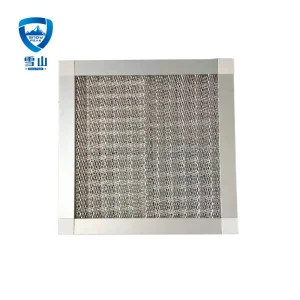
ODM V-Style Filter Factories & Company

High-Efficiency Air Filtration Solutions: Engineered for Advanced Environmental Cleanliness, Microelectronics, and Biological Containment systems

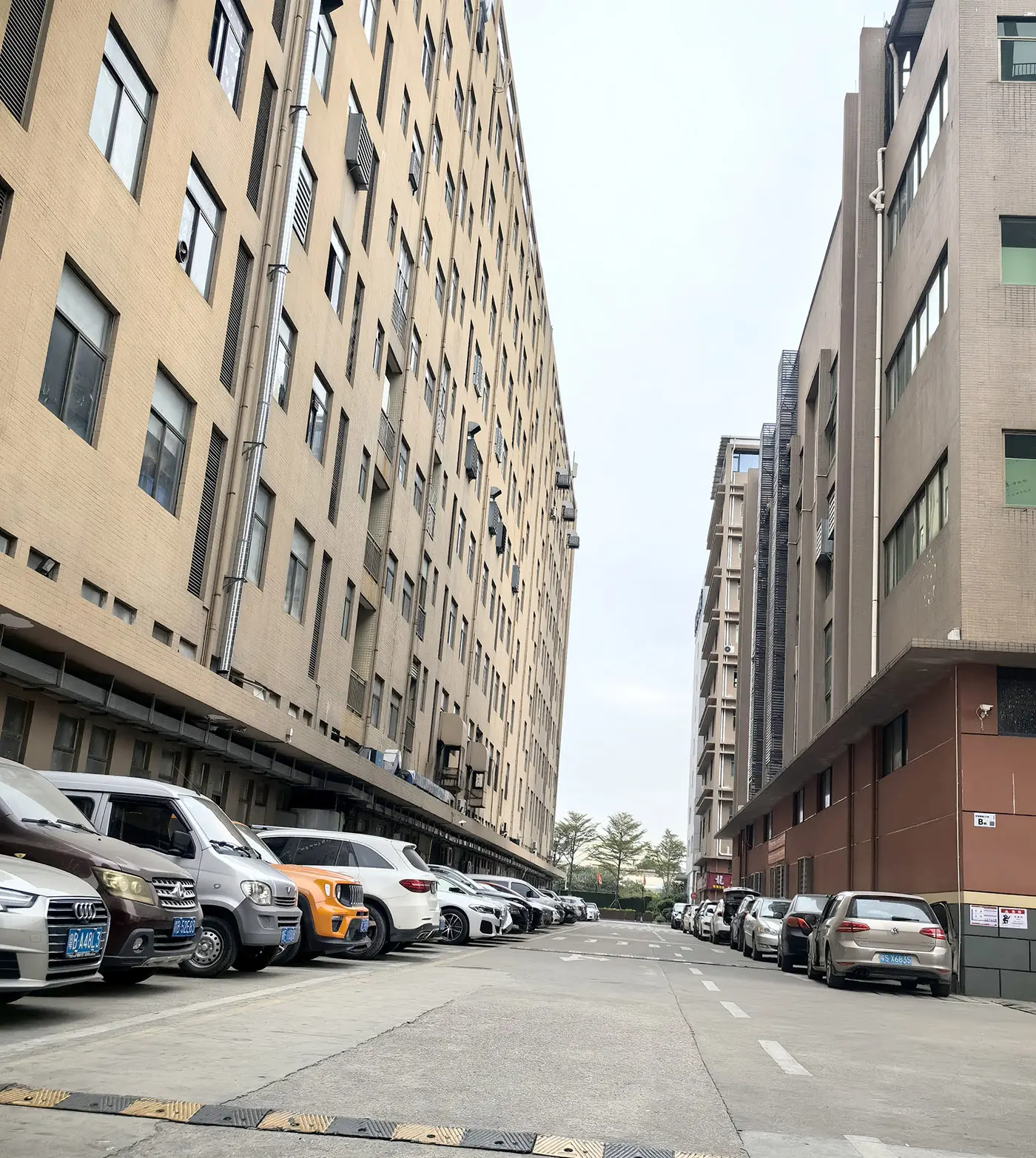
Shenzhen Snow Peak Clean Technology Production Workshop
E-E-A-T Certified Supplier

Our Profile: Pioneers in Micro-Environmental Engineering

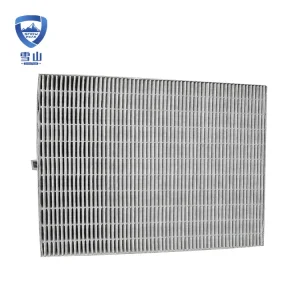
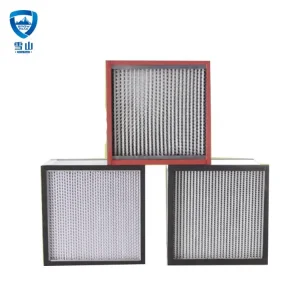
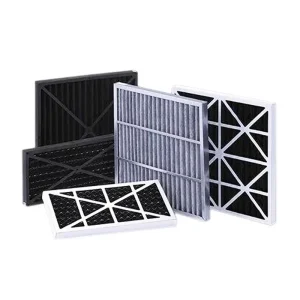
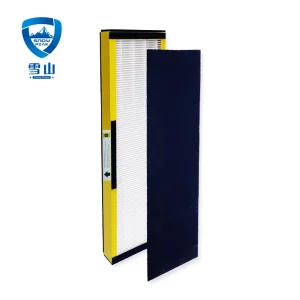
Shenzhen Snow Peak Clean Technology Co., Ltd. is a globally recognized, integrated high-tech enterprise, specialized in the research, development, production, sale, and import/export of high-performance air filtration products. With deep engineering expertise, we supply top-tier Pre-filters, pocket filters, HEPA filters, and chemical filters, alongside consumer-grade replacements (replacement HEPA filters, car cabin filters, and humidifier components).

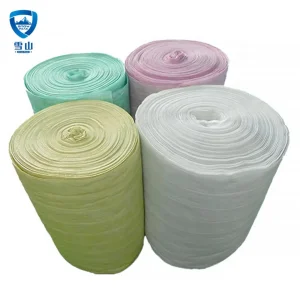
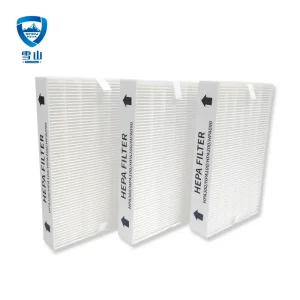
By designing and producing our own high-density pocket filter media, melt-blown composite filter media, and advanced synthetic media, we maintain an end-to-end quality feedback loop. Our technological edge is driven by self-developed patented designs. Notably, our sterilizing antiviral HEPA filter effectively filters sub-micron particulates, keeping downstream PM2.5 concentrations below 10 micrograms/m³, which is 5 times cleaner than standard regulatory guidelines. Furthermore, it sterilizes microbiological contaminants with a 99.9% effectiveness rate and achieves an H1N1 virus removal efficiency of 99.99%, removing secondary pollution concerns completely.

China's ODM V-Style Filter Manufacturing Advantage

Why global OEMs and engineering procurement agencies source their V-bank and pocket filtration media from our advanced Shenzhen facility.

1. Automated Precision & Scalability

By using automated media pleating, frame-molding, and hot-melt gluing lines, we remove dimensional variance. This ensures every 2V, 3V, 4V, or 5V air filter complies with strict structural leakage standards under turbulent volumetric airflows.

2. Upstream Material Sovereignty

We source raw polymers directly and spin our proprietary compound filter media. This vertical integration allows us to customize physical properties like hydrophobic ratings, electrostatic charge retention, and antimicrobial chemistry.

3. Rigorous Structural testing

Every batch undergoes comprehensive testing for airflow resistance and particle fractional efficiency. Utilizing advanced wind-tunnel test systems, we verify performance under variable face velocities to guarantee certified efficiency ratings.

Our Strength & Manufacturing Facility

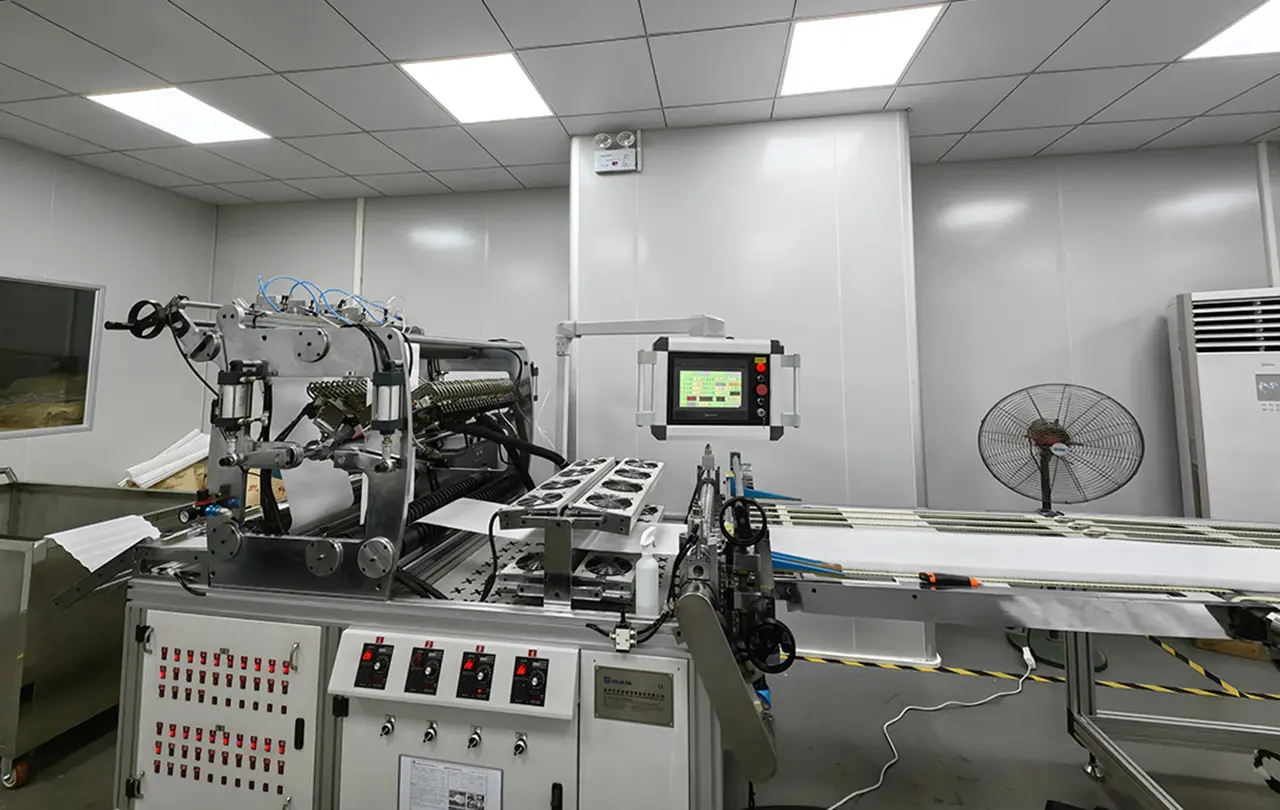
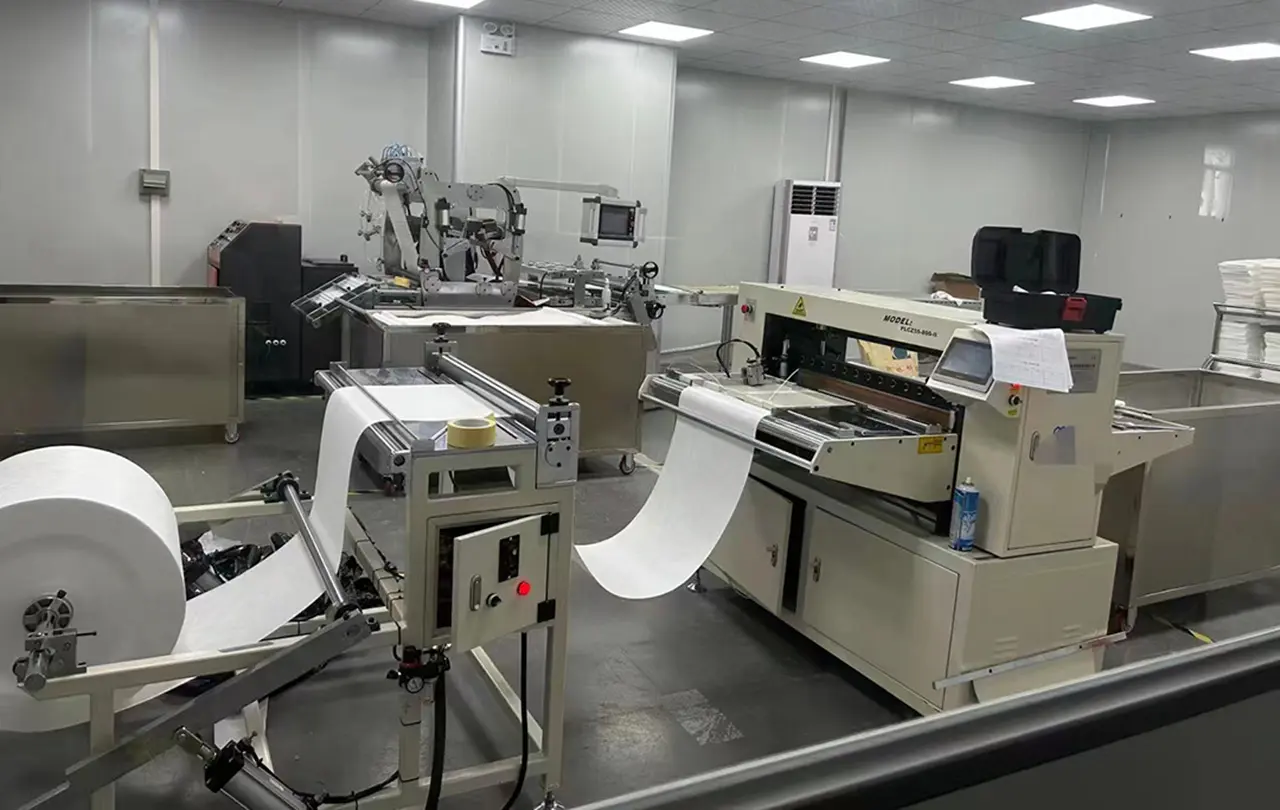
Equipped with AMADA CNC punch machines, high-precision bending stations, and automated pleating lines, our 15 years of air purification expertise guarantees structural integrity.
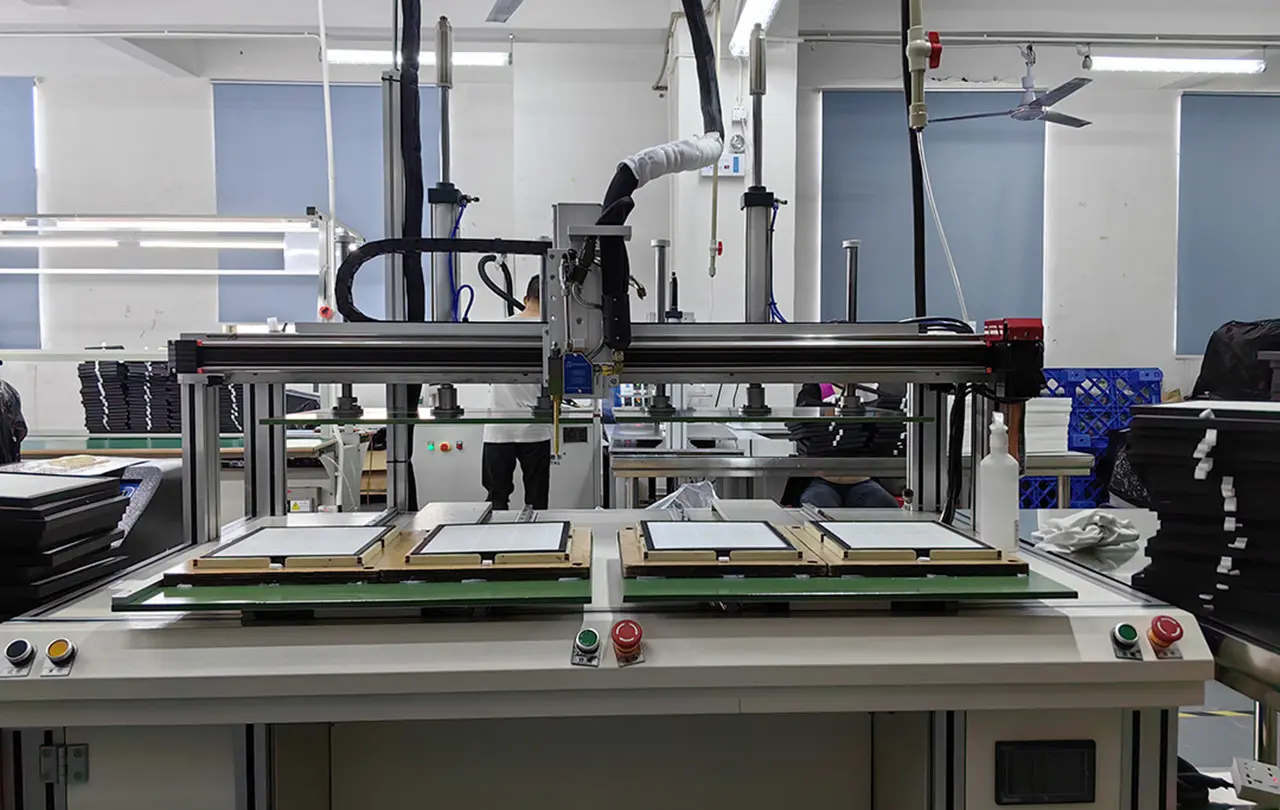
Gluing machine
Automatic Gluing Station
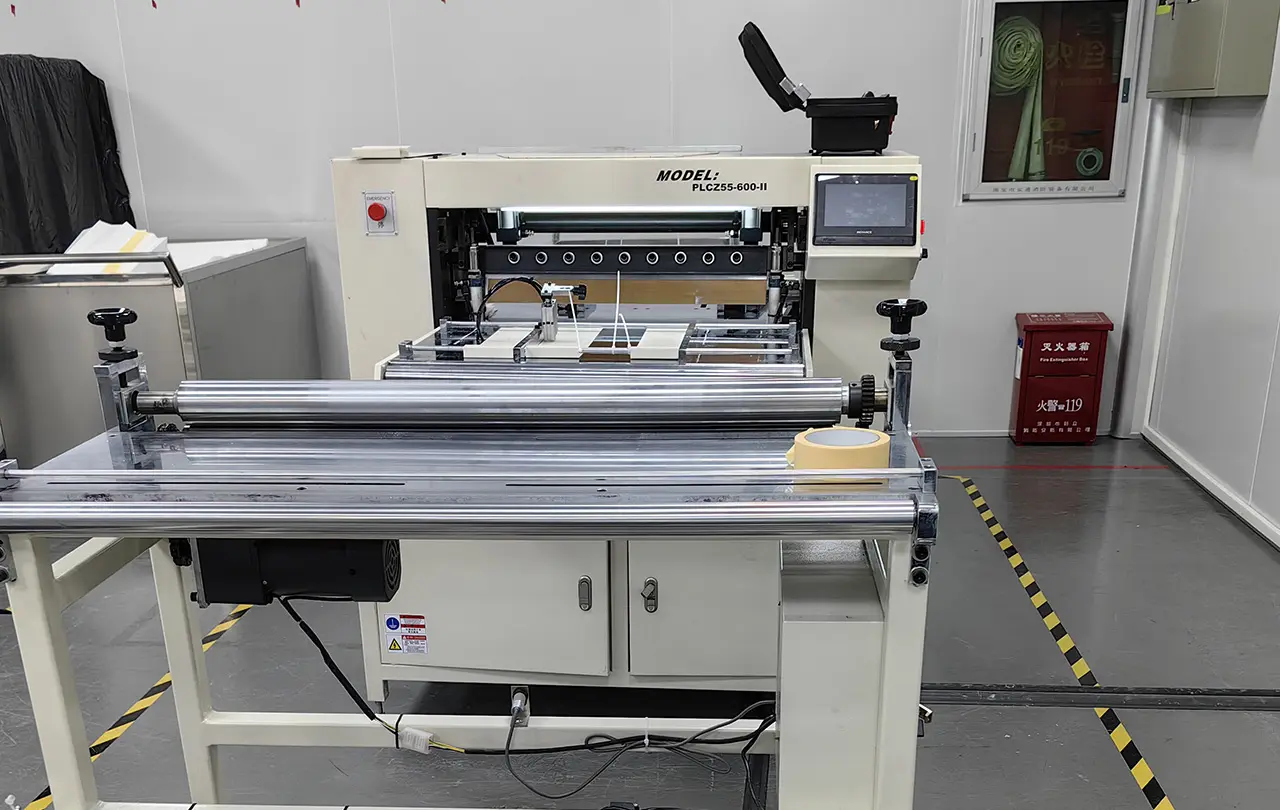
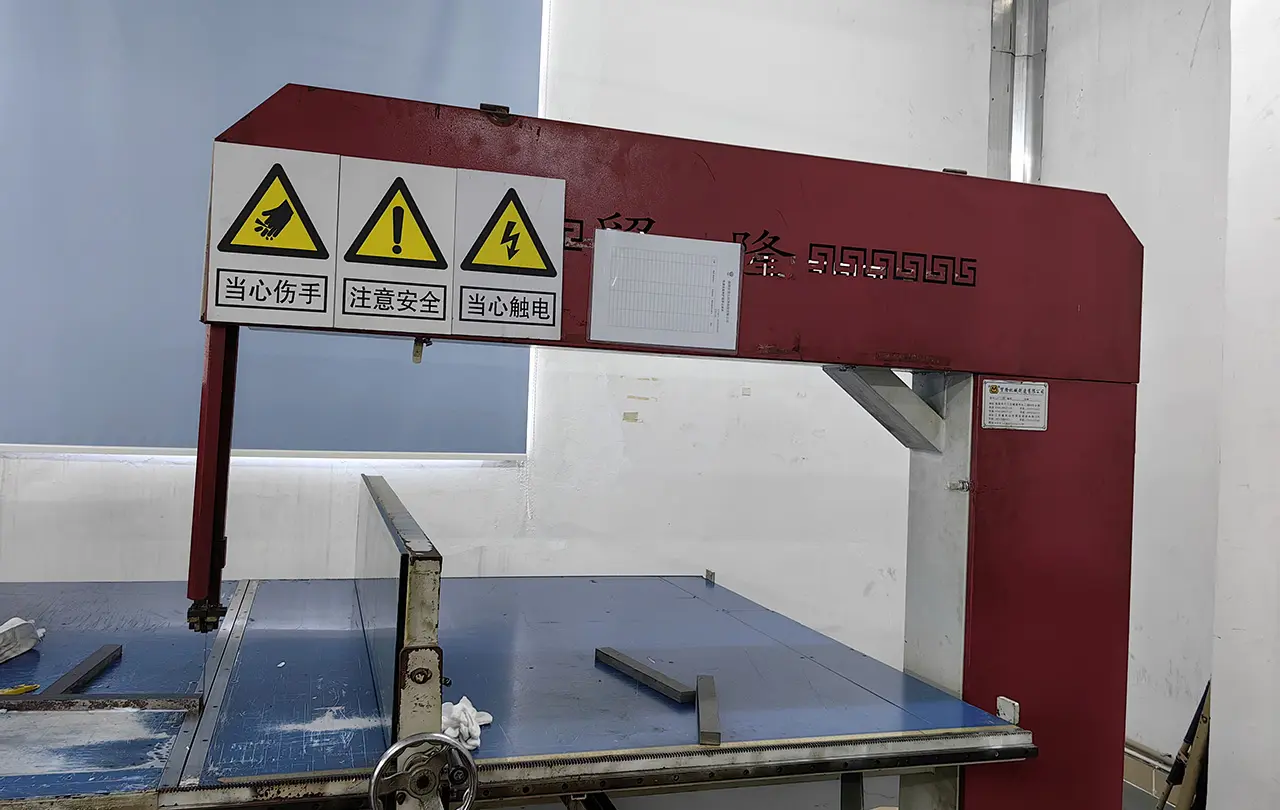
Cutting machine
CNC Cutting & Sizing Center
Gluing Process
Precision Seal Assembly
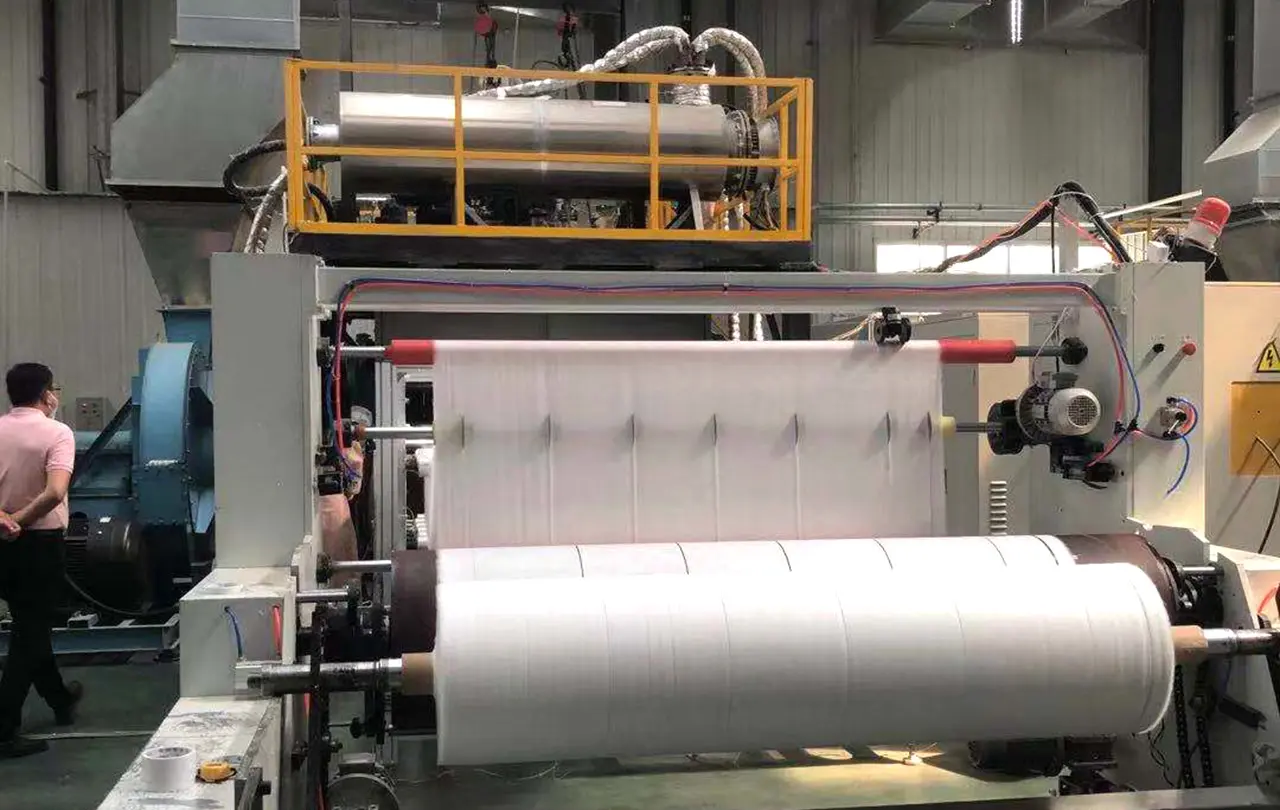
compound filter media
Multi-Layer Laminated Media Production
Pleating Process Line 1
High-Speed Mini-Pleating
Pleating Process Line 2
Thermo-Plastic Separator Pleating

Proven Engineering Metrics

Our manufacturing output matches the highest global cleanroom standards.

15+
Years Industry Expertise
99.99%
H1N1 Antiviral Efficiency
< 10 µg/m³
Output PM2.5 Purity
100%
ISO & CE Compliance

Macro Industry Solutions & Applications

Optimized air containment engineering for critical industries worldwide.

Microelectronics & Semiconductor Cleanrooms

In modern semiconductor fabs, sub-micron particle contamination results in devastating wafer defects. V-Style HEPA configurations handle large volumetric airflows while keeping initial pressure drop low. Operating at high flow rates, they prevent electrostatic build-up and safely trap sub-micron particles down to 0.1 microns.

Bio-Pharmaceutical & Containment Facilities (cGMP & FDA)

Bio-pharmaceutical operations require active sterilization. Our patented antiviral HEPA technology destroys the cellular walls of airborne pathogens. This eliminates risk from secondary growth within the pleat pack, ensuring compliance with strict GMP/FDA requirements.

Civil, Health, & Institutional HVAC Infrastructure

Hospitals, commercial centers, and schools face high concentrations of PM2.5 and aerosol viruses. Using V-Bank and multi-pocket designs reduces system maintenance, extends pre-filter replacement cycles, and lowers the operational energy consumption of air handler blowers.

Global Procurement and Technical Sourcing

Crucial parameters for sourcing managers seeking optimized supply lines, raw material security, and international regulatory compliance.

Procuring large quantities of HEPA air filters demands more than comparing unit costs. Experienced sourcing directors prioritize several key factors:

  • Structural Tolerances: Frames constructed of ABS plastic must withstand high static pressure without bowing or breaking, preventing perimeter bypass leaks.
  • Certification Verification: All filters should feature verified testing compliance certificates, ensuring they meet ISO 16890, EN779 (G4 to F9), or EN1822 (H13/H14) testing criteria.
  • Media Optimization: Suppliers must specify whether they use fiberglass or synthetic/nanofiber media, detailing how the media balances pressure drop against dust-holding capacity (DHC).
  • Electrostatic Stability: Synthetic media must retain its electrostatic charge when exposed to high relative humidity or organic solvents, maintaining efficiency over its entire service life.

Technical Deep-Dive & FAQ

Answers to common engineering questions regarding the selection and deployment of V-bank systems.

Q1: What are the primary structural advantages of V-Style (V-Bank) filters over flat panel HEPA designs?
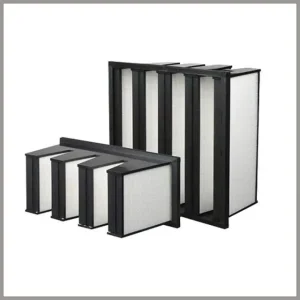
V-Style air filters organize multiple mini-pleated media packs into V-shaped pockets (typically 2V, 3V, 4V, or 5V configurations). This structural layout significantly increases the active media surface area within a compact installation footprint. The higher surface area decreases the face velocity across the media, which lowers initial pressure drop, extends dust holding capacity, and prolongs the filter's overall service life.
Q2: How does your antiviral filter technology mitigate secondary microbiological growth?
Standard HEPA filters trap microbes but do not neutralize them. Over time, high relative humidity can cause trapped mold spores and bacteria to multiply and colonize the media, causing secondary biological contamination. Our patented antiviral media uses a safe biological sanitizer integrated during the fabrication process. This destroys pathogens upon contact, delivering a 99.9% sterilization rate and 99.99% effectiveness against the H1N1 virus.
Q3: What parameters define the selection of V-Bank systems for air handling units (AHUs)?
Sourcing engineers evaluate four key specifications: (1) Rated Airflow Capacity (typically expressed in m³/h or CFM); (2) Initial and Final Resistance (pressure drop in Pa); (3) Particle Filtration Class (such as F7, F9, or H13/H14 under EN779 / EN1822 standard protocols); and (4) Frame material compatibility, ensuring it matches the physical environment (such as ABS, galvanized iron, or stainless steel for high-temperature applications).
Q4: Can we use synthetic media for primary and secondary pre-filtration instead of glass fiber?
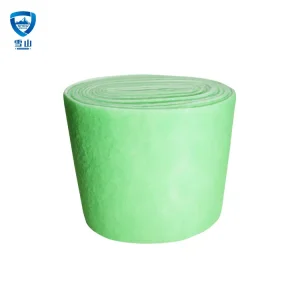
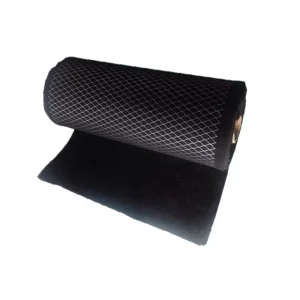
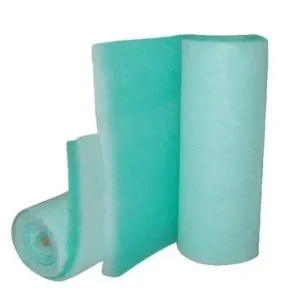
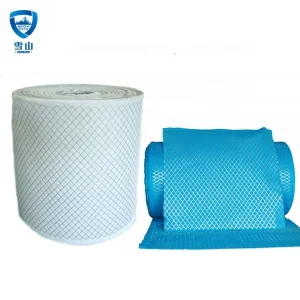
Yes. Synthetic media (like our polyester laminated wire mesh and composite pocket filter rolls) provides excellent durability, moisture resistance, and mechanical strength. This makes it highly effective for pre-filtration (classes G2, G3, G4 to M5/M6). However, for critical H13 or H14 HEPA stages, we typically recommend glass fiber or high-grade melt-blown composite media to guarantee stable fractional filtration efficiency.
Q5: What is the optimal replacement interval for V-Bank HEPA filters?
The replacement interval depends on the dust load, operational hours, and the quality of the upstream pre-filters. Generally, we recommend replacing pre-filters (G4/M5) every 2 to 3 months, intermediate filters (F7 to F9) every 6 to 12 months, and final-stage V-Bank HEPA filters every 2 to 5 years. Monitoring static pressure drop is the most reliable way to schedule replacements; plan changes before pressure drop exceeds the specified limit (typically 450 Pa for HEPA filters).