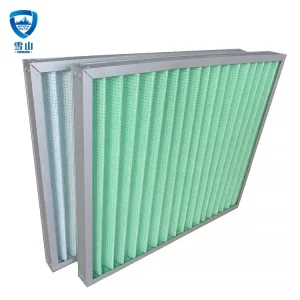
Explore our high-performance filtration portfolio engineered for cleanrooms, industrial processes, and commercial environments.
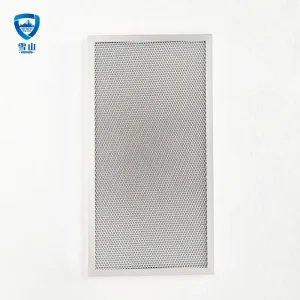
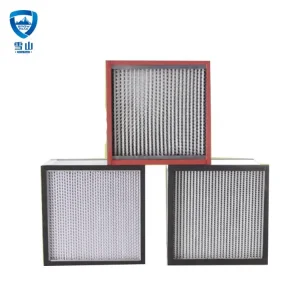
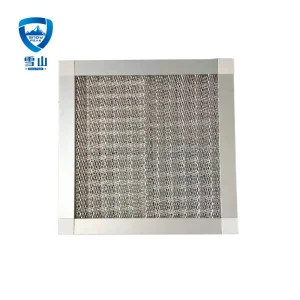
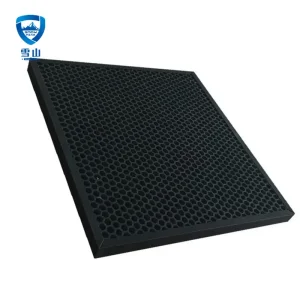
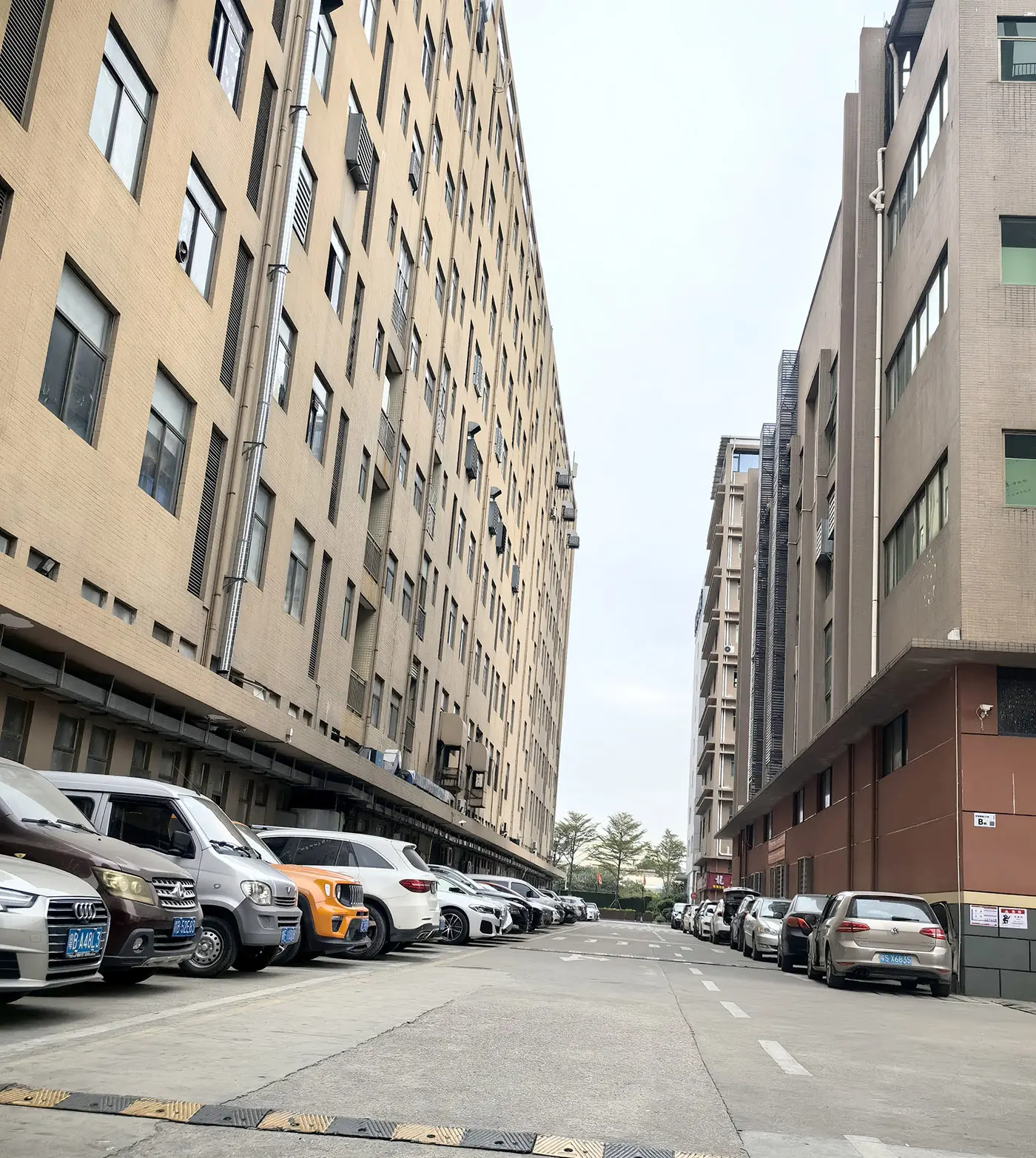
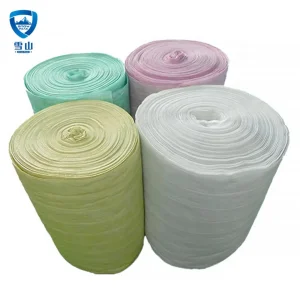
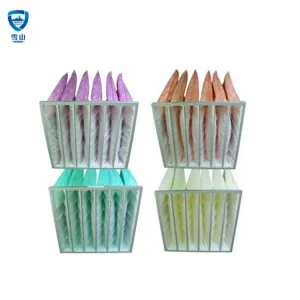
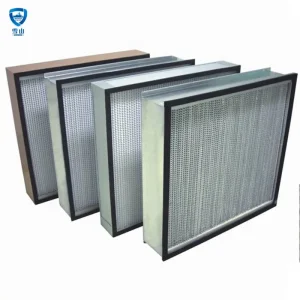
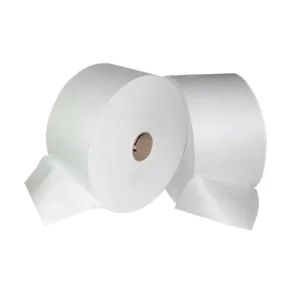
Shenzhen Snow Peak Clean Technology Co., Ltd. stands as an integrated high-tech enterprise, specialized in air filtration products research and development, production, sales, import and export trade. We produce and supply: Pre-filter, pocket filter, HEPA filter, chemical filter; replacement HEPA filter, car cabin air filter, humidifier filter; pocket filter media, melt-blown composite filter media, and other high-performance filter materials.
We provide high-quality air purification solutions and products for indoor air pollution control and air conditioning systems of civil and industrial buildings, microelectronics, pharmaceutical, laboratory, school, hospital clean room etc. Combined with self-developed patented technology, our sterilizing antiviral HEPA filter can effectively filtrate fine particles, so that PM2.5 concentration down to 10 micrograms/m³, 5 times better than national standard; effectively inhibit the breeding of microorganisms, sterilization rate up to 99.9%, and no secondary pollution, removal of H1N1 virus efficiency as high as 99.99%.
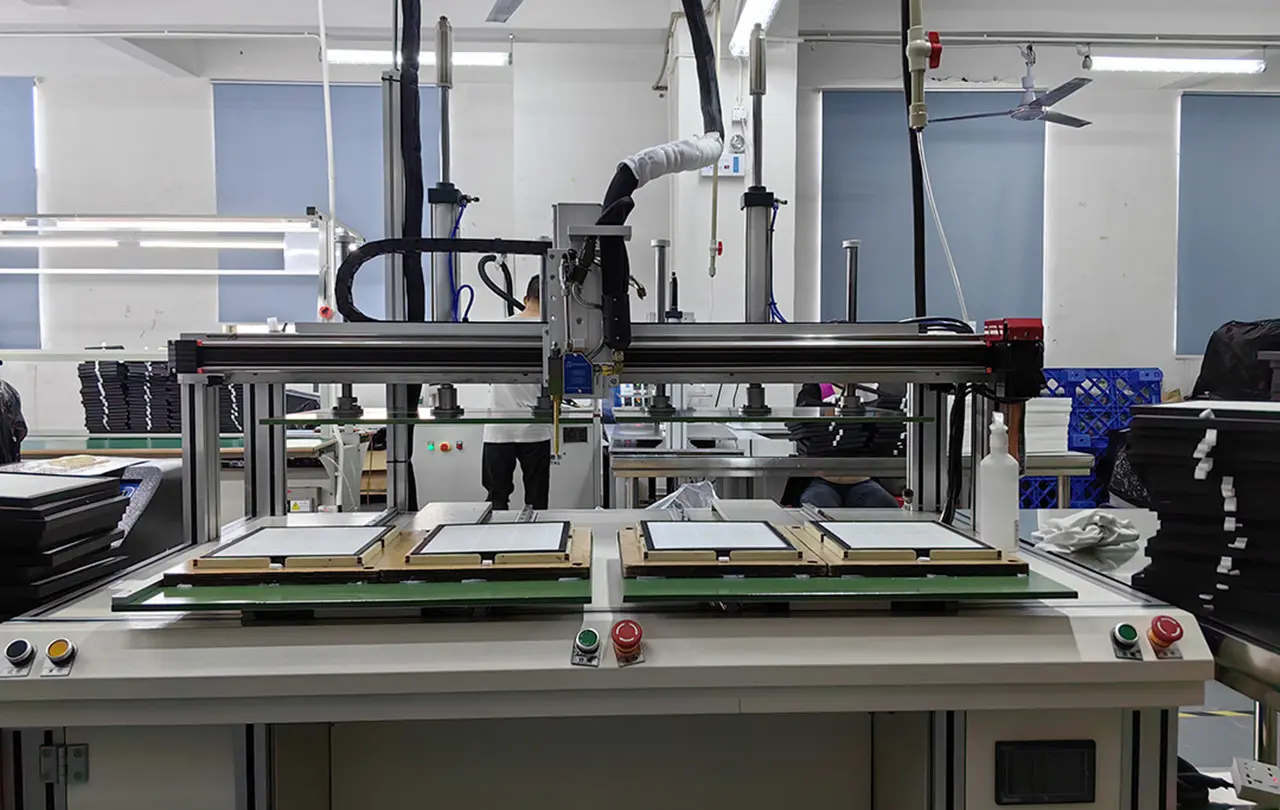
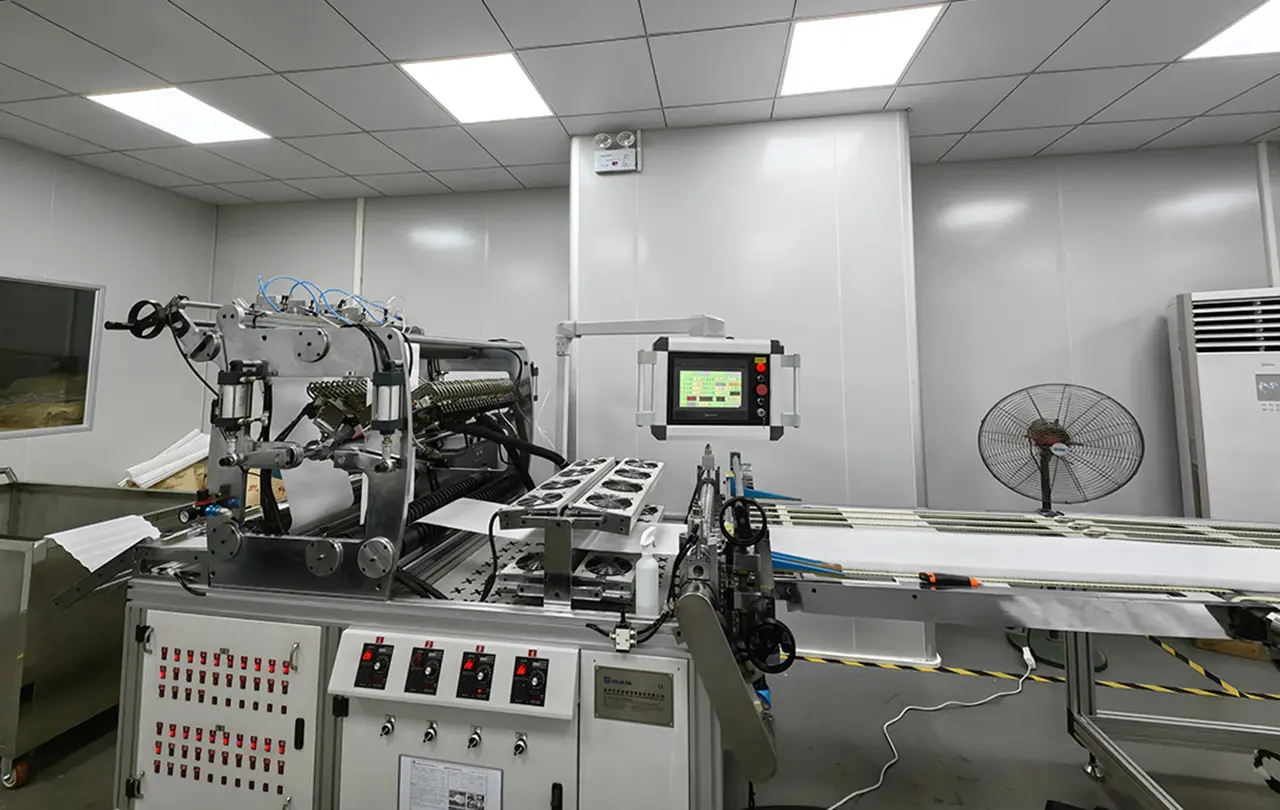
Having 15 years of international air purification technology experience as the background, our company has standardized production workshop, dust-free filter workshop and first-class technology of HEPA filters production line and inspection line.
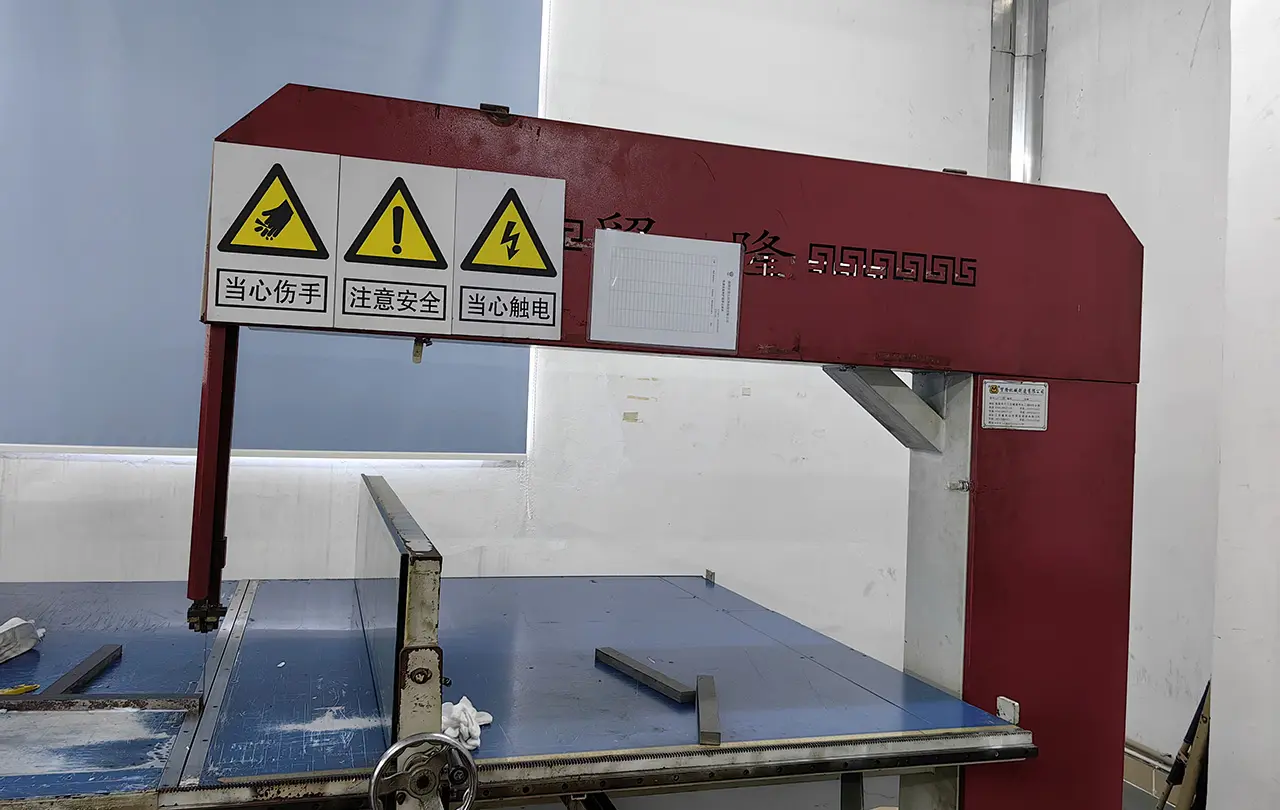
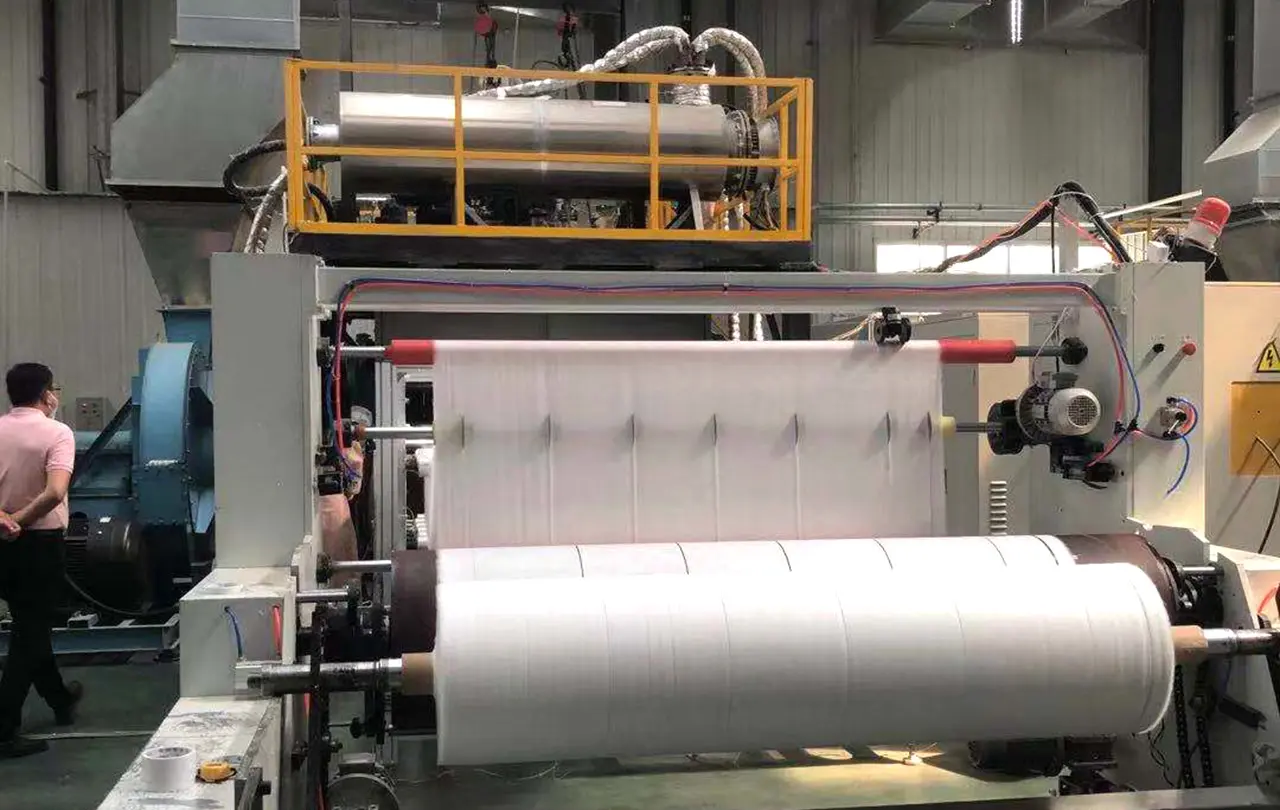
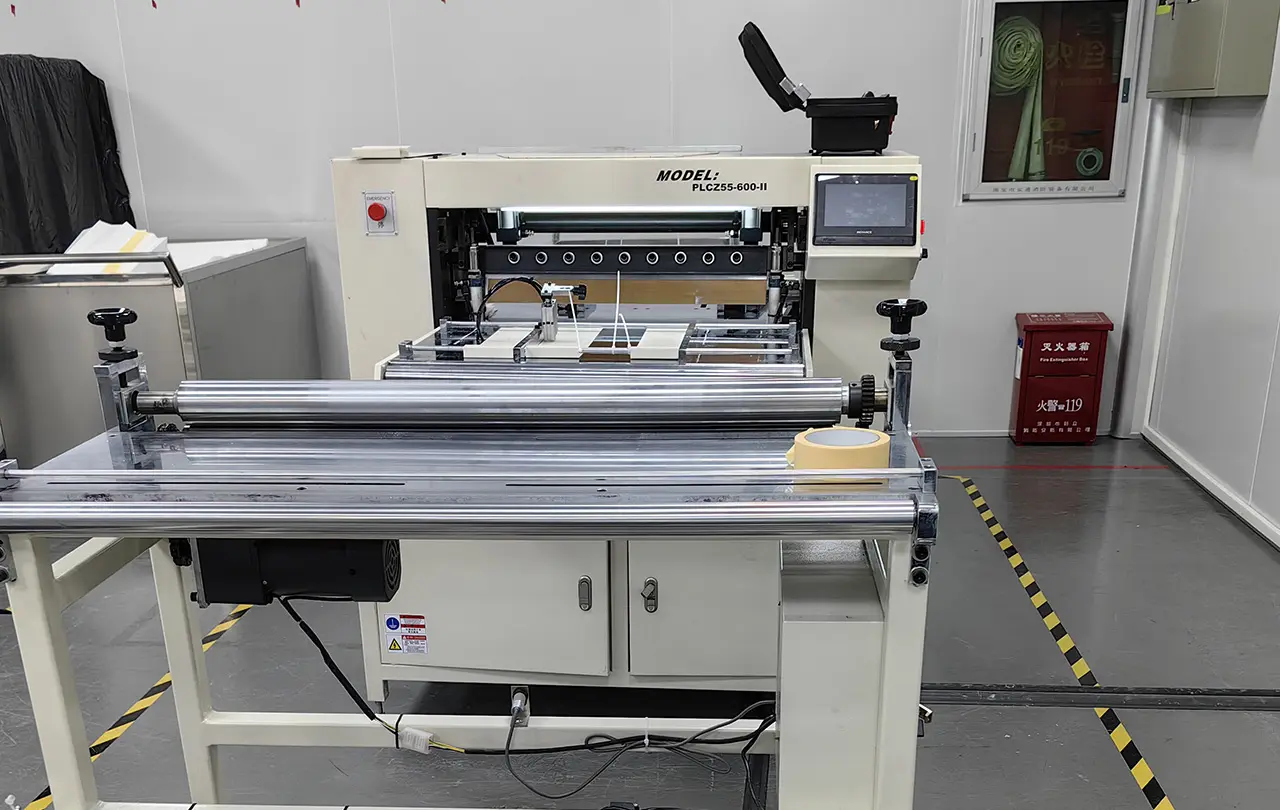
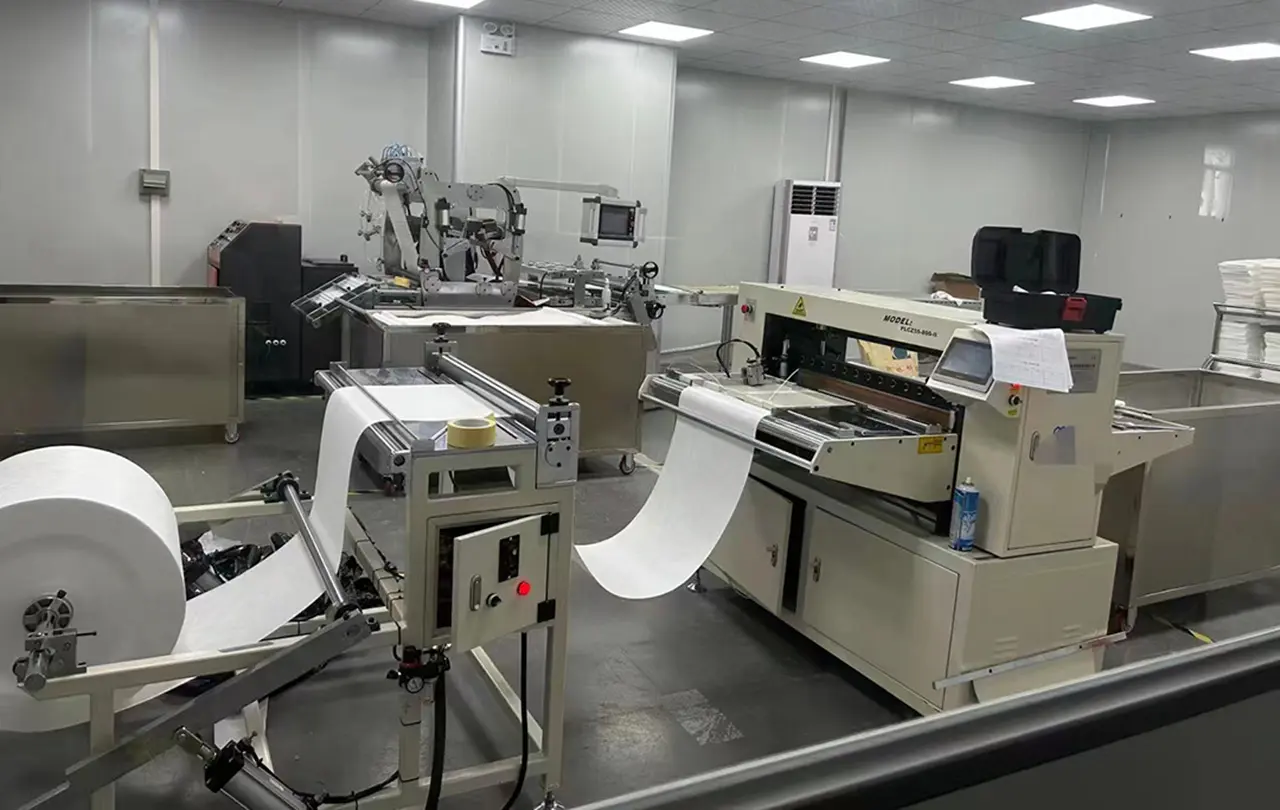
We pride ourselves on the independent research and development of our fully automatic air filter production line. Equipped with AMADA CNC punch and CNC bending machine as well as many other advanced high-end equipment, we provide a strong guarantee for production and quality of air filtration and purification products.
Understanding the micro-porous mechanics and kinetic adsorption parameters that drive high-performance molecular gas phase filtration.
Our OEM activated charcoal utilizes a strict balance of micropores (< 2nm) for volatile organic compounds (VOCs) adsorption and mesopores (2nm - 50nm) to facilitate transport kinetics. This engineered structure yields an effective surface area exceeding 1,200 m²/g.
To capture specialized acidic gases, sulfur compounds, and formaldehydes, we employ targeted chemical impregnation methods. By infusing the carbon matrix with catalyst oxides, potassium hydroxide, or phosphoric acid, we trigger chemisorption pathways alongside standard physical adsorption.
One of the primary roadblocks in HVAC molecular filtration is the high resistance of carbon beds. Our honeycomb-structured and laminated fabric configurations are optimized to achieve ultra-low pressure drops, reducing fan energy consumption while maximizing the single-pass conversion efficiency.
Why international procurement teams rely on Snow Peak Clean Technology for localized cost-efficiencies, raw material access, and scaling capabilities.
Our strategic localization in Shenzhen, China gives us direct access to premium coconut-shell and coal-derived raw charcoal bases. This vertical integration reduces logistics friction, lowers procurement costs, and ensures stable delivery timelines for massive industrial runs.
All filters manufactured in our facilities undergo rigourous testing protocol sweeps including ISO16890 and EN779 standards. Our proprietary automatic testing benches simulate extreme operation conditions to guarantee the mechanical integrity and absorption performance of every exported shipment.
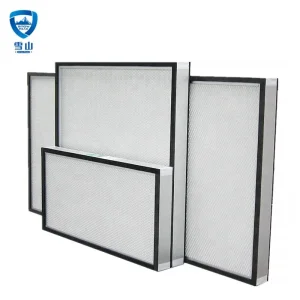
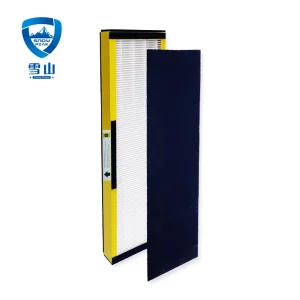
From custom W-shape geometries, unique CAD dimension frames (stainless steel, cardboard, plastic), to complex sandwich hybrid media structures combining HEPA fiberglass with activated carbon cloth, our R&D and tooling departments handle custom requests inside rapid prototyping windows.
Deploying specialized gas-phase filters across diverse industrial sectors to safeguard electronic components, personnel health, and regulatory compliance.
In semiconductor fabrication, Airborne Molecular Contamination (AMC) can degrade silicon wafers and reduce chip yield. Our deep-pleat carbon systems and honeycomb filters remove traces of acid gases, bases, condensables, and dopants, securing Class 100 to Class 1 environments.
Laboratories and bio-containment systems frequently generate harmful solvent vapors and infectious biological dusts. We configure custom Bag-In Bag-Out (BIBO) carbon housings and certified H13/H14 HEPA units to guarantee hazard separation and biosafety control.
Urban commercial properties are continuously exposed to vehicular exhaust emissions containing NO2, SO2, and ozone. Our activated carbon media layers integrated into traditional bag and panel filters scrub intake air, ensuring occupant health and indoor environmental quality (IEQ).
Addressing the strict requirements of international category buyers, engineering consultants, and global distribution groups.
European and American distribution networks demand clear certification. Our manufacturing complies with CE regulations and international air filtration standards, giving our commercial clients a frictionless compliance pipeline.
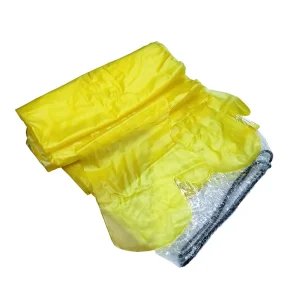
Activated carbon is susceptible to atmospheric moisture and early saturation. We package all carbon filters in vacuum-sealed moisture-barrier bags with heavy-duty exterior cardboard configurations, ensuring zero performance drop during transit.
To reduce maintenance overheads, global buyers seek high dust and gas holding capacities. By maximizing carbon volume density and optimized media pleating, we prolong change-out cycles, offering a lower Total Cost of Ownership (TCO).
Our engineering support department provides detailed technical documentation, including pressure drop curves, adsorption capacity calculations, and custom AutoCAD models to assist cleanroom designers and plant managers.
Leading the next generation of gas-phase separation with clean composite materials, smart structures, and green processes.
Traditional carbon structures use heavy adhesive matrices that cover active adsorption sites and release minor organic compounds during initial operation. The industry is rapidly pivoting toward zero-VOC water-based binders and clean mechanical laminating techniques that maintain the active pore surface area.
Combining primary carbon adsorption with secondary photocatalytic processes (like TiO2 structures activated by UV-LED) allows the system to continuously capture VOCs and decompose them into non-harmful compounds. This dramatically reduces the risk of filter saturation and extends filter operational lifespans.
With global green building metrics (LEED, BREEAM) demanding circular product designs, manufacturers are developing carbon composite structures that can undergo mild thermal or electrical regeneration cycles, bypassing complete replacement disposal pipelines.
Addressing the technical issues and procurement queries commonly raised by HVAC designers, lab directors, and filter buyers.
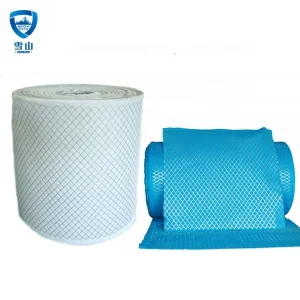
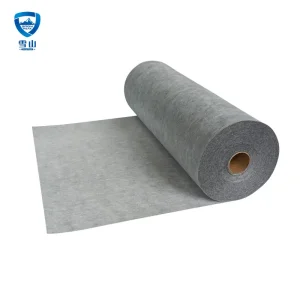
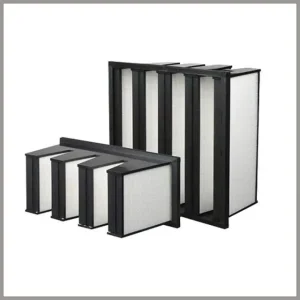
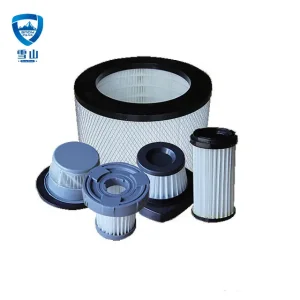
Complete your purification loop with our high-efficiency filtration rolls, HVAC bank units, and custom replacement bags.
 Snow Peak