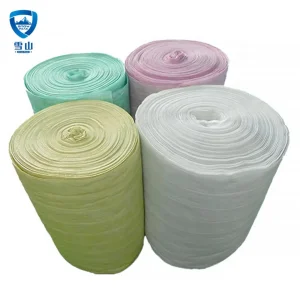
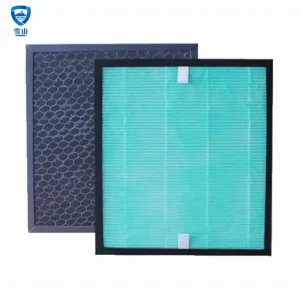
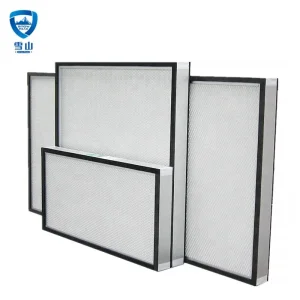
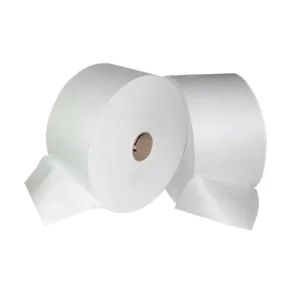
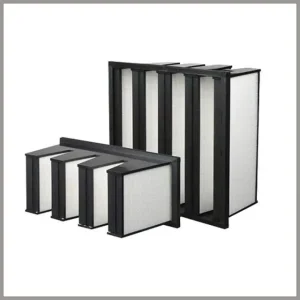
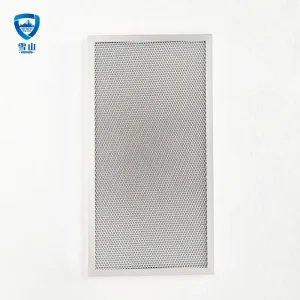
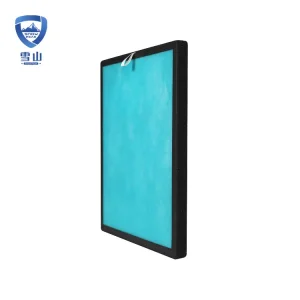
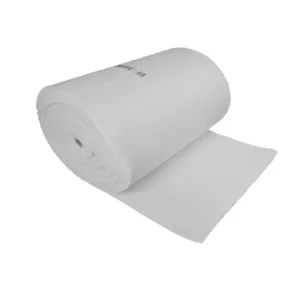
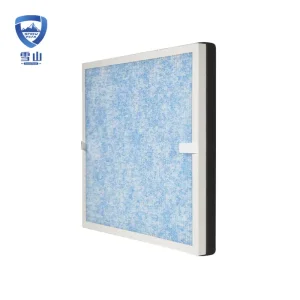
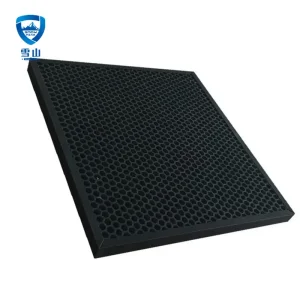
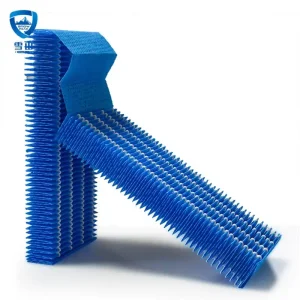
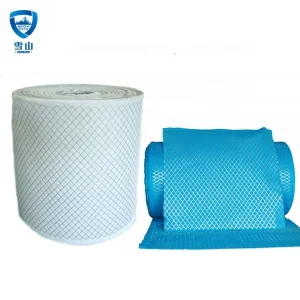
Explore our engineered range of high-efficiency roll media, composite layers, and pocket synthetic filters designed for custom integration.
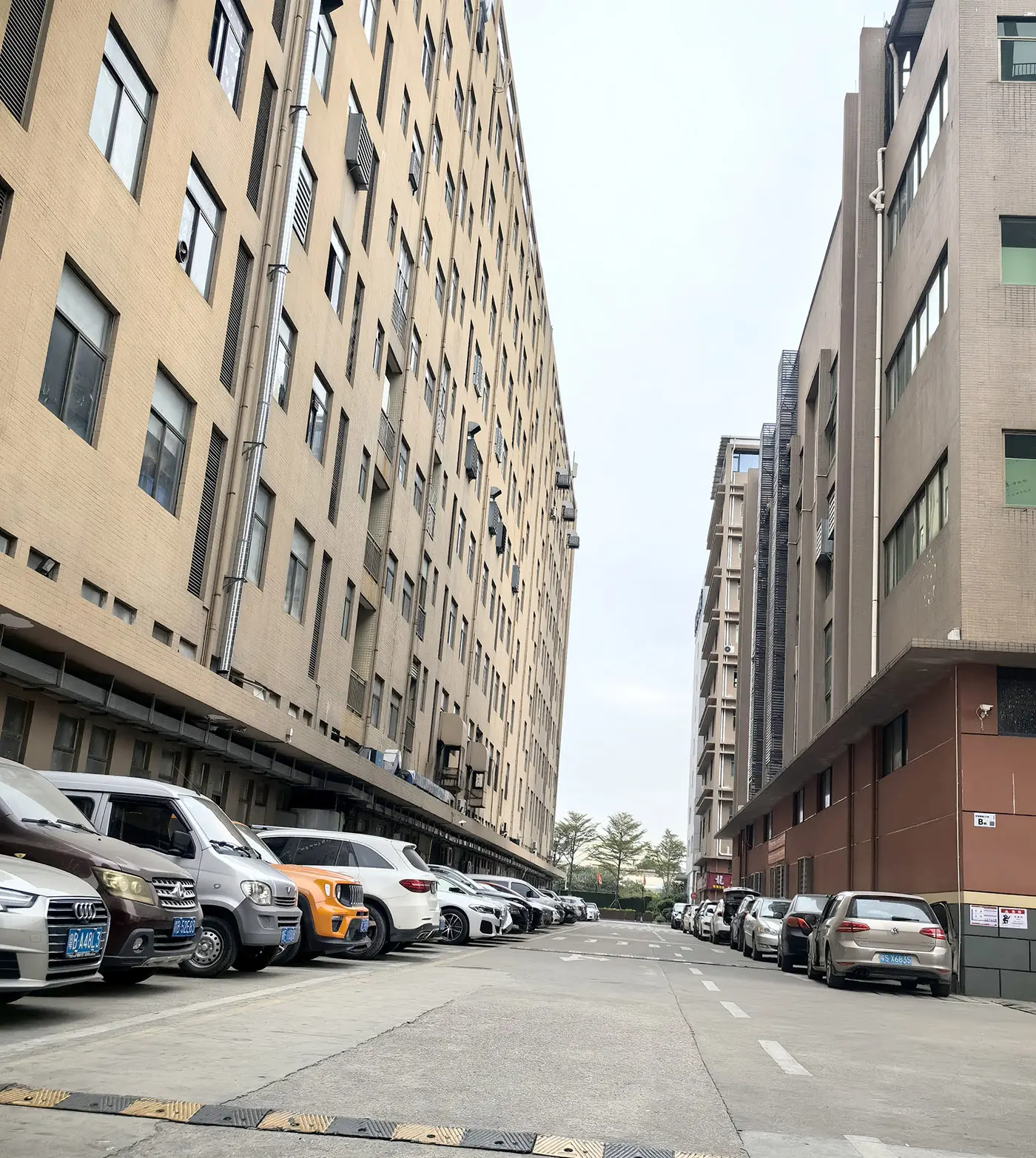
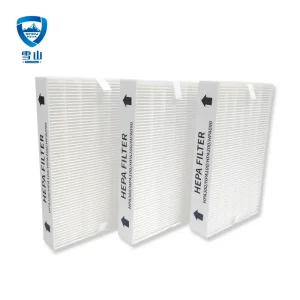
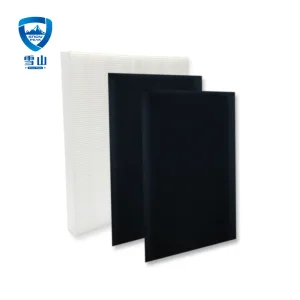
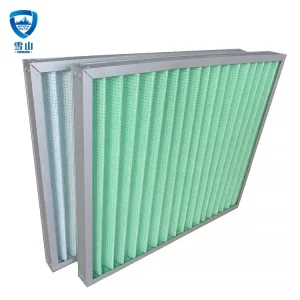
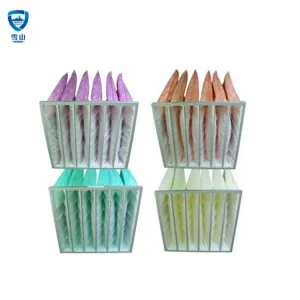
Shenzhen Snow Peak Clean Technology Co., Ltd. is an integrated high-tech enterprise, specialized in air filtration products research and development, production, sales, import and export trade. We produce and supply: Pre-filter, pocket filter, HEPA filter, chemical filter; replacement HEPA filter, car cabin air filter, humidifier filter; pocket filter media, melt-blown composite filter media, and other high-performance filter materials.
We provide high quality air purification solutions and products for indoor air pollution control and air conditioning systems of civil and industrial buildings, microelectronics, pharmaceutical, laboratory, school, hospital clean room etc. Combined with self-developed patented technology, our sterilizing antiviral HEPA filter can effectively filtrate fine particles, so that PM2.5 concentration down to 10 micrograms/m3, 5 times better than national standard; effectively inhibit the breeding of microorganisms, sterilization rate up to 99.9%, and no secondary pollution, removal of H1N1 virus efficiency as high as 99.99%.
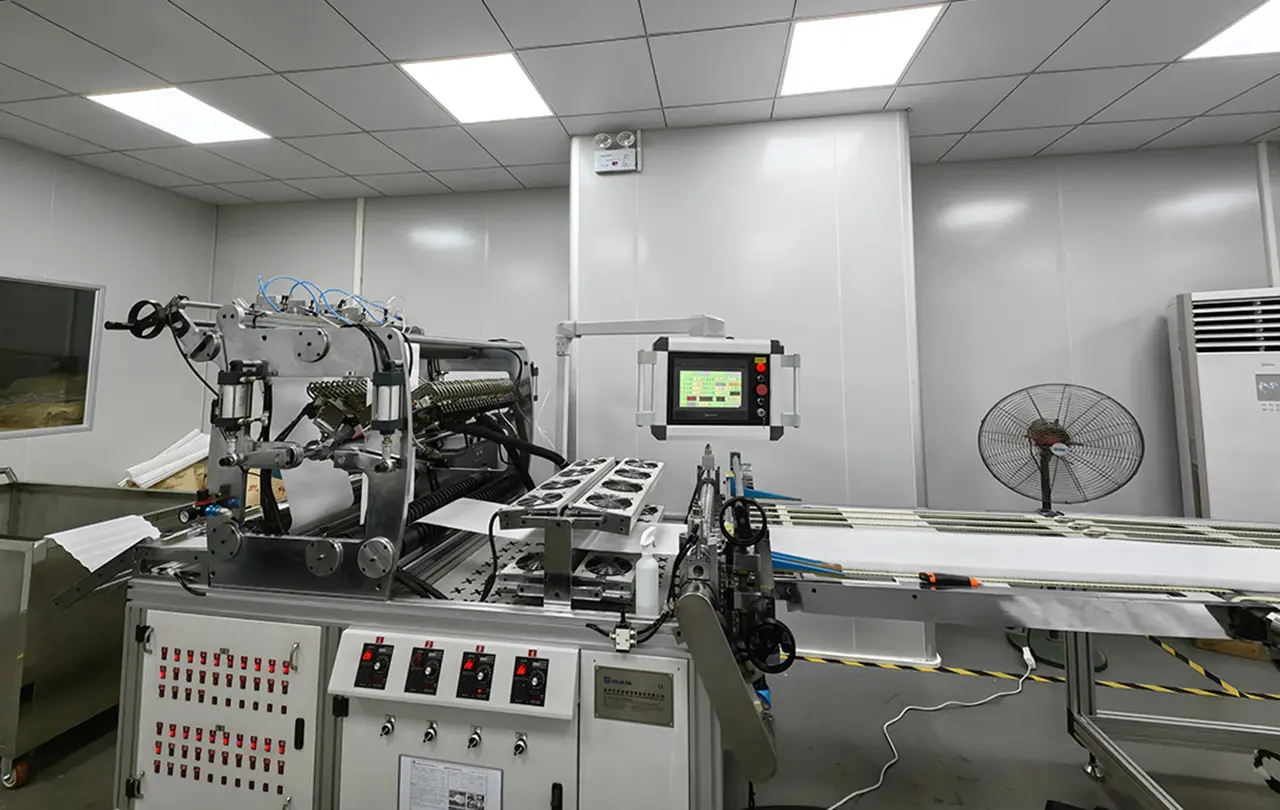
Having 15 years of international air purification technology experience as the background, our company has standardized production workshop, dust-free filter workshop and first-class technology of HEPA filters production line and inspection line.
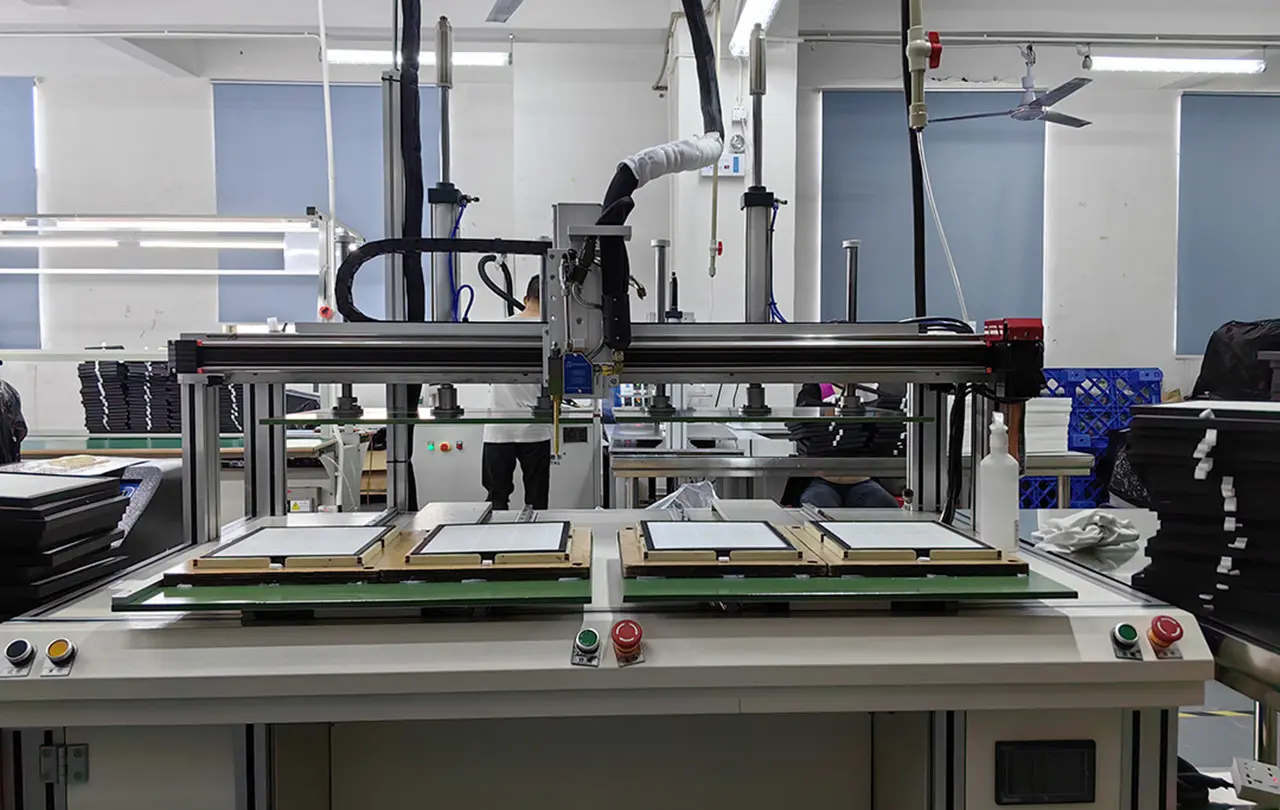
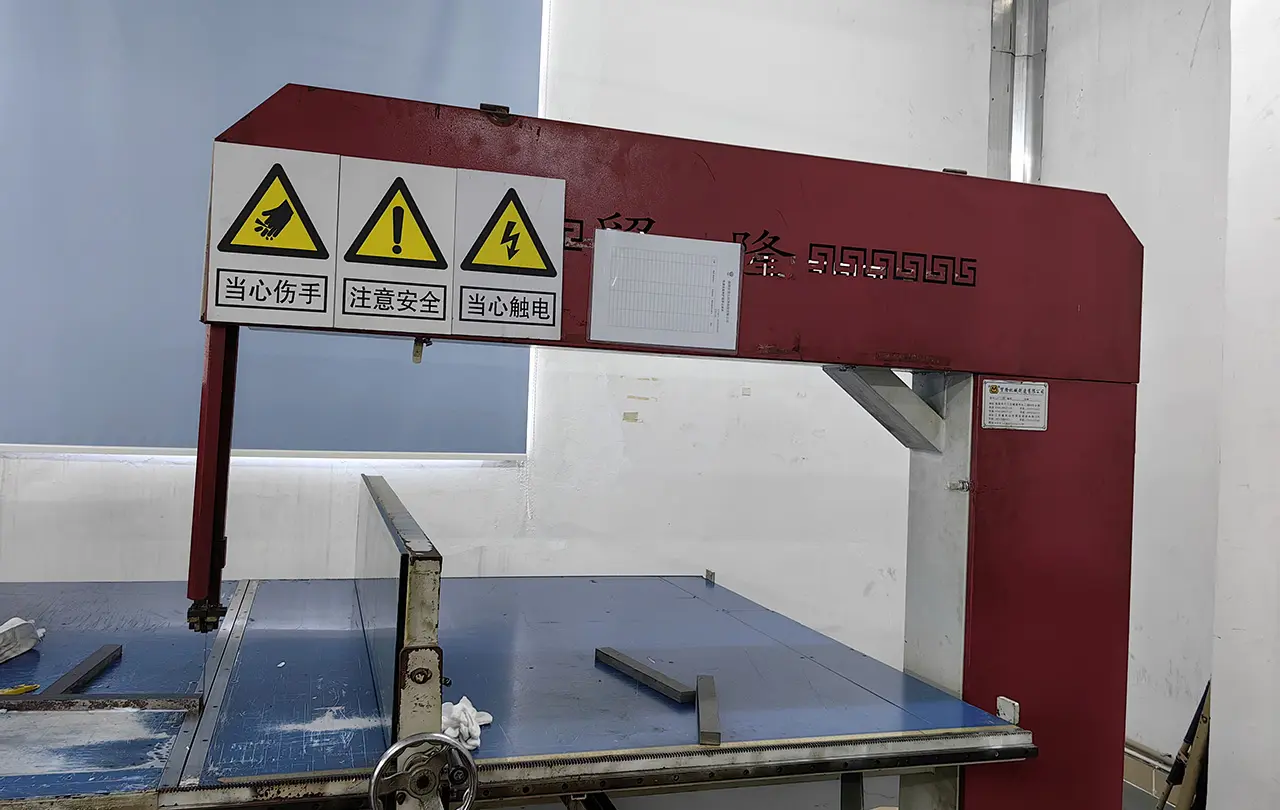
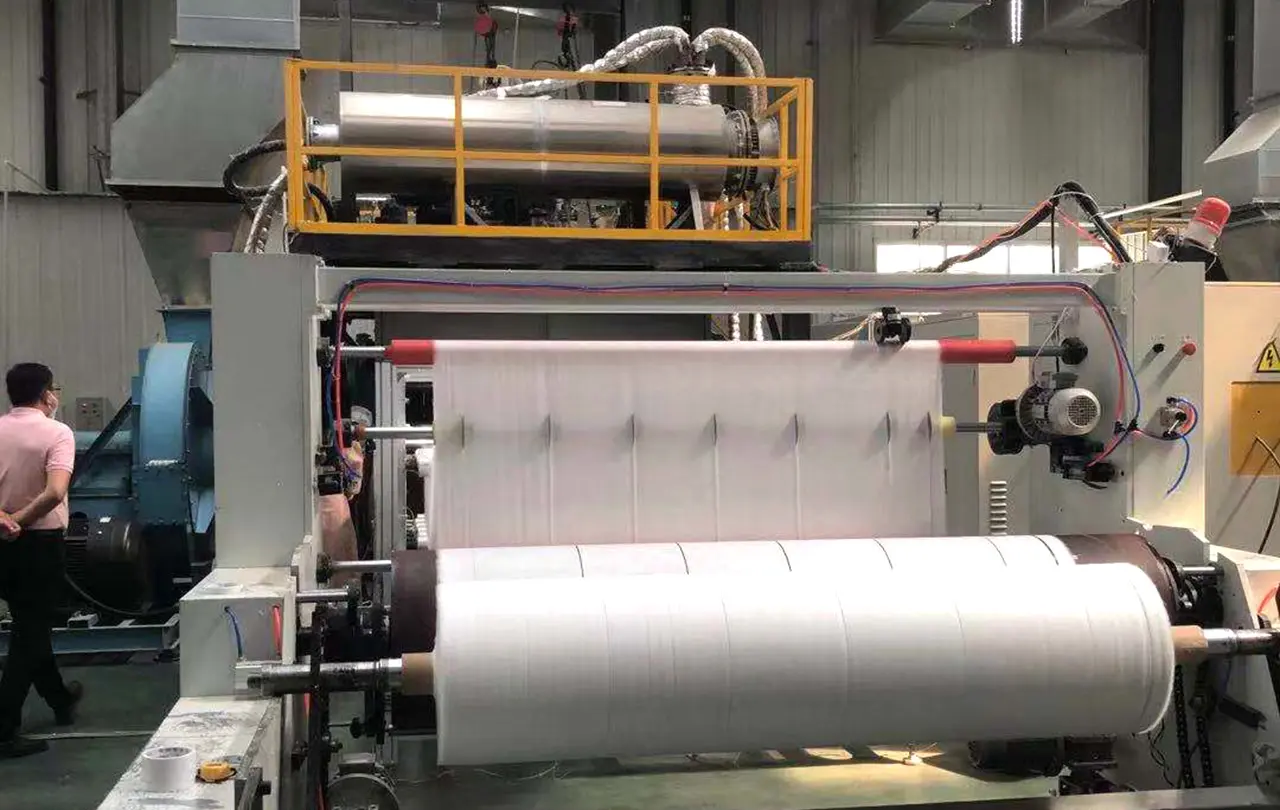
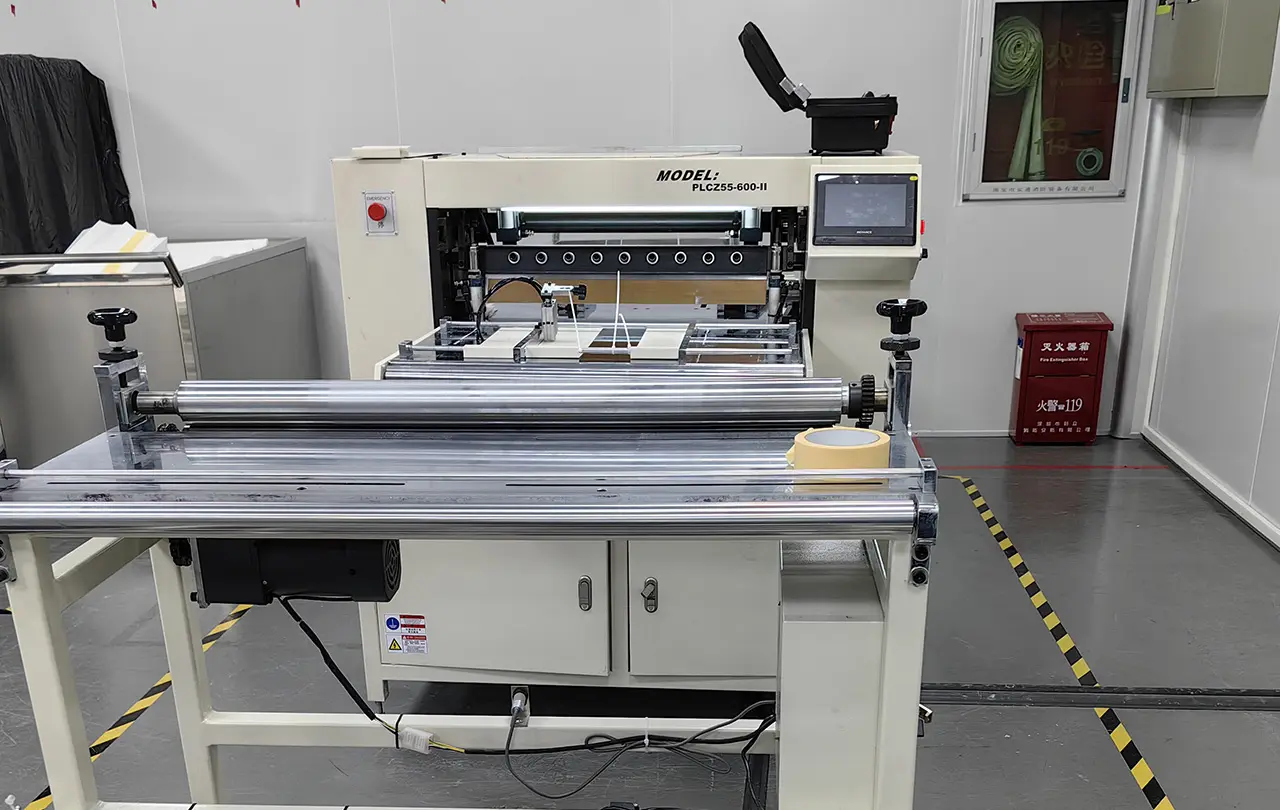
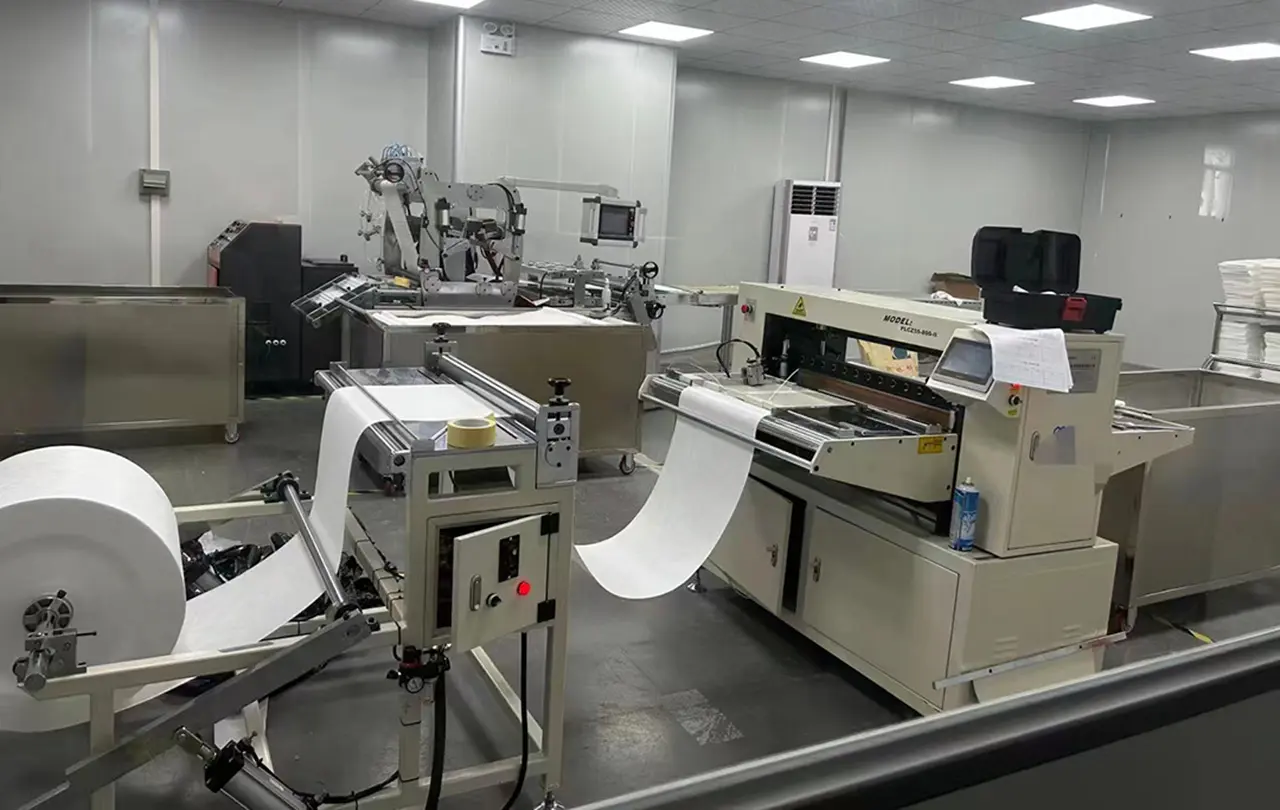
We pride ourselves on the independent research and development of fully automatic air filter production lines, equipped with AMADA CNC punch and CNC bending machines as well as many other advanced high-end equipment, which provide a strong guarantee for production and quality of air filtration and purification products.
Our advanced automated assembly lines ensure consistent high-quality output for industrial-scale demands.
A comprehensive analysis of design metrics, advanced synthetic fibers, global supply chains, and environmental paradigms in air purification.
At its core, air filtration relies on the complex interaction of particulate matter suspended in air streams with the fiber matrices of filter media. Modern OEM Air Filter Cloth Material relies not only on mechanical sieving but also on dynamic capture mechanisms such as inertial impaction, interception, diffusion, and electrostatic attraction.
Standard non-woven synthetic filter media is engineered using polymer sciences. Meltblown polypropylene (PP), polyethylene, polyester (PET), and fiberglass are processed into web networks. In these networks, fiber diameter, density, and thickness directly govern the efficiency curve and the pressure drop. By tailoring these parameters, manufacturers meet strict filtration classes ranging from coarse dust pre-filters (G1-G4) and medium filters (M5-F9) to ultra-high efficiency particulate air (HEPA/ULPA) levels.
An additional layer of technological sophistication lies in Electret Charging. By introducing a semi-permanent electric charge (dipole orientation) to meltblown fibers, we achieve exceptionally high filtration efficiency for sub-micron particles (PM0.3) without increasing the physical flow resistance. This low initial resistance directly correlates with lower energy consumption in industrial air handling units (AHUs).
| Media Material | Classification | Dominant Capture Method | Key Advantages | Primary Application |
|---|---|---|---|---|
| Meltblown PP (Electret) | F7 - H13 | Electrostatic + Diffusion | Ultra-low resistance, high sub-micron capture | Cleanrooms, HEPA purifiers, HVAC |
| Polyester (PET) Synthetic | G3 - M5 | Sieving + Impaction | High dust holding, washable/reusable, low cost | Pre-filtration, spray booths |
| Fiberglass Paper | H13 - U17 | Diffusion + Interception | Stable efficiency over time, chemical resistant | Industrial cleanrooms, nuclear, absolute filters |
| Composite Media | Custom Ranges | Multistage (Layered) | Structural integrity, dual-stage filtration | Automotive cabins, premium vacuums |
China's dominance in the global air filter cloth material market is not merely a product of labor cost efficiency. It is driven by massive industrial clustering, advanced machinery, and seamless raw material supply chains.
Several macro-trends are shaping the demands of global B2B procurement professionals:
Eco-Friendliness and Biodegradability: With tightening environmental laws in the EU and North America, there is an escalating demand for recyclable filter media. The integration of bio-based plastics and PLA (Polylactic acid) fibers into standard filter cloth is a primary area of ongoing research.
Antiviral & Microbe-Resistant Coatings: The post-pandemic landscape demands active bio-protection. As demonstrated by Shenzhen Snow Peak's patented sterilizing antiviral HEPA technology, integrating non-toxic, non-leaching antimicrobial compounds into the fiber matrix helps prevent secondary biological contamination within public ventilation systems.
Smart HVAC Systems and Pressure Monitoring: IoT-enabled buildings require filters with predictable, linear pressure drop trends. Filter materials that resist premature clogging optimize the energy footprint of variable air volume (VAV) systems, lowering long-term operating costs.
Every industry presents distinct environmental variables. To ensure optimal performance, OEM air filter cloth must be selected with precise application parameters in mind:
Microelectronics and Semiconductor Fabs: Microchip fabrication demands ultra-clean environments free from boron and silicon compounds. Outgassing is prevented by using pure synthetic polymers and glass-free media, ensuring the longevity of sub-nanometer lithography processes.
Pharmaceutical and Clinical Cleanrooms: Compliance with sterile guidelines requires continuous HEPA filtration and antimicrobial capabilities. Our proprietary antiviral filters exhibit a 99.99% H1N1 virus removal efficiency, meeting critical clinical biosafety guidelines.
Industrial Painting and Automotive Spray Booths: Painting rooms require high-efficiency ceiling filters to prevent paint-adhesion failures. Using structured, heavy-duty 600G polyester filter cotton ensures progressive particle capture and laminar airflow, keeping finish surfaces free of defects.
When vetting an OEM exporter, global procurement teams must establish rigid verification processes. It is essential to ensure that materials undergo continuous quality audits. The transition from EN 779 to the ISO 16890 standard has redefined how filtration efficiency is measured, classification now being based on particulate sizes (PM1, PM2.5, PM10).
A trustworthy supplier should offer detailed documentation, including fractional efficiency curves, dust holding capacity (DHC) test reports, initial and final pressure drop delta charts, and regulatory certifications (such as CE, RoHS, and UL flammability compliance). Ensuring these standards are met mitigates supply chain risks and ensures compliance with regional environmental laws.
Addressing the technical, logistics, and capabilities questions of B2B procurement partners worldwide.
EN 779 categorized filters based on average efficiency using a synthetic 0.4-micron particle size. The newer ISO 16890 standard measures the filtration efficiency across a broader spectrum of particle sizes: PM1 (0.3 to 1 μm), PM2.5 (0.3 to 2.5 μm), and PM10 (0.3 to 10 μm). This provides a more realistic representation of filter performance in real-world atmospheric conditions.
Our sterilizing antiviral HEPA filter incorporates a proprietary compound active agent integrated into the meltblown composite filter media. This agent acts directly on the outer protein layers of viruses and bacterial cell walls. This inhibits biological replication, yielding a sterilization rate of 99.9% and an H1N1 virus removal rate of 99.99% without releasing toxic secondary pollutants.
Yes. We offer complete OEM and ODM customization. Our facility features CNC punching and bending machines that produce frames in aluminum, galvanized steel, cardboard, and plastic housings. Concurrently, our compounding lines allow us to customize media layer thickness, density, electret charge intensity, and backing meshes to meet specific air pressure drop goals.
Unused electret-charged filter cloth stored in original moisture-barrier packaging maintains its charge for up to 3 to 5 years. Once installed in an operational environment, lifespan depends on particulate loading rates. Under standard HVAC settings, coarse pre-filters last 2–3 months, while secondary pocket and HEPA filters operate efficiently for 6 to 12 months.
Every production batch undergoes strict quality control protocols. This includes fractional efficiency scans, air resistance tests, and mechanical sealing integrity checks. For HEPA filters, we conduct laser photometer scanning and particle counter tests to verify the absence of pinhole leaks and confirm particulate capture efficiencies.
Explore our targeted replacement filters, eco-friendly honeycomb materials, and heavy-duty composite structures.
 Snow Peak