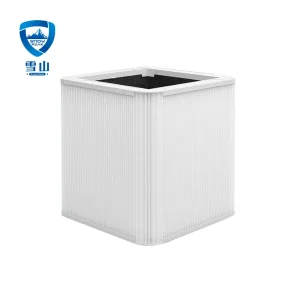
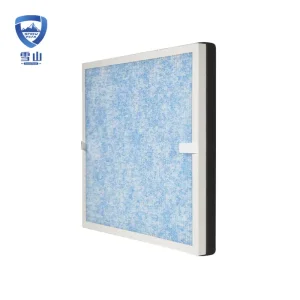
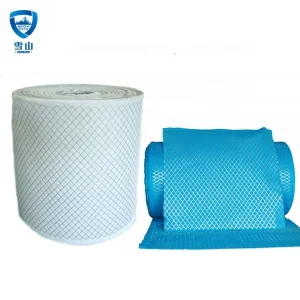
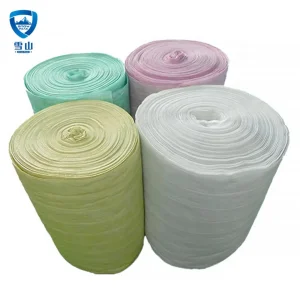
High-efficiency OEM and ODM replacement solutions configured for leading global air purification and HVAC systems.
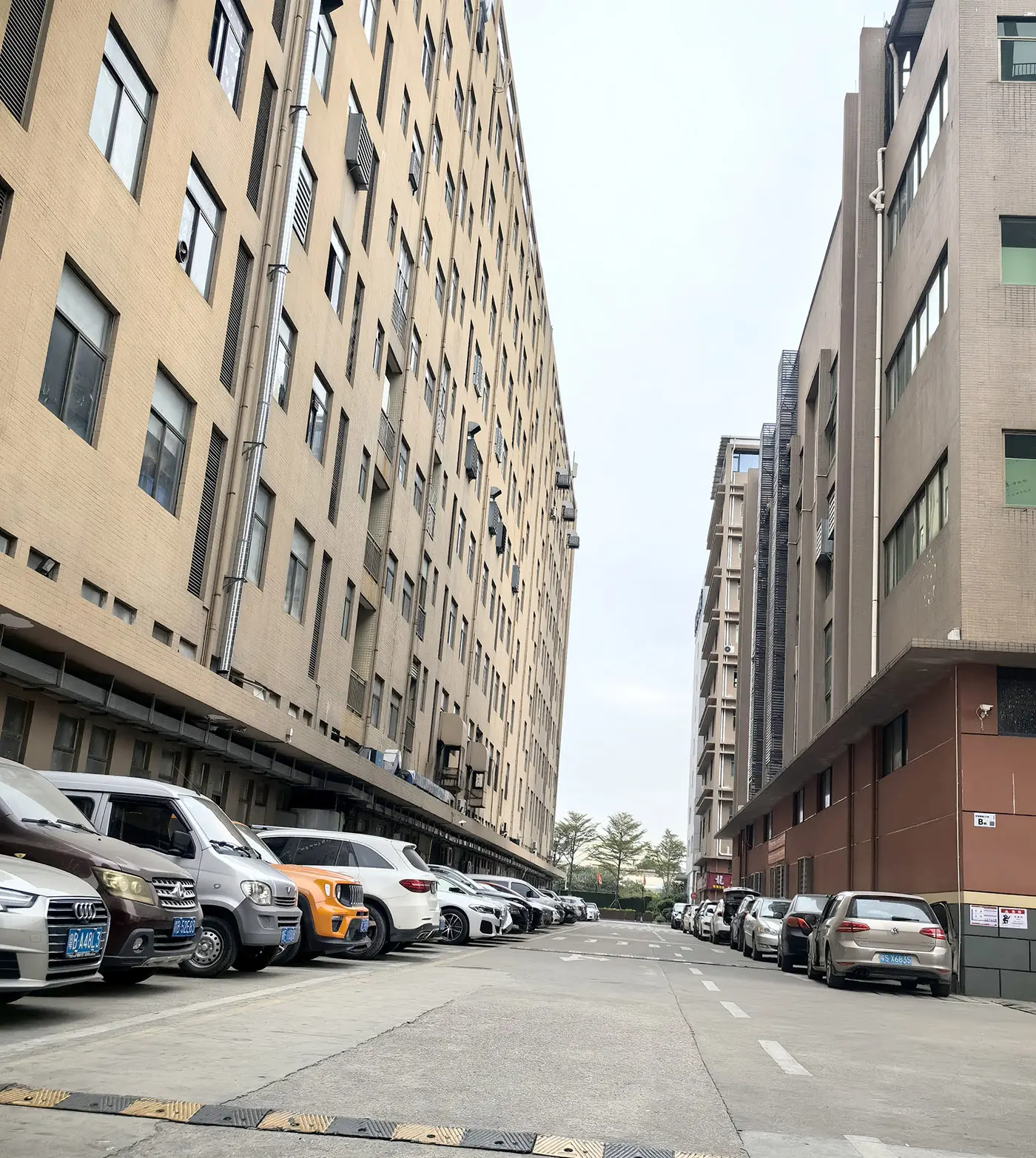
As a vertically integrated high-tech enterprise, Shenzhen Snow Peak Clean Technology Co., Ltd. is specialized in cleanroom engineering, environmental health research, and advanced air filtration systems. We develop, manufacture, and distribute a complete catalog of air filtration consumables, including pre-filters, high-capacity pocket filters, true HEPA/ULPA filters, and specialized molecular chemical adsorption (activated carbon) filters.
Our engineered sterilization and antiviral HEPA filtration media achieves filtration down to PM2.5 levels at 10 micrograms/m³, outperforming traditional national standards. Backed by automated proprietary production lines, our filters boast an antibacterial rating of 99.9% and H1N1 antiviral containment efficiency of up to 99.99%, without yielding secondary environmental contamination.
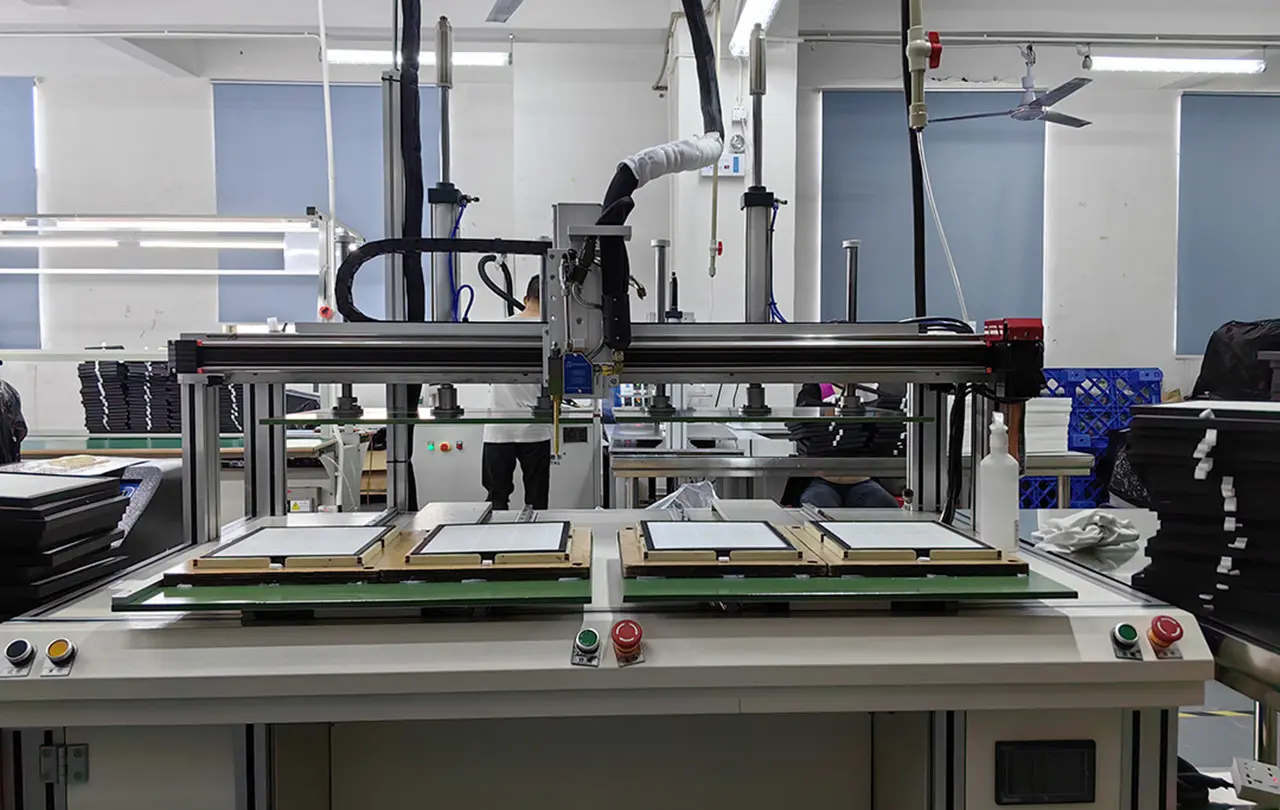
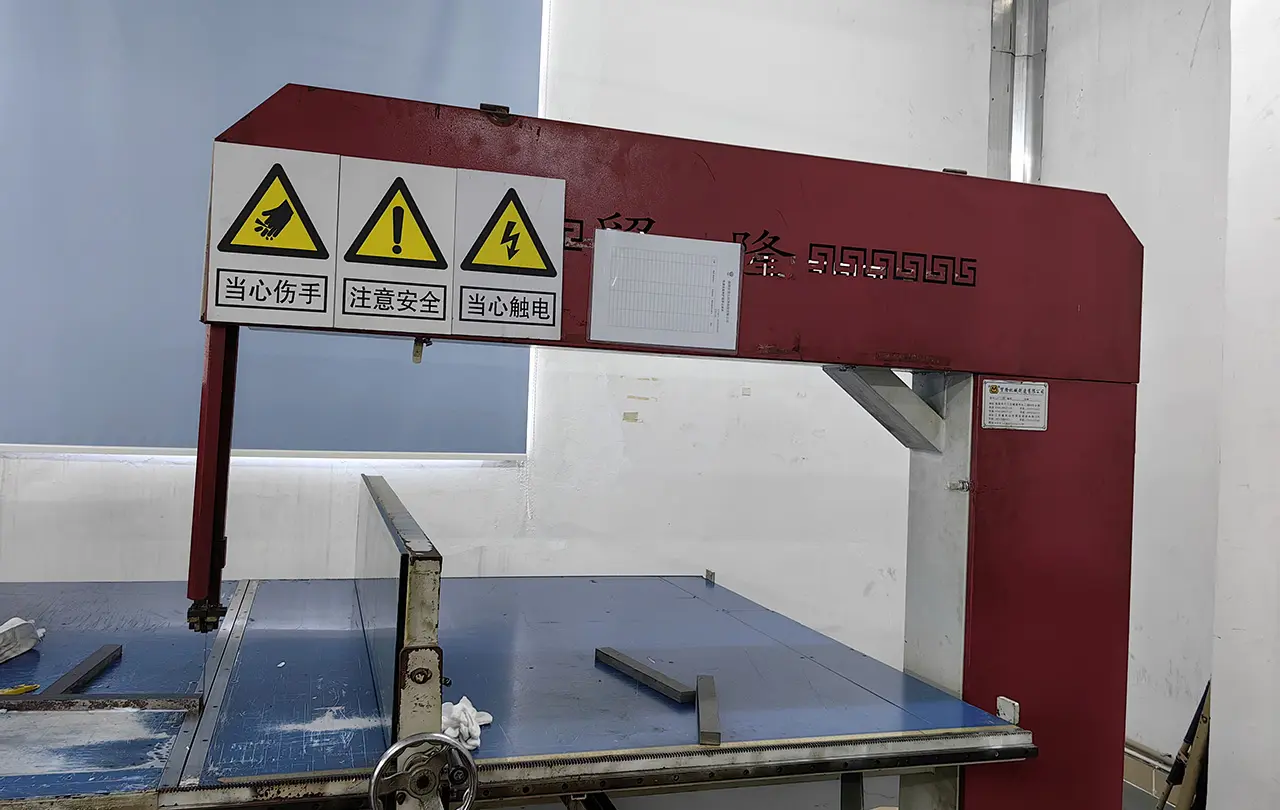
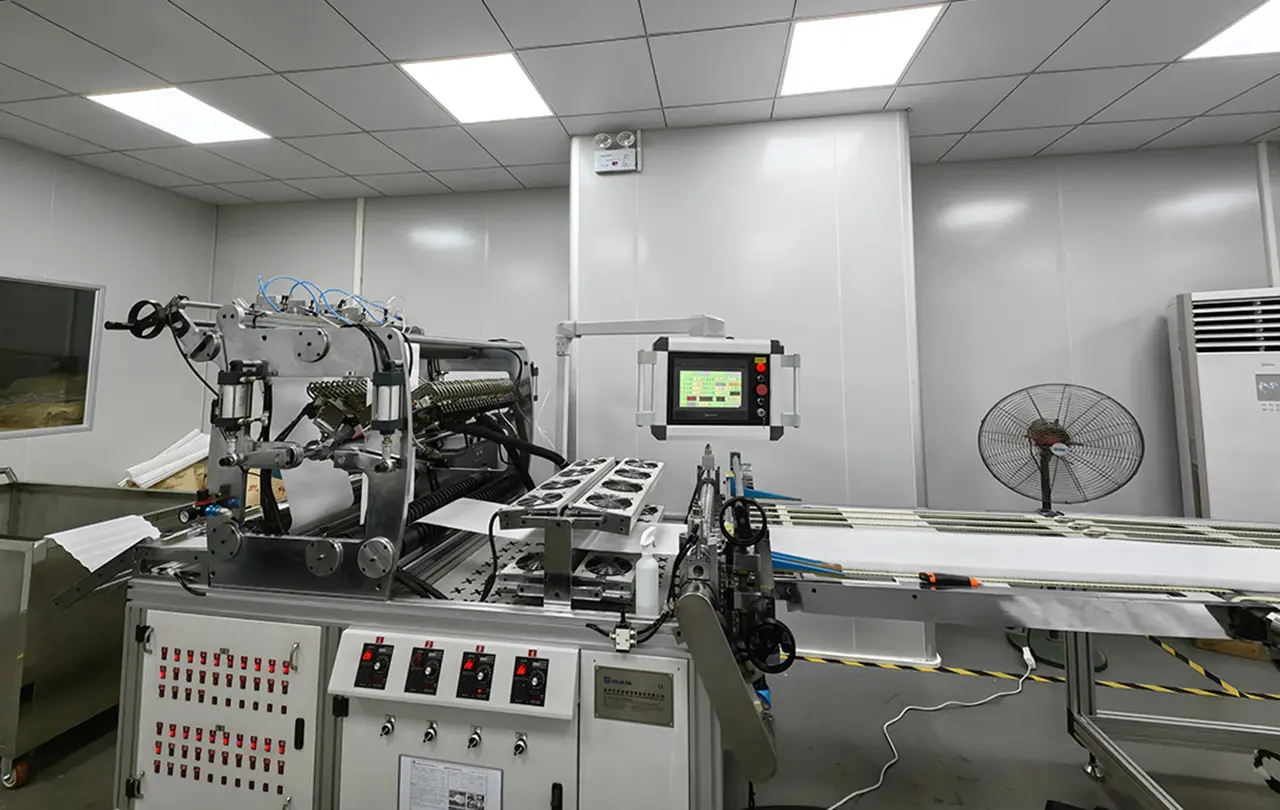
Precision processes and high-end machinery powering consistent mass production quality.
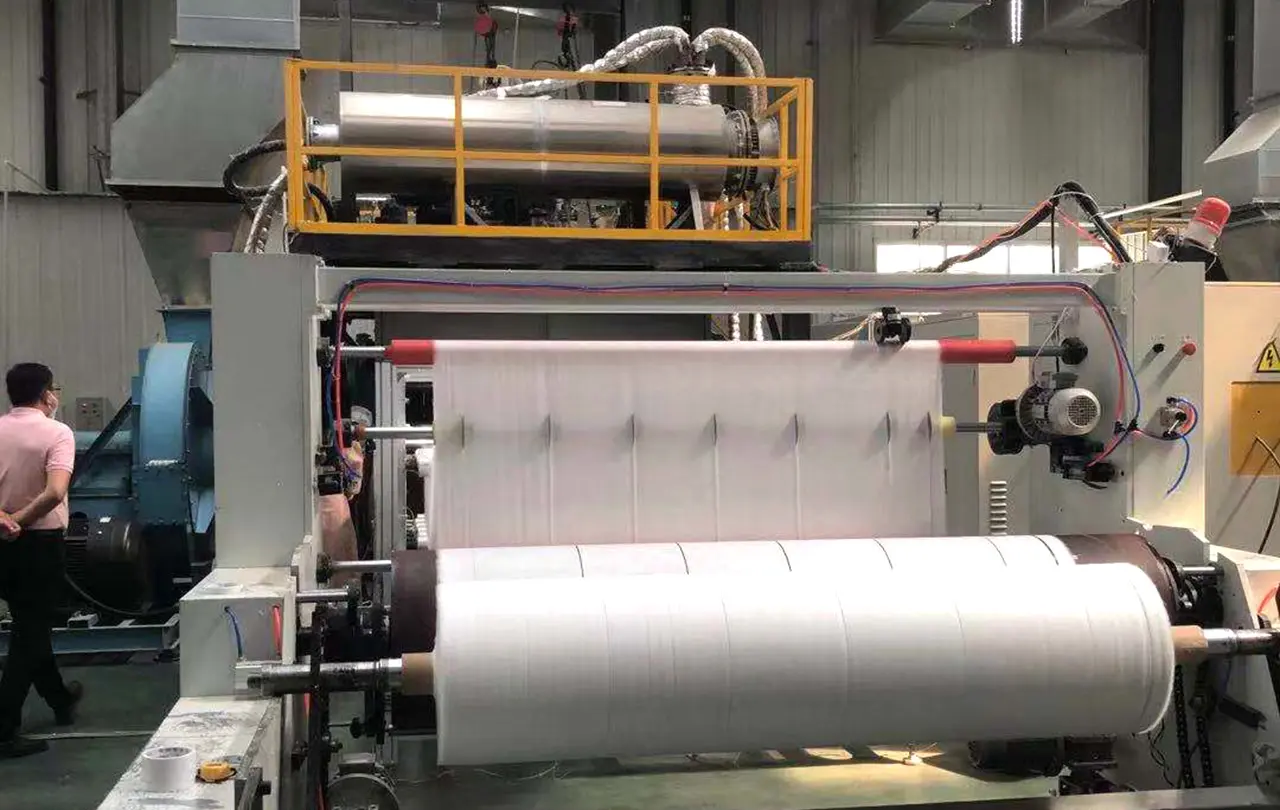
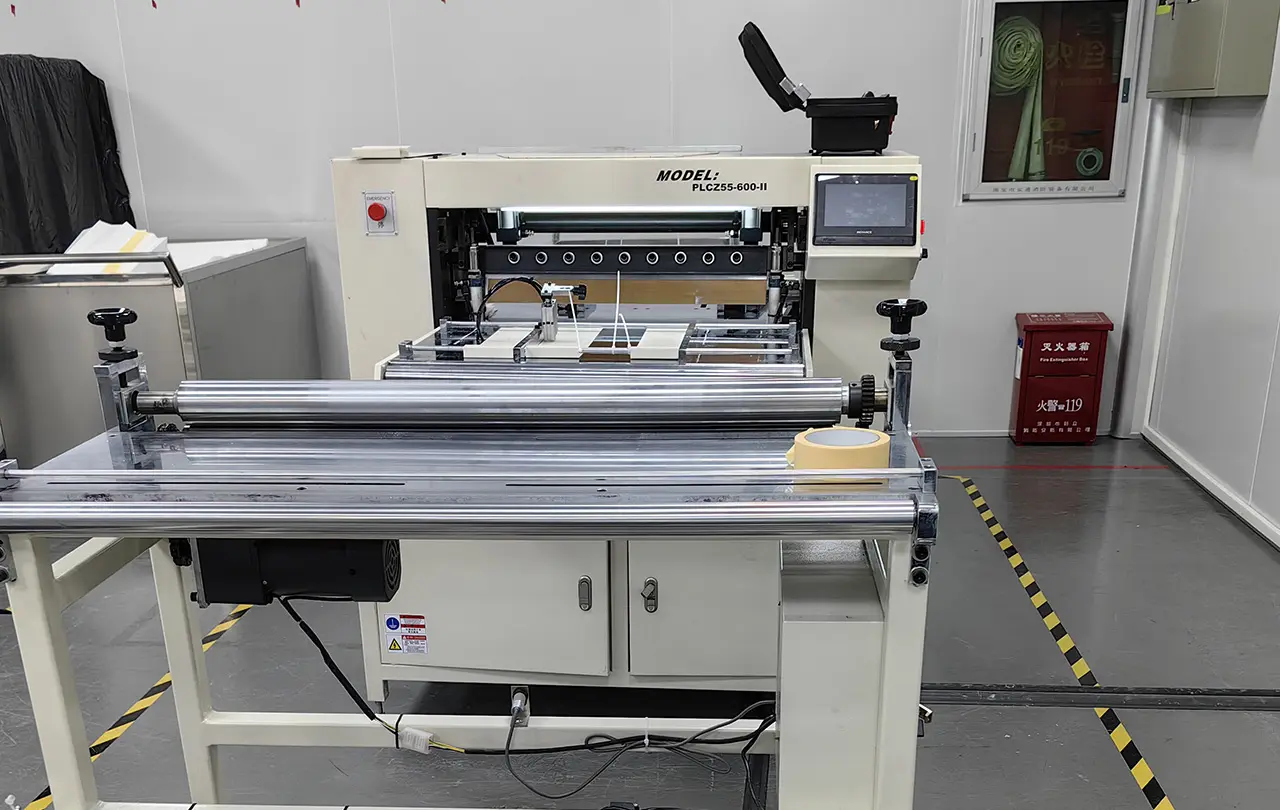
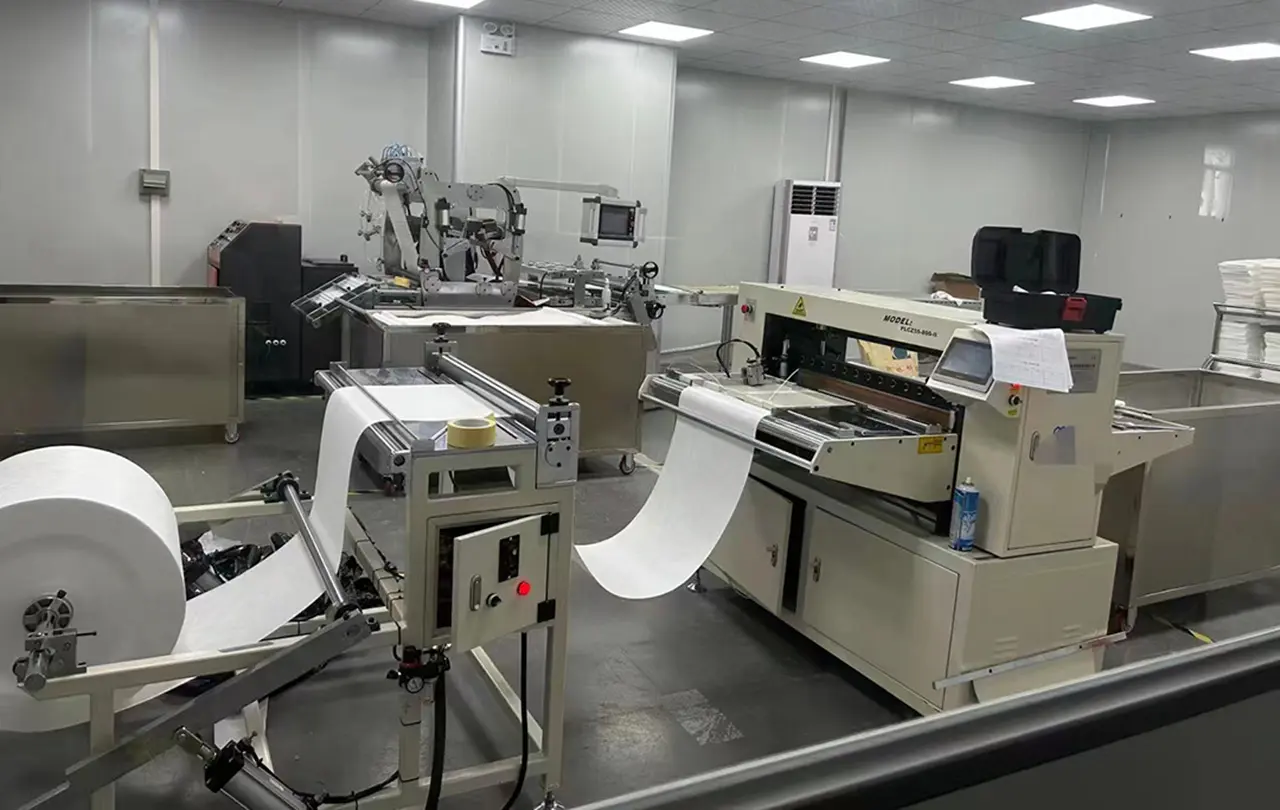
In modern industrial, commercial, and residential environments, particulate filtration is only half the battle. While HEPA filters excel at capturing fine suspended dust and pathogens, gaseous chemical contaminants—referred to collectively as Volatile Organic Compounds (VOCs)—pass straight through micro-glass and synthetic fibers. To capture these airborne chemicals, engineers rely on molecular gas-phase adsorption filters, primarily utilizing Activated Charcoal (Carbon) Air Filters.
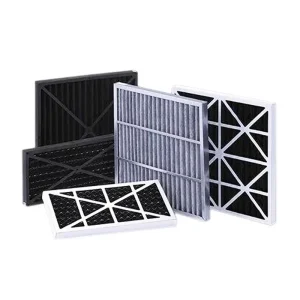
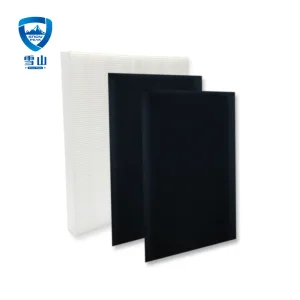
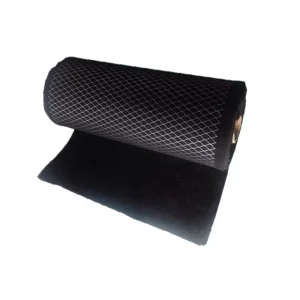
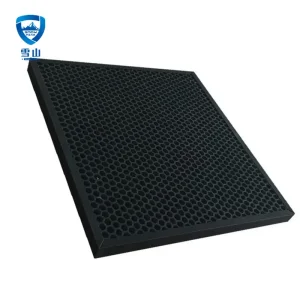
B2B Engineering Note: Shenzhen Snow Peak Clean Technology's OEM and ODM carbon filters combine macro-porous activated charcoal lattices with structural media supports to achieve low static pressure resistance alongside high-capacity chemical loading.
Unlike particulate filtration (which utilizes physical mechanisms like interception, inertial impaction, and diffusion), charcoal filters operate via adsorption. This is a surface-based phenomenon where gas molecules adhere to the internal pore surfaces of the activated carbon matrix. Activated charcoal is produced by pyrolyzing organic materials (such as coconut shells, coal, or wood) in a carbonaceous gas atmosphere, followed by steam or chemical activation at high temperatures (up to 900°C).
This thermal activation process burns out internal impurities, creating an extensive network of microscopic pores. A single gram of high-grade activated carbon can present a specific surface area exceeding 1,000 to 1,500 square meters. These pores are classified by diameter:
When sourcing OEM charcoal air filters, global B2B procurement managers must evaluate several technical metrics to ensure adequate filtration lifetime and compliance with commercial air quality targets:
| Measurement Standard | Typical Quality Target | Operational Relevance |
|---|---|---|
| Iodine Value (mg/g) | 900 - 1150 | Measures micropore density. Higher values indicate greater adsorption capacity for small-molecule gaseous contaminants. |
| CTC Activity (Carbon Tetrachloride %) | 50% - 70% | Gauges total loading capacity of organic vapors. Critical for industrial solvents and paint booth filtration. |
| Apparent Density (g/cm³) | 0.45 - 0.55 | Influences mechanical structural integrity and total carbon mass within a fixed filter frame volume. |
| Pressure Drop (Pa) | < 45 Pa at 1.0 m/s | Directly impacts system fan energy consumption. Lower resistance translates to lower carbon footprints. |
Raw active carbon dust cannot be placed directly into an air conditioning stream due to carbon particle shedding. Therefore, factories deploy compound engineering styles:
Operating a global HVAC or air purifier brand requires high-quality manufacturing alongside agile logistics, customizable designs, and rigorous quality assurance. Located in the technology hub of Shenzhen, China, our factory provides significant logistical advantages to global partners.
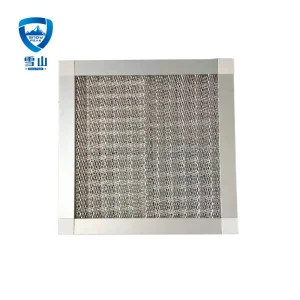
Consistent pleat geometry and robust structural framing are mandatory for high-velocity HVAC systems. Our facility is equipped with automated pleating lines, precision gluing machines, and AMADA CNC punches and bending machines. These assets enable the fabrication of custom metal filter frames in aluminum, stainless steel, and galvanized steel with tolerances within 0.1 mm, preventing bypass leaks in cleanroom filter housings.
Shenzhen's industrial clusters enable rapid sourcing of critical components, from customized wire mesh backings to specialty synthetic nonwovens and specialized activated carbon granules. This integrated ecosystem ensures that we can scale up from prototyping to high-volume production with short lead times, stabilizing supply chains against geopolitical shifts and maritime freight challenges.
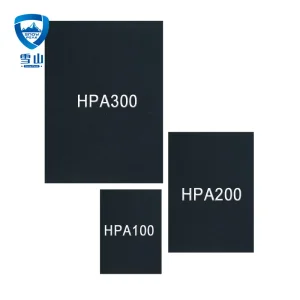
All filters undergo testing on calibrated aerosol and gas-phase test systems. We conform to international quality protocols, including EN 779, ISO 16890, and CE certifications. Our in-house engineering team verifies that replacement filters for third-party brands (e.g., Honeywell, Coway, Blueair) meet or exceed the original equipment manufacturer's airflow and containment specifications.
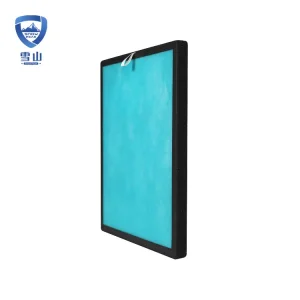
Engineered charcoal air filter variants designed for target environmental conditions.
Installed in office buildings, schools, and shopping centers to adsorb city smog, traffic odors, and volatile compounds, improving occupant health and meeting ASHRAE 62.1 fresh air ventilation targets.
Engineered for high-volume organic solvent loading. Captures airborne solvents, paint thinners, and chemical vapors, protecting workers and ensuring compliance with local emissions limits.
Deployed in microelectronics and pharmaceutical cleanrooms to eliminate trace airborne molecular contamination (AMC) that can compromise semiconductor yields or pharmaceutical purity.
In response to emerging global regulations and tightening environmental standards, Shenzhen Snow Peak Clean Technology is actively researching and co-developing next-generation media to enhance filter longevity and lower overall operation cost.
Standard activated carbon captures VOCs through physical adsorption. However, for highly volatile gases with low molecular weights—such as formaldehyde, hydrogen sulfide, ammonia, and sulfur dioxide—physical adsorption is less effective. To counter this, we utilize chemical impregnation. By bonding metal catalysts or chemical compounds (such as potassium permanganate, phosphoric acid, or copper oxides) to the internal surfaces of the carbon pores, we initiate chemical neutralization reactions (chemisorption) that convert these toxic gases into stable, harmless compounds.
Graphene, with its atom-thin carbon lattice, provides high theoretical surface area. Our R&D team is developing composite media that integrates graphene oxide nanoplatelets alongside active charcoal structures. This technology increases gas contact surface efficiency, helping to reduce filter weight and flow resistance, leading to lower HVAC fan power requirements.
Traditional manufacturing relies on synthetic polyurethane resins to bind carbon particles to polyester carriers. We are shifting toward bio-based water-soluble binders that emit zero volatile organic compounds during production. We are also establishing recycling workflows to allow industrial clients to return spent carbon filters for high-temperature thermal reactivation, supporting circular economy targets.
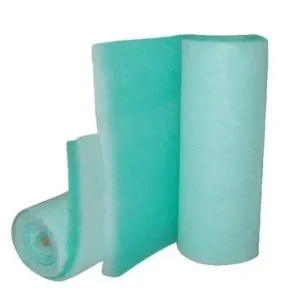
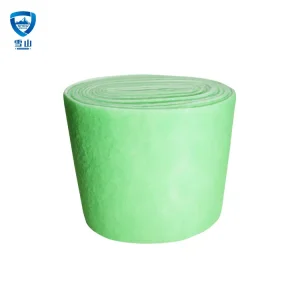
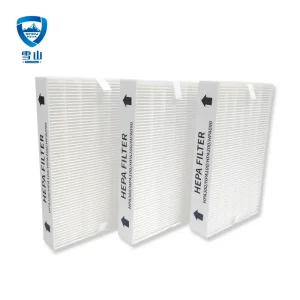
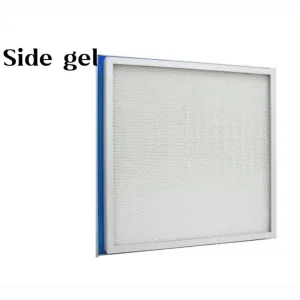
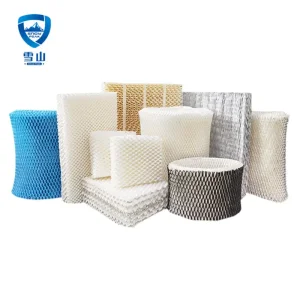
Raw media rolls, heavy-duty honeycomb filters, and high-efficiency cleanroom solutions.
Direct, engineering-backed answers addressing common OEM/ODM design and operations questions.
 Snow Peak