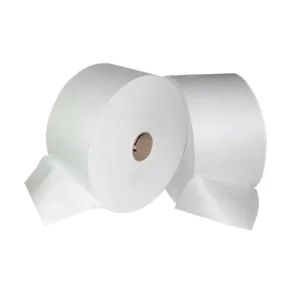
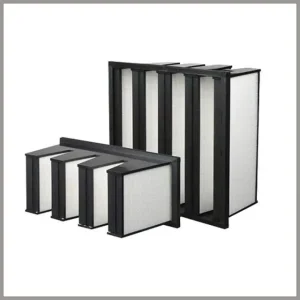
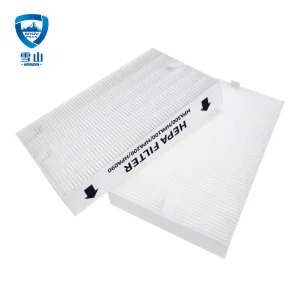
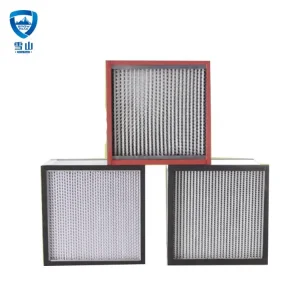
Premium OEM/ODM engineered media, replacement HEPA assemblies, and structural filtration components manufactured to the highest international quality standards.
A comprehensive examination of sub-micron lead particulate control, regulatory compliance, filter design parameters, and procurement methodologies for engineering managers.
Lead dust contamination remains one of the most critical occupational hazards across various industrial domains, including battery manufacturing, chemical processing, electronic assembly soldering, metallurgy, and demolition. Lead dust particles can vary significantly in size, from coarse debris down to sub-micron fumes generated during high-temperature thermal processes. Standard filtration media are structurally incapable of safely containing these hazardous particulates, making certified HEPA (High-Efficiency Particulate Air) filtration mandatory.
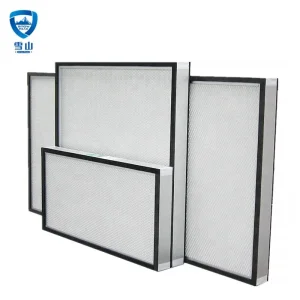
As a premier OEM HEPA filter manufacturer, Shenzhen Snow Peak Clean Technology Co., Ltd. develops specialized multi-layered containment filters designed to optimize airflow resistance while ensuring absolute particle capture. Utilizing advanced synthetic laminates, melt-blown composite media, and specialized framing technologies, our systems ensure that heavy metal dust remains securely isolated, protecting workforces and satisfying international environmental protection standards.
The industrial air filtration market is transitioning from general dust collection to precision-targeted micro-contaminant extraction. Historically, fiberglass media dominated the HEPA landscape. However, modern industrial facilities are actively demanding advanced PTFE (Polytetrafluoroethylene) membranes and electrostatically charged melt-blown structures. These innovations yield a significantly lower pressure drop, reducing energy consumption in massive HVAC air-handling loops.
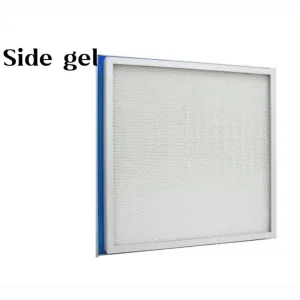
Furthermore, modern industrial safety models rely heavily on secondary and tertiary safety barriers. High-capacity V-bank structures and gel-seal containment modules represent the current gold standard. Gel-seal systems, using specialized polyurethane or liquid silicone channels, prevent any possibility of bypass leakage between the filter frame and the mounting housing. This layout is increasingly mandated by international health bodies for cleanrooms handling heavy metal compounds.
Industrial procurement teams face complex challenges when sourcing replacement HEPA components. Rather than seeking catalog products, modern enterprises require custom engineering parameters tailored to specific localized environments. Sourcing managers focus on the following key operational aspects:
| Filter Grade (EN 1822) | Efficiency at MPPS | Primary Industrial Application | Airflow Resistance Profile |
|---|---|---|---|
| G4 to M6 (Pre-Filters) | N/A (Coarse dust separation) | Primary stage, protects HEPA from heavy loading | Low (50 - 120 Pa) |
| F7 to F9 (Medium Filters) | N/A (Fine particle collection) | Secondary stage, intercepts mid-sized particles | Moderate (100 - 250 Pa) |
| H13 (HEPA Class) | > 99.95% | Standard lead dust containment, solder stations | High (250 - 600 Pa) |
| H14 (HEPA Class) | > 99.995% | Nuclear, hazardous lead abatement, cleanrooms | Very High (280 - 650 Pa) |
Effective lead dust control cannot rely solely on a single HEPA filter element. Rather, industrial engineers must implement a progressive, multi-stage filtration architecture:
Solder Fume and Battery Manufacturing: In high-temperature zones where lead fumes vaporize, high-density activated carbon beds must be placed alongside pre-filters to capture volatile organic compounds (VOCs) and gaseous chemicals. Following chemical filtration, H13 or H14 HEPA units capture the cooled, solidified metal particulates. Our custom V-bank configurations allow high volume rates with minimal footprint constraints.
Firing Ranges: Firing range exhausts carry lead particles from bullet fragmentation and primer residues. These systems require heavy-duty ventilation where incoming outdoor air is tempered, and exhaust air passes through robust G4 synthetic pre-filters, F8 bag pocket filters, and a final bank of leak-tested H13 mini-pleated HEPA filters.
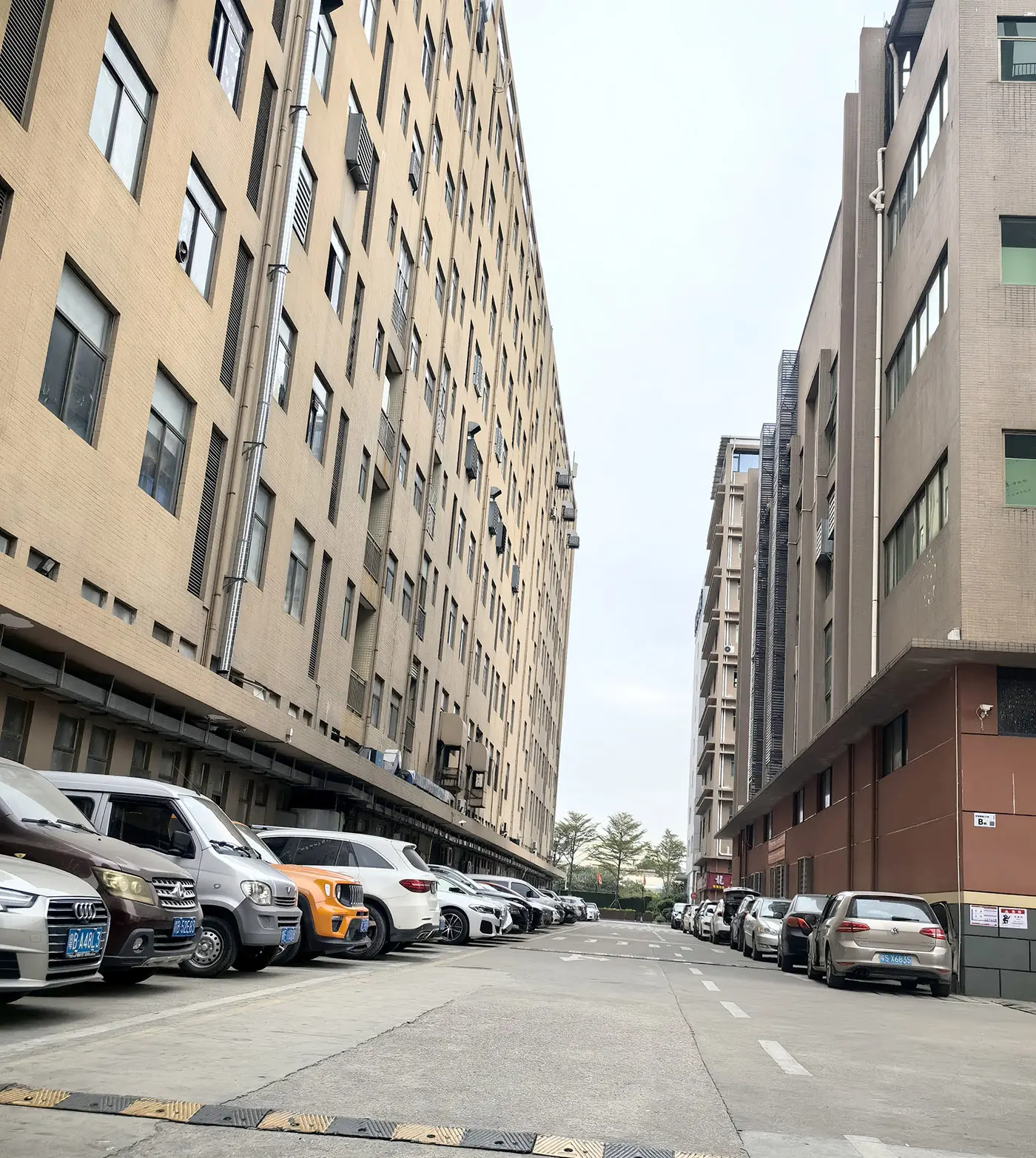
Shenzhen Snow Peak Clean Technology Co., Ltd. is a globally integrated high-tech enterprise, specialized in air filtration products research, development, production, and international trade. We construct and supply high-performance solutions: Pre-filters, pocket filters, HEPA filters, chemical filters, replacement HEPA filters, car cabin air filters, and humidifier filters. Our facilities process high-performance media, providing solutions for indoor pollution, HVAC systems, microelectronics, laboratory, pharmaceuticals, and clean room facilities.
By leveraging our self-developed patented technology, our sterilizing and antiviral HEPA filters effectively capture fine particles, reducing PM2.5 concentrations to 10 micrograms/m³ (5 times cleaner than standard values). Our specialized antimicrobial media eliminates 99.9% of microorganisms and removes H1N1 virus up to 99.99% efficiency with zero secondary pollution.
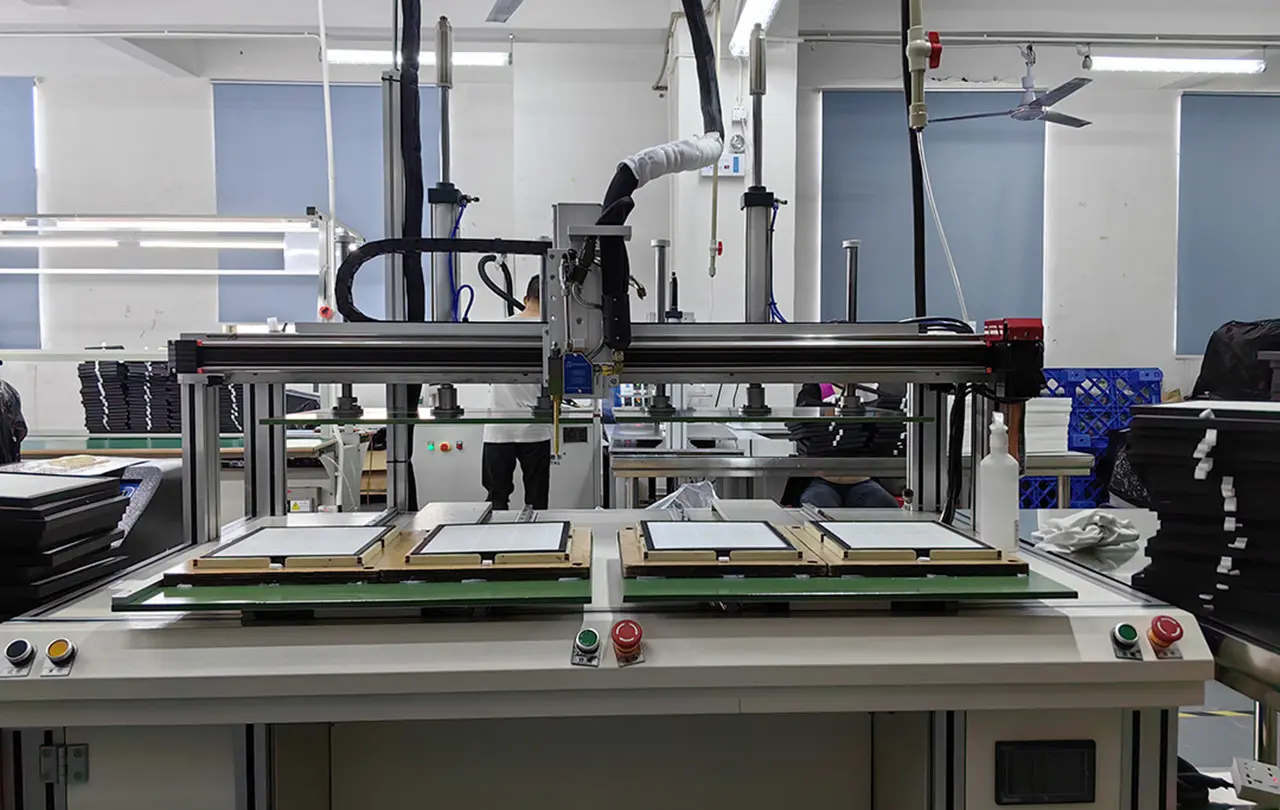
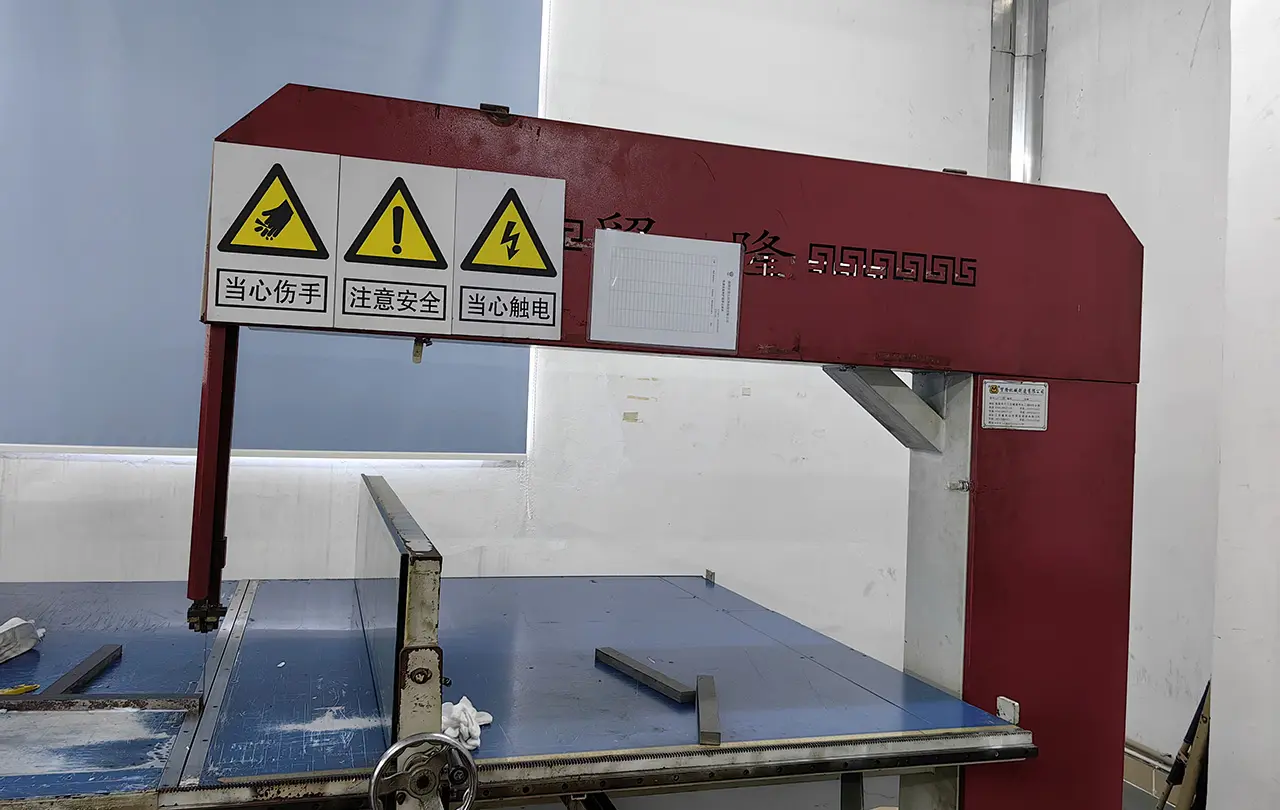
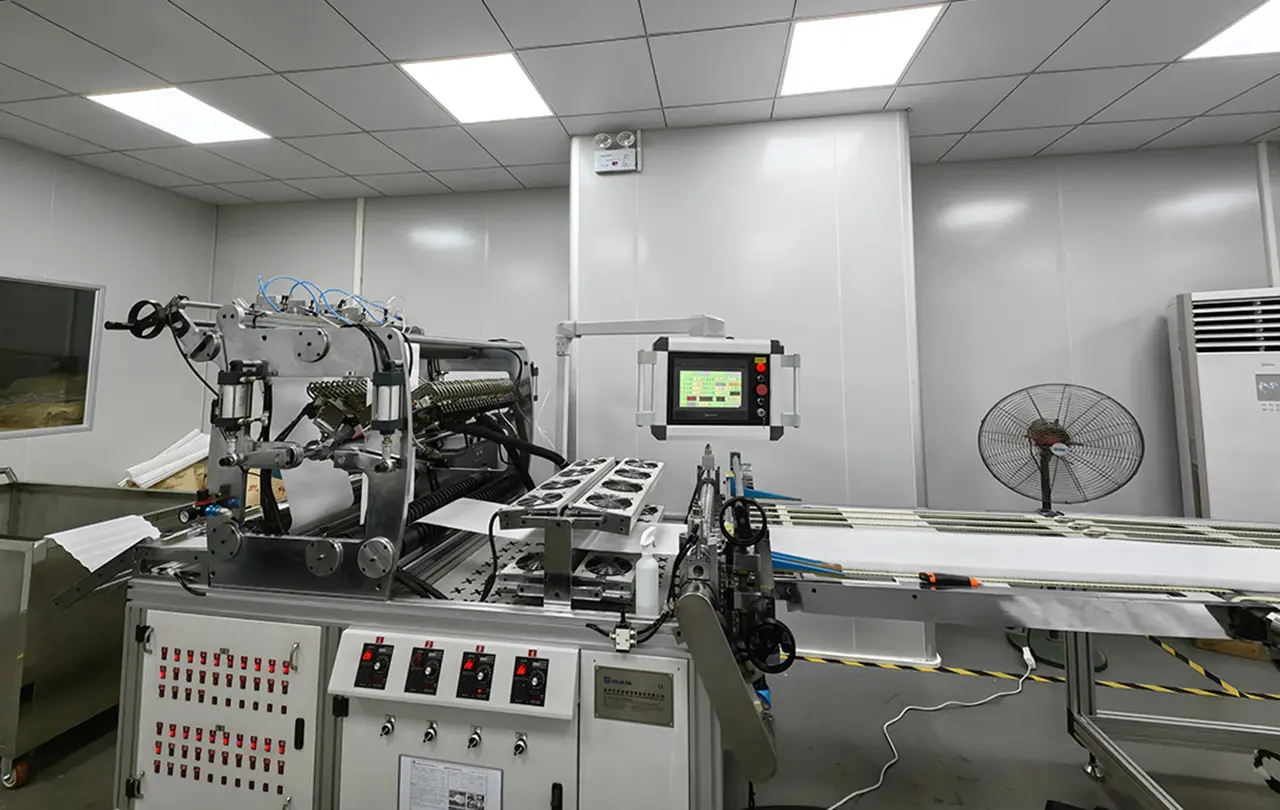
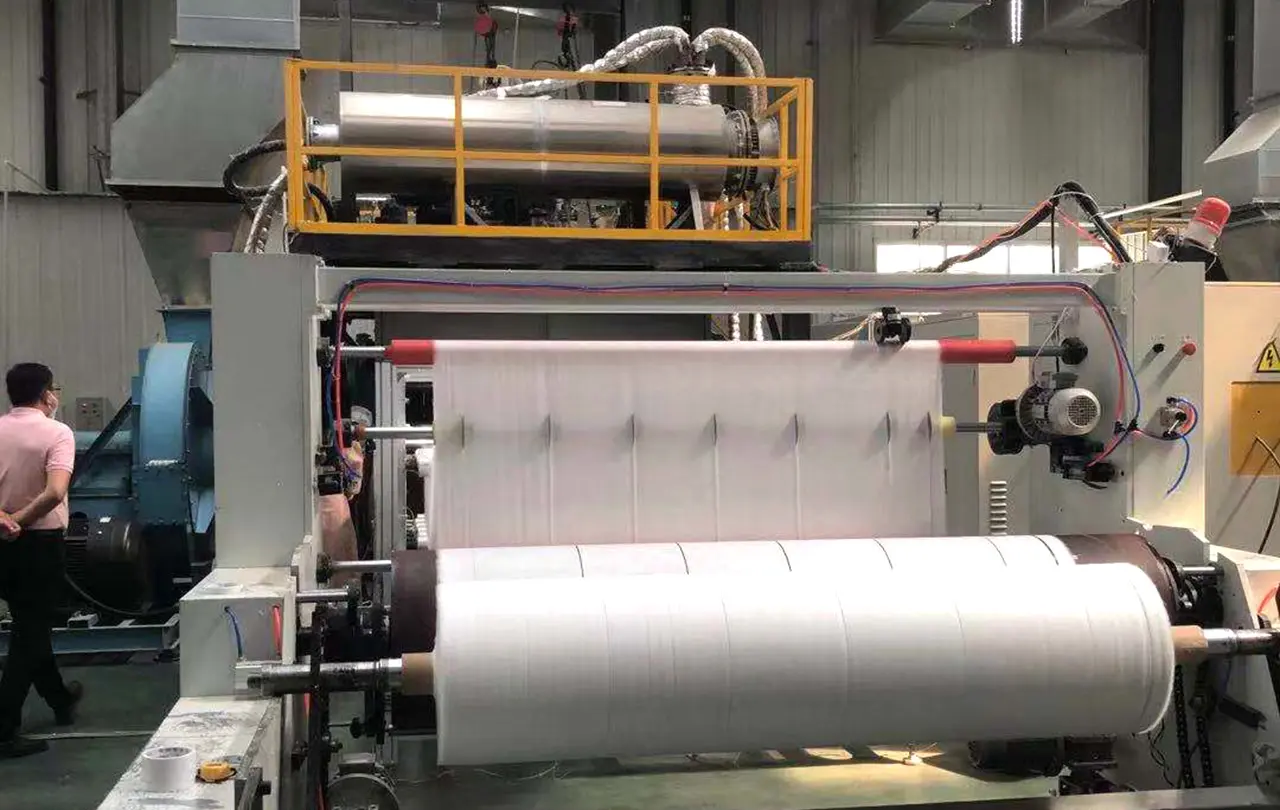
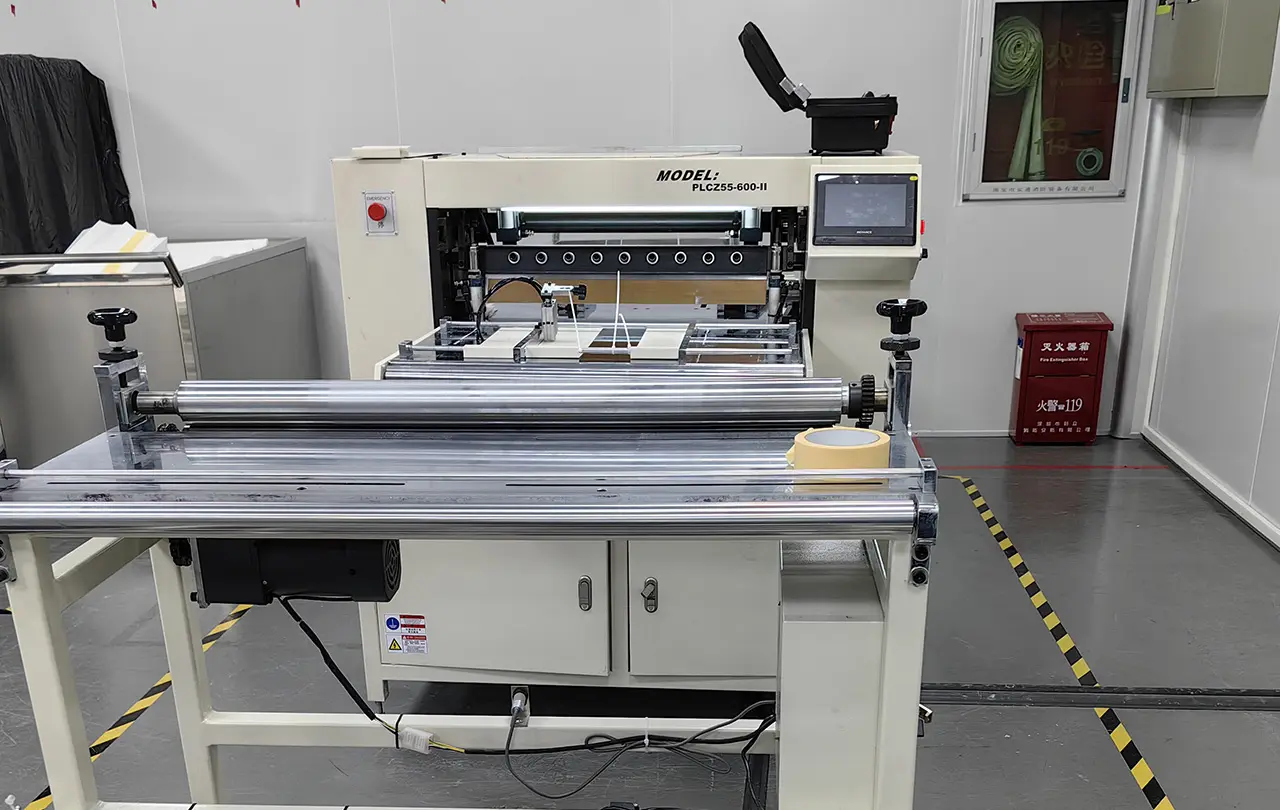
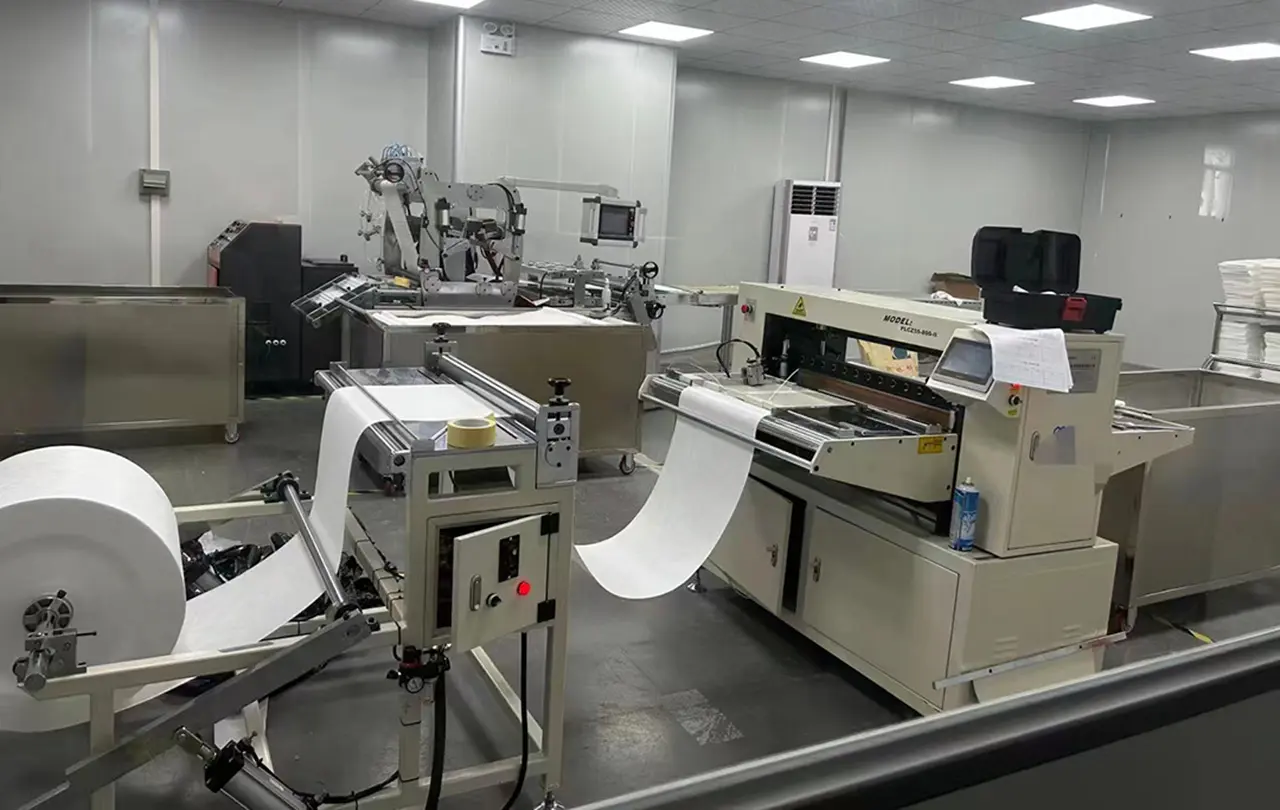
Our 15-year background in international air purification technology is backed by a highly automated production floor and advanced fabrication tools.
Navigating regional safety regulations is a primary concern for international enterprise buyers. Operating clean rooms and lead processing facilities in the EU or Americas requires strict adherence to localized worker safety guidelines. In the US, the Occupational Safety and Health Administration (OSHA) sets the Permissible Exposure Limit (PEL) for lead at 50 micrograms per cubic meter of air, averaged over an 8-hour workday. HEPA filtration is the designated engineering control to maintain air quality below this action limit.
In Europe, compliance with EN 1822 and ISO 29463 standards is mandatory for absolute filtration performance classification. Shenzhen Snow Peak supports international clients by providing certified test reports for each production run. Our quality assurance laboratory tests every lead dust HEPA filter using DEHS test aerosols to verify particle containment, pressure resistance, and frame seal integrity prior to shipping.
The future of industrial particulate filtration lies in intelligent optimization and carbon footprint reduction. Shenzhen Snow Peak is actively researching new material configurations to meet future environmental goals:
Utilizing next-generation composite polymers to decrease initial pressure drops by up to 20%, drastically cutting down on electric utility costs in continuous-loop cleanroom fans.
Expanding our proprietary antiviral and antimicrobial nano-coatings onto heavy-duty industrial lines to combat biological growth in humid or organic dust environments.
Developing smart-frame elements with embedded pressure and chemical sensors that alert maintenance teams when filter loading reaches capacity, avoiding unexpected downtime.
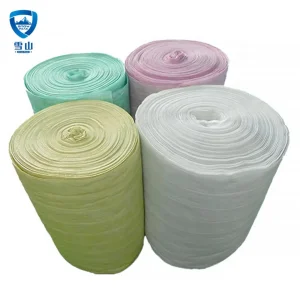
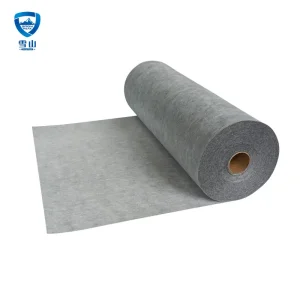
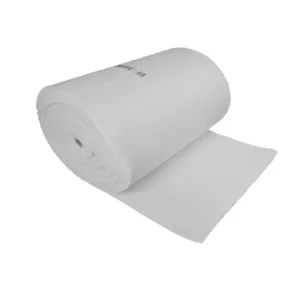
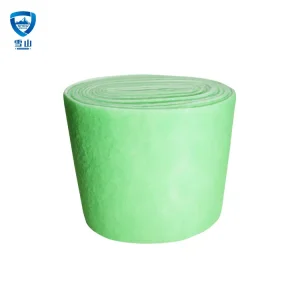
Explore our full catalogue of custom manufactured filtration rolls, replacement sets, pocket bags, and heavy-duty cleanroom modules.
 Snow Peak