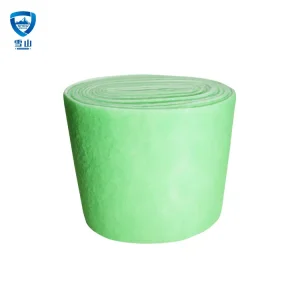
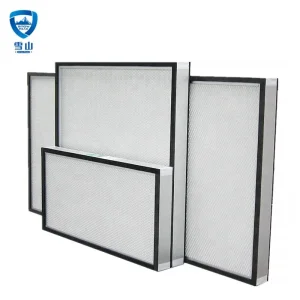
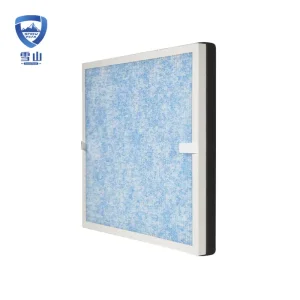
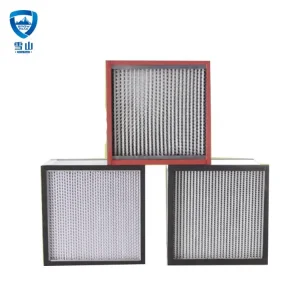
In modern environmental engineering and epidemiology, airborne pollen and mold spores constitute some of the most pervasive threats to human respiratory health. As urban bioloads intensify, standard coarse filters no longer suffice. To address the demands of global manufacturers, industrial cleanroom designers, and high-performance automotive ventilation system engineers, Shenzhen Snow Peak Clean Technology Co., Ltd. develops state-of-the-art synthetic electret and microfiber glass composite pollen filtration media.
Pollen particles range in size from 10 microns to over 100 microns. However, sub-micron pollen fragments, triggered by high humidity and physical degradation, demand complex fibrous filtration structures to achieve true high-efficiency containment. Achieving minimal static pressure drop while capturing maximum particulate volume is the central hallmark of our OEM pollen filter material fabrication.
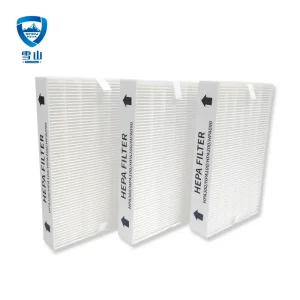
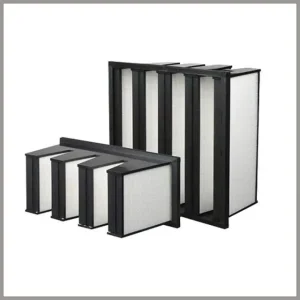
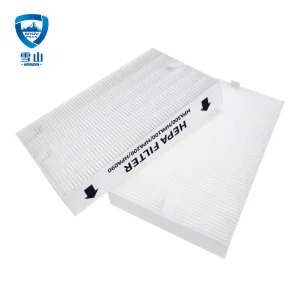
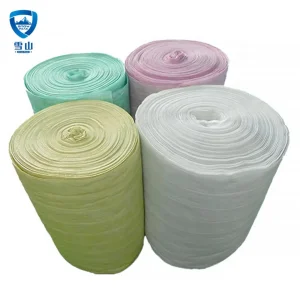
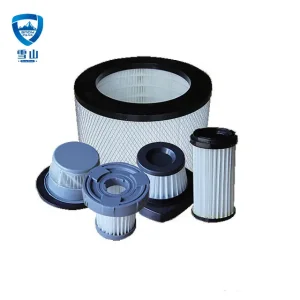
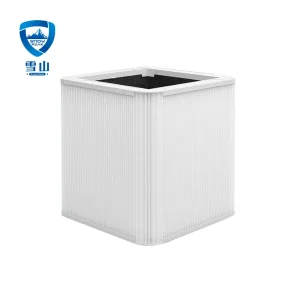
Shenzhen Snow Peak Clean Technology Co., Ltd. is an integrated high-tech enterprise, specialized in air filtration products research and development, production, sales, import and export trade. We produce and supply: Pre-filter, pocket filter, HEPA filter, chemical filter; replacement HEPA filter, car cabin air filter, humidifier filter; pocket filter media, melt-blown composite filter media, and other high-performance filter materials; provide high quality air purification solutions and products for indoor air pollution control and air conditioning systems of civil and industrial buildings, microelectronics, pharmaceutical, laboratory, school, hospital clean room etc. Combined with self-developed patented technology, our sterilizing antiviral HEPA filter can effectively filtrate fine particles, so that PM2.5 concentration down to 10 micrograms/m3, 5 times better than national standard; effectively inhibit the breeding of microorganisms, sterilization rate up to 99.9%, and no secondary pollution, removal of H1N1 virus efficiency as high as 99.99%.
Our factory processes raw synthetic polymers and fiberglass into multi-layered filter structures through advanced custom pleating, automated slot-die gluing, and continuous ultrasonic lamination lines. These automated procedures ensure zero fiber shedding and high dimensional integrity for custom filter cartridges.
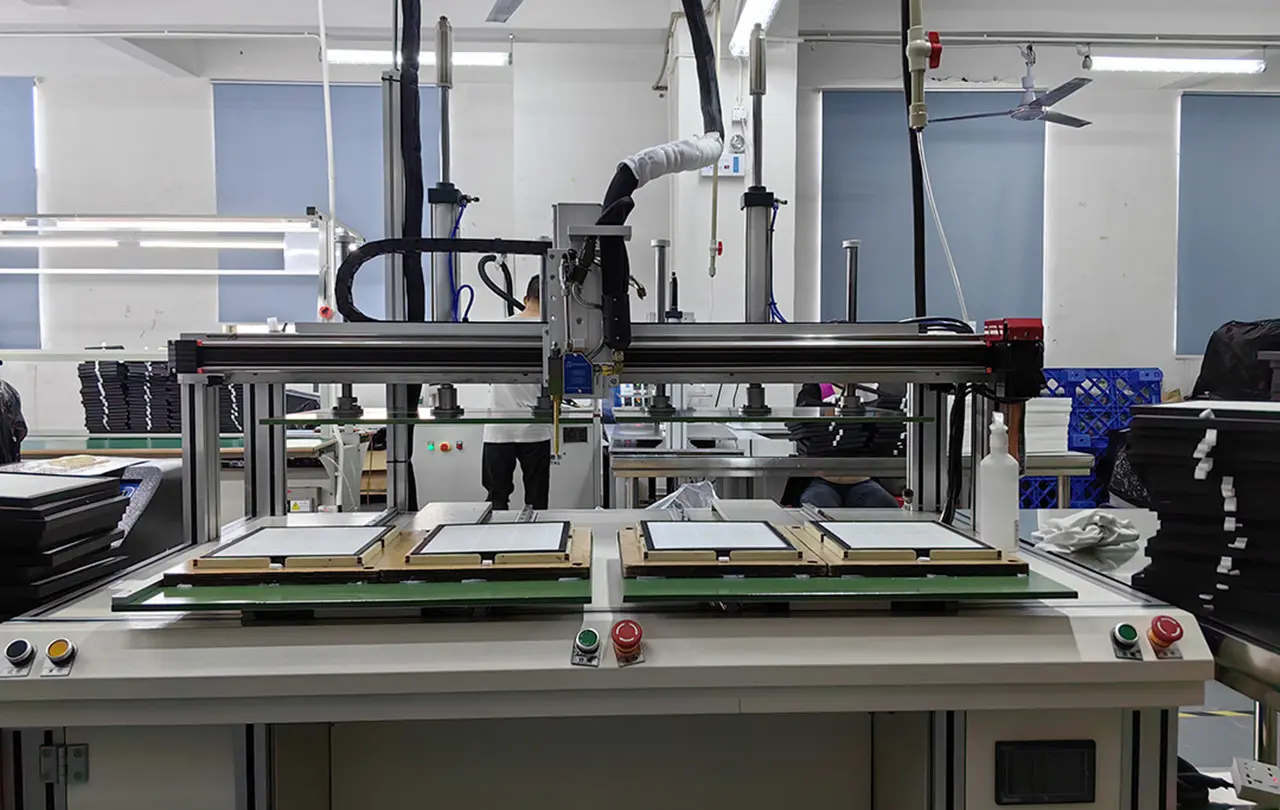
Advanced hot-melt adhesive dispensing systems ensure precise distribution for high-strength pleat structural retention.
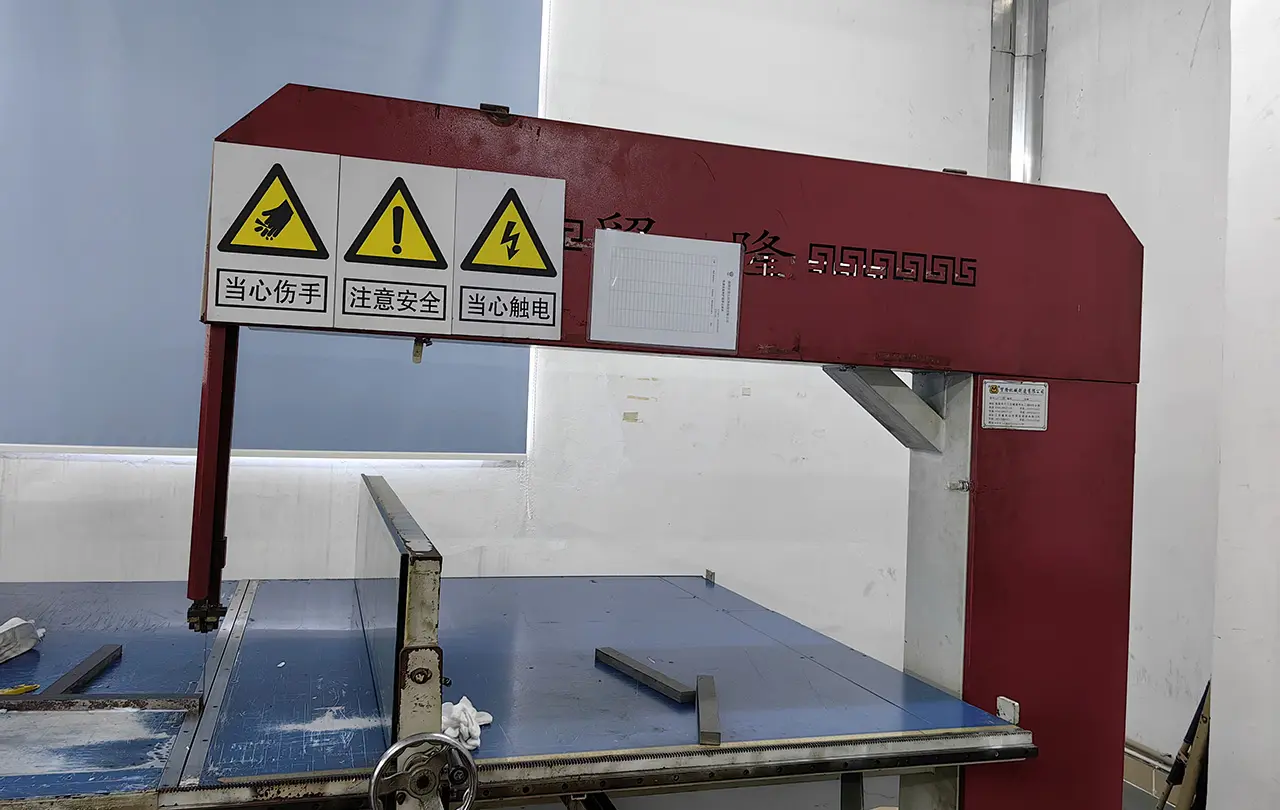
High-speed rotary and laser cutting equipment configured to custom tolerances for standard and non-standard HVAC sizes.
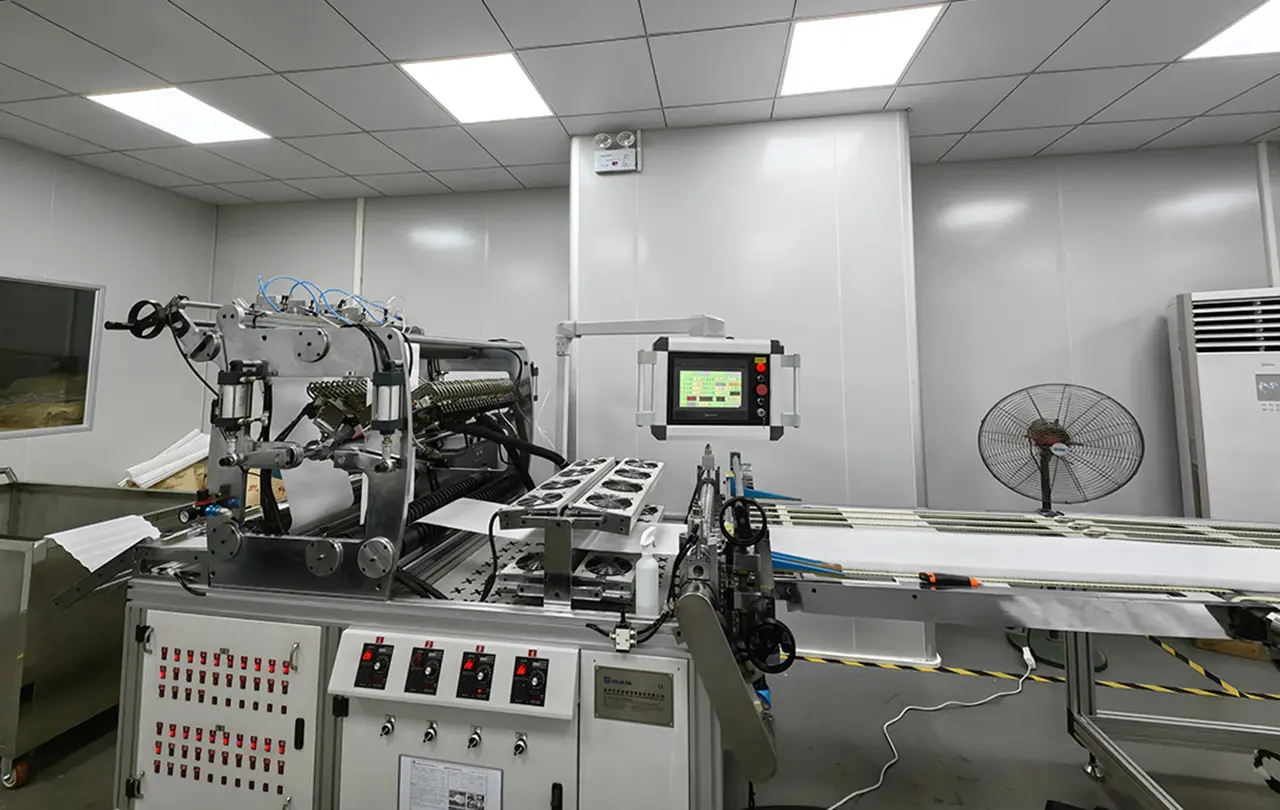
Automated sealant application ensuring leak-free bonding between pleats and frames, preventing bypass airflow.
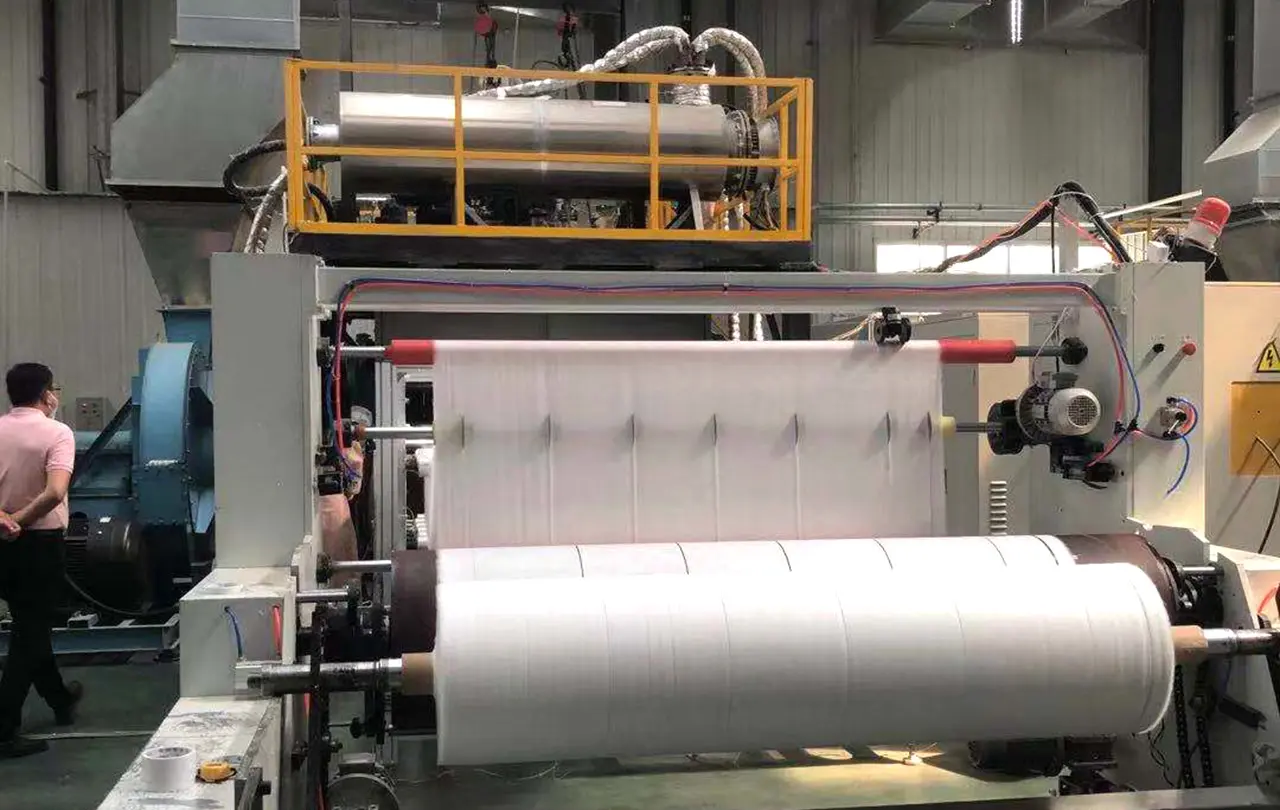
Multi-layer synthetic bonding combining electrostatically charged layers with structural support membranes.
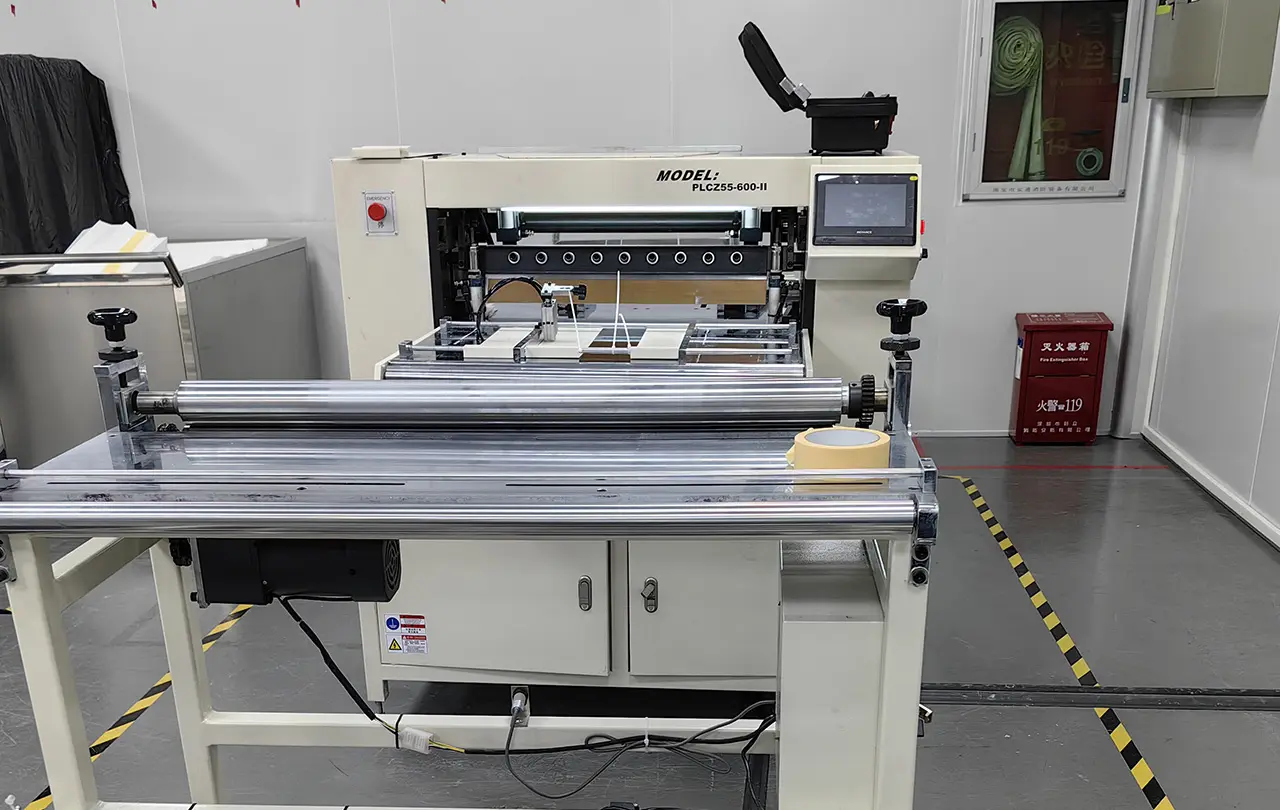
Micro-pleating configurations optimize the total filtration surface area for minimized initial resistance.
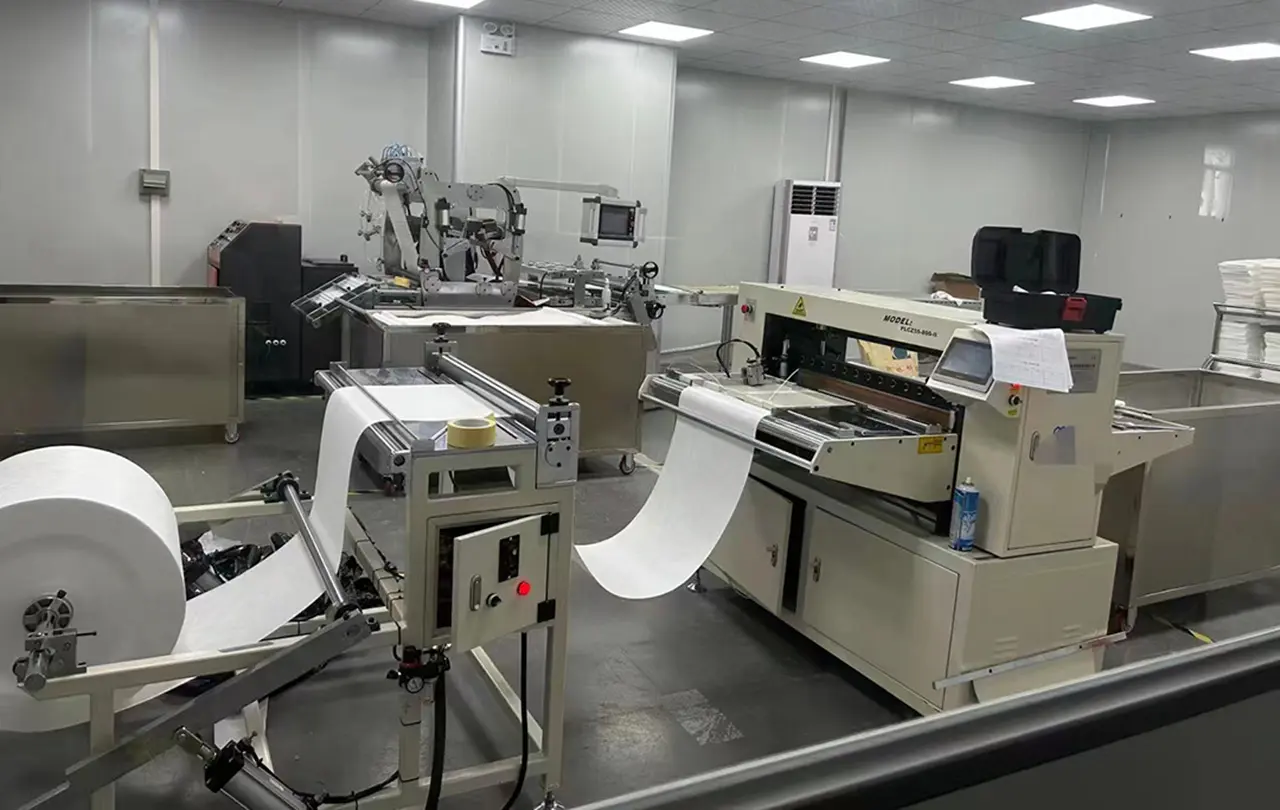
Ensures structural integrity and equal spacing of pleats to prevent air channel collapse under high wind velocity.
The global market for pollen filter materials has transitioned from basic mechanical screening to highly sophisticated composite filtration. In current procurement processes, OEM customers look beyond initial cost per square meter, evaluating long-term performance characteristics like **Dust Holding Capacity (DHC)**, **Static Electret Charge Half-Life**, and **Resistance Optimization (ΔP)**.
Standard filter materials saturate quickly when exposed to heavy seasonal pollen loads. We utilize graduated-density synthetic fibers that capture large particulate matter on outer layers while retaining sub-micron particles within inner cores, extending service life by up to 40%.
Mechanical filtration alone requires thick, high-density structures that spike energy costs. By embedding corona-charged electrets into the melt-blown layer, our media attracts pollen fragments electromagnetically without restricting airflow.
Modern procurement mandates compliance with green initiatives. We offer halogen-free, recyclable polypropylene composites that support corporate zero-landfill goals while maintaining optimal fire-retardant properties.
Enterprise buyers face the challenge of sourcing materials that satisfy stringent regional regulatory matrices. For instance, European buyers demand **EN 779 / ISO 16890** compliance, requiring detailed ePM1, ePM2.5, and ePM10 ratings. North American procurement channels evaluate performance against **ASHRAE 52.2 MERV** parameters. As an established OEM partner, Snow Peak Clean Technology provides fully verified test documentation for both global standards, reducing product qualification lead times from months to weeks.
Pollen filtration requirements vary drastically by sector. A standard cabin filter has different dimensional and airflow constraints than a heavy-duty hospital ventilation system. We address these distinct fields with engineered solutions:
Automotive cabin ventilation operates within confined spatial envelopes, demanding media with high flexibility and structural rigidity. Our synthetic compound media combines electrostatically charged melt-blown layers with spunbond reinforcement. This composite design resists collapse during high fan-speed cycles and blocks heavy ambient pollen, PM2.5, and microscopic mold spores without generating odors.
Commercial facilities require continuous air volume circulation with minimal energy overhead. Our low-pressure-drop filter media lowers fan load demand in central air handlers. By using a multi-layer sandwich structure containing activated carbon and H13 HEPA components, our filters remove volatile organic compounds (VOCs) and allergens simultaneously.
For pharmaceutical compounding and semiconductor fabrication facilities, bio-allergens like pollen grains can ruin entire manufacturing runs. Snow Peak's high-efficiency HEPA materials utilize sub-micron glass fiber and advanced synthetic matrices to guarantee filtration ratings up to H14 (99.995% efficiency at 0.3 microns). We utilize AMADA CNC punching and bending machines to design customized protective housings that guarantee bypass-free airflow.
As environmental regulations become stricter, the filtration industry is moving toward smart, self-cleaning, and bioactive materials. Our R&D division focuses on:
Every production run of our pollen filter material undergoes inspection protocols using TSI 8130 automated testers. We maintain strict compliance with international standards, ensuring our materials satisfy RoHS, REACH, and UL900 flammability criteria. This focus on regulatory compliance gives global distributors and manufacturers the confidence that Snow Peak materials will perform reliably in any market.
 Snow Peak