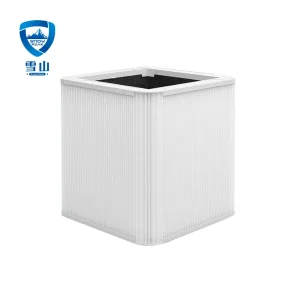
OEM Portable HEPA Fan Filter Unit Factories & Product

Enterprise-Grade Critical Air Filtration Solutions, ISO 14644 Cleanroom Compliance, & Custom OEM/ODM Manufacturing Pathways

Our Profile & Capabilities

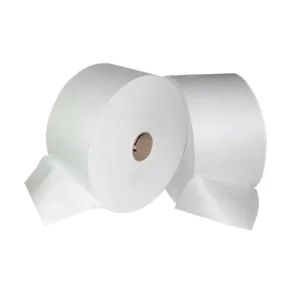
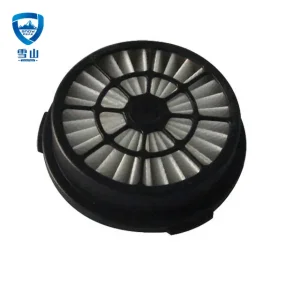
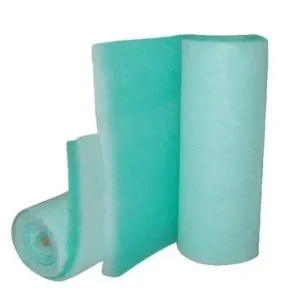
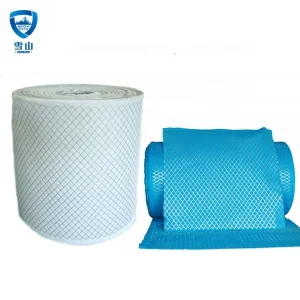
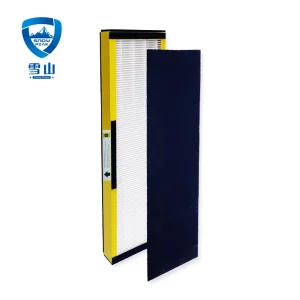
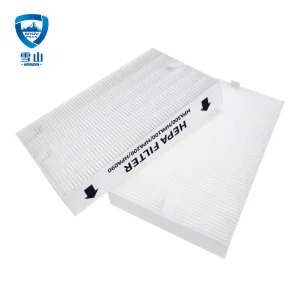
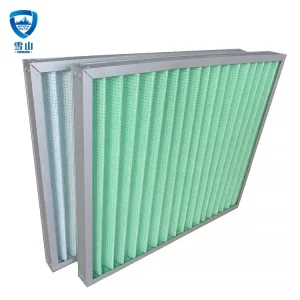
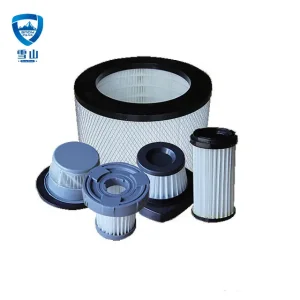
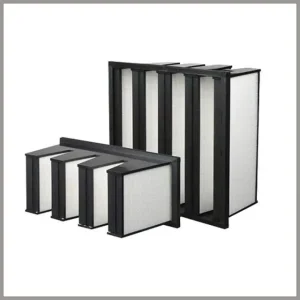
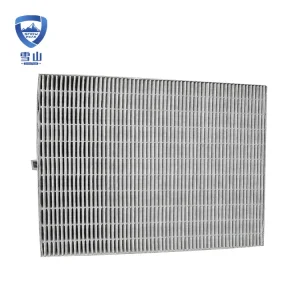
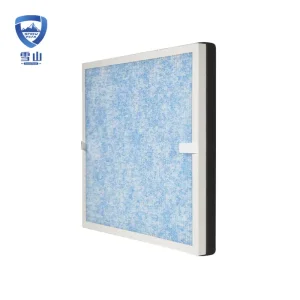
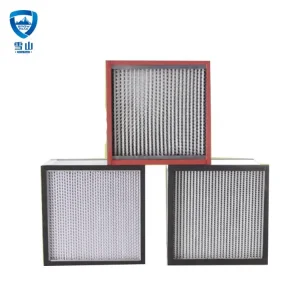
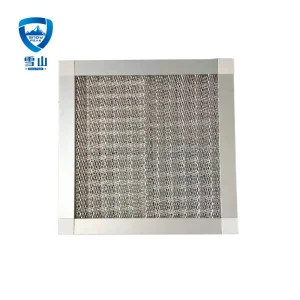
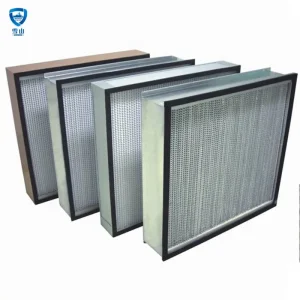
Shenzhen Snow Peak Clean Technology Co., Ltd. is an integrated high-tech enterprise, specialized in air filtration products research and development, production, sales, import and export trade. We produce and supply: Pre-filter, pocket filter, HEPA filter, chemical filter; replacement HEPA filter, car cabin air filter, humidifier filter; pocket filter media, melt-blown composite filter media, and other high-performance filter materials; provide high quality air purification solutions and products for indoor air pollution control and air conditioning systems of civil and industrial buildings, microelectronics, pharmaceutical, laboratory, school, hospital clean room etc.

Combined with self-developed patented technology, our sterilizing antiviral HEPA filter can effectively filtrate fine particles, so that PM2.5 concentration down to 10 micrograms/m³ (which is 5 times better than standard metrics); effectively inhibit the breeding of microorganisms, sterilization rate up to 99.9%, and no secondary pollution, removal of H1N1 virus efficiency as high as 99.99%.
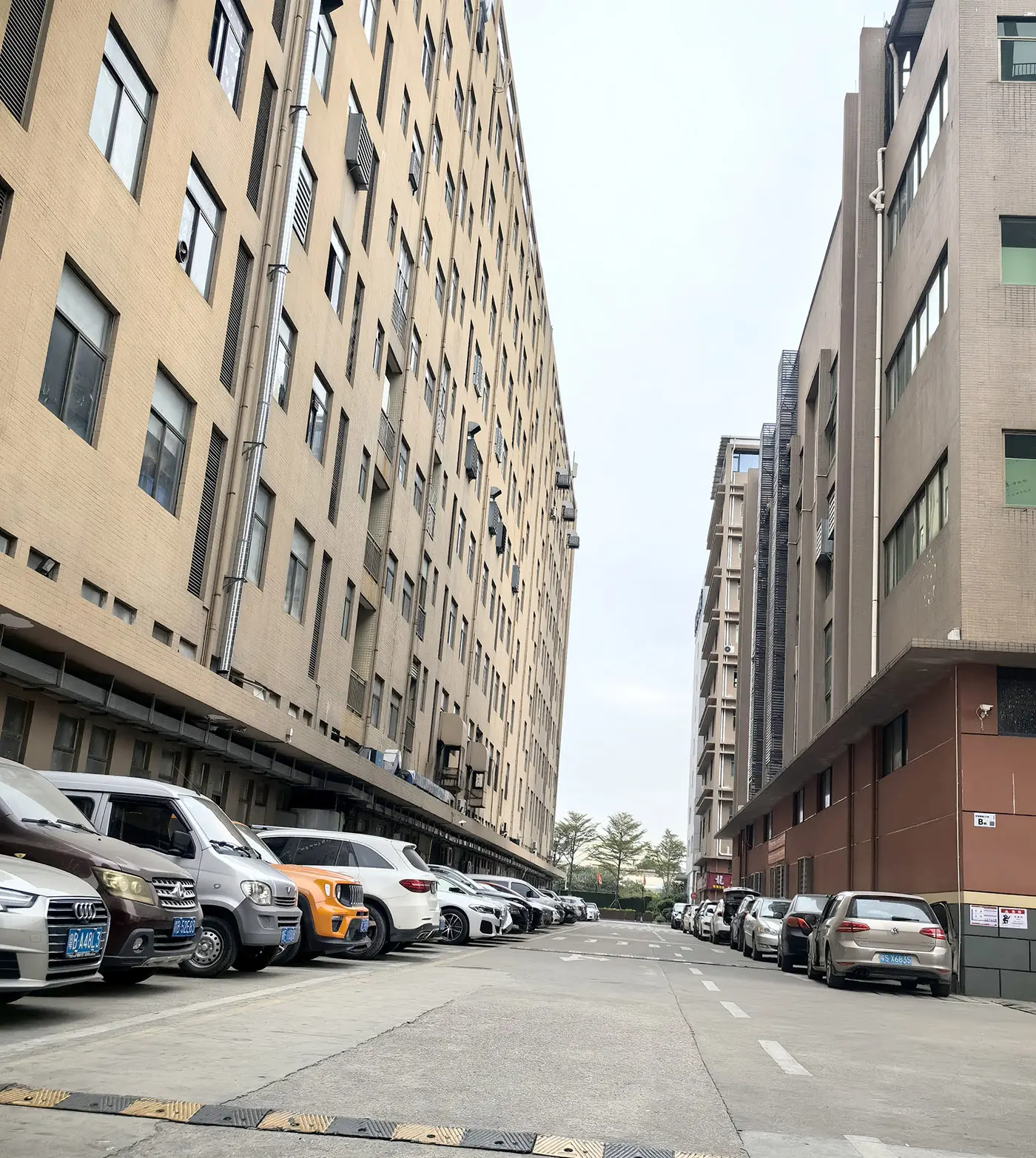
Shenzhen Snow Peak Clean Technology Facility
2010 Cleanroom 4.0

Our Technological Strength

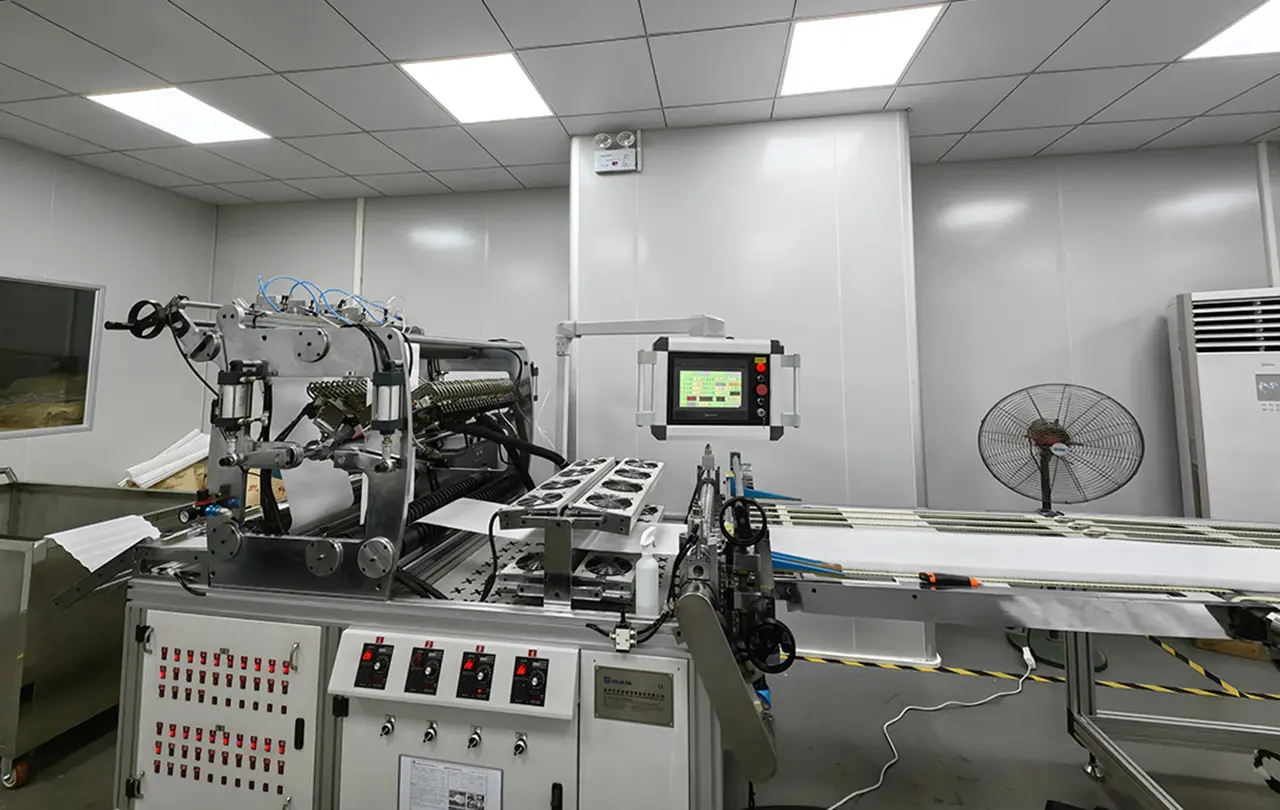
Having 15 years of international air purification technology experience as the background, our company has standardized production workshop, dust-free filter workshop and first-class technology of HEPA filters production line and inspection line.

Through our independent research and development of fully automatic air filter production line, equipped with AMADA CNC punch and CNC bending machine as well as many other advanced high-end equipment, we provide a strong guarantee for production and quality of air filtration and purification products.

15+

Years Industry Expertise

99.99%

Virus Removal Efficiency

10μg/m³

PM2.5 Filtration Capacity

0%

Secondary Pollution

Whitepaper: Designing & Sourcing Portable HEPA Fan Filter Units

A comprehensive technical analysis of modular airflow management, filter media optimization, and global cleanroom standards.

1. Executive Summary & Market Mechanics

In modern contamination control, the Portable Fan Filter Unit (pFFU) represents a major leap forward in modular cleanroom design. Unlike traditional ceiling-mounted, fixed FFUs, portable variants provide target-oriented clean air vectors directly to micro-environments, localized workstations, isolation chambers, and rapid-deployment medical zones. Global markets are seeing increased demand for high-efficiency, energy-conscious portable air filtration systems, driven by the growth of semiconductor packaging, biotechnology assays, pharmaceutical compounding, and specialized lithium-ion battery manufacturing.

As industrial processes become more complex, maintaining strict particle counts under ISO 14644-1 Class 1 through Class 5 requires continuous, laminar clean airflow. Portable HEPA fan filter units deliver these clean micro-climates without the high capital costs of structural renovations.

2. Technical Roadmap & Future Evolution of pFFUs

The development of next-generation portable Fan Filter Units focuses on three main technical areas: motor efficiency, advanced filter media chemistry, and smart control interfaces.

  • Electronically Commutated (EC) Motors: Older AC induction motors are being replaced by EC motors. These brushless DC systems use integrated electronics to monitor and adjust speed. This maintains constant airflow even as the static pressure of the HEPA or ULPA filter increases over its service life. EC motors save up to 65% in energy usage compared to traditional AC motors.
  • Dynamic Flow Modeling & Noise Attenuation: High airflow rates can create turbulence and high noise levels. Modern designs use computational fluid dynamics (CFD) to optimize internal baffle systems, reducing noise output below 50 dBA at 0.45 m/s face velocity.
  • Smart IoT & BMS Integration: Modbus, BACnet, and wireless mesh networks are now standard. These protocols allow facilities to monitor filter pressure drop, motor RPM, and ambient particle concentrations remotely.
  • Advanced Membrane Technologies: Traditional fiberglass media is shifting toward PTFE membrane filters. PTFE media has lower resistance, higher physical strength, and resists outgassing, making it ideal for advanced semiconductor and chemical cleanroom applications.

3. Macro-Industry Solutions: Sector-Specific Deployments

Different industries require custom configurations for their portable filtration systems. A one-size-fits-all approach cannot meet the strict standards of biological hazard mitigation and chemical outgassing prevention at the same time.

  • Semiconductor and Microelectronics: Requires chemical-resistant construction (often anodized aluminum or stainless steel) and filters with very low boron and organic outgassing. This protects silicon wafers from trace molecular contamination.
  • Pharmaceutical Compounding & Biotech: Systems must meet USP <797> and USP <800> regulations. Stainless steel housings are required to withstand harsh sanitizers and vaporized hydrogen peroxide (VHP) decontamination cycles.
  • Healthcare and Patient Isolation: Negative pressure portable FFUs are used to convert standard patient rooms into emergency airborne infection isolation rooms (AIIRs). These units require medical-grade antimicrobial housings and certified virus-filtration HEPA systems.

4. China Factory 4.0: Supply Chain Resilience & Shenzhen Snow Peak Advantages

The Pearl River Delta cleanroom supply chain, led by advanced manufacturing hubs like Shenzhen Snow Peak Clean Technology Co., Ltd., offers key advantages in manufacturing speed, quality control, and component integration.

With 15 years of international air purification technology experience, our factory runs a high-efficiency production model. Combining CNC punching machines and automated bending tools with a dedicated cleanroom filter assembly line ensures consistent build quality. Each HEPA and ULPA filter undergoes strict leak testing before shipping. By managing the entire production process—from raw meltblown and fiberglass media compounding to metal housing fabrication—we keep production costs down while maintaining strict quality control.

5. Global Procurement Best Practices

Purchasing managers and cleanroom engineers must look beyond the initial purchase price when selecting a manufacturing partner. Critical criteria should include:

  • Compliance & Certifications: Ensure the factory holds CE, UL, RoHS, and ISO 9001 certifications. HEPA filters should be certified to EN 1822 and ISO 29463 standards.
  • Static Pressure Reserves: The FFU fan should provide enough external static pressure to handle pre-filters and chemical carbon stages without dropping below target airflow rates.
  • Customization Options: Check if the manufacturer offers flexible dimensions, variable-speed control modules, visual pressure gauges (such as Magnehelic indicators), and custom paint or stainless steel finishes.

Engineering Advantages of Our FFU Assemblies

Built with quality components to ensure continuous operation and low maintenance overheads.

High static pressure EC Fans

Features step-less speed regulation, low energy consumption, and automatic speed compensation to handle filter loading over time.

EN 1822 Certified H14 / U15 HEPA

Guarantees filtration efficiencies of 99.999% at 0.3 microns, providing reliable protection for highly sensitive manufacturing environments.

Modular Construction

Lightweight aluminum, galvanized steel, or stainless steel cabinets. Designed for easy installation in standard T-bar grids or mobile carts.

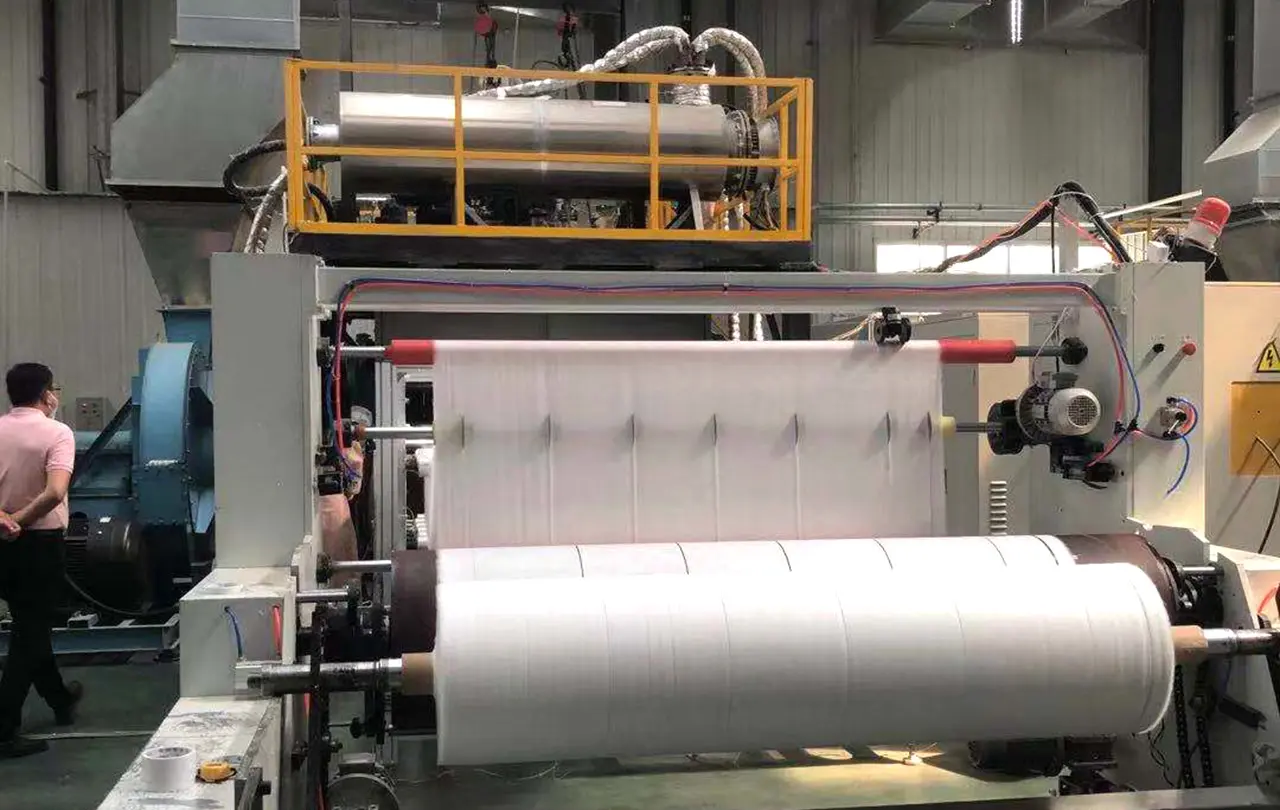
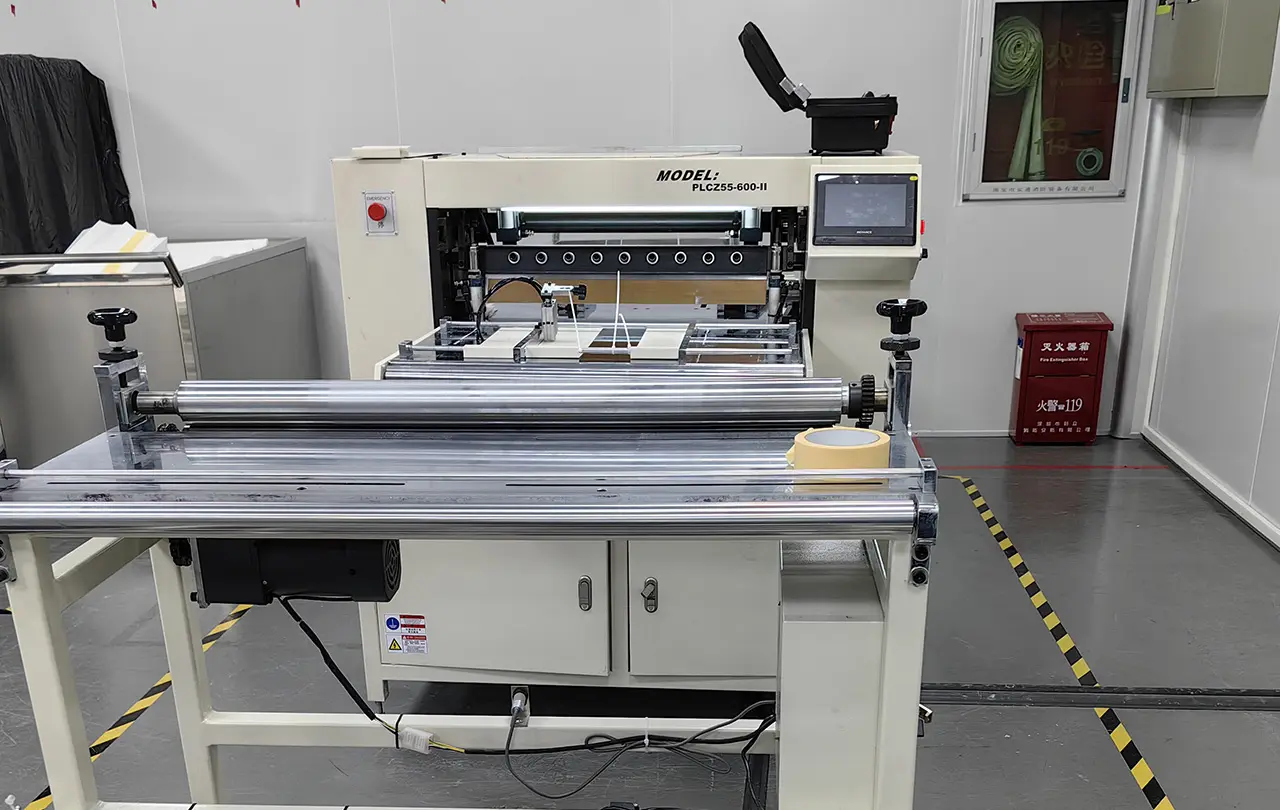
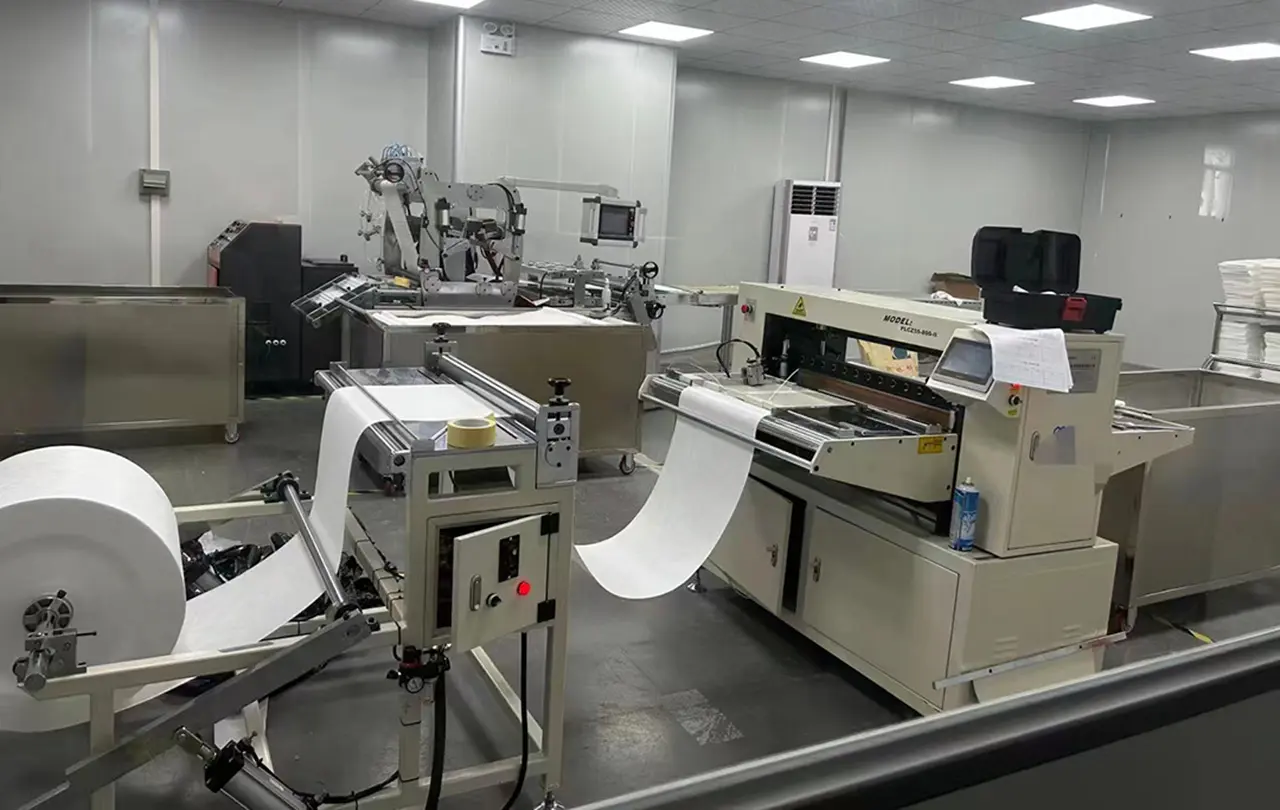
Advanced Manufacturing Machinery & Production Facilities

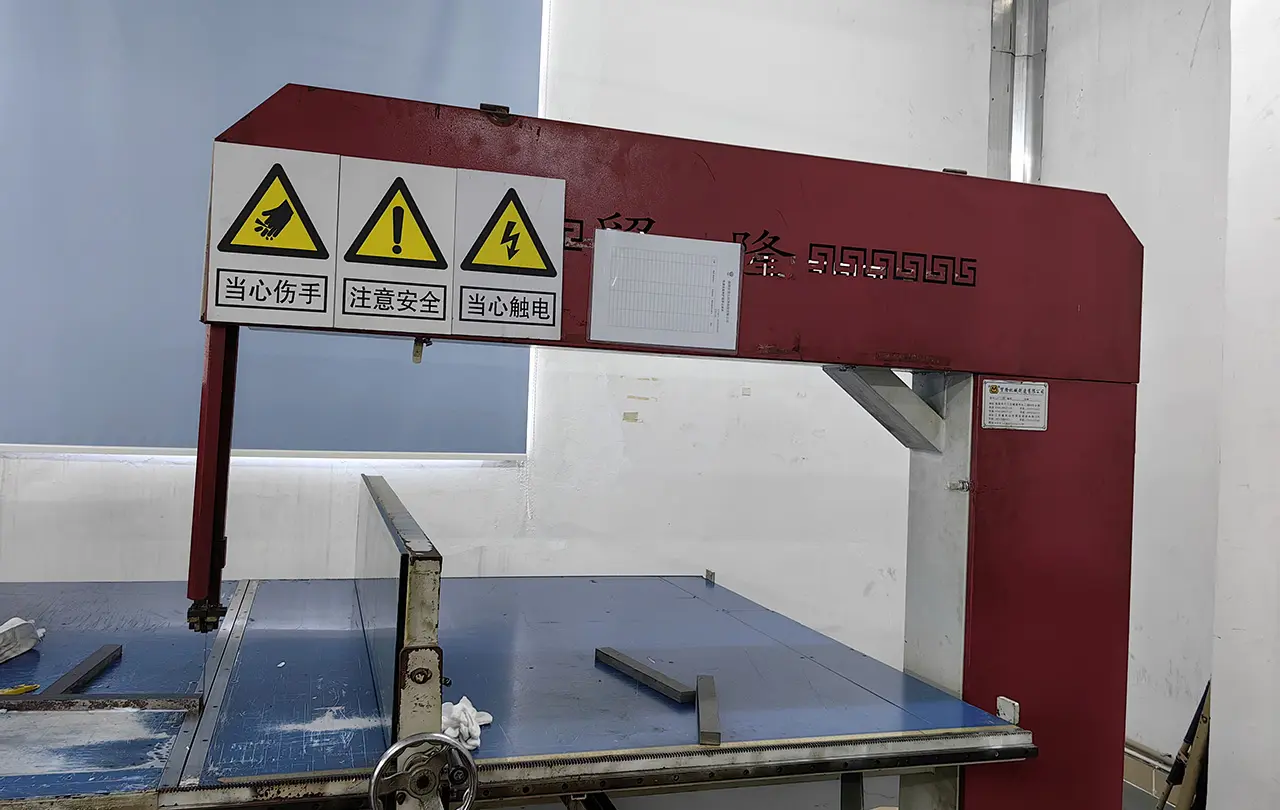
Inside our ISO 9001 and CE certified factory. We use automated production lines to deliver high-quality cleanroom equipment.
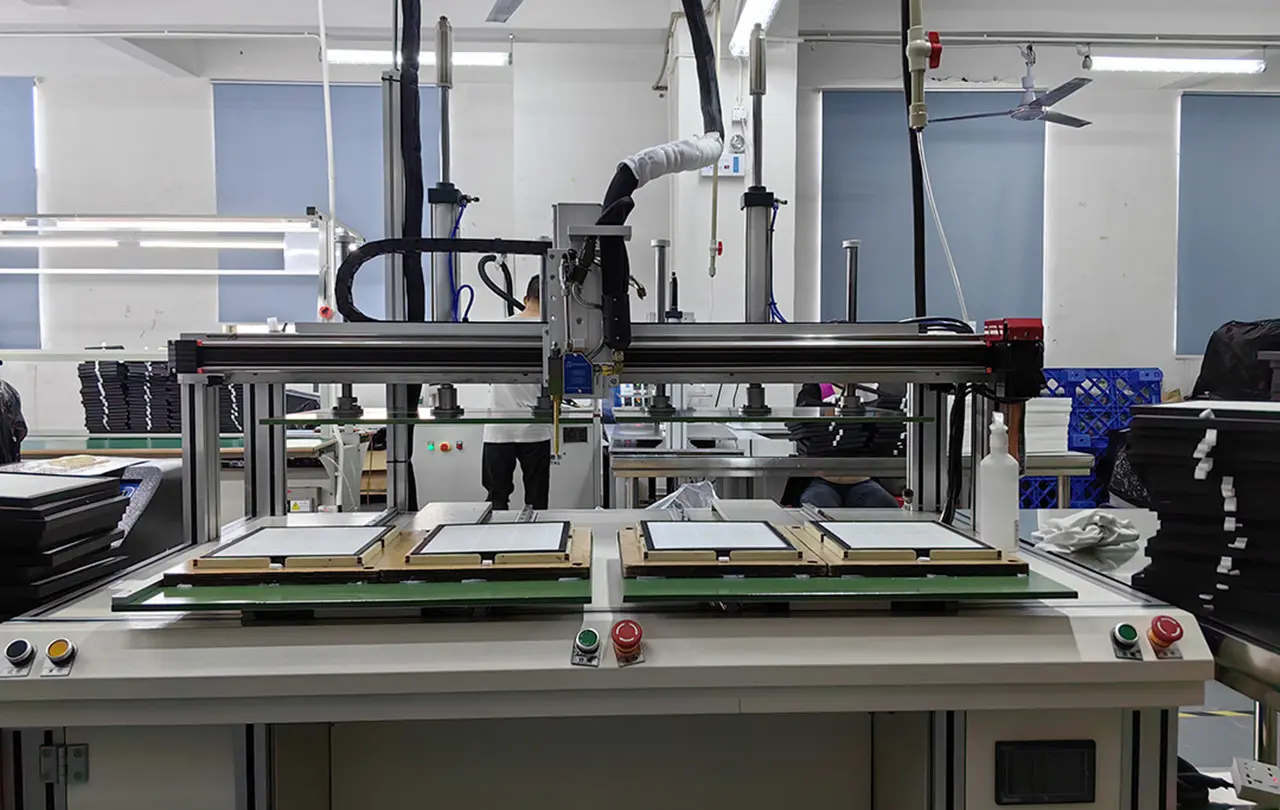
Gluing machine
Gluing Machine
Cutting machine
Cutting Machine
Gluing line
Gluing Line
Compound filter media production
Compound Filter Media Line
Pleating machine
Pleating Machine (Station 1)
Pleating line station
Pleating Machine (Station 2)

Frequently Asked Technical Questions (FAQ)

Expert insights on sourcing, sizing, and maintaining portable HEPA fan filter units.

Q1: What is the differences between H13, H14, and U15 filters in portable FFUs?
Under the EN 1822 standard, H13 filters capture 99.95% of particles at the Most Penetrating Particle Size (MPPS). H14 filters increase this efficiency to 99.995%, and U15 ULPA filters achieve 99.9995%. For microelectronics and critical semiconductor packaging, H14 or U15 filters are generally required to prevent micro-defects on wafers. For standard industrial cleanrooms and pharmaceutical operations, H13 or H14 HEPA filters provide a good balance of air volume and protection.
Q2: Why are EC motors preferred over AC motors in cleanroom FFUs?
EC (Electronically Commutated) motors combine the benefits of AC voltage and brushless DC motor technology. They are much more energy-efficient, generate less heat inside the cleanroom, and allow for precise digital control. Most importantly, EC motors can automatically speed up as the filter loads to keep airflow constant, which extends filter life and reduces energy costs.
Q3: How do you calculate the required number of Portable Fan Filter Units for an ISO Class 5 cleanroom?
The calculation is based on the required Air Change Rate (ACR) and the total cleanroom volume. For ISO Class 5 cleanrooms, the ACR typically ranges between 240 to 480 air changes per hour. To calculate the needed FFU capacity:
Total Airflow (CFM) = Cleanroom Volume (cu. ft.) × ACR / 60.
Divide the total required CFM by the airflow rate of a single FFU (usually 600 to 800 CFM) to find the number of units needed.
Q4: Can portable FFUs be used for negative pressure isolation systems?
Yes. By mounting the FFU to draw air out of a sealed room or enclosure and ducting the clean exhaust outside, you create a negative pressure environment. This prevents airborne pathogens or hazardous dust from escaping into adjacent areas.
Q5: What tests does Shenzhen Snow Peak perform to ensure quality?
Every HEPA and ULPA unit we produce undergoes a strict factory leak test. This includes scanning the filter face with an aerosol photometer to verify efficiency and check for pinhole leaks, ensuring the unit meets ISO 14644 and EN 1822 specifications before shipping.